

In my jottings for future posts was this quote from Kenneth Clark’s The Nude: A Study in Ideal Form:
“The English language, with its elaborate generosity, distinguishes between the naked and the nude. To be naked is to be deprived of our clothes, and the word implies some of the embarrassment most of us feel in that condition. The word nude, on the other hand, carries, in educated usage, no uncomfortable overtone. The vague image it projects into the mind is not of a huddled and defenseless body, but of a balanced, prosperous, and confident body: the body re-formed. In fact, the word was forced into our vocabulary by critics of the early eighteenth century to persuade the artless islanders [of the UK] that, in countries where painting and sculpture were practiced and valued as they should be, the naked human body was the central subject of art.”
Appended was the inscrutable question, “Do you think your new friend was naked or nude?” I really should take better notes.

The nude in art
According to Clark and other thinkers of his time, naked is what happens when you emerge from the shower and the towel is missing. The nude isn’t simply a naked person copied from life. It’s an artistic idea: the human body transformed into something that expresses an ideal.

Perfection and idealization
We come in all shapes, sizes, colors, ages and levels of infirmity, made so in the image of God. Very few of us (present company excluded, of course) are constructed according to the tenets of classical sculpture. For two millennia, artists exploited that gap by using classical beauty to represent ideals of beauty, harmony, intellect, etc.
But modern culture has tossed that on its head. Imperfections of face and figure are obliterated by either plastic surgery or filters. That, in turn, obliterates all the infinite variability of the human form—which, IMHO, is what makes us interesting.
Clark died in 1983, which was before this plastic age. He invoked Aristotle, who observed that art completes what nature cannot bring to a finish. To Aristotle, the artist revealed possibilities that nature hasn’t quite managed to realize.
If you seek perfection today, you can watch a reel or the TV news or listen to an autotuned singer; in fact, plastic people are foisted on you everywhere. It’s now pretty pointless to idealize the human figure in paint.

Standards and ideals
When I think back to my art studies, I realize with some amazement that I stand at the confluence of two art eras. I find it exciting to imagine what’s going to happen next.
When we say a model’s breasts are too small or her hips are too wide, we’re appealing to something we believe is a standard ideal. We may not agree on the details, but we’re invoking a standard beyond the particular person standing in front of us.
That standard has varied considerably over the years and differs from culture to culture. In fact, ‘ideals’ are as fashion-driven as anything else in human thinking. This doesn’t make Clark wrong, however. Art, as he suggests, isn’t merely a matter of copying what we see. It’s a matter of understanding what we see and making choices about how to represent it. And I mean that in the bigger sense of ‘seeing,’ not merely representing what’s physically in front of us.

An aside
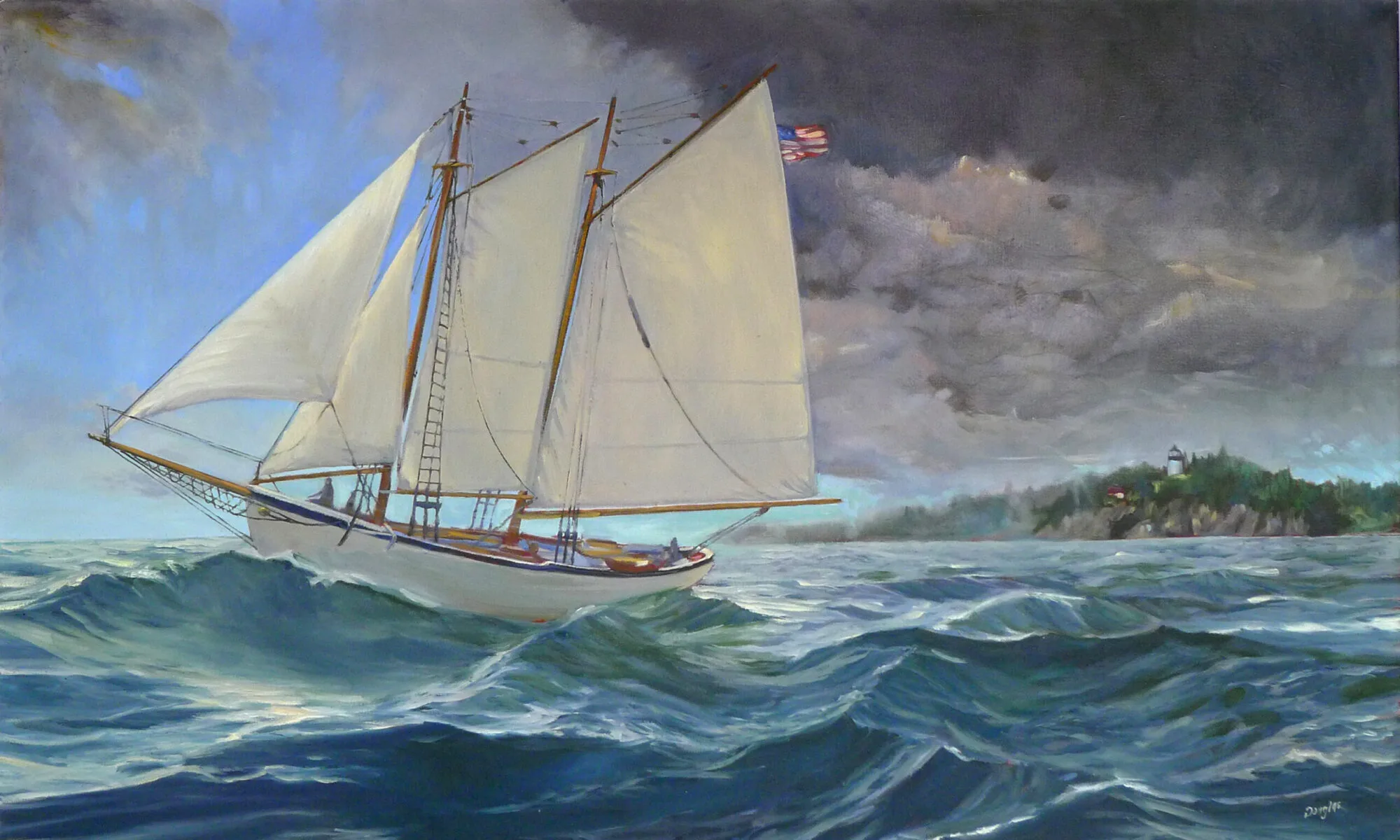
I can’t lead this post with a nude painting, because the modern internet—although awash in sexualized images—always blocks my nudes (and sometimes even paintings of shoes). It’s impossible for AI to grasp these subtle distinctions in human thought. Thank goodness Clark didn’t write Civilization using it!
There’s still room in this class:
- Painting Nocturnes, Monday evenings, 6-9 PM for three weeks starting November 30.
I have one workshop already scheduled for 2027! Reserve your spot:
- High-Desert Light & Monumental Form | Sedona, AZ, Apr 26, 2027 – Apr 30, 2027
Can’t commit to a full workshop? Work online at your own pace: