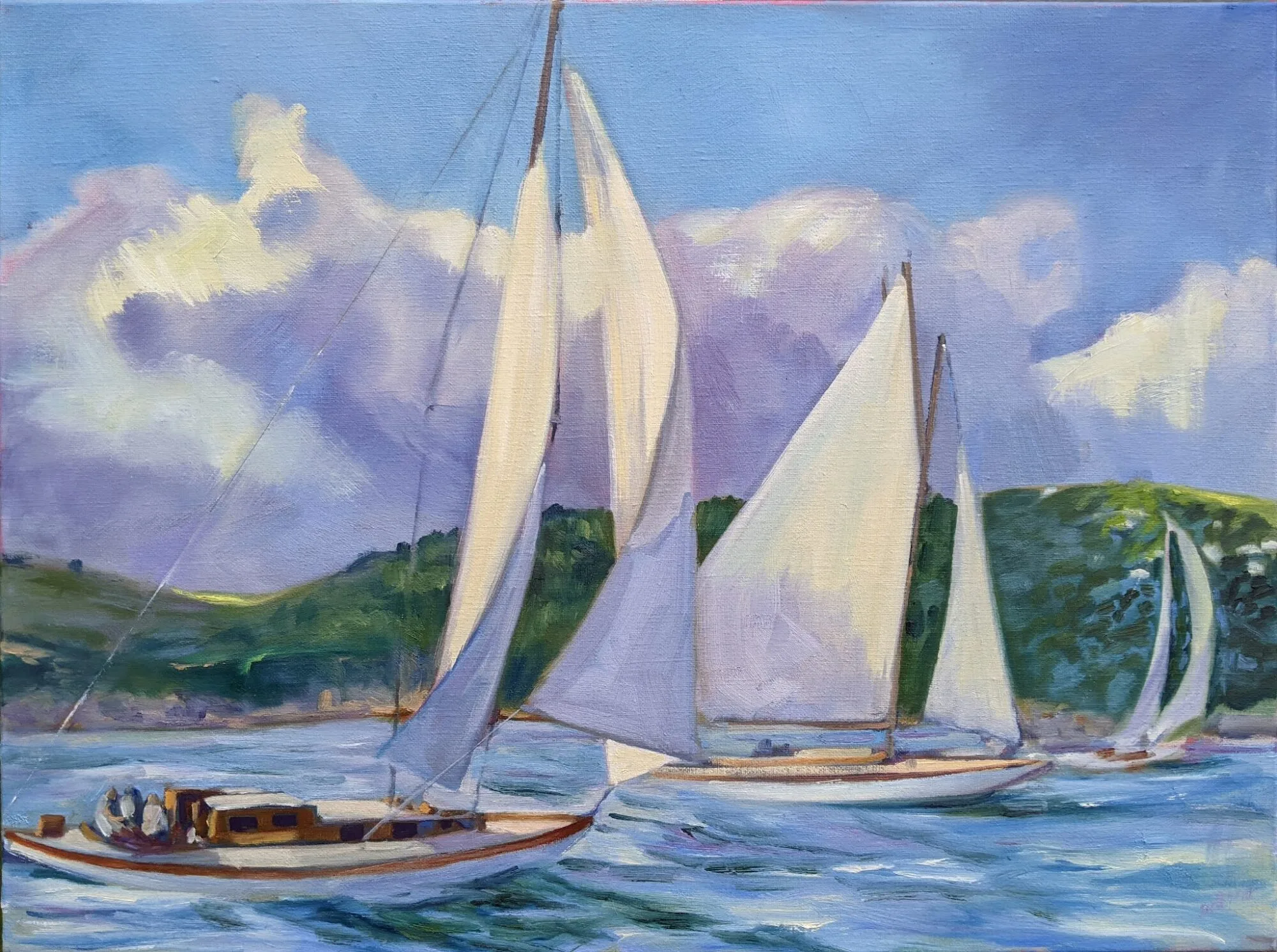
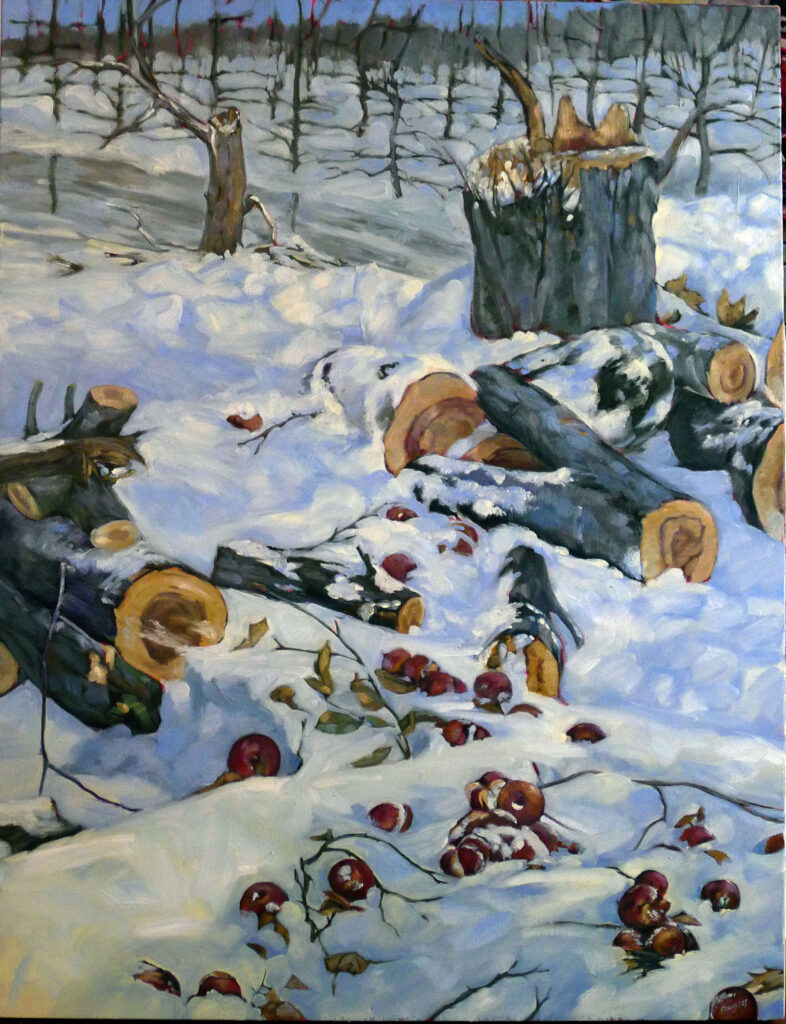
Christopher Nolan’s adaptation The Odyssey has traded the traditionally vibrant colors (see the ‘wine-dark sea’) of ancient Greece for a brutalist, muted color palette dominated by browns, blacks, and greys.
No, I haven’t seen it; I read the book.
This grim, stripped-back aesthetic mirrors not the psychological weariness of Odysseus but that of our own age, what critic James Marriott called “the morbid 2020s.”
“We live in dark times, sure,” he wrote. “But I think it is possible to object to the way ‘more depressing’ has become synonymous with ‘more sophisticated.”
You can see our artistic moodiness in what major institutions lean into: cynical political gestures, sterile gallery spaces, and difficult themes. Our predecessors, who believed art was about beauty, inspiration and joy, would be baffled.
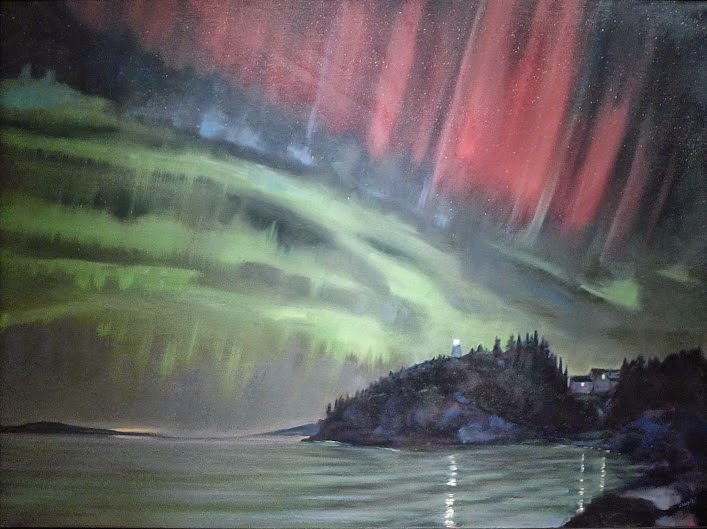
Artists have always painted war, grief, poverty, death, injustice and political upheaval. I’m not arguing for an art world filled with kittens and sunsets. But somewhere along the way, we seem to have decided that serious art must also be depressing art.
This is also the culture we’ve raised our kids in. One example among many: my then-mopey teenage son was assigned Robert Frost’s ‘Out, Out—’ in high school English. Frost certainly had his dark side, but he wrote much that is beautiful and elegiac. ‘Out, Out—’ is depressing and terrifying. Why would anyone choose it to introduce teenagers to America’s most-lauded poet? If we want young people to fall in love with poetry, art or literature, perhaps we should show them why human beings have found them uplifting.
(In the meantime, suicide has become an extraordinarily prominent cause of death among young people. In 2023 it was the second-leading cause of death for Americans ages 10–14 and 15–24, according to the CDC.)
The alternative
“Art that ignores the remarkable persistence of the cheerful and silly parts of life will miss something profound about the human experience,” wrote Marriott.
As much as artists want to be relevant, political or dark, viewers really do crave beauty in art.
Beauty is not intellectually inferior.
Joy is not naïve, and optimism is not the same thing as ignorance.
When people encounter a painting that stops them in their tracks, they don’t want a polemic. They want to feel something. And joy and light are as much part of the human experience as the shadows are.
Art is not simply an exercise in documenting what is wrong with the world. It is also an opportunity to pay attention to what is right with it.

How to create beauty in art
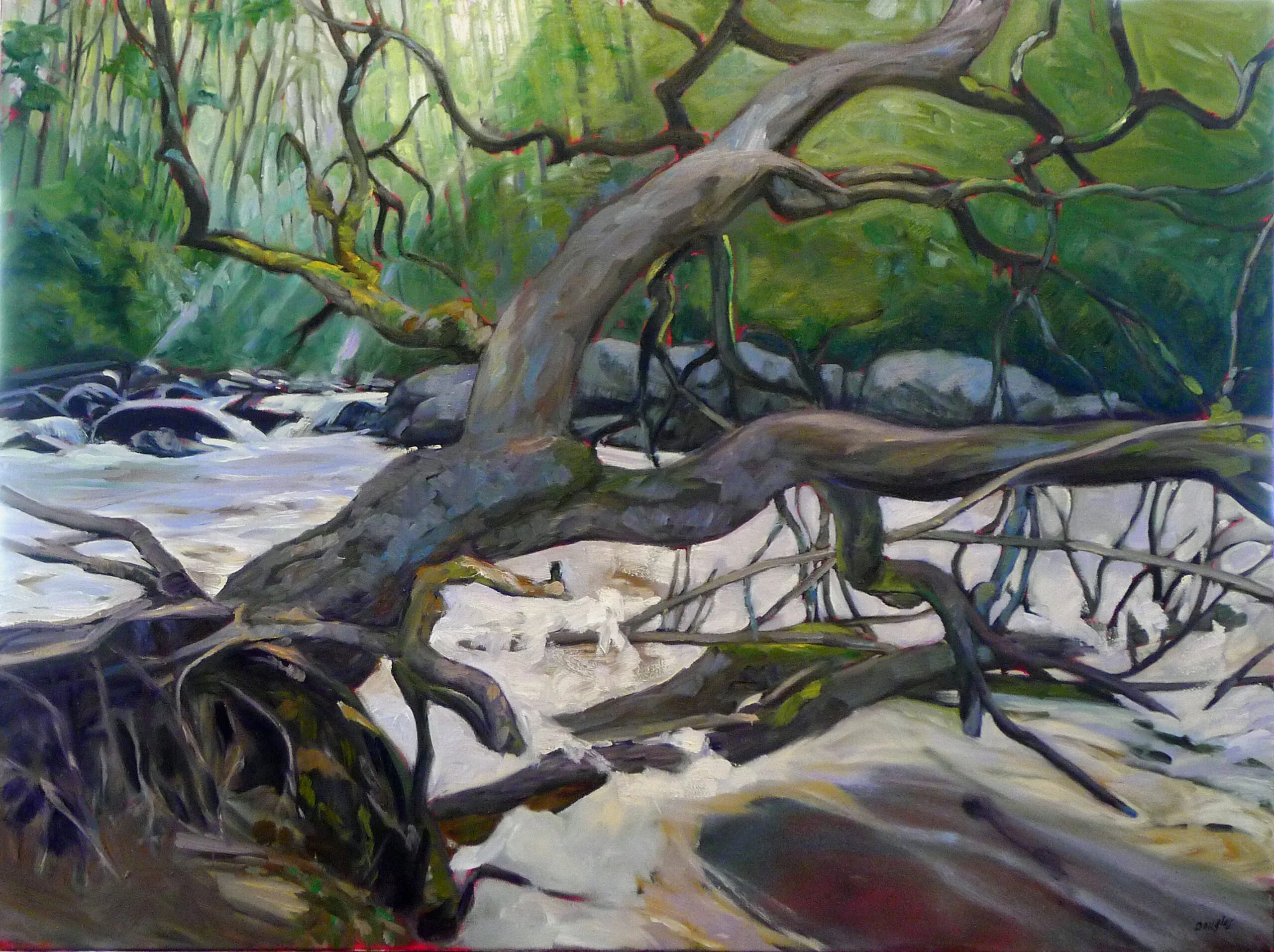
This is one reason I believe in painting from life. When you stand outside with an easel, you encounter the actual world rather than an endless stream of online images that have already been curated to a mass-media agenda.
Painting what is real is an inherently optimistic act. It requires you to acknowledge that what is in front of you is worth looking at. Judging by the established art world, that’s as rebellious as the Salon des Refusés was in 1863.
We don’t have to ignore suffering. We don’t have to avoid difficult subjects. We don’t have to pretend everything is wonderful. But we also don’t have to apologize for beauty.
Homer’s Odyssey ends with triumphant Odysseus restored to his throne and his marriage with the backing of divine law. In Nolan’s version, there are no gods, and Odysseus leaves in self-exile with Penelope by his side. To me, that says a lot about our current cultural malaise.
I have just two workshops left in 2026! Reserve your spot:
- New! Color Clinic 2026 | Rockport, ME, October 3-4, 2026
- New! Composition Week 2026 | Rockport, ME, October 5-9, 2026
- High-Desert Light & Monumental Form | Sedona, AZ, Apr 26, 2027 – Apr 30, 2027
Can’t commit to a full workshop? Work online at your own pace: