“Could you talk about the differences between acrylic and oil gessoes, primers and grounds and whether/how they might contribute to issues such as sinking in?” Beth Barger asked in response to Choosing the right surface for oil painting. She was referring specifically to oil painting.
The preparation of the surface affects both its archival durability and how it handles paint. However, the substrate itself is also a critical player, because of its texture, stability and durability.
The layers of your painting surface
Sizing is the first layer applied to a substrate when using oil gesso. In my youth, it was rabbit-skin glue. It stunk but did a good job separating the ground from the linen or cotton substrate and tightening the raw fabric to its frame. Today, it’s been replaced by acrylic sizing. I can’t get the tautness from acrylic sizing that was possible from animal glue, so I use acrylic gesso instead.
Primer seals metal or wooden surfaces and provides a stable foundation for subsequent layers. It’s slick, so gesso is often applied above it for tooth. When I paint on Baltic birch, I use three layers of Golden GAC 100 followed by Winsor & Newton clear gesso.
A ground is the actual painting surface—the layer your brush encounters. It determines the tooth, absorbency and texture of the support. The word gesso is often used interchangeably with ground, but that’s not always true.
Oil gesso is made with chalk or marble dust bound in siccative (drying) oil. It cures slowly but produces a non-absorbent surface that allows oil paint to remain open longer. Brushstrokes glide across it beautifully, and thin layers of color stay rich because less oil is pulled from the paint.
Oil gesso must be kept separate from the backing. Siccative oils create free fatty acids when curing. These create the beautiful, tough bond of oil paint, but they also rot fabric, paper or wood if allowed to touch them.
Acrylic gesso is acrylic polymer containing titanium white and mineral fillers. It dries quickly, is flexible, and works well on canvas, panels and paper. It doesn’t require sizing, it’s easy to use and remarkably durable.
While you can paint with oils directly over an acrylic ground, never paint in acrylics over an oil ground. The paint will delaminate.
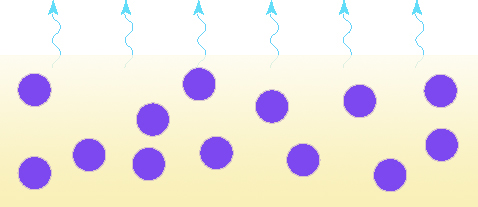
Sinking
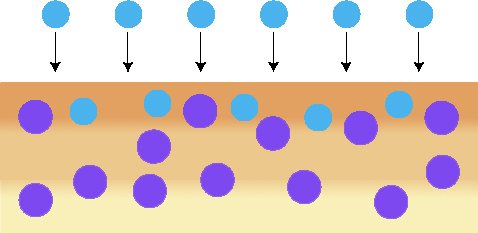
Sinking happens when the ground absorbs some of the oil binder from fresh paint. The pigment remains, but without enough oil surrounding it, dark passages become dull and matte. It isn’t that the color has changed; the leaking away of the oil has left a microscopically-pitted surface that scatters light differently than oil in a tough bond.
That also happens (more commonly, in fact) when you’ve ignored the fat-over-lean rule and used too much solvent in the upper layers.
Acrylic grounds are absorbent and thus prone to sinking. Inexpensive pre-primed canvases with thin factory coatings suffer from this, and sometimes don’t have enough gesso to stop oil from leaching through to the backing.
That doesn’t mean acrylic gesso is bad. I use it. Be sure there’s enough gesso for a solid barrier with the background. Toning the canvas or adding a very thin coat of oil ground after the acrylic has fully cured can dramatically change how paint handles.
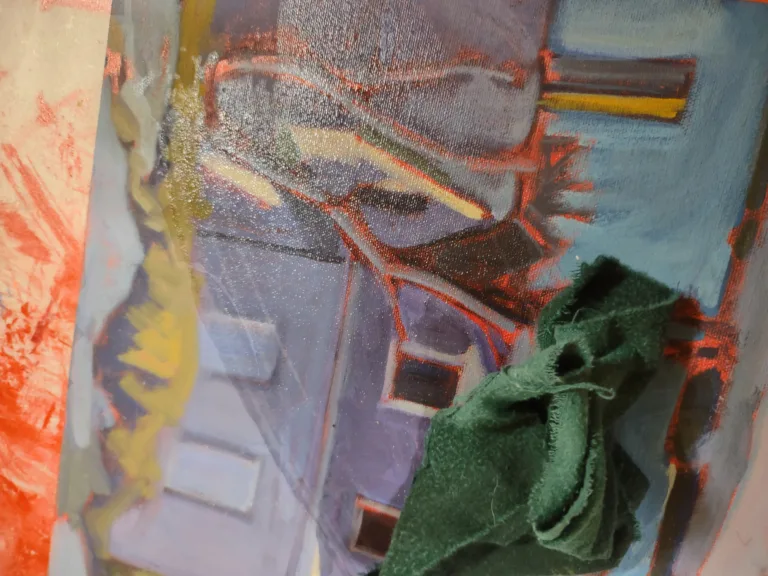
To some degree, the ideal ground depends on your working method. When I did illustration, the highly-absorbent surface of Ampersand Clayboard was great for fast, detailed work. Today, I paint on toned boards or canvases, sketch in color masses with thinned paint and then build impasto. I like the slightly-absorbent grip of acrylic gesso. If you prefer the smooth slide of wet-on-wet paint, you might prefer oil primer.
As with almost everything in oil painting, there isn’t one perfect choice for a ground. There is only the surface that best supports your process.
I have just two workshops left in 2026! Reserve your spot:
- New! Color Clinic 2026 | Rockport, ME, October 3-4, 2026
- New! Composition Week 2026 | Rockport, ME, October 5-9, 2026
- High-Desert Light & Monumental Form | Sedona, AZ, Apr 26, 2027 – Apr 30, 2027
Can’t commit to a full workshop? Work online at your own pace: