How to choose the right painting class or art workshop

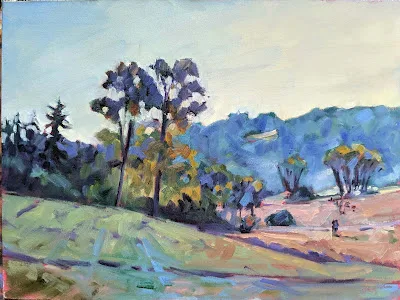
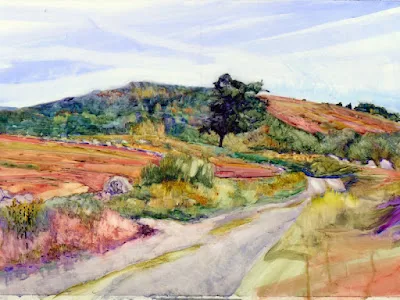
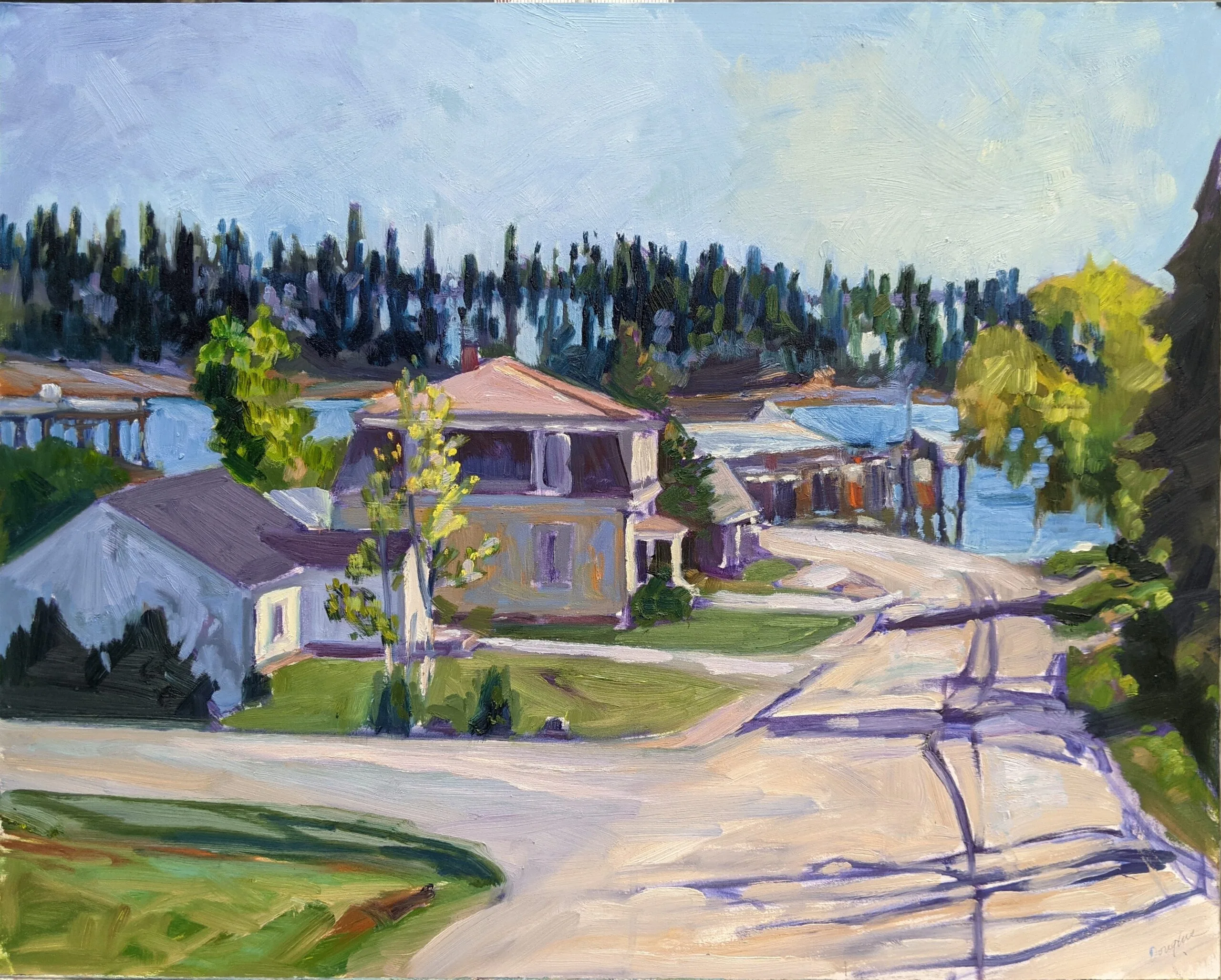
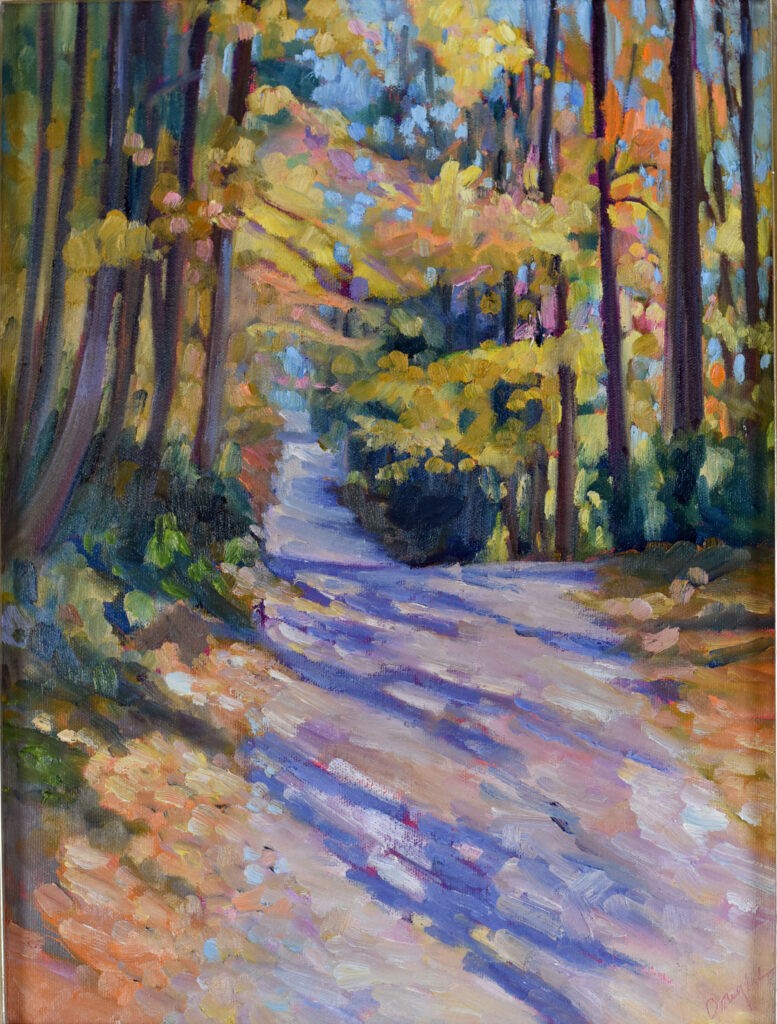
Beauchamp Point, Autumn Leaves, 12X16, oil on archival canvasboard, $1449 framed includes shipping and handling in continental US.

Choosing the right painting class or art workshop can dramatically improve your painting skills — but with so many online art classes, in-person workshops, and video courses available, how do you know which one will actually move your work forward?

I recently spent time helping my friend Karen figure out which of my upcoming classes would best serve her. That decision wasn’t about whether she was a beginner or advanced painter. It was about identifying what she needed to learn next.

The best painting instruction meets you at your next developmental step, not your current skill level.
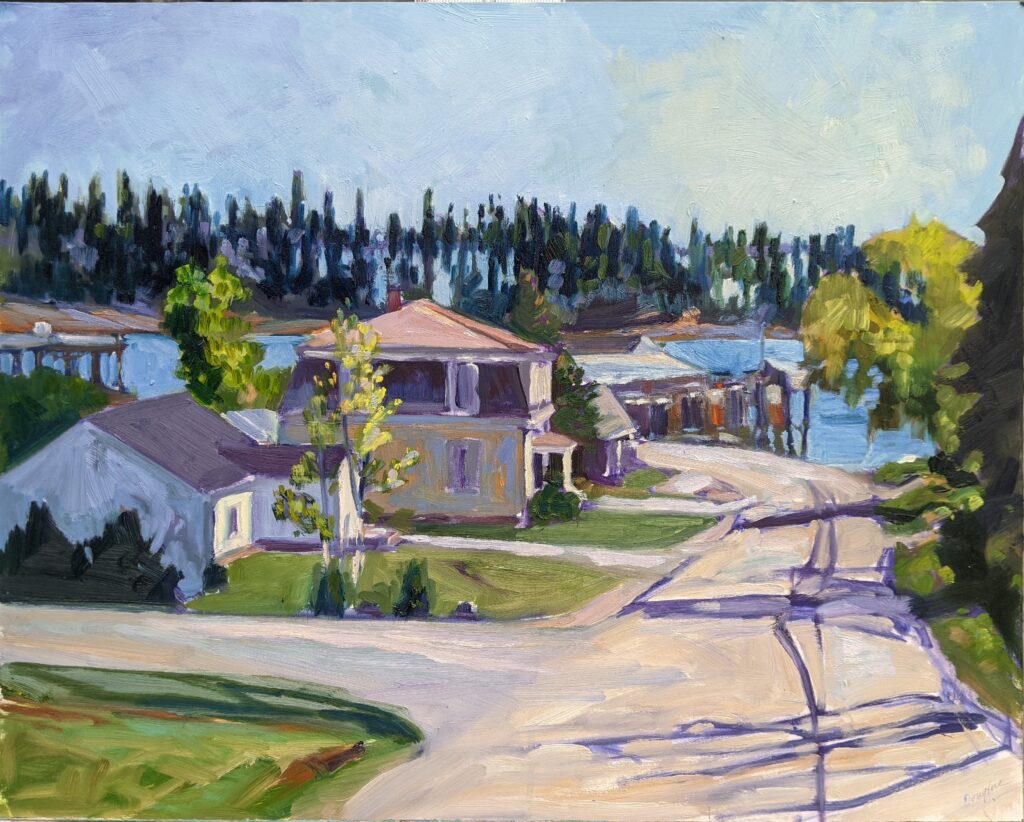
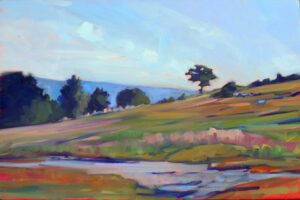
Main Street, Owl’s Head, oil on archival canvasboard, $1623 includes shipping and handling in continental US.

What matters most when choosing a painting class

Clear skill goals
Before you sign up, ask yourself: what do I want to improve? Do you want stronger observational skills, better composition, more color confidence or more expressive brushwork? The most effective painting classes focus on specific, teachable skills and provide a roadmap so you leave with measurable progress, not just inspiration.

A teaching style you connect with
Some art instructors teach step-by-step demos. Others emphasize design principles and independent problem-solving. Look for classes where the style of instruction feels clear, encouraging, and tailored to your pace. And personality matters. Even a brilliant painter won’t help you grow if the teaching environment feels tense or dismissive.

Feedback and interaction
Interactive painting workshops accelerate learning far more than passive video lessons. Zoom classes and workshops that include real-time critiques and Q&A are especially valuable.
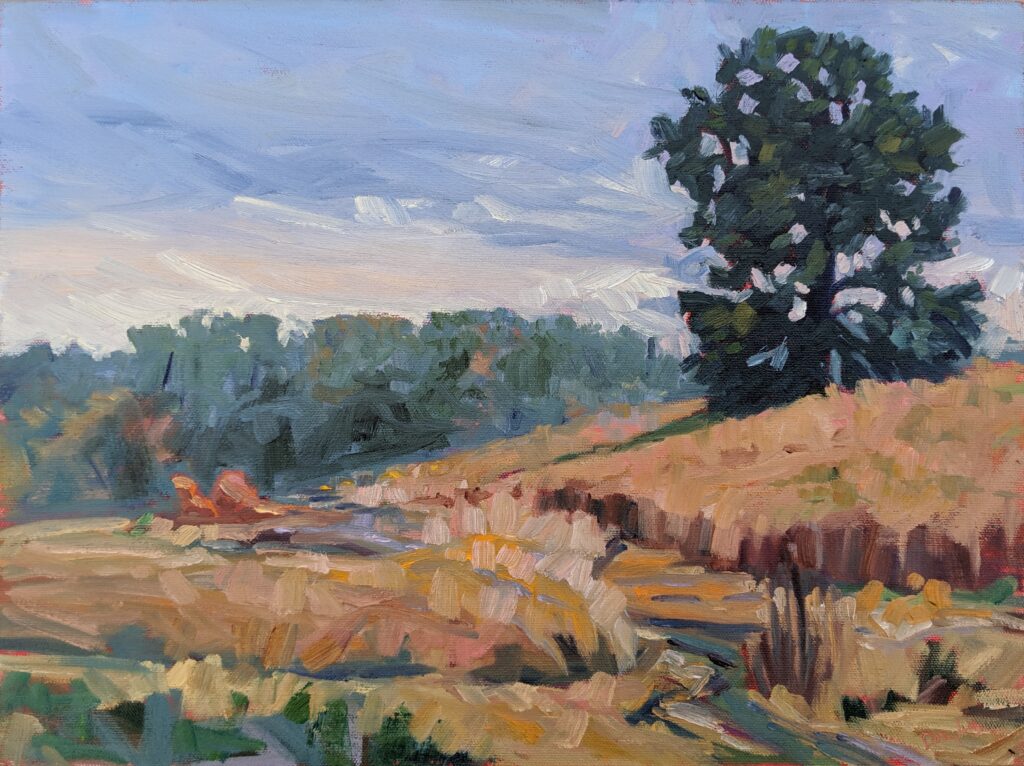
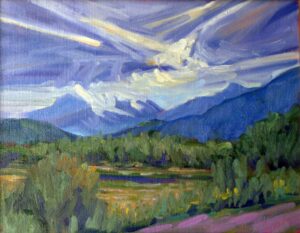
Autumn farm, oil on canvasboard, $1449 framed includes shipping and handling in continental US.

Of course, live instruction isn’t always feasible. That’s why I also offer Seven Protocols for Successful Oil Painters. It’s a structured foundation in oil painting principles designed to strengthen your independent studio practice. It’s not a replacement for live instruction, but it builds essential fundamentals.

Community and accountability
Learning alongside others builds motivation and accountability. Workshops and classes with peer interaction help you stay inspired and keep practicing long after the class ends.

Focus on fundamentals and expression
Good painting instruction balances foundation (how to see, how to plan, how to mix color) with artistic expression (style, gesture, brushwork). Technique alone doesn’t create strong art. A great class also teaches you how to see and how to interpret.

Checklist for choosing a painting class

  • Read the course description carefully. Does it clearly match your goals?
  • Make sure the instructor can articulate process, not just demonstrate it.
  • Check class size. Too large means no feedback. Too small leads to the hovering by the teacher.
  • Choose classes that include critique and interaction.
  • Commit to practicing between sessions. That’s where real artistic growth happens.
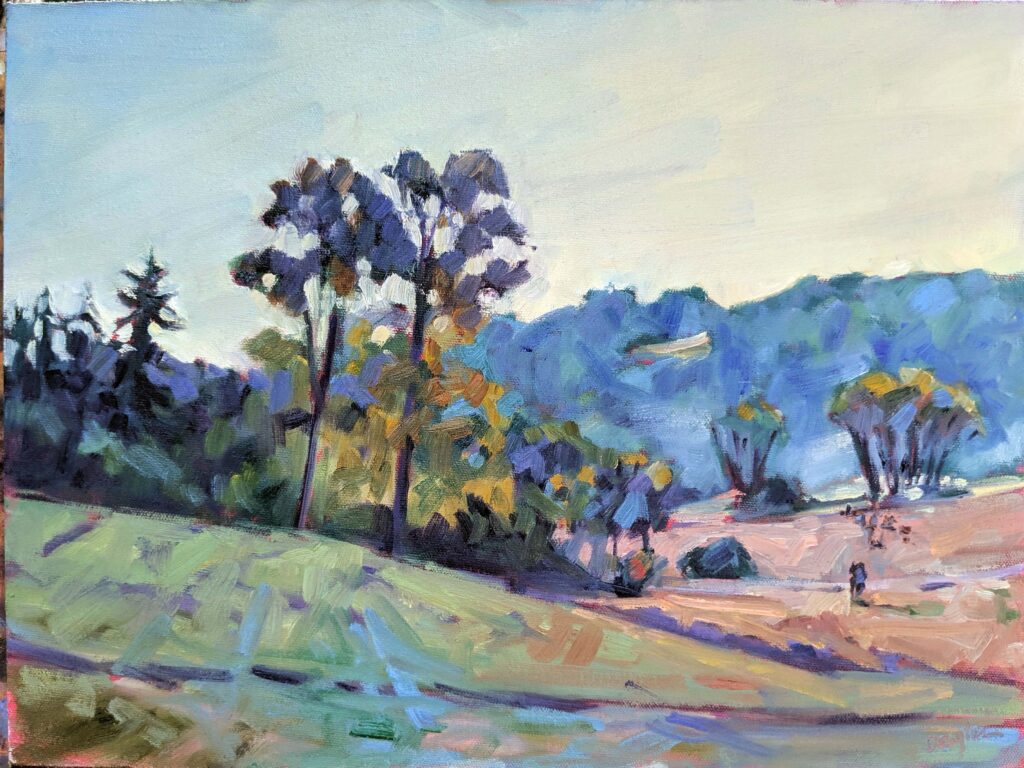
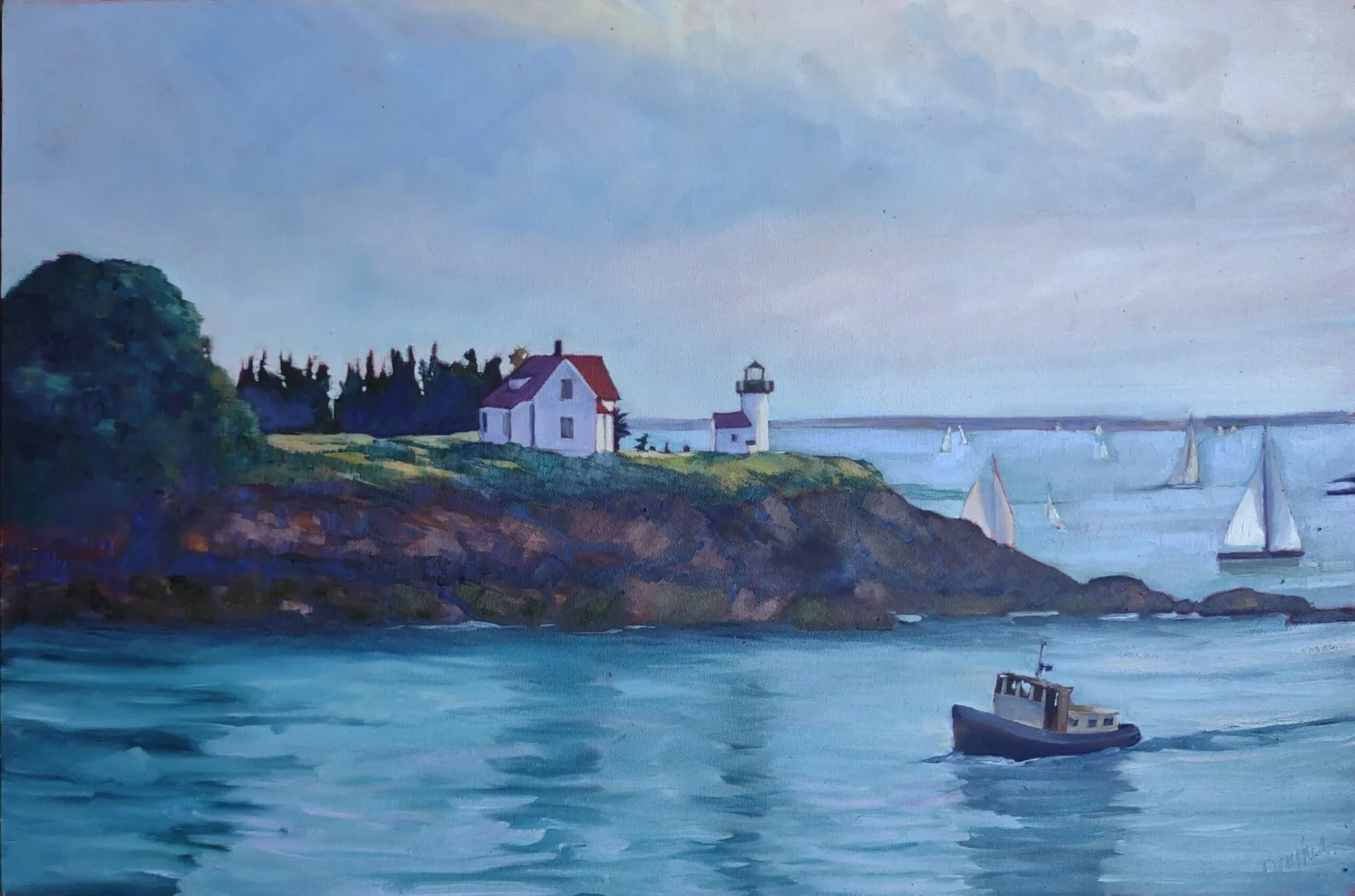
Autumn Farm, Evening Blues, oil on canvasboard, $1449 framed includes shipping and handling in continental US.

How to see like a painter

One of the biggest leaps any painter can make is learning to see like an artist sees — not just looking at reality, but interpreting it. That’s where my Zoom class How to see like a painter shines.

This class helps you:

  • Train your observational eye;
  • Break complex forms into rhythmic patterns of shapes and values;
  • Understand structure;
  • Look with intention, not assumptions;
  • Work from photos without being a slave to them.

Whether you’re a beginner painter or have decades of experience, improving how you see will transform how your work reads on canvas. The class meets on Monday evenings starting next week. Here’s more information, including a link to enroll.

Painterliness, looseness and bravura brushwork

One of the most common questions I’m asked is how to put confident, lively strokes down so your painting feels energized rather than stiff. That’s the focus of my Zoom class Painterliness, looseness and bravura brushwork.

In this class you’ll learn:

  • How to loosen up your hand and mind;
  • Techniques for dynamic, expressive brushwork;
  • Balancing control and freedom;
  • Creating dynamic surfaces.

This class is for painters of all levels. The class meets on Tuesday evenings starting next week. Here’s more information, including a link to enroll.

(Note: both classes have a bye-week March 9-10 while I’m in Sedona, AZ teaching Canyon Color for the Painter.)

Registration is now open for workshops in 2026! Reserve your spot:

Can’t commit to a full workshop? Work online at your own pace:
Seven Protocols for Successful Oil Painters

Two new Zoom classes for January

Possum, 6X8, oil on archival canvasboard, $435 includes shipping in continental US.

Careful readers of this blog know that I completely mangled Wednesday’s post about upcoming workshops. I was in Boston with my husband for a medical procedure, feeling oh, so smug about my efficiency in the face of stress, and then, bam, I created a mess that took Laura half a day to fix.

I rather like these reminders that none of us are endlessly elastic; we’re all subject to human limitation.

Here are my new classes for January. I am very excited about them both, since they’re a deeper dive into painting than simple “learn to paint.” The Monday class is about making room for the narrative, symbolic part of painting, by letting process guide the mechanical part. The Tuesday class is an exploration of the movements in art that have come before us, so that you, as a painter, can make informed choices about where you fit in the bigger world of painting.

If you have questions, feel free to email me.

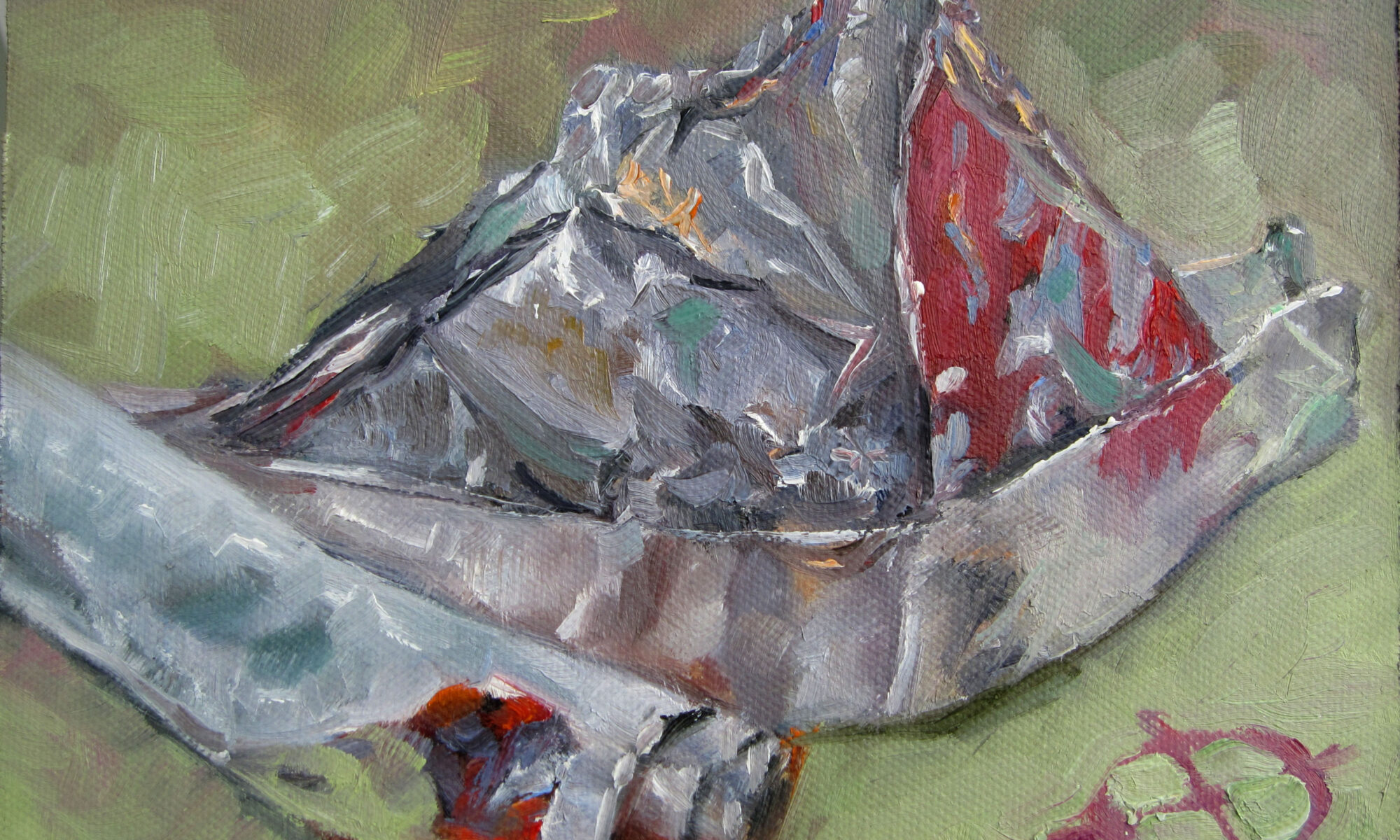
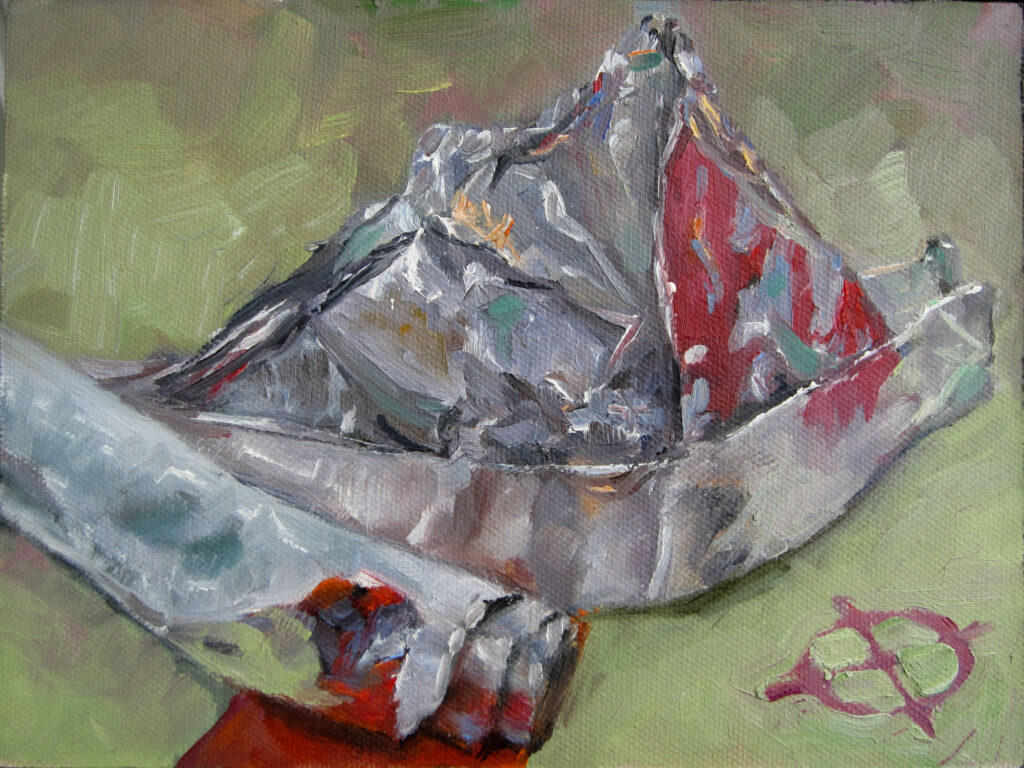
Tin Foil Hat, 6X8, oil on archival canvasboard, $435 includes shipping in continental US.

Trust the Process: making technique tell the story you want to tell

Monday evenings, 6-9 PM
January 5, 12, 19, 26
February 2, 9

In Trust the Process, we focus on building a painting practice that supports your ideas instead of getting in their way. This class is about finding repeatable methods that make painting feel fluid, approachable, and reliable. You can stop wrestling with technique and start communicating clearly through your work.

Each session guides you through a structured but flexible approach: a way of working that you can return to again and again. You’ll learn to set up a process that’s both efficient and freeing. That starts with how you begin a painting, to how you develop layers, to when you know it’s time to stop. The goal isn’t to make every painting the same, but to create a foundation that lets your ideas move easily from imagination to finished painting.

We’ll experiment with systems that encourage consistency, including color palettes that simplify decisions, brush techniques that build confidence and layering methods that create depth without overworking. By repeating certain moves and sequences, you’ll find that the how of painting becomes second nature, freeing your attention for the why.

You’ll leave with a repeatable workflow you can adapt to any subject or idea, and the assurance that your practice can sustain momentum over time.

Trust the Process is designed for painters who want to stop flailing around and work smarter, not harder. By refining your process, you’ll discover that creativity doesn’t require chaos. It just needs a dependable path — one you can walk every day, confident that your technique will always rise to meet your ideas. To register, click here.

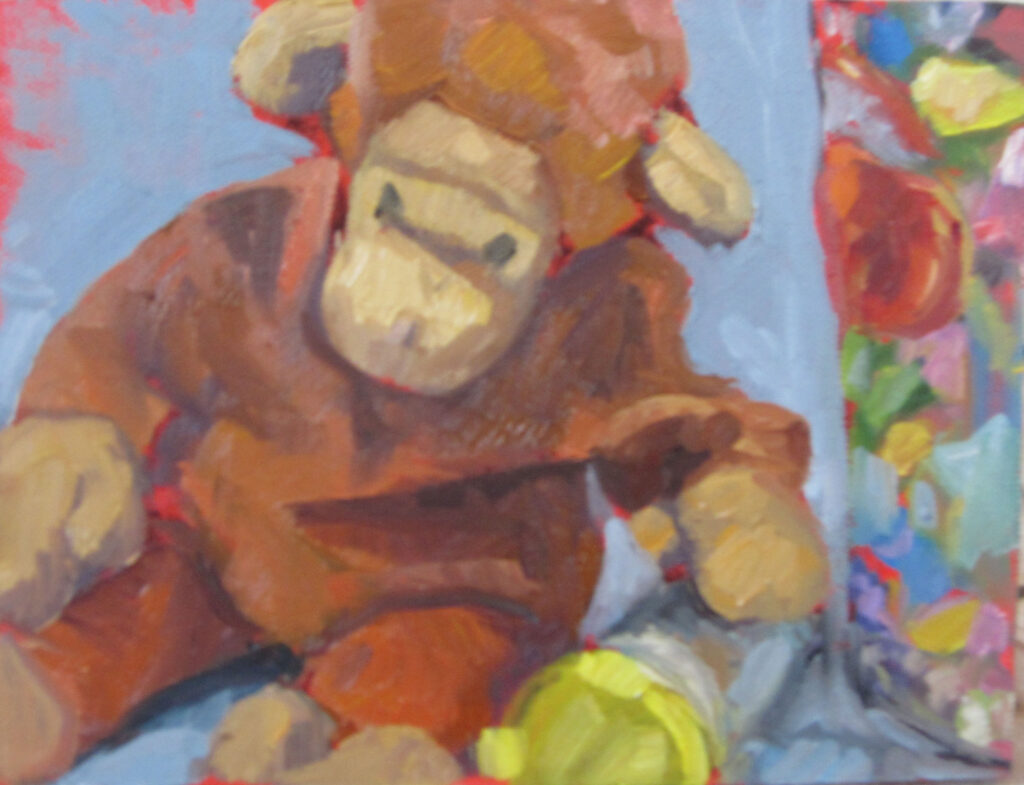
Toy Monkey and Candy, oil on archival canvasboard, $435 framed.

Where Do I Fit In?

Tuesday evenings, 6-9 PM
Jan 6, 13, 20, 27
February 3, 10

Ever wonder where your art belongs in the grand conversation of art history? This class invites you to explore your creative identity through the lens of the great movements that shaped the visual world.

Together, we’ll look at how artists have defined, challenged, and redefined what it means to make art. After a 30–45-minute guided discussion, we’ll move on to your paintings for the week, as you experiment with materials, methods and ideas inspired by each movement, discovering which resonate most deeply with your own artistic voice. You’ll begin to see how your work connects or pushes against historical traditions.

This isn’t about imitation; it’s about insight. By the end of the class, you’ll have a stronger understanding of your own style, an appreciation of the lineage you’re part of, and a body of work that reflects your evolving sense of place in the art world. Come ready to explore, question, and create — and find out where you fit in. To register, click here.

(Class requirement: some painting experience and a lot of intellectual curiosity.)

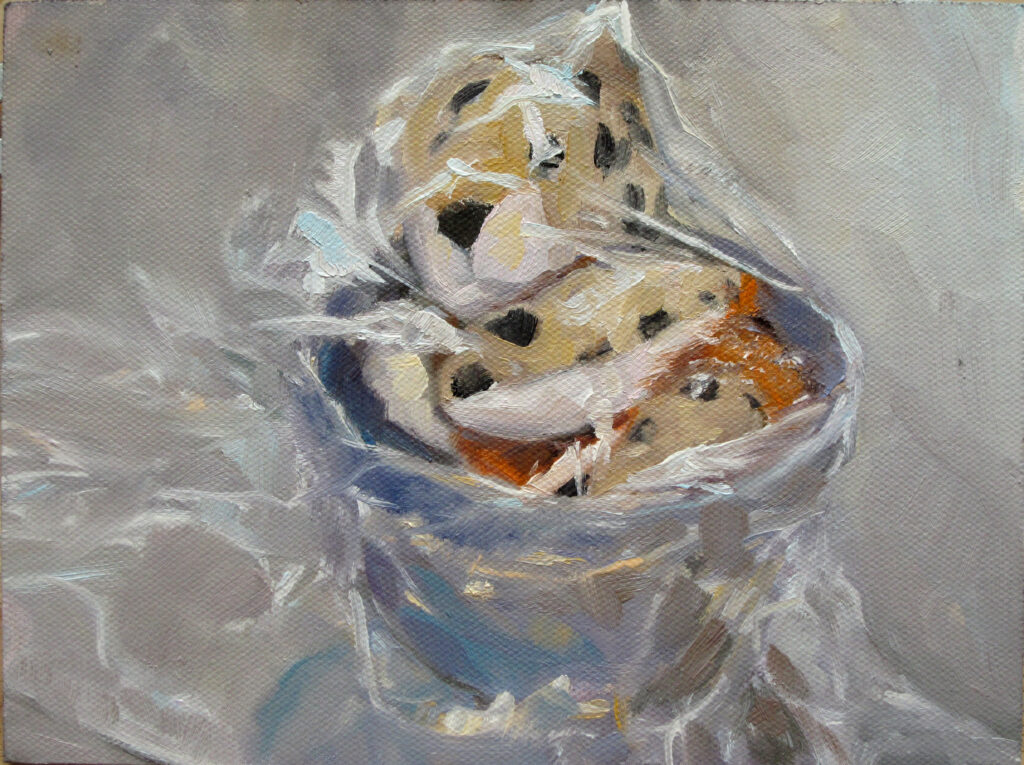
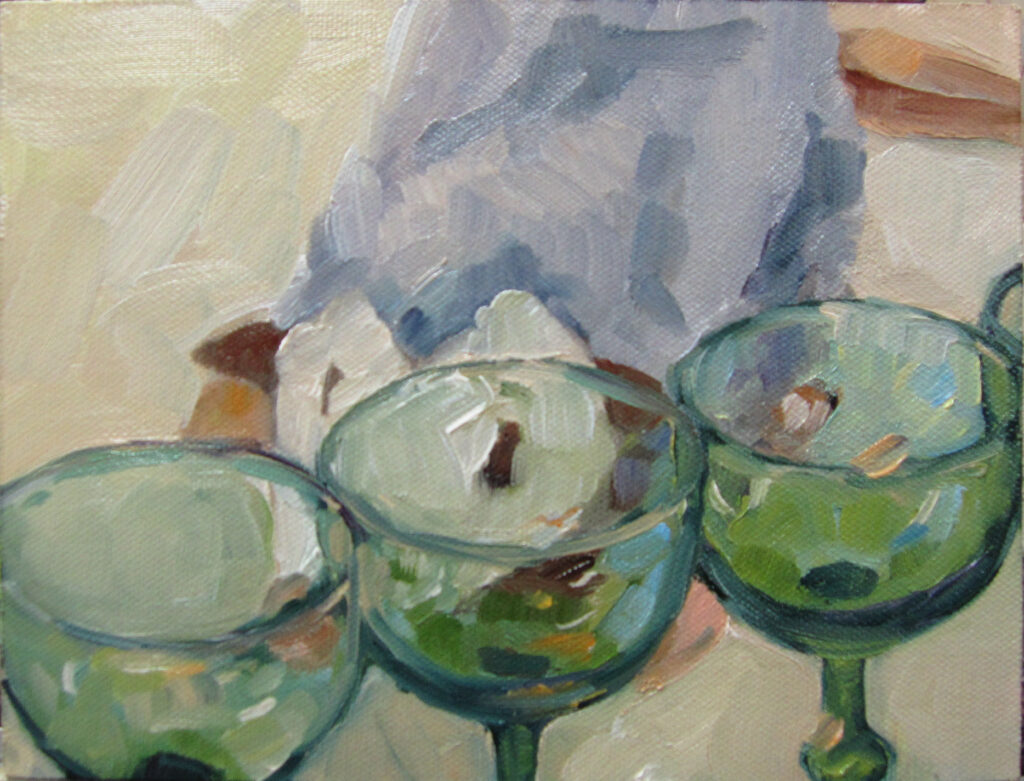
Stuffed animal in a bowl, with Saran Wrap. 6X8, oil on archival canvasboard, $435.

Registration is now open for workshops in 2026! Reserve your spot:

Can’t commit to a full workshop? Work online at your own pace:
Seven Protocols for Successful Oil Painters

Announcing a new critique class online

Autumn Farm, evening blues, oil on canvasboard, $1449 framed, includes shipping in continental US.

On April 24, I begin a new online critique class. When I first introduced this class back in 2021, I was very curious about how it would evolve. The idea wasn’t just to make specific paintings better. It was to help students develop a sort of executive function that would oversee their painting processes outside of class. This, as you can imagine, was much harder than “hold your brush like this” painting classes.

It was a success, and the proof is in the pudding. That coterie of initial students, for the most part, no longer need me to tell them how to analyze their work. That means that for the first time in a long time I have openings in a Zoom class. I call that success!

Clary Hill Blueberry Barrens, watercolor on Yupo, 24X36, $3985 framed includes shipping in continental US.

A good pairing with plein air

This class lines up with the beginning of plein air season in the north, which is convenient. It’s both a spur to students to go out and paint, as well as an opportunity for students to analyze and strengthen work they’ve done on their own.

Critique is a long-standing tool in every intellectual discipline, artistic and technical. However, it’s more straightforward to tell your co-worker, “I can’t duplicate your results,” than it is to put into words why a painting isn’t working.

What critique is not is an emotional response. It must be disciplined and systematic, but art is at the same time intuitive and subjective. We bridge that gap by analyzing works based on a series of objective design elements:

  • Focal point
  • Line
  • Value
  • Color
  • Balance
  • Shape and form
  • Rhythm and movement
  • Texture (brushwork)

These transcend style or period. Every painting includes them to some degree. The critic must consider how they work together. Do they coalesce into something arresting or not? If not, what forces are blocking the full expression of the artist’s idea?

Blueberry barrens, Clary Hill, oil on canvas, 24X36, $3985 framed, includes shipping in continental US.

The secret is in being nice

I’ve now taught several of these critique classes and the surprising thing is how warm and supportive they’ve been. We’re all intelligent adults; we understand that when our ideas aren’t working, it’s because we’ve run into a problem that another set of eyes can help us unravel.

The very first question we ask is, what was the goal of this painting? That’s not always simple, so it deserves time. Every subsequent point of discussion should be weighted in regards to that answer. For example, if what interested the painter was the loneliness of a home on a rocky crag, the composition, color, and brushwork must all support that aloofness.

Criticism is never mere fault-finding. There is a seed of brilliance in almost every painting, and it needs to be enlarged upon. That means discussing the merits of a painting as much as discussing its faults.

For critique to work well, the critic and artist must both approach the process with humility and mutual respect. I once took a painting I couldn’t finish to a noted teacher for criticism. She told me that it looked like a ‘bad Chagall.’ In trying to execute her ideas on the canvas, I destroyed my own vision. My self-doubt met her self-confidence in a terrible concatenation.

Fog over Whiteface Mountain, 11×14, $1087, includes shipping in continental US.

This class meets from 6-9 on:

  • April 24
  • May 1
  • May 8,
  • May 15,
  • May 22
  • June 5

For more information, see here.

Registration is now open for workshops in 2026! Reserve your spot:

Can’t commit to a full workshop? Work online at your own pace:
Seven Protocols for Successful Oil Painters