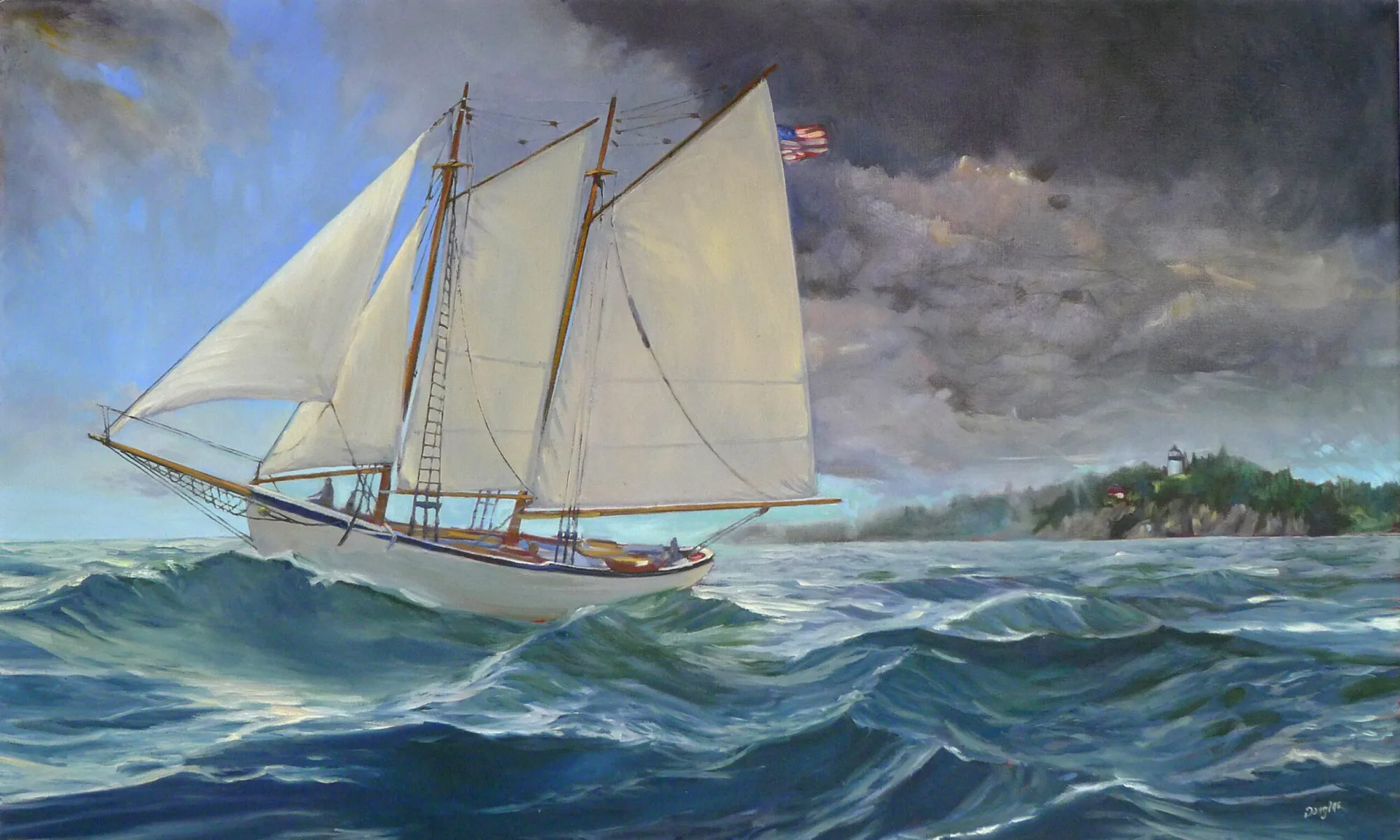
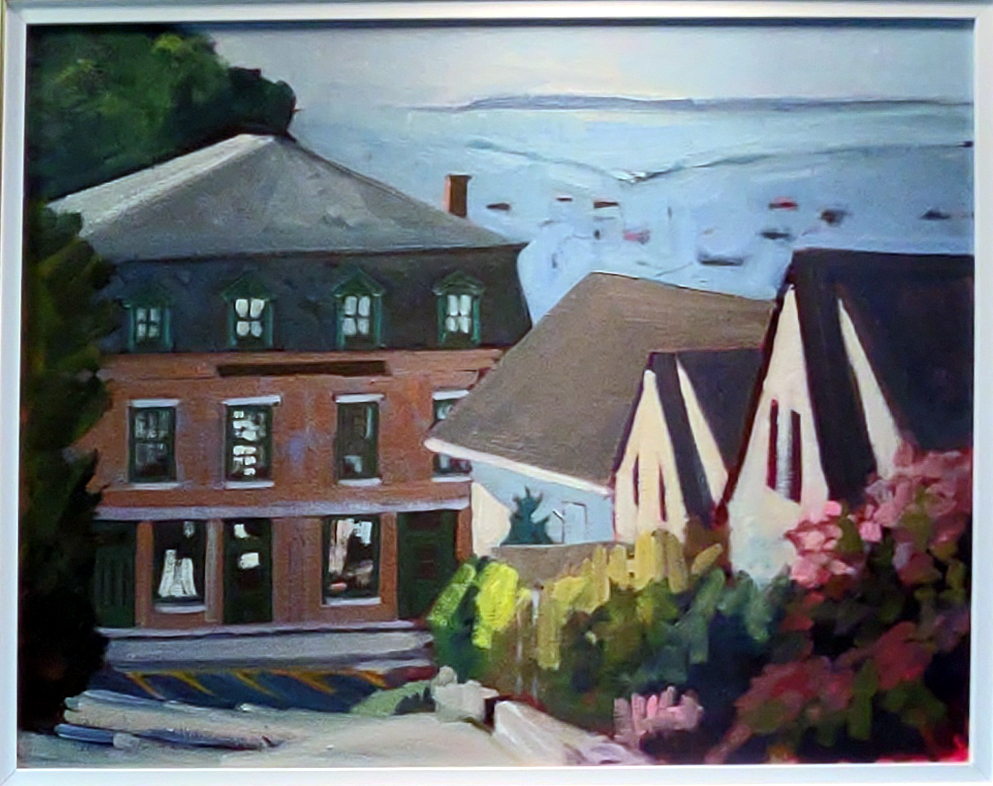
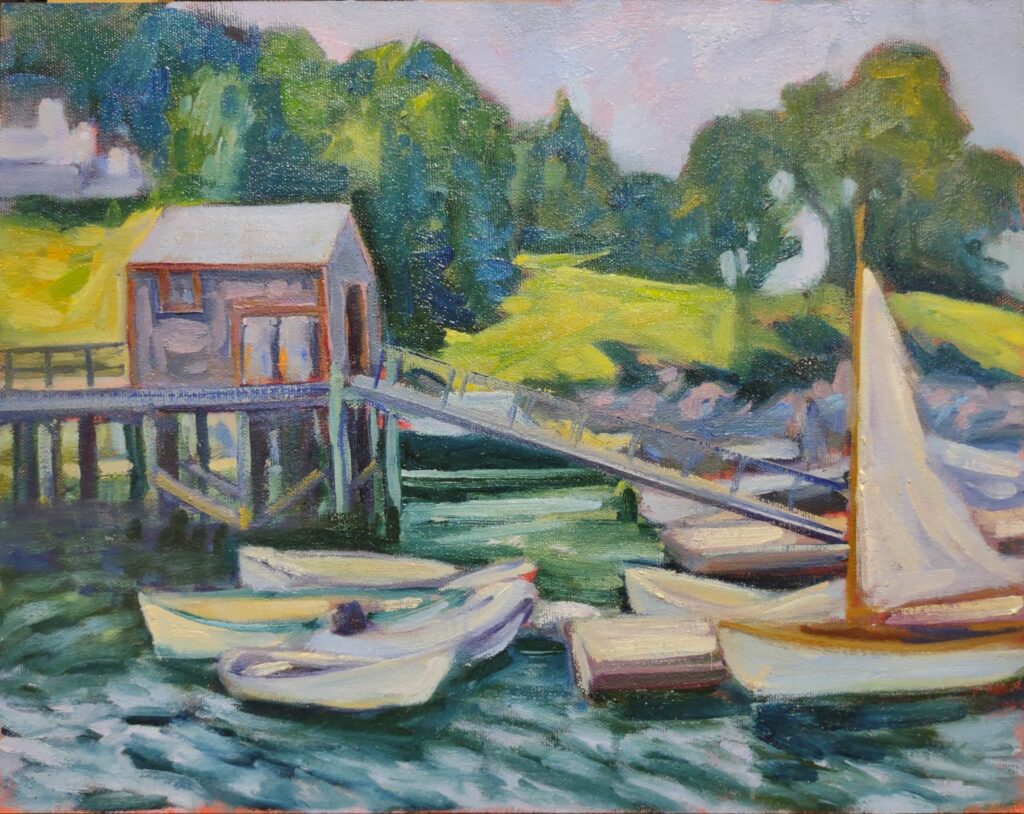
I got a note from a friend who just judged a national show. While last week’s heat may have made her a tad bit cranky, what she wrote was absolutely true.
“I will not judge another show where artists are allowed to submit signed work,” she said. Judges are human, and signatures are basically spoilers.
OPA, AIS, ASMA, ABC, XYZ, OBE, Order of the Garter, Old Etonian…
We get it; you worked hard and spent lots of money collecting enough post-nominal letters to rival an alternative medicine guru or British aristocrat. “I’m supposed to be judging the painting, not your résumé. If the work can’t impress me without the alphabet soup, we’ve got a problem.”
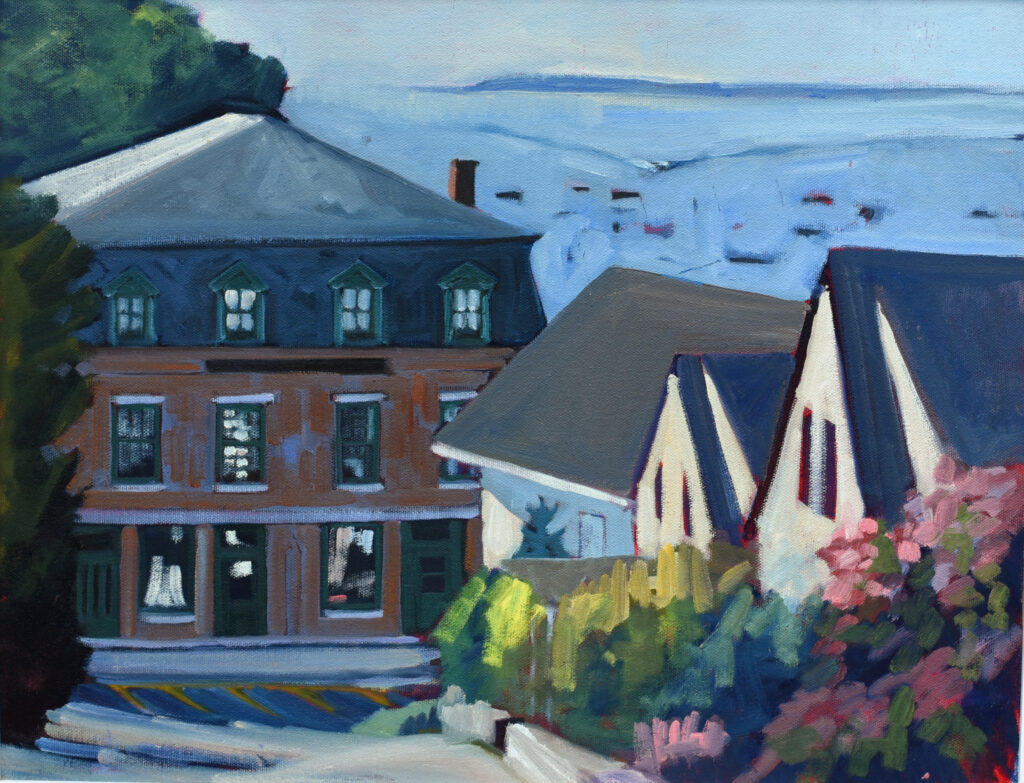
You’ve entered almost this same exact painting since the Clinton administration.
Different boat, different barn, same old schtick. “I recognized your work before I saw the signature; I’m bored and suddenly I realize the problem isn’t me; it’s you. Seeing your signature reminds me of just how boring you’ve become.”
Wait, was this an off day?
“You’re usually excellent, so now I’m wondering: were you experimenting, rushing to meet a deadline, or should someone check your blood pressure? You usually do great work but this painting makes me wonder whether you’re phoning it in or if you had a stroke.”
Oh… it’s you (version one).
“You’ve been an a–hole for years and I don’t want you to succeed even if you can paint. Unfortunately, I remember that charming conversation where you explained, at length, why everyone else in the room was an idiot. I am trying very hard to judge only the painting. Very. Hard. It’s not working.”
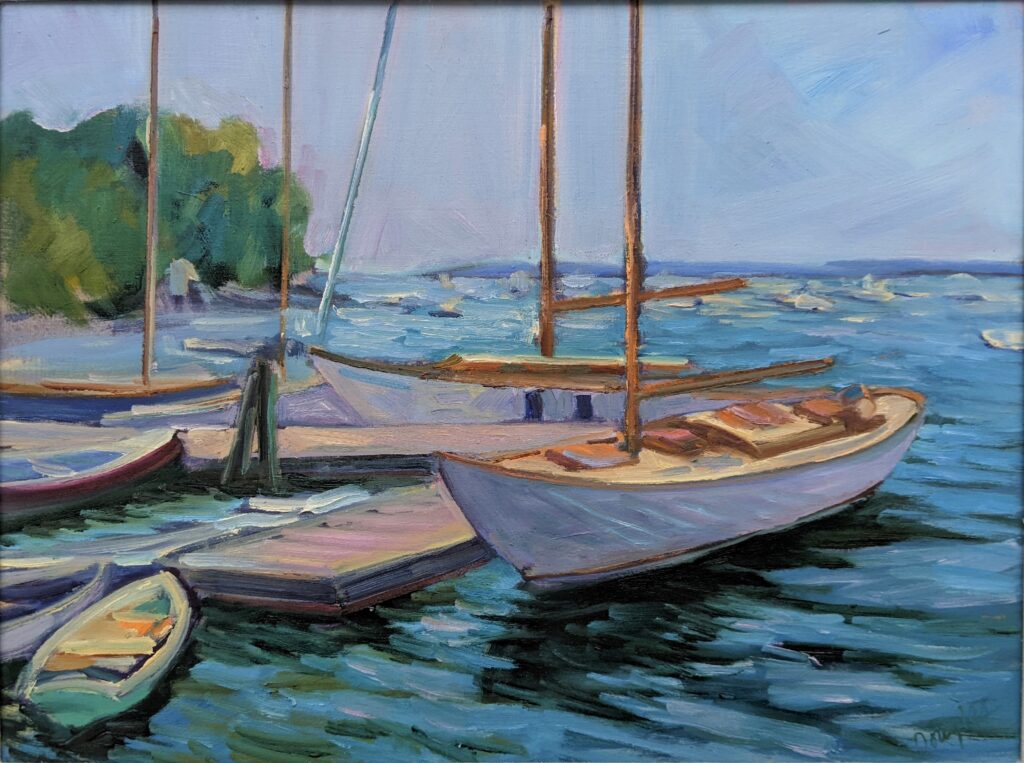
Oh… it’s you (version two).
“Oh… it’s you! You’re delightful. You’re always smiling and once bought everyone coffee. Suddenly I’m rooting for your painting just a little more than I should.
“I like you and I want you to see you succeed even if you can’t paint as good as the guy in version one.” That’s not fair either.
Why is your signature larger than the subject?
“Your signature is huge and it looks like a 6-year-old’s work on the refrigerator. Work on a signature that knows its place.” Unless you’re secretly signing the Declaration of Independence, dial it back.
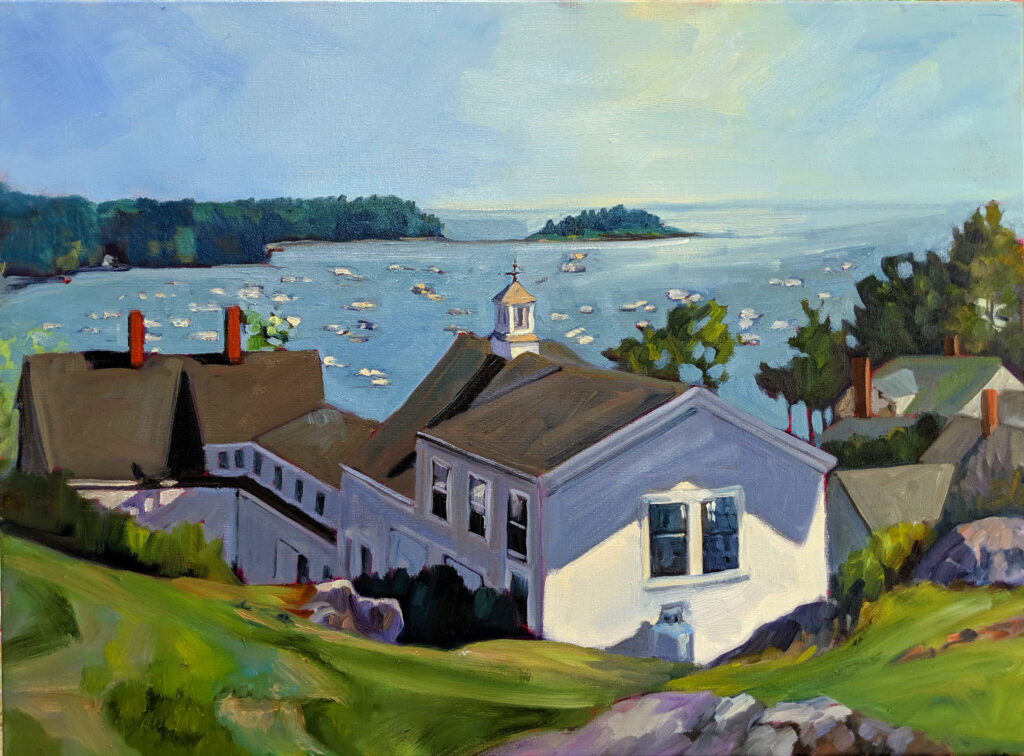
How to sign a painting
Signatures don’t just identify the artist—they activate memories, prejudices, friendships, rivalries, admiration, annoyance, expectations and occasionally mild PTSD.
Keep it small enough that viewers discover it rather than notice it immediately. Place it where it balances the composition without drawing the eye away from the focal point. Most artists sign in one of the lower corners.
Use a color that harmonizes with the surrounding passage. A signature that screams in bright white or jet black against a subtle passage can be more distracting than the painting itself.
Practice your signature until it becomes second nature. It should be legible enough to identify you, but it doesn’t need to read like a legal document. The best artist signatures are confident, understated, and consistent. After all, you want collectors to remember the painting first—and your name second.
As for show submissions, it’s easy enough to obscure a signature, and my pal is right; they should be covered for jurying. Blind judging isn’t about pretending judges don’t have biases. It’s about removing one of the easiest ways for those biases to creep into the room.
I have just two workshops left in 2026! Reserve your spot:
- New! Color Clinic 2026 | Rockport, ME, October 3-4, 2026
- New! Composition Week 2026 | Rockport, ME, October 5-9, 2026
- High-Desert Light & Monumental Form | Sedona, AZ, Apr 26, 2027 – Apr 30, 2027
Can’t commit to a full workshop? Work online at your own pace: