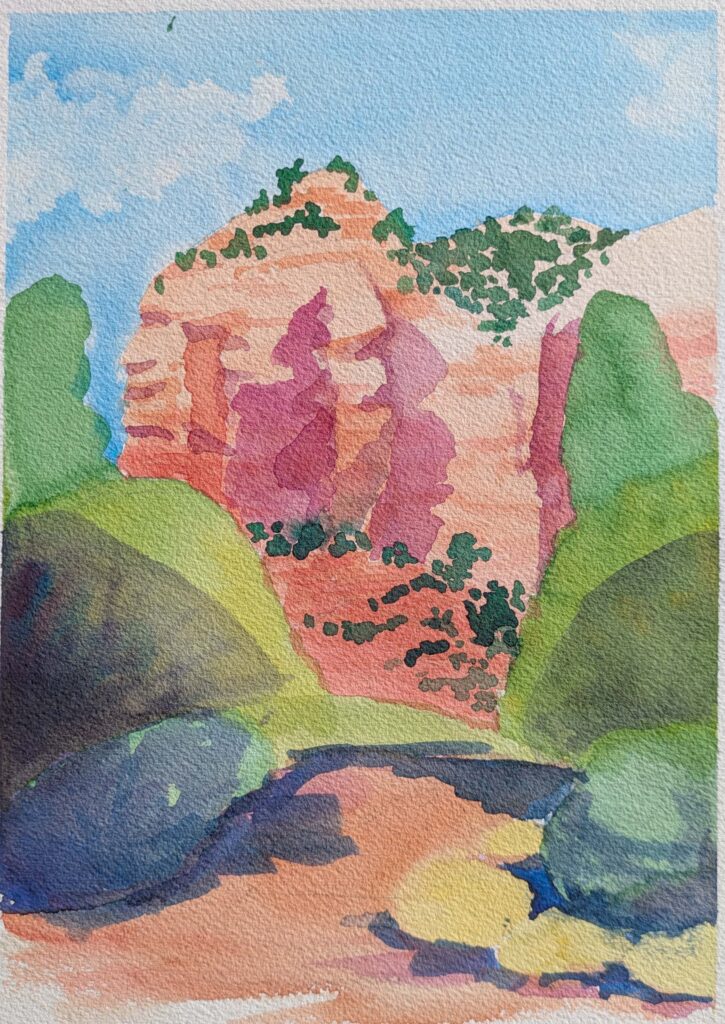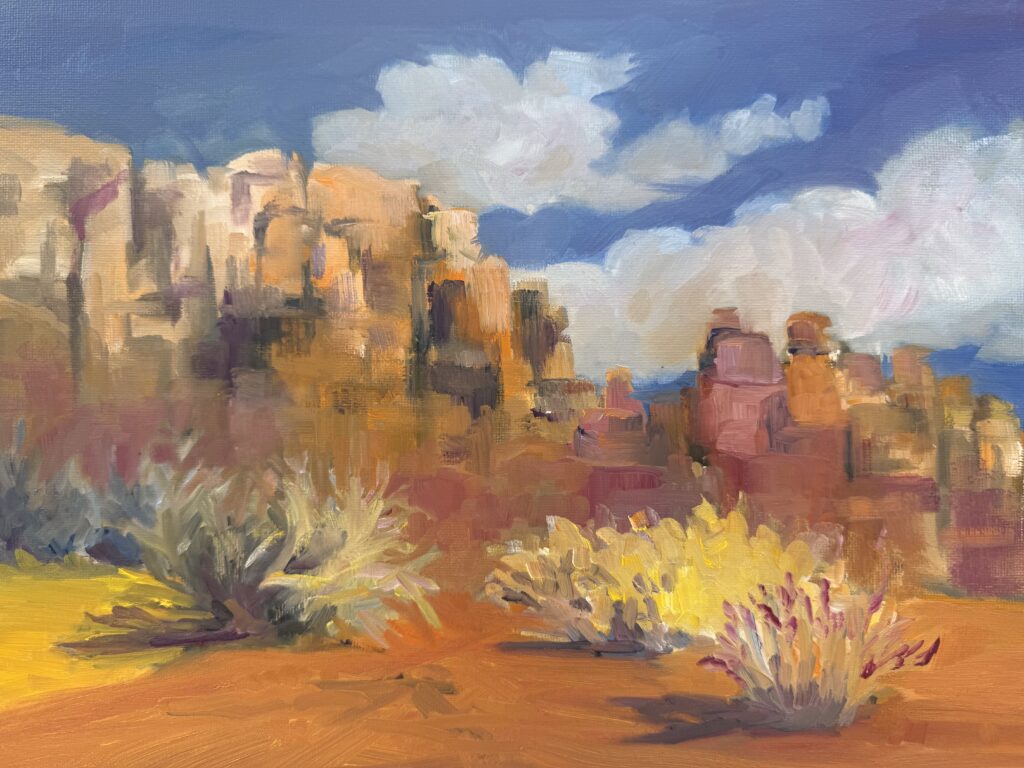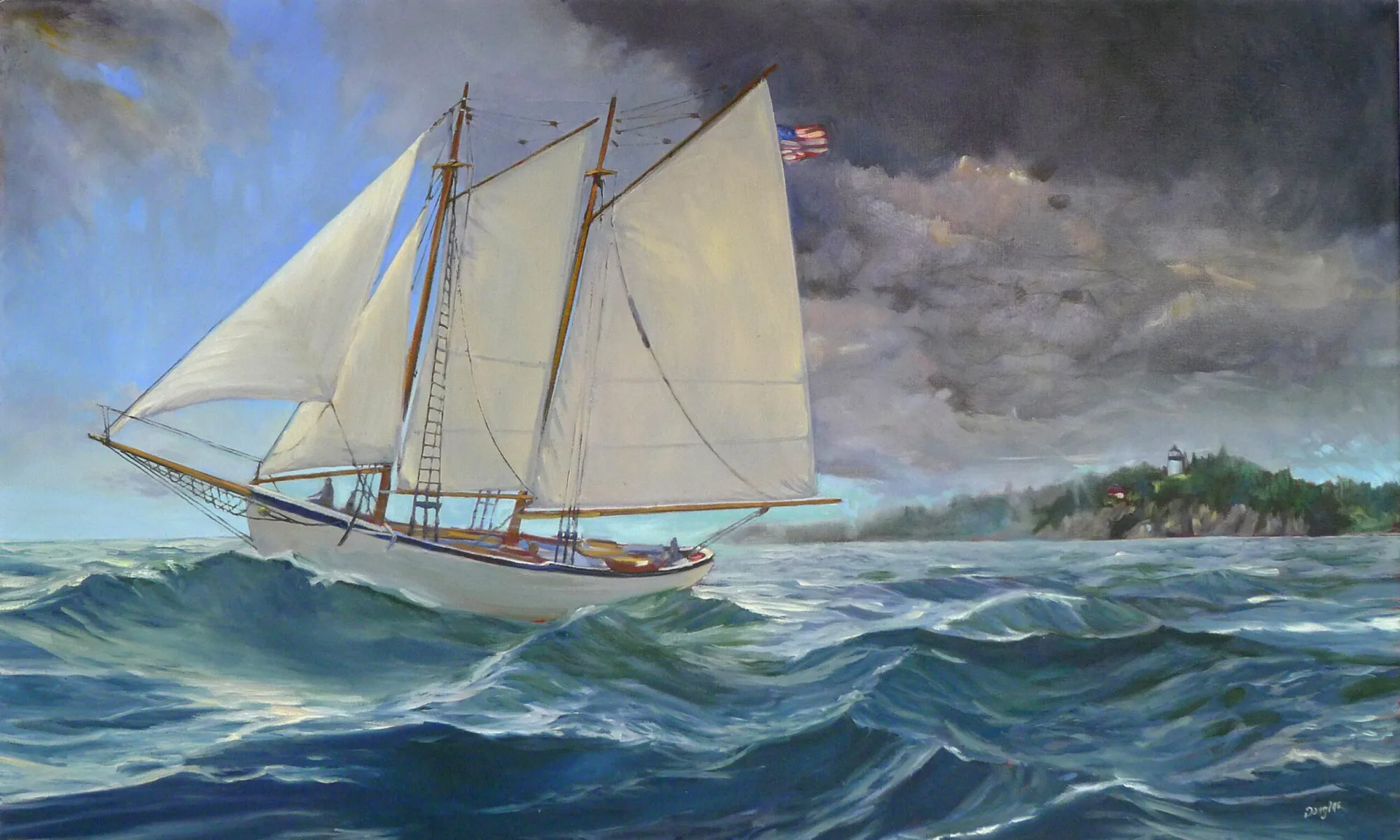
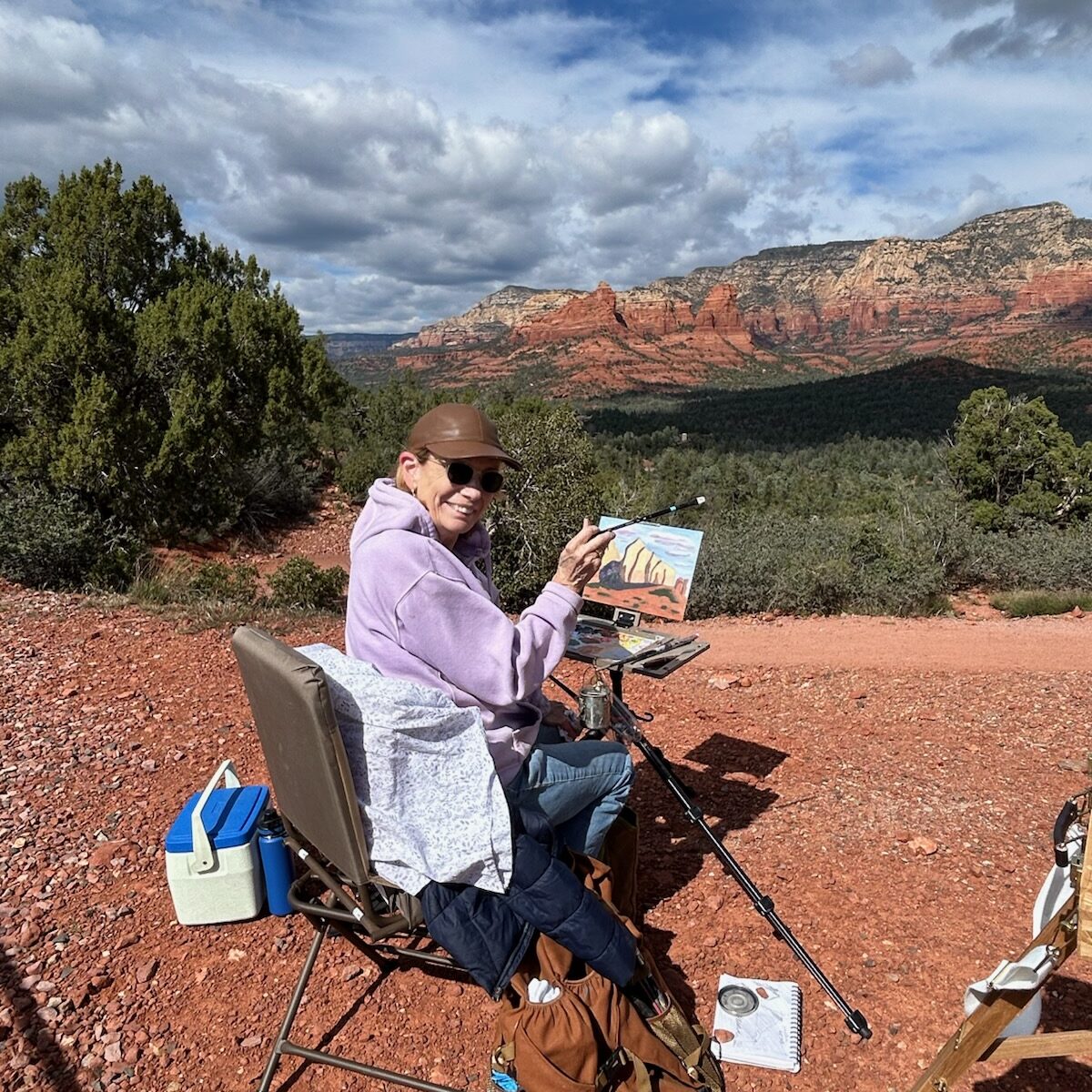
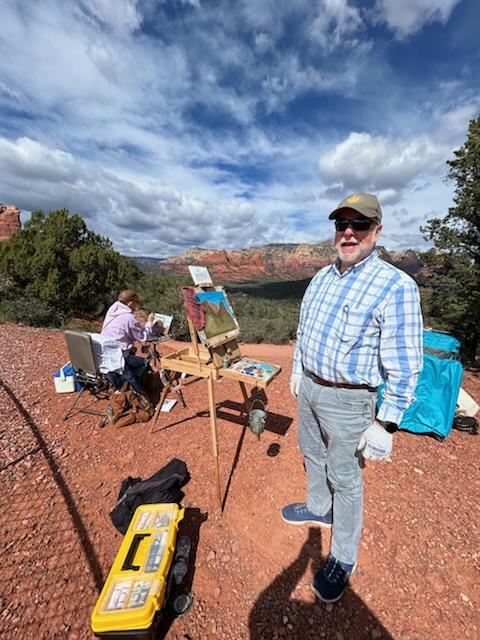
At the end of every workshop week, people say, “Thank you for a wonderful week.” I appreciate that so much. Teaching painting workshops is one of the great joys of my life, but a good workshop doesn’t begin with the instructor. It begins with the students.
The best painting workshops happen when a group of painters arrives enthusiastic, curious, and ready to work. I’m not a big believer in ‘talent.’ It matters far less than attitude. What really shapes my week is a collegial group of people who want to learn.
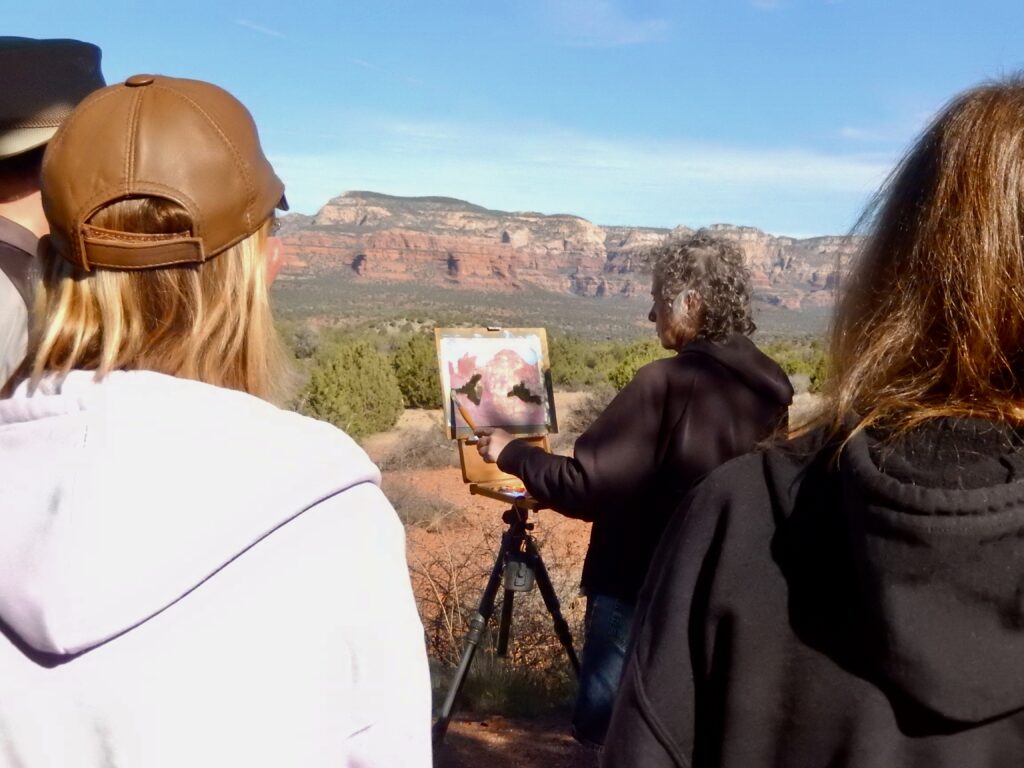
That energy is contagious. It was there when I was teaching at the Sedona Art Center last week. It seemed like a split second between our hellos and goodbyes.
Enthusiasm beats experience
Some students arrive with decades of painting behind them. Others are picking up oils or acrylics for the first time in years. Unless a class is specifically designed for a certain skill level, that doesn’t matter.
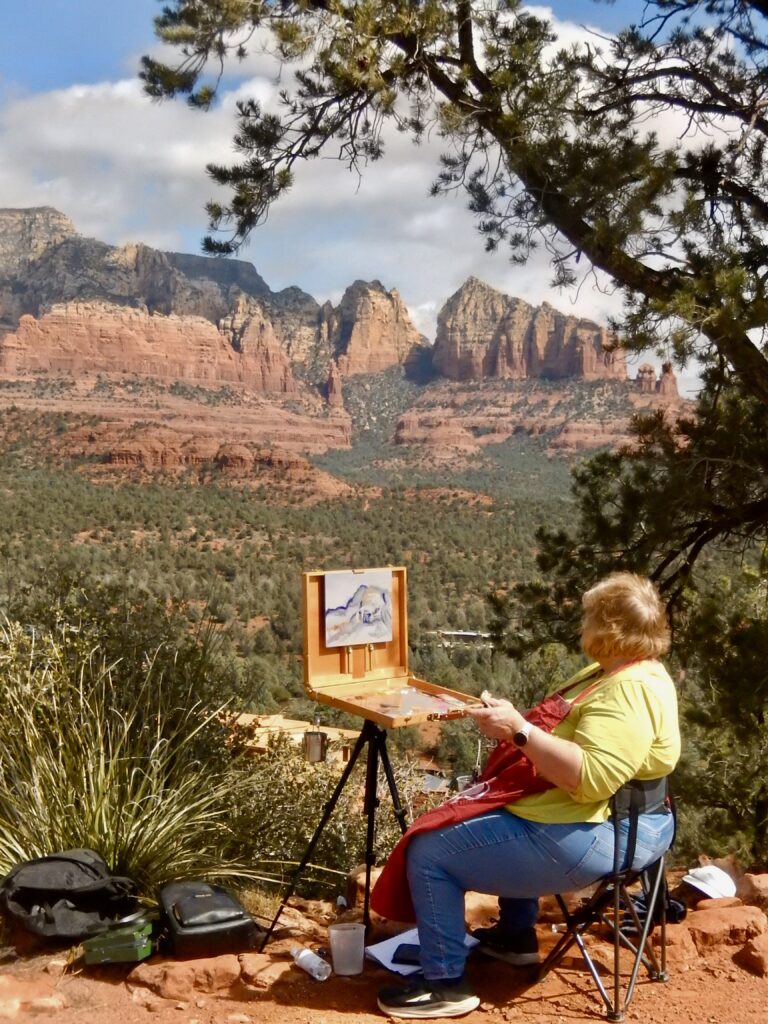
The students who get the most from a painting workshop are the ones who show up ready to try new things. They’re willing to change their approach, experiment with new ideas, and aren’t afraid to fail. They understand that learning to paint well is a process, not a performance.
Those painters ask questions. They compare notes. They learn from their mistakes and keep going. By the end of the week, their work almost always improves dramatically—not because of any magic on my part, but because they were open to learning.
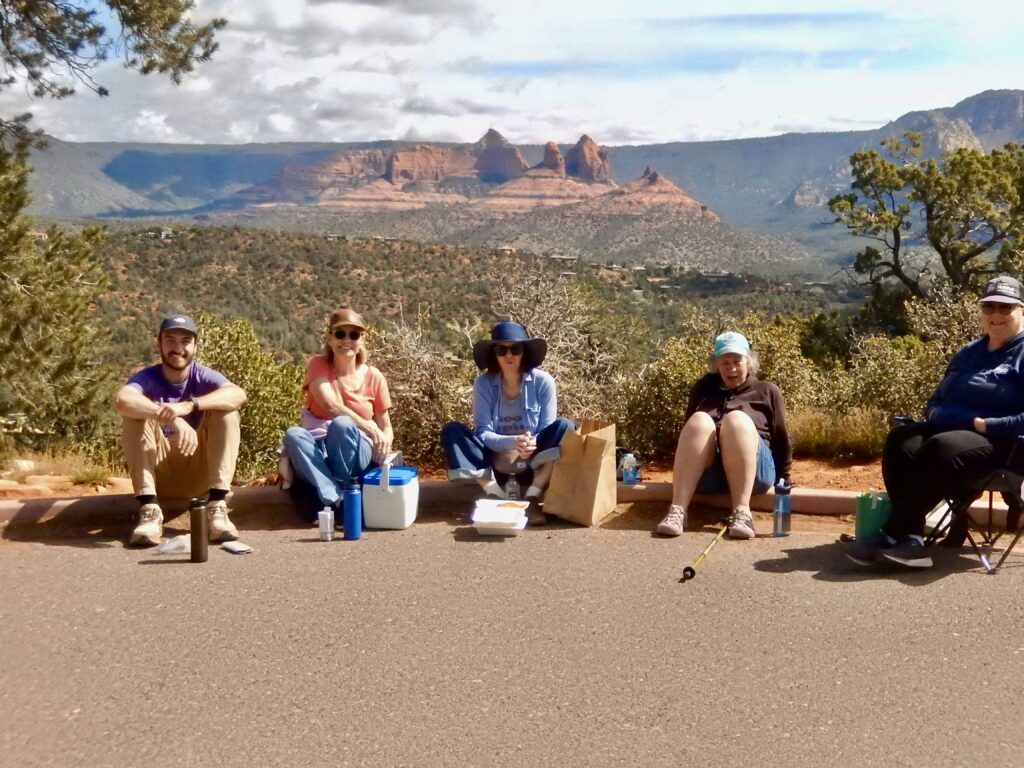
Painting is better together
There is something uniquely energizing about painting with other artists. You see how someone solves a problem with color temperature or simplifying shapes. You overhear a discussion about brushes or medium that sends you back to your easel with a new idea.
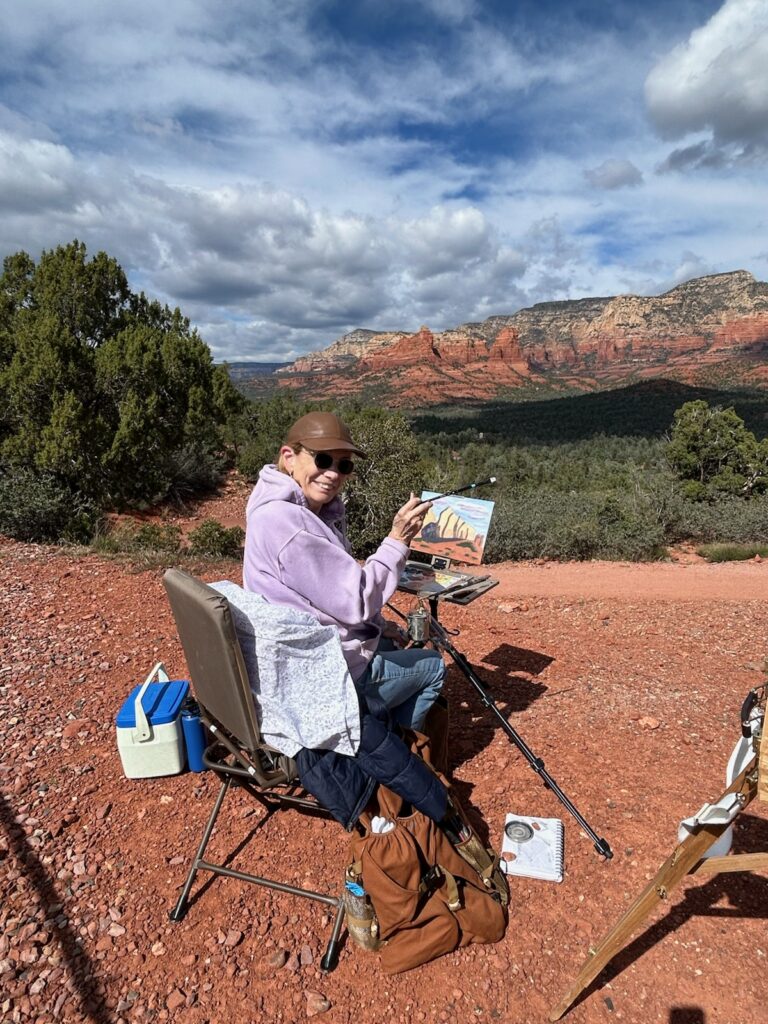
In my experience, painters tend to be generous. Last week, Jean shared canvas paper for brushwork exercises; Bonny gave me something to calm my ratty gut, people were quick to offer Gamsol or boards. In a good workshop, students encourage each other as much as the instructor does. People share snacks, trade stories and look at each other’s work. That shared experience creates the supportive atmosphere where real learning happens.
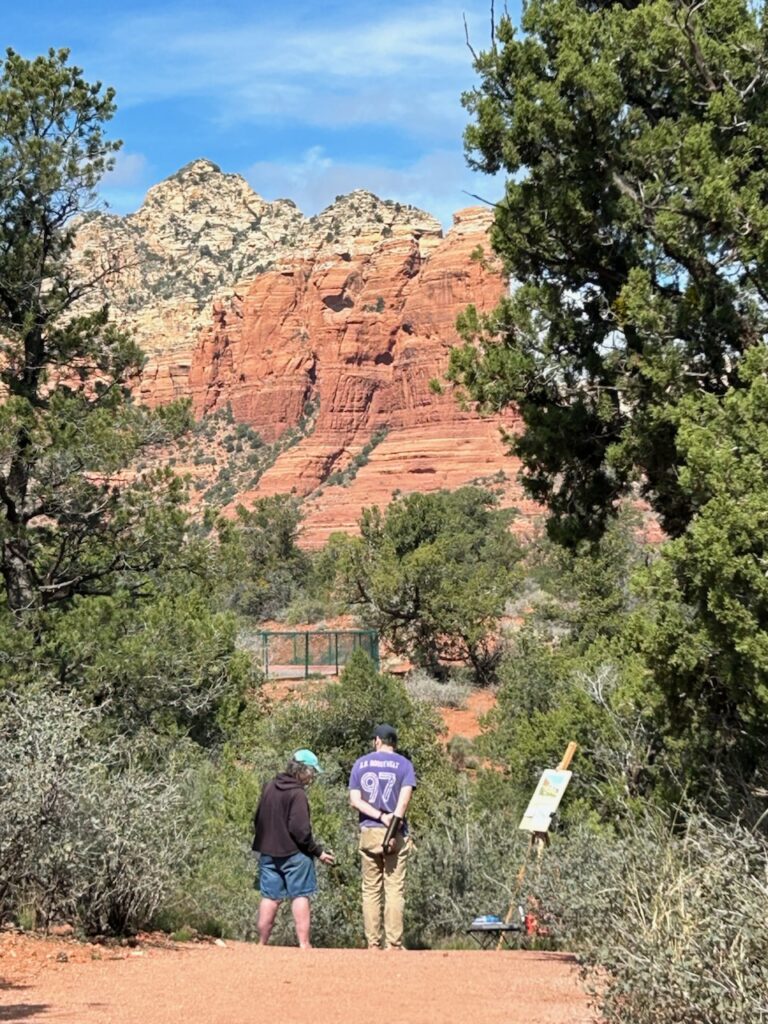
Curiosity drives improvement
The students who thrive in workshops want to understand why ideas work. That curiosity pushes painters forward. A workshop is never about producing a masterpiece in five days, or being the best in the class. It’s about building skills you can carry back into your studio long after the week is over. When students come with that mindset, the results are remarkable.
Sometimes students have what Jacob Johnson jokingly called an existential crisis: a moment when nothing works and they wonder why they ever took up painting. I keenly feel their nerves. But that’s balanced by my joy when they pass through the crisis and things click.
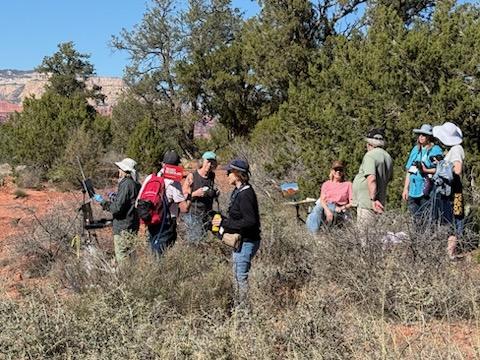
Join me for a workshop
When students thank me at the end of the week, I also thank them. A great workshop is a collaboration between teacher and students and the enthusiasm you bring makes all the difference.
If you’ve been thinking about taking your painting to the next level, or simply want a week immersed in art with other painters, I’d love to have you join us.
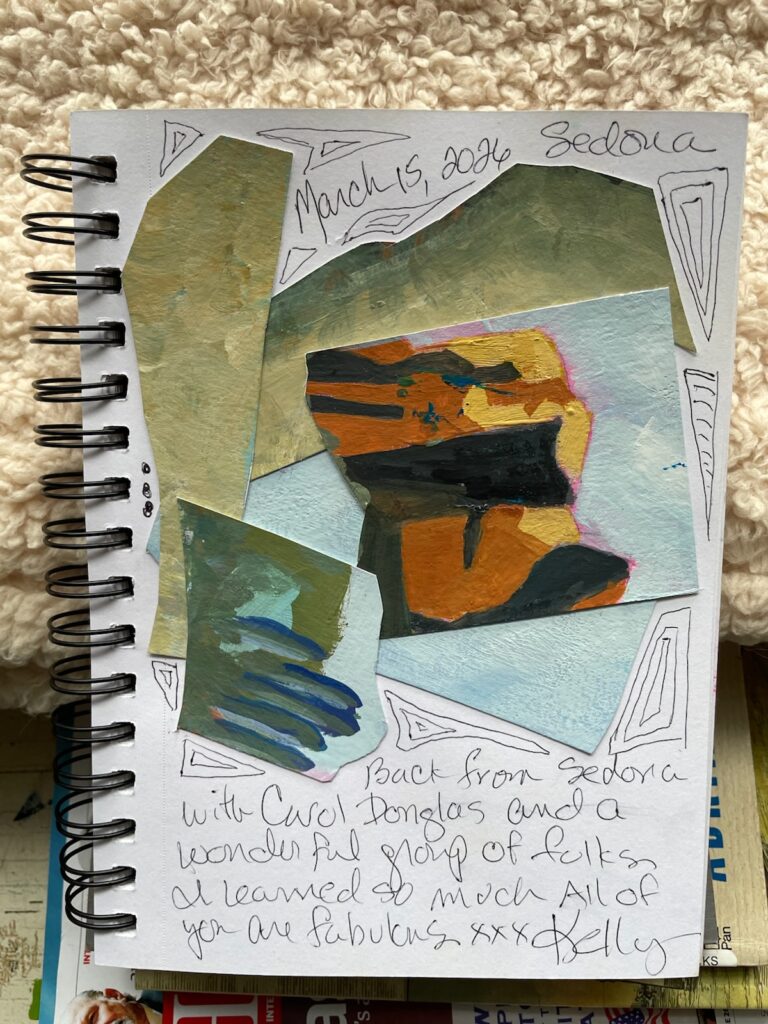
My upcoming workshops bring together artists who are curious, supportive, and ready to learn. Whether you’re refining your process or rediscovering the joy of painting outdoors, you’ll spend the week surrounded by people who share the same passion.
Bring your brushes, your questions, and your enthusiasm. The rest will take care of itself.
Registration is now open for workshops in 2026! Reserve your spot:
- Find your Authentic Voice in Plein Air | Berkshires, MA, August 10-14, 2026
- New! Color Clinic 2026 | Rockport, ME, October 3-4, 2026
- New! Composition Week 2026 | Rockport, ME, October 5-9, 2026
Can’t commit to a full workshop? Work online at your own pace: