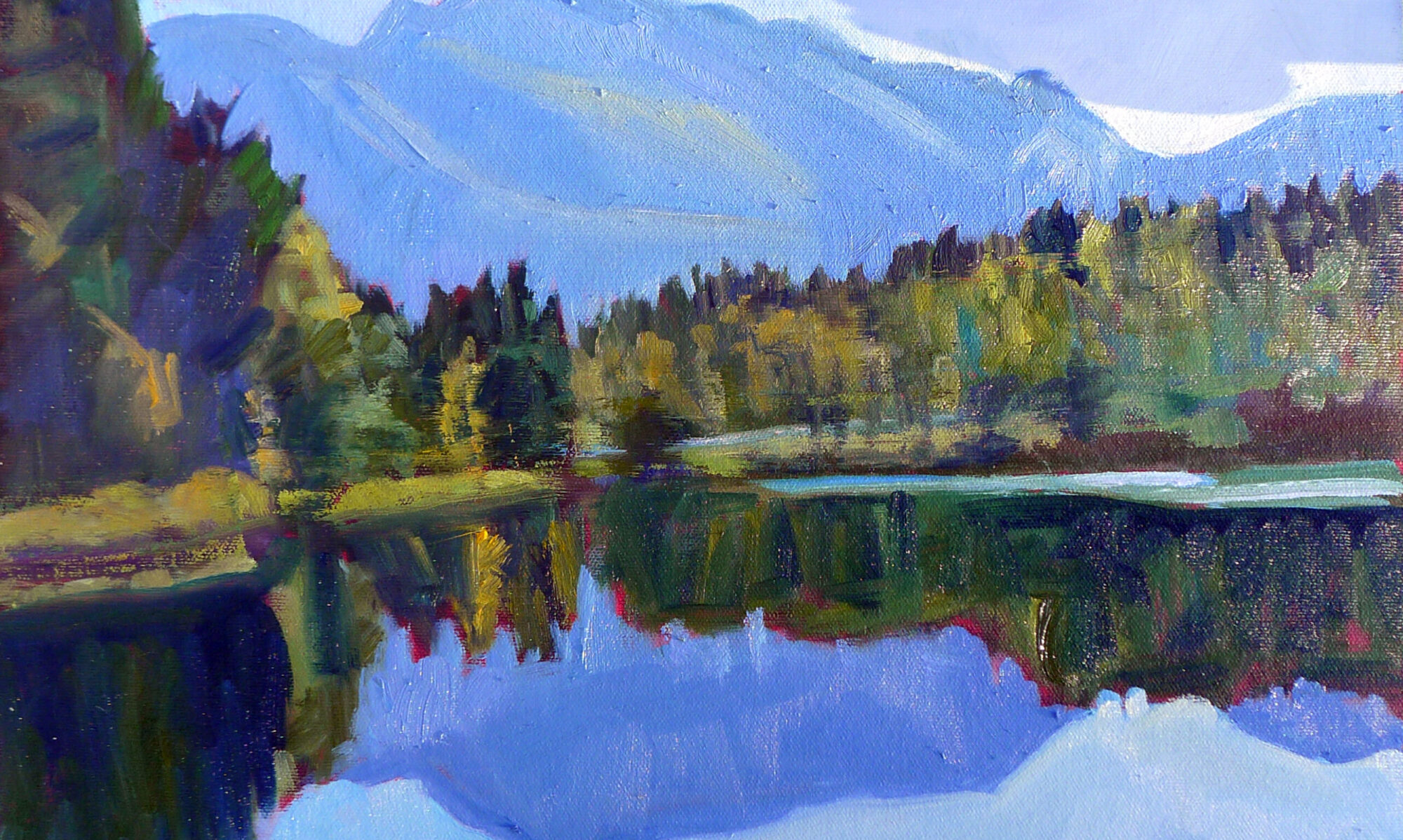
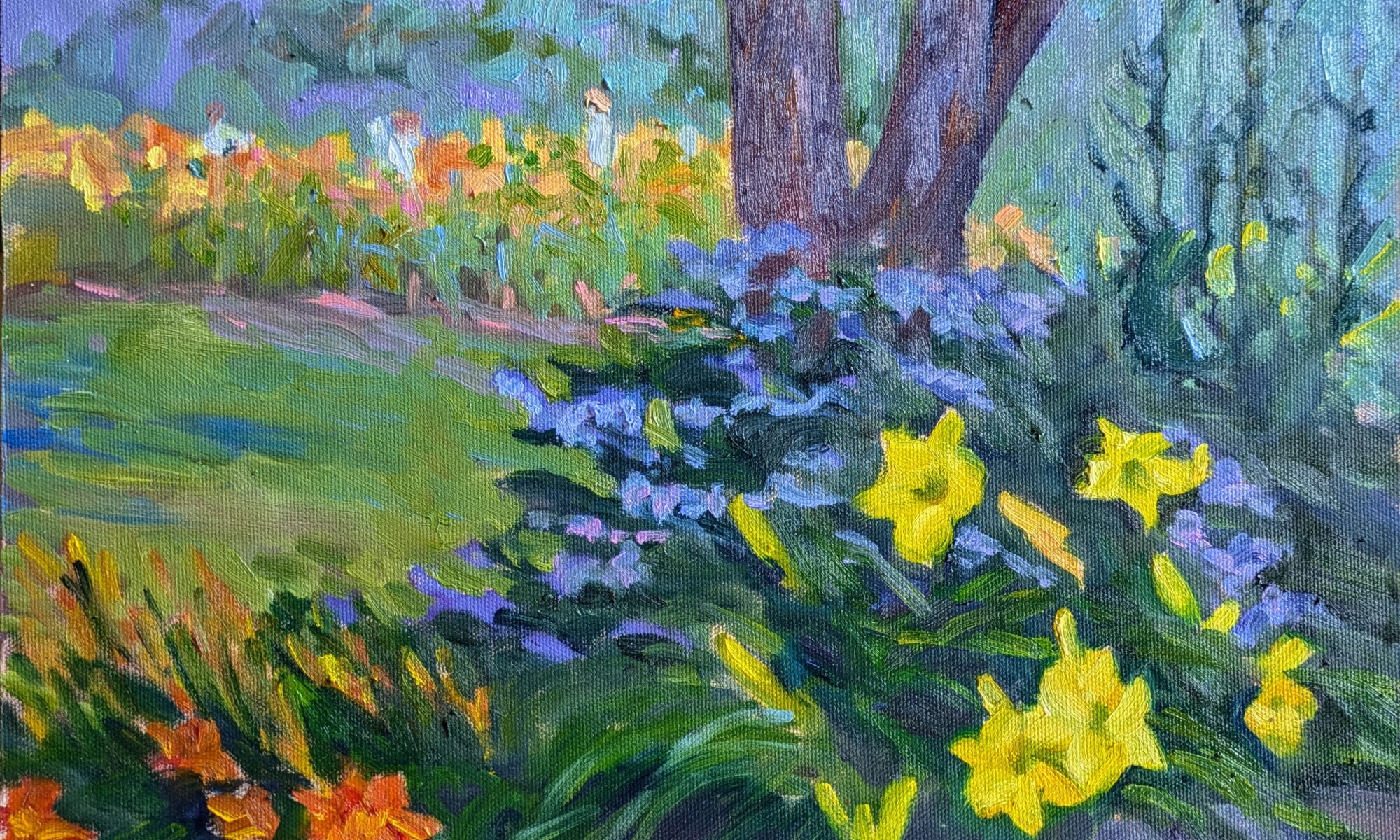
A., who is a regular in my classes, just sold her first two paintings. “I am so proud of you,” I told her.
It happens more frequently that you might think. As painters get more accomplished, the line between amateur and professional artist starts to blur, until one day a painter realizes he or she has just hopped over it.
Are you an artist?
In Art & Fear: Observations On the Perils (and Rewards) of Artmaking, David Bayles and Ted Orland say that you’re an artist if you make art. Your financial success and audience aren’t any part of this definition. (I would add that your financial success is usually an indication of your success as a businessperson, not as an artist.)
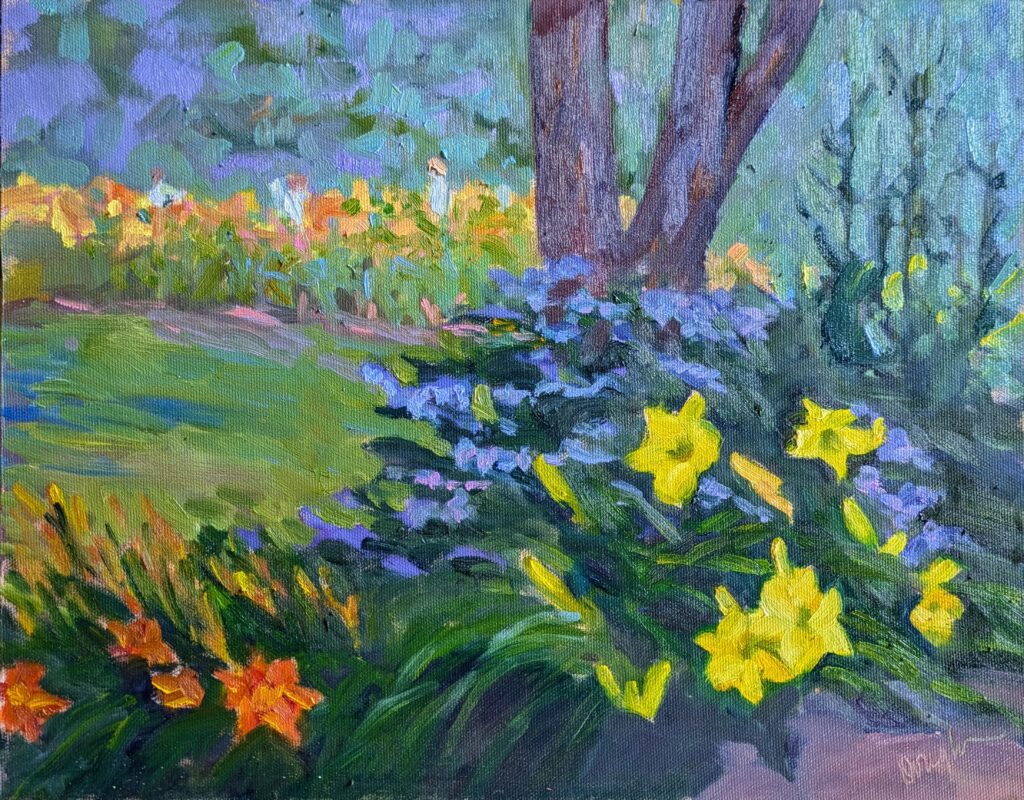
What is the difference between an amateur and a professional artist?
That distinction is based in part on skill, but it’s more about mindset and commitment. Amateurs create art for personal satisfaction or exploration. Professional artists approach art within a framework of audiences and markets. Neither status is inherently more worthwhile than the other.
Amateurs may sell work occasionally, but that isn’t their primary focus. Professionals have crossed the line to earning all or part of their income through painting sales, teaching, etc. That makes the professional more accountable to deadlines and regular work habits. Professional artists also collect sales tax and pay income tax on their art revenues.

With that come some downsides. The amateur can experiment without consequence, whereas the professional artist always considers commercial context as part of their calculations. That means the pro engages with critics, galleries, juried shows, or clients who have expectations and standards—even when he or she doesn’t want to.
Being an amateur isn’t less valid; in fact, there’s freedom in not being locked into producing art to deadlines or expectations. The real difference is how the artist chooses to relate to their art—whether it’s a calling, a career, or a pastime. They’re all good.
Having said that…
Most people who want to make the jump to selling paintings don’t know how to make that a reality. Putting your work in the marketplace is tough; not only is selling paintings hard, so is sharing your personal worldview with so many strangers.
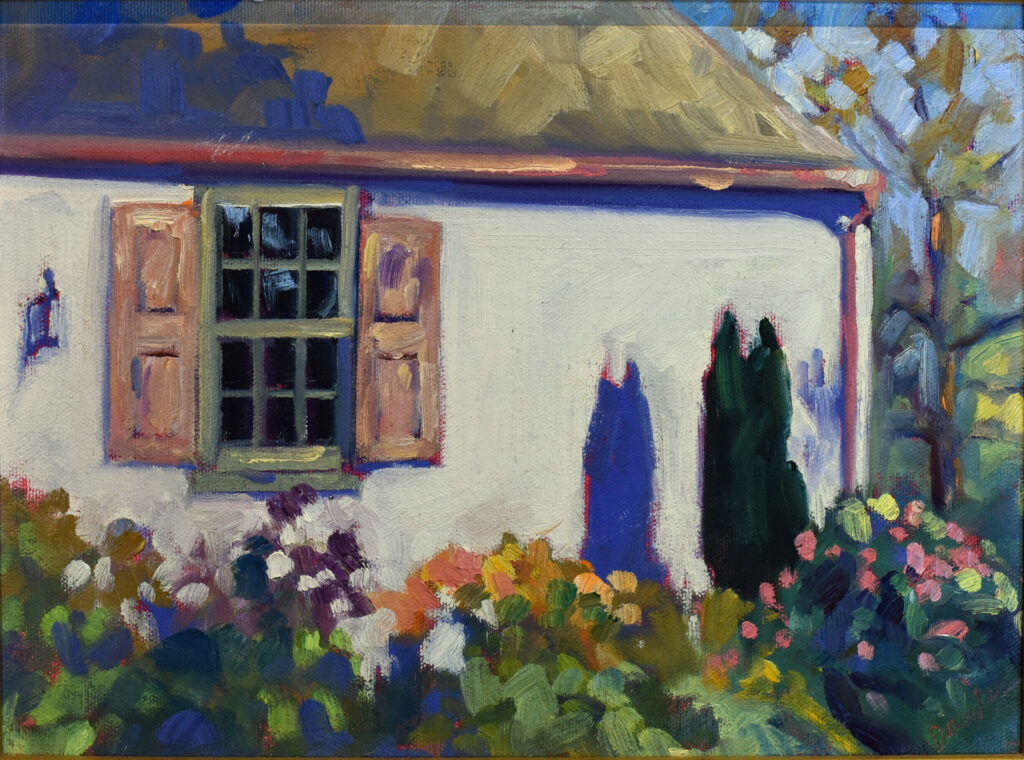
For most of the students I know who’ve crossed the line to professional artist, a class or workshop with like-minded students provided the support and encouragement they needed to share their work with a larger audience. For some people, however, that’s not possible, either due to financial or time constraints. For them, learn-at-your-own-pace is a better option. But learning to paint properly is always the first step. We may all be misunderstood geniuses deep down, but the public still demands quality.
I’ve added a footnote to this post telling you all the classes and workshops I’m offering to help you be a better painter. Won’t you sign up for one of them today?
Registration is now open for workshops in 2026! Reserve your spot:
- Find your Authentic Voice in Plein Air | Berkshires, MA, August 10-14, 2026
- New! Color Clinic 2026 | Rockport, ME, October 3-4, 2026
- New! Composition Week 2026 | Rockport, ME, October 5-9, 2026
Can’t commit to a full workshop? Work online at your own pace: