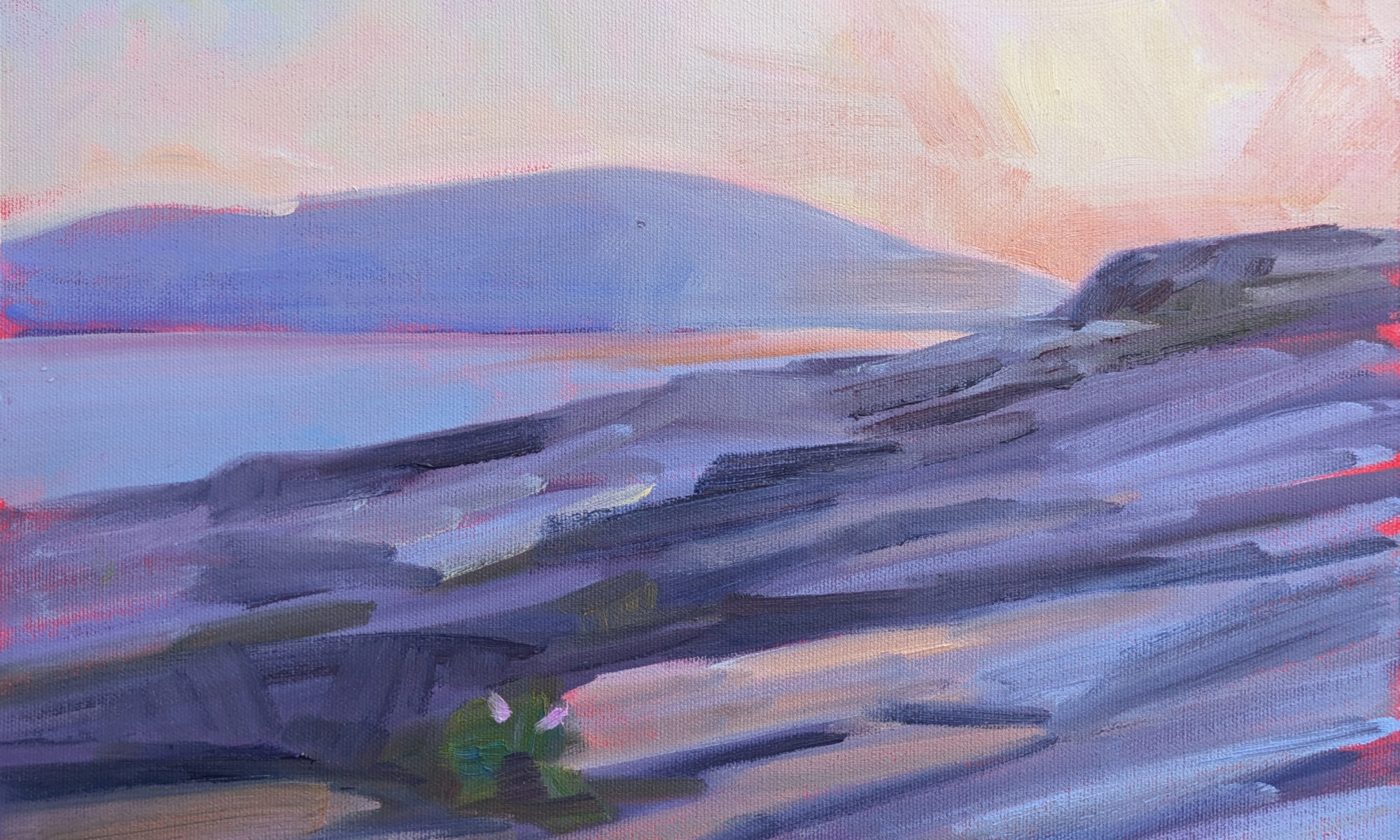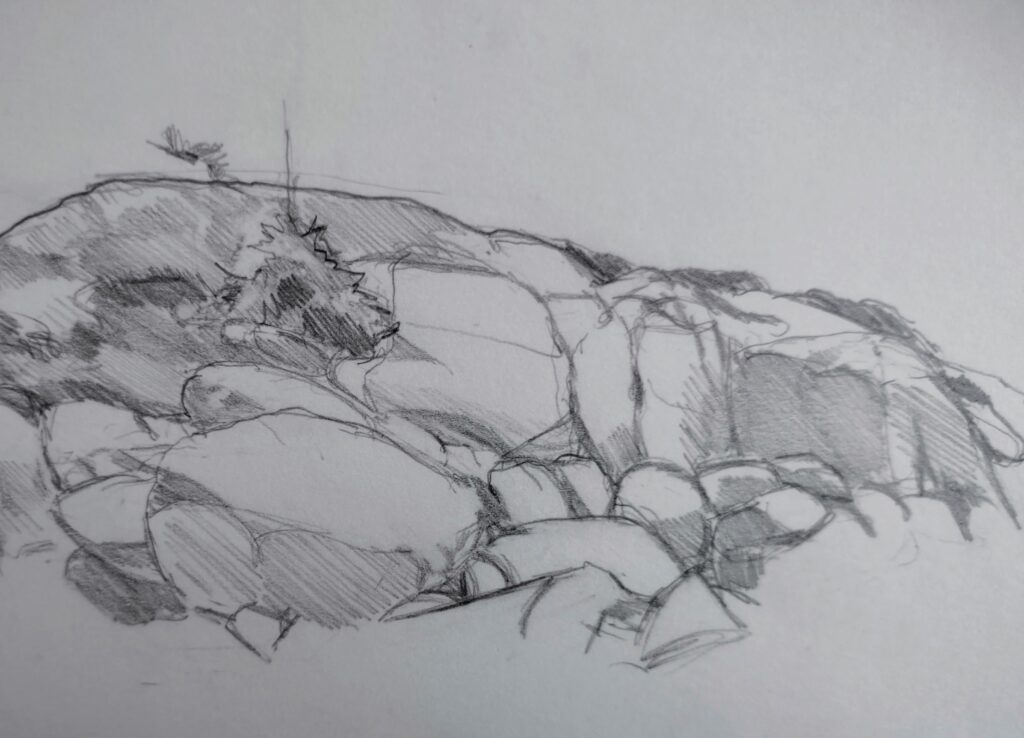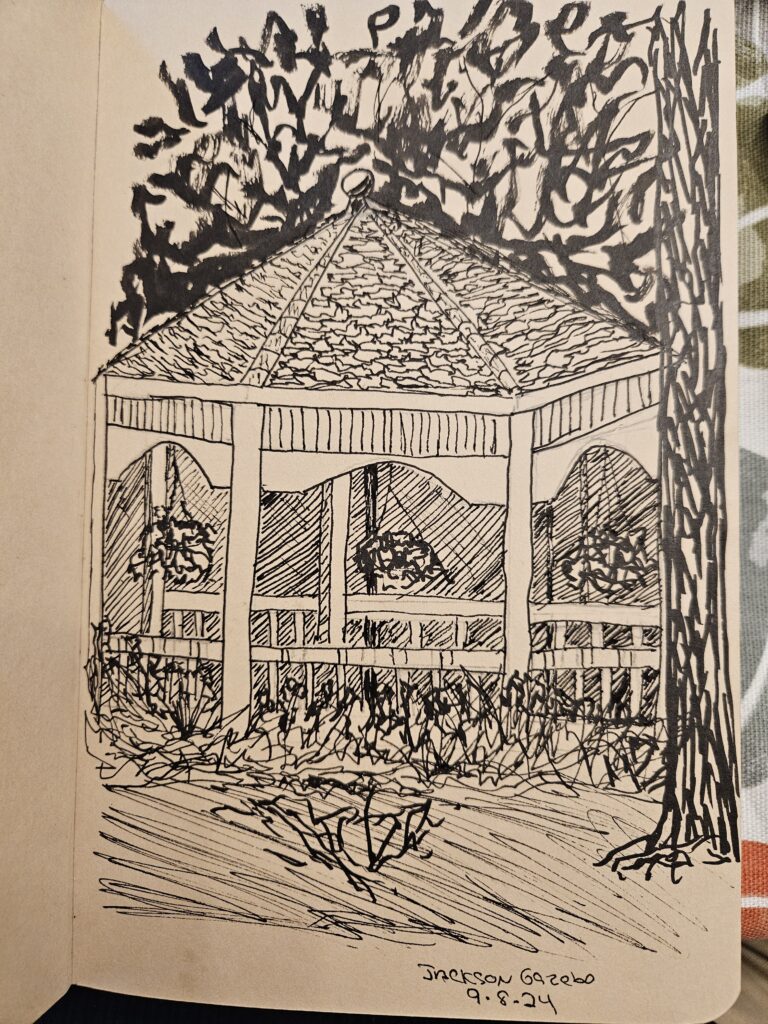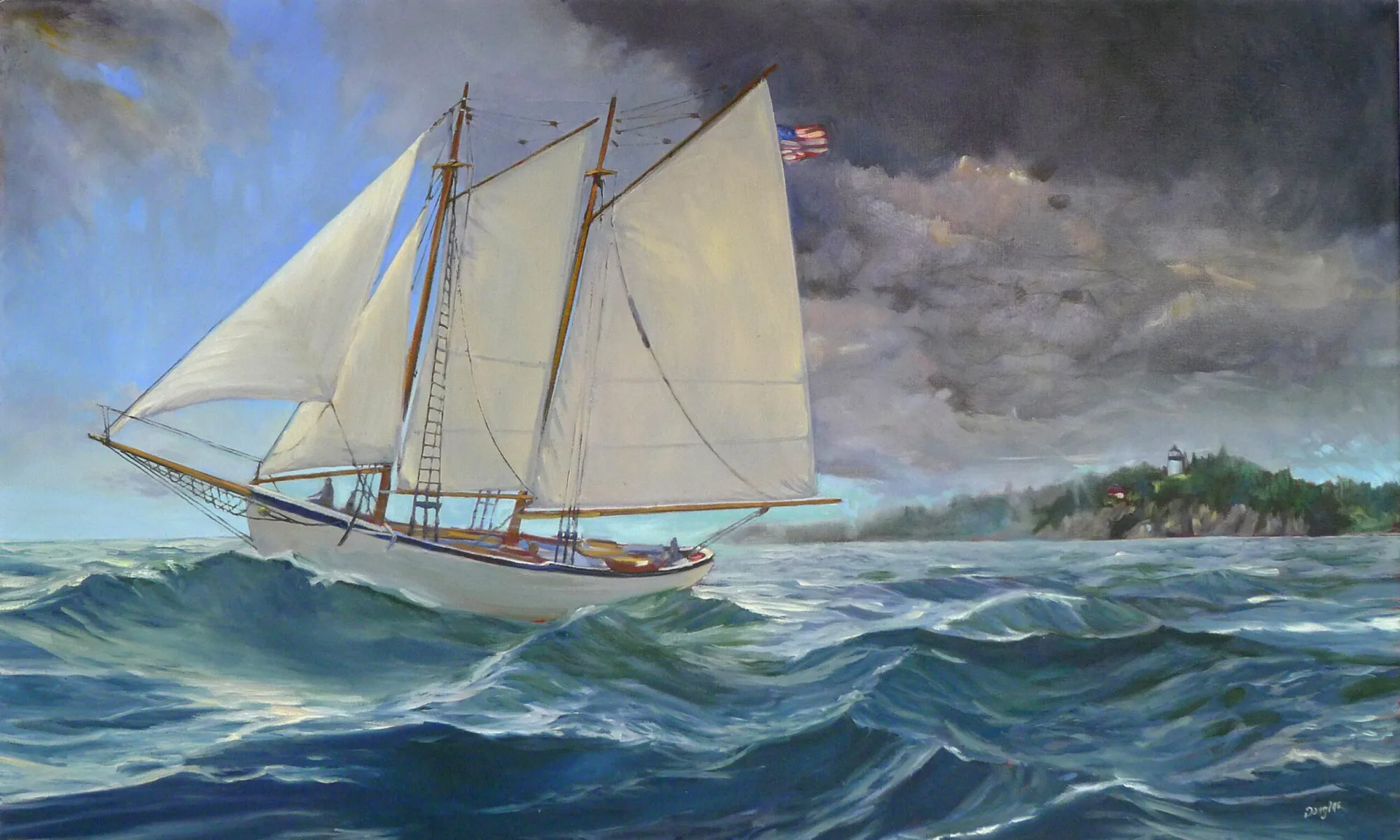
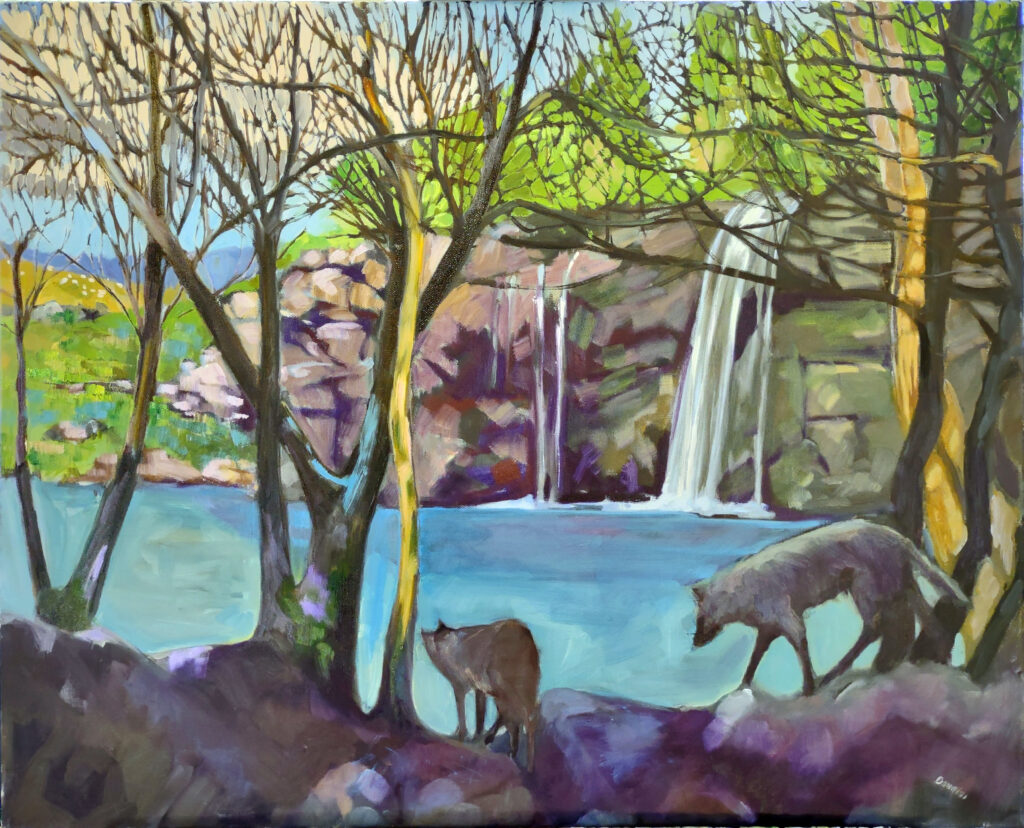
There have always been painters who embraced rough, broken marks. However, at the end of the 18th century, painters like Francisco Goya and J.M.W. Turner began a permanent break from the polish of strict academic painting. Where did loose brushwork in painting come from, and is it still relevant today?
A quick note before we get into it
Claim your spot in Painting Water, Monday evenings or Painting Nocturnes, Tuesday evenings. Both are 6-9 PM, starting the week of August 17, 2026, which is today.
This is my last Zoom session until I get back from Sedona Plein Air at the end of October. That’s because I’m teaching and eventing non-stop until then.
I upload videos of these online classes and you have access to them for as long as there’s YouTube. That means you can review them if you need a refresher or have to cut out early.
The Industrial Revolution
The 18th and early 19th century saw the development of steam power, textile mills, canals and railroads, making muscle much less important. At the end of the 19th century, electricity, petroleum, steel, chemicals, telecommunications and the internal-combustion engine were introduced. That gave us assembly lines, automobiles, electrical grids, telephones, skyscrapers and mass consumer goods.
The second half of the 20th century brought computers, electronics, telecommunications, robotics, satellites and the internet. Now we’re grappling with artificial intelligence, machine learning, cloud computing, sensors, robotics, biotechnology, autonomous vehicles and, of course, the Internet of Things. Rapid change makes us edgy, but it’s important to remember that those prior phases had the same effect on the people who lived through them.
Art responded to each phase of the Industrial Revolution in unique ways. But with each of them we saw more of the artist and less of the subject in artwork. Visible brushstrokes said, “this was made by a human,” in a world which felt increasingly standardized.
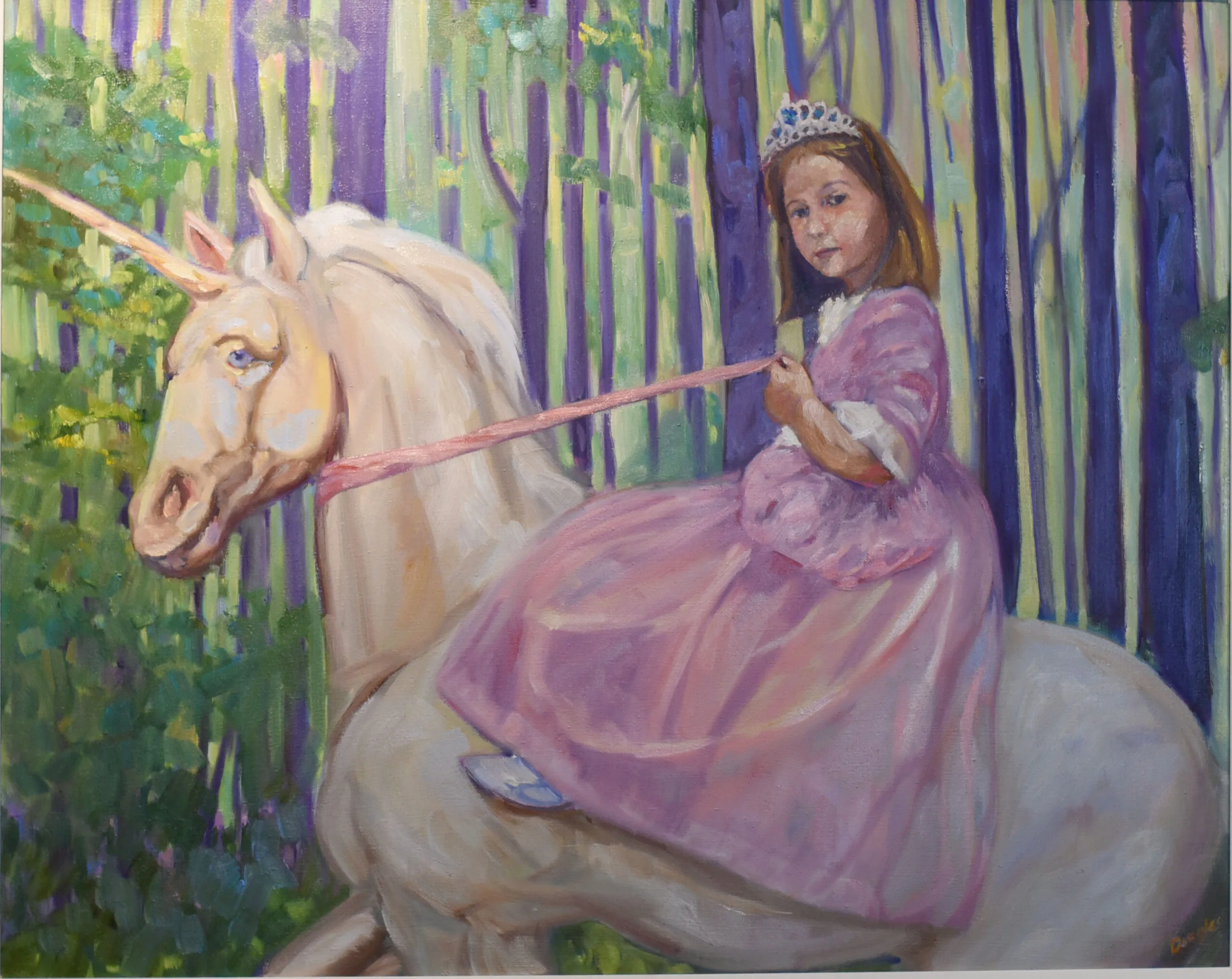
Impressionism and plein air painting
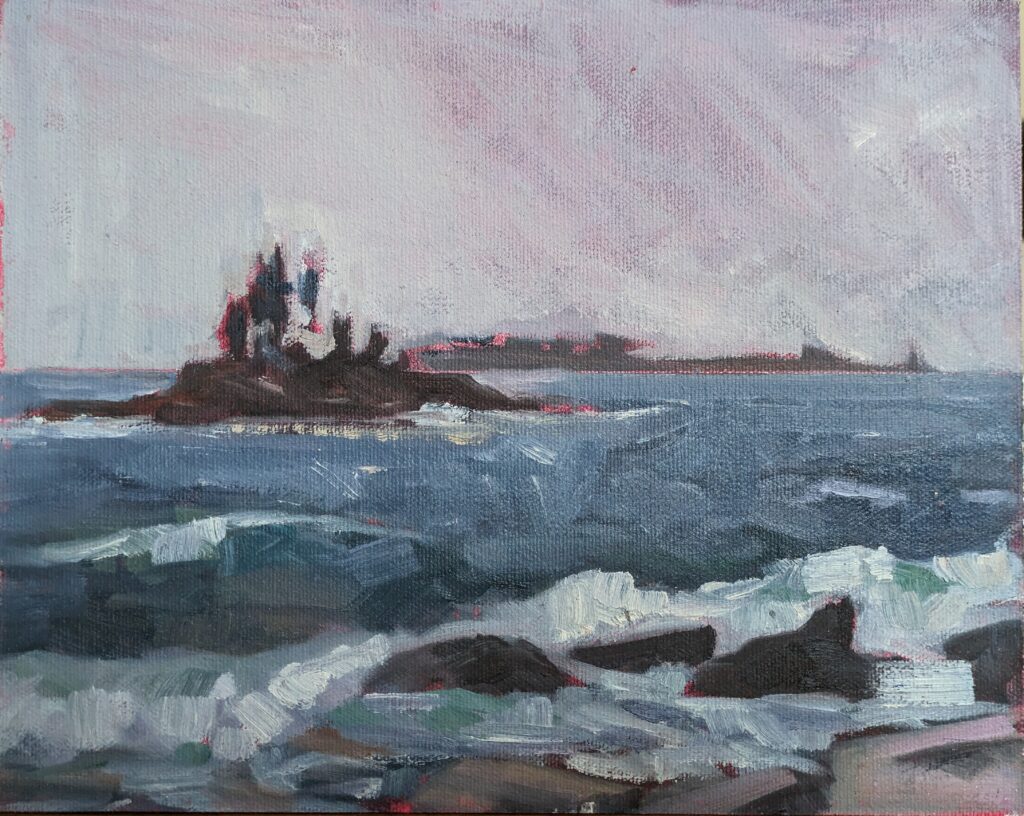
Plein air painting was an important part of Impressionism . Because conditions outdoors shift so fast, plein air painting rewards economy. Plein air painters learn to ‘set it and foret it.’ That produces fresh, economical marks.
Plein air painting is the biggest and most influential painting movement of my lifetime. Its mark-making isn’t going out of style any time soon.
Modernism
Modernist painters increasingly treated the painting as an object in itself, rather than a reflection of reality. Painters like Paul Cézanne and Vincent van Gogh used brushwork to create both emotional tone and structure.
Modernism emphasized subjective vision over realistic representation. The disillusionment and anxiety of the 20th century, with its endless wars, meant that this vision was often fragmented, dark and distorted. In Abstract Expressionism, loose brushwork often was the subject.
Photography
Once photographs could record appearances with accuracy, painting lost its practical purpose, which had been to record people, places, ideas and events. Painters were forced to ask, what can I do that a camera can’t?
Loose brushwork was one answer. This helped shift painting from representation into interpretation.
Certificate of authenticity
Your brushwork is as individual as your handwriting. It’s one thing technology can’t (yet) duplicate. And it’s why we value loose brushwork in painting more than ever; the physical act of painting is imbedded in the work.
Brushstrokes record movement, speed, pressure, hesitation and decision, just as handwriting does. It has become a dominant part of modern style; we recognize the person in the mark.
Brushwork signals confidence
Bravura brushwork suggests decisiveness, mastery, speed, physical engagement, risk and freedom. These are things our culture values, so we find loose brushwork in painting far more exciting than carefully-blended marks (although there is room for both in a good painting).
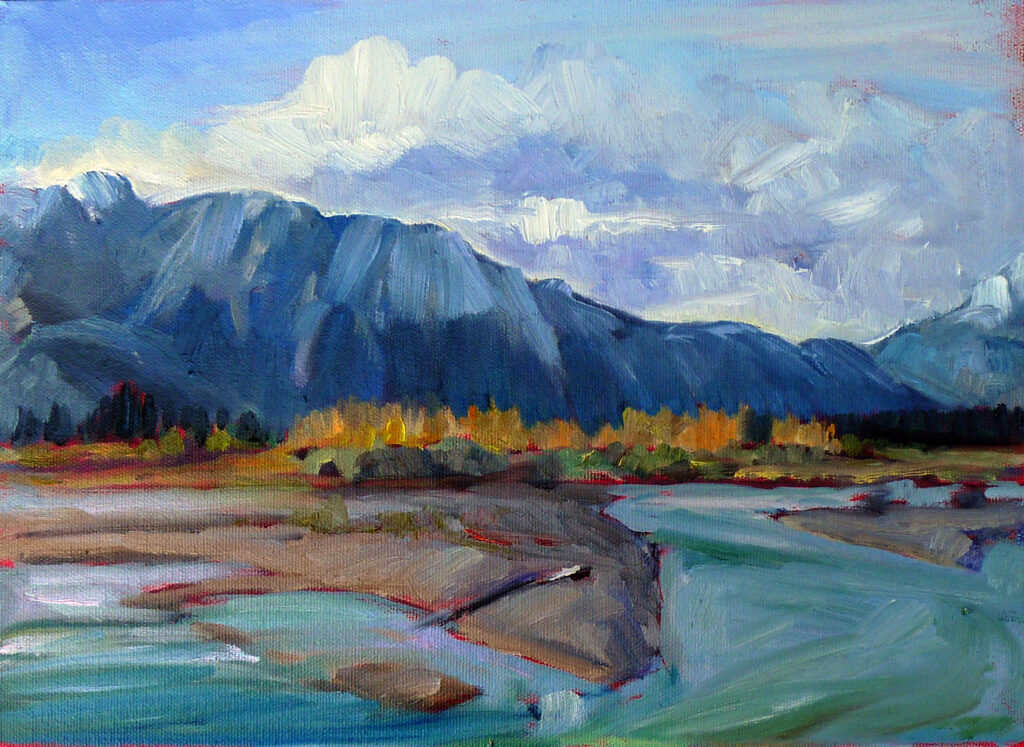
Looseness isn’t the same thing as good painting
Bravura brushwork only works if the painter knows what each stroke is meant to accomplish. Otherwise, it’s mere sloppiness.
Loose brushwork has to sit on a base of careful drawing, good composition and well-considered color. Great painters with flamboyant brushwork have a wealth of technique supporting their apparent spontaneity. They know proportion, value, edges, color relationships, anatomy, perspective and composition well enough that they can hit the right mark on the first strike (which is what alla prima means).
The big question
If looseness is now the language of serious painting, is there still anything rebellious or exploratory in being loose? Does looseness still matter in the 21st century? For me, the answer is yes but I leave you to make that choice yourself.
Online classes start again soon!
- Cozy Winter Painting, Monday evenings, 6-9 PM for three weeks starting November 2.
- Painting Figures in Real Spaces, Tuesday evenings, 6-9 PM for six weeks starting November 3.
- Painting Nocturnes, Monday evenings, 6-9 PM for three weeks starting November 30.
I have just two workshops left in 2026! Reserve your spot:
- New! Color Clinic 2026 | Rockport, ME, October 3-4, 2026
- New! Composition Week 2026 | Rockport, ME, October 5-9, 2026
- High-Desert Light & Monumental Form | Sedona, AZ, Apr 26, 2027 – Apr 30, 2027
Can’t commit to a full workshop? Work online at your own pace: