Monday Morning Art School: moving from ‘I feel’ to ‘I think’

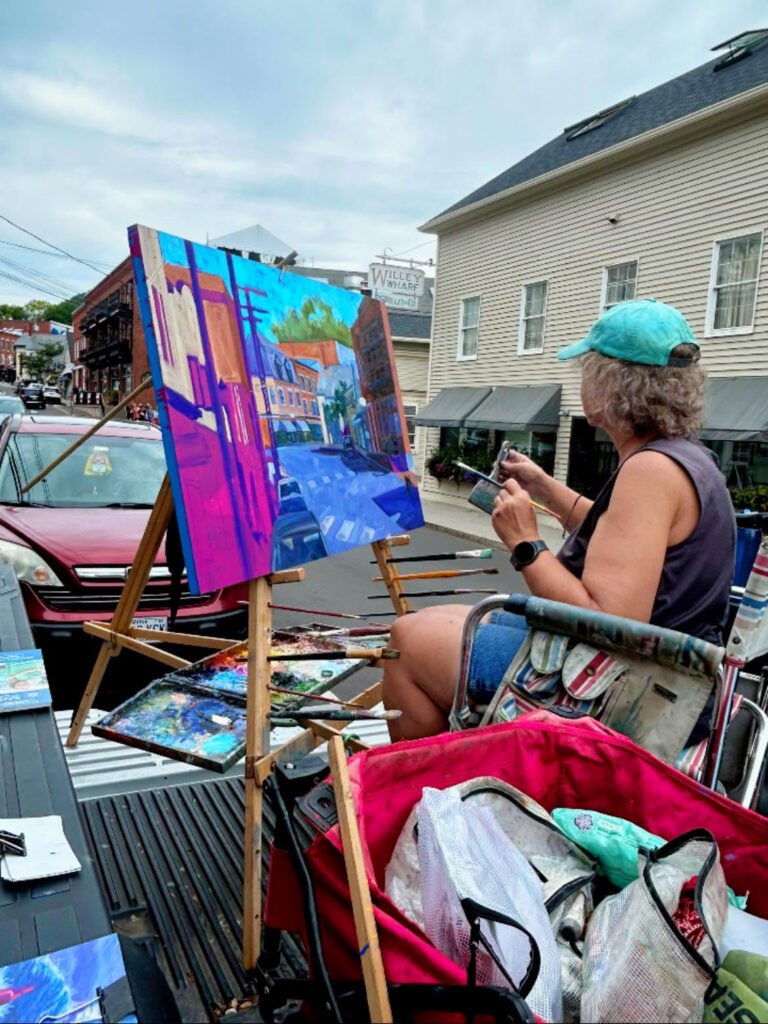
Painting from my trusty pickup truck on Bay View Street (courtesy Camden Public Library).

When I teach critique, I start by asking the artist, “what was your goal in making this painting?” I finish by asking the group, “What did you notice first?” and “How does this painting make you feel?” In between are questions based on the elements of design: focal point, line, value, color, balance, shape and form, rhythm and movement and texture.

Let’s start with the messiest question.
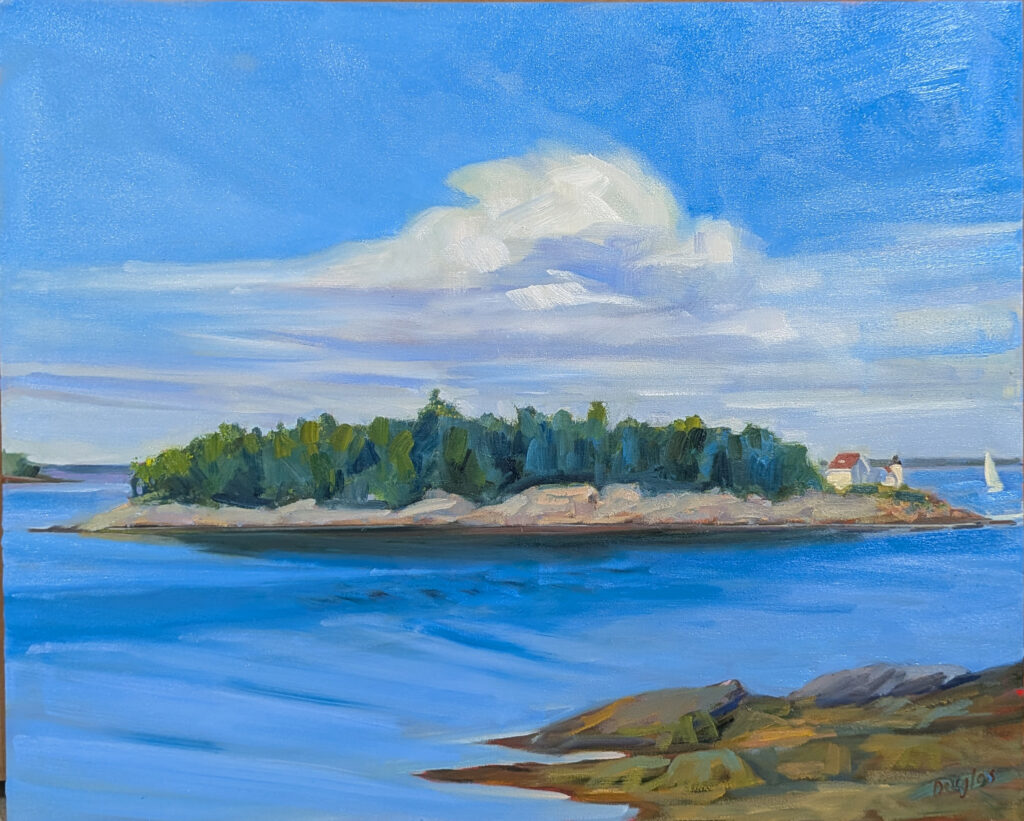
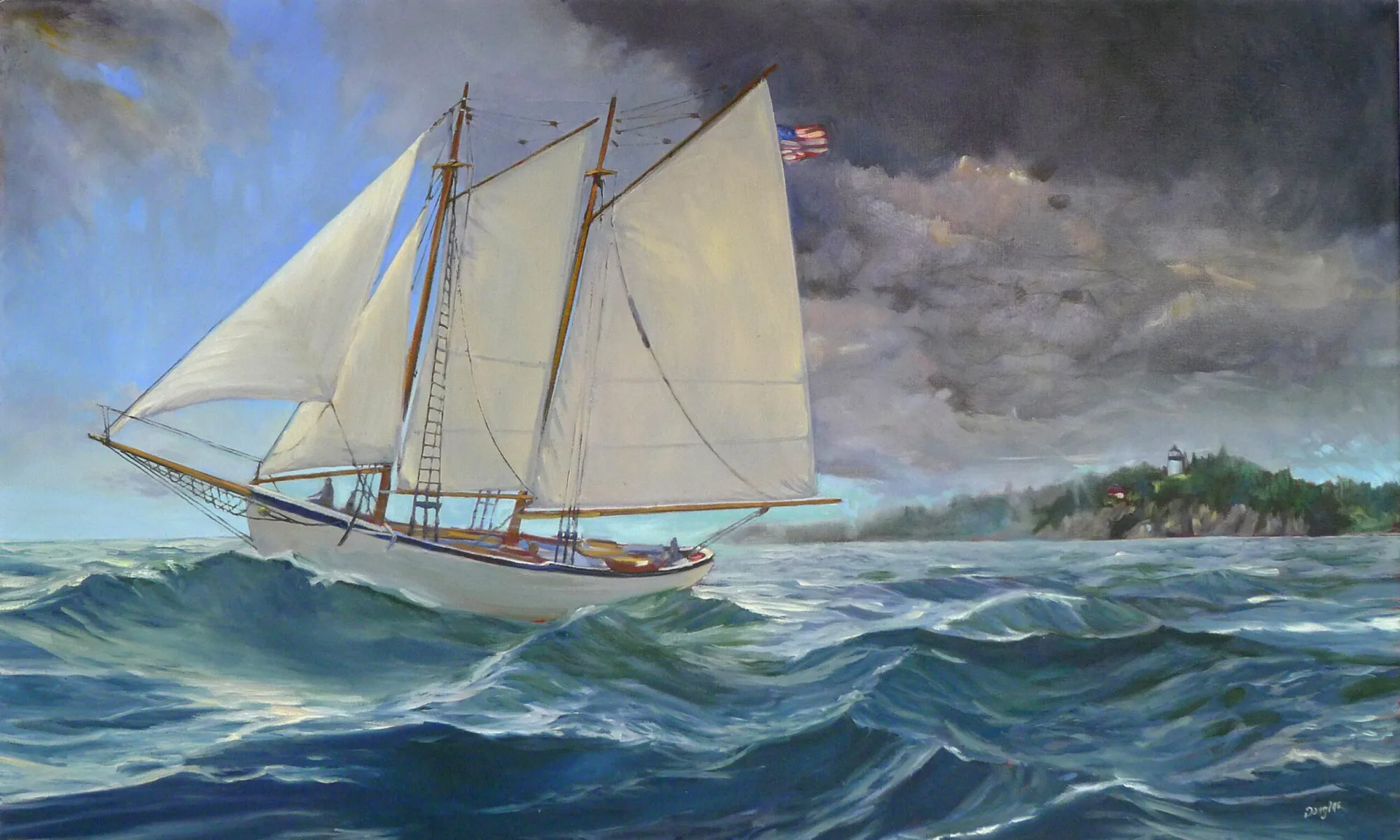
Curtis Island, 24X30, oil on canvas, painted for Camden on Canvas. Available.

How does this painting make you feel?

Before you know the technical mechanics of a painting, you know how it makes you feel. You may feel calm, unsettled, energized, curious, melancholy or delighted. If you feel nothing, then there’s no communication. That may on the artist, or it may be that you’re simply not interested in the message. For example, I am utterly unmoved by Frida Kahlo, although millions of people love her.

That first response is valuable, but don’t stop there. For painters, the informative part of art analysis is moving from ‘I feel’ to ‘I think.’

Painting at Curtis Island overlook (courtesy Camden Public Library).

Start with your gut

Your sympathetic nervous system, not your brain, is your first responder.

What happens in your body when you first see a work of art? Do you lean in or pull back? Want to engage, or are you repelled? Does your eye settle somewhere immediately? If so, where?

Don’t worry yet about explaining it. Just let the feelings wash over you.

Now ask why

Perhaps the key to why you feel peace in a painting is its broad, open composition, warm color, soft edges and low-key value structure. Or you might feel energized because the composition is dominated by sharp radiating lines, with clearly divided values.

Your feeling is the door. Art analysis walks you through it.
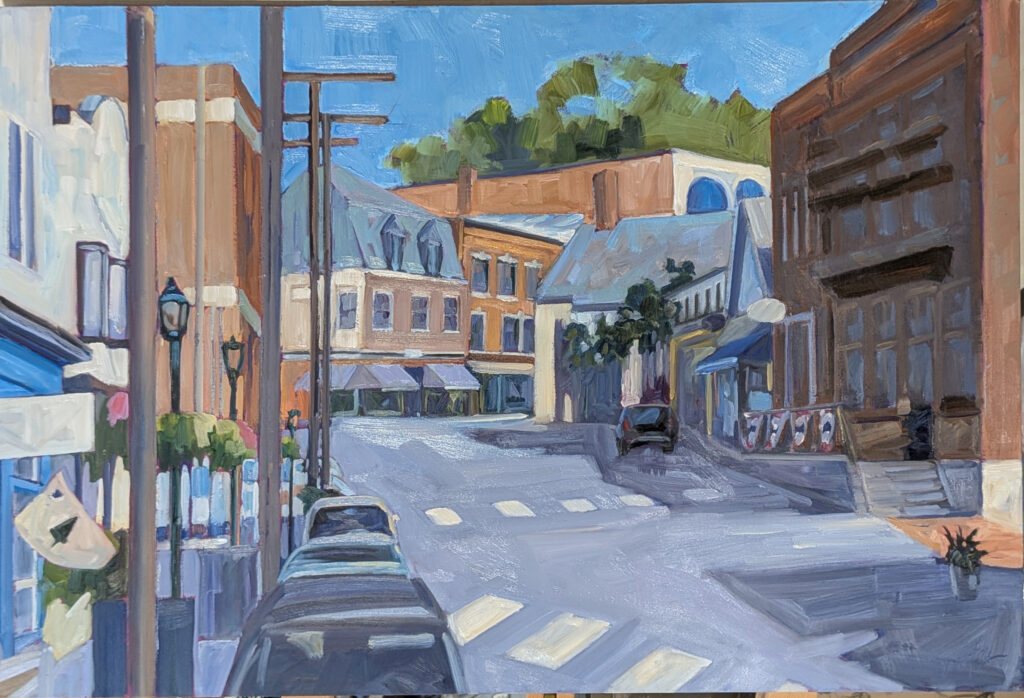
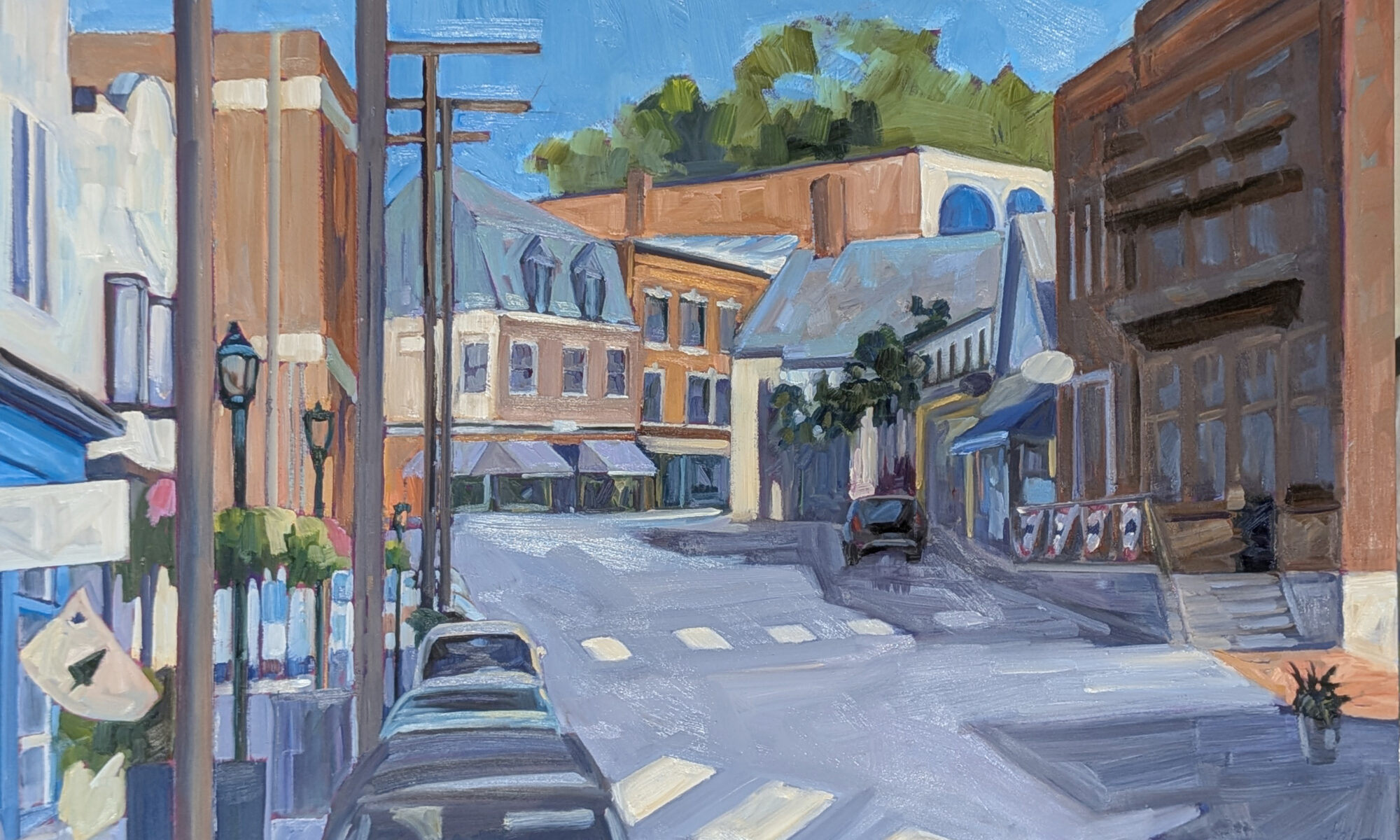
Artwalk (morning on Bay View Street), 24X36, oil on gessoboard, painted for Camden on Canvas, private collection.

But let your eyes lead

Don’t rush to explain what you’re seeing. In a class setting we are pushing to get through the process in the confines of a class schedule. That has one failing, which is that sometimes we need more time to simply look. For the painter, time is the most important tool in our kit.

We need to put down the brush and step back. We need time to wander through our own work.

  • Where do our eyes go first?
  • Where do they go next?
  • What do they keep returning to?
  • Where do they stop?

Your eyes are doing analytical work even when you aren’t consciously thinking about it. A painting’s composition, value structure, color relationships, edges, shapes and directional lines all influence how we move through an image. So let your eyes see before your verbal brain starts constructing an argument.

This is particularly important for painters. We often see something before we have the vocabulary to explain it. Trust that first response, and then investigate it.

From feeling to evidence

The goal of art analysis isn’t to prove that your first reaction was correct. It’s to discover what in the painting produced it. I know this is difficult, but in time it will become second nature. Hearing that voice inside your head will lead to better, stronger paintings.

Your response is part of the evidence

Your response matters, but it becomes more useful when you can explain it.

Start with ‘I feel,’ and let your eyes wander. Then ask ‘why’ and move from there to ‘I think.” That movement—from instinct, through observation, toward understanding—is one of the great pleasures of making and looking at art.

I have just two workshops left in 2026! Reserve your spot:

Can’t commit to a full workshop? Work online at your own pace:
Seven Protocols for Successful Oil Painters

Okay, now it’s your turn to be the jury… you pick.

Dome of Light, 9X12, Carol L. Douglas, $869

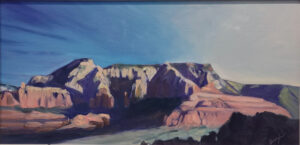
I have completed eight paintings for this event, seven of which are in this blog post. By 9 AM Sedona-time (noon on the East Coast) I have to narrow it down to three for judges John Caggiano and Susan Lynn to view. We’re essentially pre-filtering; it’s far more difficult for a juror to filter through 300 paintings to determine what he or she likes.

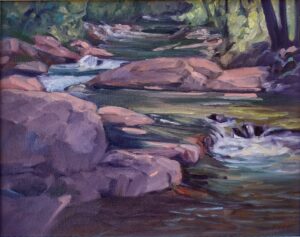
River Light, 11X14, Carol L. Douglas, $1087

This is, for some of us, the hardest part of the event, so I’m turning it over to you. Think in terms of formal criticism, including:

  • Focal point
  • Line
  • Value
  • Color
  • Balance
  • Shape and form
  • Rhythm and movement
Crescent Moon, Dawn, 9X12, Carol L. Douglas, $869

Then ask yourself, “Does this painting move me?”

The photo quality isn’t the greatest; I took these indoors. But there’s enough information there for you to see the fundamental structure.

Let me know your answers in the comments below.

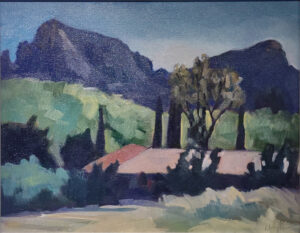
Cypresses and Sunlight, 11X14, Carol L. Douglas, $1087
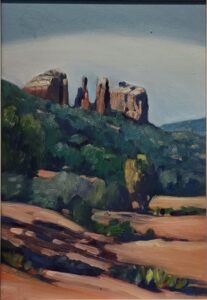
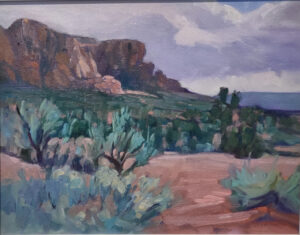
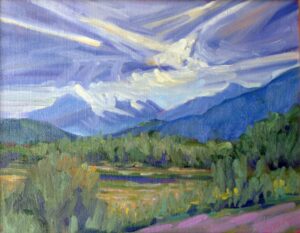
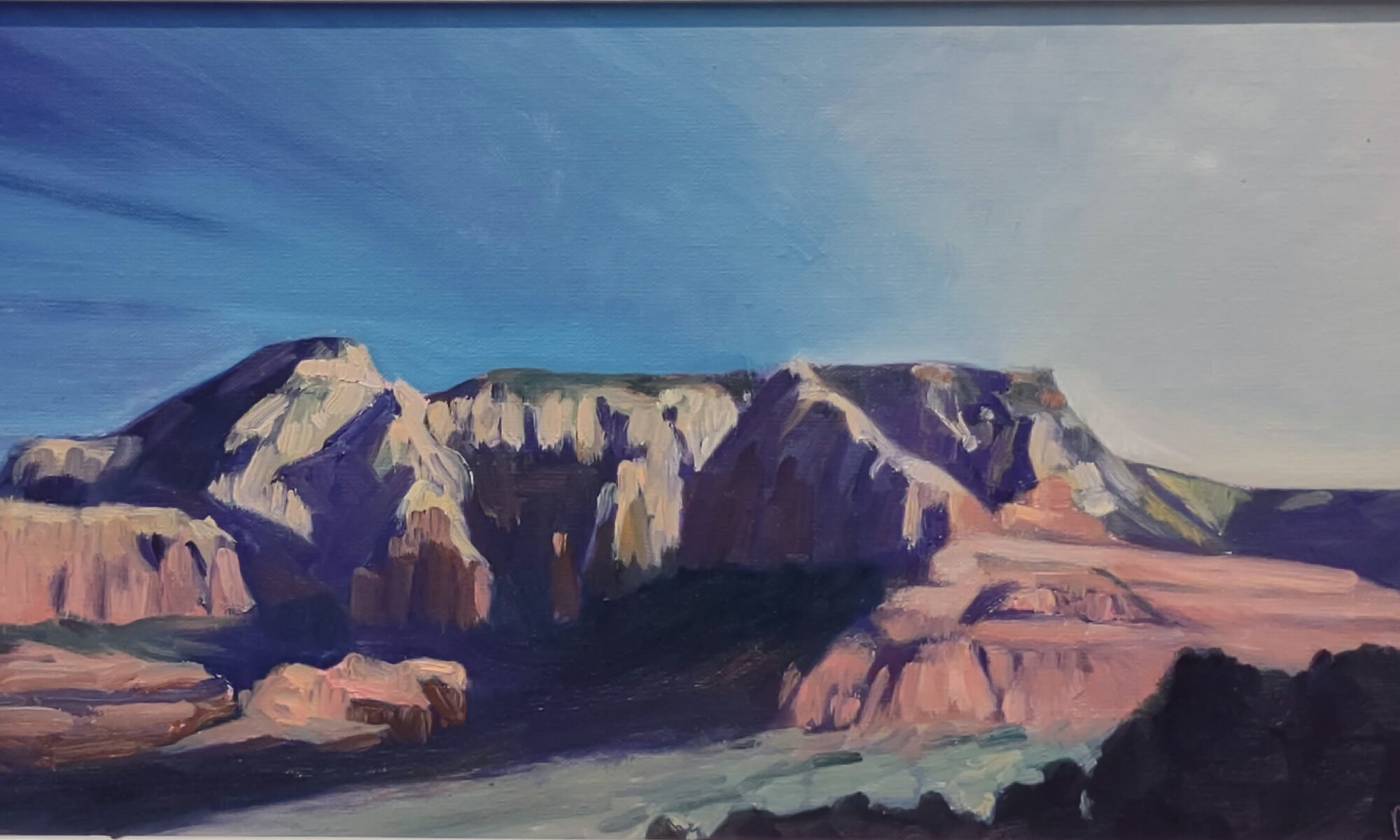
Persistent clouds along the Upper Wash, 11X14, Carol L. Douglas, $1087
Sunrise, 8X16, Carol L. Douglas, $903
Sunset, 8X16, Carol L. Douglas, $903

Monday Morning Art School: is this painting finished?

"Best Buds," oil on canvasboard, 12X16, oil on canvasboard, $1449 framed. “Best Buds,” oil on canvasboard, 12X16, oil on canvasboard, $1449 framed.
On Friday I wrote about a painting I’d been carrying around in the hope of finishing, only to realize that it was already done. That provoked an outpouring of emails. Most of us have had the opposite experience, where we painfully noodle a good painting to death.

Sometimes, paintings are finished but are just plain bad. No amount of reworking can fix a fundamental design flaw. The classic Hail Mary pass in this situation is to add a tchotchke-for example, a seagull in flight. These last-minute additions merely complicate bad design, they don’t resolve it. Sometimes fundamental design flaws can be resolved by recropping the canvas with a knife or saw, but most are destined for the burn pile. This is why painting teachers harp on sketching and planning.

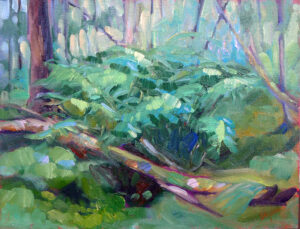
Bracken Fern, 9×12, oil on canvas, available.

Apply formal standards of criticism to your own painting

Assuming the fundamental composition is solid, the painter can analyze his own work against the formal elements of design, which include:

  • Focal point-is there a focal point and series of focal points, and is the viewer’s eye directed to them with contrast, detail and line?
  • Line-is line used effectively and reinforced in the painting?
  • Value-does the painting have a solid value structure? Does it need to be restated or is it clear?
  • Color-is there a cogent color scheme? Is it expansive enough to be interesting?
  • Balance-does the painting hit that sweet spot between static and riotous?
  • Shape and form-are there interesting shapes in the painting?
  • Texture-is there enough paint on the canvas to make the brushwork compelling?
  • Rhythm and movement-is there energy driving you through the canvas?

If any of these elements are unfinished or poorly realized, the painting is not done.

Tom Sawyer’s Fence, oil on canvasboard, 14X18, $1275 unframed.

Listen to your gut.

I don’t like the imperious “Not another brush-stroke!” approach to telling people to not overwork a painting. After all, we can’t know where the finish line is unless we occasionally overshoot it. But our own gut often tells us the same thing. I generally work on paintings until I’m tired of them. That’s my intuition speaking.

Be careful whom you ask for critique

“I painfully witnessed someone undo a beautiful painting yesterday in the figure studio,” a student told me. “I stepped into a continuation of a pose from Monday. The painting was a striking likeness of the model and quite charming. It improved with a background and some tweaks during the first 25-minute sitting. Then the artist asked the studio for suggestions. From there, it was a snowball downhill.

“There were more questions and tweaks at every break during the three-hour session. The portrait ended up muddy, the face too fat, the likeness and charm gone.”

With very few exceptions I don’t solicit criticism from my peers. When it’s offered, I carefully consider the source. In most instances, I’m better off setting the work aside and reviewing it when I’ve disengaged emotionally from the work.

Furthermore, that painter was doing a small (9×12) head over a six-hour session. That’s simply too long to fuss over such a tiny canvas. He or she would have learned more doing three two-hour studies in the same time-frame.

Mountain Fog, 12X9, $869 framed, $696 unframed.

Stop when you’re tired.

One of my students has a quilting rule of putting her work away immediately when she hears herself saying, “I’m going to sew just one more seam today.”

I push past that limit every time I sew, and it always results in a long, irritating session with a seam-ripper.

Are you hungry, thirsty or tired? Are you rushing because you only have a few more minutes left to work? If you’re starting to lose focus, stop and put the work away, because whatever you do next won’t be pretty.