Buying art supplies in a shopping desert

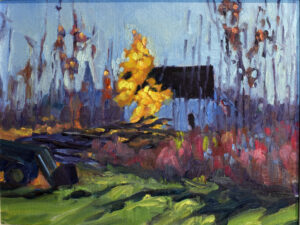
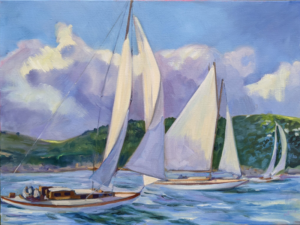
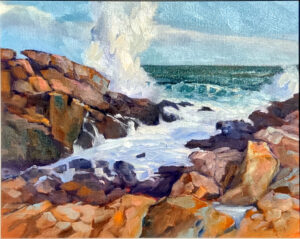
Blown off my feet, 16×20, $2029, available through Cape Ann Plein Air

When I was in Cape Ann last week, I broke my brush washing tank. (It retaliated by dousing me with filthy mineral spirits.) Eric Jacobsen took me to a neat little art store in Beverly called Art Supplies Wholesale. Alas, they don’t sell metal tanks. “No matter,” I said, and asked Rae O’Shea for a jam jar. I can replace the tank this week at home.

I live in an area with a great assortment of art stores nearby. There’s Rockport Blueprint in Camden, Fiddlehead in Belfast, Salt Bay in Damariscotta, and Artist & Craftsman in Portland. If you live where there are art stores, for heaven’s sake patronize them. There may come a time when you need something fast, and you’ll be grateful for that shop around the corner. And the price spread between online shopping and your local store is not as large as you think.
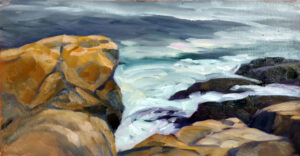
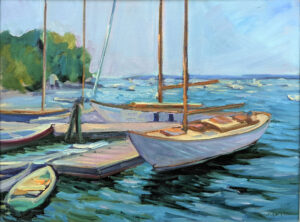
The Surf is Cranking Up, 8×16, $903, available through Cape Ann Plein Air

Some of us don’t have that luxury. I got this letter from a painter in Kansas:

“My oils are in dire shape and I would like to order new paint. I would like your advice on where I should order art supplies. My town is a shopping desert, there is only a Walmart here. Basically, we are at the mercy of ordering everything online.

“I drove to a Michaels in another town this past weekend and looked at what they had, but it was very limited. What are some good online resources to restock my oils?”

Those big-box craft stores sometimes surprise me; for example, I needed acrylic paint and brushes in another small town and the big-box craft store carried Golden. That’s my preferred brand. But in general, what craft stores carry in stock (vs. what’s on their website) is insufficient for serious painting. Worse, you have to navigate aisles of silk flowers, stamps and beads to get to it.

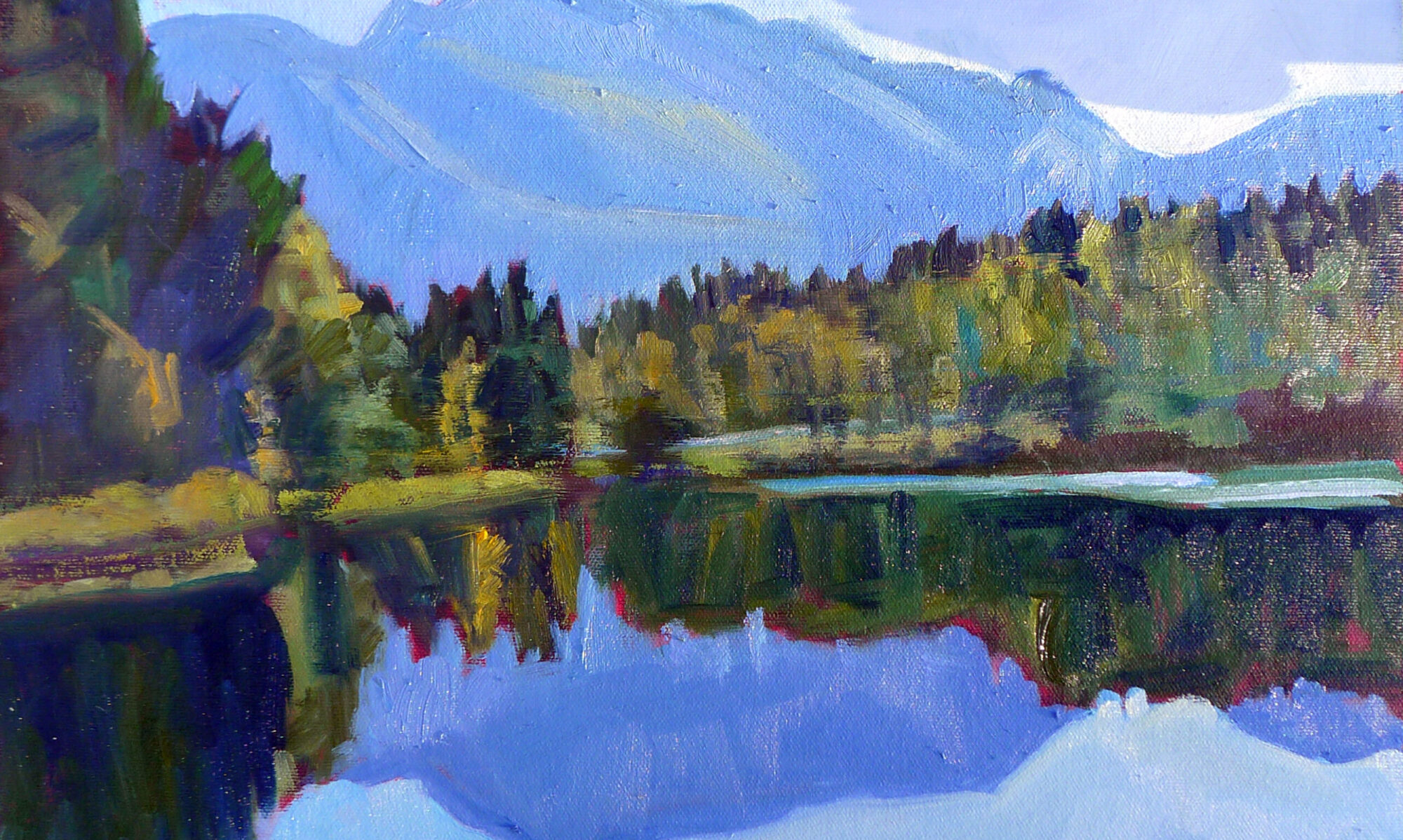
Peaceful tidal pool, 9X12, $869
Peaceful tidal pool, 9X12, $869,

Art supplies are a fairly large industry in the US, with $819.0m in sales expected this year. As a category, it’s in decline, whereas its cousin, arts and craft supplies, is growing. That tells you where most people shop.

There are three major art suppliers online: Dick Blick, Jerry’s Artarama, and Cheap Joe’s. All three concentrate on offering an enormous array of options at the lowest possible prices. That makes them great for the person who knows what they’re looking for, but can be a trap for the uninitiated. That’s one reason that teachers should write and maintain a good supply list.
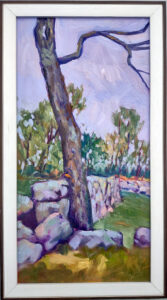
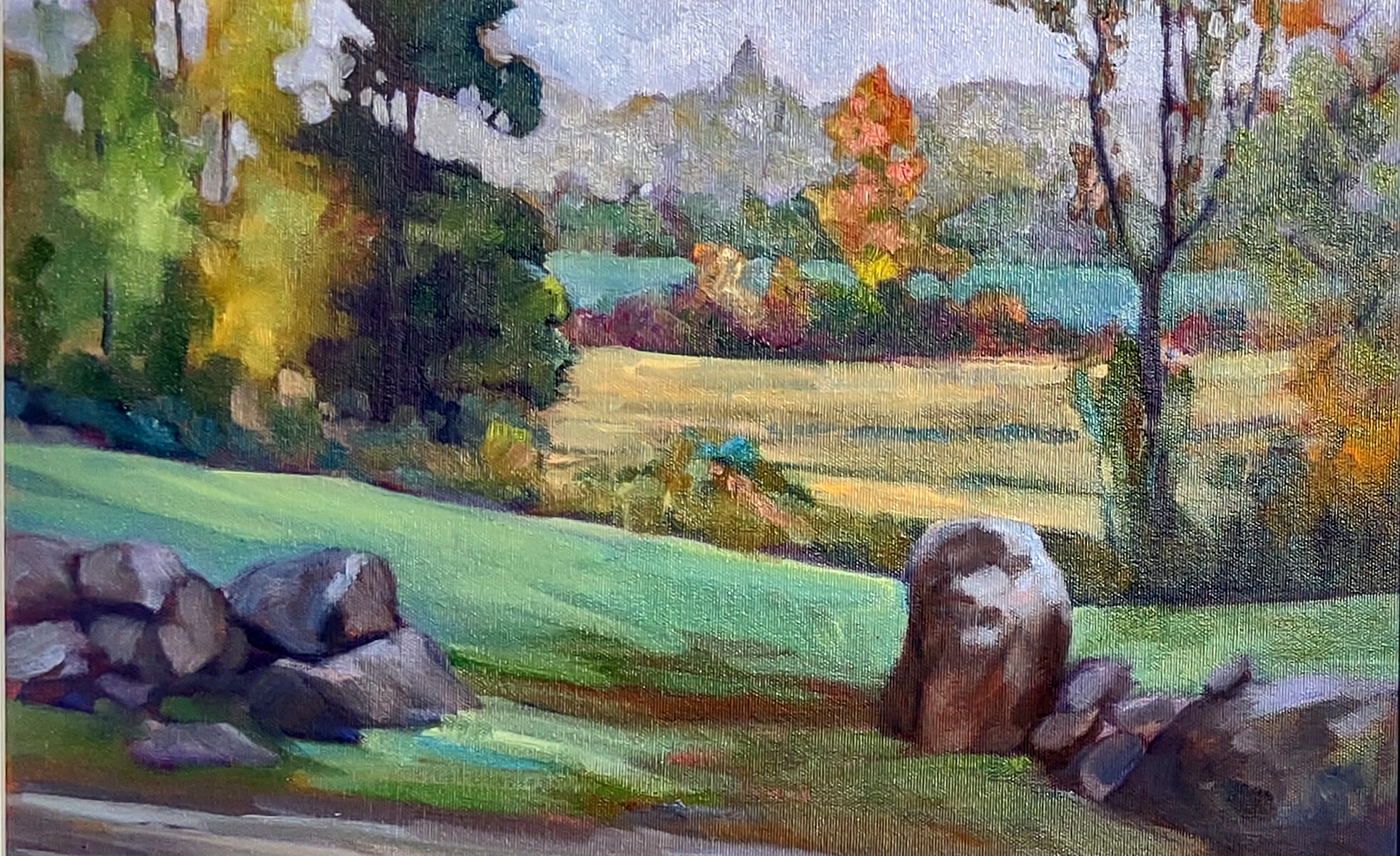
Walnut tree, stone wall, 8X16, $903, available through Cape Ann Plein Air

Dakota Art Pastels specializes in only one line of products-pastels, pastel papers and pastel pencils. Their approach is very different; they share information about pastel hardness and allow you to buy samplers of different brands before you commit to a pricey set. Theirs is one of the few websites I boot around on just for fun.

Then there are specialist stores like Rochester Art Supply, which would be my go-to for encaustics. These stores combine a strong local presence and a good internet sales base.

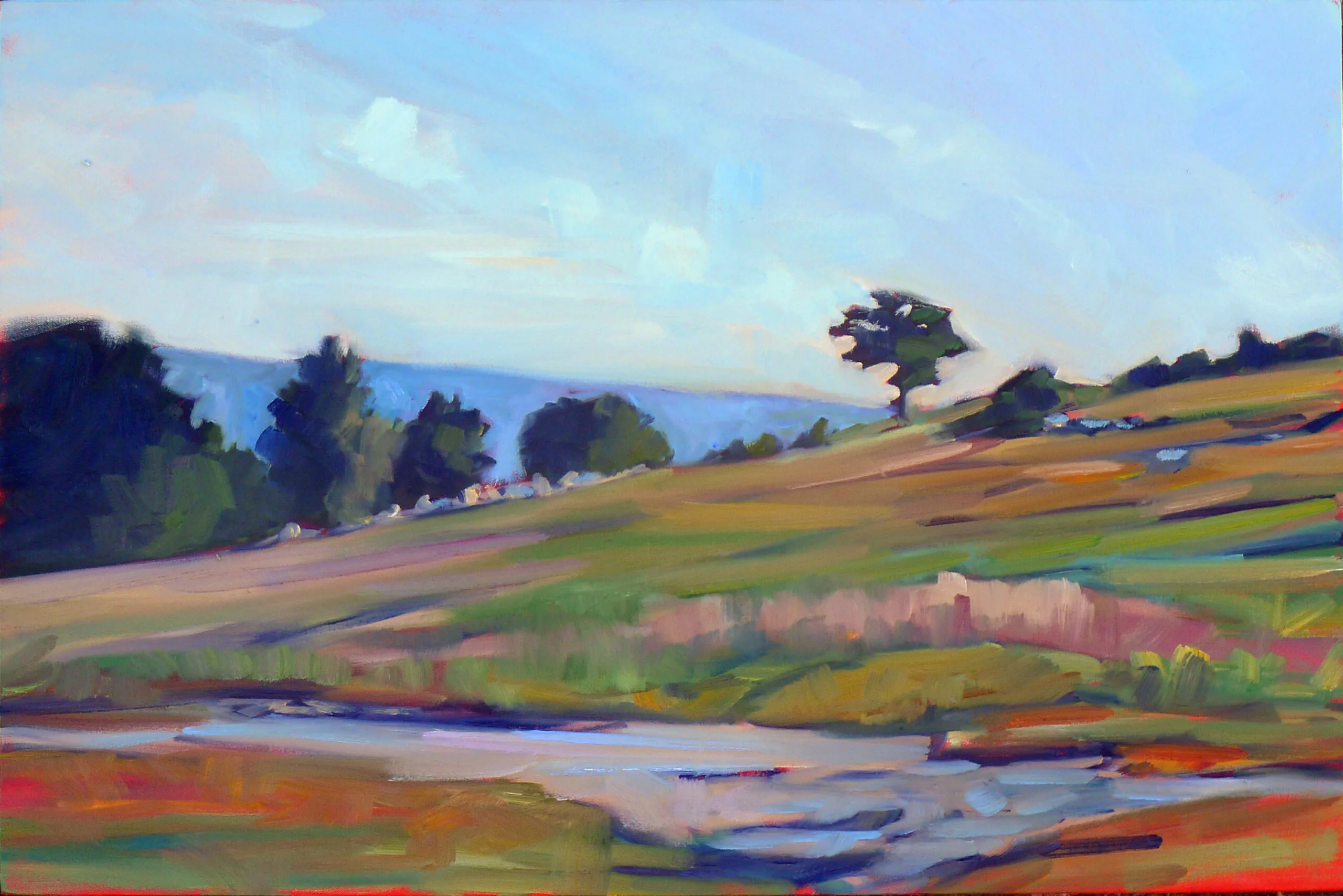
Stone Wall, Salt Marshes, 14×18, $1594, available through Cape Ann Plein Air

Paradoxically, if you just need one item and have Amazon Prime, it can be your cheapest solution. Again, you need to know exactly what you’re looking for, as they often sell deceptive knock-offs. See my post about how Google drives viewers toward flawed Meeden pochade boxes.

There are some products you must buy directly from the vendors. I use RGH paints, made by Rolf Haerem and his assistant in a little shop in Colonie, NY. Panel Pak wet painting carriers and most pochade boxes are items that come directly from vendors. Some online vendors carry limited supplies of fine products-Raymar art boards and Rosemary and Co. brushes are two examples. However, the full lines can only be accessed directly from the manufacturers themselves.
Why success matters

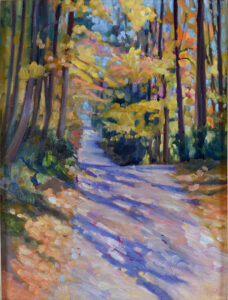
Autumn Leaves, 12X16, $1449, available

On Monday, I wrote about how to be a successful artist. Perhaps I should have written about why you should pursue success, because the comments I received through Facebook and emails questioned that assumption.

“I hate the fact that everyone expects us to happily marry art and capitalism. I love art. I hate capitalism. Why can’t I just enjoy the thing I love independent of the other?” wrote Jason Weinberg. “I wish art was simply free to be art, not product.”

In fact, I think that many people are better off as gifted amateurs than trying to make a living at it. Monetizing it can kill the very thing you love, so it’s not for everyone.

A Woodlot of Her Own, 9×12, $869, available

For those who spend long hours making art, it helps to have an outlet for it. Let’s start with the fundamental truth that the laborer is worthy of his hire, as Jesus pointed out. All modern societies (capitalist or communist) measure output in terms of money and assign value through currency. To say that art should be free assigns it a value of exactly zero.

I have a friend who’s an excellent printmaker but prefers to keep it purely amateur. She also needs to eat, so she works full-time unloading trucks. That doesn’t leave much time or energy for art, so she doesn’t make a lot of it. She’s happy with that compromise, but I wouldn’t be.

Blueberry barrens, Clary Hill, oil on canvas, 24X36, $3985 framed.

It costs money to make art. My printmaker friend needs to buy ink, paper, and whatever she’s using for plates. A small etching press starts at around a thousand dollars. The archival canvasboards I use are about $15 each; the paints run between $12 and $40 a tube. Then there are frames, which are the bête noire of the working artist; they cost a fortune and get dinged up constantly. All that money either gets recouped through sales or the artist’s day job.

It can cost thousands of dollars to have a foundry cast a sculpture in bronze. Unless you’re wealthy, it makes no sense to cast sculpture without sales in mind, and yet without that last step, the artistic process is incomplete.

I have a gifted student who supports herself working a series of side-hustles while making art seriously and studiously as an avocation. I’m sure she excels at anything she does, but she’s a brilliant painter, she has a unique message in her work, and it deserves to be in the public marketplace. By not putting herself out there in the fray, her work stays relatively unknown. That extends beyond her own circumstances, because she has insight that would benefit us all.

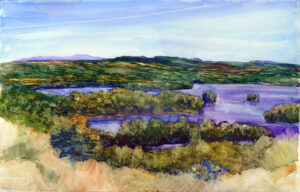
Bunker Hill overlook, watercolor on Yupo, approx. 24X36, $3985 framed.

We don’t just exchange goods in capitalist trade; we exchange ideas. That requires entering the marketplace. Its critiques are harsh, its judgments summary. But it is also the most honest judge of whether we’re getting our point across or not.

“I would love to sell more of my artwork but I still want to be able to do whatever I want, not what someone else expects me to do,” wrote another correspondent. That’s difficult. Although artists are paid to think, they also need to connect with their audience. That requires compromise.

I have come to recognize that there are certain subjects that will languish, and I no longer seek them out. As my friend Ken DeWaard says of grey days, “I have enough of those in my closet at home.”

Monday Morning Art School: how to be a professional artist.

Today’s blog is being released simultaneously with the YouTube version, above. They’re slightly different, of course.

I wince every time I hear someone say “art is a good hobby but you can’t make a living at it.” Of course you can; I know many people who do. Last year, the global art/antiques market had sales of $65 billion. Of this, the US was by far the biggest player. All that art is, or was, made by someone.

However, a career in art is hard work. If you don’t like that, get a day job and keep your art as a hobby. Successful artists are entrepreneurs, and entrepreneurs generally work harder and longer than anyone else. There’s a lot of drudgery in an art career-bookkeeping, inventory control, making frames, online sales. On top of that, you have to create your own inventory and somehow keep the creative fire alive.

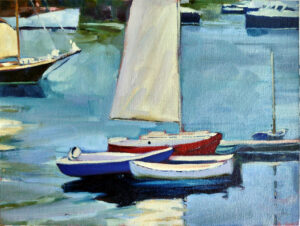
Drying Sails, 9X12, oil on canvasboard, $869 framed.

It helps to start when you’re young. As soon as you have a mortgage or car payment, you’re locked into a 9-5 job. Keep your expenses down. If your parents can stand you, live in their basement, but use that time wisely. Too many young people just piss time away.

However, sometimes you come to the realization that you should have been an artist much later in life. I was 38 and had four kids and a mortgage when I had that epiphany. It was doable, but juggling all those responsibilities was a lot harder than it would have been had I started as a youngster.

Either way, you might have to work part-time when you’re getting started. A lot of artists have done it, either in the home or away. Child-care definitely counts as one of those jobs. Don’t magically think that the kids will play quietly at your feet while you’re painting. Käthe Kollwitz made child care a condition of her marriage. We can’t all afford that, but caring for a child is real work and must be factored in as such.

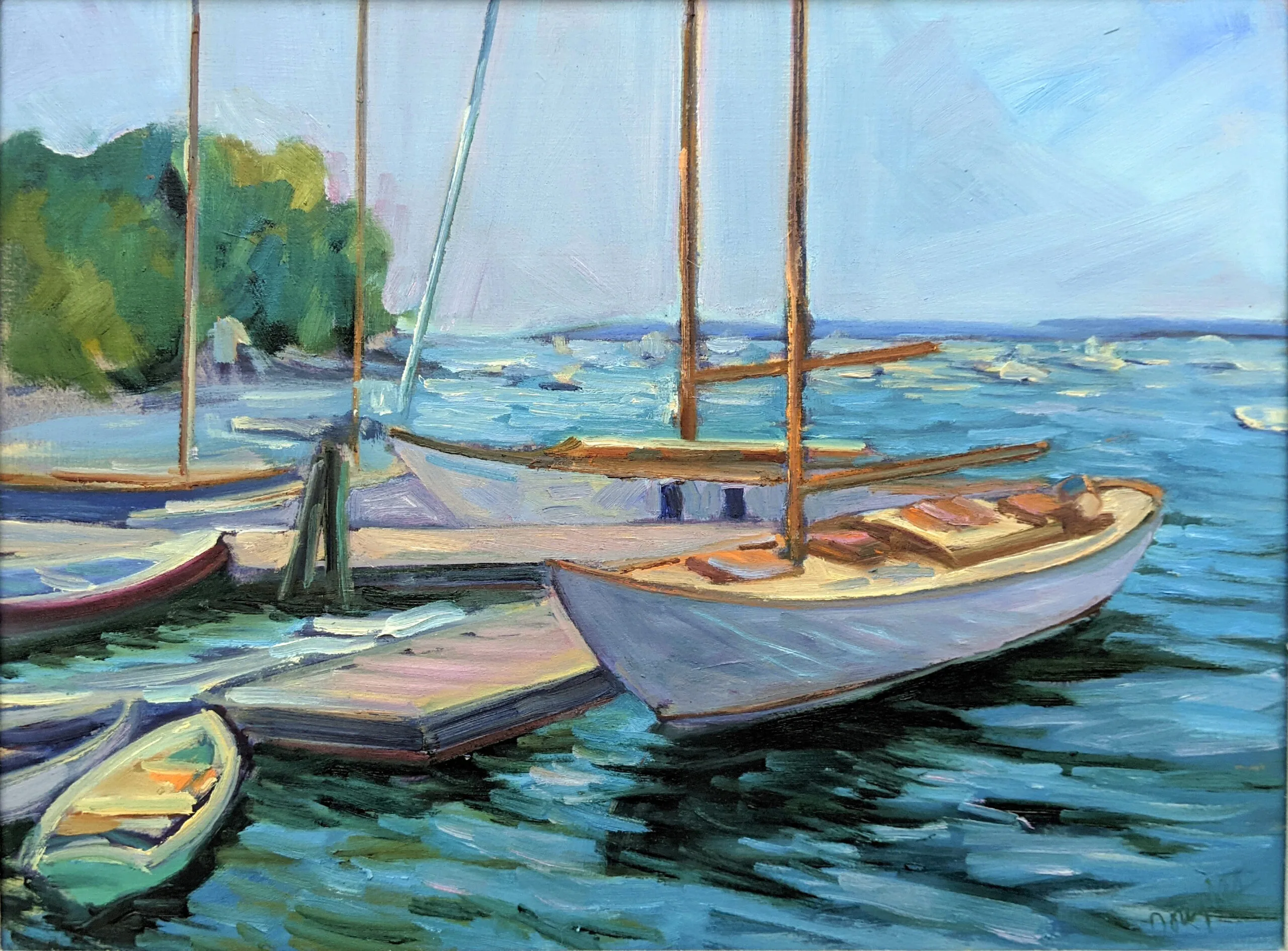
“Beautiful Dream (Rockport Harbor),” oil on canvasboard, 12X16 $1,449.00 framed.

Twenty years ago I would never have said this, but don’t bother with art school. The best art schools are private colleges, and they’re too expensive now. Instead, take classes at an atelier or working studio. Copy works by great artists in your field. Watch and learn from artists around you.

Above all, give yourself time to become good at your craft; working every day is the number one key to greatness.

“Skylarking 2”, 18×24, unframed $1855, oil on linen.

The most common problem I encounter in artists is a lack of interest or experience in business. I started there myself, and it was a painful learning curve. If I had it to do again, I’d take business classes at community college or through an adult education program. Instead, I learned slowly, on the job.

You’ll be selling a product no different from any other product, and you can’t afford to turn your nose up at marketing. You’ll spend half your days doing it, so learn to love it. Marketing changes constantly. When I started, we stuck labels and stamps to postcards. Today, we focus on the internet. The one constant is how time-consuming it is.