
In painting, process is everything, except sometimes.
If you’ve taken one of my classes or workshops, you know I’m a firm believer in structure. A strong painting process keeps you from getting lost in the weeds. It helps you design before you render, block before you noodle, and solve value problems before you chase color. That’s true whether you’re working in oil painting, watercolor, acrylic, pastels or gouache. A repeatable painting process builds consistency. It’s the backbone of good studio practice and confident plein air painting.
A chance conversation in my Tuesday evening class got me thinking about the role of serendipity in painting. (Thank you, Jay.) As important as process is in painting, you must leave room for serendipity or it stops being art.

What is serendipity in painting?
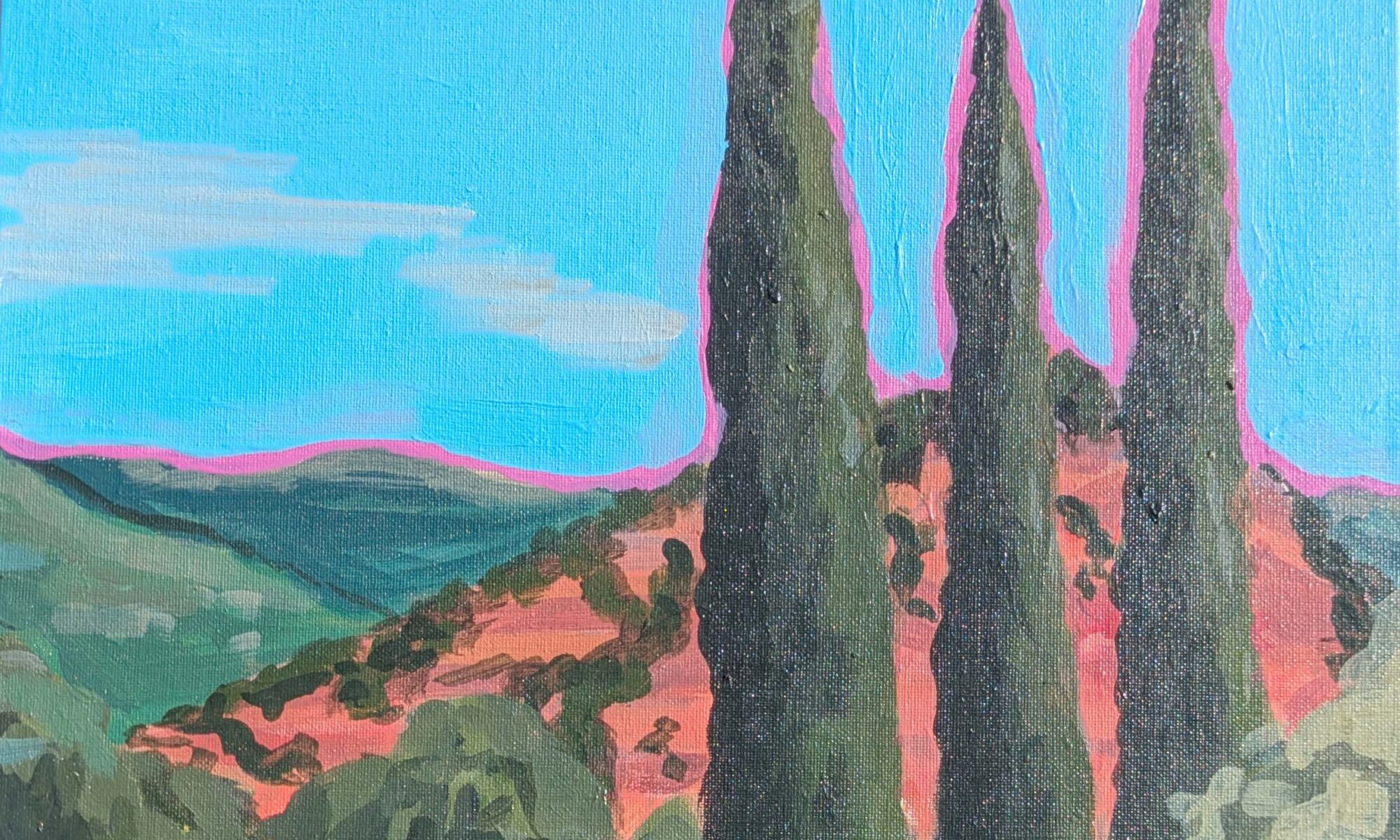
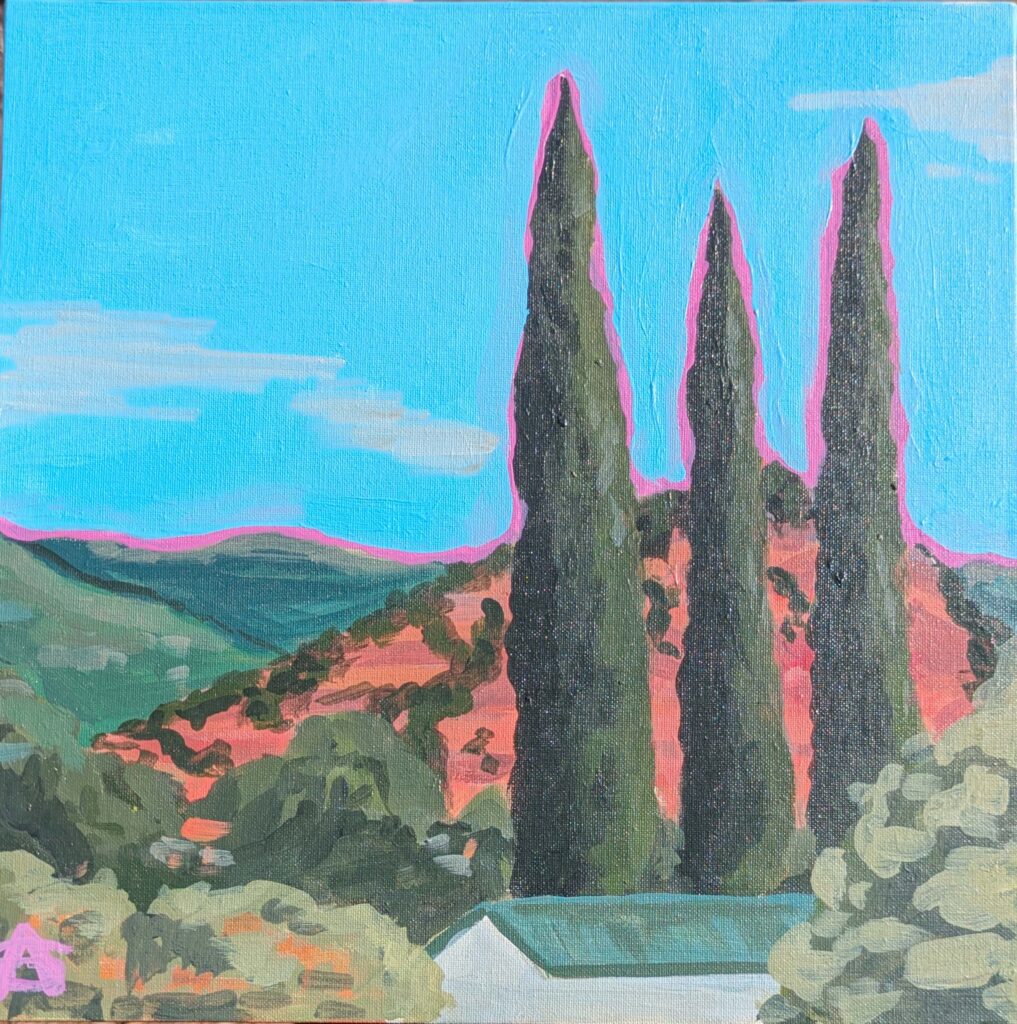
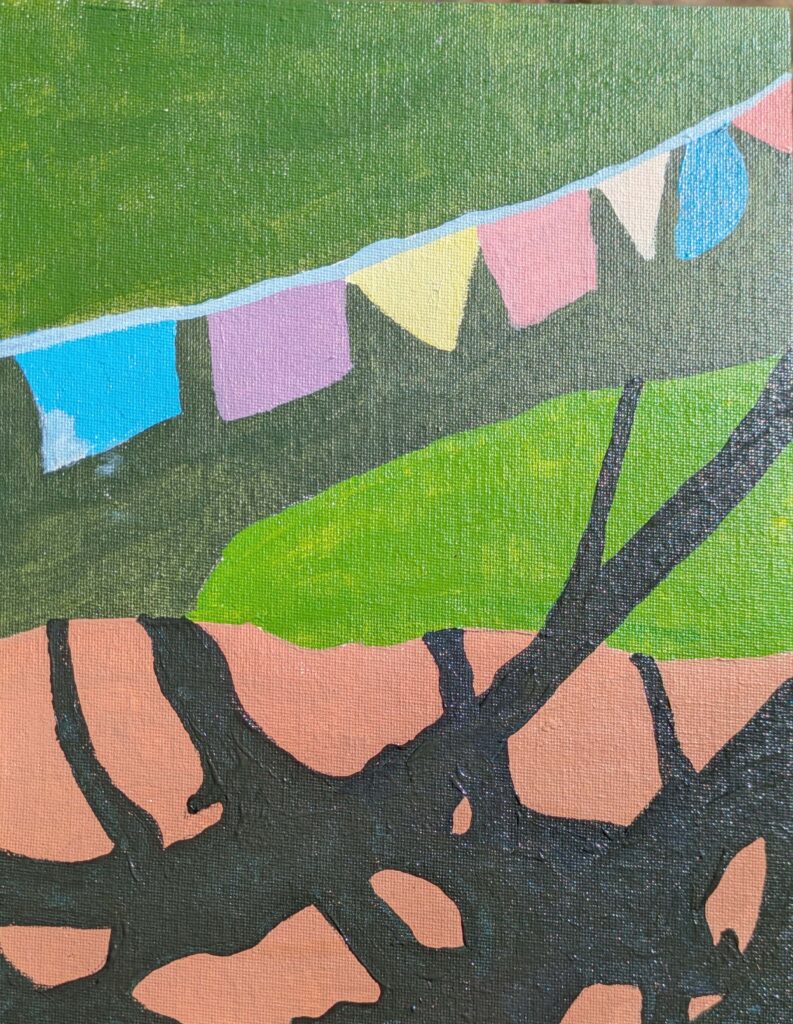
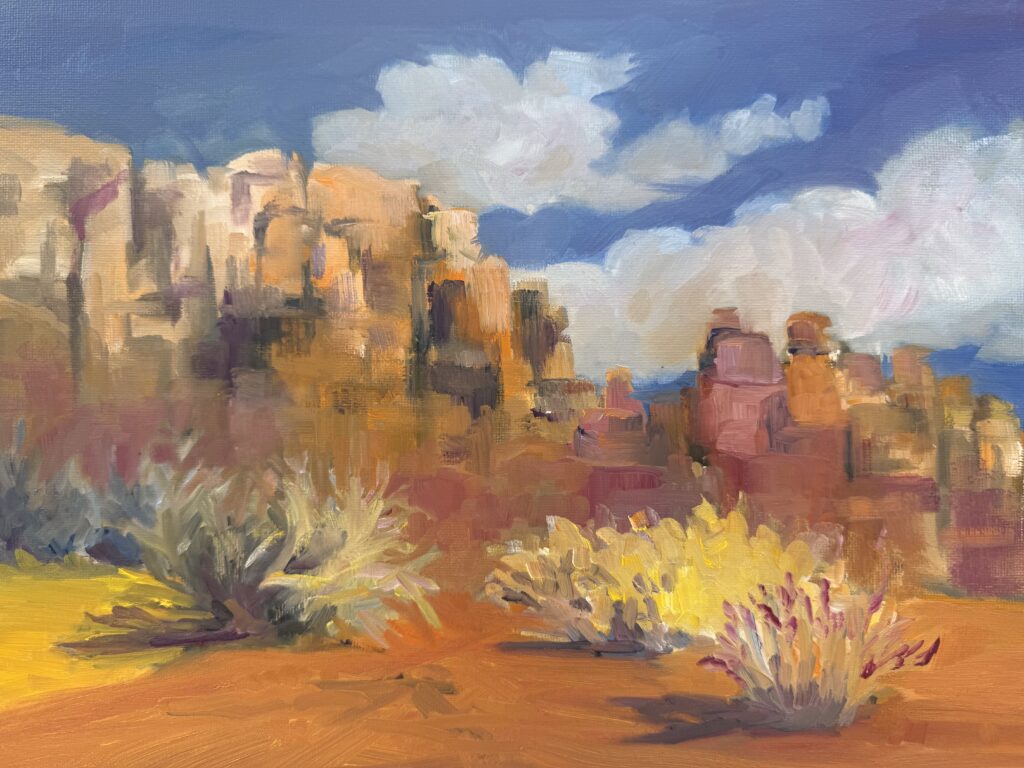
Serendipity in painting is not laziness. It’s not skipping steps or hoping things will magically work out. It’s the willingness to recognize when an accident is actually better than your original plan. A loaded brush drags across the canvas and leaves a broken edge more interesting than the one you carefully constructed. A color you mixed in haste vibrates in a way you couldn’t have engineered. A palette knife scrapes a passage with more energy than the careful modeling beneath it. That’s not failure. That’s opportunity.
Painters who improve quickly understand that a structured art process is a framework, not a cage. You begin with intention: clear value structure, strong composition, hierarchy of edges, color harmony. You follow the process, but along the way, you stay alert and open to possibilities. You watch what the paint is doing. You respond.
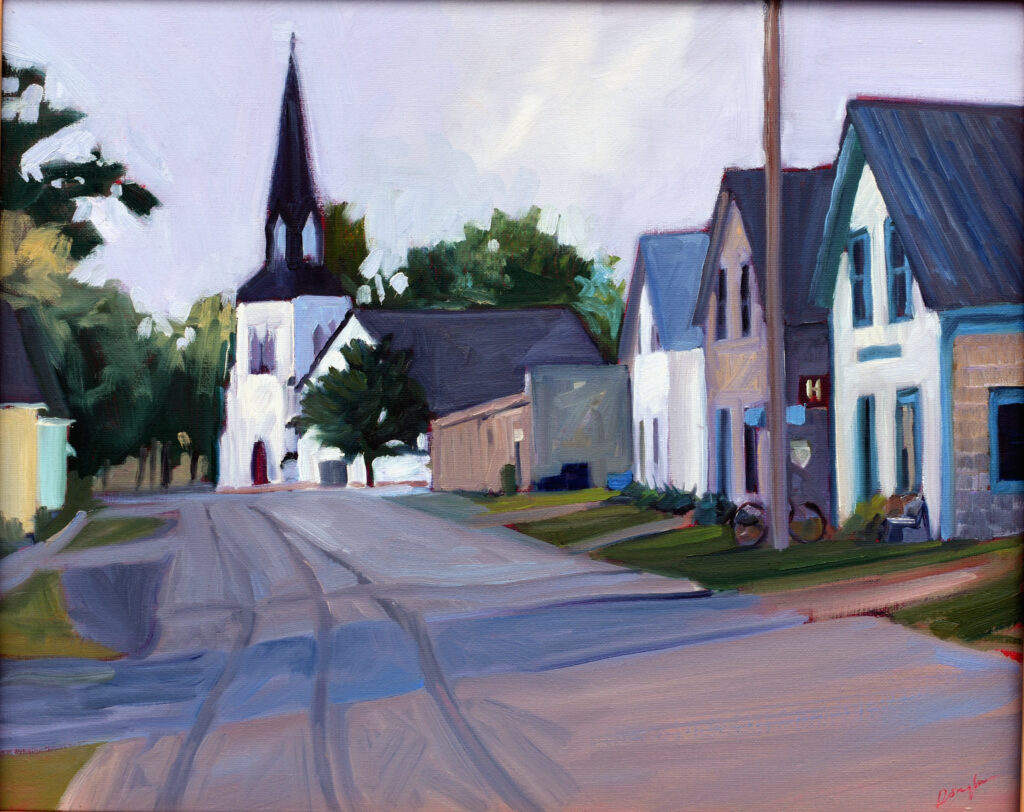
Serendipity vs. intuition
Intuition in art (as in all thinking) is real, but it isn’t mystical. Intuition is simply thinking that happens so fast your conscious mind can’t keep up. For artists, years of drawing, studying color theory, making dumb mistakes and observing nature get compressed into split-second decisions. When you say, “I just knew that edge needed softening,” what you really mean is that your brain processed thousands of similar visual problems before and offered a solution instantly.
However, artistic intuition isn’t automatic. It’s earned through disciplined painting practice.
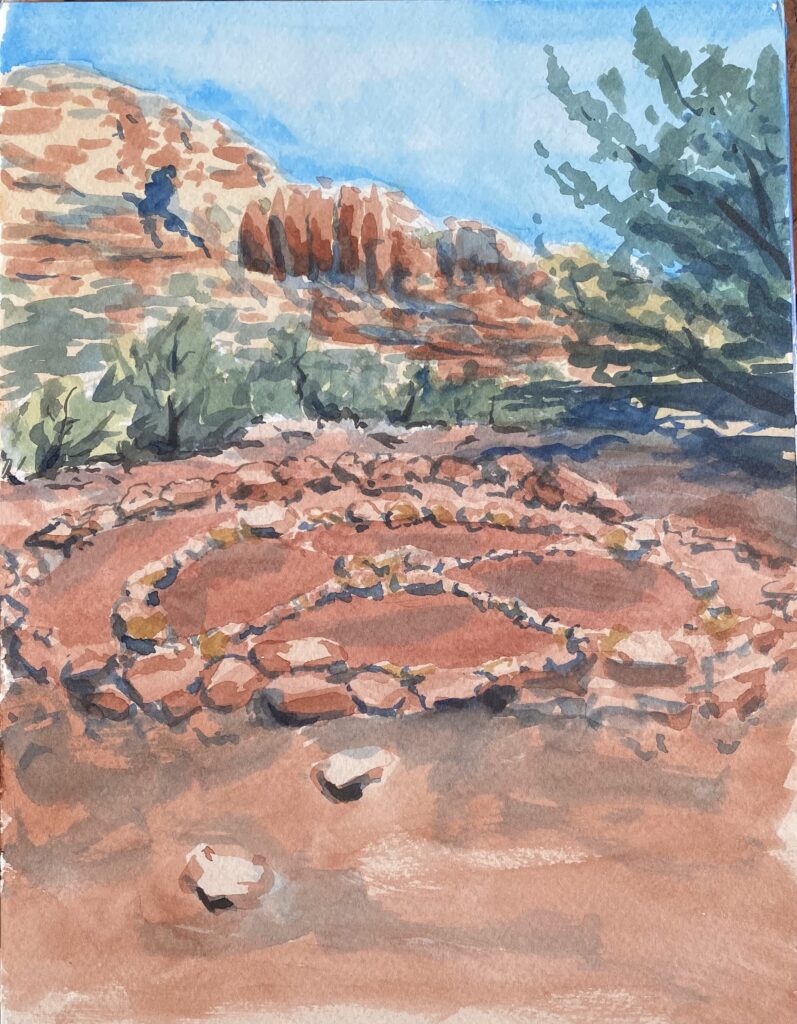
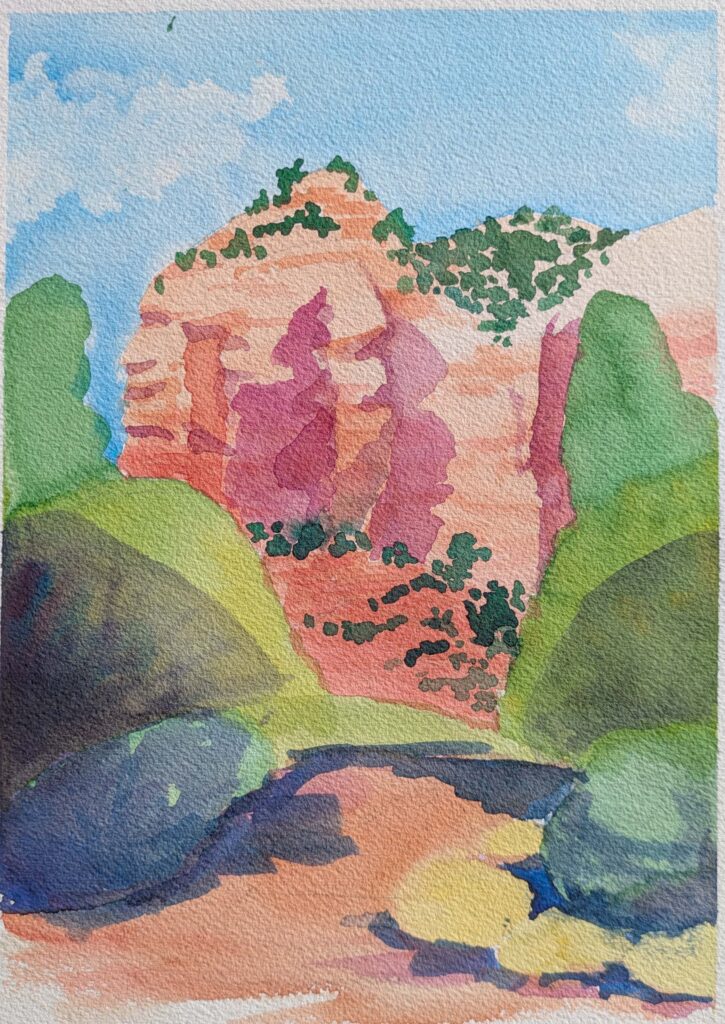
Serendipity, on the other hand, is external. It’s what happens when the medium pushes back. Watercolor blooms unexpectedly. Oil paint mixes optically on the canvas. Pastel dust catches in the tooth of the paper in a way you didn’t predict. The artist’s job is to not eliminate these surprises but to recognize when they serve the painting.
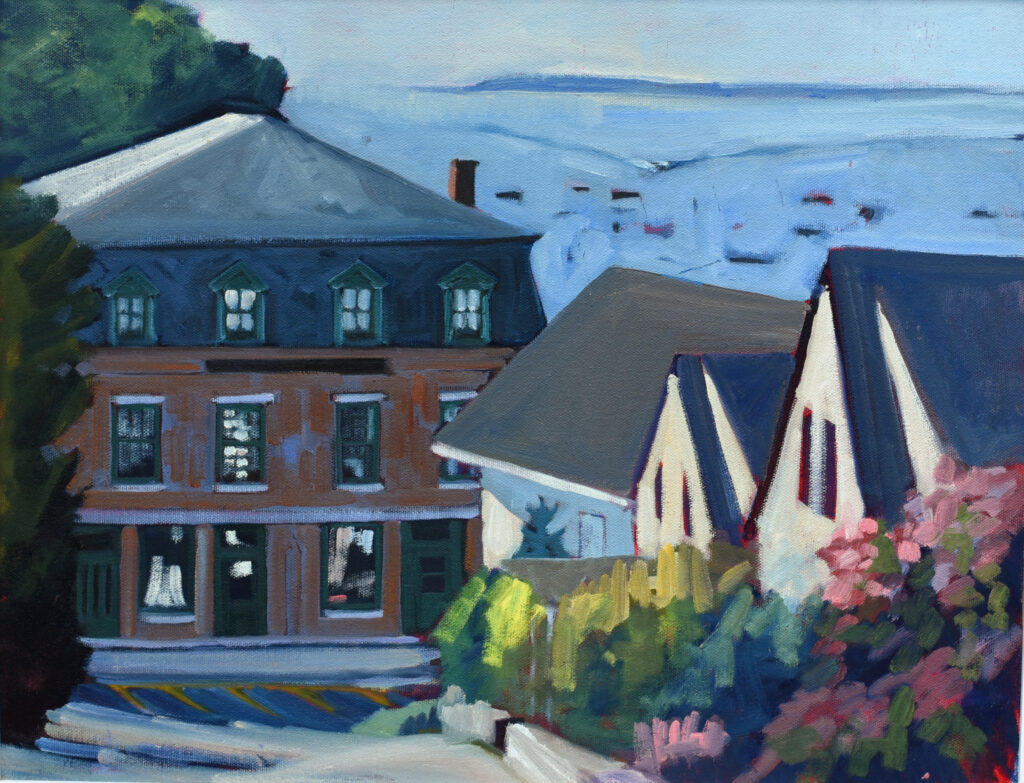
Danger comes when we become so committed to our original plan that we fix the life out of a piece. We smooth lively brushwork. We correct the slightly offbeat color that actually made the painting sing. We overwork passages because they don’t match our mental template of how things should look.
A strong painting process gives you control. Serendipity gives you vitality. Intuition ties them together. If you want stronger paintings, cultivate all three. Develop a clear, repeatable painting process. Train your intuition through steady, focused work. And then step back often enough to notice when the painting is offering you something better than you planned.
Want to strengthen your painting process without losing freshness and spontaneity? Join me in my painting classes and plein air workshops, where we focus on structure, design, value control—and yes, learning when to let the paint surprise you. Whether you’re a developing painter or a seasoned artist ready to break through a plateau, you’ll leave with practical tools, sharper instincts, and more confident brushwork.
Registration is now open for workshops in 2026! Reserve your spot:
- Find your Authentic Voice in Plein Air | Berkshires, MA, August 10-14, 2026
- New! Color Clinic 2026 | Rockport, ME, October 3-4, 2026
- New! Composition Week 2026 | Rockport, ME, October 5-9, 2026
Can’t commit to a full workshop? Work online at your own pace: