Even advanced artists take classes

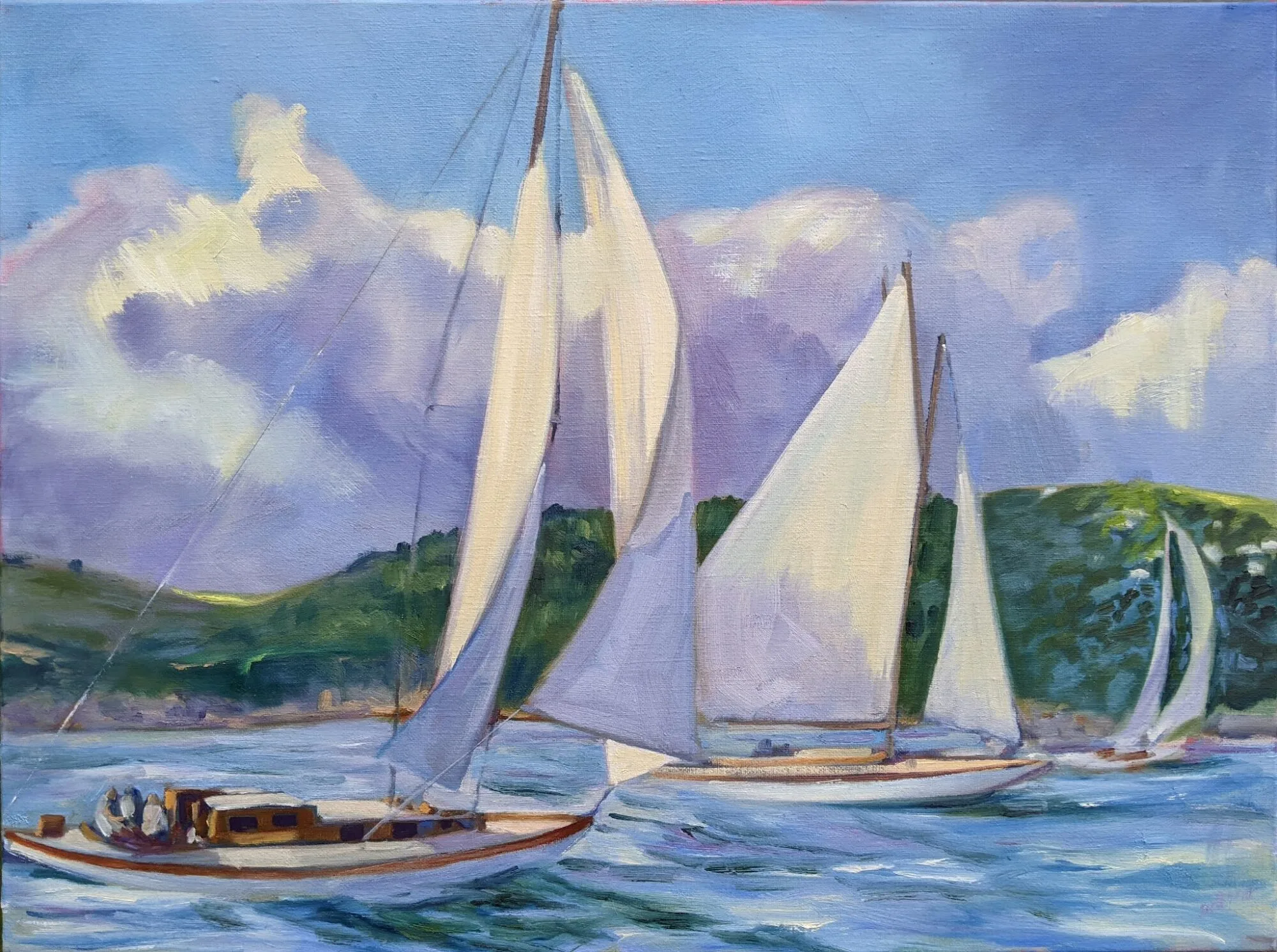
A painting by Lynda Mussen (all paintings are from previous workshops and classes since this one hasn’t happened yet).

Advanced Painting Workshop Student Show

Friday, July 17
4:00–7:00 PM
Richards Hill Gallery
394 Commercial Street
Rockport, ME 04846

“…but I’m not a professional,” one of my students trailed off. I had to laugh—she shows in established venues, and I’ve watched her outsell me on more than one occasion. To paraphrase my friend Bobbi Heath, “A professional artist is one who sells paintings, collects sales tax and pays income tax on their earnings.”

One of the persistent myths about painting is that, once you’ve reached a certain level of competence, you don’t struggle anymore. In reality, every accomplished painter I know is still learning, still experimenting and still looking for ways to make the next painting stronger than the last.
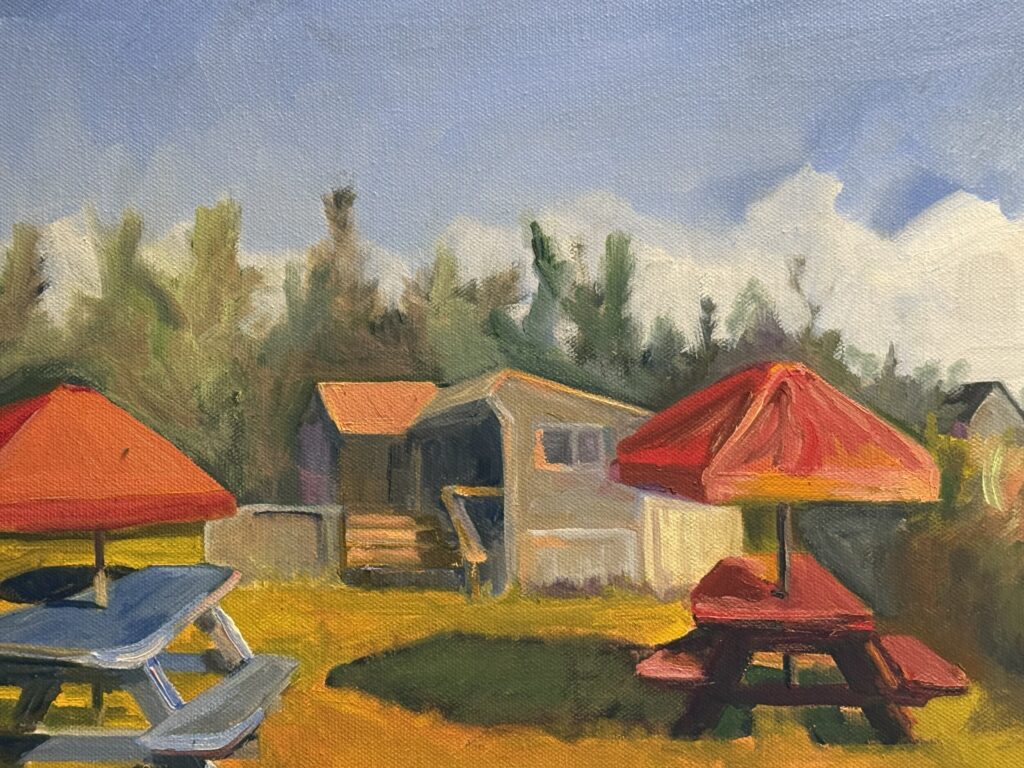
Summer scene by Rachel Houlihan

That’s why I’m especially excited about our Advanced Painting Workshop Student Show, which will be open to the public for one evening only on Friday, July 17, from 4:00 to 7:00 PM at Richards Hill Gallery, 394 Commercial Street, Rockport, ME 04846.

None of these painters are beginners; they’re already highly skilled artists. They come to class not because they need to learn how to hold a brush, but because they understand something that every successful painter eventually discovers: there is no finish line.

This workshop will be their opportunity to step away from routine and examine higher-level issues: themes and narratives, edge control, drawing, composition, advanced color concepts, brushwork, broken color, dealing with difficult material and developing a consistent visual language.

I like teaching painters of all levels, but teaching really experienced painters is a joy. I get to facilitate a group of talented artists who are all pushing one another forward. The conversations are thoughtful, the critiques are honest and the willingness to take risks is inspiring.
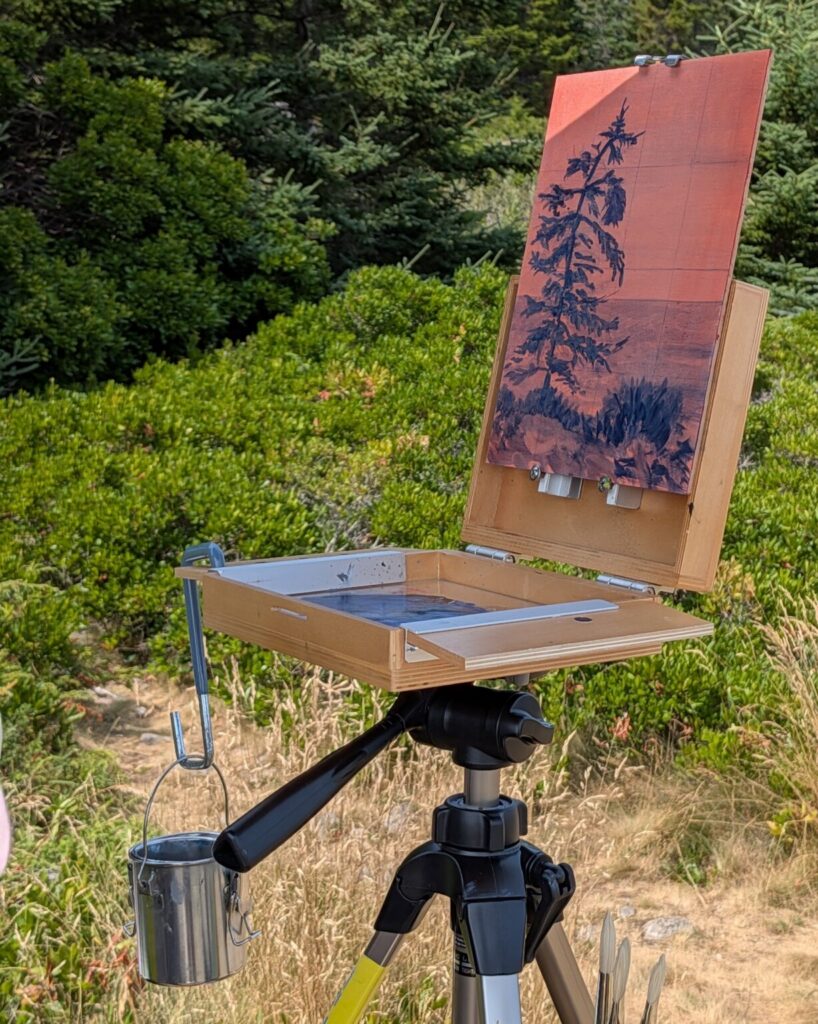
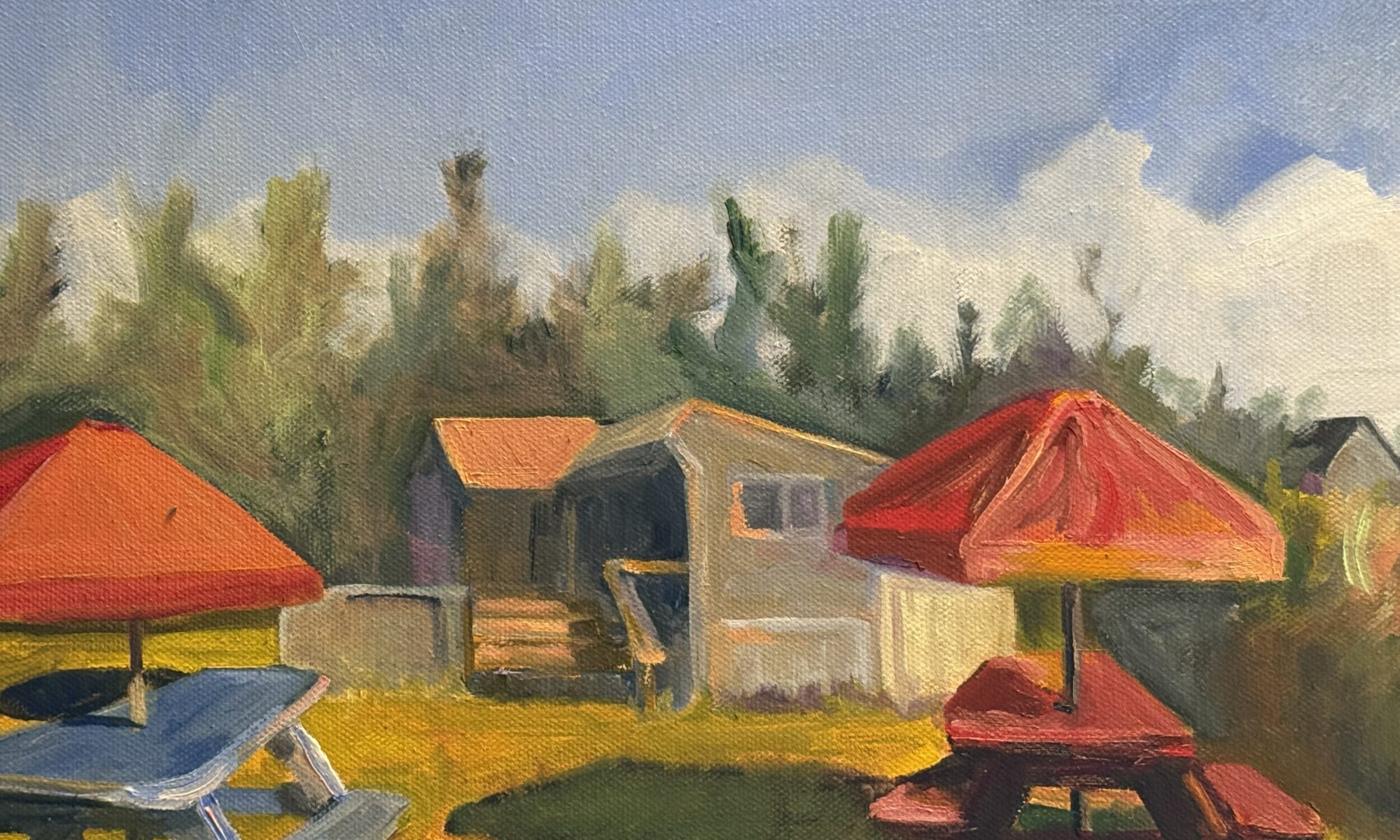
The start of something fabulous by Kimberly Quinn-Jones.

The paintings you’ll see in this show will reflect that spirit. While the artists share a commitment to careful observation and strong design, no two paintings ever look alike. Each painter has already developed an individual voice before they even get to me. They’re already interpreting familiar subjects through personal choices of color, brushwork and composition. My job is to help them sharpen that while also introducing them to my favorite places to paint in midcoast Maine.

The most encouraging lesson this exhibition offers is that artistic growth never ends. Improvement isn’t reserved for beginners. In many ways, it becomes even more rewarding after you’ve mastered the basics, because every discovery builds on years of experience. That’s true whether you’ve painted for five years or fifty.
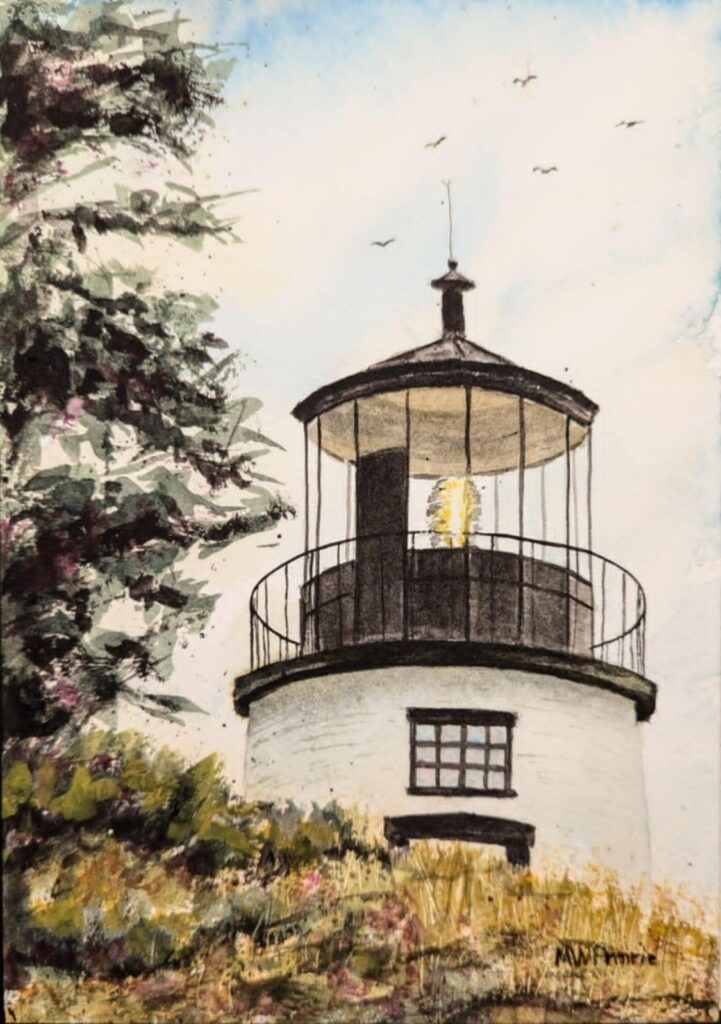
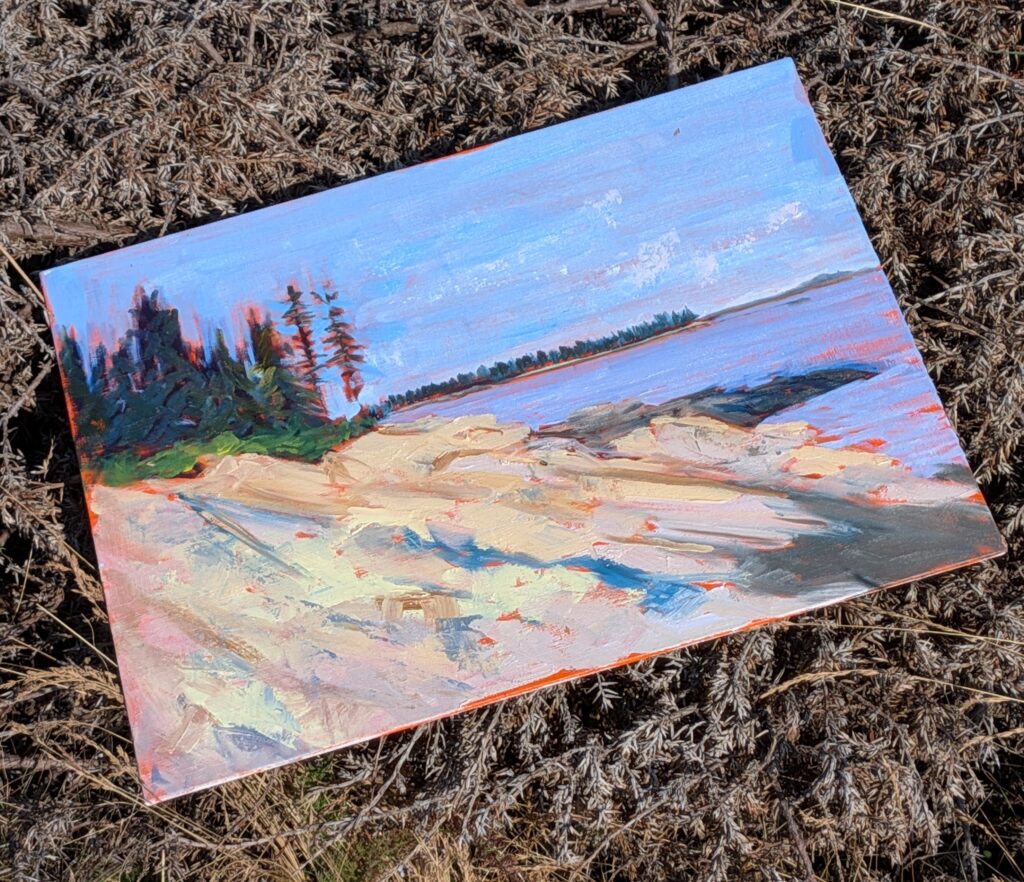
Owls Head Light by Michael Prairie.

If you’re an artist yourself, I hope this show reminds you that lifelong learning isn’t a sign of weakness, it’s one of the hallmarks of serious professionals. The best painters never stop being students.

And if you simply enjoy fine art, I hope you’ll stop by. It’s a wonderful opportunity to see a remarkable collection of fresh work created by some fine painters, all gathered under one roof for a single evening.

Registration is now open for workshops in 2026! Reserve your spot:

Can’t commit to a full workshop? Work online at your own pace:
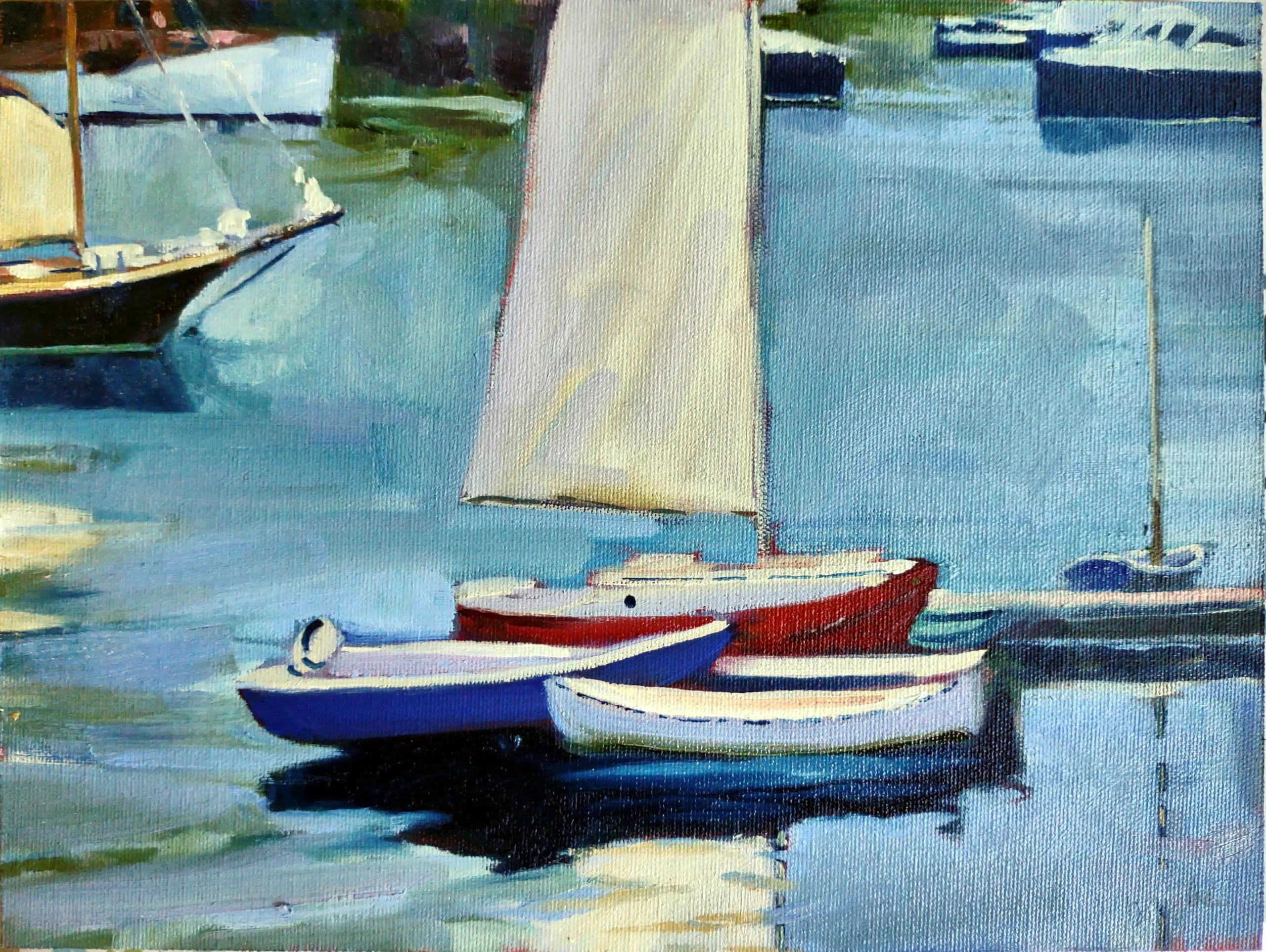
Seven Protocols for Successful Oil Painters

Why does work look different in a gallery?

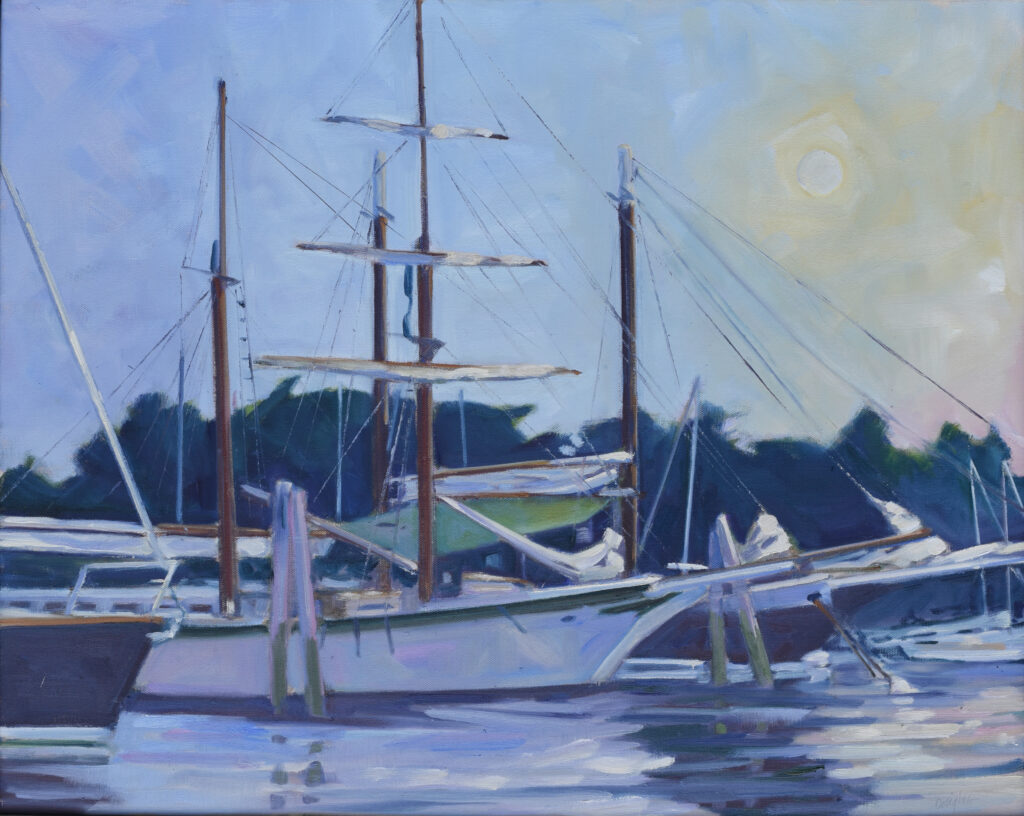
Brigantine Swift in Camden Harbor, 24X30, oil on canvas, framed, $3478 includes shipping and handling in continental US.

I close out my local painting workshops with student shows in my own gallery (and wish I could do that everywhere I teach). Student gallery shows are about far more than just hanging paintings on the wall. Many of my students are professionals; for them, gallery shows are old hat. But for others, the leap from easel to gallery is mysterious. What does it feel like to have work hung with intention? How do others respond when they see your vision in a professional setting, rather than just propped up somewhere?

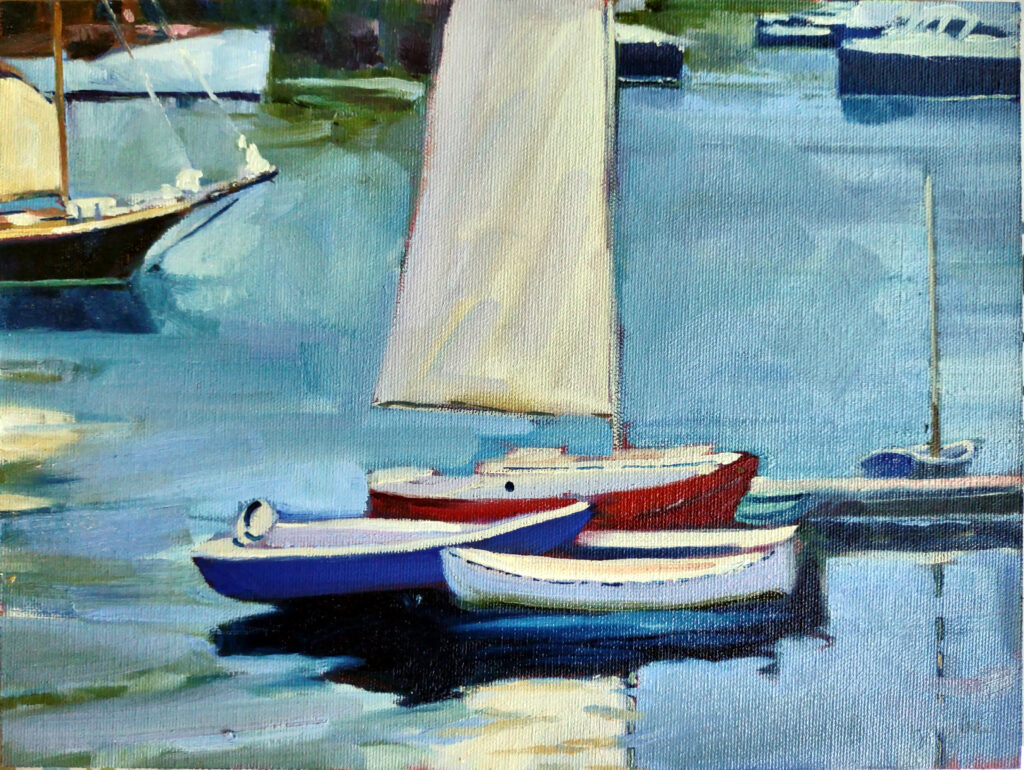
Drying Sails, 9X12, oil on canvasboard, $869 framed. Includes shipping and handling in continental US.

Why does work look different in a gallery?

On the easel, a painting lives in the context of wet brushes, dirty rags and the rush of choices you’ve been making in real time. You’ve been staring at it for hours, judging every brushstroke and second-guessing every passage. It feels like an extension of your tired head: intimate, unfinished, maybe even uncertain.

But in a gallery show? Suddenly your painting is scrubbed up and dressed for company. It lives independently of you. It hangs against clean (hopefully) walls with space around it. It’s no longer just something you’re working on. It’s a complete statement, a thing to be contemplated. Sometimes that means it has attributes and meaning you the creator never expected. Strangers stop, look, and give it the attention you couldn’t afford when you were wrestling with it.

That change of setting is immensely clarifying. Sometimes you’re astonished by how strong your painting looks in a gallery. Other times, you see where it wobbles. Either way, the gallery strips away the clutter and distraction of process and lets the painting speak for itself.

That’s why it’s so important to get your work out of the studio and onto a wall. A painting isn’t truly finished until it’s in the world, doing the job it was meant to do: communicating with viewers.

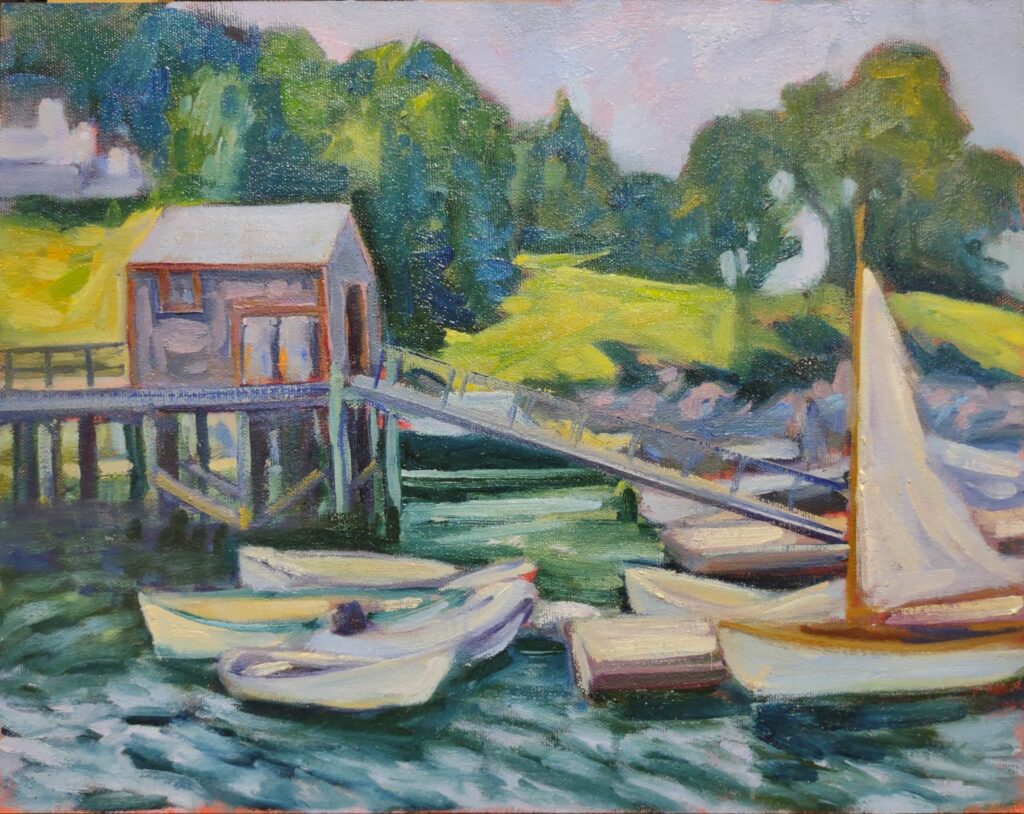
Larky Morning at Rockport Harbor, 11X14, on linen, $869 unframed includes shipping in continental US.

A student show is more than just critique

I believe in reasoned, intelligent critique. It’s critical not just for the painting under discussion but for developing your executive function as an artist.

In critique, the audience is small, sympathetic and hopefully knowledgeable. Critique is about growth, not display. It’s a safe place to experiment, fall short and try again.

A gallery show, on the other hand, is about putting your work in front of people who don’t know your process or your struggle. They don’t care how many times you scraped out that sky; they just respond to what’s on the wall.

Critique is rehearsal. The show is performance. You need both in your life as a developing artist.

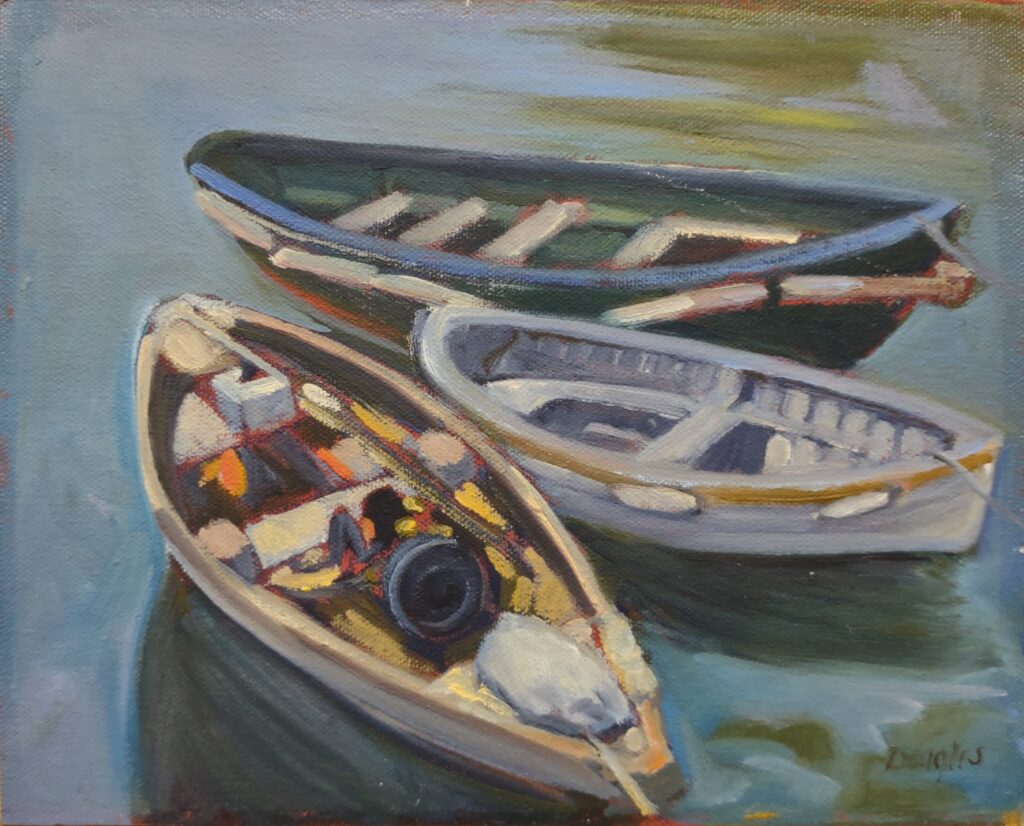
Dinghy Dock, 8X10 on archival canvasboard, $522 unframed includes shipping and handling in the continental US.

And then there’s the opening itself. I gave up cooking 24 years ago, but I can serve hors d’oeuvres with the best of them. An opening is a party to which all your besties are invited. Standing in my gallery, you will discover an essential truth: art isn’t complete until it’s seen. That tells us something I can’t predict, which is the public’s emotional response to your art.

Want that experience for yourself? Join me for my upcoming immersive plein air workshop in Rockport, ME, which will culminate in seeing your own work on my gallery walls.