The 4th of July kicks off vacation season here in Maine. Right on schedule, Bloomberg tells us, Taking Predictable Vacations Is Bad for Your Brain. (A writer replies, “Tell me you don’t have kids without telling me,” but I beg to disagree. I’ve taken many unusual vacations with my kids and grandkids; they seem to thrive on them.)
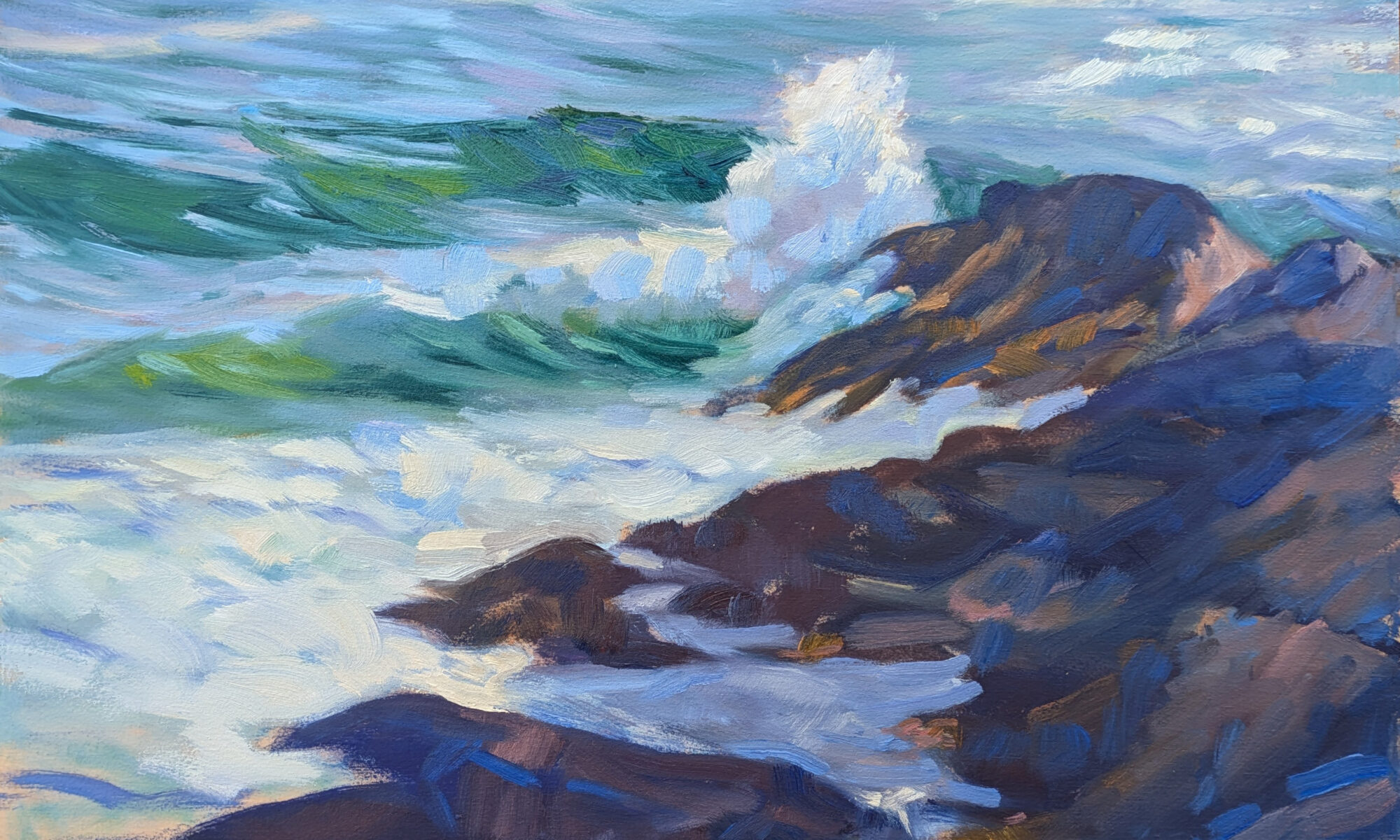
Maine is a great place to avoid the predictable. I had my most hair-raising experience as a parent on the beach in Ogunquit, so I speak from experience in saying it’s not exactly like the Jersey Shore up here.
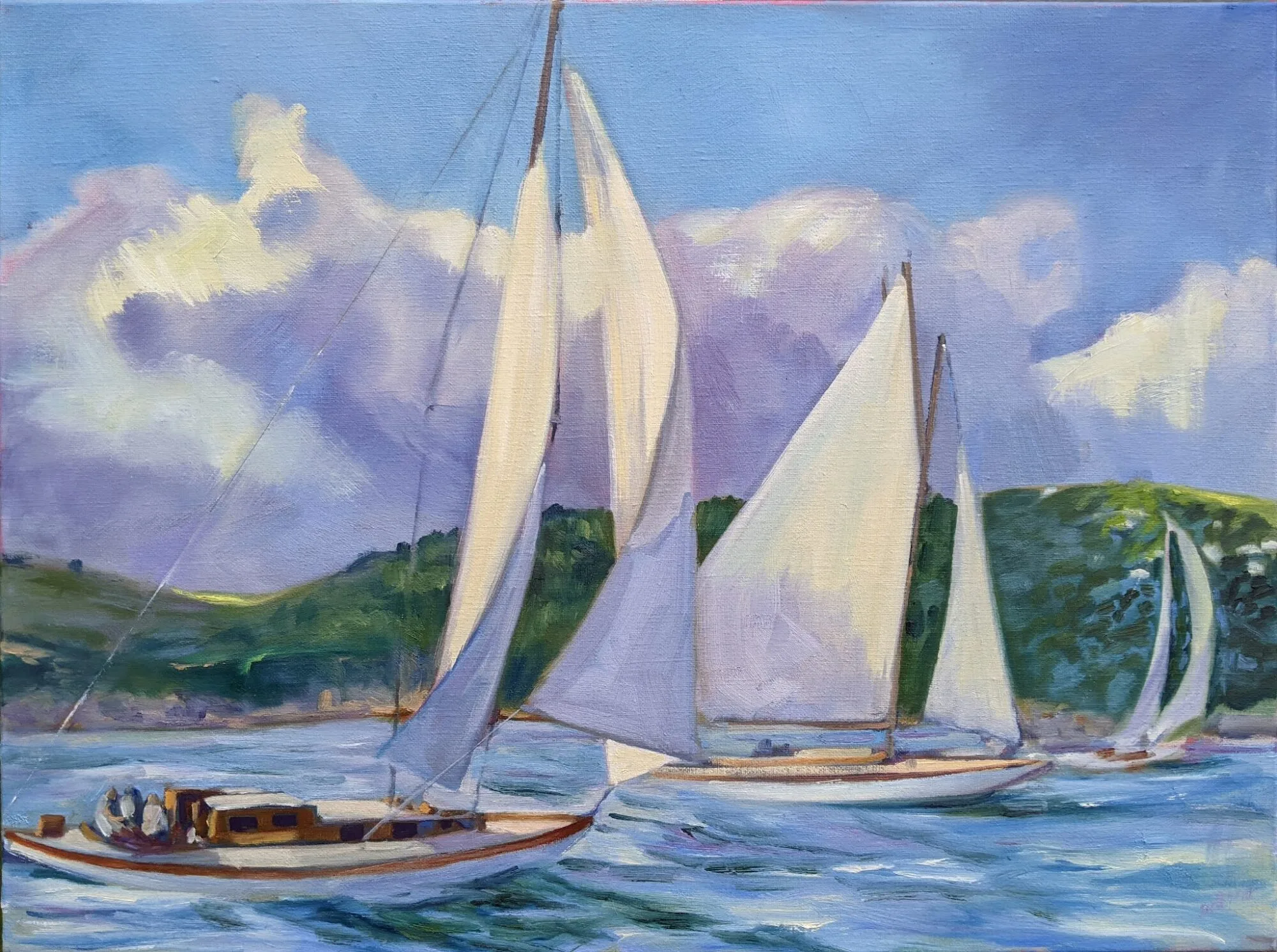
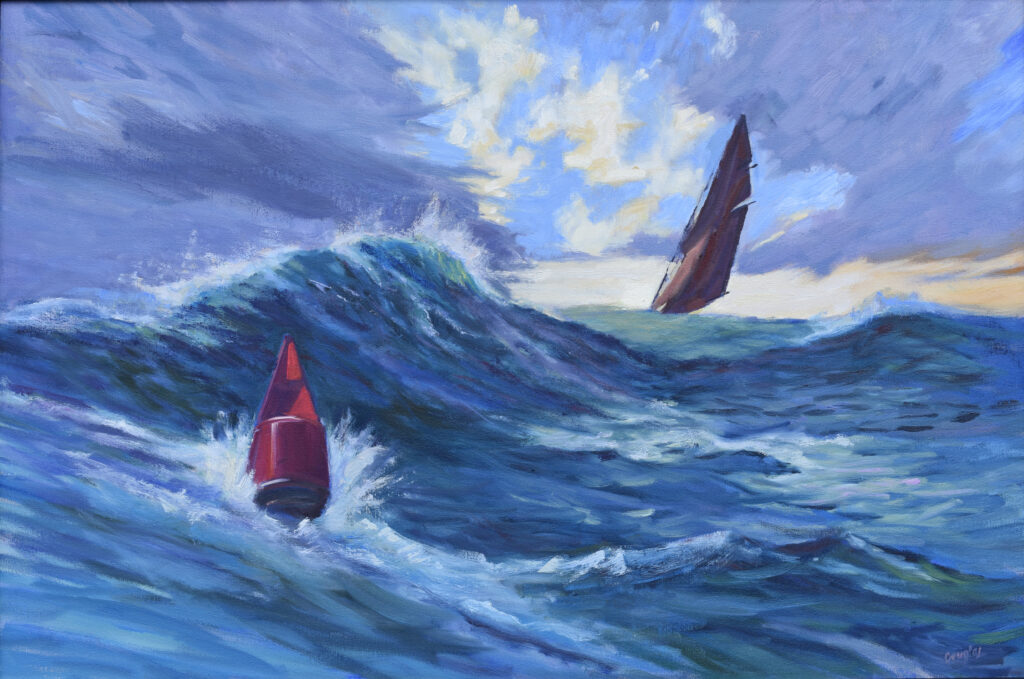
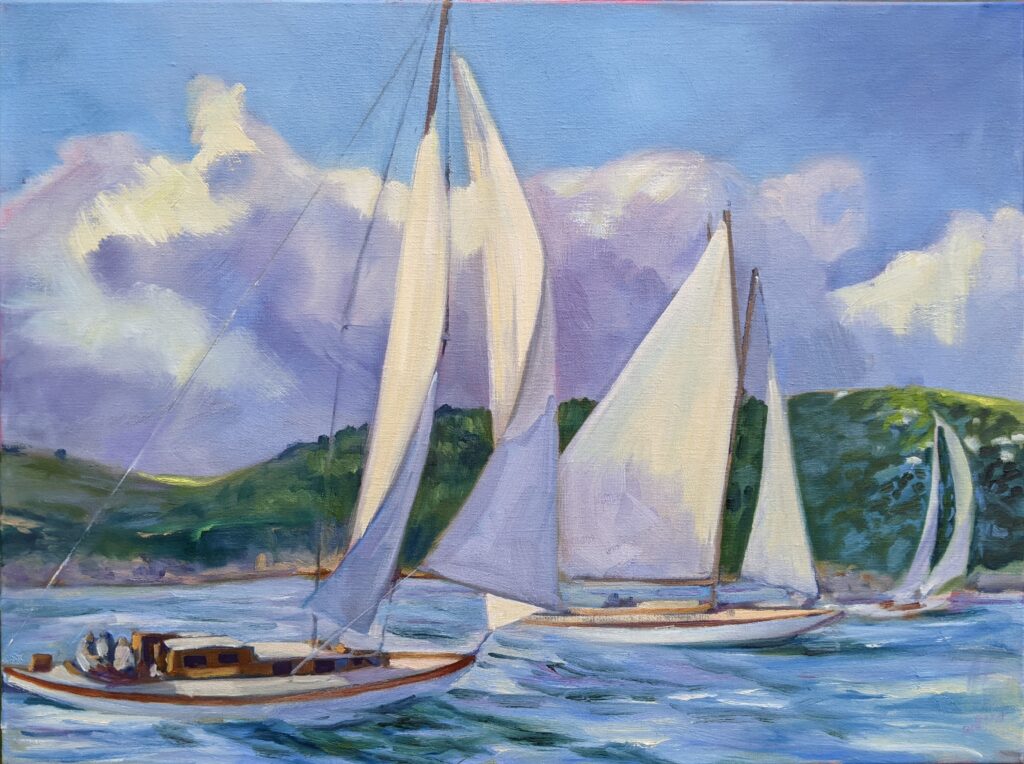
Of course, I’m not suggesting you risk your kids’ lives. Unpredictable can mean a lot of things. Maine is no shopping destination, but it sure is great for hiking, biking, kayaking, and sailing.
Why do creative vacations matter?
Our ancestors had way too much instability in their lives, which is why we suppose vacations should be relaxing—we’ve been told they’re for rest and regeneration. We humans are hardwired for exploration and challenge, but modern man is stuck in a rut.
Highly predictable vacations allow our brains to languish (and, I’ll add, we tend to drink too much on them). Experiences outside our comfort zone stimulate thought, but they also kick in a healthy physiological response.
Dopamine, the neurotransmitter associated with pleasure and motivation, is released when we are challenged. Predictable vacations may not trigger the same level of dopamine release as novel experiences, according to St. Luke’s Penn Foundation.
When an activity is a bit off-kilter or outré, we perversely enjoy it more. When we stick to the tried-and-true, our brains don’t receive the same stimulation and challenge as they do when we’re surprised. New experiences increase our neuroplasticity. That’s great for cognitive function and resilience.
I’m not advocating killing yourself by taking foolish risks, as too many young influencers seem to do these days. But there are other options to take us out of our comfort zones.
Regular readers know I like to take go rambling in the British style, where you go from inn to pub to inn on foot. It’s certainly not because I love blisters, heat exhaustion, or dehydration, but as soon as I’m done with one year’s adventure, I’m eagerly thinking about the next (which I think will be in the Orkneys). Equally, some of my best trips have been madcap drives, including a memorable 10,000 mile painting excursion across Alaska and Canada. I find these things so much more interesting than Orlando.
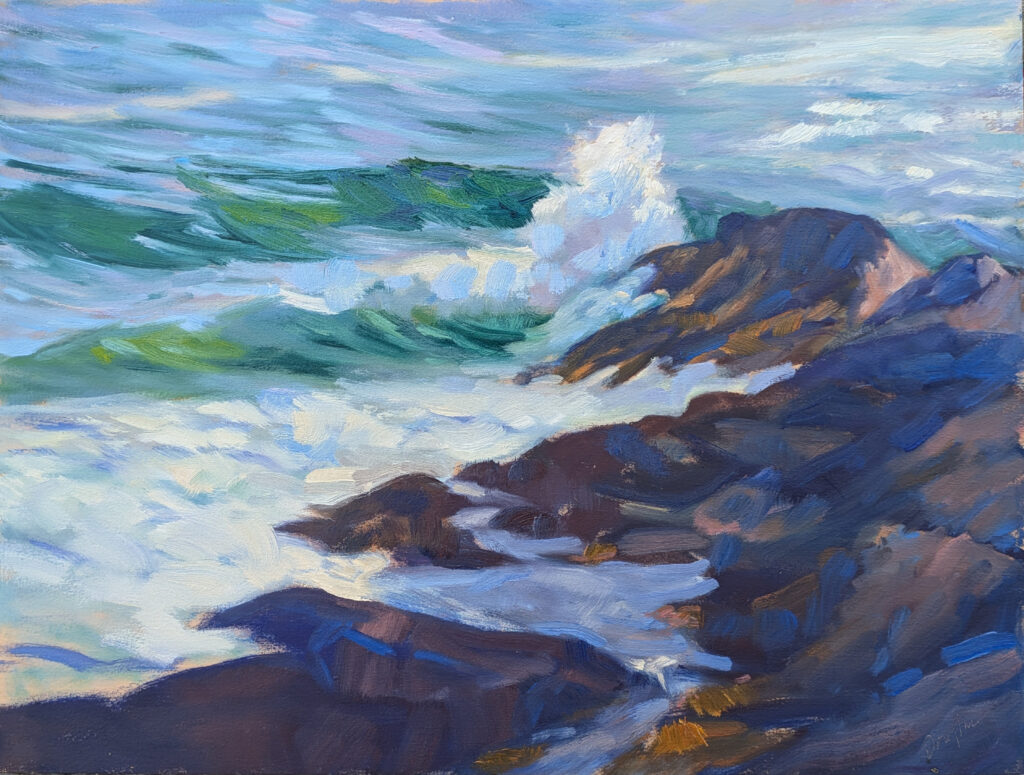
A painting workshop is the ultimate in creative vacations
I start teaching an advanced plein air painting workshop on Monday here in Rockport, and I have three others on my calendar for the summer. A plein air workshop is a great way to push yourself outside your comfort zone. And painting has an additional benefit, because many studies have shown it’s great in itself for neural health.
Research shows that hobbies—any hobbies—prevent depression and reduce anxiety. But the most effective hobbies are the creative hobbies, according to The Journal of Positive Psychology. Creativity has a positive effect, not only on the day when we make stuff, but on subsequent days as well. (For anyone waiting around for inspiration, the same research tells us that feeling good doesn’t push us into greater creative effort.)
If you’re looking to get the biggest restorative bang for your buck from a creative vacation, you can’t do better than a painting workshop.
Registration is now open for workshops in 2026! Reserve your spot:
- Find your Authentic Voice in Plein Air | Berkshires, MA, August 10-14, 2026
- New! Color Clinic 2026 | Rockport, ME, October 3-4, 2026
- New! Composition Week 2026 | Rockport, ME, October 5-9, 2026
Can’t commit to a full workshop? Work online at your own pace: