
The thing that trips you up will almost always be unexpected. It won’t be the sky or figure you feared. It will be something small and stubborn. If you let it, that tiny snag can hijack your whole painting. But in painting, as in life, perfection is a pernicious mirage that can keep us from trying or finishing anything.
The ugly side of perfection
We talk about perfection as if it’s synonymous with beauty. It isn’t.
Think about the strange results of extreme cosmetic surgery: tight faces, overfilled lips, pneumatic breasts. Enormous sums of money are spent in our culture chasing youth. And yet, we gravitate toward faces etched with experience and humanity: Corrie ten Boom, Mother Teresa, Georgia O’Keeffe.
We value bravura brushwork in part because it photographs well for social media. Quieter virtues like solid drafting, subtle value control, and compositional integrity might be dismissed as dull. But bravura without structure is just noise.
Cultural blind spots in painting
One of the great conceits of our times is that modern ‘rational’ people have fewer blind spots than our benighted ancestors.
We are all the sum of our upbringing and our culture. That includes aesthetic preconceptions. We think we’re being objective when we judge art, but all judgments are freighted with assumptions.
In the studio, blind spots can keep us from seeing real problems. For example, we value color but denigrate drawing, so we polish color harmonies while ignoring bad drafting. Sometimes we can’t see the issue at all, because it doesn’t fit our internal narrative of what matters.

The moment
The goal is not perfection in the abstract. It’s getting as close as we can for the moment of that painting. It might stretch over hours, days, or even weeks. It’s the point at which the painting coheres under the specific conditions in which it was made: skill level, materials, emotional state, light, deadline and more.
The real danger is not imperfection. It’s failing to recognize your achievement in that moment. If you keep telling yourself, “I suck,” you’ll never get better. You’re trying to fix something that ain’t broke. That usually means turning a resolved work into a labored one. Instead, set it aside and see what it tells you in a year.
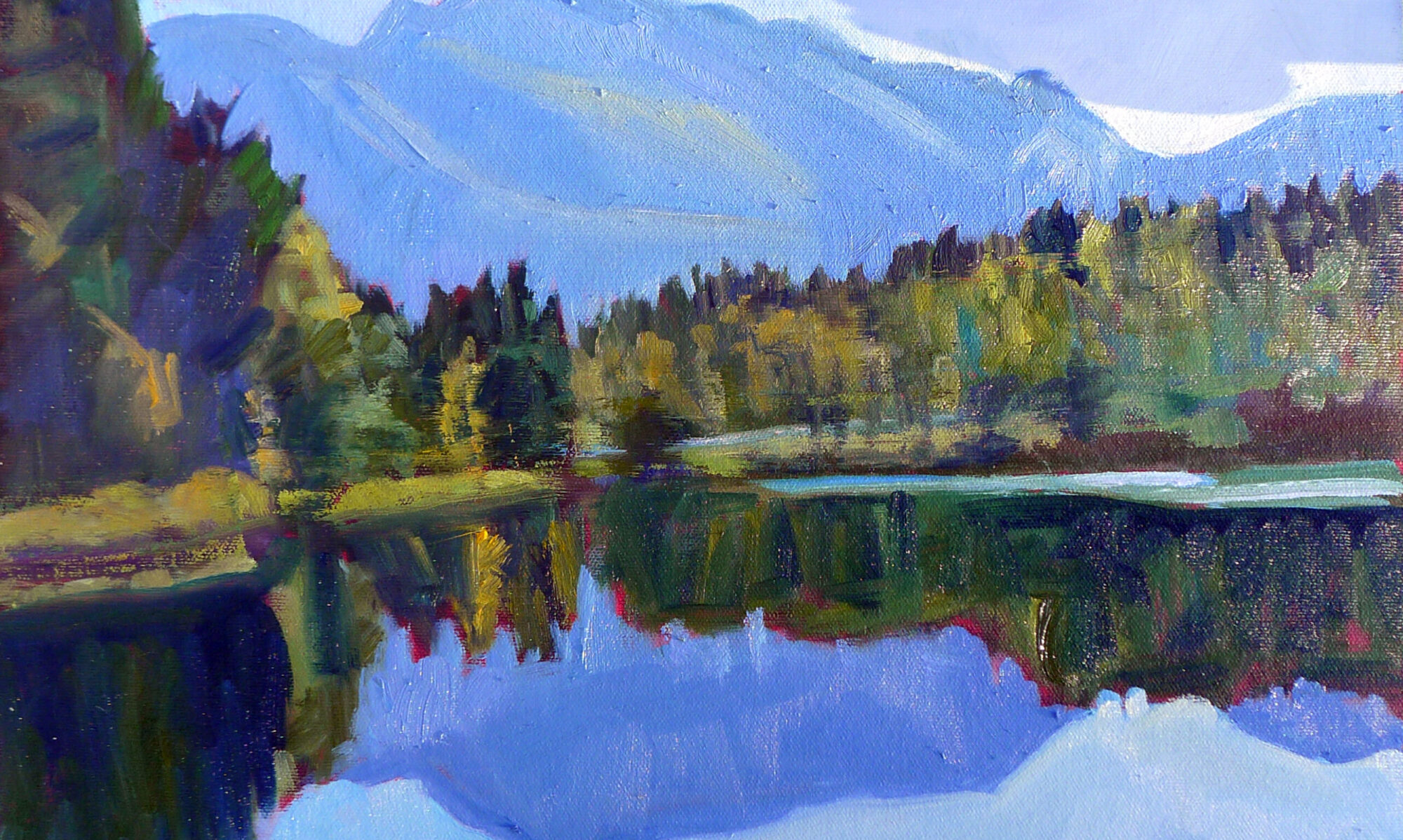
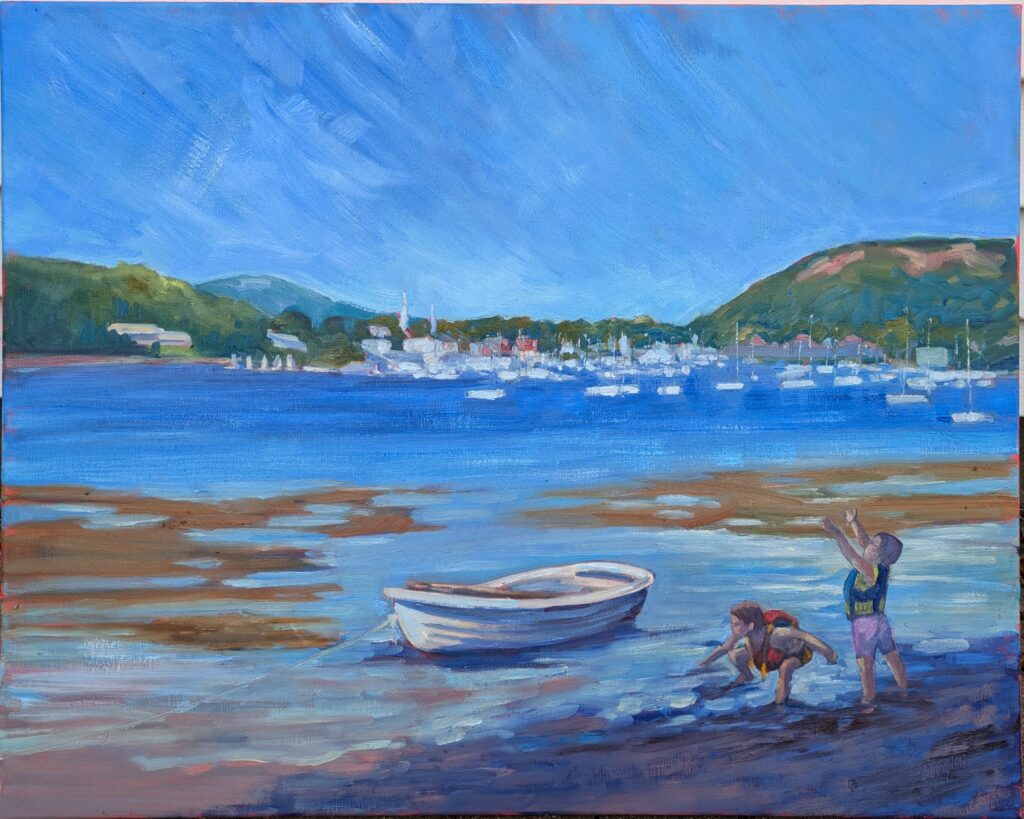
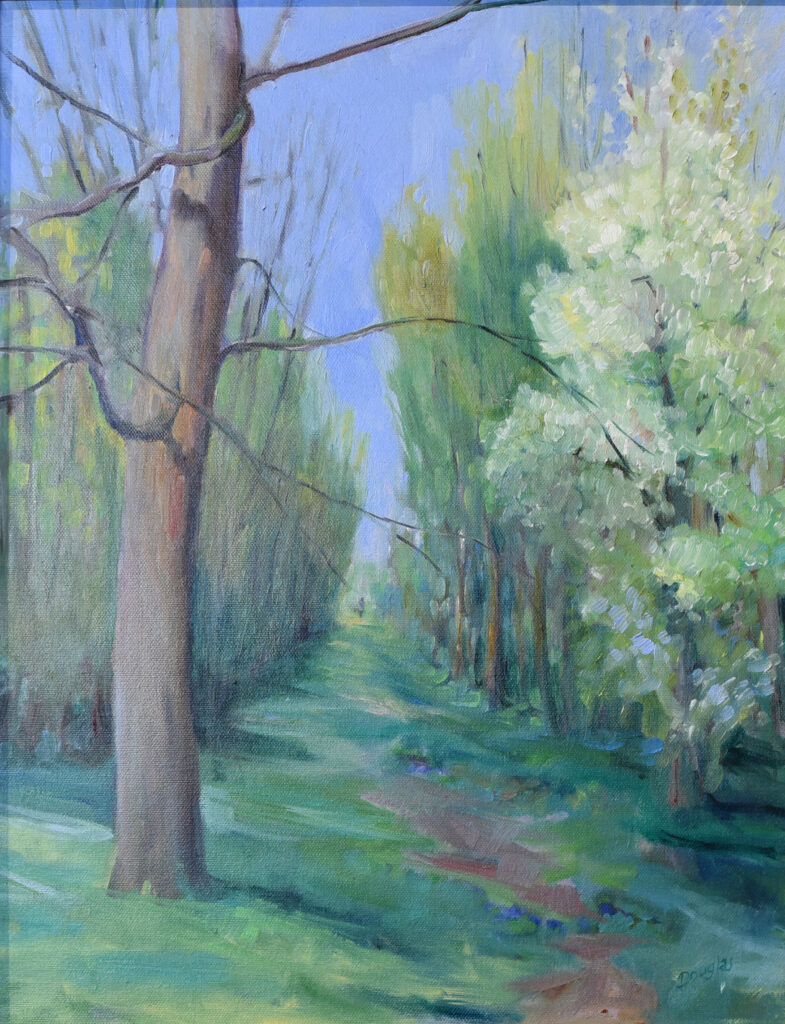
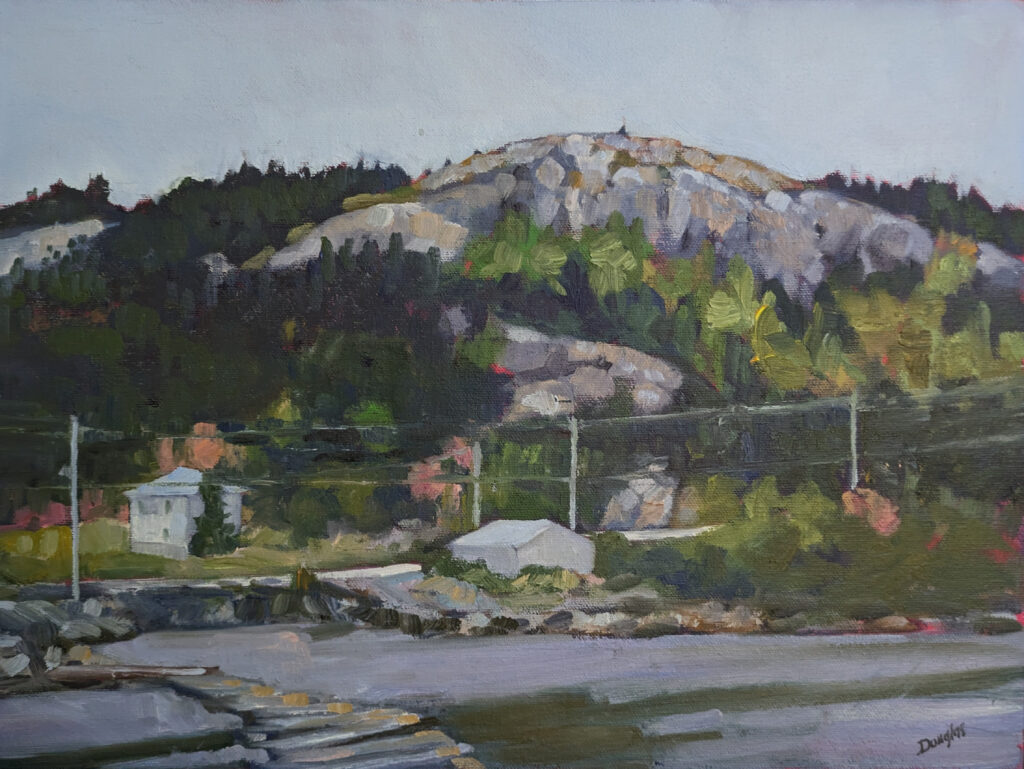
The four paintings I included in this post are all examples of work I thought failed at the time I painted them, but that I quite like today.
A painting exists as a success or failure within its time and context. Your job is to nurture it into clarity, not force it into something it was never meant to be.
One minor variable
I am making my daughter’s wedding dress, and was recently tripped up by something I never thought would be a problem. I’ve worked with tulle and beading before, but I’m using a ‘new to me’ sewing machine. The pearls kept catching, so I kept stopping and clipping them farther from the seams. What I expected to take an hour stretched into two days. Despite my great care there are pinholes where I nicked the tulle removing pearls. Which means a fine mending job.
That happens in painting, too. A small, unanticipated issue can derail momentum. You can’t eliminate all variables; you must accept that they’re part of the process.
Perfection in painting is impossible. But presence, discipline, and the humility to recognize the moment of enough? These are always within reach.
Registration is now open for workshops in 2026! Reserve your spot:
- Find your Authentic Voice in Plein Air | Berkshires, MA, August 10-14, 2026
- New! Color Clinic 2026 | Rockport, ME, October 3-4, 2026
- New! Composition Week 2026 | Rockport, ME, October 5-9, 2026
Can’t commit to a full workshop? Work online at your own pace: