“Painting mediums are like steroids,” I told my students at last week’s workshop. “They’re invaluable when necessary, but deadly when misused.” What are all those solvents, mediums, oils, gels, retarders and flow improvers, anyway? What do they actually do?
One thing painting solvents and mediums can do is create more problems than they solve, when not used correctly.
Short weekly class session starts next Monday
Claim your spot in Painting Water, Monday evenings or Painting Nocturnes, Tuesday evenings. Both are 6-9 PM, starting the week of August 17, 2026, which is next week.
This is my last Zoom session until I get back from Sedona Plein Air at the end of October. That’s because I’m teaching and eventing non-stop until then.
I upload videos of these online classes and you have access to them for as long as there’s YouTube. That means you can review them if you need a refresher or have to cut out early.
What is the difference between solvent and medium?
Solvent is the liquid that dissolves paint to make a solution. In oils, the solvent is usually odorless mineral spirits (OMS). In acrylics and watercolors, the solvent is water. Solvent is used to thin paint and clean brushes.
Painting medium changes how paint works and dries. It can speed up or slow down drying time, make paint thick or thin, add gloss or matte shine or create special textures without breaking the paint’s bond. Let’s look at these separately for each medium.
Oil paint
Oil paint already contains siccative (drying) oil, in which the pigment is suspended. You don’t need to add anything to make it work.
Solvent (OMS) is useful only in the early stages. Use it sparingly. It makes paint flow, but as it evaporates, it leaves a film of dull, oxidized pigment.
Linseed, walnut and safflower are siccative oils, and they dry by oxidation, not evaporation. They are the base for all oil paints and make paint more fluid, transparent and glossy. However, excess oil can soften edges and layers excessively, leading to overmixed paint and future problems with drying and cracking.
Mediums and gels are made by adding drying agents, solvents and varnishes to those oils. These mixtures are designed to change paint handling, making it more fluid, buttery, transparent or to speed up or slow down drying.
Students should always learn to paint with straight paint first and then add either medium or oils only as necessary. You need to know what paint itself can do before you start modifying it.
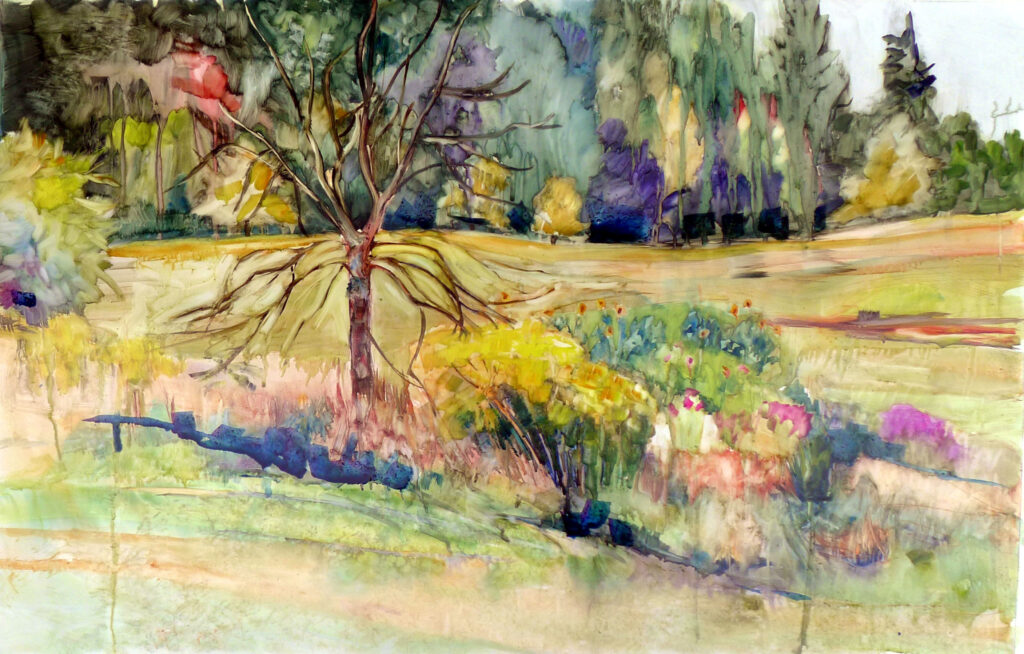
Watercolor
Watercolor is wonderfully uncomplicated. Add more water and paint becomes more transparent and fluid. Add less and you get stronger, more concentrated color.
There are additives for watercolors, such as ox gall (flow enhancer), blending medium, granulation medium, pearlescent medium and texture gel, but these are optional, not necessary. If your watercolor isn’t behaving, the answer isn’t in a bottle; it’s in your water-to-pigment ratio.
Acrylics
Acrylics dry by evaporation and form a plastic film.
Water can thin acrylic, but excessive dilution can interfere with the paint’s binder and produce a weak film; most guidelines recommend staying under 25–50%. If you want very fluid paint, use an acrylic medium.
Acrylic gels change the body and transparency of the paint. Soft gel, heavy gel and other formulations make paint thicker, thinner, more transparent, or more dimensional.
Retarder slows acrylic’s drying time. This is very useful for plein air, when acrylics can be frustratingly fast-drying. The ‘right’ amount varies depending on temperature and humidity. Too much retarder can interfere with drying and weaken the surface. If you find you’re always using retarder, consider switching over to a product with retarder built in like Golden Open Acrylics.
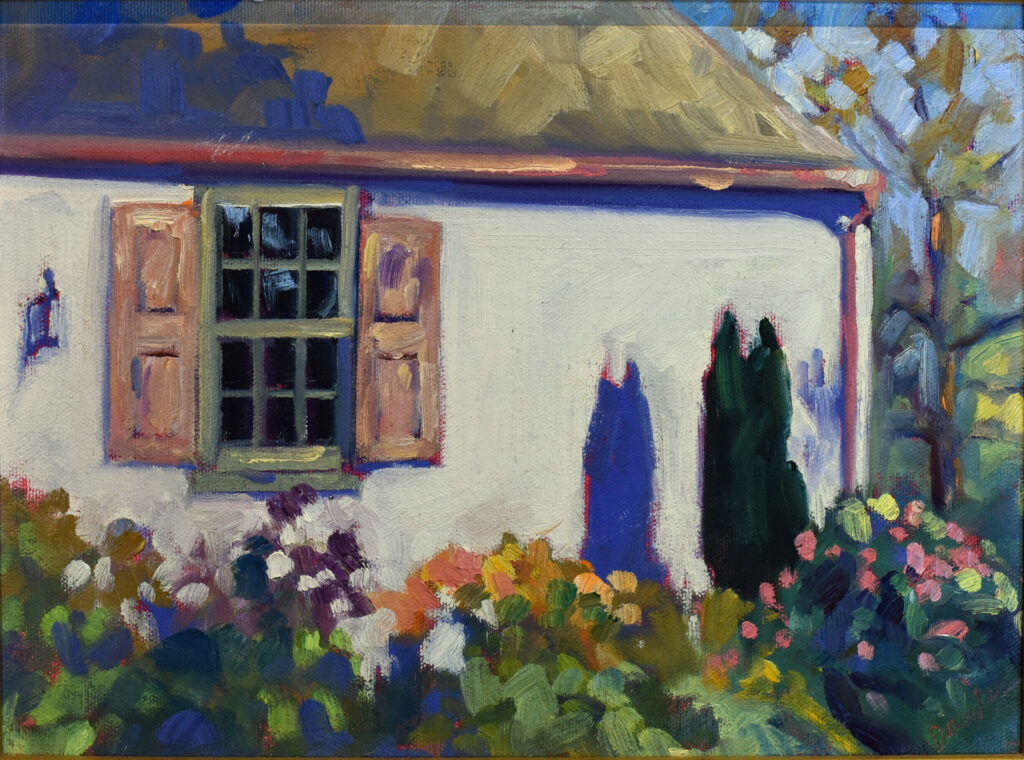
Every additive changes your paint
If you’re constantly adding solvent, oil or gel because your paint isn’t doing what you want, the problem isn’t the paint; it’s how you’re using it. You may need to wet (activate) your watercolors more thoroughly before you start painting. You may be trying to drag new life out of dried-out oil paint. You may need to learn how to keep acrylics open in the field. How do you learn these things? It seems to me a workshop is a good place to start.
Online classes start again soon!
- Cozy Winter Painting, Monday evenings, 6-9 PM for three weeks starting November 2.
- Painting Figures in Real Spaces, Tuesday evenings, 6-9 PM for six weeks starting November 3.
- Painting Nocturnes, Monday evenings, 6-9 PM for three weeks starting November 30.
I have just two workshops left in 2026! Reserve your spot:
- New! Color Clinic 2026 | Rockport, ME, October 3-4, 2026
- New! Composition Week 2026 | Rockport, ME, October 5-9, 2026
- High-Desert Light & Monumental Form | Sedona, AZ, Apr 26, 2027 – Apr 30, 2027
Can’t commit to a full workshop? Work online at your own pace: