“Everyone always says they don’t like their painting,” a student said to me during my last workshop. “It’s like saying, ‘I don’t like my butt in jeans.’ Nobody likes their butt in jeans, but we have to move past that.”
“That’s only true of half the population,” I laughed. “If men think about it at all, they think their butts look great in jeans.”
Feeling like all your paintings are bad is painfully common among artists, especially when we’re pushing ourselves to grow. Here’s how to move through that self-doubt mindset:
Recognize it as a sign of growth
Self-doubt often shows up right before a breakthrough. It means your eye is improving faster than your hand. You can see what’s wrong—but not yet fix it. That’s not failure. It’s progress.
You are not your painting
Bad paintings do not mean you’re a failure. Your job is not to be good every time you paint. Your job is to show up, make the work, and learn from it. Distance yourself from your work enough to critique it without self-loathing.
How much better are you than you were a year ago?
Look at what you painted last year. You’ll probably see how much you’ve improved. You’ll also see paintings that you thought were terrible that you quite like today. Progress is always easier to see in hindsight.
Finish it anyway
Even if it feels like a hot mess, finish that painting. There’s discipline in following something through to the end. Often, what seems hopeless halfway through turns into something interesting. And sometimes real progress feels ‘off’ to us, because it’s something we’ve never seen before. (That’s why I discourage painters from immediately scraping out work they don’t like.)
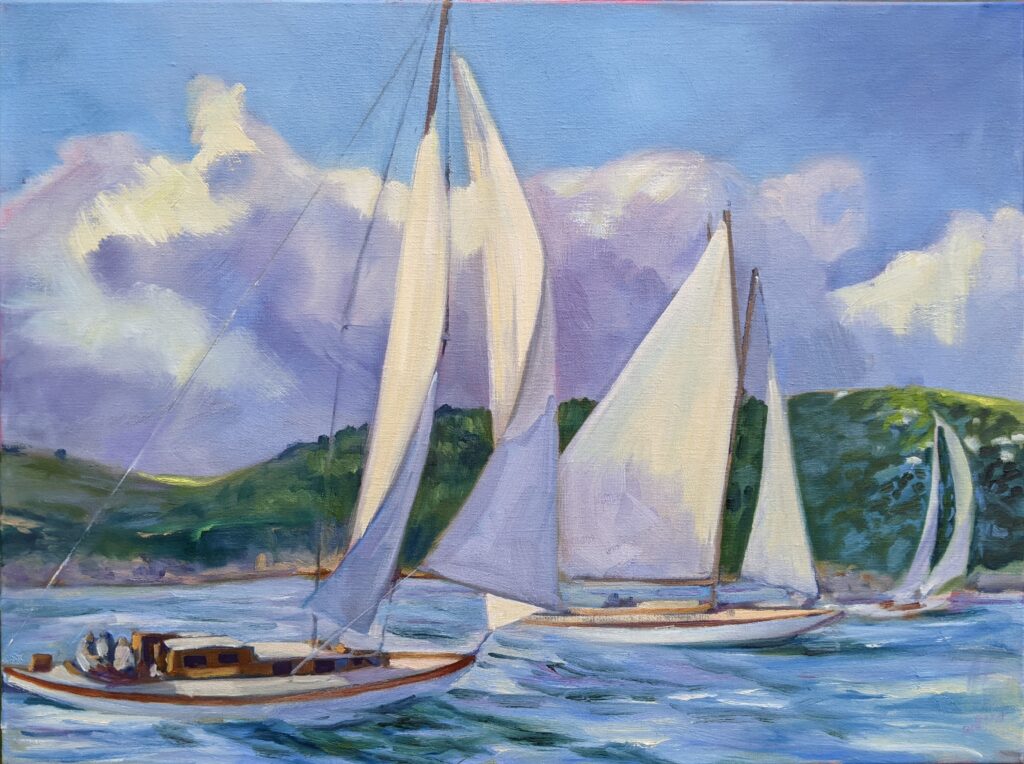
We’re not perfect
Not every painting needs to be good. Some are just learning opportunities. You only get better by making a lot of work, some of which will be bad. That’s normal. That’s healthy. That’s how we grow.
You should visit my studio and see my stack of bad paintings. It’s a good thing I have a sander and know how to use it.
Keep painting
This part is non-negotiable. Even if you think it’s all bad, keep painting anyway. Don’t wait to feel confident. Don’t wait to be inspired. Keep painting, and trust that quality will follow quantity.
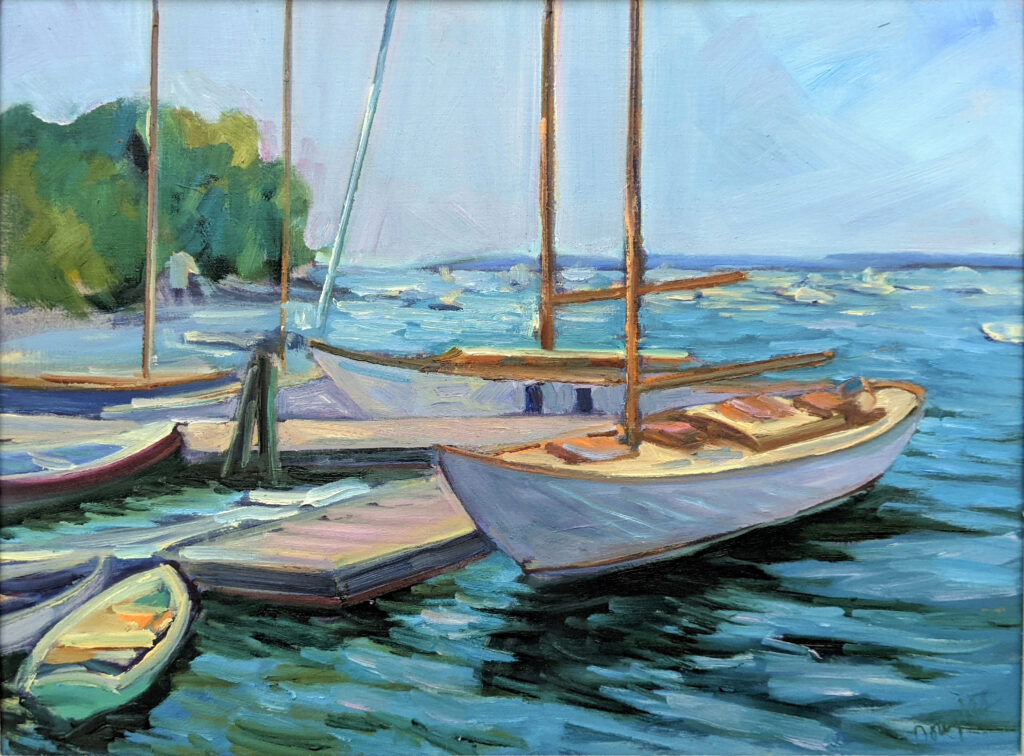
Some questions to ask yourself
- What does ‘bad’ mean to you? What are you actually criticizing? This is where formal criticism is helpful, because it removes emotion from the process.
- What did you learn from this painting?
- Who are you trying to impress? Be honest—are you painting for you, your peers, Instagram, your teacher, or an ideal version of yourself?
- How and what would you paint if nobody was ever going to see the results?
- What would you tell me if I said “I hate my painting”? I doubt you’d agree, and you deserve the same objectivity, compassion and insight you’d offer to me.
Online classes start again soon!
- Cozy Winter Painting, Monday evenings, 6-9 PM for three weeks starting November 2.
- Painting Figures in Real Spaces, Tuesday evenings, 6-9 PM for six weeks starting November 3.
- Painting Nocturnes, Monday evenings, 6-9 PM for three weeks starting November 30.
I have just two workshops left in 2026! Reserve your spot:
- New! Color Clinic 2026 | Rockport, ME, October 3-4, 2026
- New! Composition Week 2026 | Rockport, ME, October 5-9, 2026
- High-Desert Light & Monumental Form | Sedona, AZ, Apr 26, 2027 – Apr 30, 2027
Can’t commit to a full workshop? Work online at your own pace: