How to choose the right painting class or art workshop

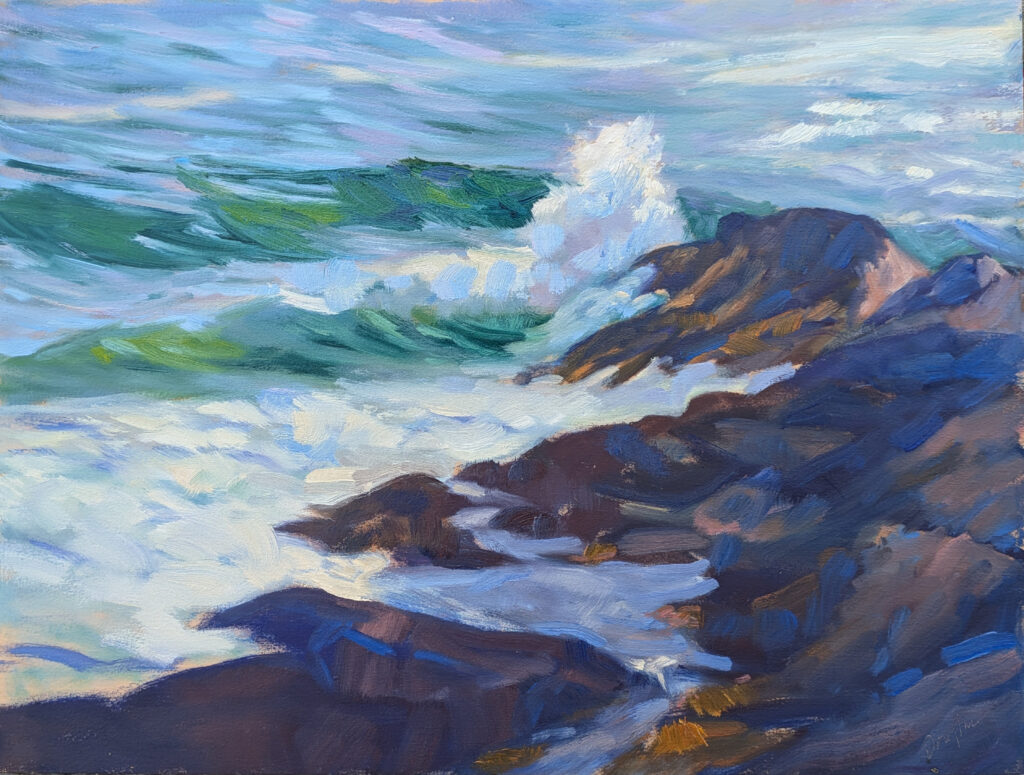
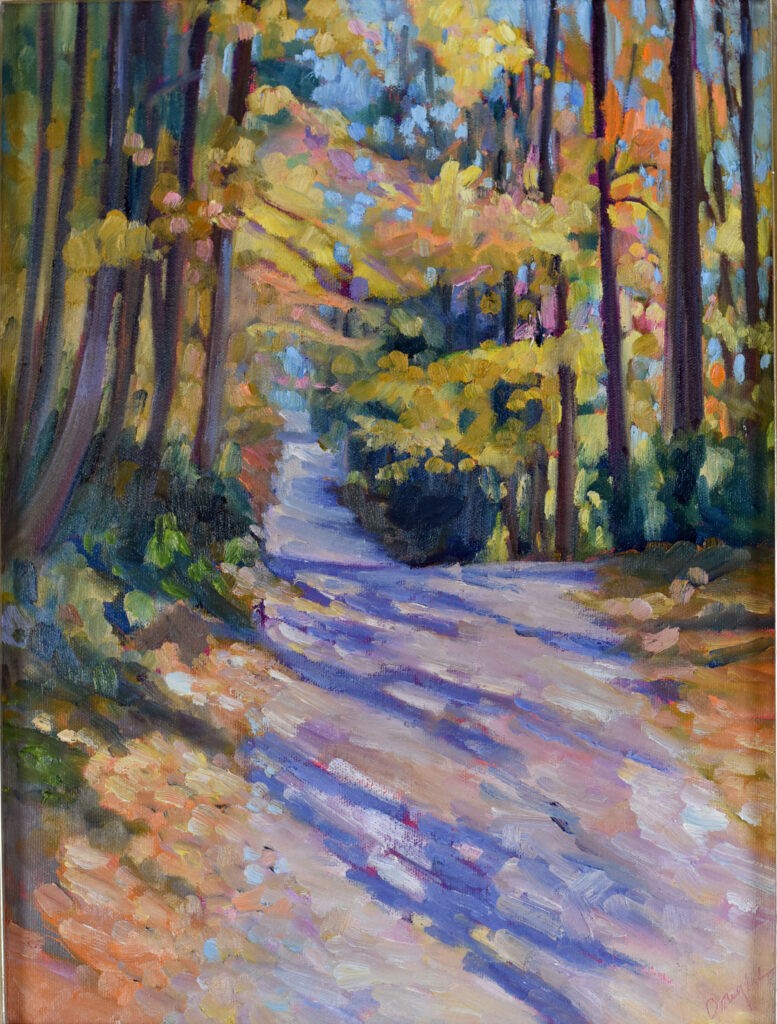
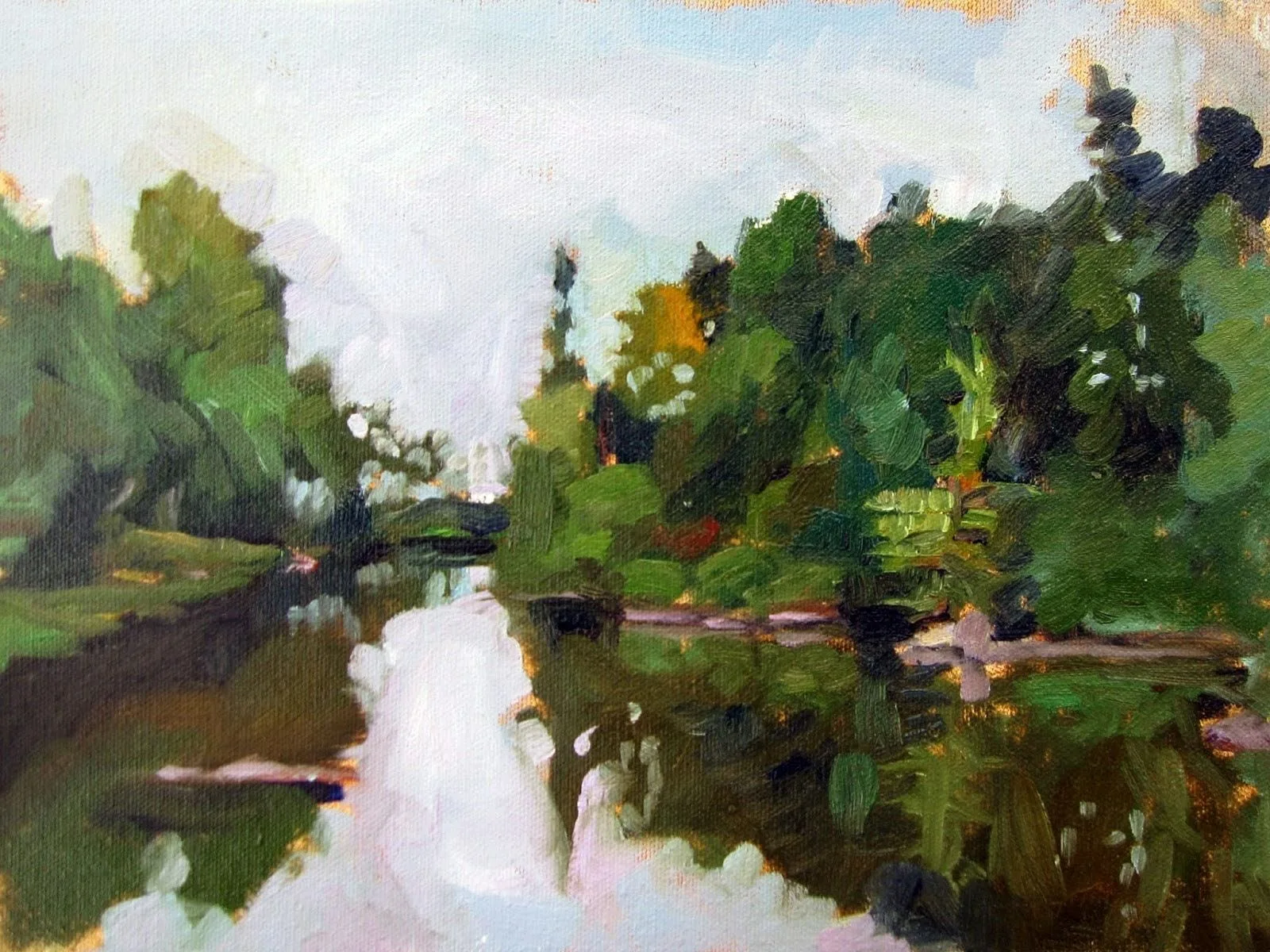
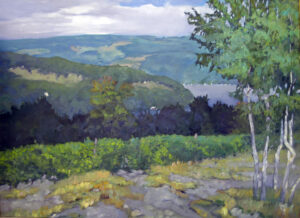
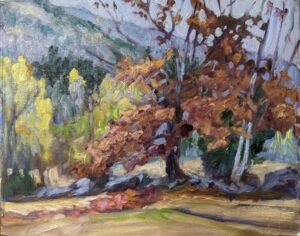
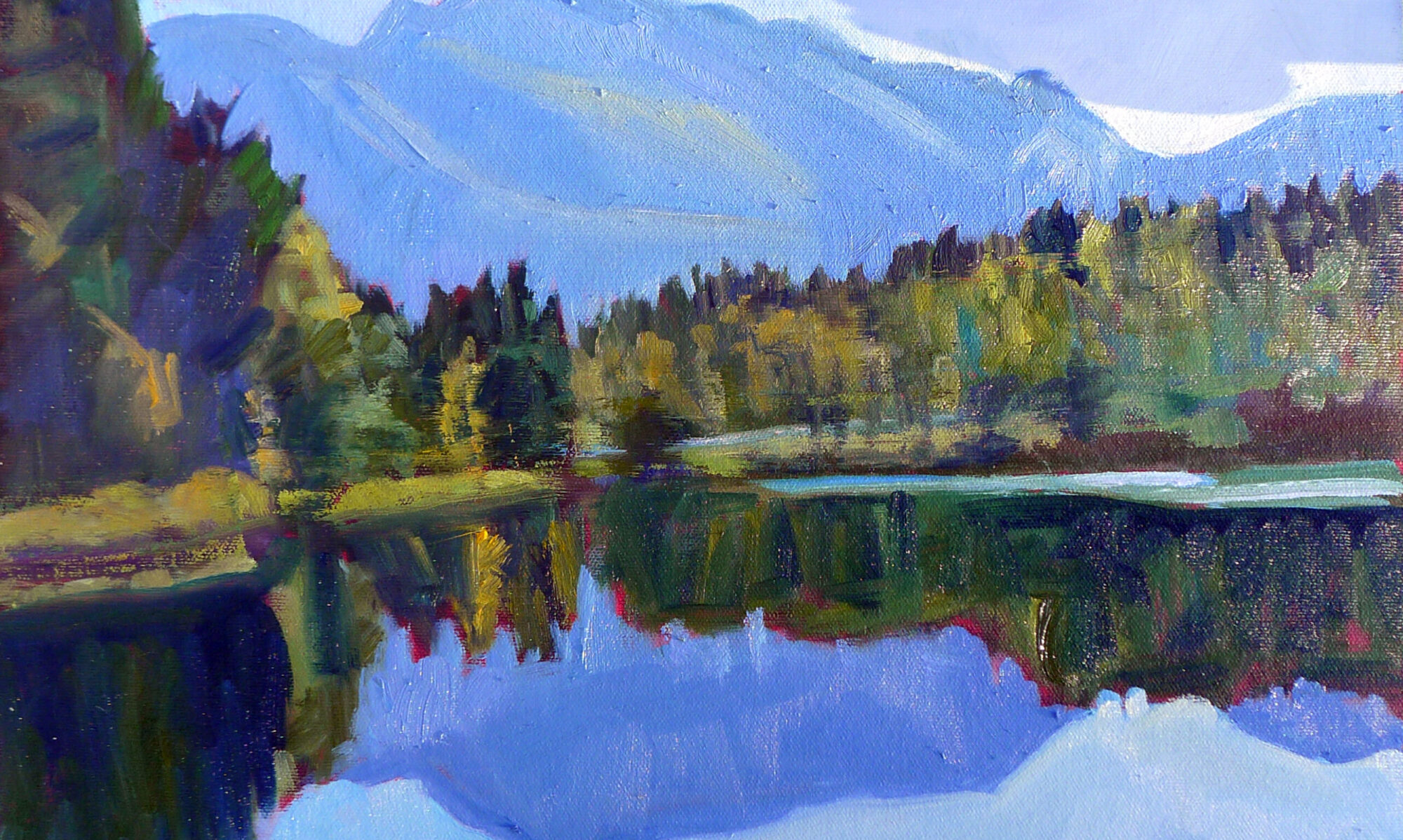
Beauchamp Point, Autumn Leaves, 12X16, oil on archival canvasboard, $1449 framed includes shipping and handling in continental US.

Choosing the right painting class or art workshop can dramatically improve your painting skills — but with so many online art classes, in-person workshops, and video courses available, how do you know which one will actually move your work forward?

I recently spent time helping my friend Karen figure out which of my upcoming classes would best serve her. That decision wasn’t about whether she was a beginner or advanced painter. It was about identifying what she needed to learn next.

The best painting instruction meets you at your next developmental step, not your current skill level.

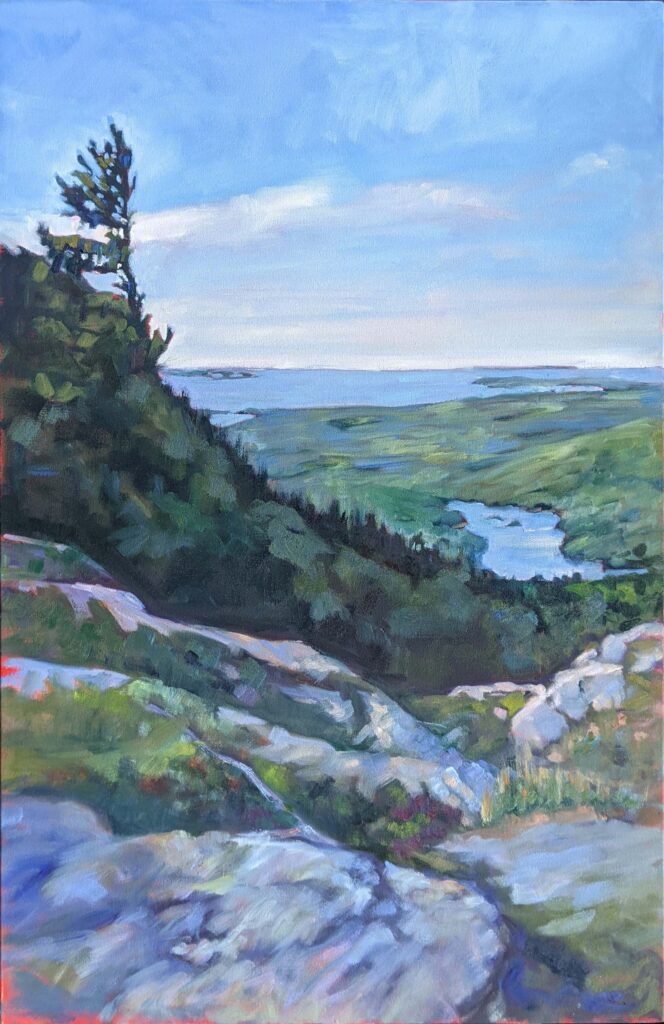
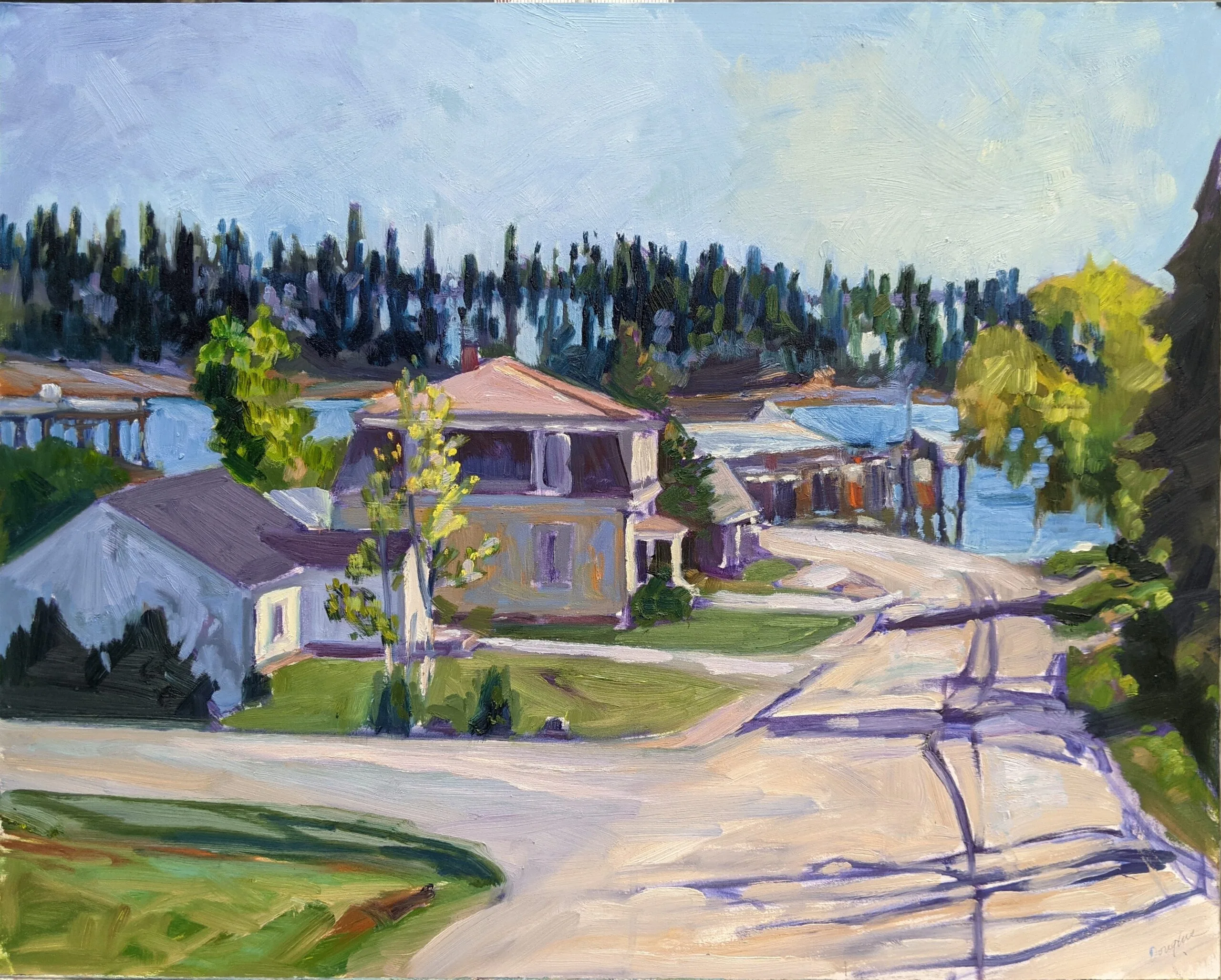
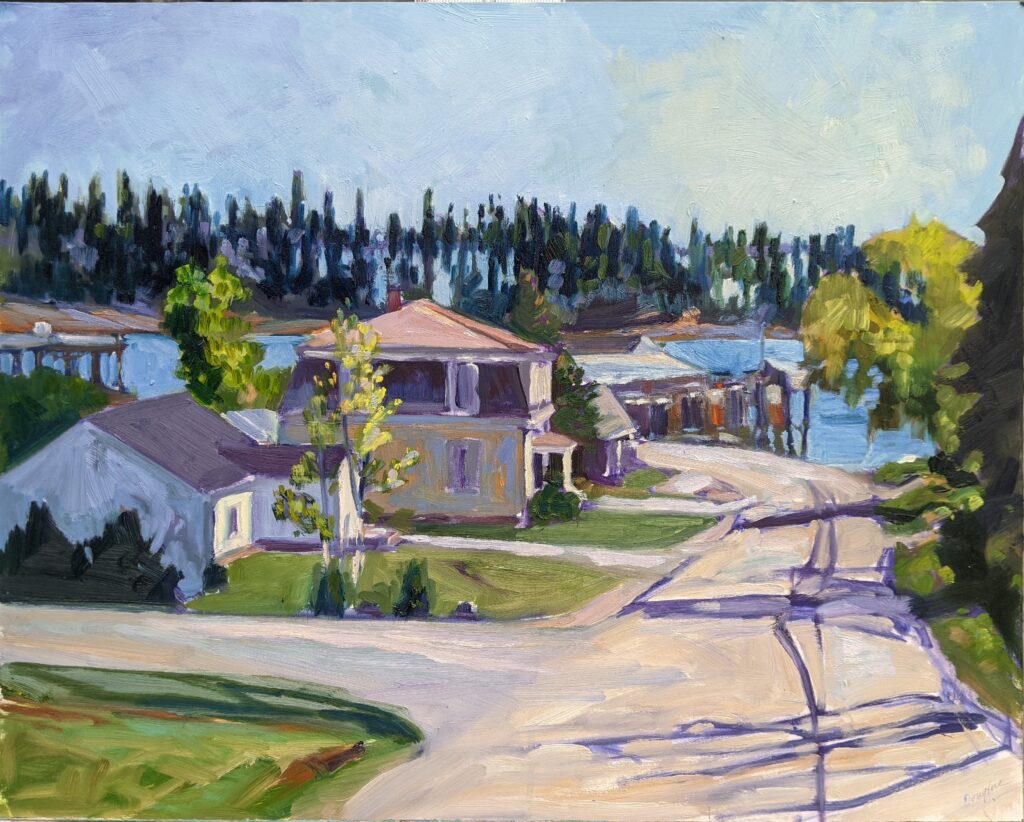
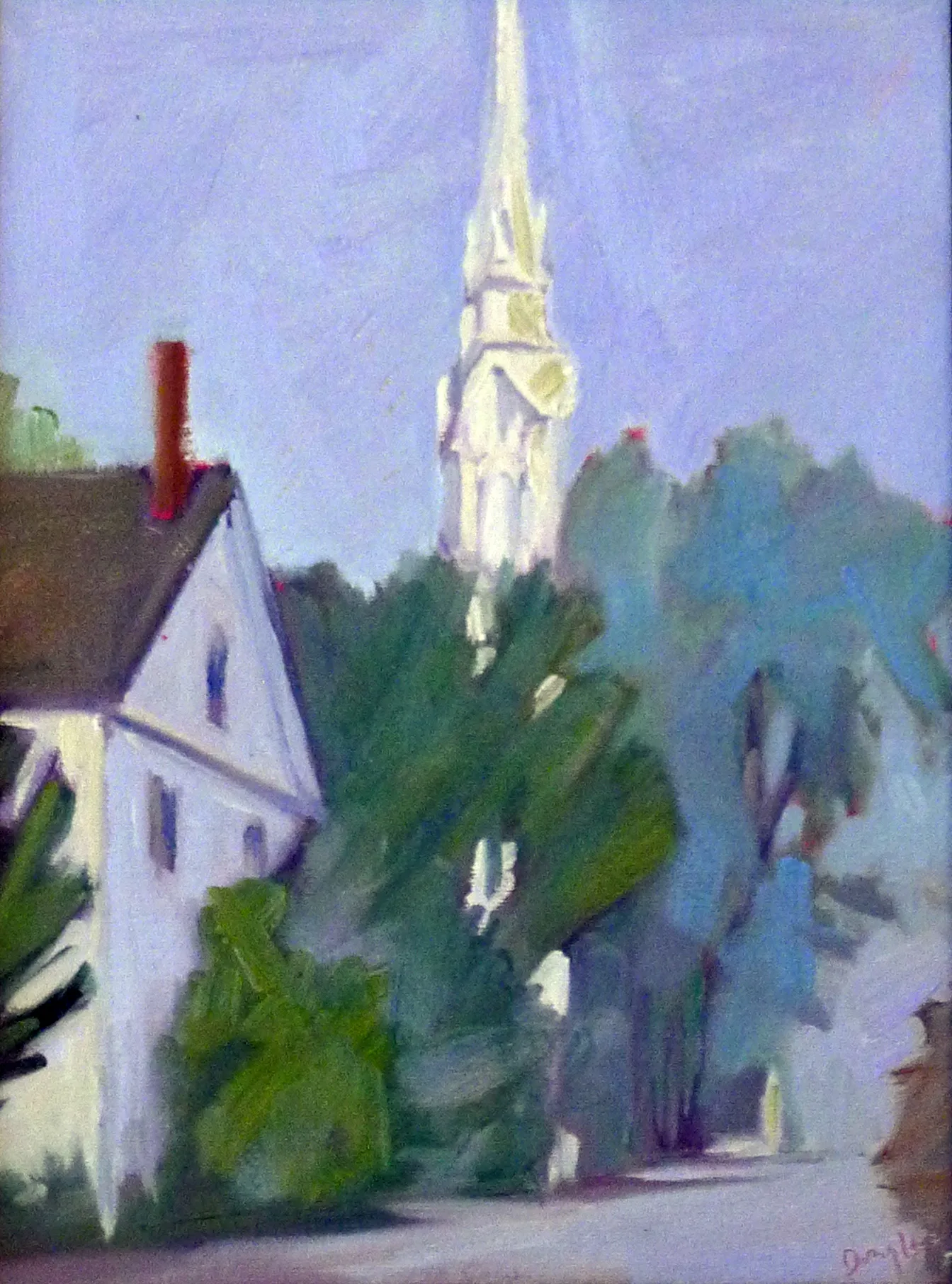
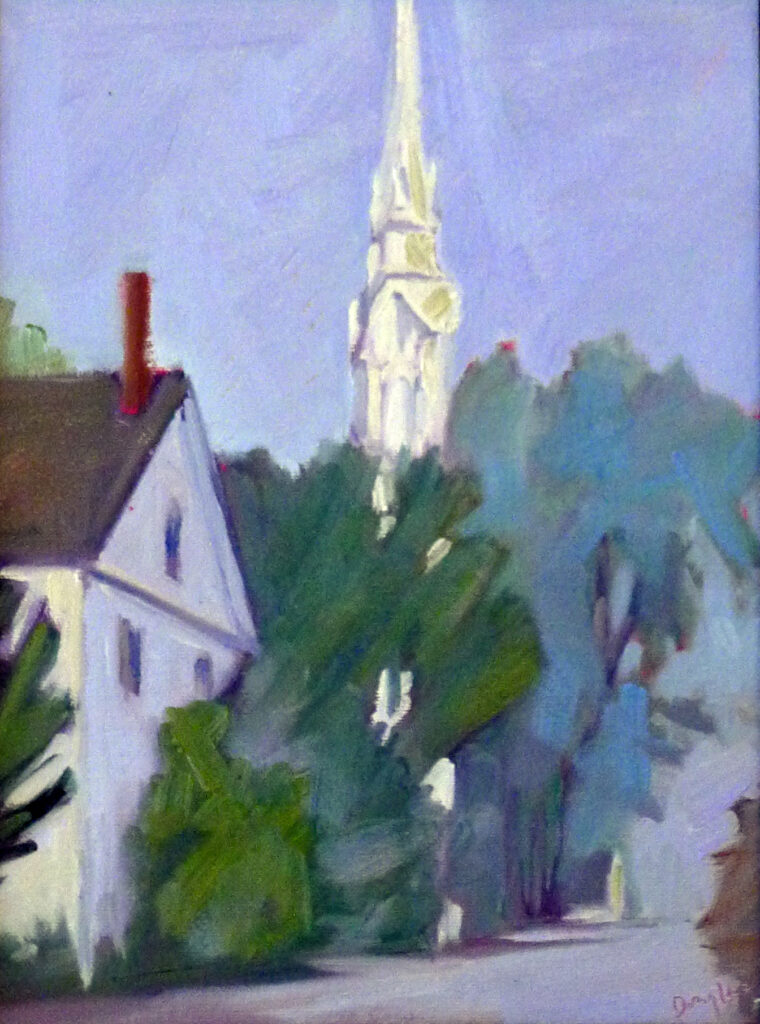
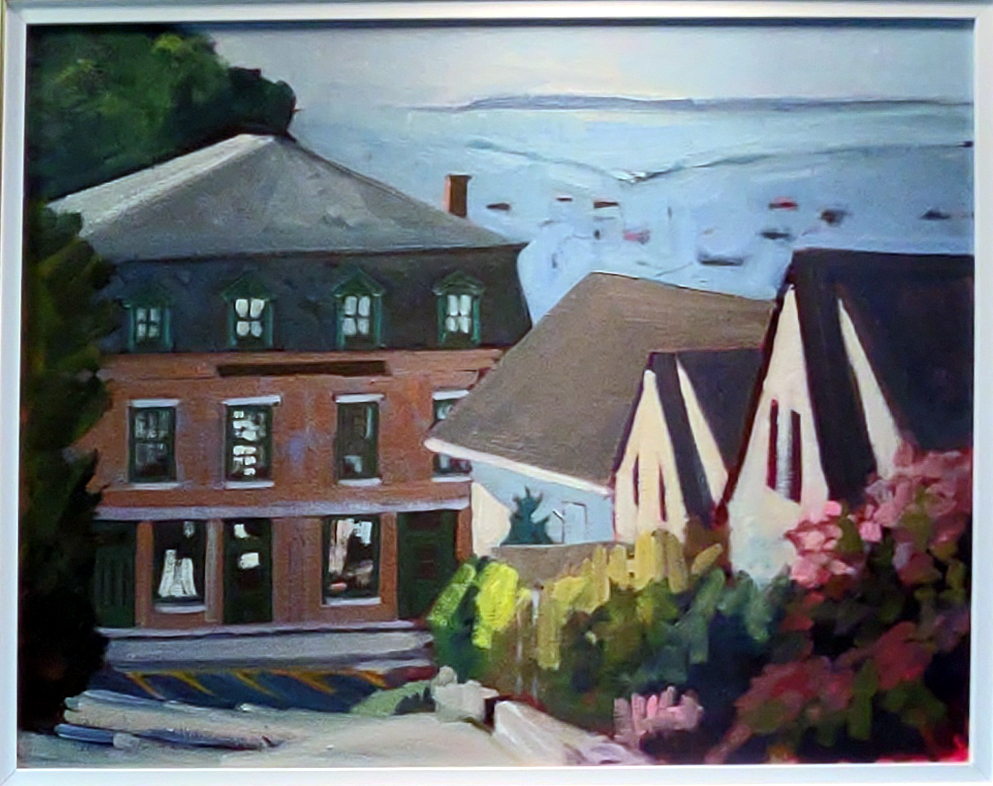
Main Street, Owl’s Head, oil on archival canvasboard, $1623 includes shipping and handling in continental US.

What matters most when choosing a painting class

Clear skill goals
Before you sign up, ask yourself: what do I want to improve? Do you want stronger observational skills, better composition, more color confidence or more expressive brushwork? The most effective painting classes focus on specific, teachable skills and provide a roadmap so you leave with measurable progress, not just inspiration.

A teaching style you connect with
Some art instructors teach step-by-step demos. Others emphasize design principles and independent problem-solving. Look for classes where the style of instruction feels clear, encouraging, and tailored to your pace. And personality matters. Even a brilliant painter won’t help you grow if the teaching environment feels tense or dismissive.

Feedback and interaction
Interactive painting workshops accelerate learning far more than passive video lessons. Zoom classes and workshops that include real-time critiques and Q&A are especially valuable.

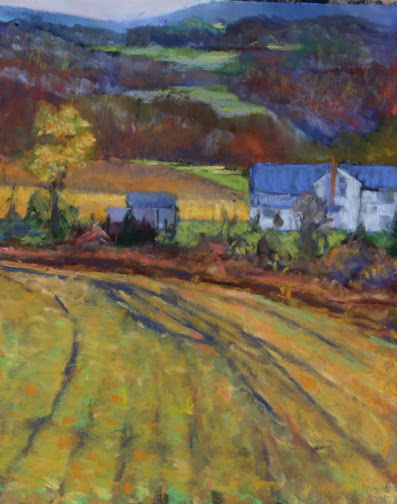
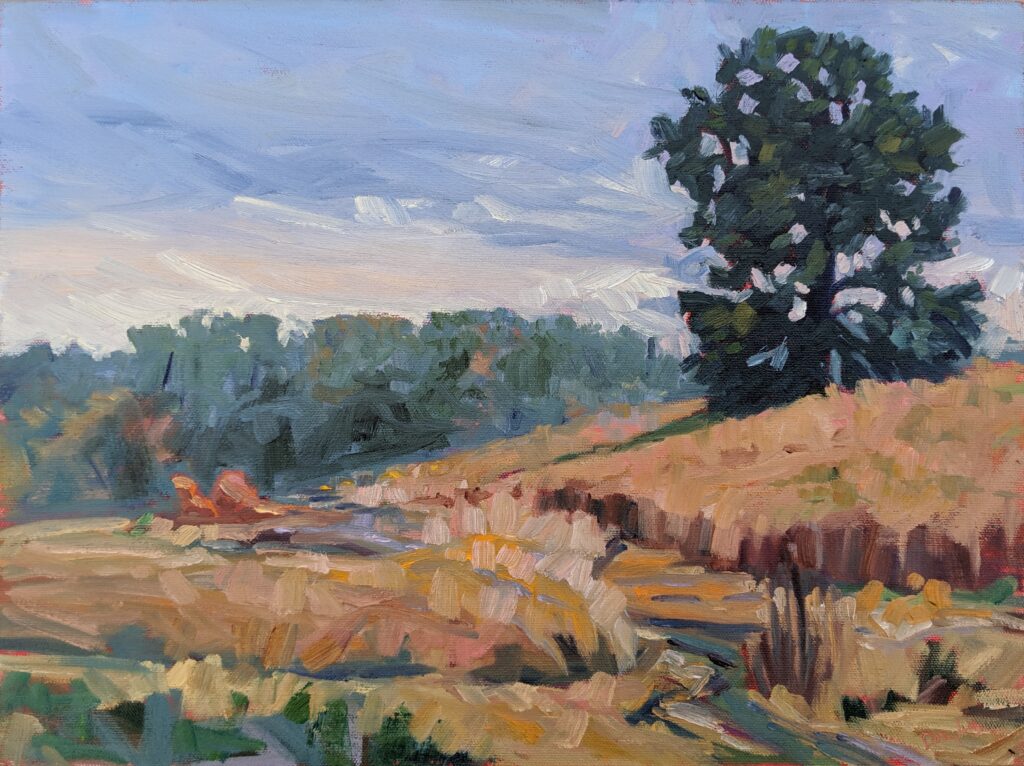
Autumn farm, oil on canvasboard, $1449 framed includes shipping and handling in continental US.

Of course, live instruction isn’t always feasible. That’s why I also offer Seven Protocols for Successful Oil Painters. It’s a structured foundation in oil painting principles designed to strengthen your independent studio practice. It’s not a replacement for live instruction, but it builds essential fundamentals.

Community and accountability
Learning alongside others builds motivation and accountability. Workshops and classes with peer interaction help you stay inspired and keep practicing long after the class ends.

Focus on fundamentals and expression
Good painting instruction balances foundation (how to see, how to plan, how to mix color) with artistic expression (style, gesture, brushwork). Technique alone doesn’t create strong art. A great class also teaches you how to see and how to interpret.

Checklist for choosing a painting class

  • Read the course description carefully. Does it clearly match your goals?
  • Make sure the instructor can articulate process, not just demonstrate it.
  • Check class size. Too large means no feedback. Too small leads to the hovering by the teacher.
  • Choose classes that include critique and interaction.
  • Commit to practicing between sessions. That’s where real artistic growth happens.
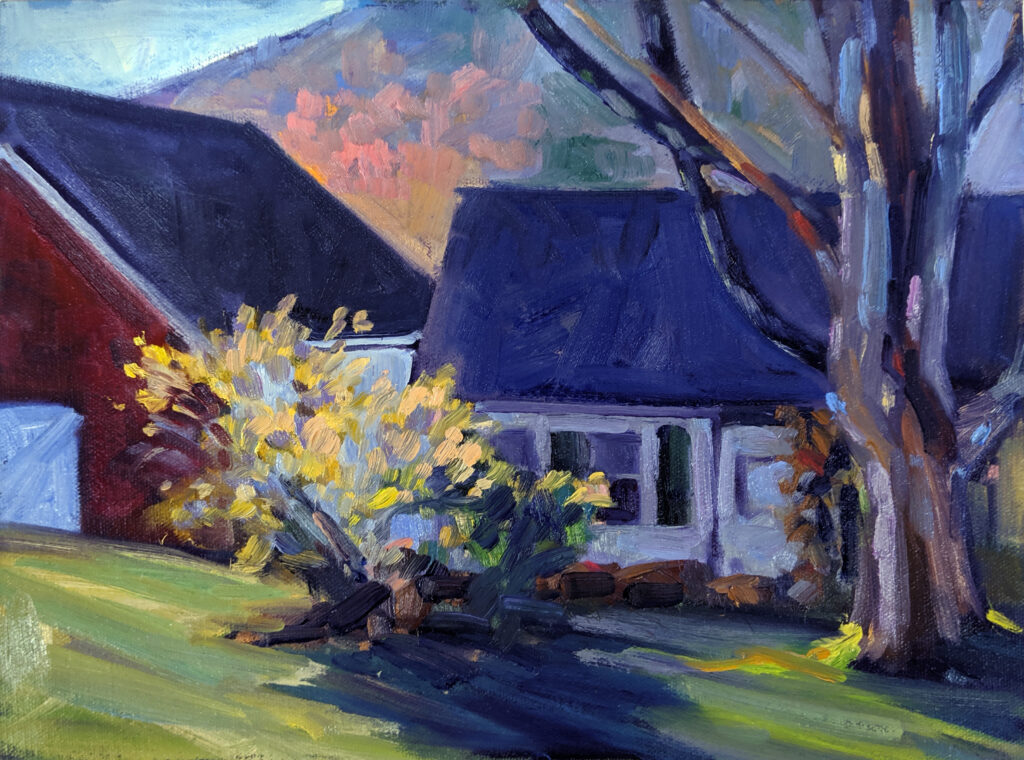
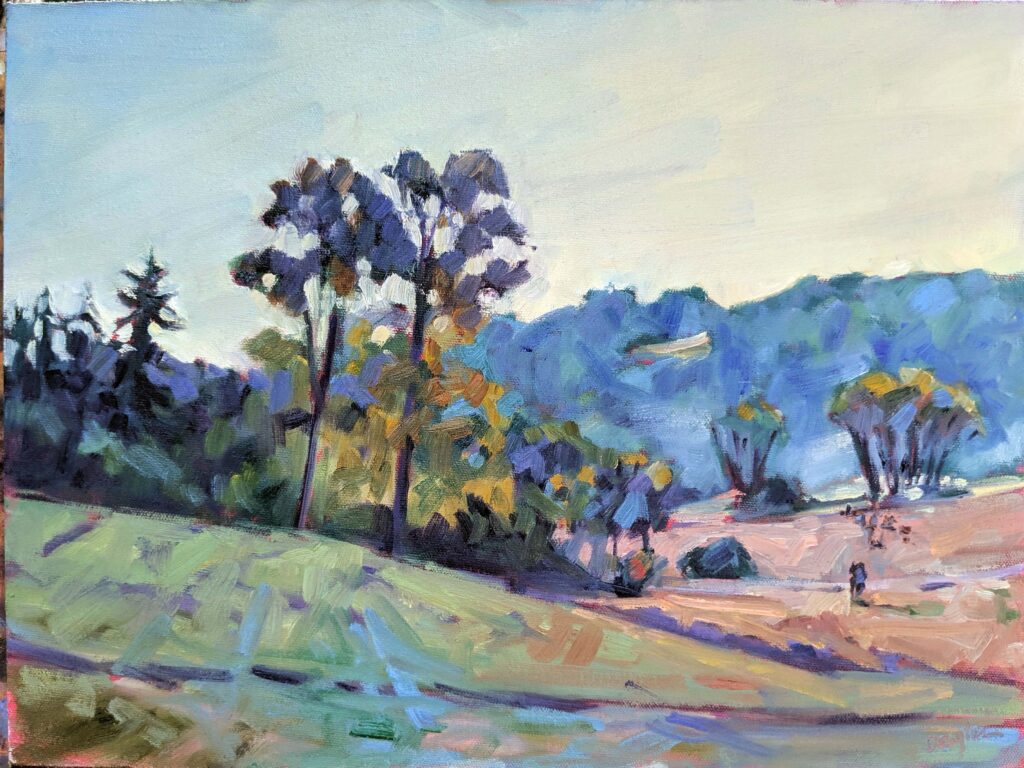
Autumn Farm, Evening Blues, oil on canvasboard, $1449 framed includes shipping and handling in continental US.

How to see like a painter

One of the biggest leaps any painter can make is learning to see like an artist sees — not just looking at reality, but interpreting it. That’s where my Zoom class How to see like a painter shines.

This class helps you:

  • Train your observational eye;
  • Break complex forms into rhythmic patterns of shapes and values;
  • Understand structure;
  • Look with intention, not assumptions;
  • Work from photos without being a slave to them.

Whether you’re a beginner painter or have decades of experience, improving how you see will transform how your work reads on canvas. The class meets on Monday evenings starting next week. Here’s more information, including a link to enroll.

Painterliness, looseness and bravura brushwork

One of the most common questions I’m asked is how to put confident, lively strokes down so your painting feels energized rather than stiff. That’s the focus of my Zoom class Painterliness, looseness and bravura brushwork.

In this class you’ll learn:

  • How to loosen up your hand and mind;
  • Techniques for dynamic, expressive brushwork;
  • Balancing control and freedom;
  • Creating dynamic surfaces.

This class is for painters of all levels. The class meets on Tuesday evenings starting next week. Here’s more information, including a link to enroll.

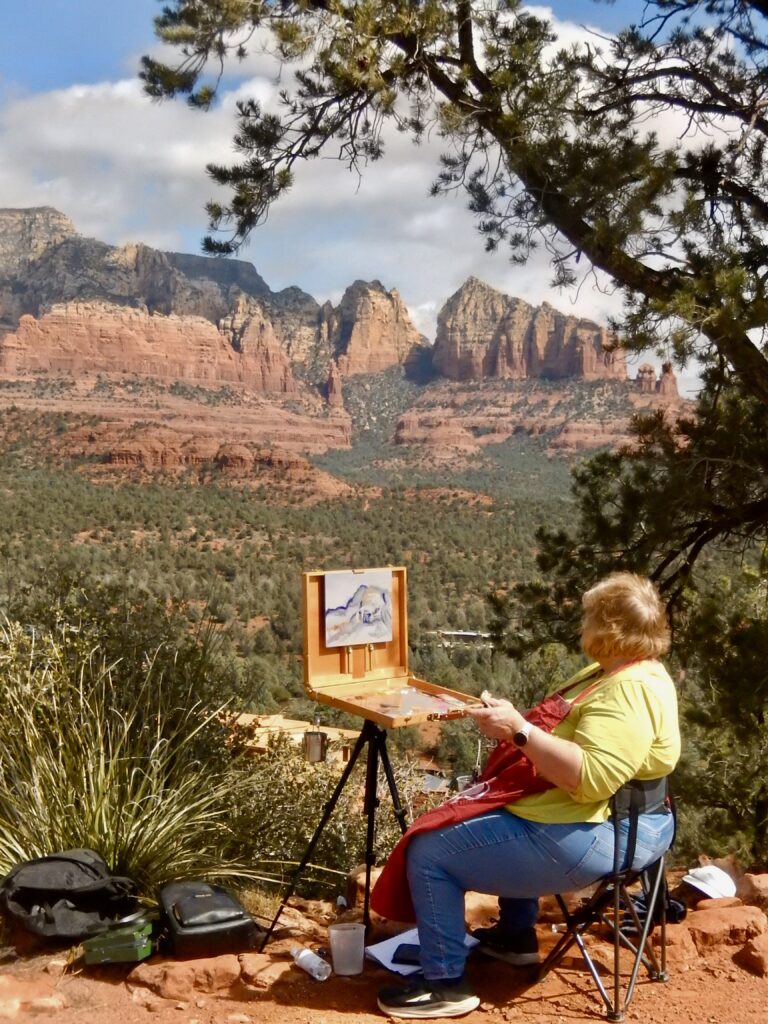
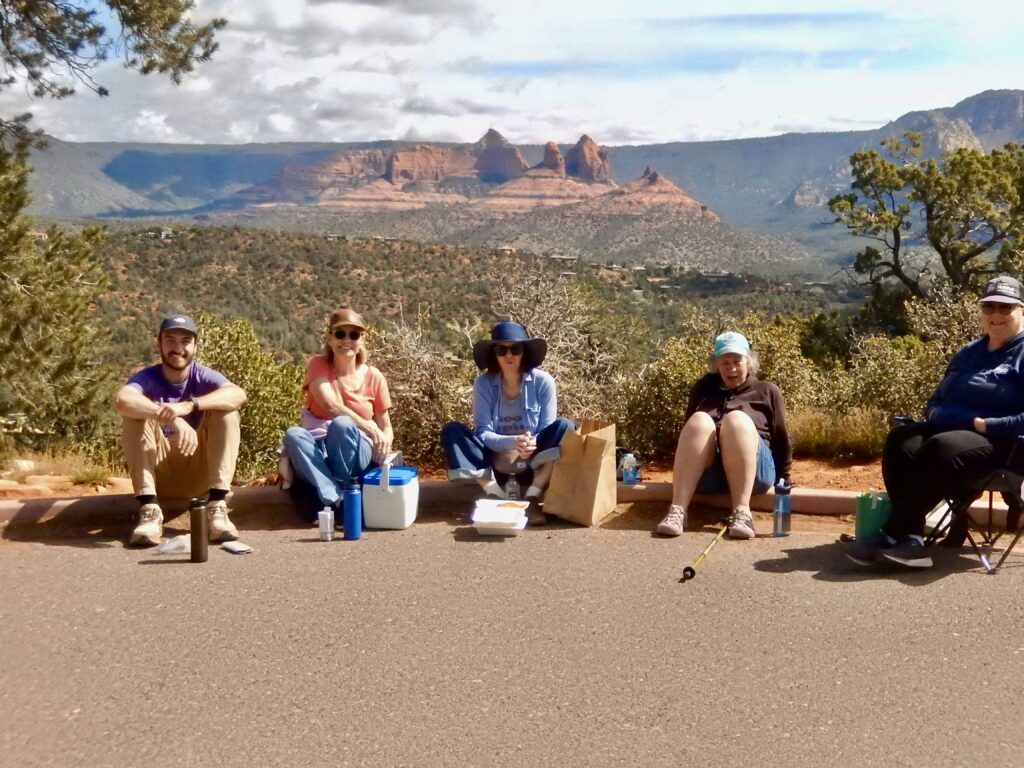
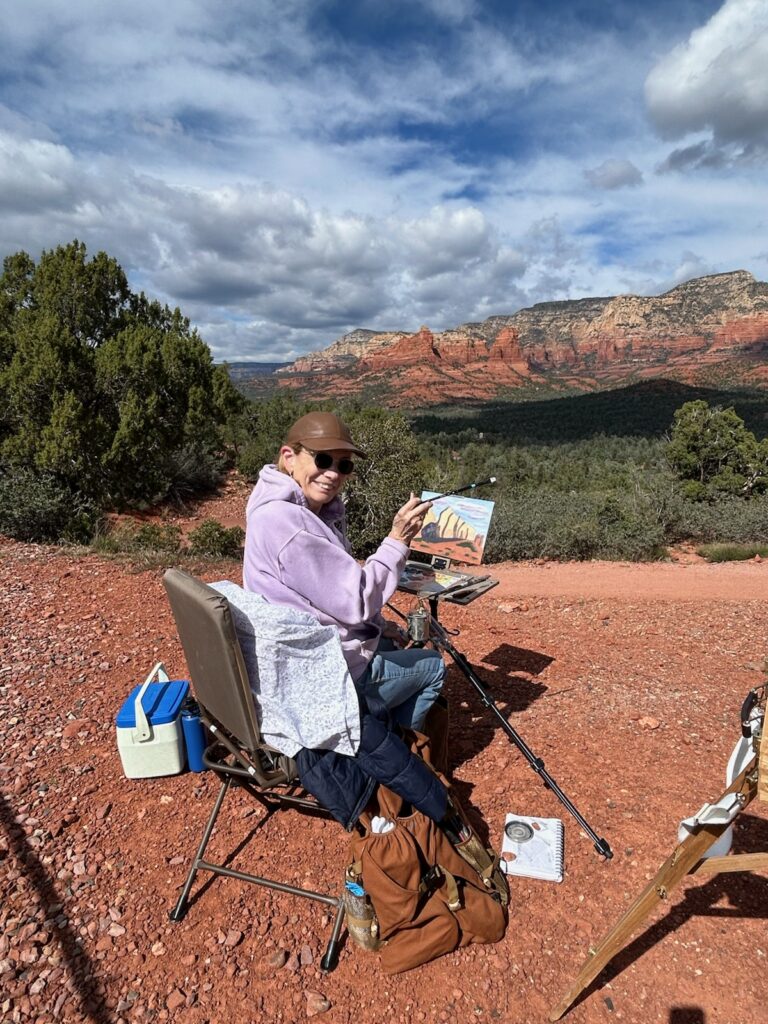
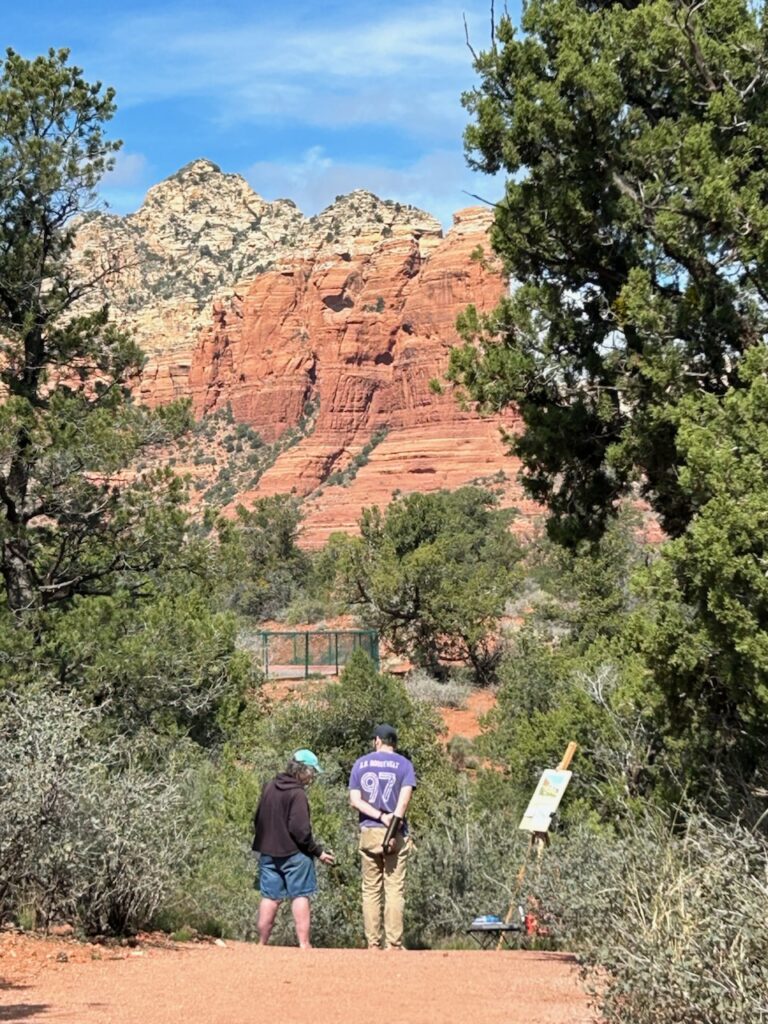
(Note: both classes have a bye-week March 9-10 while I’m in Sedona, AZ teaching Canyon Color for the Painter.)

Registration is now open for workshops in 2026! Reserve your spot:

Can’t commit to a full workshop? Work online at your own pace:
Seven Protocols for Successful Oil Painters

Monday Morning Art School: use a bigger brush

Mather Point at dawn, oil on canvasboard, 9X12. $696 includes shipping and handling in continental US.

Artists should choose a bigger brush far more often than they think, especially when they want stronger compositions, clearer value statements, and more confident paint handling. I have few small brushes at all—a single #2 round for oils and a dagger brush with a fine point for watercolors.

Bigger brushes force us to think in big shapes

A painting succeeds or fails on its large value masses, not on its detail. When we work with a larger brush, we naturally block in shapes rather than fuss. This keeps our attention where it belongs: on composition, value relationships, and the overall movement of the piece.

Grand Canyon at sunset, oil on canvasboard, 9X12. $696 includes shipping and handling in continental United States.

Bigger brushes prevent overworking

Small brushes are perfect for poking, fussing, and destroying the freshness of a painting. Larger brushes won’t let us over-refine areas. They help avoid the muddy, overworked look that happens when we keep adjusting the same small spot again and again.

Bigger brushes teach us to paint with a light hand

I can paint a better fine line with a #4 flat on its side than I can with a rigger. A bigger brush is more stable and holds more paint, meaning less jiggling and fewer stops to reload. There’s a world of tonality that comes from learning to control the pressure in a brush. Bigger brushes can go from bold to delicate, something small brushes just can’t do.

Grand Canyon, late morning, 8X16, oil on archival linenboard. $722 includes shipping and handling in continental United States.

Bigger tools make bolder decisions

When we’re holding a brush the size of a small spatula, we’re forced to paint with intention. We choose our strokes more carefully. We commit. When students tell me they want to learn ‘looser brushwork,’ I start by picking out bigger brushes for them. They encourage broad, authoritative marks, which bring energy and confidence to our work.

Bigger brushes improve surface quality

More paint means juicier, cleaner and more expressive strokes. Instead of scrubbing thinly with a tiny brush, we can place full-bodied, deliberate marks that convey texture, light, and form with immediacy.

Bigger brushes speed up our process

Of course a bigger brush covers more area, faster. But beyond the square-inch question, covering the canvas quickly means we see the painting as a whole early on. This is essential for alla prima work. We get to the heart of the piece before the light changes. I’ve included four paintings here that were done in rapidly-changing light. None of them would have been feasible had I messed around with a tiny brush.

Cowpath, 9X12, oil on Baltic birch, $696 includes shipping and handling in continental United States.

Bigger brushes help us learn faster

Students often think their problems come from a lack of detail control, when in reality they’re struggling with proportion, value, or composition. A big brush forces us to address these essentials head-on. When the big shapes are right, the details practically paint themselves.

Are you a noodler?

I’ve watched countless students hesitate at the exact moment when their painting needs a courageous reframing. Painting with confidence sometimes means accepting that our first idea may not be our best. We need to be willing to accept that and make corrections with authority.

“Big shapes to small shapes” isn’t just a catchy phrase; it’s foundational to painting. When the big shapes are right, you can suggest detail with a few breezy, economical marks.

This approach is actually harder than futzing around with detail. It’s the discipline of stepping back, really looking, and making corrective moves while the painting is still fresh and malleable.

If you’re ready to break the habit of overworking your paintings, I go into more detail about this in my workshops.  

Registration is now open for workshops in 2026! Reserve your spot:

Can’t commit to a full workshop? Work online at your own pace:
Seven Protocols for Successful Oil Painters

Looking at summer in my rear-view mirror

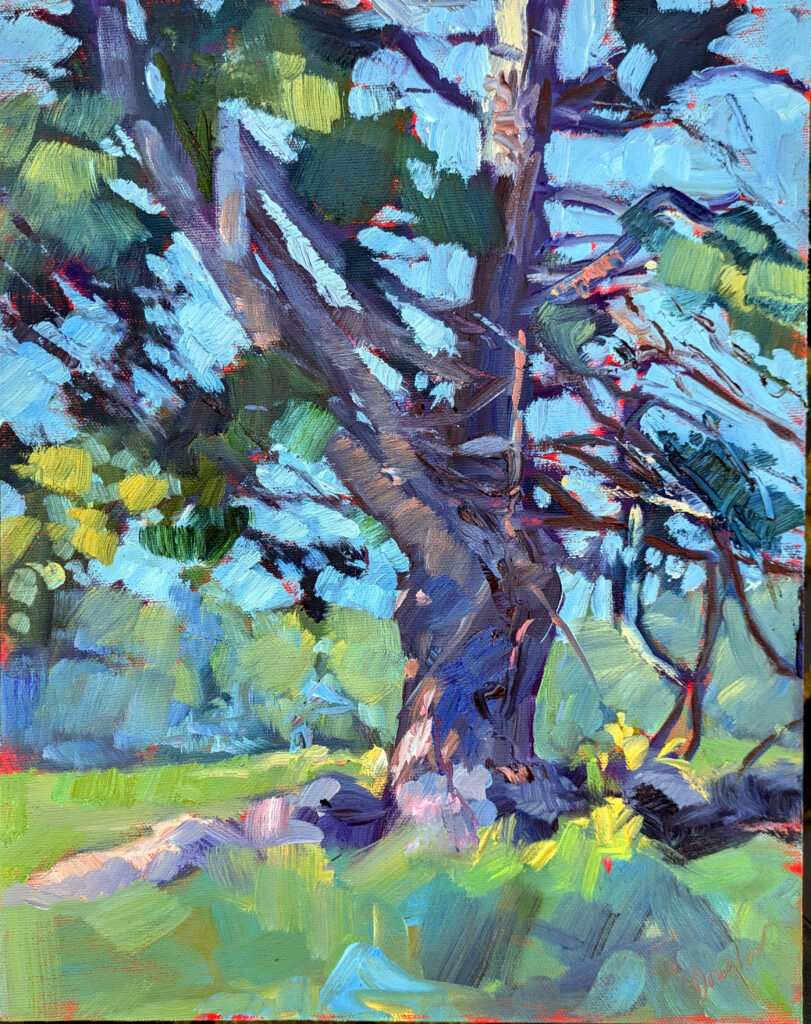
Mature white pine at the Olson House, Cushing, ME, one of three things I painted on Thursday. Being contrarian, I refused to paint either the iconic view or the iconic house.

In past years, painting with Ken DeWaard, Eric Jacobsen and Björn Runquist wouldn’t have been worth a mention. This year I didn’t manage it until last Thursday. My summer has been terribly overbooked, something I’ve been complaining about for decades. That’s a pity when one lives in the northeast, where summer and fall are the best seasons.

I recently suggested to my daughter that we make a pact to not work more than 45 hours a week on non-family things. “I can’t possibly!” she responded. She’s a third-generation over-scheduler; my mother was the same way. When I was 35, my mother tried to get me to stop it, with about the same success. At 65 I begin to see what she was talking about. You don’t do anything well if you’re trying to do everything.

Having unsuccessfully laid down the gauntlet to my daughter, I spent the Labor Day weekend wrestling with myself about where I’ll cut down.

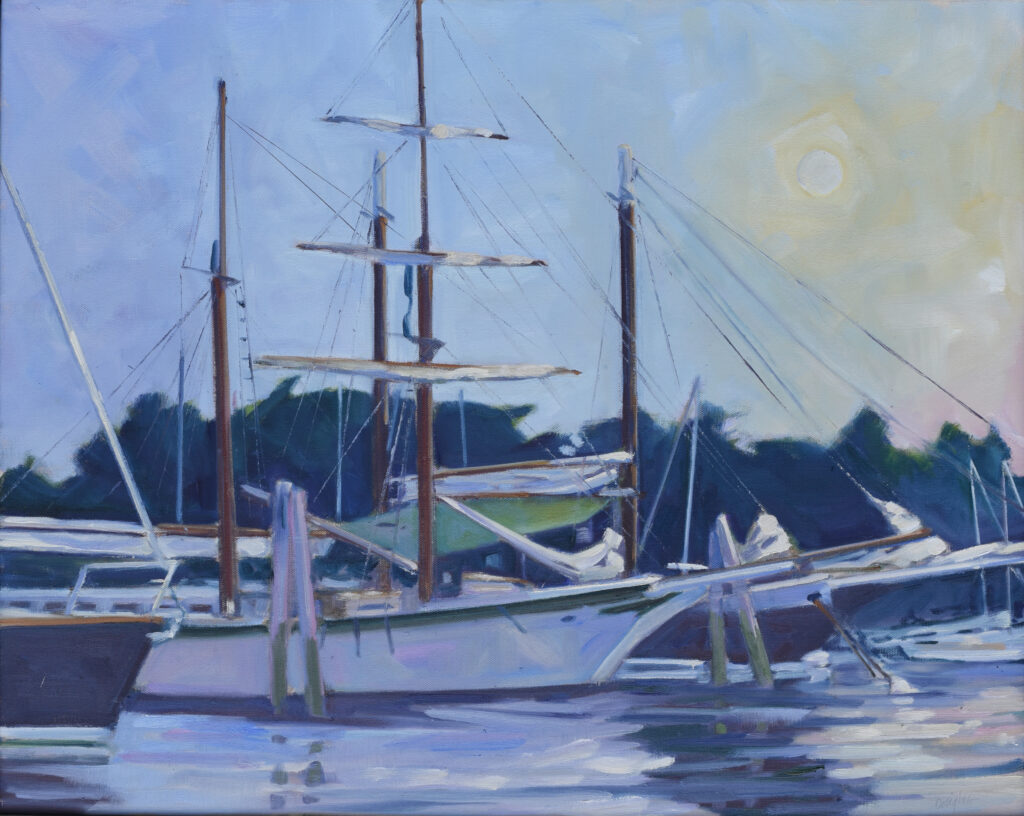
Brigantine Swift in Camden Harbor, 24X30, oil on canvas, framed, $3478 includes shipping and handling in continental US. Yes, this was painted en plein air, and if you want to see it in real life, it’s at Lone Pine Real Estate, 19 Elm Street, Camden, ME

What good is a teacher who doesn’t paint?

I sometimes feel as if I’m potting along in a Chevy Aveo while my friends pass me left and right in their Corvettes. I love teaching and I’m good at it. But that makes it too easy to sacrifice painting for teaching time. Painting should be constant revelation, change and discovery, and you can’t do that without a brush in your hand.

This, of course, is nobody’s fault but my own.

As I always tell my students, painting in the studio is good, but painting outdoors in natural light is the best possible training for an artist. In Maine, summer and fall are the best seasons, but, dang, they’re short!

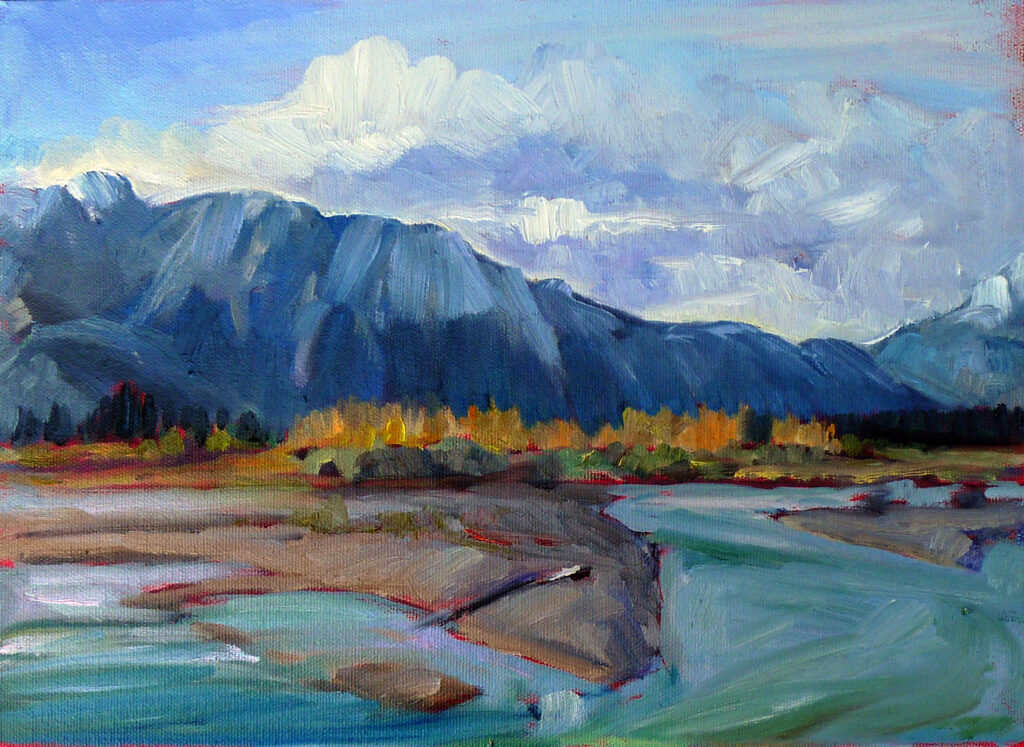
Athabasca River Confluence, 9X12, $696 includes shipping and handling in continental US. I might crank about travel right now, but this is a place I’d go back to in a nanosecond.

I’m limiting my 2025 workshops.

I’m only going to teach four workshops in 2025, and none of them will involve flying.

Advanced Plein Air Painting (Rockport, ME), July 7-11, 2025

This is an opportunity for more advanced painters to work on the complex concepts in painting, like directing the viewer’s eye, narrative flow, serious drawing, etc. If you’ve already studied with me, email me to ask if you should take this workshop. If not, send me some sample work as per the course description.

That’s the only workshop that’s only for advanced painters. The rest are open to students of all levels (and I like a mixture of experience; it makes it livelier for everyone).

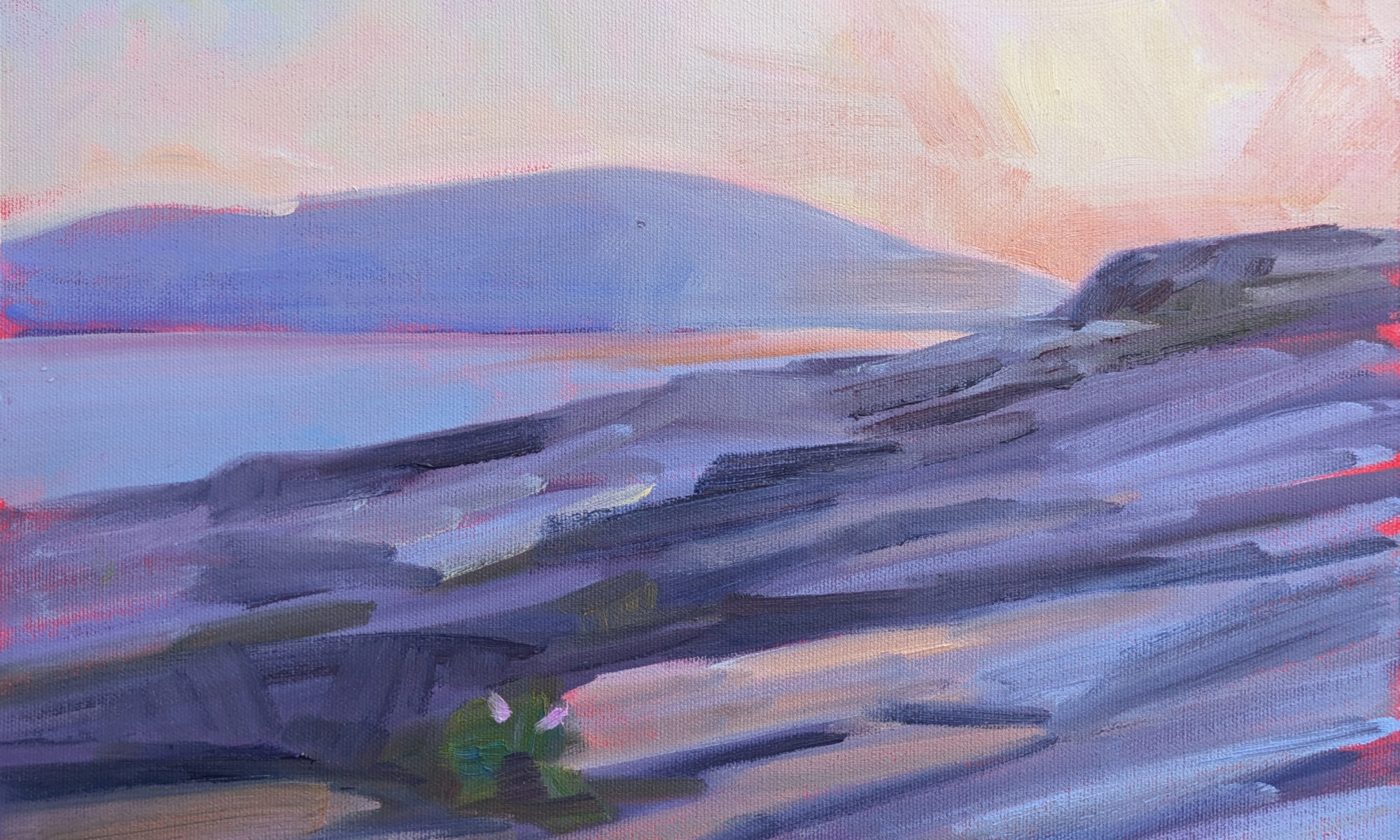
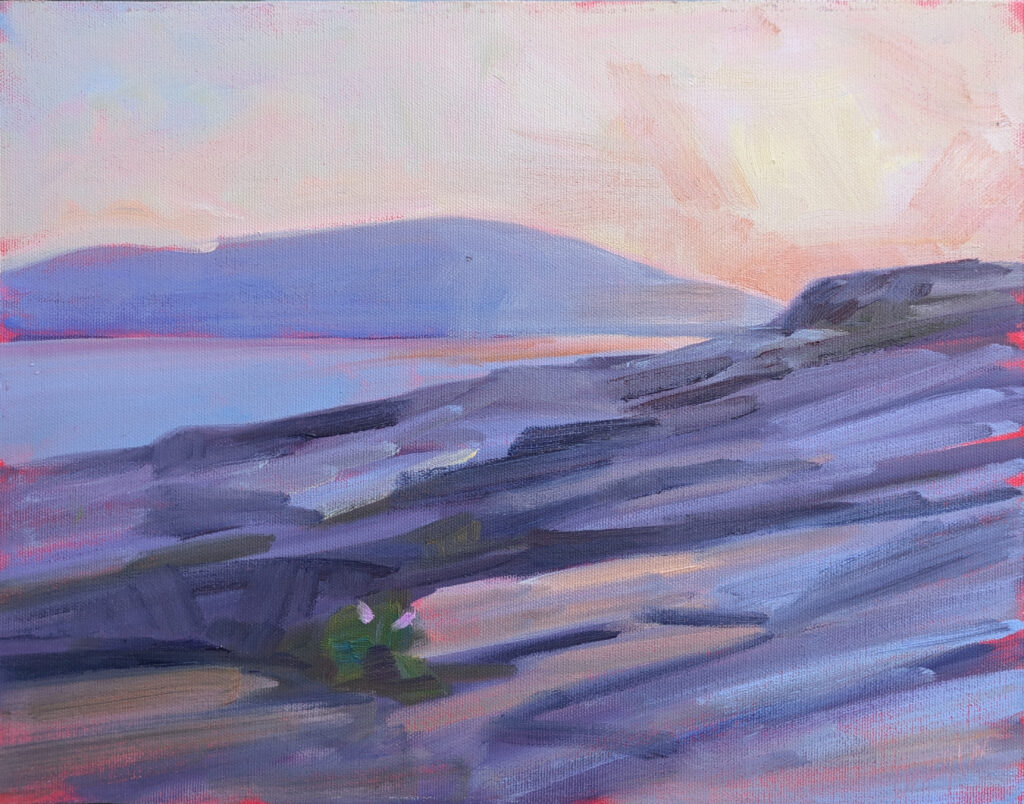
Sunset over Cadillac Mountain, oil on archival canvasboard, $869 includes shipping and handling. There’s a reason this is my longest-running workshop.

Sea and Sky at Acadia National Park, August 3-8, 2025

This is an opportunity to spend time at America’s first national park. I’d encourage you to live in if possible; it becomes a bonding and immersive experience. However, I always have commuters and they seem to benefit as well. I’ve been teaching this workshop longer than any other, because it’s a personal favorite.

Find Your Authentic Voice in Plein Air, Berkshires, August 11-15, 2025

This is centered in historic Lenox, MA. I chose this location because it’s in easy driving distance of NYC (3 hours) and Boston (2.5 hours). The Berkshires are relaxed, agricultural, historic and scenic. Plus, you can get good cider doughnuts. It’s the only workshop I teach where I also have been known to go shopping.

Immersive In-Person Fall Workshop, Rockport ME, October 6-10, 2025.

This is the height of fall color, for which of course New England is famous. Add the tang of the ocean and the peculiar reds of blueberry barrens and it’s downright otherworldly. I throw in a few curveballs, like a model in the landscape and a visit to the Farnsworth Art Museum in Rockland.

(By the way, if you want to do this in 2024, I still have a few openings.)

What does that mean for you?

It means that only 59 people will have the opportunity to study with me in person in 2025. (I’ll still be teaching on Zoom, of course.) I’ll be promoting these workshops all fall, but if you know you want to take one, you might as well register and make your deposit now.

Registration is now open for workshops in 2026! Reserve your spot:

Can’t commit to a full workshop? Work online at your own pace:
Seven Protocols for Successful Oil Painters

Scouting locations

Inlet, 8X10, $652 framed, includes shipping within continental US

On Sunday I hosted a paint-out for my old friends in Greater Rochester Plein Air Painters. That should have been simple, since I taught plein air painting there for many years. I’ve been gone nearly a decade now, and things change.

Despite my knowledge, I found long-distance location scouting surprisingly difficult. Views and ownership change, as does our taste in subjects. I decided to play it safe with a boat dock along the Erie Canal. It had the advantage of being next to an Abbott’s Frozen Custard, but to be perfectly honest, it was boring.

That niggling detail is why your local plein air group insists you take turns hosting paint-outs. And it’s why plein air workshops are not as simple as workshops taught in buildings.

Quebec Brook, oil on canvasboard, 12X16, $1449 framed, includes shipping in continental US. This location was scouted by that consummate outdoorswoman, Sandra Hildreth.

When you’re responsible for choosing the locations

There’s no remote-location scouting when planning a workshop. The teacher or the monitor must visit sites, secure permission, and create a schedule.

I first conceived my Berkshires workshop in the dead of winter. That’s the worst time to scout locations in New England. Covered in snow, with the trees bare, the landscape looks nothing like it will in the ‘wall of green’ of summer. That’s assuming you can even get down some of these tracks without a dogsled.

I wasn’t flying completely blind; I know western Massachusetts. But what is suitable for an individual to paint and what is appropriate for a group are two very different things. More people magnify the problems as well as the joys. If you’re planning a plein air workshop or paint out, you need:

  • A mix of locations ranging from long views to water to architecture.
  • Ample parking.
  • Spots within a reasonable driving distance of a central location, in a manner that won’t take out the springs of cars. North Adams, as lovely as it is, is just too far from Lenox. October Mountain State Forest may be close, but even my SUV struggled on its rutted dirt tracks.
  • Park-and-paint that’s not too far from the road, but safely away from traffic.
  • A nearby outhouse is a plus.
  • A plan for a rainy day.
  • A place to buy coffee or lunch. If that’s not possible, students must be forewarned to bring food with them.
Mountain Fog, 12X9, $696 unframed, includes shipping in continental US. This is another location that was scouted by Sandra Hildreth.

When all these requirements have been met, one then crosses that stickiest of all wickets-permissions. A dozen or so painters can clog up the works on a small property. Permission can be as simple as, “let me know what day you’re planning on coming” to the labyrinthine permitting requirements of the national park system, which I negotiate every year for my Schoodic workshop.

I got up very early on Tuesday morning and collected my assistant in Albany, NY. We visited Shaker historic sites and drove up into the clouds in the Pittsfield State Forest. We looked at rail-trail sites in the city of Pittsfield and snaked around rutted tracks in forest lands.

Vineyard,” 30X40, oil on canvas, $5072 framed, includes shipping in continental US.

There were a few disappointments. Beautiful and welcoming Mass Audubon’s Pleasant Valley will be hosting kids’ camps during the week we’re there, so it’s a no-go. On the other hand, they directed me to the lovely Canoe Meadows in Pittsfield. All’s well that ends well!

Registration is now open for workshops in 2026! Reserve your spot:

Can’t commit to a full workshop? Work online at your own pace:
Seven Protocols for Successful Oil Painters

Quality vs. marketing

Autumn leaves, 9×12, oil on linen, please contact me if you’re interested.

The steak

Yesterday I stopped at RGH Paint in Colonie, NY. I’ve been using their paint for years. It’s made locally. More importantly, it’s a fine product with a high pigment load.

It’s a relaxed process to work with them. There’s just Rolf Haarem, the founder, and his assistant, Roger. They have a tiny manufacturing shop tucked away on Railroad Avenue. There’s a roller mill, jars of supplies and finished paint, a workbench and little else. There’s no marketing department; the paint is sold on-line, and his customers learn of him by word-of-mouth.

We chatted briefly, I took my paints, and then I was off to my next stop.

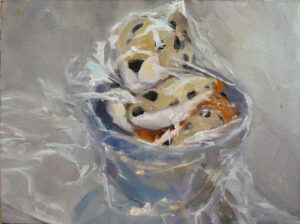
Stuffed animal in a bowl, with Saran Wrap. 6X8, oil on archival canvasboard, $435.

The sizzle

I passed a ‘paint and sip’ franchise. There are roughly 1000 of these outlets in the US and Canada, catering overwhelmingly to hen parties. They represent more than $115 million in annual sales.

Years ago, I wrote about my pal Chrissy Pahucki going rogue at one of these events. She’s a professional artist, but when one is invited to one’s friend’s party, it’s rude to sniff and say, “I’m sorry, that’s beneath me.”

Her experience reminded me of getting a Paint-by-Number kit for my ninth birthday. I already had a clear picture of myself as an artist and was deeply offended.

My seven-year-old granddaughter has a toy sewing machine. It hasn’t worked properly since she got it. This week I rethreaded it, cleaned the bobbin case, and we made a Barbie dress together. I’m an experienced seamstress but I couldn’t get a straight stitch out of the thing. The bobbin jammed under the slightest provocation. Without a knowledgeable adult to help, most kids will quit before they ever really get started.

I paid my annual pilgrimage to Marshalls’ after-Christmas clearance sale. There were several all-inclusive paint kits on the clearance shelves, so cheap that even a wise old bird like me was tempted. But they’re trash paints and garbage brushes.

The paint-and-sip shops, the paint-by-numbers kits, the toy sewing machine and the cheap paint sets are all driven by vast marketing budgets, but in terms of learning, they’re worthless. To learn to do something properly, even from the beginning, you need the right tools and materials and the right instruction.

Value studies in one of my plein air classes. That’s the real deal.

Last chance to get an early-bird discount

On that note, early-bird discounts for my 2023 weekend end on Saturday night.

I’ve realized that in any year I can teach a maximum of 300 students, and that’s working full-bore teaching both Zoom classes and workshops. It never actually adds up to 300, because my students tend to stick with me. That’s why most of you never heard of my January atmospherics class; it was filled instantly by repeat students.

I limit the size of my workshops because there’s no point in attending a big class; you might as well just watch a video. That means there are only 84 seats available in 2023-and many of them are already taken. These are the only in-person classes I plan to teach in 2023, and the discount ends Saturday night.

Age of Sail: Workshop on the water

USE COUPON CODE ISAW3SHIPS

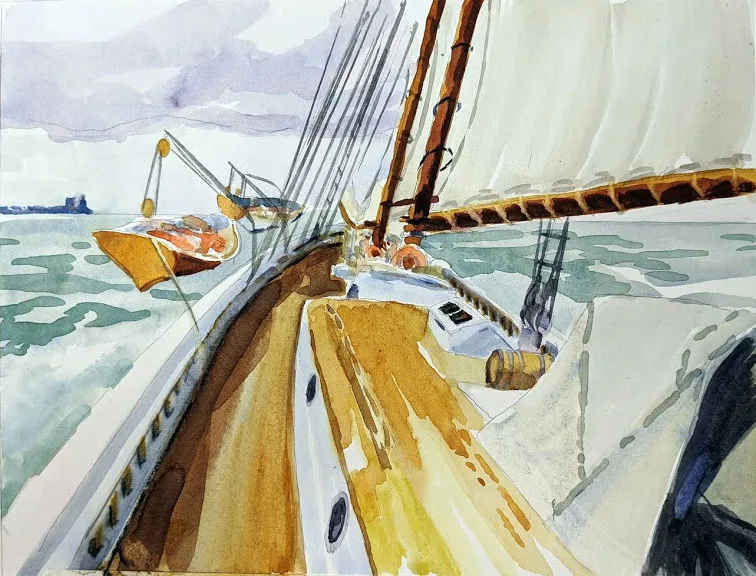
Learn to watercolor on the magical, mystical waters of Maine’s Penobscot Bay, aboard the historic schooner American Eagle. All materials, berth, meals and instruction included. Sessions run June 20-24, 2023 and September 16-20, 2023.

Note: typically, I ask you to secure your berth first by calling Shary at 207-594-8007. However, if you can’t reach her, just do this part of the registration and we’ll straighten it out next week.
Towards amazing color: Sedona, AZ

(This workshop doesn’t offer an early-bird discount, sorry.)

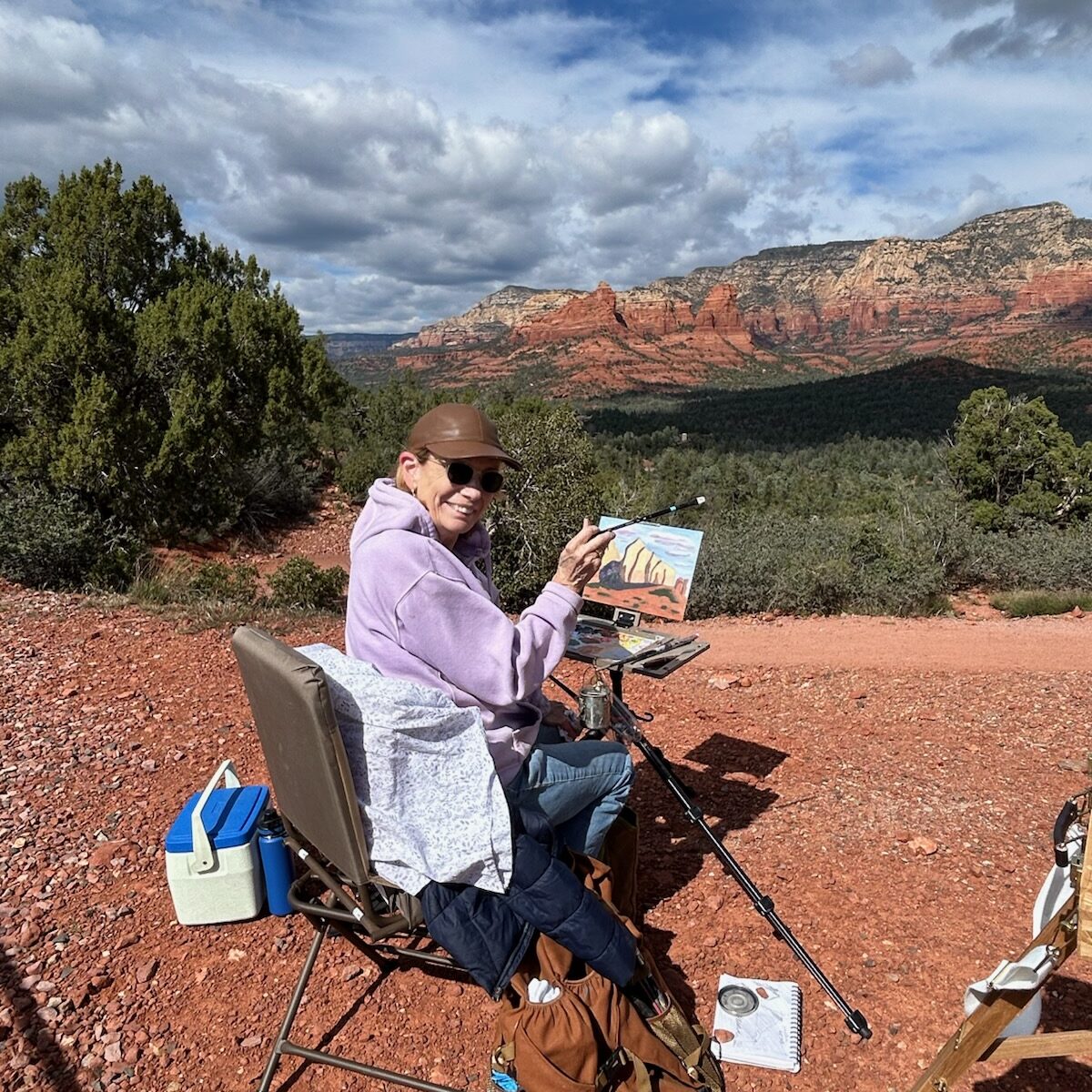
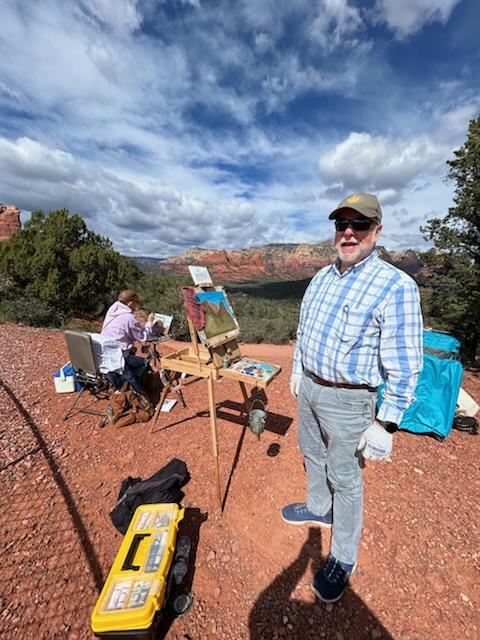
Learn to manage all aspects of color on location in the amazing and wonderful landscape of Sedona, AZ. Sponsored by Sedona Arts Center. March 20-24, 2023.

Find your authentic voice in plein air: Austin, TX

USE COUPON CODE YULE

Austin offers a wealth of possibilities to the plein air painter, ranging from historic architecture, beautiful parks, and the urban energy of this cosmopolitan, quirky capitol city. March 27-31, 2023.

Sea & Sky at Schoodic

USE COUPON CODE YULE

Far from the hustle and bustle of Bar Harbor, Schoodic Peninsula has dramatic rock formations, windblown pines, pounding surf and stunning mountain views that draw visitors from around the world. August 6-11, 2023. Register for all-inclusive accommodation or instruction only.

Find your authentic Voice in plein air: Berkshires

USE COUPON CODE YULE

Centered in the beautiful Berkshires in western Massachusetts. You will find your own voice and style without becoming anyone’s clone. August 14-18, 2023

For more information on all workshops, see here.

After I’m done careening around like a madwoman…

Watercolor of schooner American Eagle
Watercolor of schooner American Eagle, by Carol L. Douglas

My dog always knows when I’m getting ready to leave. He attaches himself to me, following me from place to place as I go through my workday. I don’t think I’m dropping non-verbal clues. I think he’s listening to my conversations and understands far more than we think dogs are capable of.

I’m heading down to Rockport, Massachusetts today for Cape Ann Plein Air. This is a premier plein air event; a number of people I haven’t seen since the start of the pandemic will be there.

When I get home, I have a week to get organized and then it’s off to Sedona Plein Air. There, I know only Ed Buonvecchio and juror John Caggiano. He’ll also be at Cape Ann as a painter this week. That’s not as weird as it sounds. There’s really nobody better to judge plein air painting than a fellow plein air artist.

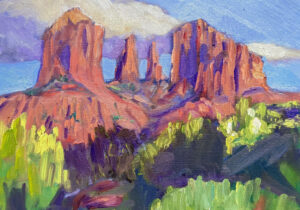
Red rocks of Sedona, oil on canvas, Carol L. Douglas, available.

Then it’s home in time to set up my schedule for 2023. I have four firm dates on my calendar so far:

  • Toward Amazing Color, Sedona, AZ-March 20-24, 2023. Sedona is a stunningly beautiful place that’s steeped in art history. What better place to learn about color than among the towering red sandstone bluffs, the muted greens of the chaparral, and that big, blue sky? An added plus for northerners-Sedona is warm in March!
  • Watercolor workshop aboard schooner American Eagle-June 20-24, 2023. This is the summer solstice, which gives us the longest possible period in which to paint. All professional-quality materials are included, and we welcome painters at all levels. In addition to wonderful sailing on an historic vessel, there are beautiful village walks and calm rows around quiet harbors.
  • Sea & Sky at Schoodic-August 6-11, 2023. This is in Acadia National Park, one of the nation’s true beauty spots. Since accommodations are available at the Institute, it saves you the trouble of looking for a hotel in an area that’s truly back of beyond.
  • Watercolor workshop aboard schooner American Eagle-September 16-20, 2023. Again, all materials are included, and we welcome painters at all levels. This is my favorite time to sail, as the water’s warm and the skies are magnificent. Changing foliage glows against the dark evergreen trees and the deep blues of the bay.
Magnificent Schoodic Point

These workshops aren’t up on my website yet, although you can register for Sedona directly. I’ve been a one-woman shop and I’m very busy in the summer. This fall, however, I’m doing things a little differently. My daughter Laura Boucher has been helping me with IT, video, and other online material. Of course, she can only publish what I give her, and I’m just learning about this stuff.

If you’ve eyeballed these workshops in prior years, now’s the time to pencil in the dates and email me to make sure you get the updated information as soon as it’s published. My workshops regularly sell out.

My gallery has closed for the season. Paintings don’t benefit from the wide temperature swings we see in October, so they’re bundled up cozily in their storage unit.

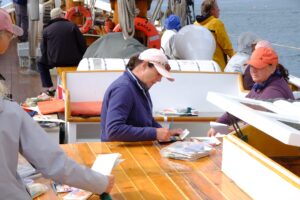
Painting aboard American Eagle

Our timing was perfect-on Sunday we took down the tent and on Monday four cords of firewood were dropped in the adjacent lawn. Somehow, I need to make the time to stack it.

This autumn would have been even more chaotic had surgery not forced me to slow down earlier this month. My favorite meme recently is “Adulthood is saying ‘But after this week things will slow down,’ over and over until you die.” At times, it sure feels that way.