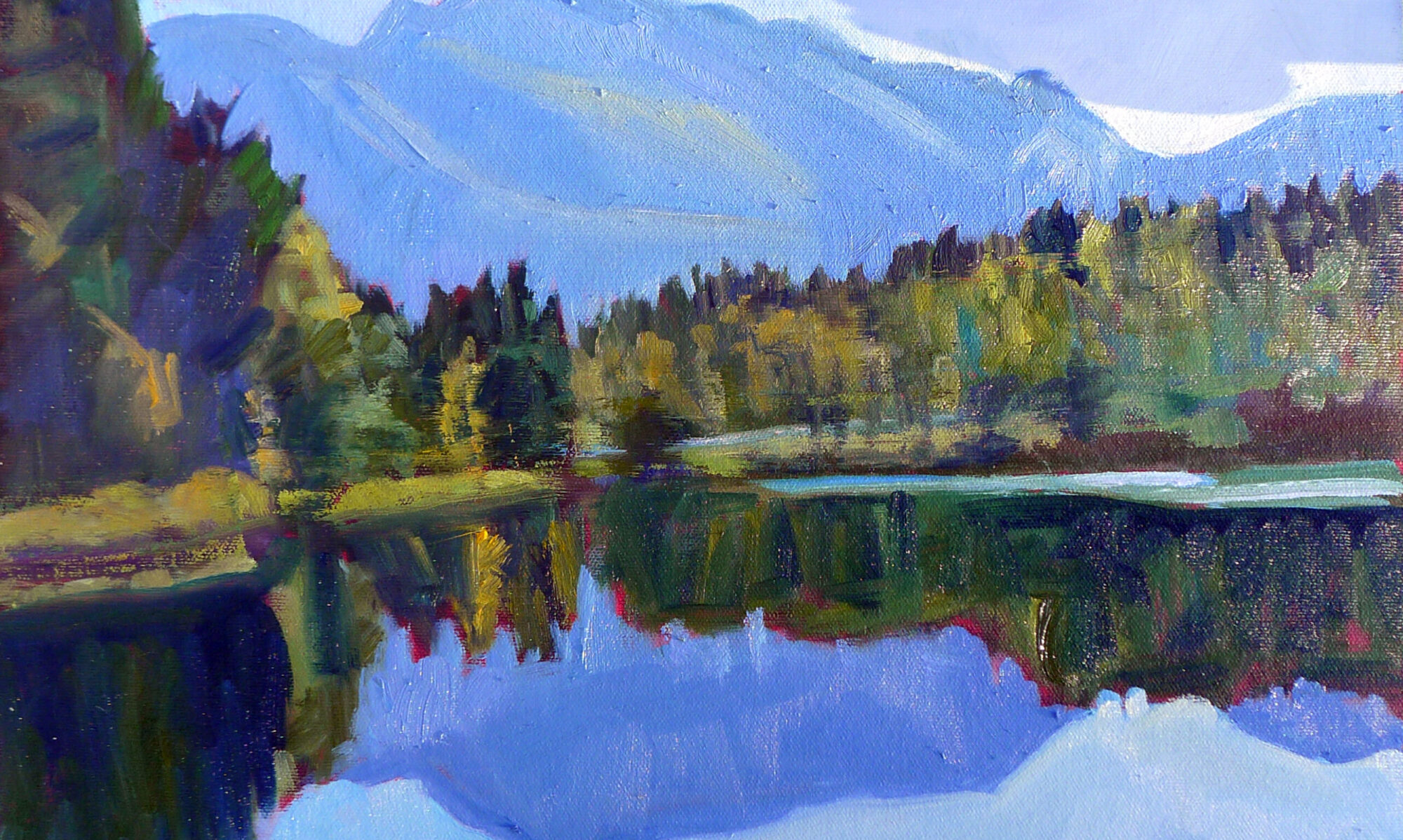
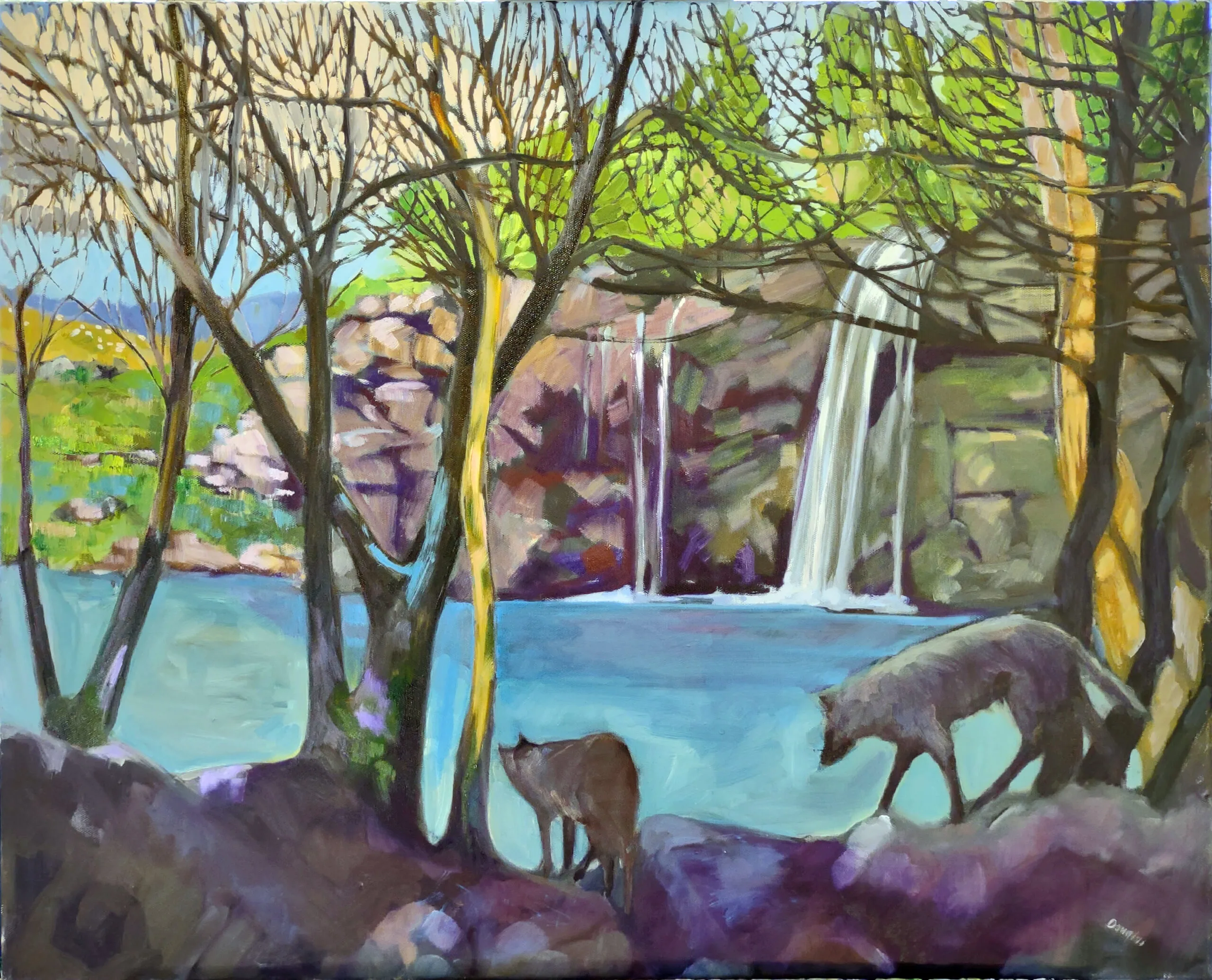
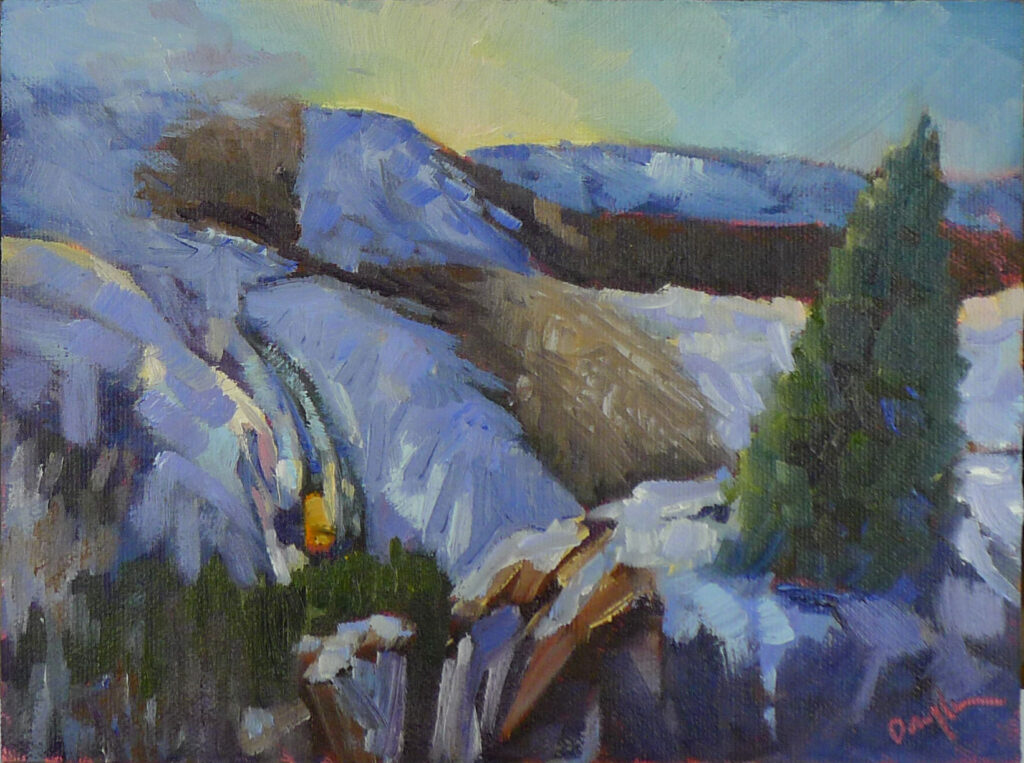
A friend sent me an AI-generated song that recently made it to the top of iTunes and is climbing the Christian Billboard charts. While a casual listen might make you think it’s a decent tune, it’s cliched in both musical and lyrical terms. Like the Shenandoah River, it’s a mile wide and an inch deep.
Before you get bummed about that, ask yourself what humans have that AI doesn’t. The answer is emotional resonance. That isn’t magic, but rests on craft. Painters often think emotion comes from subject matter alone, but the truth is that feelings live in the technical decisions we make long before the final varnish.
Value masses are the bones of emotional clarity. A high-contrast pattern creates energy and tension; a softer, compressed value range evokes calm or melancholy. Before you even load your brush, decide what feeling you want the viewer to sense, then design your value map to support it. This single step makes your painting feel intentional instead of accidental.
Next, consider color harmony. Emotional color isn’t about picking sad blues or angry reds. It’s about temperature shifts and relationships. Push your warm lights warmer; let your cool shadows carry the complementary hues that make the painting vibrate. A thoughtful color harmony prevents color chaos and builds unity. Viewers respond strongly to controlled harmonies because the painting feels calm, confident and purposeful.
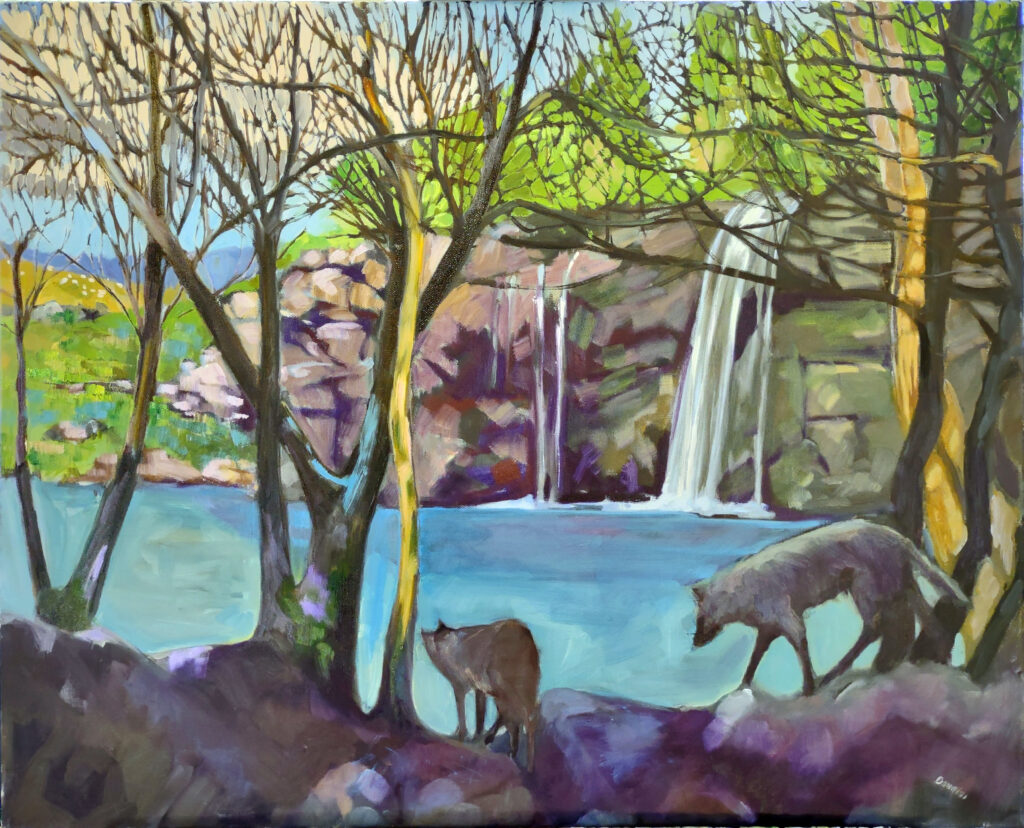
Now look at edges. Hard edges naturally attract the eye. Soft edges whisper atmosphere. Lost edges give the viewer’s mind room to fill in the details and tell the viewer that something is felt more than seen. Emotional resonance often lives in this liminal space, in the edges rather than the focal point. If everything is sharp, nothing is special, something AI doesn’t seem to understand. Use edge hierarchy to guide the eye and deepen the story.
Artists can leverage brushwork to match their own emotional engagement with the subject. Smooth, blended strokes create serenity; broken color and textured marks deliver energy. Let your brush describe not just what something looks like, but what it feels like. That means, don’t overblend; let your own instinctive handwriting stay visible. People respond emotionally to gestural painting because it reveals the person behind the paint.
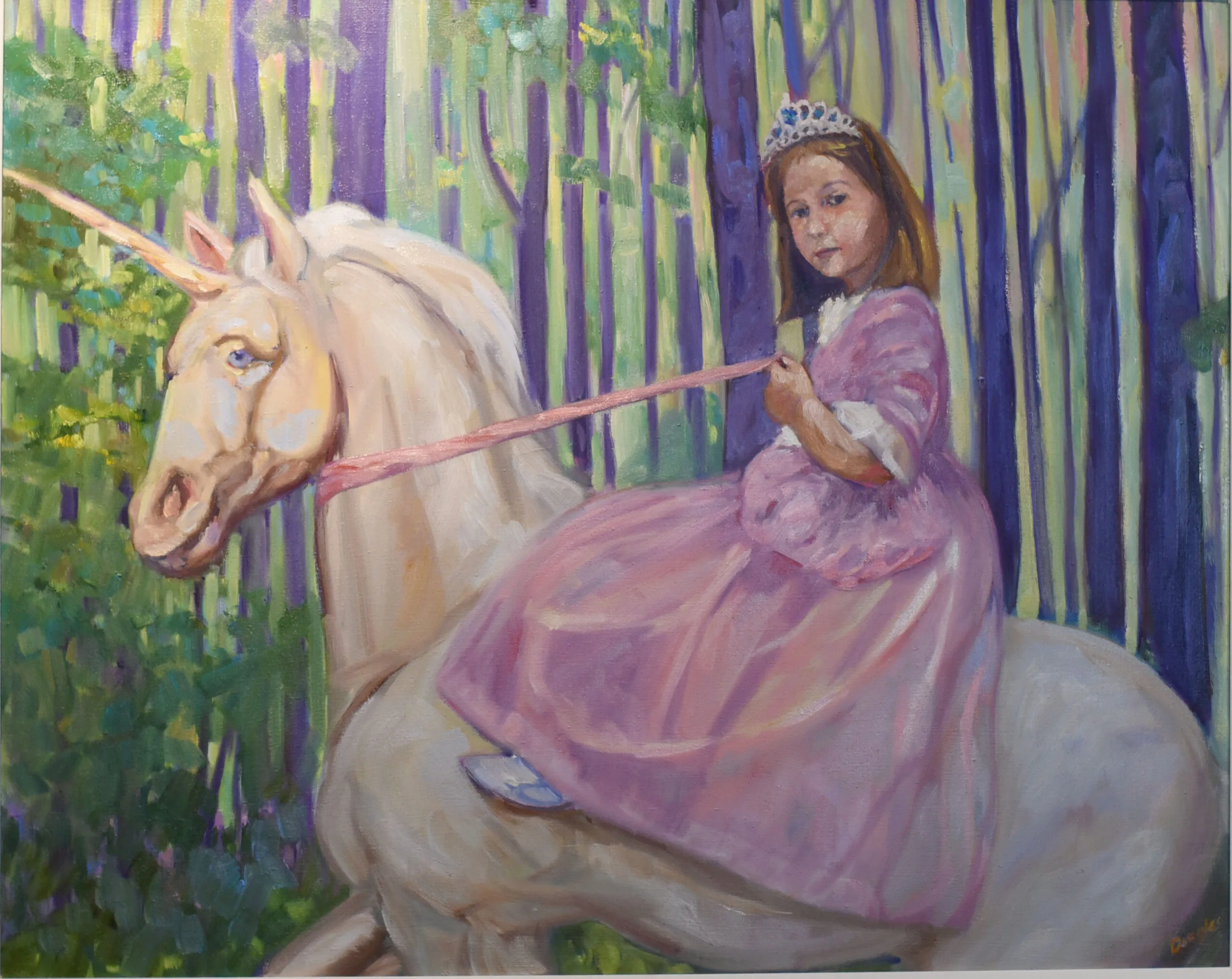
Finally, simplify your composition. Emotional impact disappears when a painting is cluttered. Use compositional flow, negative space, and focal point placement to create a visual path. Ask yourself: “What single idea am I communicating?” Remove anything that dilutes that intention. This clarity is what makes paintings linger in the mind.
If you like the idea of emotional resonance, you could do worse than buying one of my paintings. Or, if you’re a painter, sign up for a workshop or Zoom class to get better at this yourself. You’ll develop stronger, more expressive artwork—and there will be no confusion between your painting and AI-generated images.
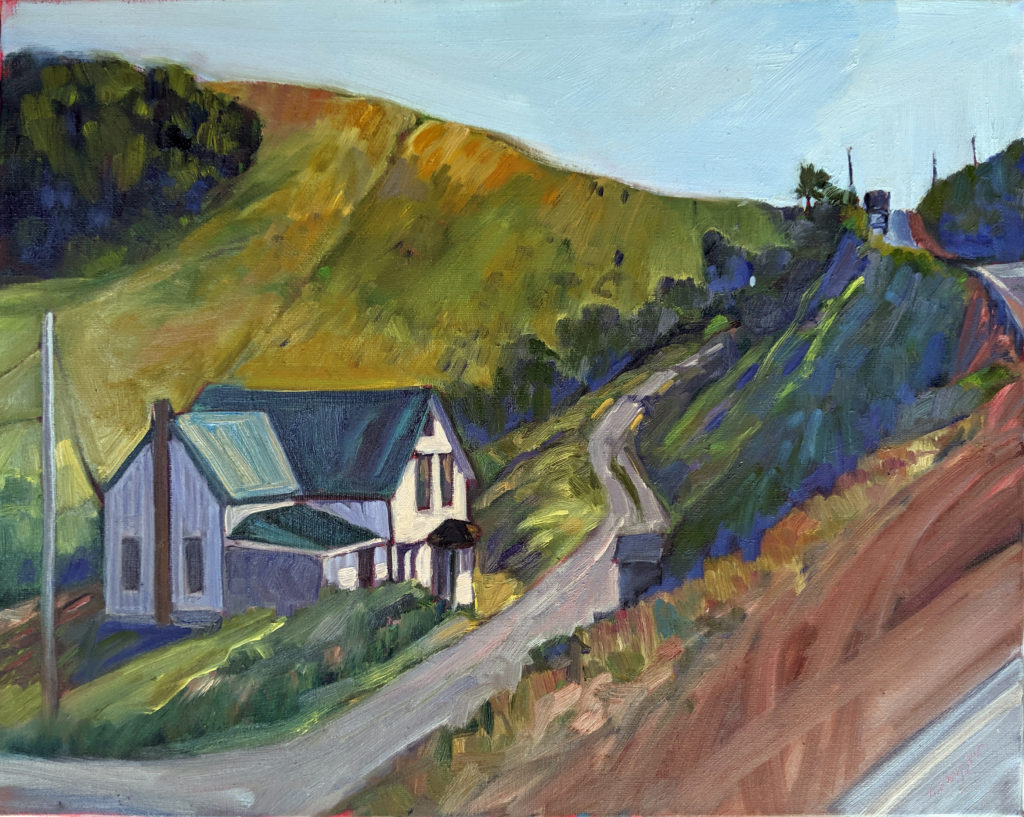
I have just two workshops left in 2026! Reserve your spot:
- New! Color Clinic 2026 | Rockport, ME, October 3-4, 2026
- New! Composition Week 2026 | Rockport, ME, October 5-9, 2026
- High-Desert Light & Monumental Form | Sedona, AZ, Apr 26, 2027 – Apr 30, 2027
Can’t commit to a full workshop? Work online at your own pace: