Last summer, one of my students arrived at my workshop with a problem I see frequently. She could draw beautifully from photos, but when she set up outdoors, she froze. “The landscape is overwhelming,” she said. “There’s too much going on. I don’t even know where to start.”
That’s the problem of infinite options, and at times it can be a stumbling block for even the most experienced painters, especially in a new environment. There is a sense that the whole world is pressing in, demanding to be painted. If you succumb to that and don’t break the scene down, you end up fussing endlessly over detail. Or, by trying to include everything, you end up with a painting about nothing in particular.
On the first day, I gave this student one simple assignment: big shapes first. We stood on the edge of a blueberry barren, facing a stand of spruces set against the immensity of the ocean and the sky. “Squint,” I told her. “What are the three biggest shapes you see?” She hesitated, then answered: “The sea, the sky and the trees.”
That became, in the end, both her composition and her focal points. Once she blocked these in on her sketch, she could move easily into a structured, sensible painting. She was no longer struggling to find a starting point in an immense landscape, and the mindless chatter of too much detail faded.
By the end of that day, she had a painting that was loose, fresh, and alive. More importantly, she had an epiphany. She realized she didn’t have to paint everything, only the essence of the scene. From that point onward, the workshop was a romp for her.
Every painter has hurdles like this—sometimes it’s drawing, sometimes color, sometimes just getting past his or her own nerves. The good news is: once you know the roadblock, you can break it down. That’s where good instruction and practice make all the difference.
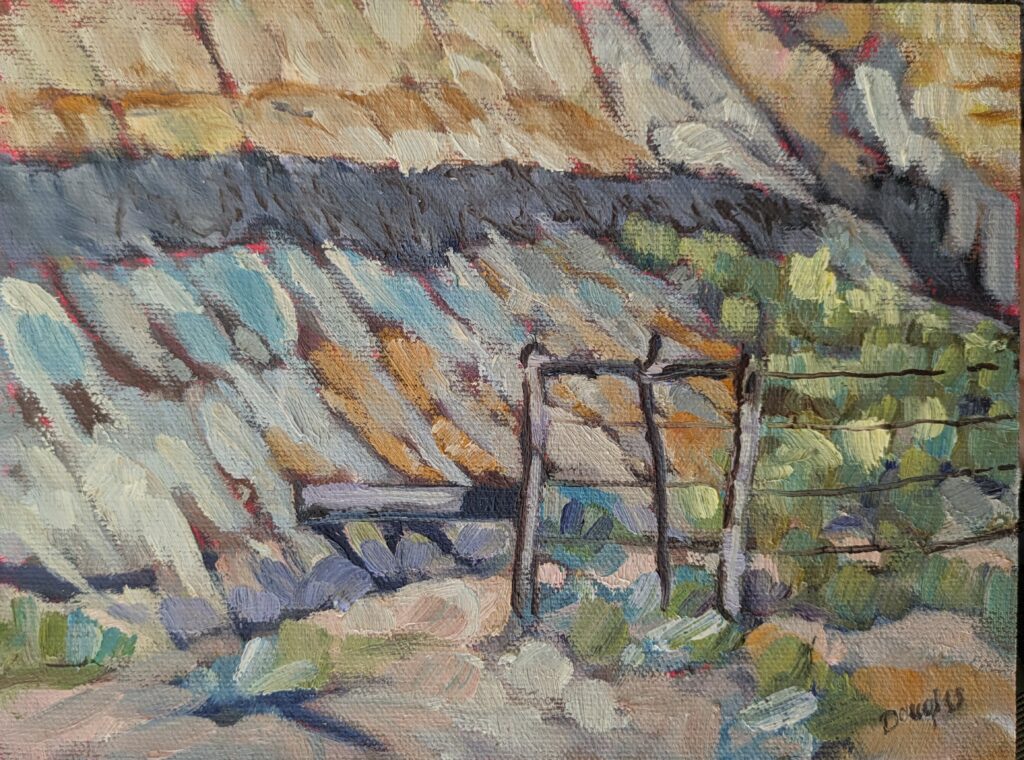
But don’t take my word for it
Here are some of the comments I received after last year’s October immersive plein air workshop:
“The week started as an exercise in frustration, for all the varied reasons that make watercolor challenging. But Carol, with a sprinkling of her magic dust, managed to turn it into a high by Friday afternoon.” (Rebecca)
“It was a week of growth for me! Thank you, Carol, for a wonderful learning experience.” (Lynda)
“What a magnificent experience this has been to meet everyone, be a part of a week of learning, living, creating, with like-minded artists and a teacher with significant range… I loved our week together and would do it again in a heartbeat. I learned so much from Carol, which was the icing.” (Jody)
“I had a wonderful week! I learned a lot and am left energized and motivated to put all my new-found methodology to work.” (Beth)
“Thank you for the abundant art wisdom, patience and willingness to give of yourself.” (Sandy)
“This is the first workshop I’ve attended without a 2–3-hour demo to start every day and it was WAY better! The personal attention addressing my painting–where I’m at and where I’m trying to go–was so much more helpful than watching someone paint then trying to relate it to my work. The demo at the end of the week solidified all that we had discussed all week. (Christine)
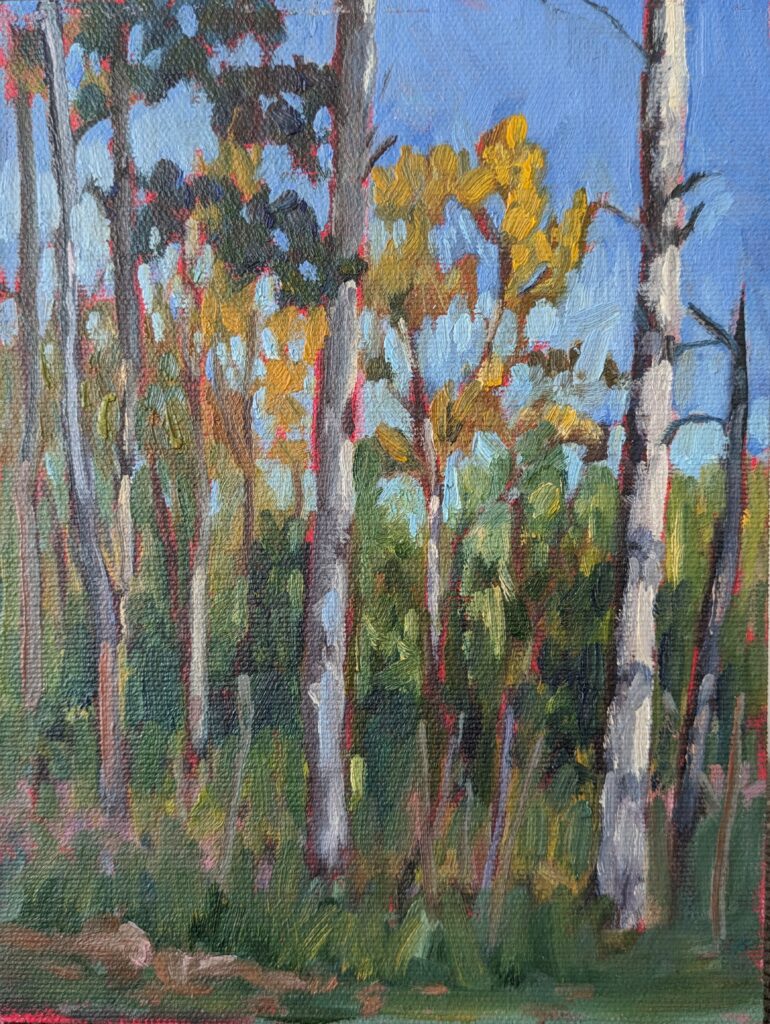
If you’ve ever felt overwhelmed when standing in front of a landscape, don’t put off tackling it. My October immersive plein air workshopis your chance to face it head-on. With its sweeping views and ever-changing light, Beech Hill is one of the best classrooms you’ll ever step into.
But space is limited, and October will be here before you know it. Don’t wait—secure your spot today, and give yourself the breakthrough you’ve been waiting for.