Monday Morning Art School: the three mantras of oil painting

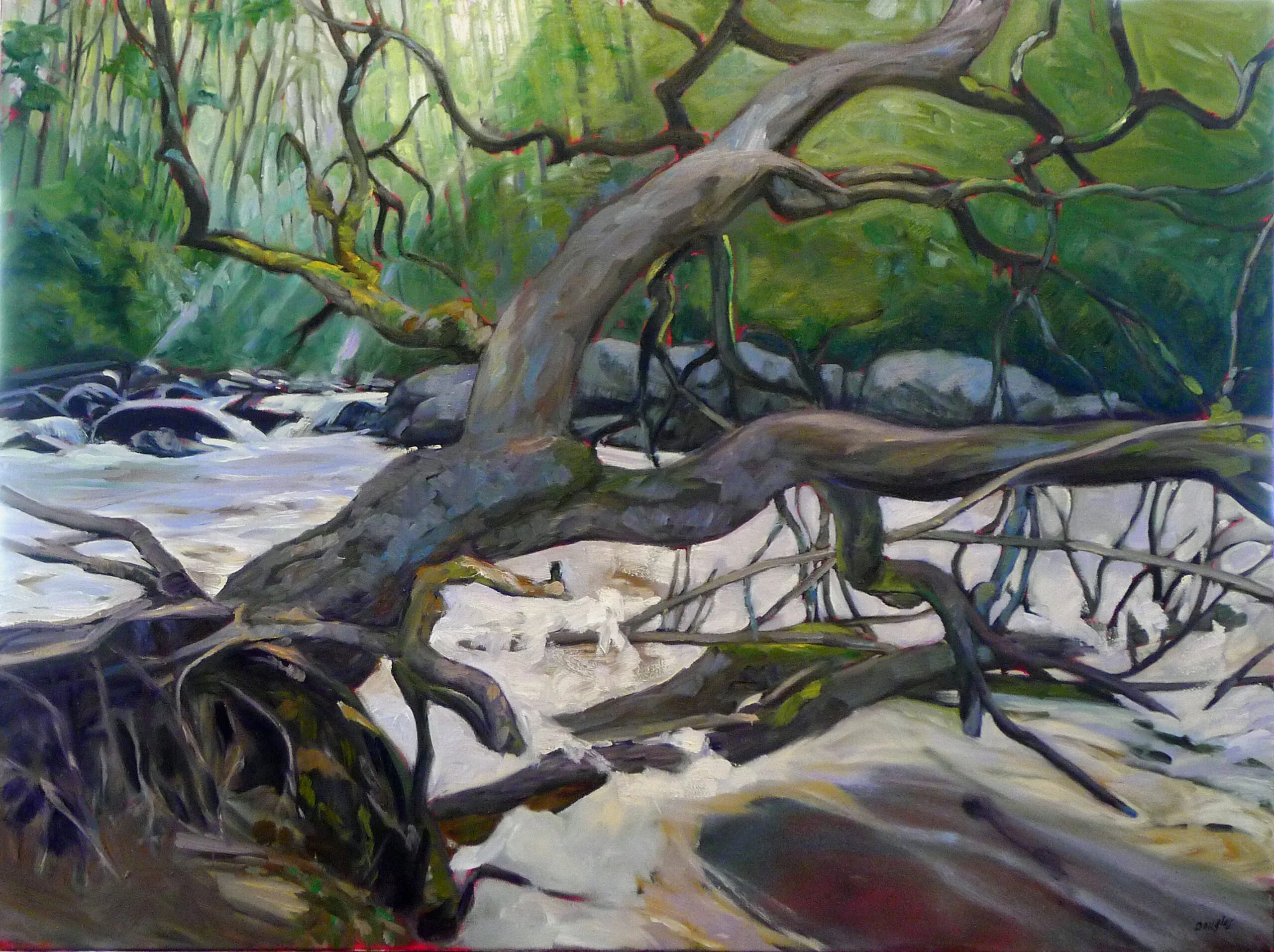
Deadwood, oil on linen, 30X40, click on image for more details.

I can blather on endlessly about what I call the three mantras of oil painting. They’re simple to understand, time-tested and should be habit for anyone who wants to avoid flailing around.

Fat over lean
Oil paint is bound by siccative oils (usually linseed but sometimes walnut or safflower). These oils harden through oxidation, which is a chemical process. Solvent (odorless mineral spirits) dries through evaporation.

Each successive layer should contain more oil than the one beneath it. The lean layers, thinned with solvent, dry quite quickly. Fatter layers (richer in oil) set up slowly and remain flexible.

If you have too much oil in the bottom layers, the top will trap the slower-setting paint underneath. That results in cracking and wrinkling. Conversely, if there’s solvent in the top layer, it will evaporate and leave tiny air pockets between the pigment particles. Colors which looked brilliant when you applied them sink into dusty shadows of their former selves. You shouldn’t have to varnish to correct this.

Learn to start thin and build richness gradually. Your block-in can be as thin as watercolor. Your final passages should be buttery and confident.
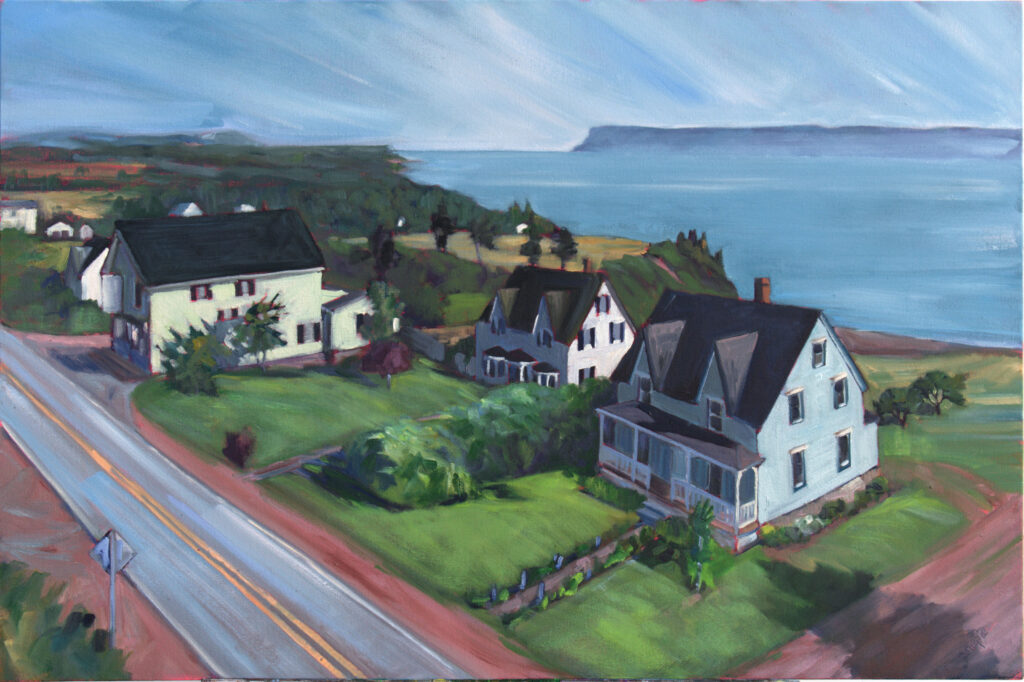
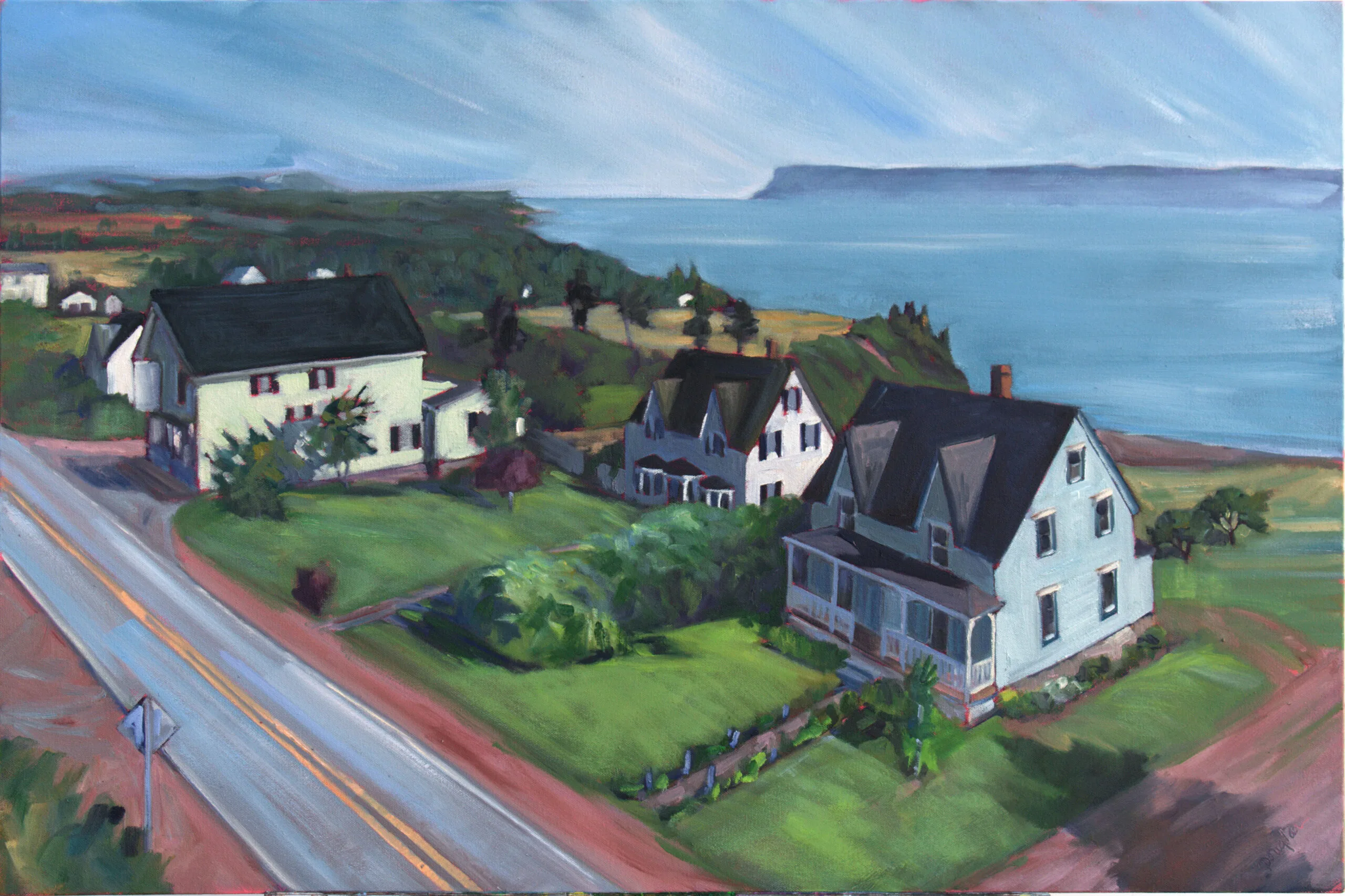
Midsummer along the Bay of Fundy, 24×36, click on image for more details.

Darks to lights
It’s far easier to go from dark to light than the reverse. There are two reasons for that. First, the bones of all good paintings are their value structures, which create drama and clarity. (Watercolorists do greyscale paintings to compensate for their order of operations.)

In oils, it’s far easier to lighten a passage than to darken it. Titanium white is the slowest-drying pigment, and it’s almost impossible to wipe away completely when it’s in the wrong spot. Putting a light value where a dark one belongs is a time-consuming error, whereas darker pigments are easier to lift, lighten or cover.

This is a rule that I sometimes break. I get away with it because I’ve already established a value structure in my grisaille.
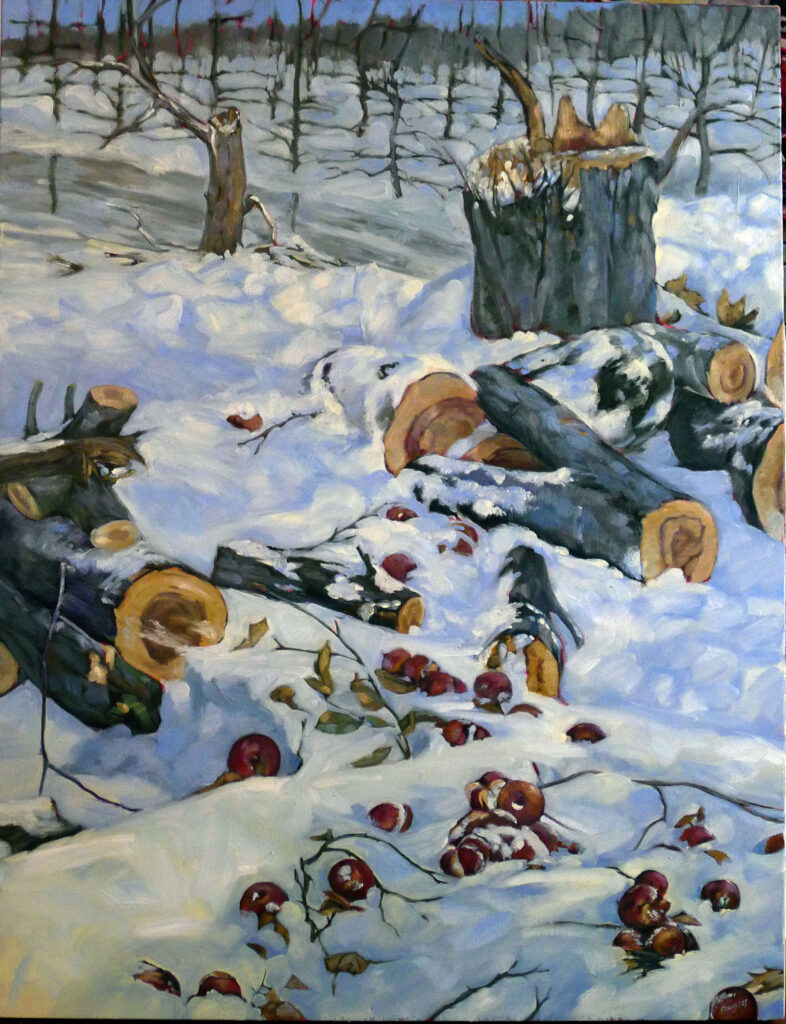
All Flesh is as Grass, oil on linen, 30X40, click on image for more details.

Big shapes to small shapes
It’s easy to muck up a painting if you get sucked into the eyelashes before you get the planes of the face right. The same is true of landscape; no amount of precious foliage can salvage a badly-organized painting.

The human eye reads masses before it reads details. Look across the room and you’ll realize that other than a small focal cone in the center of your vision, almost everything is indistinct.

Start by organizing your subject into large, simple shapes. Squint. Reduce the scene to a few value masses. Place them boldly and accurately. Only when those relationships are working should you begin to subdivide.

If you love detail, think of it as your reward for getting the big shapes right. If your large shapes are off, no amount of clever brushwork will save you. If they’re right, you can say very little and still have a powerful painting.

Winter lambing, oil on linen, 30X40, $5072 framed, includes shipping and handling in continental US.

When good paintings go bad

When a painting goes wrong, it’s almost always because one of these principles has been ignored. Color sinks because paint was applied out of order. Values collapse because the white you used too early has made fifty shades of grey. Composition falls apart because you got lost in trivia.

Start lean. Nail your darks. Think in masses. Then, and only then, indulge in the pleasure of detail.

Registration is now open for workshops in 2026! Reserve your spot:

Can’t commit to a full workshop? Work online at your own pace:
Seven Protocols for Successful Oil Painters

Monday Morning Art School: how to prepare for your first art show

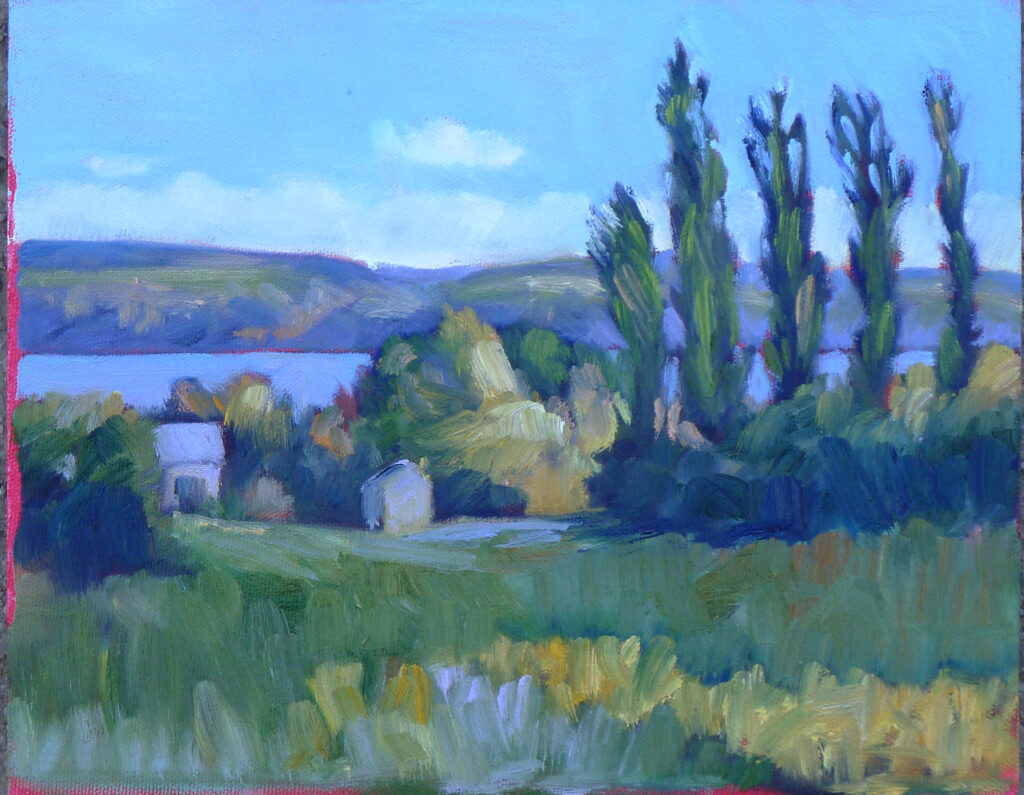
Île d’Orléans waterfront farm, 8X10, oil on archival canvasboard, $522 includes shipping and handling in continental US.

A student in one of my classes has been painting lovely small studies of birds. For the past two weeks, I’ve been musing on how she might display and sell them in her Brooklyn, NY, neighborhood. It turns out I’m not the only person who thinks she’s ready; she was just asked to mount her first show. We’ve had a lot of back-and-forth as she’s gotten things ready.

My first art show was in high school, when I could happily leave the prep to the grown-ups. For many years, I overprepared, with too much inventory and refreshments. I hope I’ve learned to be more balanced, but my Italian grandmother will peek out now and again.

How to prepare for your first art show

In honor of my student Amy, I’ve put together a list of questions I think are important. If you’re trying to figure out how to prepare for your first art show, I hope this helps.

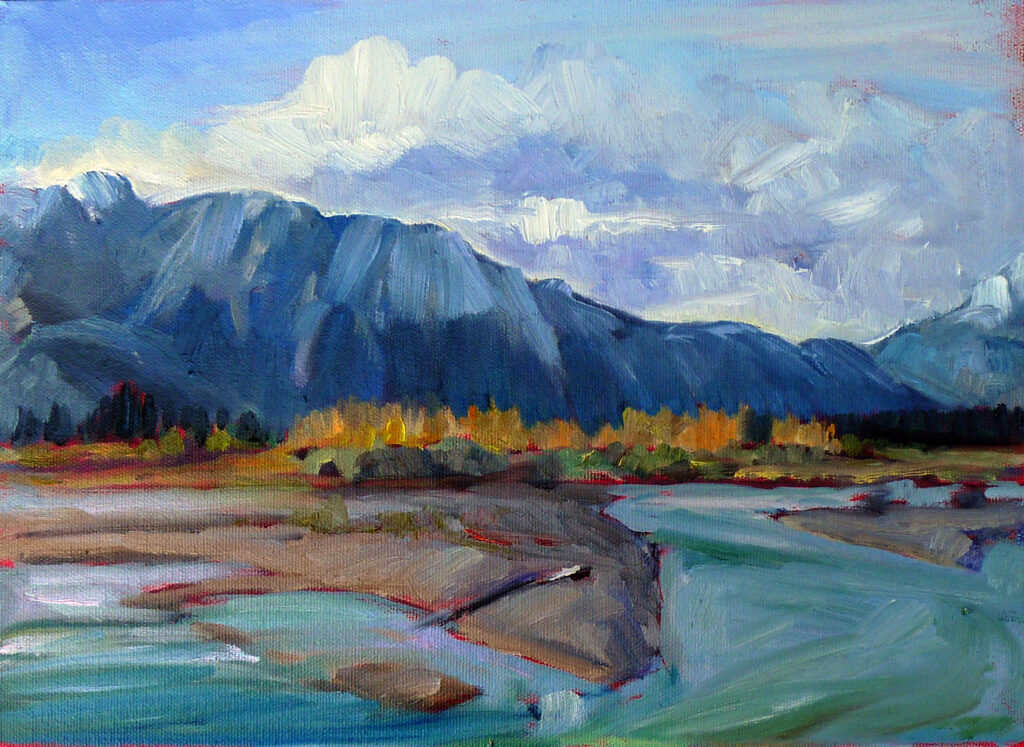
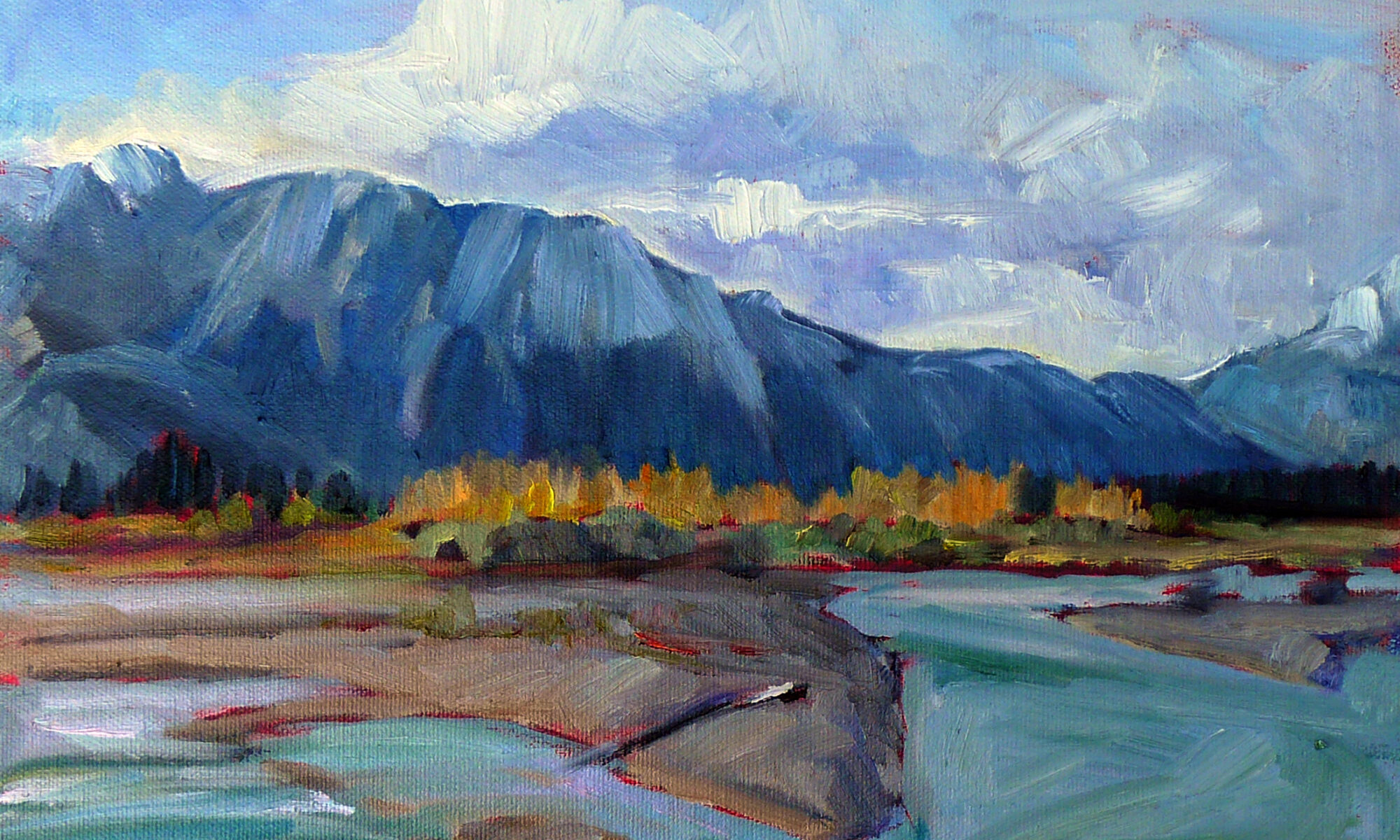
Athabasca River Confluence, 9X12, $696 includes shipping and handling in continental US.

Where should a beginning artist aim to show their work?

Approach coffee shops, professional offices and libraries to see if they would be interested in showing your work. Please don’t think of these places as down-market. I have had long, successful relationships with them, and they’ve resulted in better sales than some galleries.

How should you approach them? While galleries generally want you to apply online in 2025, that is too much to ask of a local business. The best way to approach them is in person. Follow that up by emailing them images of your work. Some kind of web presence is necessary, even if it’s a one-page free website. And you need a business card.

Assuming you’re not a hermit, you know people—at the Y, in your church, at the coffee shop you visit every day, at your local am-dram, your hometown library, at the dentist. Don’t hesitate to ask your connections.

Pensive 8X10, oil on archival canvasboard, $522 includes shipping and handling in continental US.

How many pieces do you need for an art show?

First off, don’t even go looking unless you have a solid body of work. I don’t mean work that you necessarily want to show, but a body of work with some depth that can be mined for content.

How much you need for a specific, thematically-related show depends on how large the space is and whether the work is to be hung salon-style or in a more open, contemporary way. When you visit the space, bring a tape measure and take photos. If they already have work up, count the pieces and compare the sizes to yours.

How should you choose a theme or title for your show?

That should derive naturally from your work, but if it isn’t, perhaps you could enlist a friend to help you narrow down the major themes of your work. “Historical landscapes” is a boring theme, but “Memories of Bad Old Butchertown” might be just roguish enough to draw people in.

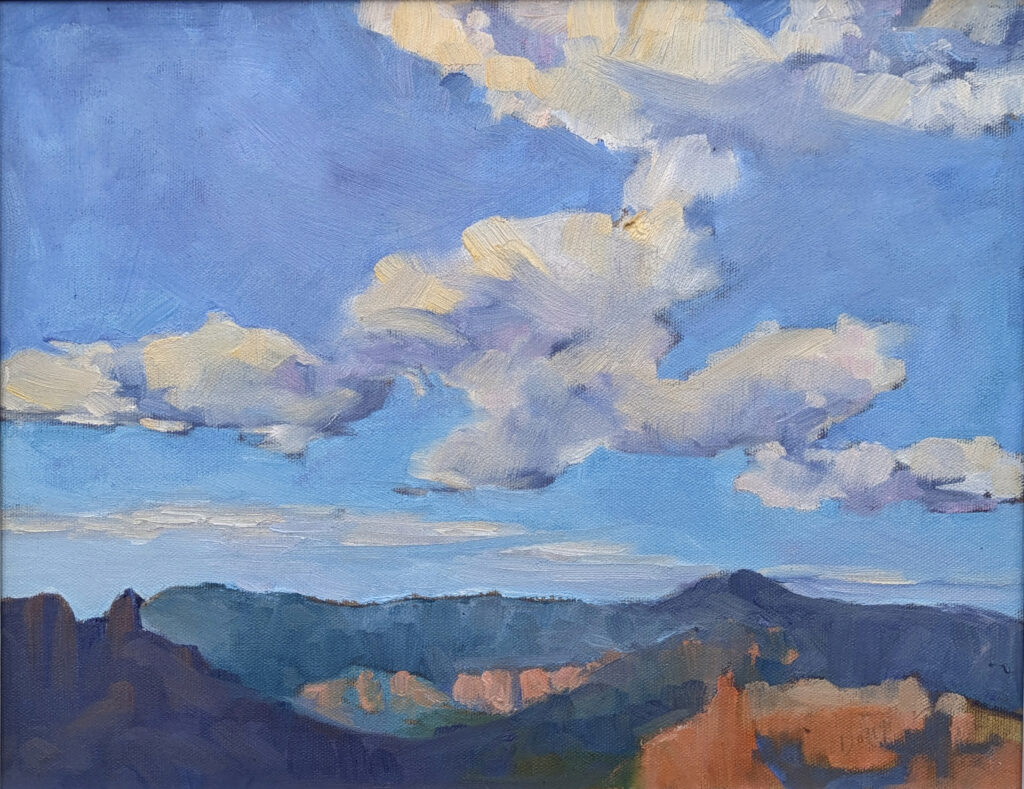
Maynard Dixon Clouds, 11X14, oil on archival canvas board, $869 includes shipping in continental US.

Should the work be framed?

In a perfect world, yes. Paintings generally look and sell better in frames. However, give people the option to buy them without frames at a slight discount.

I realize frames are expensive and annoying, but they really do sell paintings.

Should the work be signed?

Yes.

How do you label the work?

Label each painting with the title, dimensions, medium, price, and your name. These labels should be typed. I have created a blank you can download. If you know how to use Microsoft Office, you can merge these from a list; if not, you can just type in the information. Print them on card stock, trim them to be 2×3.5”, and Bob’s your uncle.

Who should you invite?

Absolutely everyone you know. You’ll be amazed at who’s interested.

Twenty minutes you won’t regret wasting

This is a fabulous short video by the National Gallery on 14th century Siena and the invention of painting.

Registration is now open for workshops in 2026! Reserve your spot:

Can’t commit to a full workshop? Work online at your own pace:
Seven Protocols for Successful Oil Painters