Starting out in painting can feel overwhelming. Color, brushwork, composition, and values all compete for your attention. It’s no wonder many beginners make mistakes—but most problems come down to three common beginner painting mistakes, and they’re easier to fix than you think.
Mistake #1: ignoring values in favor of ‘color’
Value is one aspect of color, the other two being hue (position on the color wheel) and chroma (how saturated the color is). Value is the first among equals here.
Many beginner painters focus on bright colors first, ignoring the underlying values that give a painting structure. Even if your hues and chroma are perfect, a painting without strong light and dark relationships will fall flat.
Try squinting at your subject to simplify it into a few value masses. Nailing these relationships early will make your painting read clearly, even when your color choices are bold or unconventional. This is one of the most important painting tips for beginner artists focusing on composition and values.
Mistake #2: overworking your canvas and losing freshness
A common mistake new painters make is overworking the canvas. Layering, blending, or repainting every area can muddy your colors and flatten your work.
The key is restraint. Step back often and look at your painting as a whole. Trust your brushstrokes, and stop before you think you’re finished. Learning to paint without overworking your canvas is a skill that comes with practice, and it’s one of the most overlooked beginner painting tips.
When in doubt, choose a bigger brush! I impose the discipline of not getting wrapped up in the details by keeping my smallest brushes separate from my painting kit. If I want to use them, I have to make a special effort.
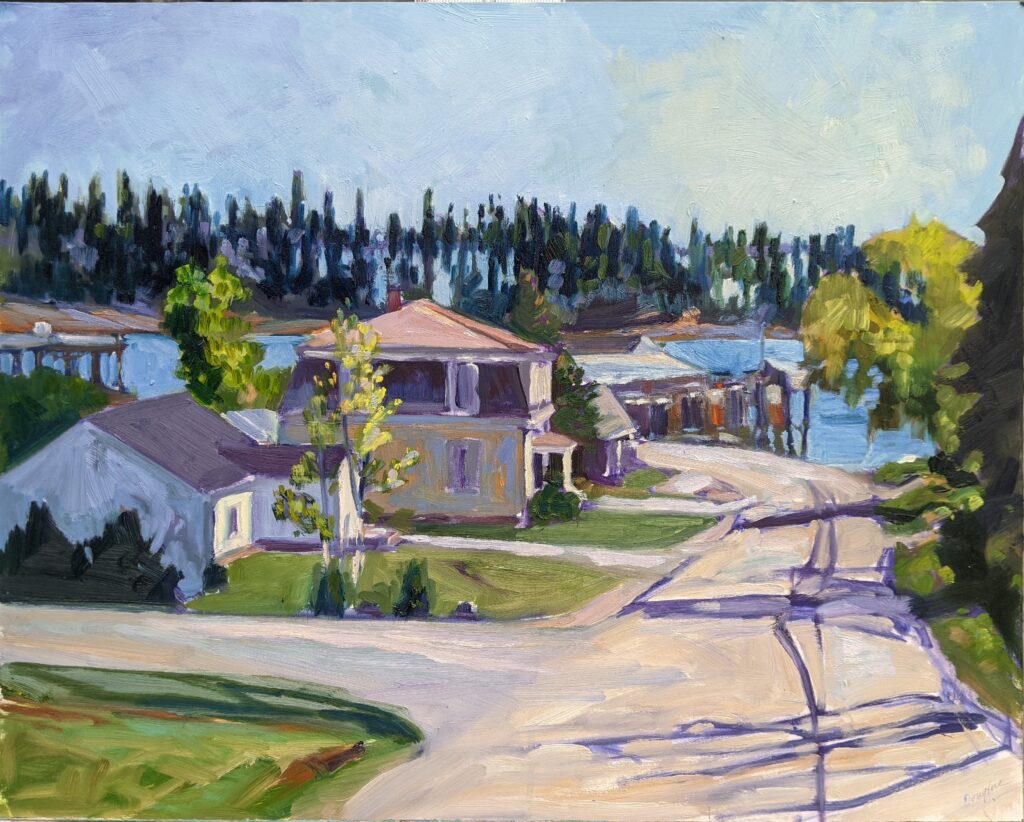
Mistake #3: skipping drawing and composition
Proper planning is the key to an easier painting experience.
Many beginners rush into painting without planning, hoping that paint will fix mistakes along the way. The result? Crooked perspective, awkward proportions and weak compositions that cannot be fixed.
There are easy ways to improve design and composition. A simple thumbnail sketch or value study will save hours of frustration. When you’re confused about an object in your painting, work it out in your sketchbook before committing it to paint. Always consider where focal points should be and how shapes interact. Planning your painting the right way is one of the most effective ways of overcoming beginner painting challenges and creating confident artwork.
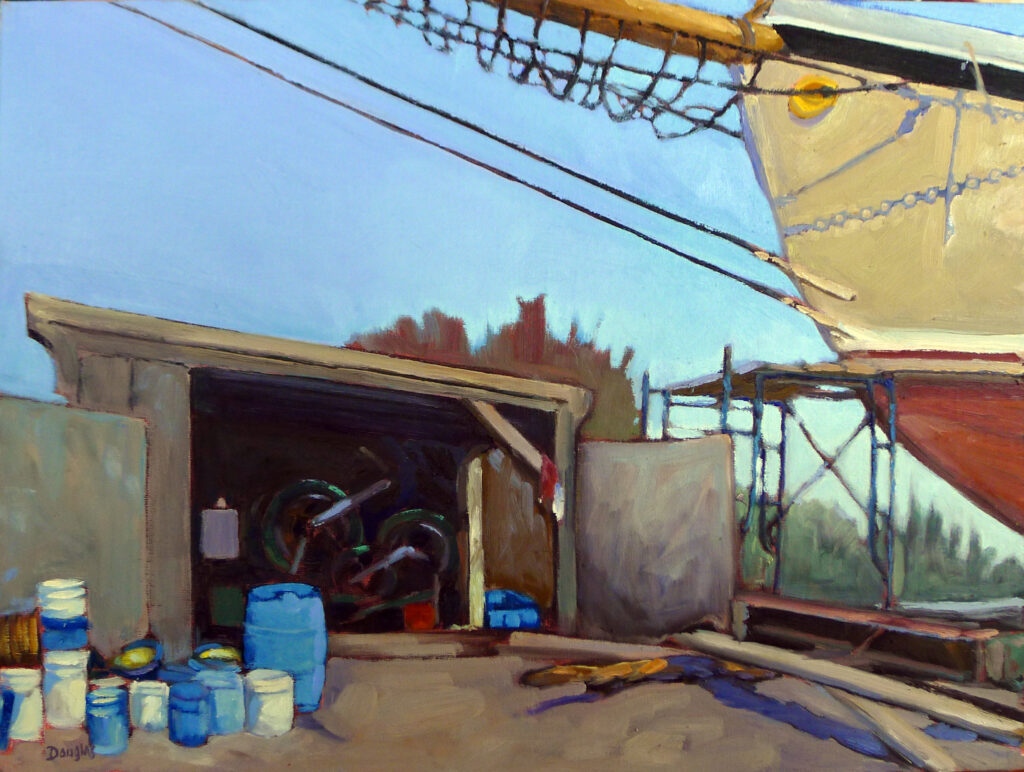
Quick tips for beginners to avoid common painting mistakes
- Use thumbnails to test compositions before painting.
- Squint to check value relationships.
- Step back often to see the whole painting.
- Trust your brushstrokes and resist overworking.
- Learn from our plein air painting tips to improve observation and composition skills.
If you remember nothing else, remember this:
- Values give your painting structure.
- Restraint keeps it fresh.
- Planning makes it sing.
Fix your beginner painting mistakes at my October immersive workshop
These mistakes are normal, but you don’t have to keep making them. At my October immersive workshop in Rockport, Maine, we spend a full week painting, critiquing, and building habits that help you improve your painting as a beginner. You’ll get hands-on guidance with values, composition, and brushwork, plus the chance to show your work in a student exhibition.
Reserve your spot now and turn common beginner painting mistakes into breakthroughs.
Any chance you could do a ZOOM workshop around this subject?
jan
Jan, I could do that, but these are important components of all my workshops and classes. I’ll entertain the thought of a short online class focusing on them, however.