The wallpaper and carpet is gone, so I’m ready for my contractor when he shows up. (Hah!) I’ve moved on to packing for Sea & Sky at Acadia National Park and Find your Authentic Voice in Plein Air in the Berkshires (August 10-14).
I try to protect my students from too much bystander-commentary, but some of it inevitably slips through. (Some of this is unintentional, which is why you should be chary of having private conversations where painters might lurk in the shrubbery.) People say some silly things:
“Are you going to put me in it?” “I wish I had your talent.” “Do you sell these?” and my personal favorite: “That looks like so much fun!”
Yes, it’s fun, but it’s not easy.
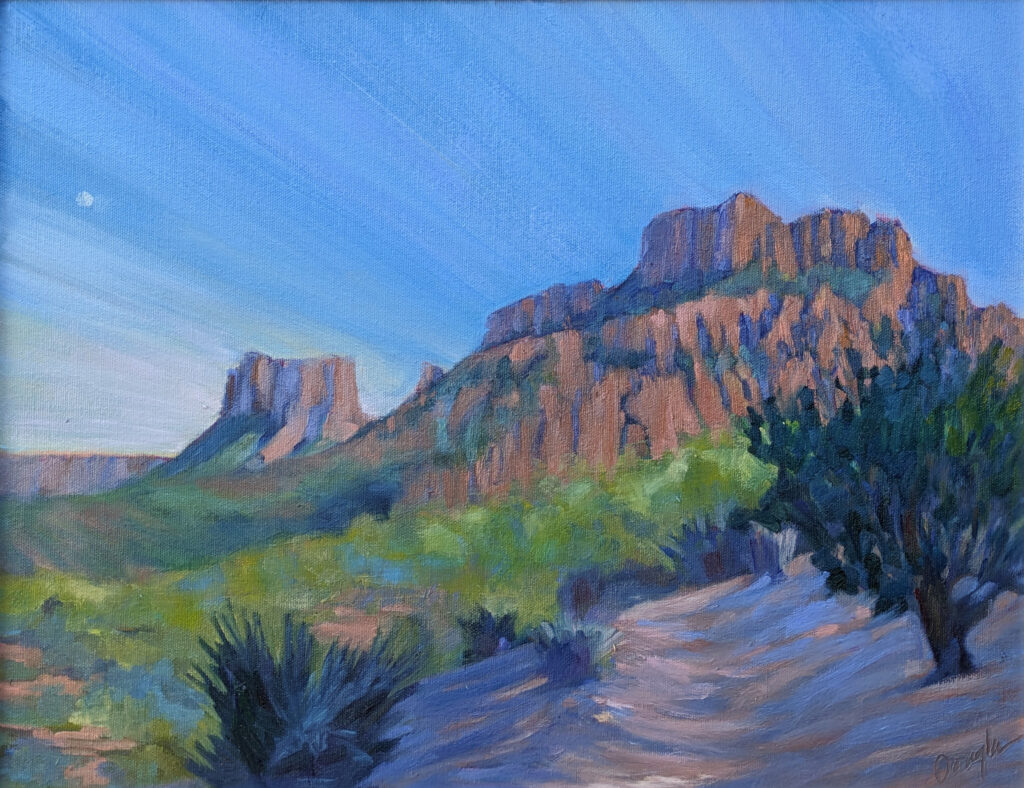
The landscape seems to drowse perpetually in quiet slumber, but in fact it suffers from restless-leg syndrome. This morning the sky went from overcast to austere blue. First there were no shadows; after they arrived, they quickly dwindled to noonday nothing. Now the wind has come around and is exposing the silvery underside of leaves. This evening there may be fog, there may be rain or it may clear.
A quick note on weekly classes before we get into it
Claim your spot in Painting Nocturnes, Tuesday evenings or Painting Water, Monday evenings. Both are 6-9 PM, starting the week of August 17, 2026.
I upload videos of these online classes and you have access to them for as long as there’s YouTube. That means you can review them if you need a refresher or have to cut out early.
How do plein air painters ever finish anything?
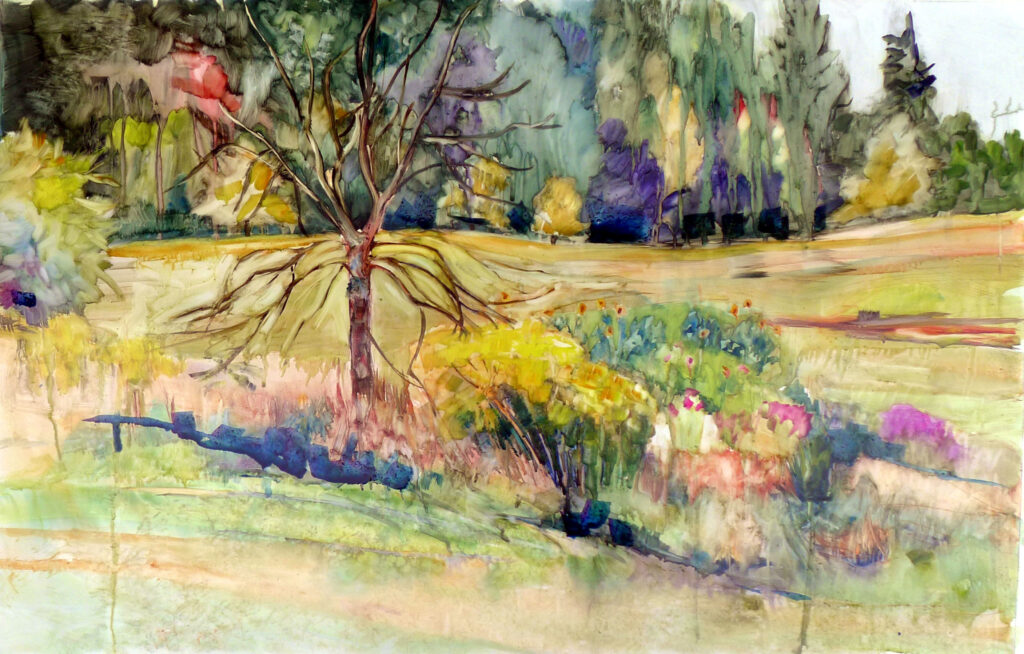
We aren’t painting everything we see. Plein air painting is generally done in two- or three-hour bursts. After that the light has changed so much that it’s hard to continue. Plein air is generally played fast and loose.
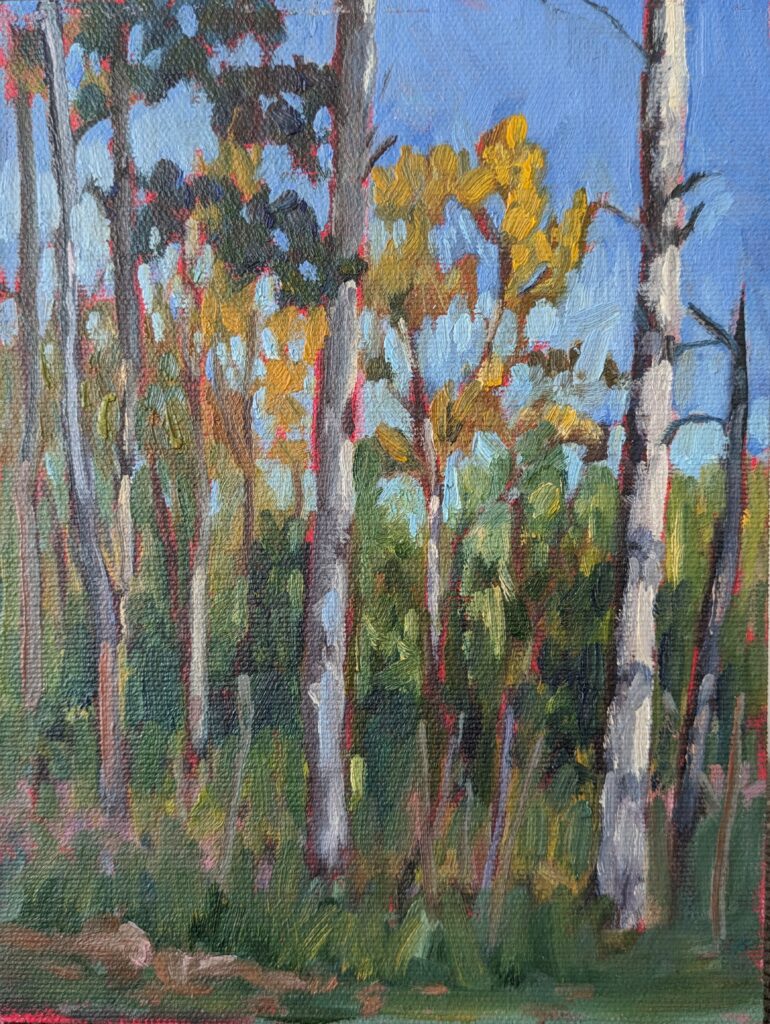
Asking yourself “why do I care about this” is a good first step. What caught your eye in the scene? Was it the rhythm of dark spruce against the bright ocean light? The gentle curve of an orchard sweeping down towards the mountains? If there’s no subject in the scene that compels you as a painter, it’s unlikely that your finished work will compel any viewers, either.
Once you’ve figured out the reason, your job is to place that idea front and center. Everything else is subservient.
Memory is part of painting
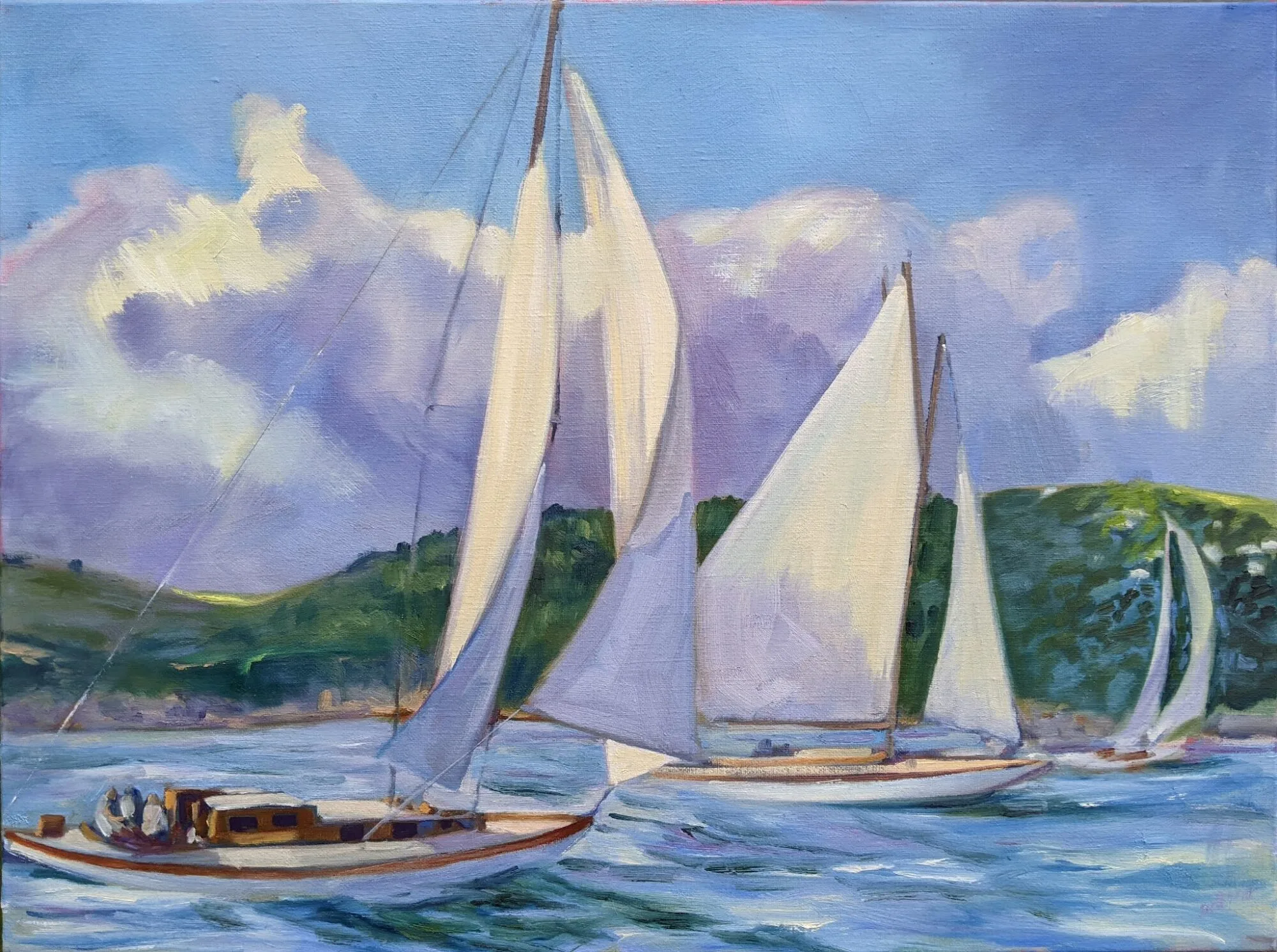
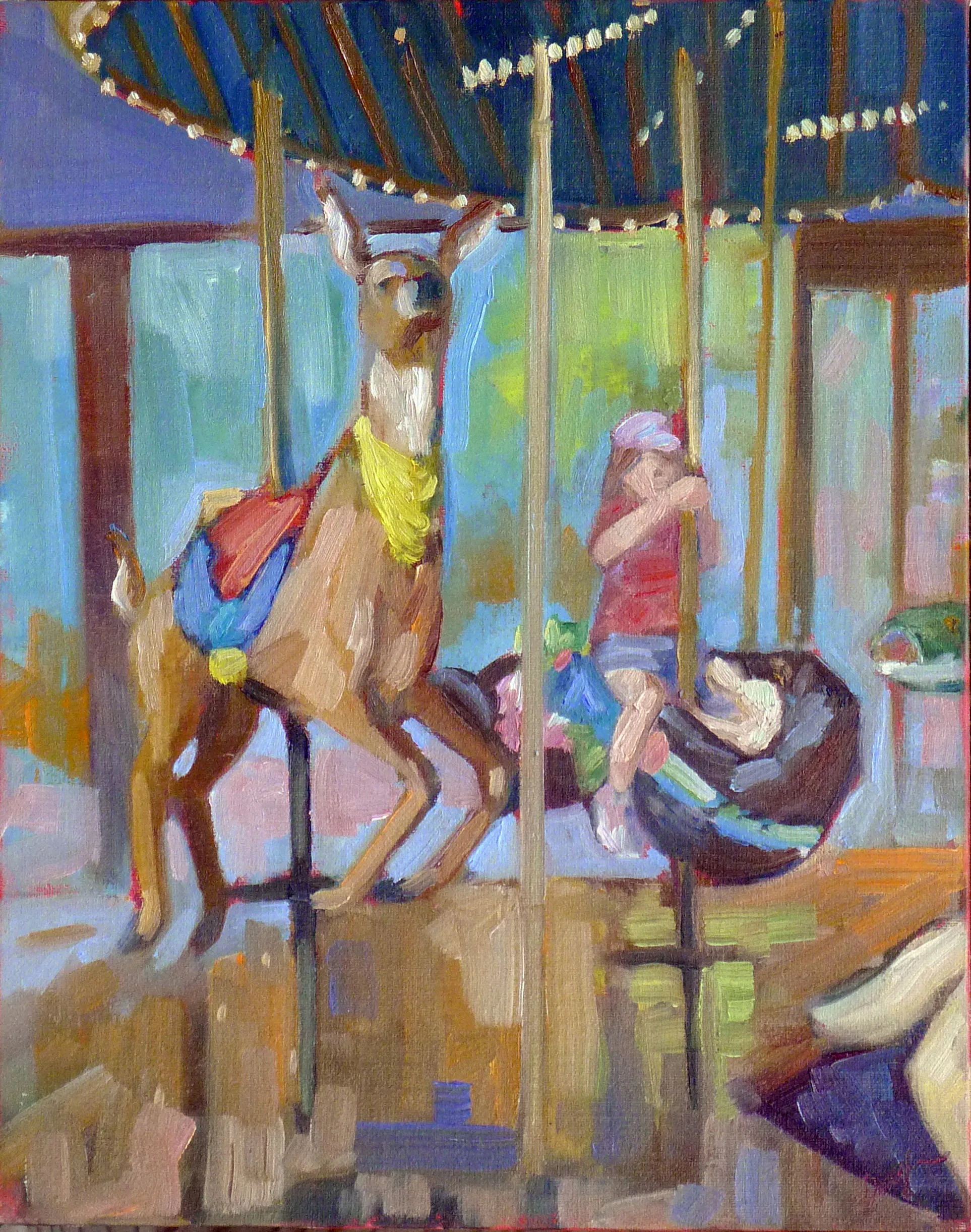
If someone walks through your scene, you can’t ask them to stand still unless you’re willing to pay a modeling fee. It’s always helpful to keep a sketchbook handy, for figures, cloud formations, sailboats, etc. Your finished painting will ultimately be a combination of direct observation, remembered impressions and informed invention.
The most important decision you’ll ever make as a plein air painter
It’s true of all painting, but particularly true in landscape: the most important decision is what not to paint.
Ask yourself: If I leave this out, does the painting become clearer? In so many cases, the answer is yes.
Painting is all about organizing a beautiful chaos into a coherent design. We’re arranging shapes, values, colors, edges, and rhythms so the viewer experiences what moved us to paint that scene in the first place.
Registration is now open for workshops in 2026! Reserve your spot:
- Find your Authentic Voice in Plein Air | Berkshires, MA, August 10-14, 2026
- New! Color Clinic 2026 | Rockport, ME, October 3-4, 2026
- New! Composition Week 2026 | Rockport, ME, October 5-9, 2026
Can’t commit to a full workshop? Work online at your own pace: