What do ā€œindirectā€ and ā€œalla primaā€ mean?

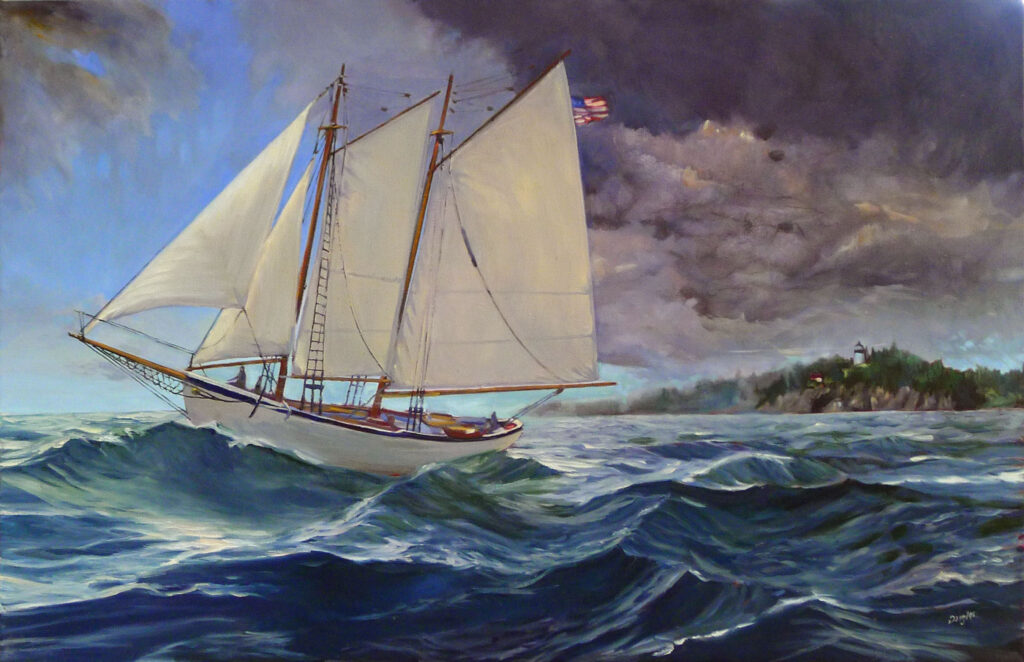
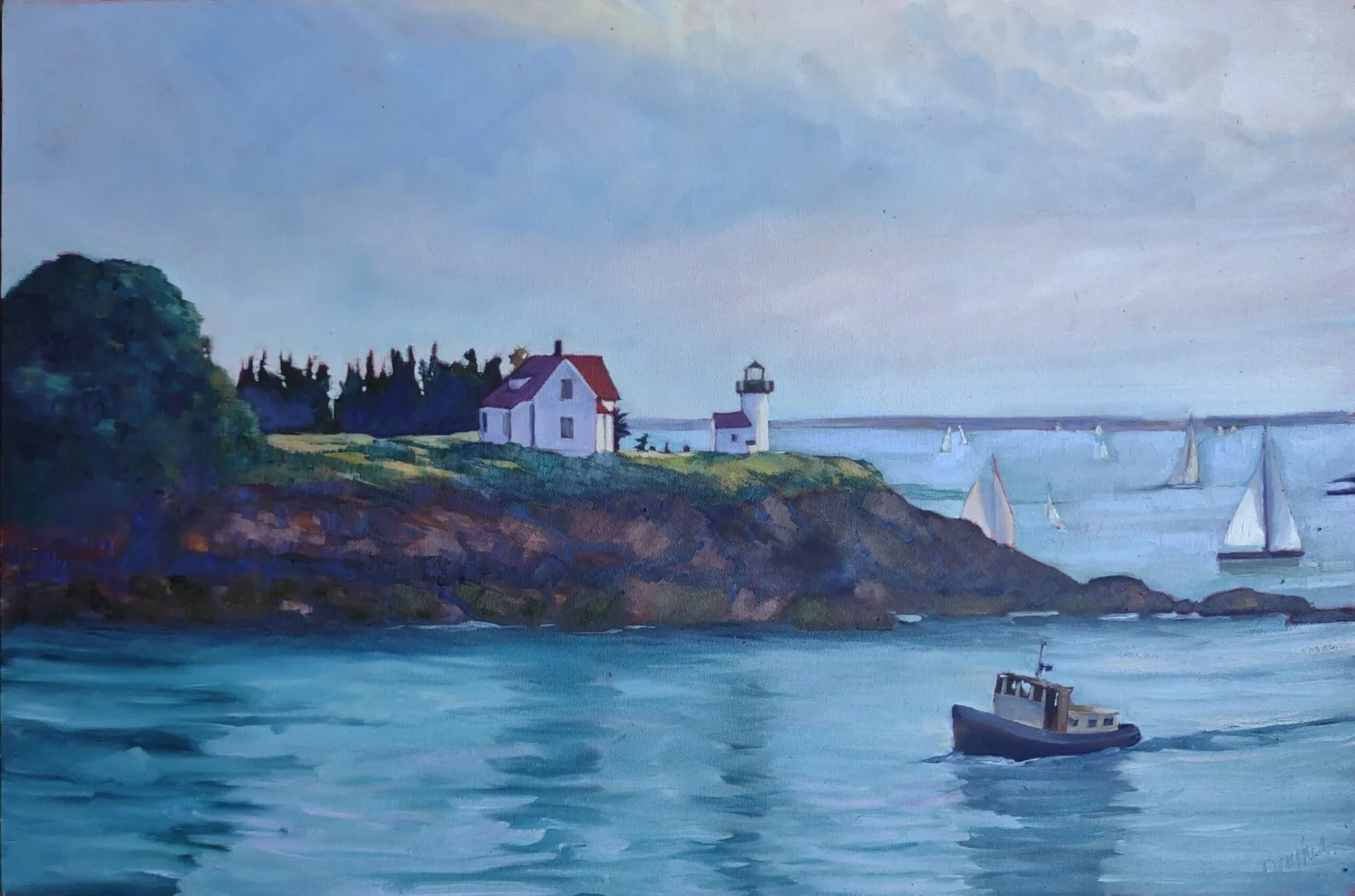
Breaking Storm, oil on linen, 30X48, $5579 framed includes shipping and handling in continental US.

I learned to paint indirectly, meaning with glazes. When I finally got around to studying with Cornelia Foss, she told me, ā€œIf this was 1950, I’d say ā€˜brava,’ but that is so out of date.ā€ (To be fair, 1850 might have been more accurate, since the heyday of indirect painting was before the Impressionists.) She then proceeded to deconstruct and reconstruct my practice using alla prima technique.

There really isn’t such a strict boundary between the two. They are more like endpoints on a continuum. Most painters use techniques from both, although plein air painters almost always work alla prima. It’s faster.

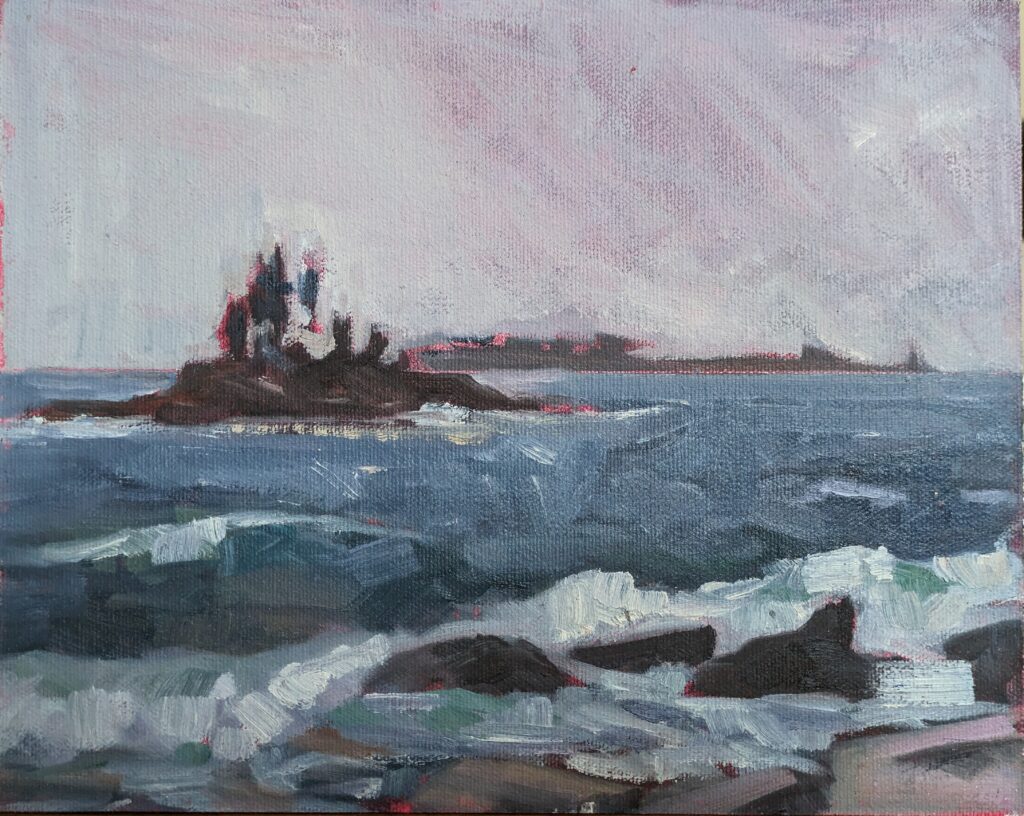
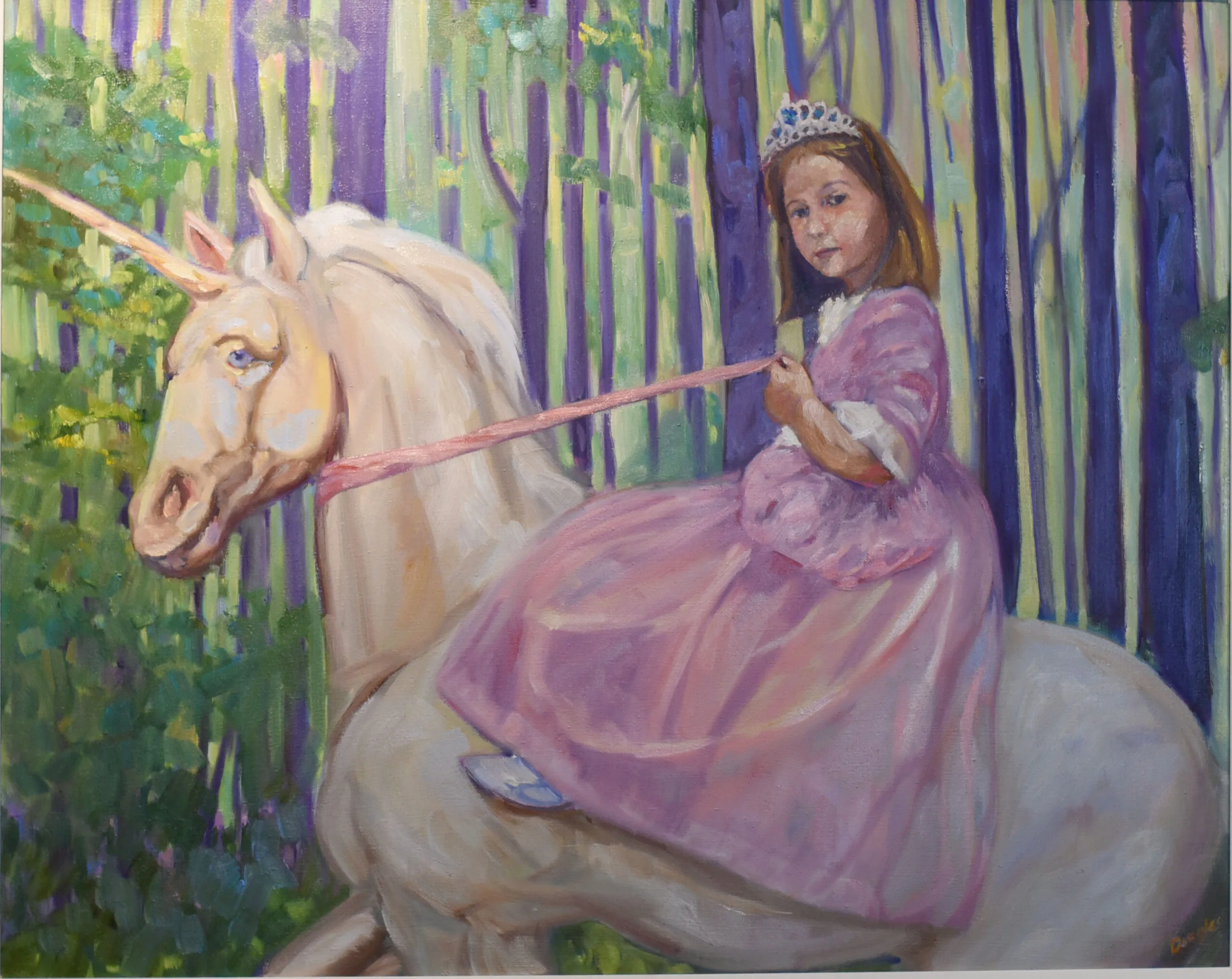
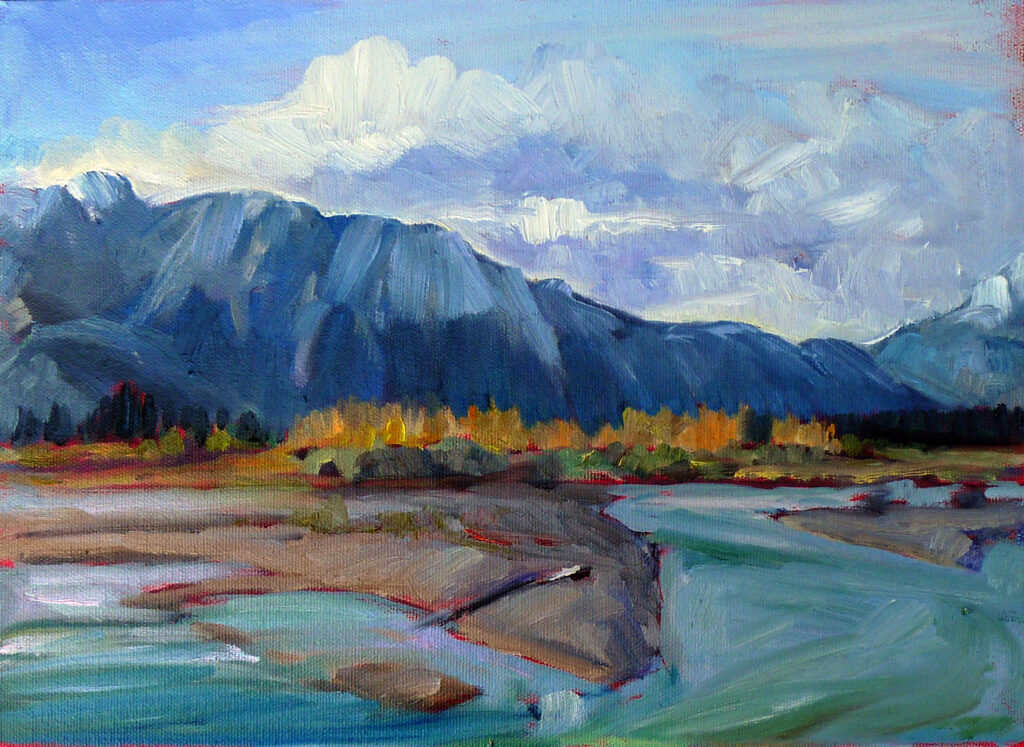
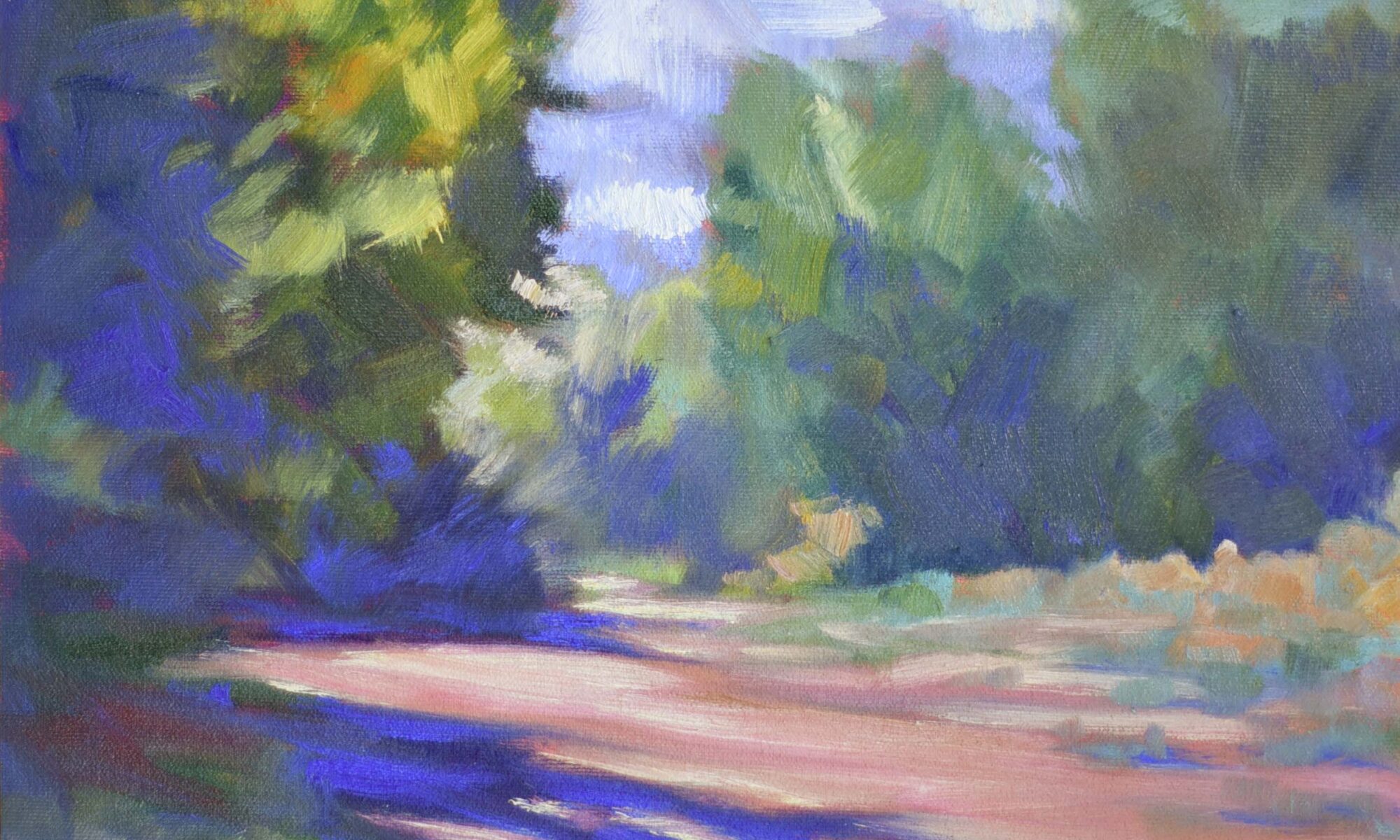
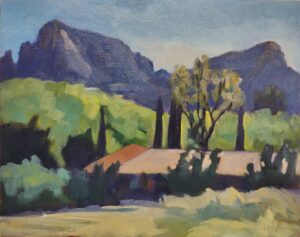
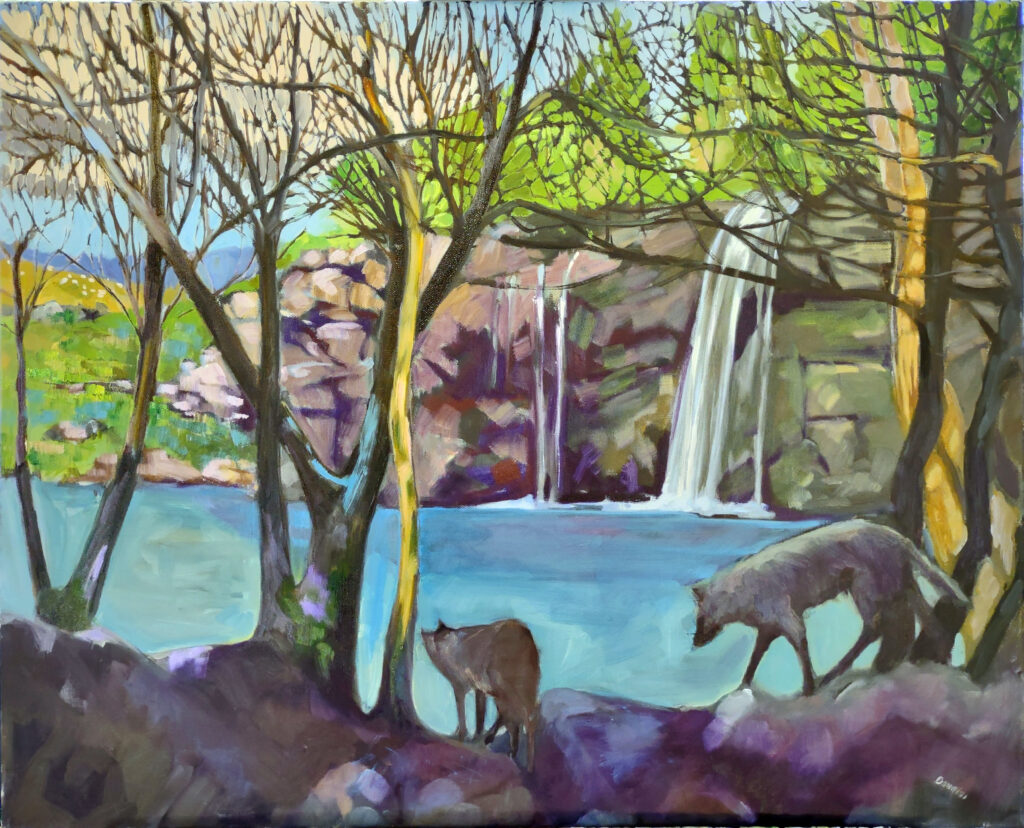
I’ve included two of each kind of work here. Let’s see if you can tell which is which.

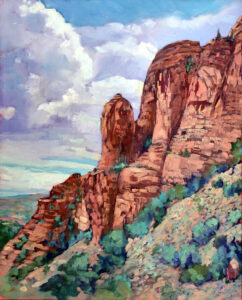
Grand Canyon, late morning, 8X16, oil on archival linenboard.

Both practices have long, uninterrupted lineages, and both are used in all media. However, they demand different kinds of thinking, even when they use the same materials. Understanding where these approaches diverge and overlap will clarify your process no matter what medium you use.

For oils and acrylics, alla prima painting starts with toning the surface. A thin neutral or warm ground kills the white, establishes a middle value, and helps the artist judge color and value accurately from the start. This step isn’t necessary in watercolor, where the paper supplies the light. Pastel painters can bypass the whole question by choosing colored paper.

In indirect painting, the process of doing the grisaille essentially lays in the tone, since it’s worked more thoroughly than in alla prima painting. That doesn’t mean you’re allowed to be slipshod in alla prima painting. In both cases, the drawing, value structure, composition, and mood are worked out thoroughly before a brush ever touches the canvas.

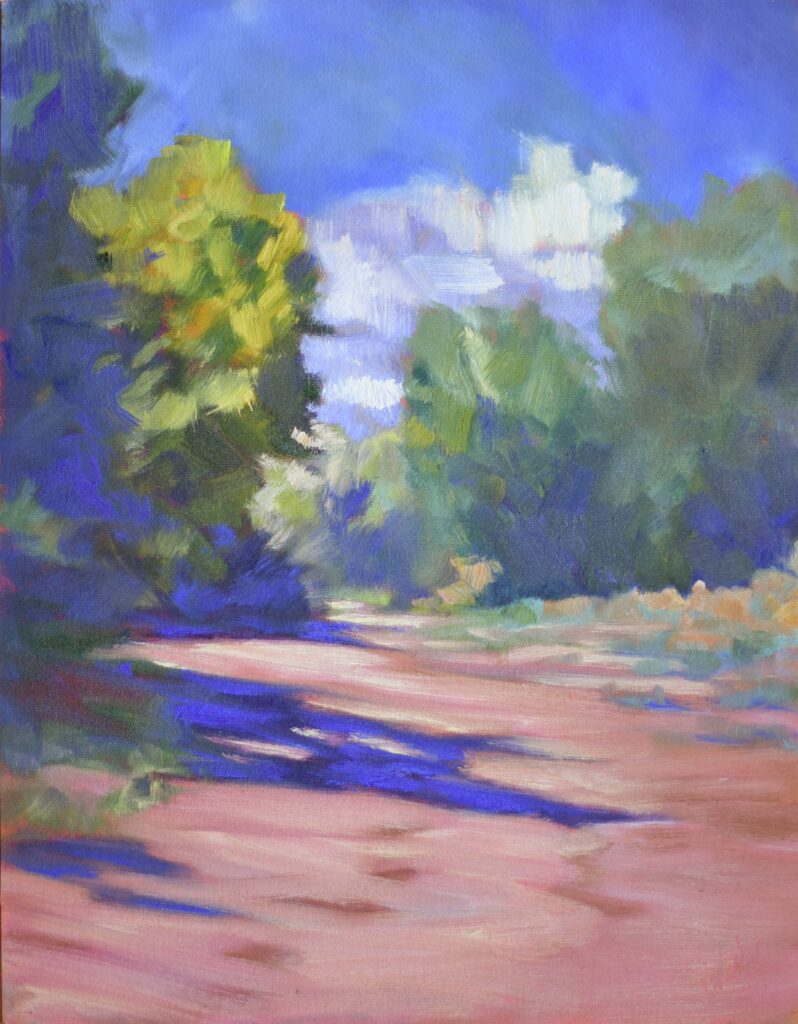
Country path, 14X18, oil on archival canvasboard, $1,275 includes shipping and handling in continental US.

In alla prima painting, large value and color masses are laid in quickly, with no details. The artist thinks in simple shapes and major value relationships, establishing lights, midtones and darks early. Alla prima depends on value accuracy far more than detail. Color is laid in directly—mixed purposefully, placed once, and left alone. Excessive blending kills freshness; fresh color over fresh color keeps the surface alive.

As the painting develops, the artist works from general to specific. Forms are refined only after the structure is solid. High-chroma accents, detail, bravura brushwork and highlights come last. Alla prima paintings fail from overworking, not underworking. As those old Ronco Rotisserie ads used to say, ā€œSet it and forget it.ā€

Indirect painting, by contrast, is cumulative. It starts with a monochromatic underpainting done with lean paint and organized clearly in lights and darks. This is where the major thinking happens. If the values and shapes are wrong here, no amount of glazing will fix them. Each layer must dry completely before the artist proceeds, and depth comes from multiple thin, transparent glazes. Only at the very end is opacity used.

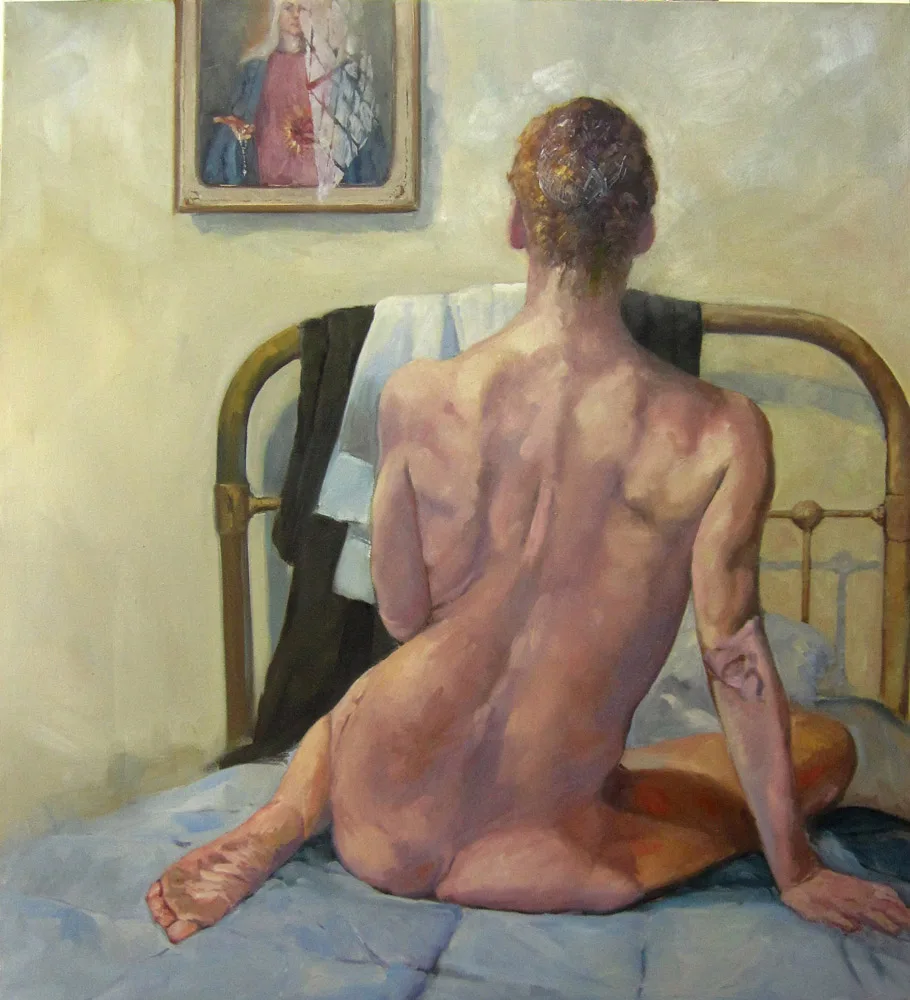
The Servant, oil on linen, 36X40, $4042.50 framed, includes shipping and handling in continental US.

Because each layer is allowed to dry thoroughly before the next is applied, glazes can be wiped back as needed and kept very thin. Think of it as tinting light, not covering form. Color temperature and depth are adjusted gradually—warming lights, cooling shadows, deepening darks without repainting them. You’re refining, not reinventing. Many painters finish with opaque or semi-opaque accents, combining indirect depth with direct clarity.

If you want to see that in practice, look at Rembrandt’s later self-portraits, where he uses impasto on his skin to imply the vicissitudes of age.

I’d love to have you join me for Trust the Process (making technique tell the story you want to tell), my live Zoom class designed to help you build a dependable, joyful, repeatable painting practice. We’ll dig into technique, creative decision-making and the mindset that frees you to paint with confidence. We meet Monday nights, 6-9 PM EST, starting on January 5, 2026. It’s suitable for all levels and all media. You can learn more here.

Registration is now open for workshops in 2026! Reserve your spot:

Can’t commit to a full workshop? Work online at your own pace:

Seven Protocols for Successful Oil Painters

Monday Morning Art School: use a bigger brush

Mather Point at dawn, oil on canvasboard, 9X12. $696 includes shipping and handling in continental US.

Artists should choose a bigger brush far more often than they think, especially when they want stronger compositions, clearer value statements, and more confident paint handling. I have few small brushes at all—a single #2 round for oils and a dagger brush with a fine point for watercolors.

Bigger brushes force us to think in big shapes

A painting succeeds or fails on its large value masses, not on its detail. When we work with a larger brush, we naturally block in shapes rather than fuss. This keeps our attention where it belongs: on composition, value relationships, and the overall movement of the piece.

Grand Canyon at sunset, oil on canvasboard, 9X12. $696 includes shipping and handling in continental United States.

Bigger brushes prevent overworking

Small brushes are perfect for poking, fussing, and destroying the freshness of a painting. Larger brushes won’t let us over-refine areas. They help avoid the muddy, overworked look that happens when we keep adjusting the same small spot again and again.

Bigger brushes teach us to paint with a light hand

I can paint a better fine line with a #4 flat on its side than I can with a rigger. A bigger brush is more stable and holds more paint, meaning less jiggling and fewer stops to reload. There’s a world of tonality that comes from learning to control the pressure in a brush. Bigger brushes can go from bold to delicate, something small brushes just can’t do.

Grand Canyon, late morning, 8X16, oil on archival linenboard. $722 includes shipping and handling in continental United States.

Bigger tools make bolder decisions

When we’re holding a brush the size of a small spatula, we’re forced to paint with intention. We choose our strokes more carefully. We commit. When students tell me they want to learn ā€˜looser brushwork,’ I start by picking out bigger brushes for them. They encourage broad, authoritative marks, which bring energy and confidence to our work.

Bigger brushes improve surface quality

More paint means juicier, cleaner and more expressive strokes. Instead of scrubbing thinly with a tiny brush, we can place full-bodied, deliberate marks that convey texture, light, and form with immediacy.

Bigger brushes speed up our process

Of course a bigger brush covers more area, faster. But beyond the square-inch question, covering the canvas quickly means we see the painting as a whole early on. This is essential for alla prima work. We get to the heart of the piece before the light changes. I’ve included four paintings here that were done in rapidly-changing light. None of them would have been feasible had I messed around with a tiny brush.

Cowpath, 9X12, oil on Baltic birch, $696 includes shipping and handling in continental United States.

Bigger brushes help us learn faster

Students often think their problems come from a lack of detail control, when in reality they’re struggling with proportion, value, or composition. A big brush forces us to address these essentials head-on. When the big shapes are right, the details practically paint themselves.

Are you a noodler?

I’ve watched countless students hesitate at the exact moment when their painting needs a courageous reframing. Painting with confidence sometimes means accepting that our first idea may not be our best. We need to be willing to accept that and make corrections with authority.

ā€œBig shapes to small shapesā€ isn’t just a catchy phrase; it’s foundational to painting. When the big shapes are right, you can suggest detail with a few breezy, economical marks.

This approach is actually harder than futzing around with detail. It’s the discipline of stepping back, really looking, and making corrective moves while the painting is still fresh and malleable.

If you’re ready to break the habit of overworking your paintings, I go into more detail about this in my workshops. Ā 

Registration is now open for workshops in 2026! Reserve your spot:

Can’t commit to a full workshop? Work online at your own pace:

Seven Protocols for Successful Oil Painters

Monday Morning Art School: what is alla prima painting?

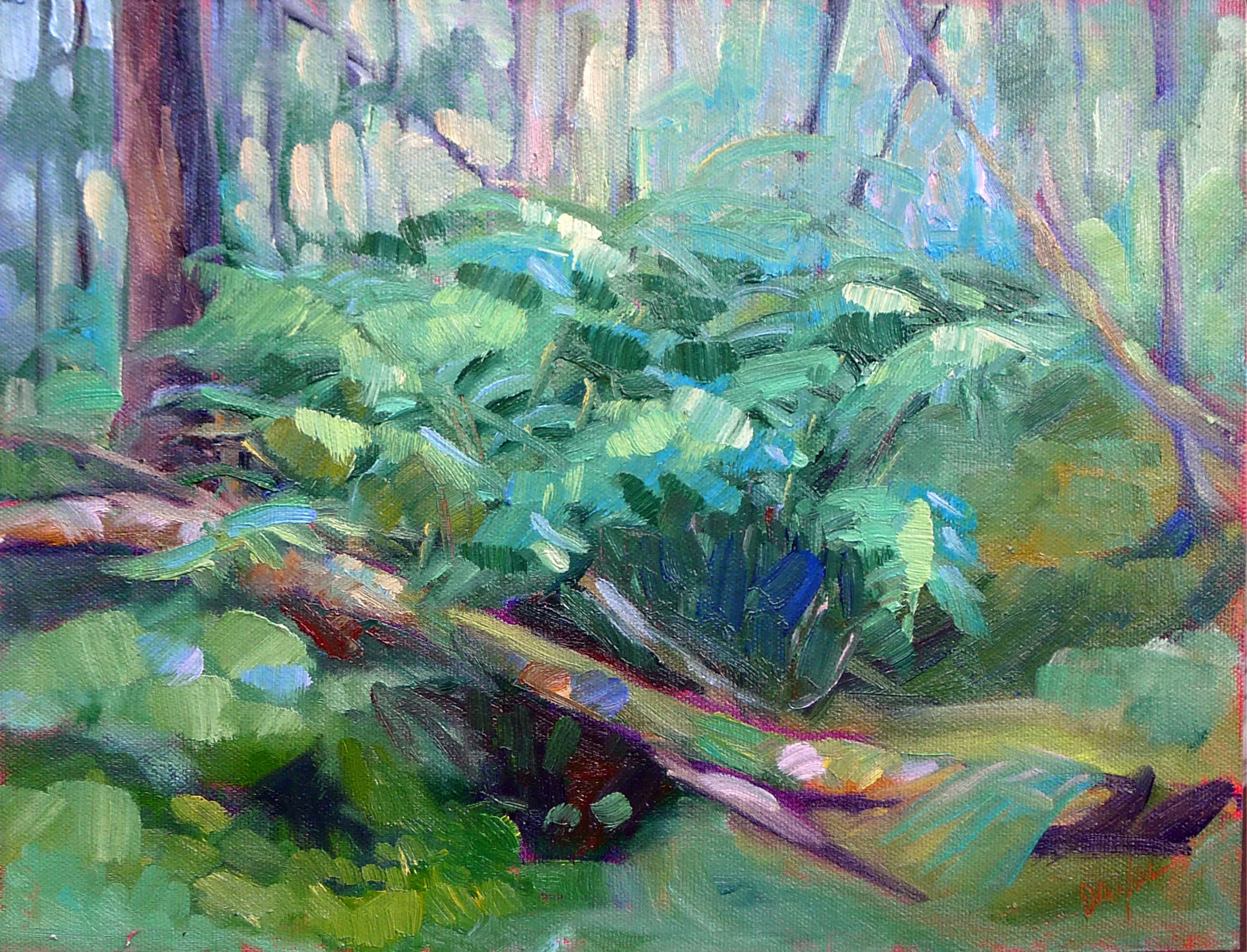
Cinnamon Fern, 9X12, oil on archival canvasboard, $869 framed includes shipping and handling in continental US.

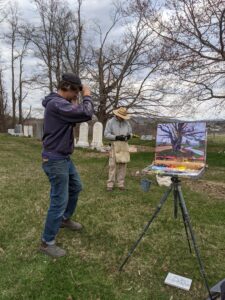
Occasionally, I’ll hear someone fumble for a description of a painting and come up with plein air style. Plein air isn’t a style or technique; it simply means painting outdoors instead of in a studio. Plein air allows an artist to capture natural light and colors from direct observation, and it’s a very important movement in art history, starting with John Constable and still popular today.

What these people are groping for is the term alla prima. The confusion lies in the fact that most (although not all) plein air painters also use alla prima technique.

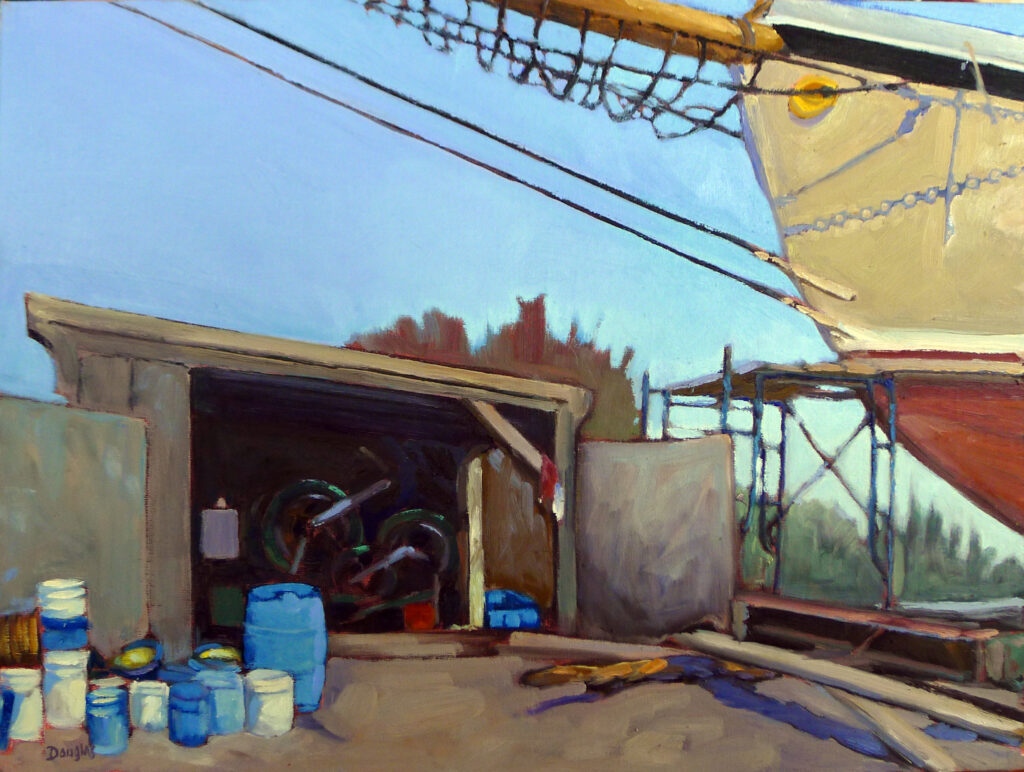
American Eagle in Drydock, 12X16, $1159 unframed includes shipping and handling in continental US.

What is alla prima?

Alla prima (also called au premier coup, wet-on-wet, or direct painting) is a technique where the artist applies paint directly onto the canvas without letting earlier layers dry. This contrasts with indirect painting, which I describe below.

Alla prima is used mostly in oil painting, but it has its equivalent in wet-on-wet watercolor. In alla prima painting, the artist strives for fast, incisive brushwork. It requires skill to avoid making mud, and the artist must work with confidence and speed.

Alla prima has been in use since the Early Netherlandish painters. It became popularized with the rise of Impressionism, but painters as disparate as Frans Hals, Claude Monet, Vincent van Gogh,Ā John Singer Sargent, ChaĆÆm SoutineĀ andĀ Willem de KooningĀ have all painted directly. Rembrandt van Rijn painted indirectly for the most part, but pointed up his work with alla prima passages.

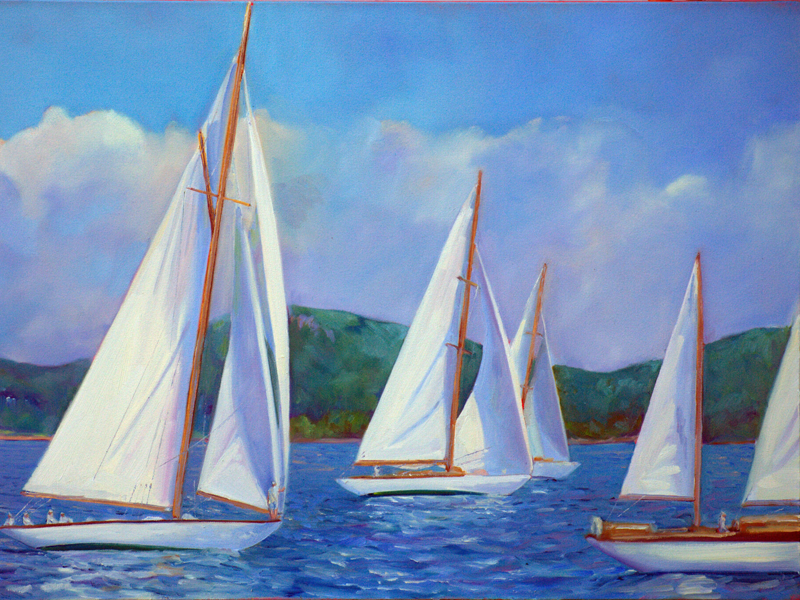
Skylarking, 24X36, oil on canvas, $3985 framed includes shipping and handling in continental US.

Alla prima paintings are not necessarily completed in one session, although the goal is to not let the bottom layers dry before adding more paint. There is minimal layering, and the focus is on capturing the essence of the subject with bold, confident strokes. It prioritizes expression and immediacy over meticulous detail.

This lends itself to a more expressive, loose style, with visible brushstrokes and a sense of movement. In fact, when people tell me their goal is to ā€˜get looser,’ what they generally mean is that they want to master alla prima painting.

Indirect painting

Before we had oil painting, we had egg tempera, encaustic, fresco and distemper, none of which lend themselves to bravura brushwork. It’s no surprise, then, that meticulous, detailed painting was the first form oil painting took. Just as tempera is layered, so was early oil painting.  

In indirect painting, the artist builds up the image with transparent layers. Each layer dries completely before the next one is applied. Indirect painting allows for a high level of control and detail. Artists can build up subtle transitions of color and light, creating a realistic, highly polished finish. Indirect painting’s great virtue is that it creates luminosity that’s impossible to achieve with direct painting. That comes, however, at the expense of brilliant color and brushwork.

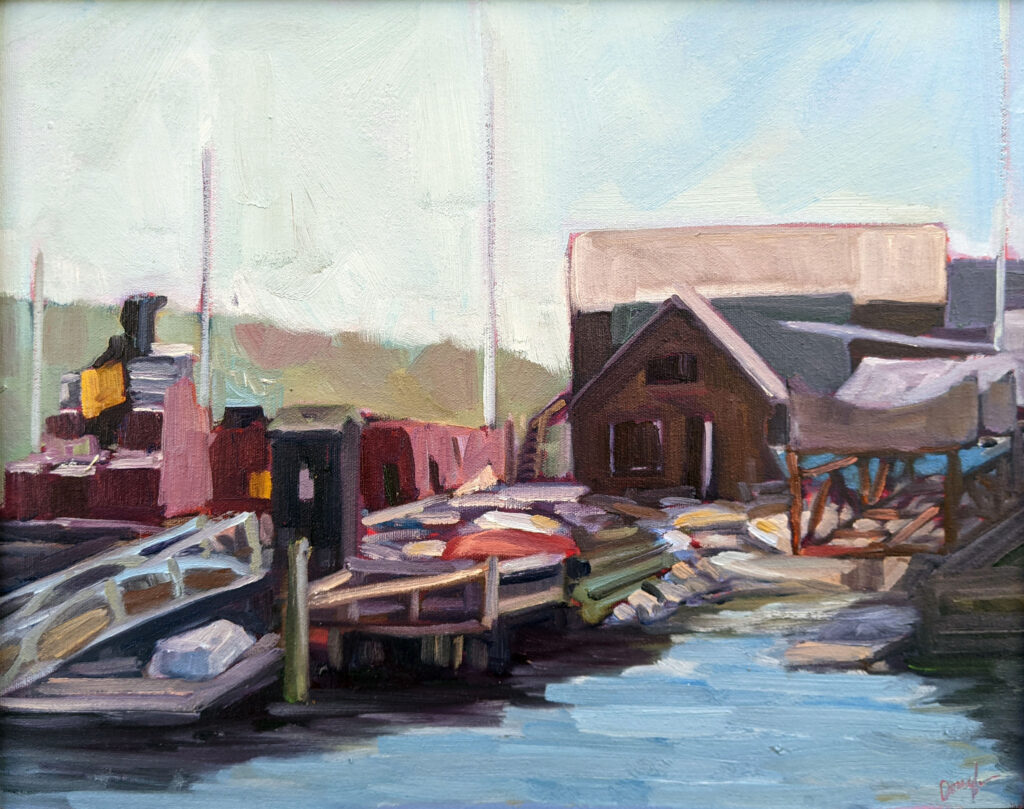
Belfast Harbor, oil on archival canvasboard, 14X18, $1,275 unframed includes shipping and handling in continental United States.

Indirect paintings start with a monochromatic underpainting or grisaille: While most direct painters do this as well, the grisaille in an indirect painting is intended to show through subsequent layers. This establishes the composition and tonal values retained throughout the piece.

This base layer is allowed to dry and is followed with diluted, transparent layers of paint (called glazes). These are applied over the underpainting to modify the color. Each glaze layer dries before the next is added. White is lousy for glazing, so in a well-painted indirect painting, the light is reflecting through the paint from the grisaille layer.

Indirect painting was widely used during the Renaissance and Baroque periods. (It’s the only way to achieve true chiaroscuro.) There are artists using it today, but they’re doing so almost self-consciously, as a throwback to earlier periods in painting history.

Back in the last millennium, I learned indirect painting first, alla prima second. (Rembrandt’s style was undergoing a miniature renaissance then.) Today, there are far more modern painters pursuing alla prima than indirect painting, but one isn’t inherently better than the other. In fact, with new materials solving the age-old problems of chroma and cracking, who knows if indirect painting is due for a rebirth? Ā Ā 

Registration is now open for workshops in 2026! Reserve your spot:

Can’t commit to a full workshop? Work online at your own pace:

Seven Protocols for Successful Oil Painters

Monday Morning Art School: painting plein air fast

My top five tips to finish a plein air painting in three hours.

The Rocks Remain, 16X20, oil on archival canvasboard, $1623 unframed includes shipping.

Keep your equipment organized

Eric Jacobsen improved my life when he suggested I buy a good, dedicated backpack instead of using cheap gear bags. I bought this Kelty Redwing; you must find the pack that’s sized for you.

When not in use, that pack hangs on the back of my studio easel. With a few exceptions, my plein air kit stays in it. My tubed paints are in a tough pencil pouch (more durable than a ziplock bag), and my small tools are in a zippered makeup bag. The tripod for my easel stays put. The pochade box itself is usually in my freezer in a 35-liter waterproof stuff-sack. My brush cleaning tank is attached to the pack with a carabiner and there’s always a spare canvas ready for painting.

When I get back after a day of painting, I spend a few minutes pulling it back together. Everything goes in its designated place so I can find it when I need it.

I use the same brushes for studio and field work, so they live in a brush case next to my easel when I’m not carrying them outdoors. I clean them when I come in.

When I decide to go out, I can be out the door in a matter of minutes.

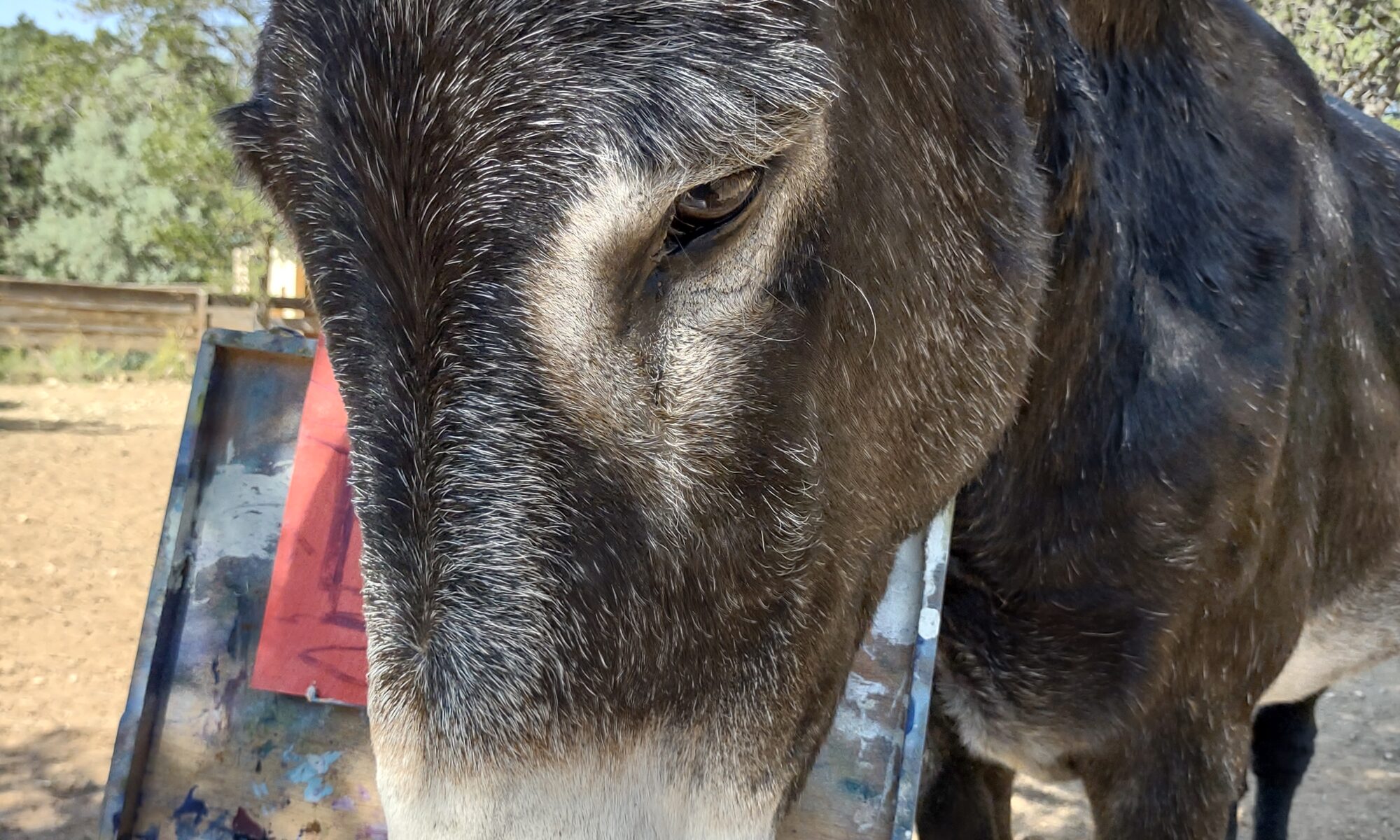
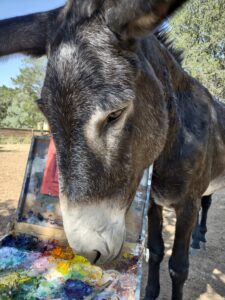
Jimmy the donkey admiring my palette.

Lay out your palette in advance

Cleaning all the paint off your palette between sessions wastes time and money. Only clean the mixing area of your palette, and leave your unused paint for the next session. Or, do as I do and never clean your palette at all. I just knock off any dried paint as it annoys me.

Every palette needs attention at some point (even mine). It’s easiest to reset the colors when you finish for the afternoon, but if that doesn’t work for you, do a reset before you walk out the door the next morning.

Your palette doesn’t need to be cleaned off before you fly. When I arrive in Sedona on Monday, I can just flip open my pochade box and I’m ready to go.

A painting student from my Adirondack workshop, with her drawing at hand. (The subject was perspective.)

A sketch in time saves nine

It’s faster and easier to work out your composition with a pencil than to do it with a brush. It’s a lot easier to erase pencil errors than to scrape out bad brushwork-or worse, start again in watercolor. The ten or twenty minutes you spend with a pencil on this first step will save you hours of bad painting later.

Your sketch should lay out your basic composition. The human eye sees value first, so if that doesn’t work in your composition, the painting will fail. “I substitute off-value color and chroma for accurate value. Then, except for a couple spots of high-chroma yellow, I wonder why my paintings are flat,” a student once told me. He took that observation and ran with it, painting only in greyscale for months.

You don’t have to go that crazy, but with every painting, work out the darks to lights in your sketchbook first. Alla prima painting requires great skill in color mixing, because the goal is to nail it on the first strike. You can be off on the hue, but when you don’t have the value right, you start to paint and overpaint passages. That’s flailing, and it kills a painting.

I do not know what Eric Jacobsen or Bjƶrn Runquist were up to, but my sketchbook is right underneath my easel, as I was faithfully copying my original idea.

Stick to your value sketch

The worst error of plein air painting is chasing the light. It’s seductive. The shadows lengthen and grow heavier, and you want to capture every second of that transition. You can’t.

If you start with a good value sketch and stick with it, you’ll have a strong painting. That sketch on paper (instead of just on your canvas) gives you reference for when the light inevitably changes.

Make sure you aren’t intimidated by your neighbors, who just dive in without sketching and appear to be going much faster than you. The goal isn’t to finish first, but to paint your best.

Cypresses and shadows, 11X14, oil on archival canvasboard, $869 unframed.

Don’t fuss with the ending

A good alla prima painting has two or possibly three layers of paint:

  • Grisaille or underpainting.
  • Midlayer, where the tonal relationships are worked out.
  • Finish layer of judiciously-selected detail.

Many exciting paintings are chewed down at the end, when painters perseverate over brushwork and/or details. If you find yourself noodling, stop.

This is not to say that you can’t ever paint in detail. But the ending should be about strengthening composition, not adding last-minute tchotchkes.

I’m off this weekend to teach back-to-back workshops in Sedona and Austin. There’s still a seat or two left in each (I think), and airfare has dropped considerably since last year.

My first online painting class is up and running, here. It’s called The Perfect Palette and is about the very first step in painting-the paints you should buy.

Registration is now open for workshops in 2026! Reserve your spot:

Can’t commit to a full workshop? Work online at your own pace:

Seven Protocols for Successful Oil Painters