I learned to paint indirectly, meaning with glazes. When I finally got around to studying with Cornelia Foss, she told me, “If this was 1950, I’d say ‘brava,’ but that is so out of date.” (To be fair, 1850 might have been more accurate, since the heyday of indirect painting was before the Impressionists.) She then proceeded to deconstruct and reconstruct my practice using alla prima technique.
There really isn’t such a strict boundary between the two. They are more like endpoints on a continuum. Most painters use techniques from both, although plein air painters almost always work alla prima. It’s faster.
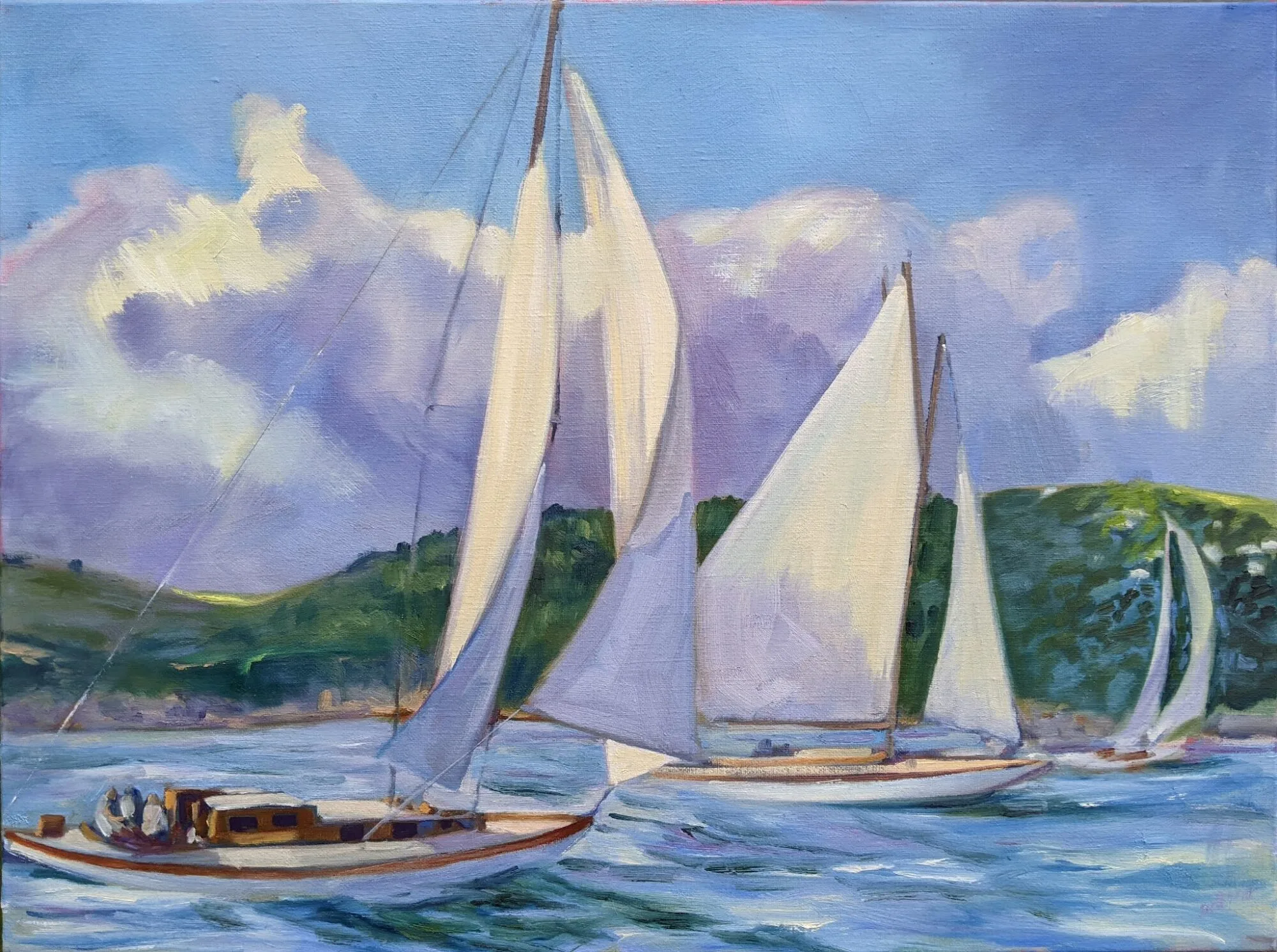
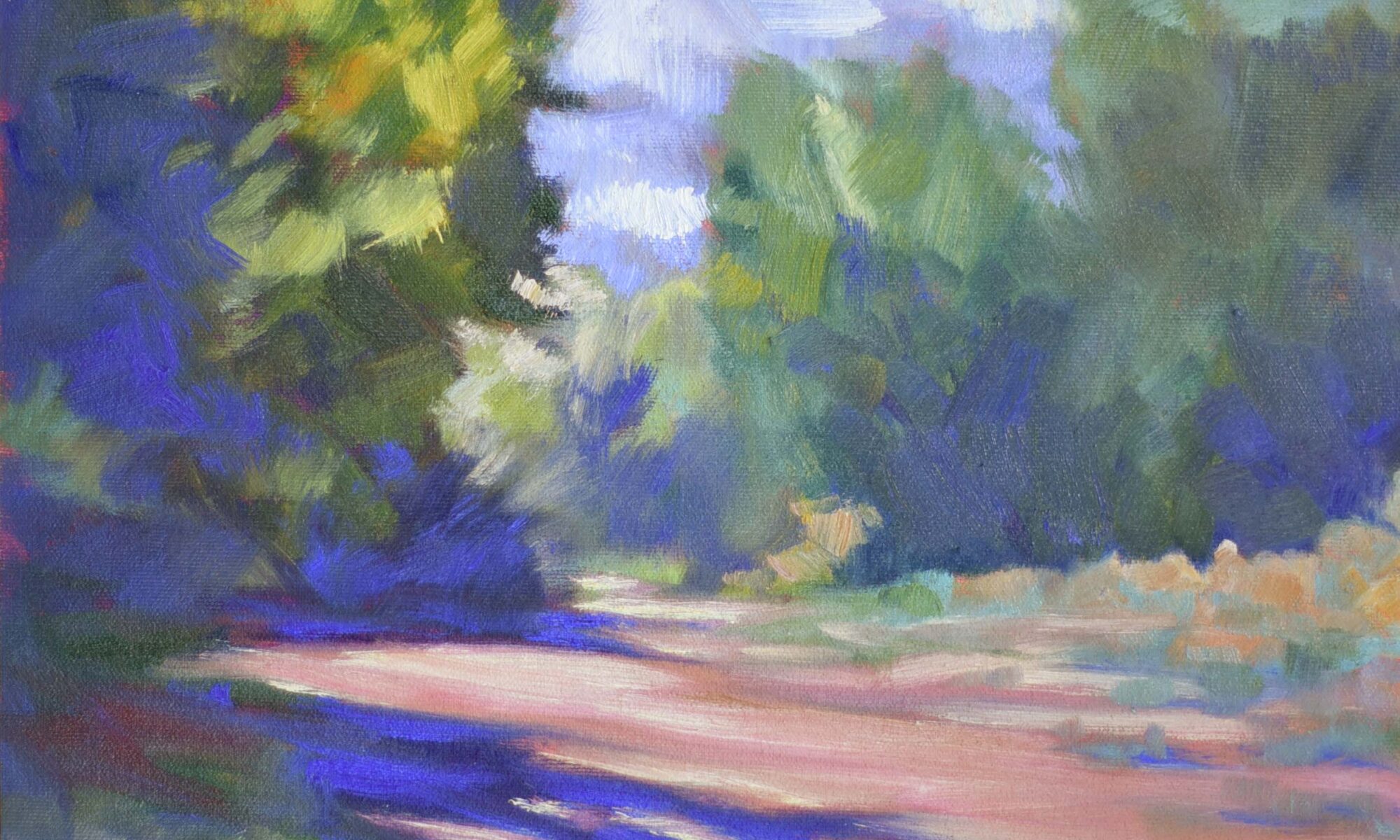
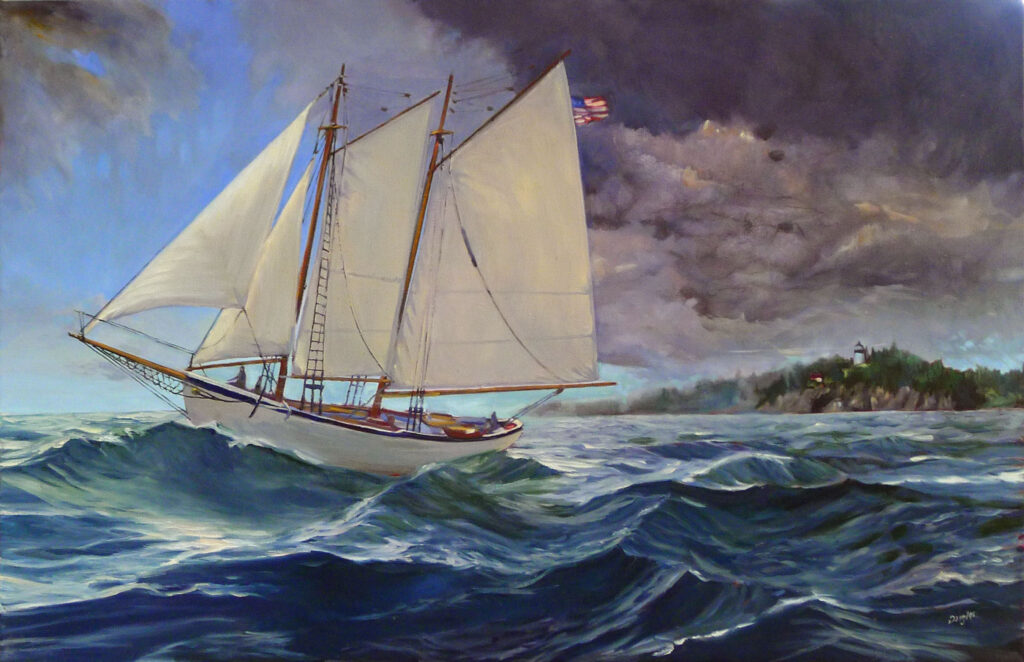
I’ve included two of each kind of work here. Let’s see if you can tell which is which.

Both practices have long, uninterrupted lineages, and both are used in all media. However, they demand different kinds of thinking, even when they use the same materials. Understanding where these approaches diverge and overlap will clarify your process no matter what medium you use.
For oils and acrylics, alla prima painting starts with toning the surface. A thin neutral or warm ground kills the white, establishes a middle value, and helps the artist judge color and value accurately from the start. This step isn’t necessary in watercolor, where the paper supplies the light. Pastel painters can bypass the whole question by choosing colored paper.
In indirect painting, the process of doing the grisaille essentially lays in the tone, since it’s worked more thoroughly than in alla prima painting. That doesn’t mean you’re allowed to be slipshod in alla prima painting. In both cases, the drawing, value structure, composition, and mood are worked out thoroughly before a brush ever touches the canvas.
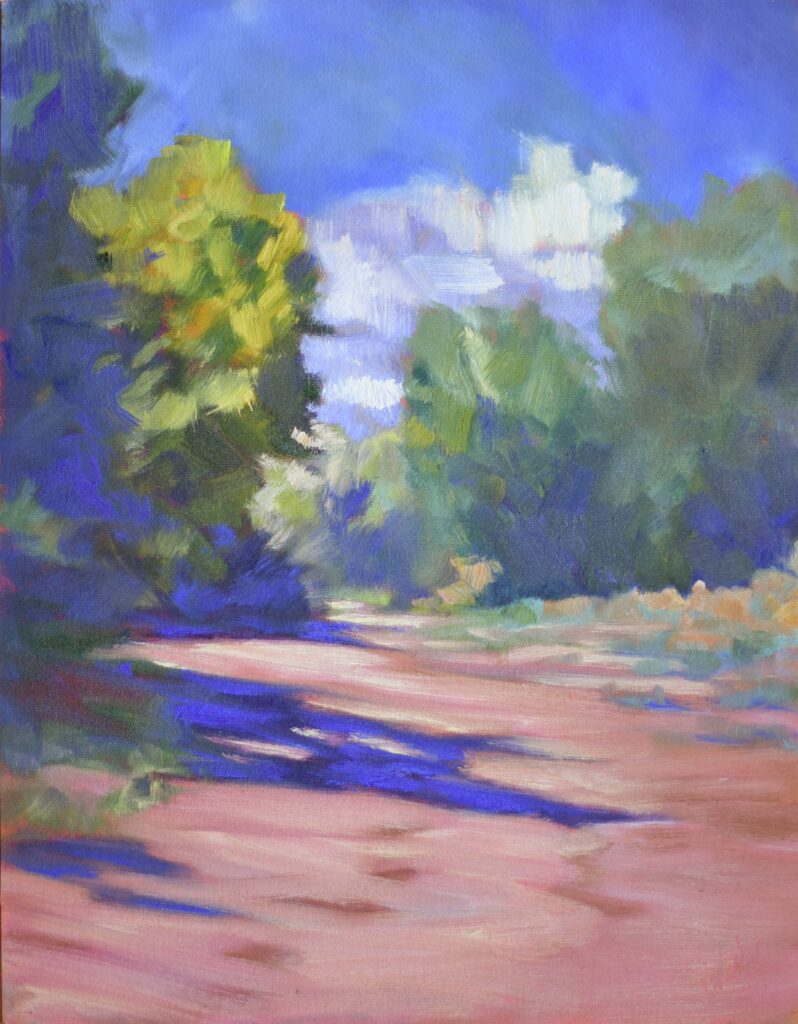
In alla prima painting, large value and color masses are laid in quickly, with no details. The artist thinks in simple shapes and major value relationships, establishing lights, midtones and darks early. Alla prima depends on value accuracy far more than detail. Color is laid in directly—mixed purposefully, placed once, and left alone. Excessive blending kills freshness; fresh color over fresh color keeps the surface alive.
As the painting develops, the artist works from general to specific. Forms are refined only after the structure is solid. High-chroma accents, detail, bravura brushwork and highlights come last. Alla prima paintings fail from overworking, not underworking. As those old Ronco Rotisserie ads used to say, “Set it and forget it.”
Indirect painting, by contrast, is cumulative. It starts with a monochromatic underpainting done with lean paint and organized clearly in lights and darks. This is where the major thinking happens. If the values and shapes are wrong here, no amount of glazing will fix them. Each layer must dry completely before the artist proceeds, and depth comes from multiple thin, transparent glazes. Only at the very end is opacity used.
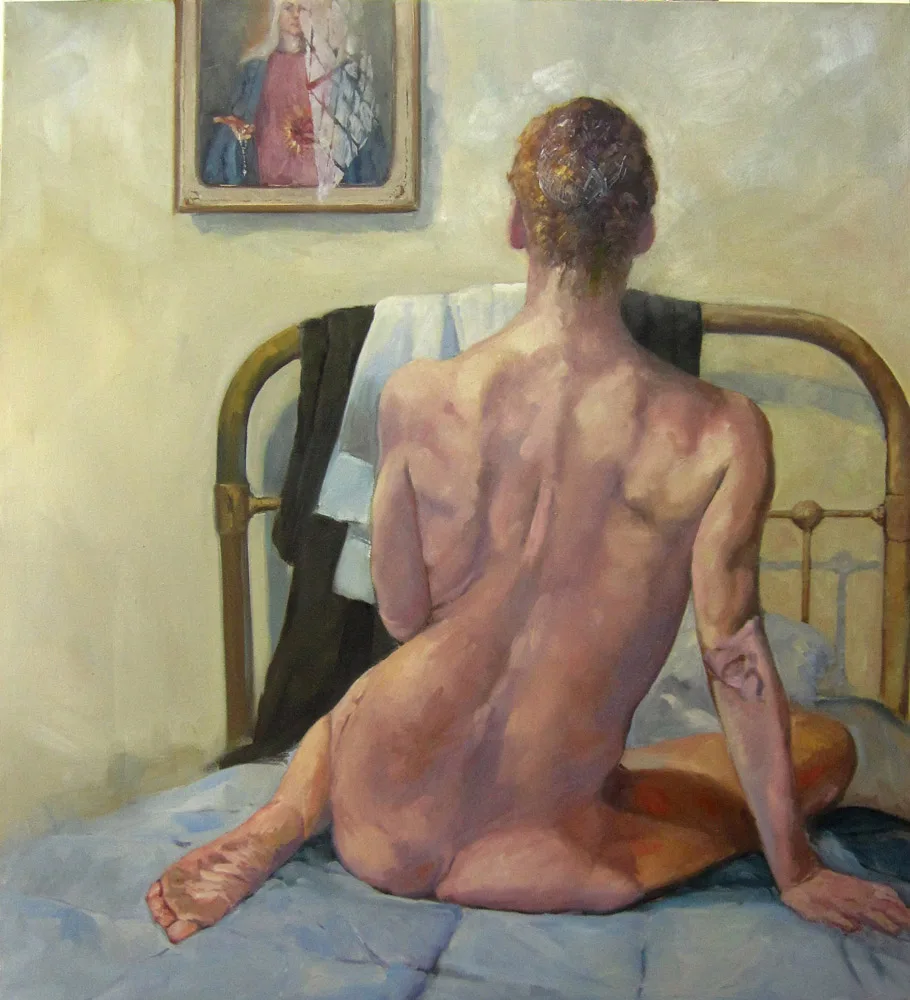
Because each layer is allowed to dry thoroughly before the next is applied, glazes can be wiped back as needed and kept very thin. Think of it as tinting light, not covering form. Color temperature and depth are adjusted gradually—warming lights, cooling shadows, deepening darks without repainting them. You’re refining, not reinventing. Many painters finish with opaque or semi-opaque accents, combining indirect depth with direct clarity.
If you want to see that in practice, look at Rembrandt’s later self-portraits, where he uses impasto on his skin to imply the vicissitudes of age.
I’d love to have you join me for Trust the Process (making technique tell the story you want to tell), my live Zoom class designed to help you build a dependable, joyful, repeatable painting practice. We’ll dig into technique, creative decision-making and the mindset that frees you to paint with confidence. We meet Monday nights, 6-9 PM EST, starting on January 5, 2026. It’s suitable for all levels and all media. You can learn more here.
Online classes start again soon!
- Cozy Winter Painting, Monday evenings, 6-9 PM for three weeks starting November 2.
- Painting Figures in Real Spaces, Tuesday evenings, 6-9 PM for six weeks starting November 3.
- Painting Nocturnes, Monday evenings, 6-9 PM for three weeks starting November 30.
I have one workshop already scheduled for 2027! Reserve your spot:
- High-Desert Light & Monumental Form | Sedona, AZ, Apr 26, 2027 – Apr 30, 2027
Can’t commit to a full workshop? Work online at your own pace: