Why bother visiting art museums?

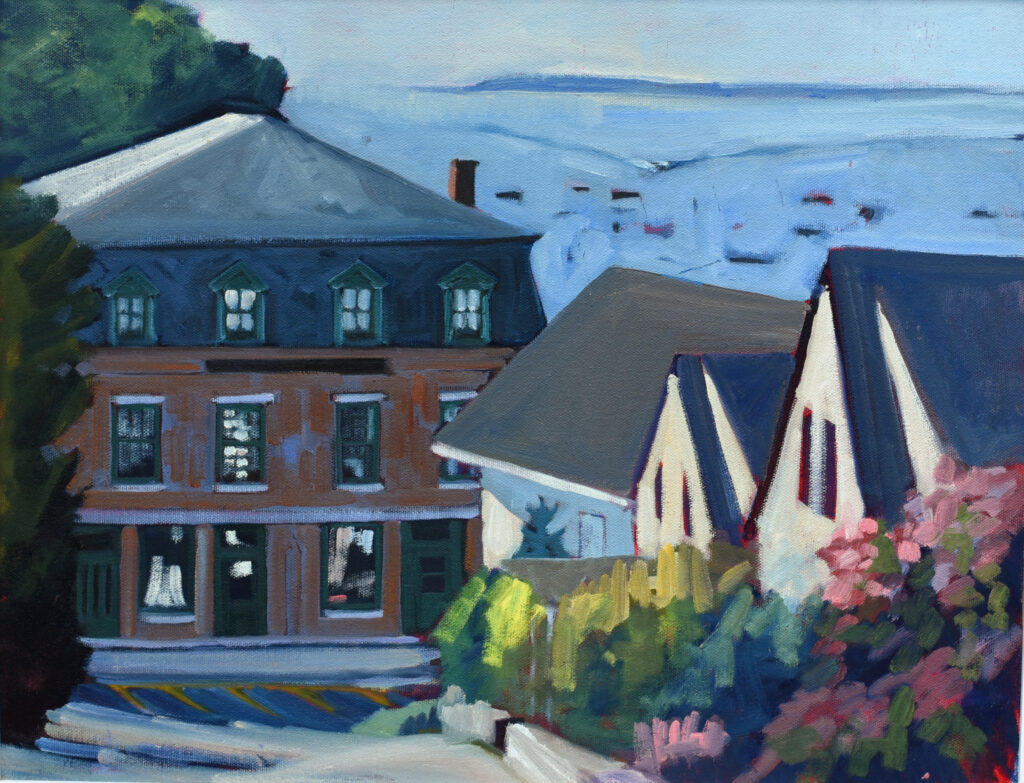
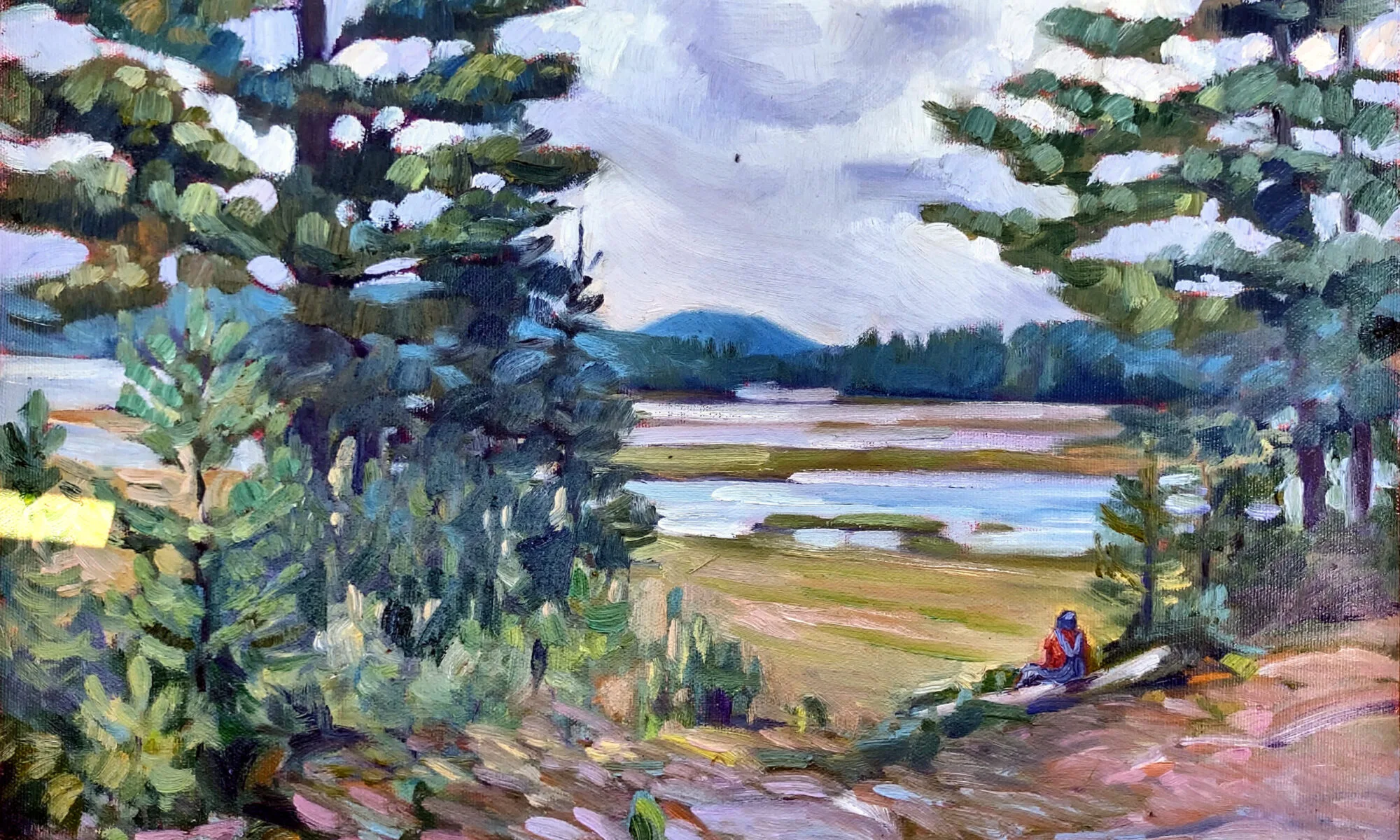
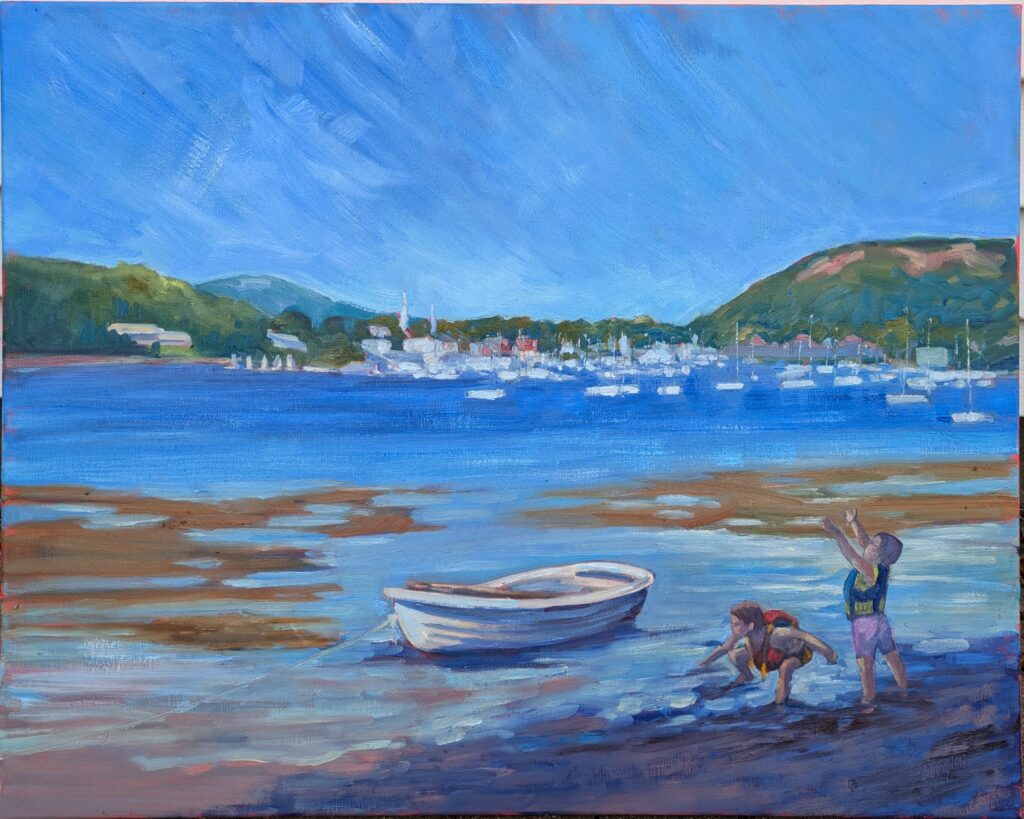
“Belfast Harbor,” 14X18, $1594 framed includes shipping and handling in continental US.

My October Immersive In-Person Painting Workshop is not like other workshops. This is in part because I take students to the Farnsworth Art Museum, where we do a deep dive into plein air painting.

In the mid-1800s, the Hudson River School painters came north to Maine, drawn by the wilderness and the coast. They were our first plein air visitors, and they were here before there were even proper roads.

A generation later, Winslow Homer set up shop at Prouts Neck. That transformed his painting, because Maine was nothing like the places he’d previously visited and painted.

Then came art colonies and summer visitors. Suddenly, the Maine coast was dotted with easels. Robert Henri, George Bellows, Edward Hopper, and countless others tested themselves against our sharp light and raw landscape.
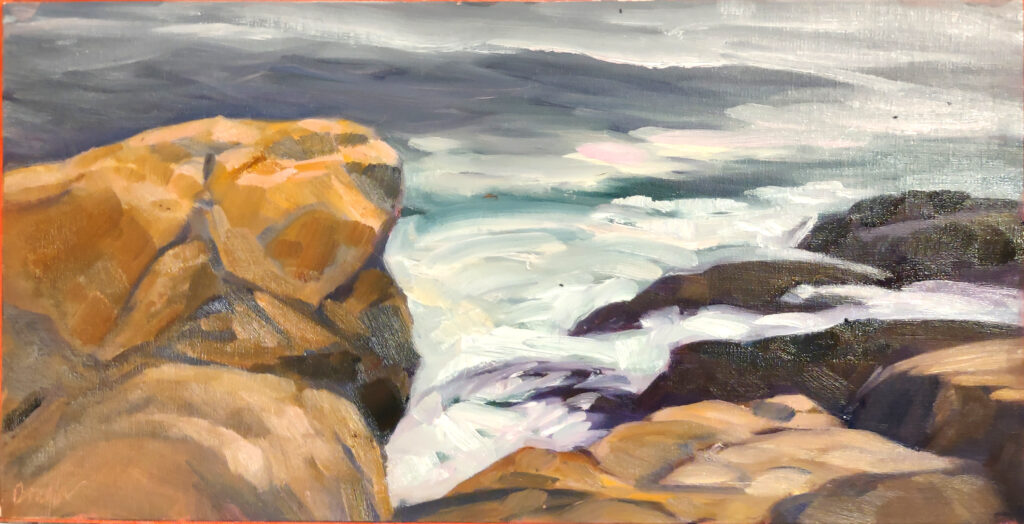
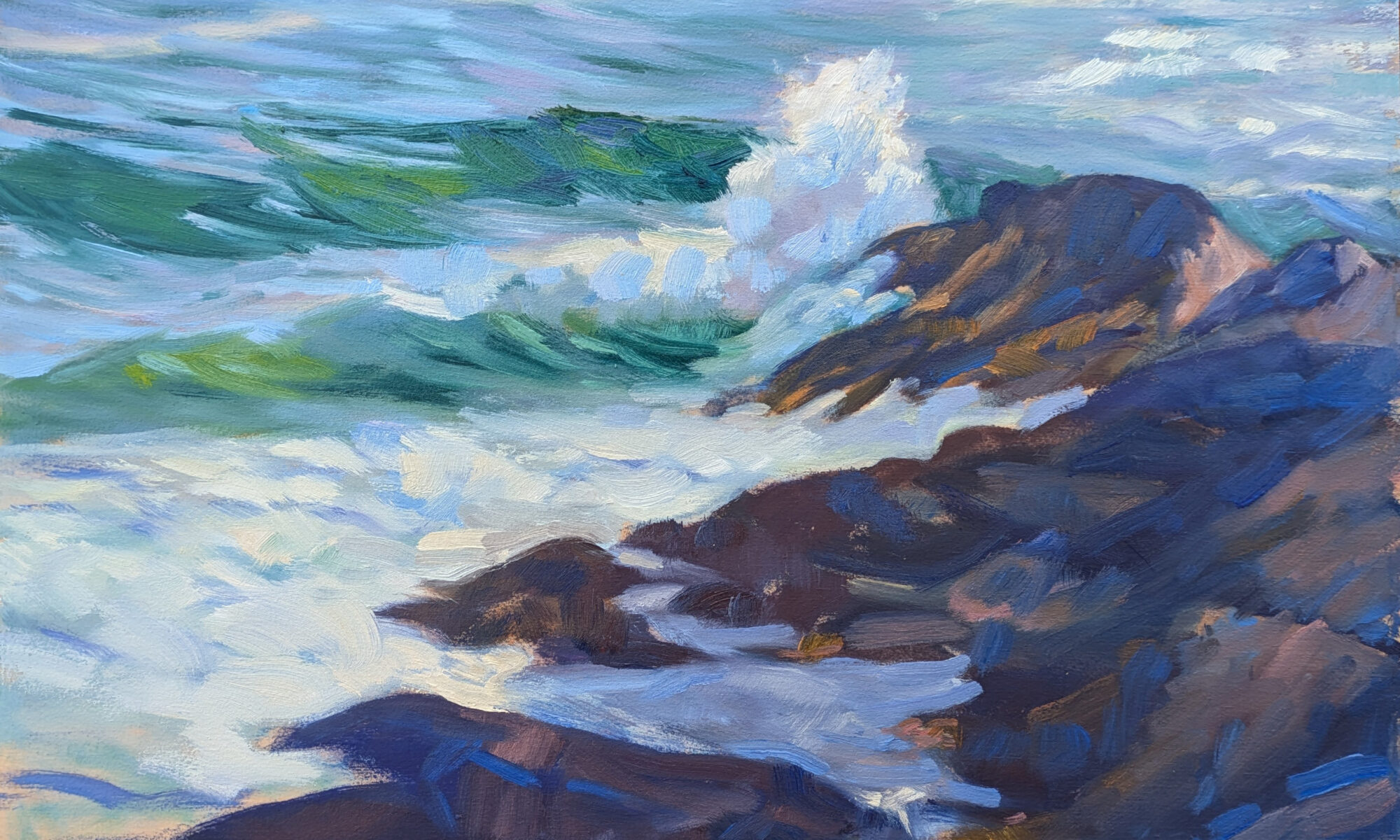
The Surf is Cranking Up, 8X16, oil on linenboard, $903 includes shipping and handling in continental US.

Why Maine? The light is part of it, as is the coast, which endlessly shifts with fog and tide. The working landscape is another: boats hauled out, traps stacked high, houses weathered by salt and time, blueberry barrens changing color with the seasons. Here, the everyday is always in flux.

And painters still come. Maine has never stopped being a proving ground for artists who want to measure themselves against the natural world.
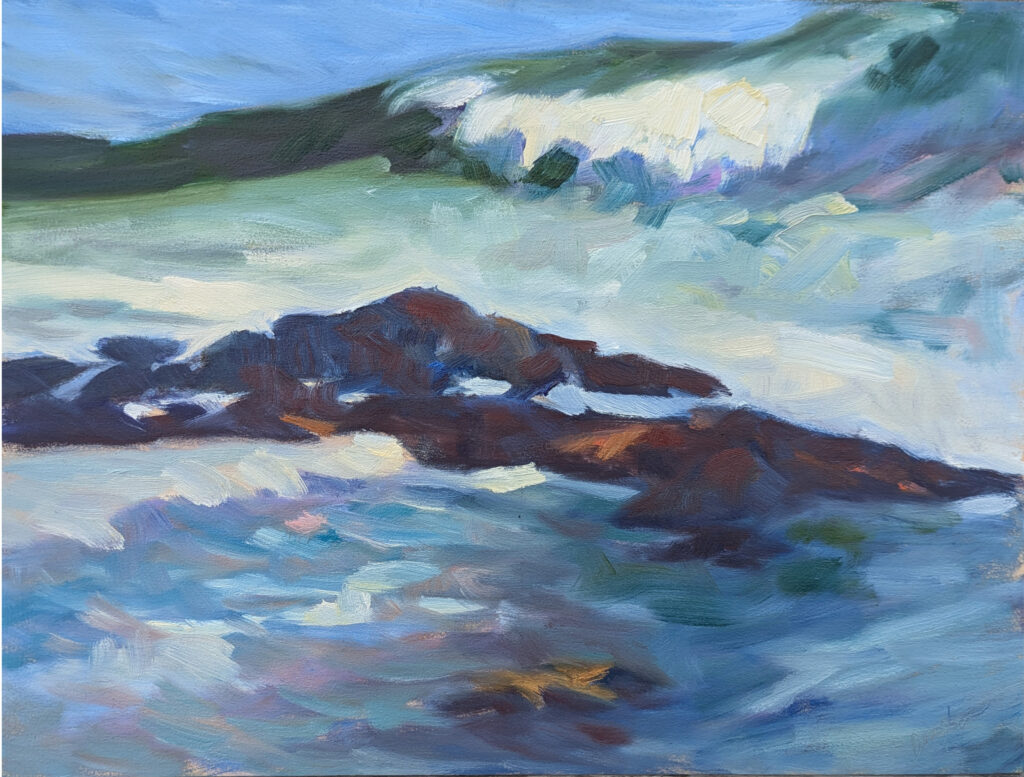
Surf’s Up is 12X16, on a prepared birch surface. $1159 includes shipping and handling in the Continental US.

What can I learn in a museum that I can’t see on the internet?

As a painting workshop teacher, I of course focus on technique. But that’s only part of the battle; the greater issue is vision.

Standing in front of a masterpiece, we see color, scale, and brushwork in a way no reproduction or screen can deliver. Photographs and online images flatten and diminish paintings. Seeing those same paintings in person is a shock to the system.

Andrew Wyeth’s superb plein air watercolors are an example (and the Farnsworth owns many). They are radically different from his tempera paintings—wild, loose and luminous. They’re visceral and physical, and you’d never get that from just seeing a small image on a screen.

Art museums pull us out of our comfort zones. The biggest thing you notice is scale; suddenly you’re not as interested in the confines of a small canvas. But real-life paintings also emphasize the power of composition and confident brushwork. We begin to ask ourselves: What can I borrow? What can I try?
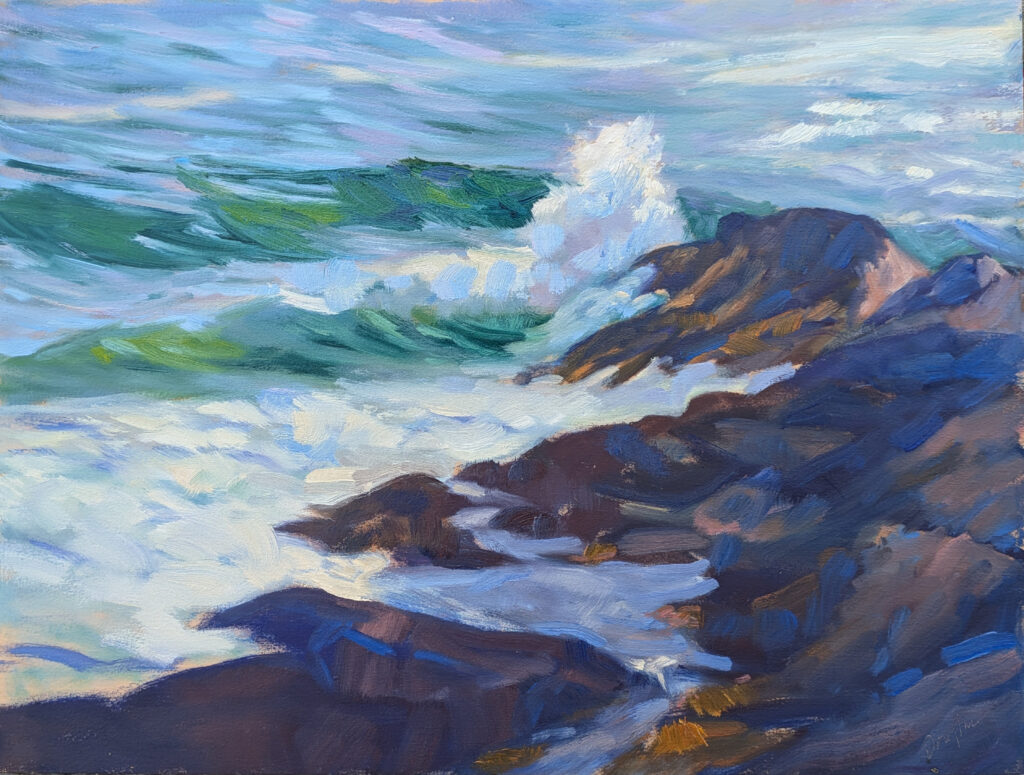
High Surf, 12X16, oil on prepared birch painting surface, $1159 includes shipping and handling in continental US.

A museum visit changes how you see your own work. When you notice how Homer lets the sea crash out of the frame, or how Fairfield Porter sets figure or object against beautifully-designed negative space, it sparks fresh ideas. You start to ask yourself how you could integrate those ideas into your own painting.

Surrounded by several centuries of art, you understand that you’re part of a centuries-long conversation. That perspective can be humbling, but it’s ultimately freeing.

For me, taking students to the Farnsworth is a vital part of teaching my painting workshop. I’m not just training painters to mix specific colors; I’m trying to teach painting at a higher level.

That’s exactly why my October Immersive In-Person Workshop in Rockport includes a museum visit. We’ll spend a full week painting together, but also stepping into galleries to stand face-to-face with great art. Because sometimes the fastest way to grow as a painter is to let yourself be inspired by the masters.

Don’t wait—join me in Rockport this October. Spaces are limited, and I’d like to get supply lists to you as soon as possible.
Why don’t I teach shorter painting workshops?

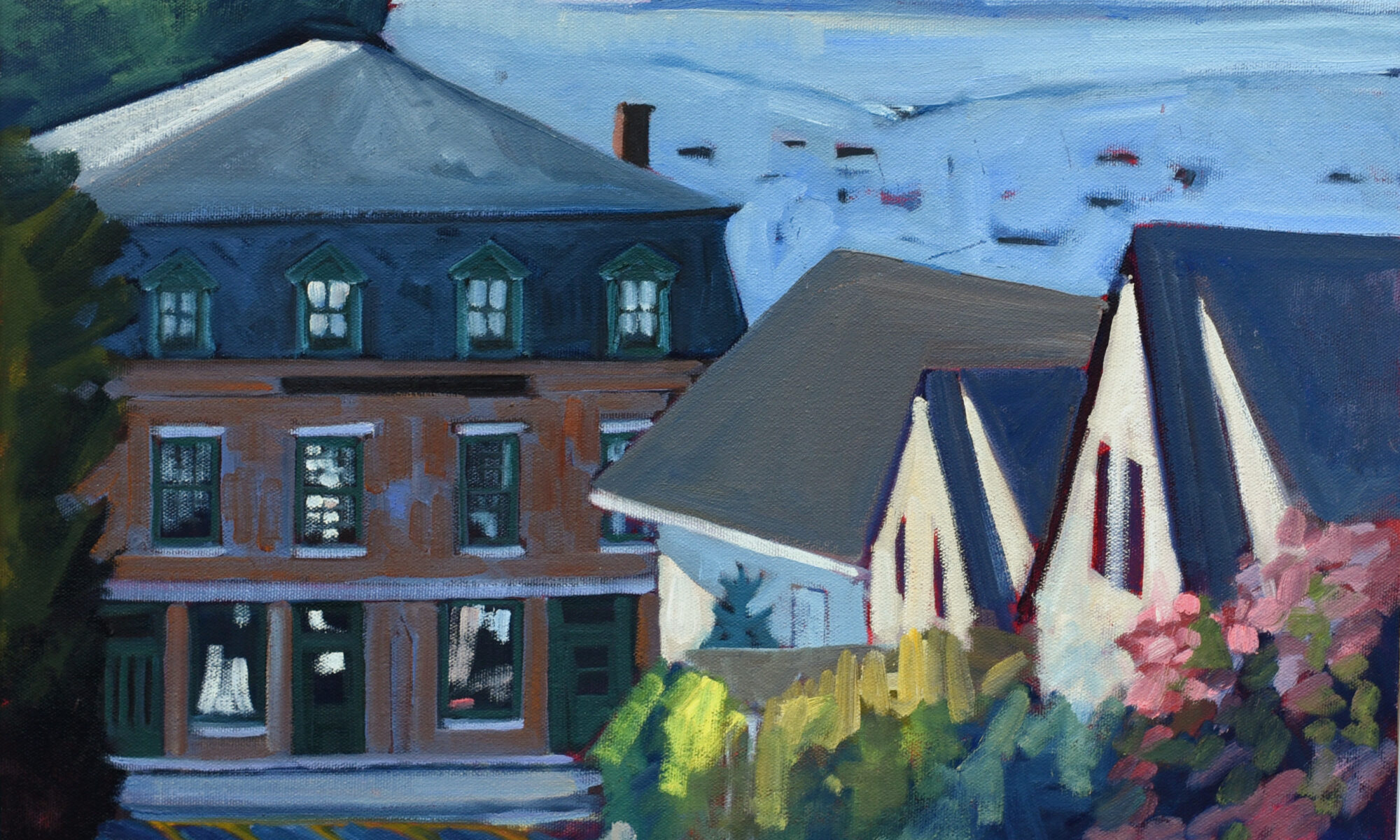
Camden Harbor from Curtis Island, oil on canvas, $2782 unframed includes shipping and handling in continental United States.

I’m teaching an advanced painting workshop this week. Today is the third day, and when my students departed yesterday, they all looked a little tired. OK, a lot tired. It’s a lot to work from 9 to 4 in open air, while trying to integrate new concepts.

A fellow teacher once told me that she had been asked to compress a four-week beginner course into two days. “I think it’s a disservice,” she said. “That’s a lot of information to compress into a much shorter time. So, either it’s a very shallow dive or there’s so much information compressed so tightly that half of it gets lost.”

I’m terrible at taking pictures while teaching, but one of my students set up in the shade of an old schooner, and I thought her easel looked darn cute there.

I am often asked about shorter painting workshops as well. They fit neatly into a weekend and the cost is lower, so they’re easier to sell. If they’re subject-based, like ‘painting sunsets,’ they can work because these painting workshops are inherently shallow. They work best for people who already know the rudiments of painting; otherwise, they’re a bit too much like sip-and-paints.

But two or three days are insufficient when it’s a question of really developing style, color fluency, composition and form. And if you understand these concepts, you don’t need a special painting workshop on sunsets or water; you have the tools to paint anything you want.

Downtown Rockport, 14X18, oil on archival canvasboard, framed, $1594 includes shipping and handling in continental US.

What can go wrong? A lot.

Basic protocols for watercolor and oils run to about seven discrete steps, depending on how you break them down. Here are, roughly, the steps for oil painting:

  1. Set up your palette with all colors out, organized in a useful manner.
  2. Do a value drawing.
  3. Crop your drawing and identify and strengthen big shapes and movements.
  4. Transfer the drawing to canvas with paint as a monochromatic grisaille.
  5. Underpaint big shapes making sure value, chroma and hue are correct.
  6. Divide big shapes and develop details.
  7. Add highlights, detail and impasto as desired.

Let’s just consider #2. It’s almost useless for me to just tell you to do a sketch. In fact, if I did that, you’d have to wonder why you didn’t just draw on the canvas instead. You need insight into what you’re looking for, what makes a good composition, and different ways to do that preparatory composition.

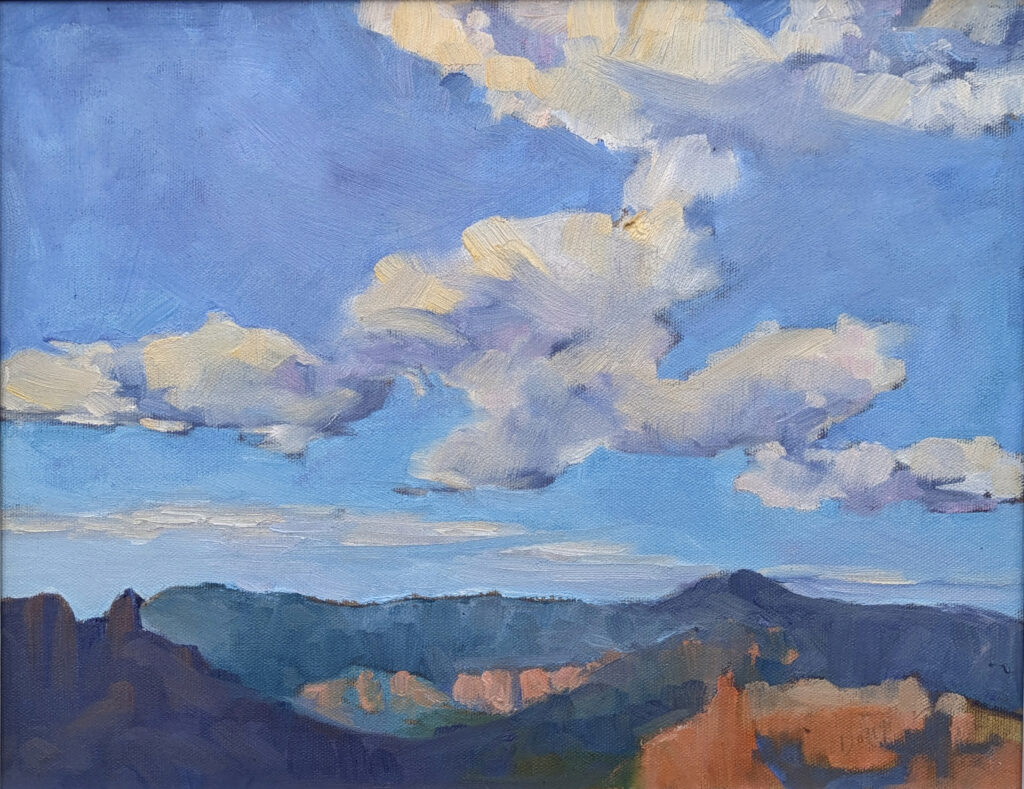
Maynard Dixon Clouds, 11X14, oil on archival canvas board, $869 includes shipping in continental US.

I can (and sometimes do) rattle off a lecture on these points, but that is the just the start of the process of discovery. Unfortunately, in a two-day painting workshop, that’s about all the time we’d have for the step many artists consider most crucial to the development of a good painting. You, the student, then go home and consult your notes. They become a slavish list of dos-and-don’ts, rather than a framework for a deeper understanding.

It’s far better that I start with an exercise that allows you to build understanding of composition on your own. That, in a nutshell, is the difference between a book and interactive teaching. It’s why people take painting workshops in the first place.

That kind of teaching takes time.

Arthur Wesley Dow, the popularizer of Notan, had his students work for weeks on line before they eventually graduated to masses and then finally to greyscale and color. His students included Georgia O’KeeffeCharles SheelerCharles Burchfield, and other 20th century art luminaries, so he was definitely onto something. Learning to paint properly takes time.

This is a revision of a post from 2022.

Registration is now open for workshops in 2026! Reserve your spot:

Can’t commit to a full workshop? Work online at your own pace:

Seven Protocols for Successful Oil Painters

Creative vacations

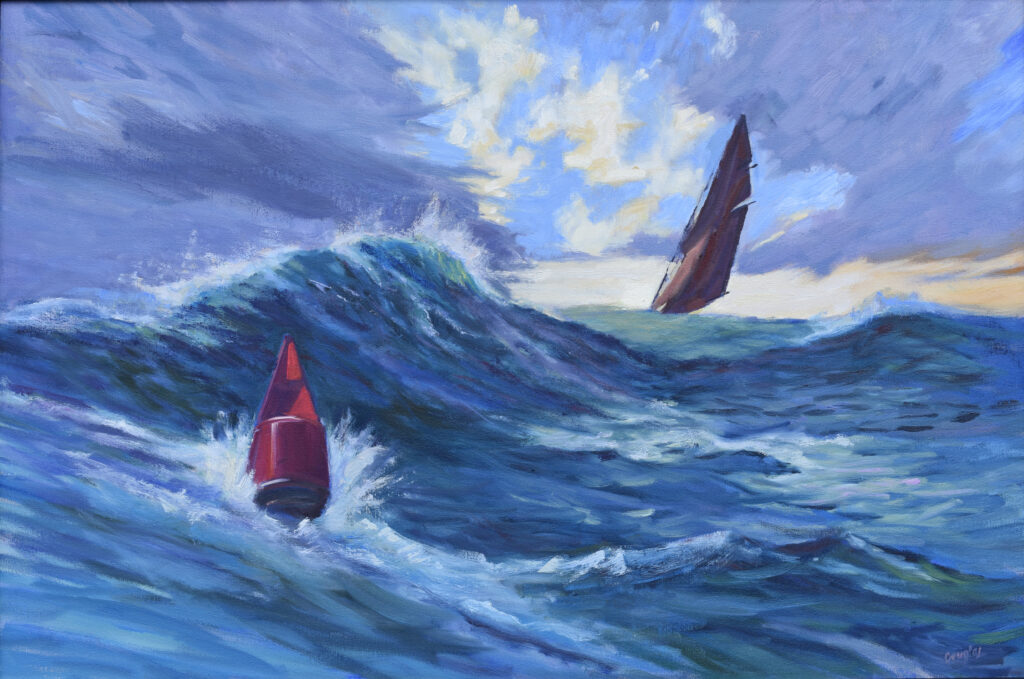
Heavy Weather (Ketch Angelique), 24X36, oil on canvas, framed, $3985 includes shipping and handling in continental US.

The 4th of July kicks off vacation season here in Maine. Right on schedule, Bloomberg tells us, Taking Predictable Vacations Is Bad for Your Brain. (A writer replies, “Tell me you don’t have kids without telling me,” but I beg to disagree. I’ve taken many unusual vacations with my kids and grandkids; they seem to thrive on them.)

Maine is a great place to avoid the predictable. I had my most hair-raising experience as a parent on the beach in Ogunquit, so I speak from experience in saying it’s not exactly like the Jersey Shore up here.

Of course, I’m not suggesting you risk your kids’ lives. Unpredictable can mean a lot of things. Maine is no shopping destination, but it sure is great for hiking, biking, kayaking, and sailing.

Surf’s Up is 12X16, on a prepared birch surface. $1159 includes shipping and handling in the Continental US.

Why do creative vacations matter?

Our ancestors had way too much instability in their lives, which is why we suppose vacations should be relaxing—we’ve been told they’re for rest and regeneration. We humans are hardwired for exploration and challenge, but modern man is stuck in a rut.

Highly predictable vacations allow our brains to languish (and, I’ll add, we tend to drink too much on them). Experiences outside our comfort zone stimulate thought, but they also kick in a healthy physiological response.

Dopamine, the neurotransmitter associated with pleasure and motivation, is released when we are challenged. Predictable vacations may not trigger the same level of dopamine release as novel experiences, according to St. Luke’s Penn Foundation.

When an activity is a bit off-kilter or outré, we perversely enjoy it more. When we stick to the tried-and-true, our brains don’t receive the same stimulation and challenge as they do when we’re surprised. New experiences increase our neuroplasticity. That’s great for cognitive function and resilience.

Skylarking II, 18×24, oil on linen, $1855, includes shipping in the continental US.

I’m not advocating killing yourself by taking foolish risks, as too many young influencers seem to do these days. But there are other options to take us out of our comfort zones.

Regular readers know I like to take go rambling in the British style, where you go from inn to pub to inn on foot. It’s certainly not because I love blisters, heat exhaustion, or dehydration, but as soon as I’m done with one year’s adventure, I’m eagerly thinking about the next (which I think will be in the Orkneys). Equally, some of my best trips have been madcap drives, including a memorable 10,000 mile painting excursion across Alaska and Canada. I find these things so much more interesting than Orlando.

High Surf, 12X16, oil on prepared birch painting surface, $1159 includes shipping and handling in continental US.

A painting workshop is the ultimate in creative vacations

I start teaching an advanced plein air painting workshop on Monday here in Rockport, and I have three others on my calendar for the summer. A plein air workshop is a great way to push yourself outside your comfort zone. And painting has an additional benefit, because many studies have shown it’s great in itself for neural health.

Research shows that hobbies—any hobbies—prevent depression and reduce anxiety. But the most effective hobbies are the creative hobbies, according to The Journal of Positive Psychology. Creativity has a positive effect, not only on the day when we make stuff, but on subsequent days as well. (For anyone waiting around for inspiration, the same research tells us that feeling good doesn’t push us into greater creative effort.)

If you’re looking to get the biggest restorative bang for your buck from a creative vacation, you can’t do better than a painting workshop.

Registration is now open for workshops in 2026! Reserve your spot:

Can’t commit to a full workshop? Work online at your own pace:

Seven Protocols for Successful Oil Painters

Snowing in Sedona

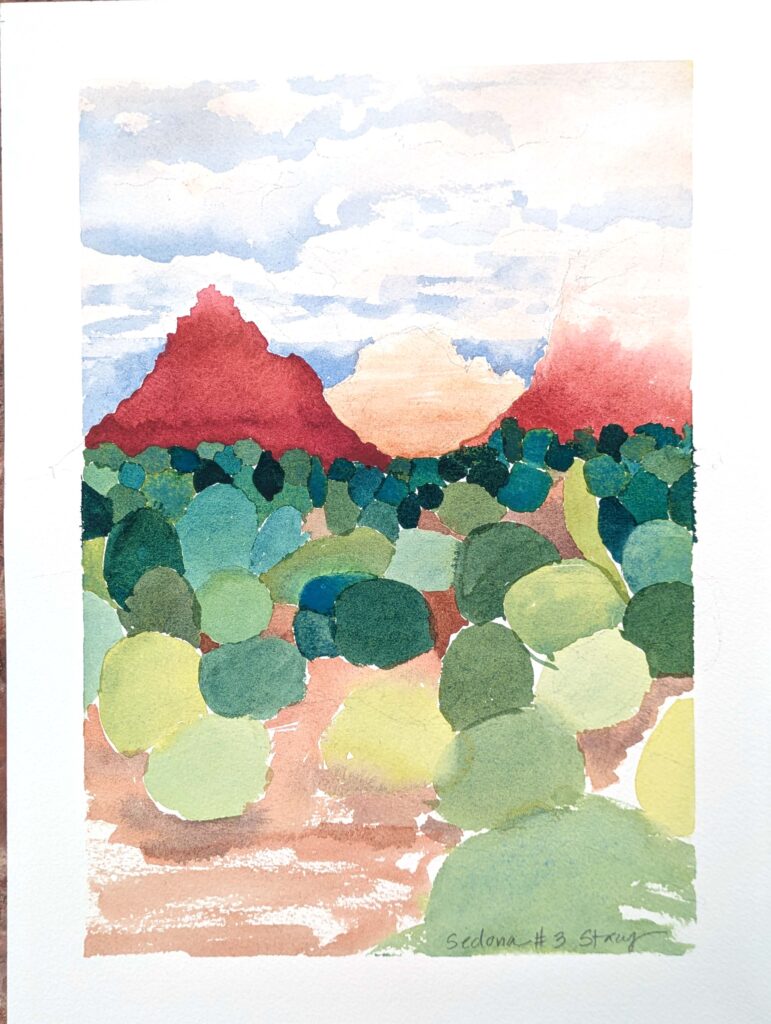
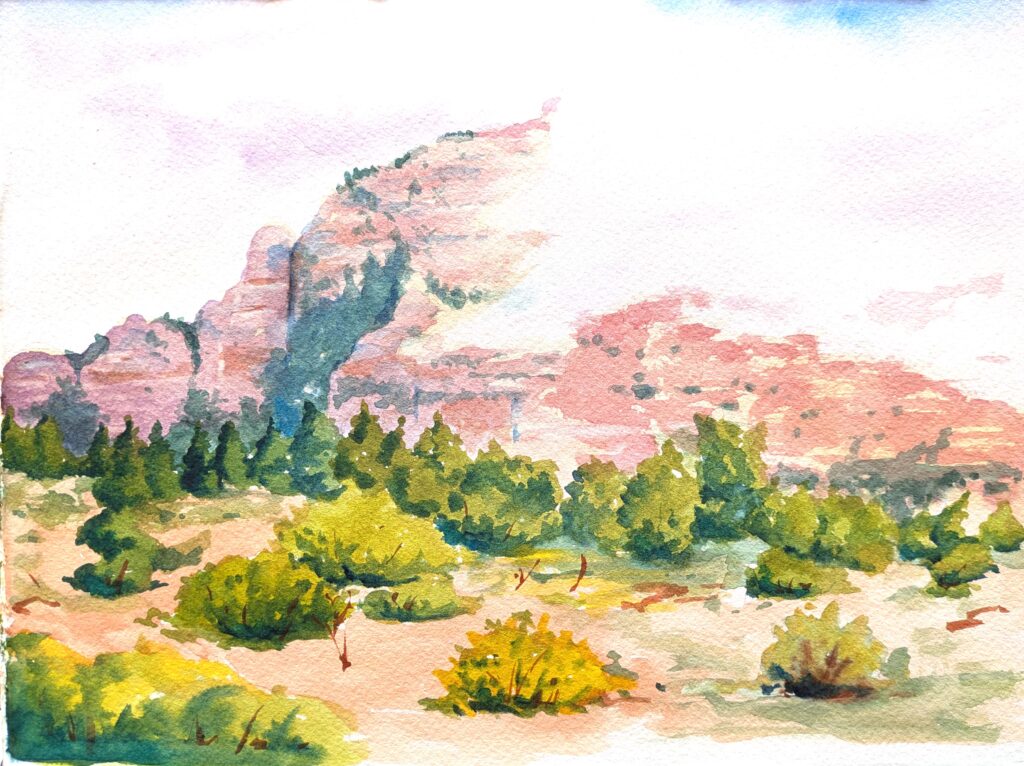
Watercolor by Stacy White.

“It’s supposed to snow in Sedona at 8 PM,” my husband told me as I was driving west on 89A yesterday evening.

“That’s funny, because it’s squalling right now,” I answered. Before I made it back to my digs in Cornville, I had two weather alerts on my phone. Since I’m driving a very tiny Mitsubishi Mirage, I was concerned about being blown off the road or, worse, floating away.

I’m a worrywart. Of course, nothing happened.

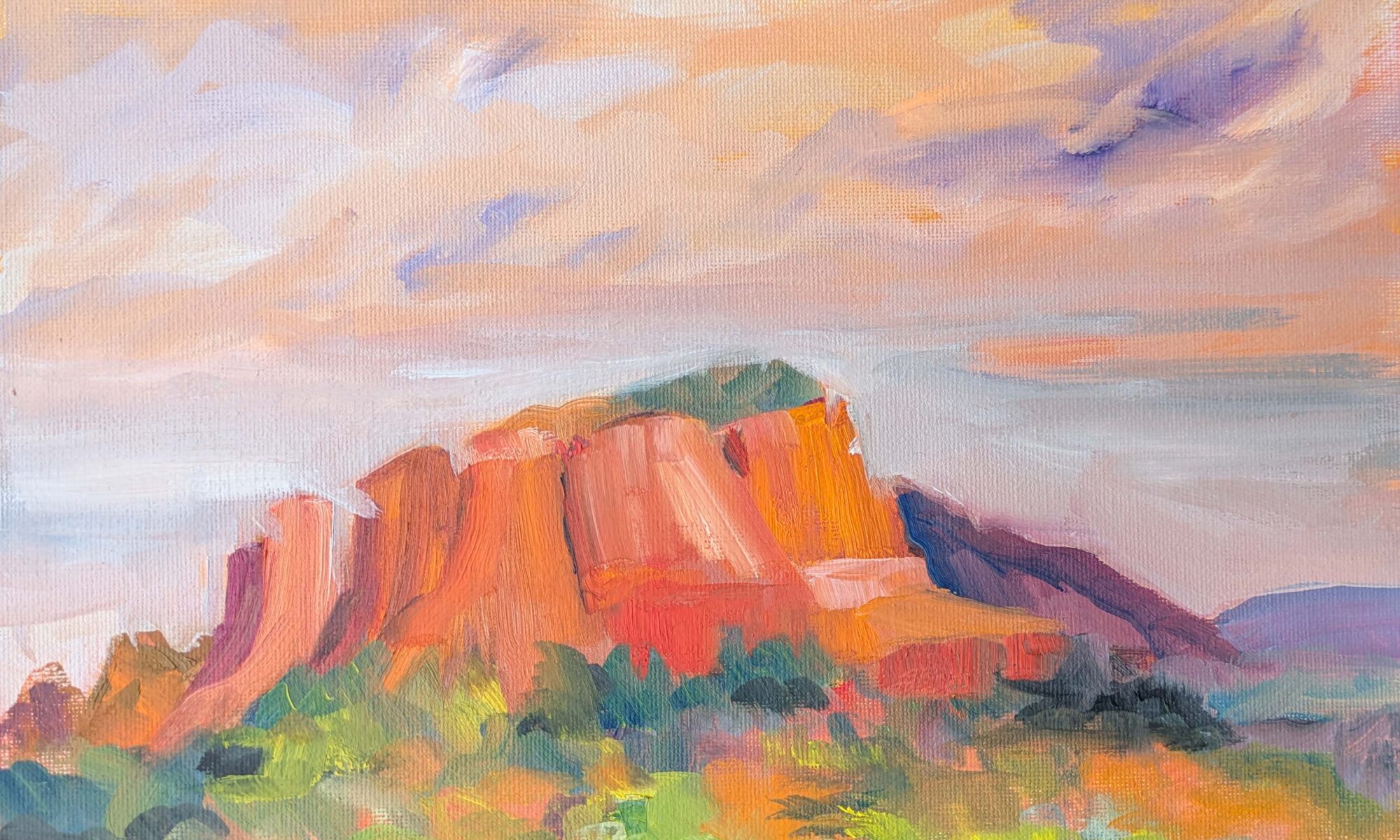
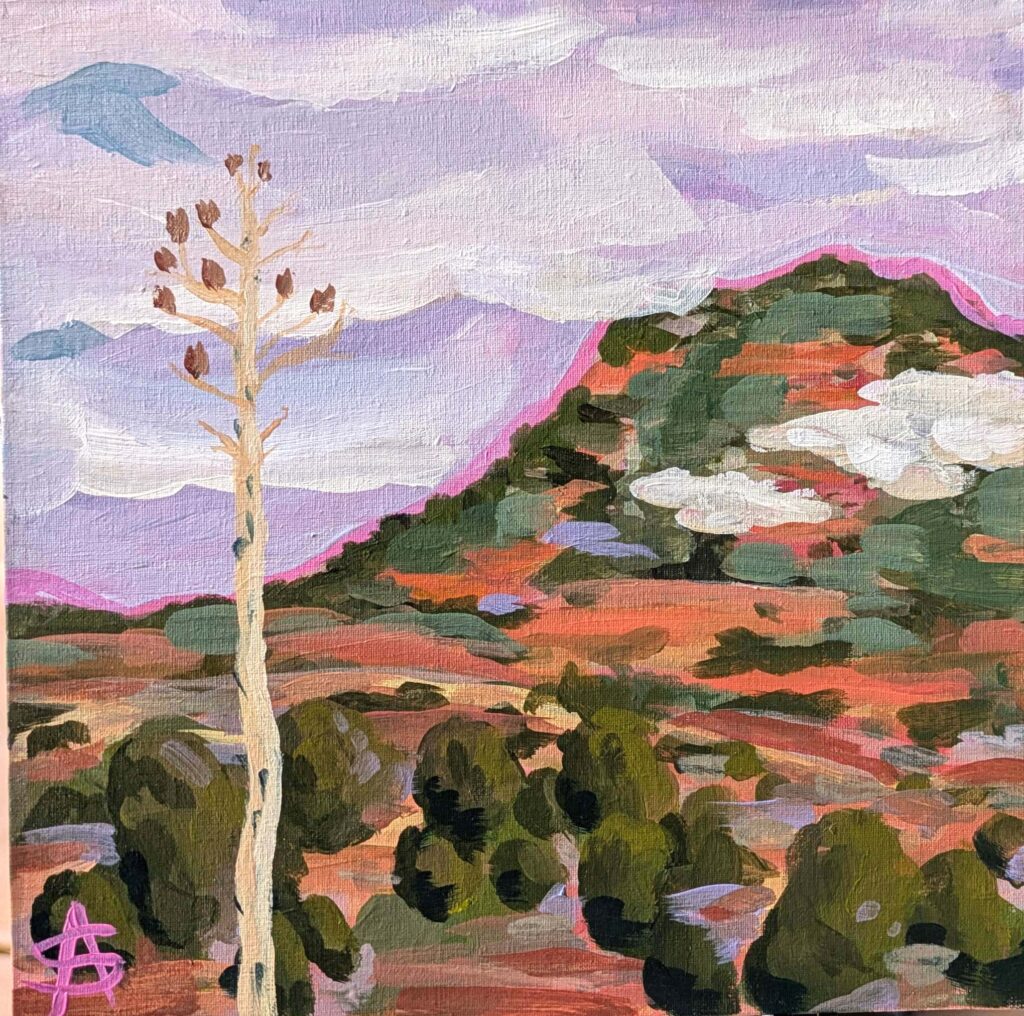
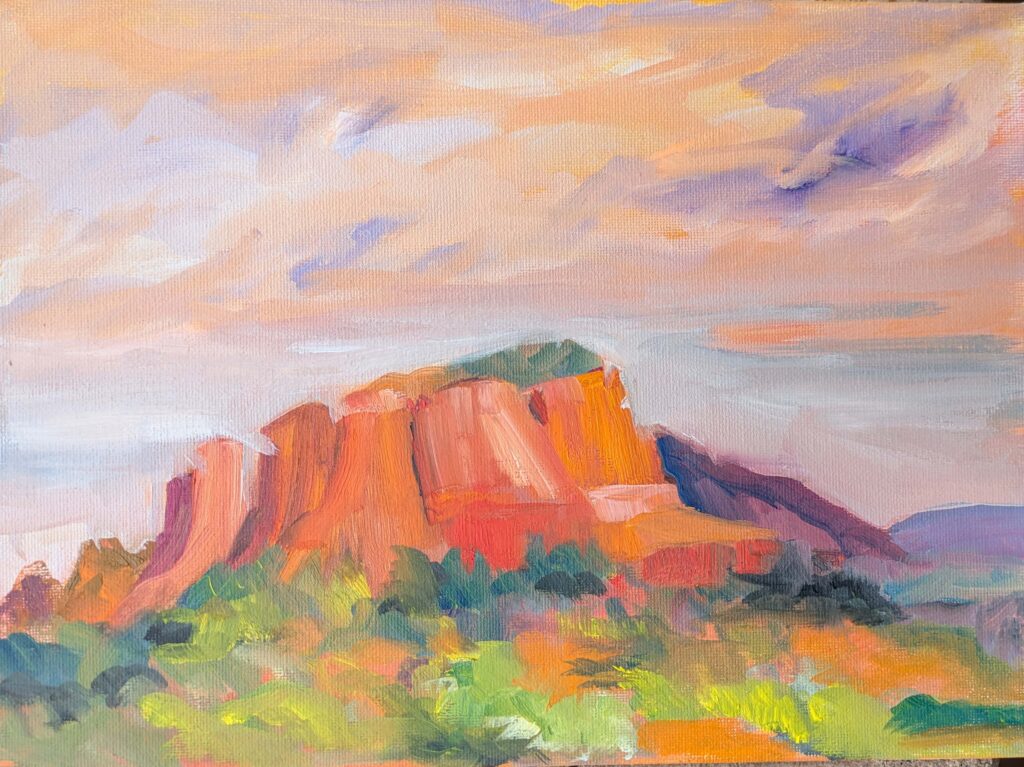
Acrylic by Amelia Scanlan.

There’s something wrong about snow in palm trees or cactuses, but Sedona and environs have been in a moisture deficit all winter. I feel badly for my students, who wanted to paint outdoors all week, but we had three good days in lovely weather. I’m also happy that we were able to break Sedona’s drought for them.

Plein air painting means expecting the unexpected, and that’s as true of workshops as it is of events. And, of course, we’re all learning, including me.

Watercolor by Bonnie Daley.

Snowing in Sedona

I have never taught a painting workshop where I haven’t learned something from my students. This week, it was about using apps like Grid Maker, GridMyPic, etc. that allow you to paste grids directly over photographs in my phone. That means I never have to ruin another value sketch by gridding across it in my sketchbook. Who knew?

I teach several painting workshops a year, and I hope that I send my students away with a variety of technical skills, including painting techniques, drawing and compositional fundamentals, and a healthy dollop of color theory. Then there are the practical skills, including material mastery, like brushes, surfaces and mediums. There are strategies for faster setup, better decision-making, and getting the best results in the fastest time. And everyone faces the same painting challenges, like dealing with slow drying in bad weather or accelerated drying in hot weather—both of which we’ve faced this week.

Oil by Rachel Houlihan.

But what a painting workshop really offers is a change in mindset. If I’ve done my job right, I’ve sparked new ideas and helped build connections between people who’ve never met before. I’m very tired, but it’s a good tired, because I’ve had a great group of students this week.

Registration is now open for workshops in 2026! Reserve your spot:

Can’t commit to a full workshop? Work online at your own pace:

Seven Protocols for Successful Oil Painters