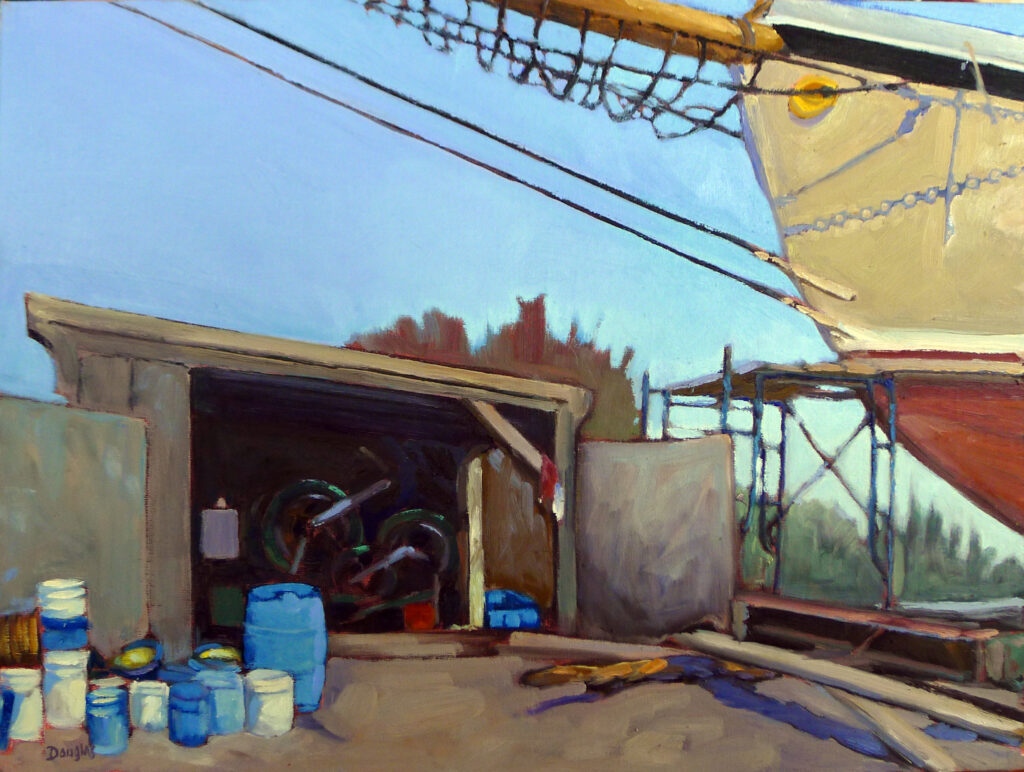
You don’t like your painting? Get over it.

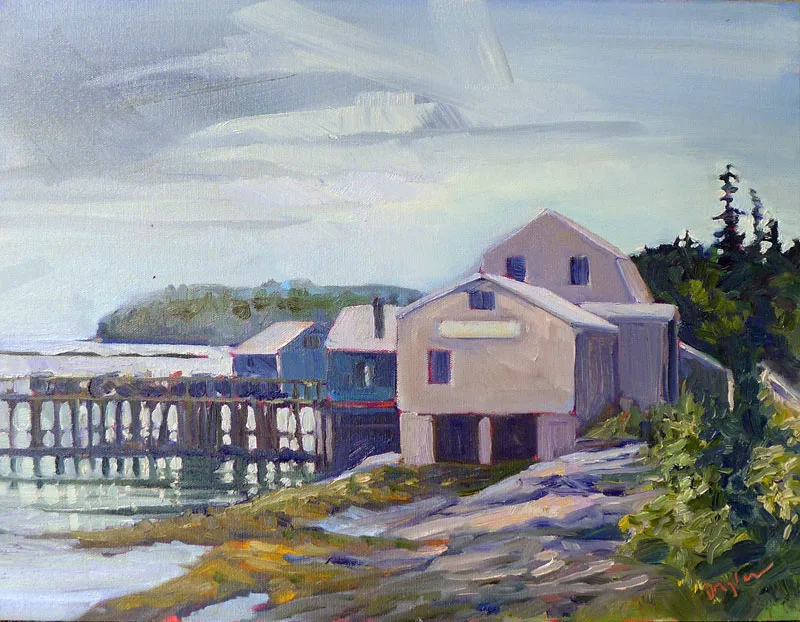
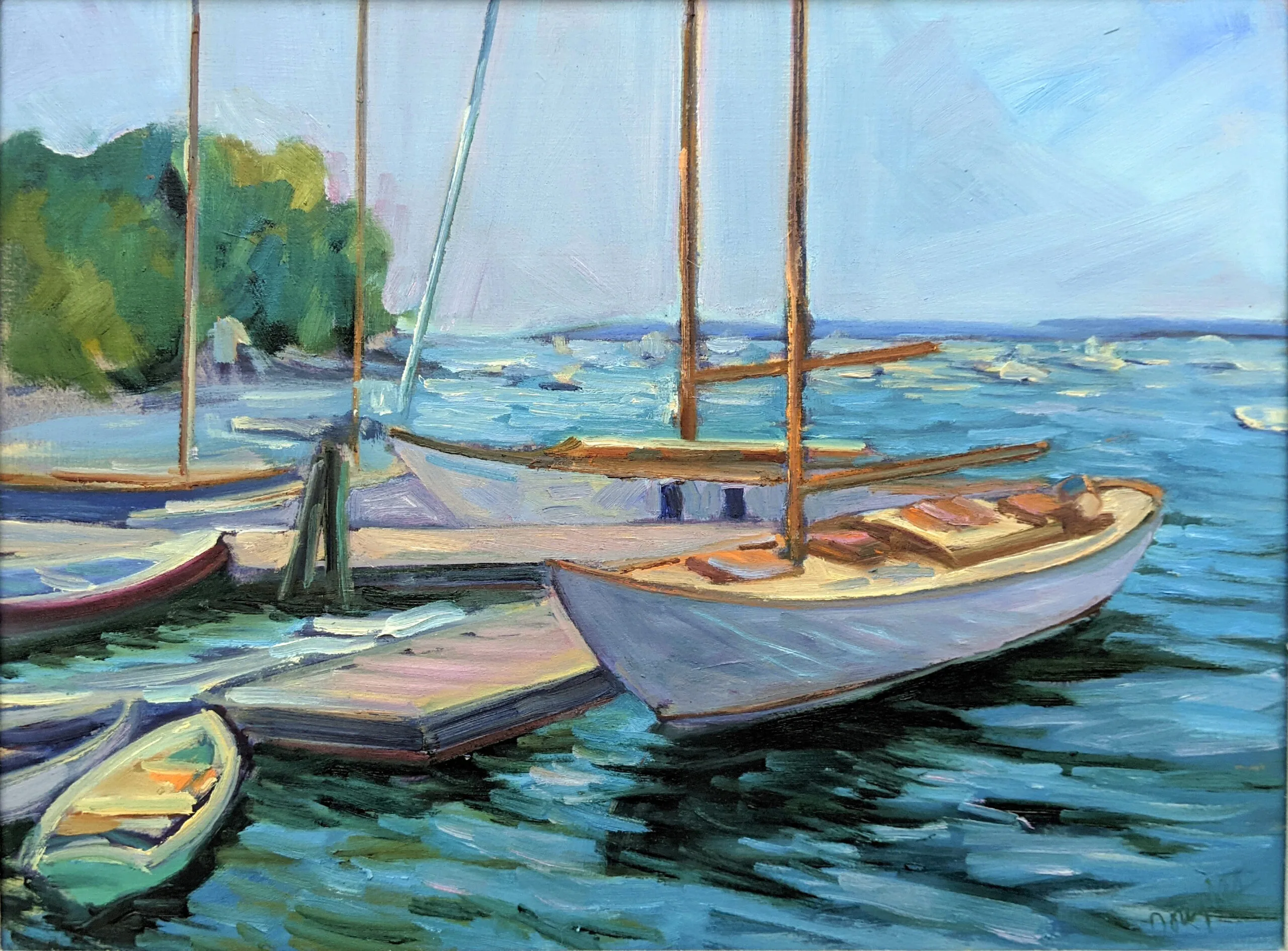
American Eagle in Drydock, 12X16, $1159 unframed includes shipping and handling in continental US.

“Everyone always says they don’t like their painting,” a student said to me during my last workshop. “It’s like saying, ‘I don’t like my butt in jeans.’ Nobody likes their butt in jeans, but we have to move past that.”

“That’s only true of half the population,” I laughed. “If men think about it at all, they think their butts look great in jeans.”

Feeling like all your paintings are bad is painfully common among artists, especially when we’re pushing ourselves to grow. Here’s how to move through that self-doubt mindset:

Recognize it as a sign of growth

Self-doubt often shows up right before a breakthrough. It means your eye is improving faster than your hand. You can see what’s wrong—but not yet fix it. That’s not failure. It’s progress.
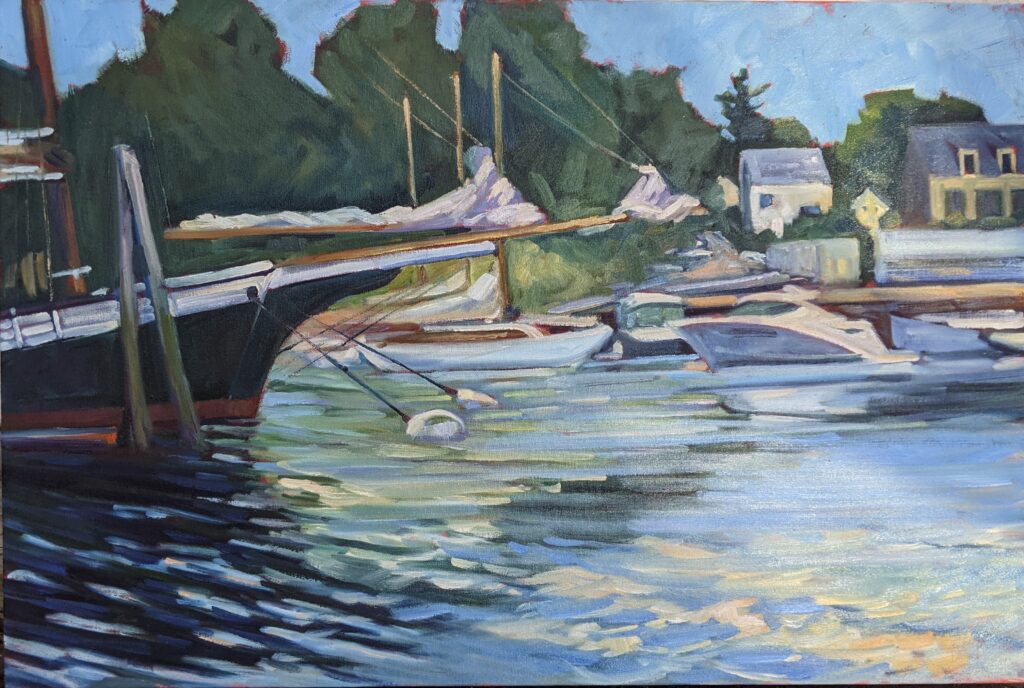
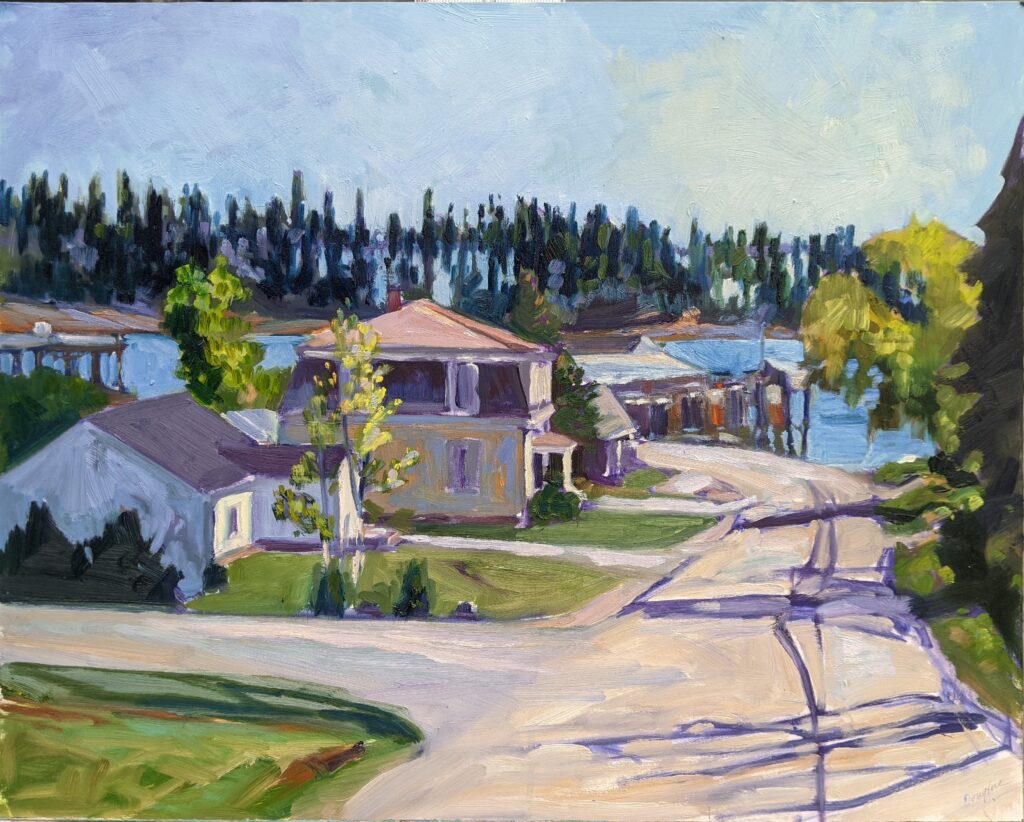
Camden Harbor, Midsummer, oil on canvas, 24X36 $3188 includes shipping in continental US.

You are not your painting

Bad paintings do not mean you’re a failure. Your job is not to be good every time you paint. Your job is to show up, make the work, and learn from it. Distance yourself from your work enough to critique it without self-loathing.

How much better are you than you were a year ago?

Look at what you painted last year. You’ll probably see how much you’ve improved. You’ll also see paintings that you thought were terrible that you quite like today. Progress is always easier to see in hindsight.

Finish it anyway

Even if it feels like a hot mess, finish that painting. There’s discipline in following something through to the end. Often, what seems hopeless halfway through turns into something interesting. And sometimes real progress feels ‘off’ to us, because it’s something we’ve never seen before. (That’s why I discourage painters from immediately scraping out work they don’t like.)

Skylarking II, 18×24, oil on linen, $1855, includes shipping in the continental US.

We’re not perfect

Not every painting needs to be good. Some are just learning opportunities. You only get better by making a lot of work, some of which will be bad. That’s normal. That’s healthy. That’s how we grow.

You should visit my studio and see my stack of bad paintings. It’s a good thing I have a sander and know how to use it.

Keep painting

This part is non-negotiable. Even if you think it’s all bad, keep painting anyway. Don’t wait to feel confident. Don’t wait to be inspired. Keep painting, and trust that quality will follow quantity.
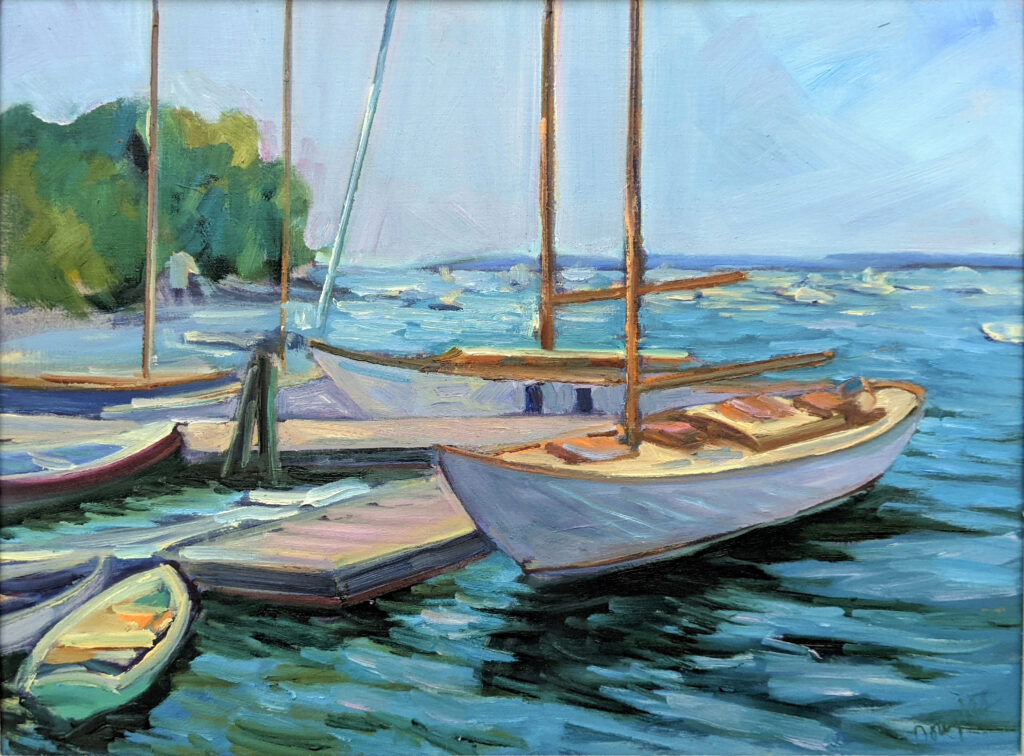
Beautiful Dream, oil on archival canvasboard, $1449 framed includes shipping and handling in continental US.

Some questions to ask yourself

  • What does ‘bad’ mean to you? What are you actually criticizing? This is where formal criticism is helpful, because it removes emotion from the process.
  • What did you learn from this painting?
  • Who are you trying to impress?  Be honest—are you painting for you, your peers, Instagram, your teacher, or an ideal version of yourself?
  • How and what would you paint if nobody was ever going to see the results?
  • What would you tell me if I said “I hate my painting”? I doubt you’d agree, and you deserve the same objectivity, compassion and insight you’d offer to me.

Registration is now open for workshops in 2026! Reserve your spot:

Can’t commit to a full workshop? Work online at your own pace:
Seven Protocols for Successful Oil Painters

Monday Morning Art School: What are you good at?

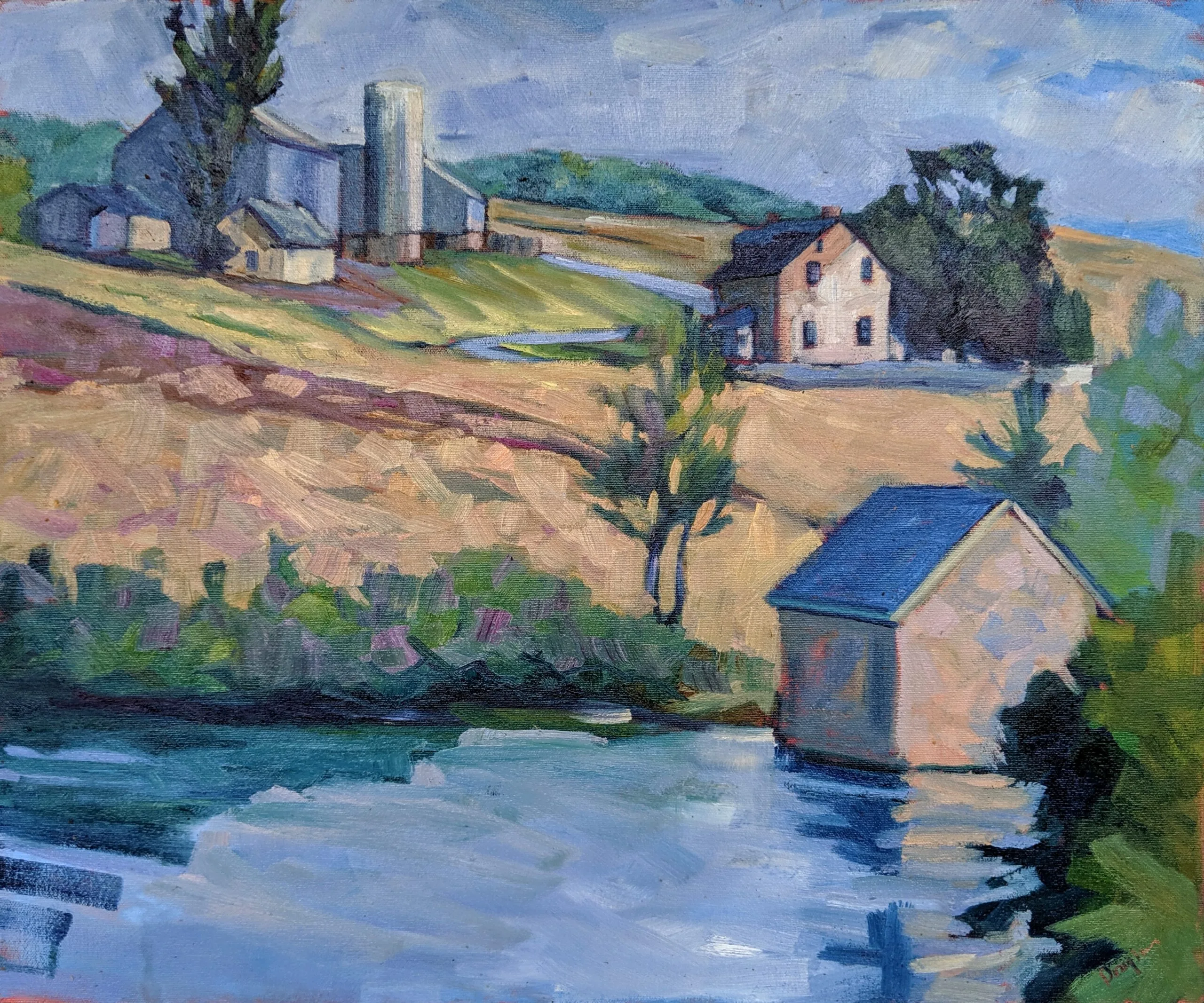
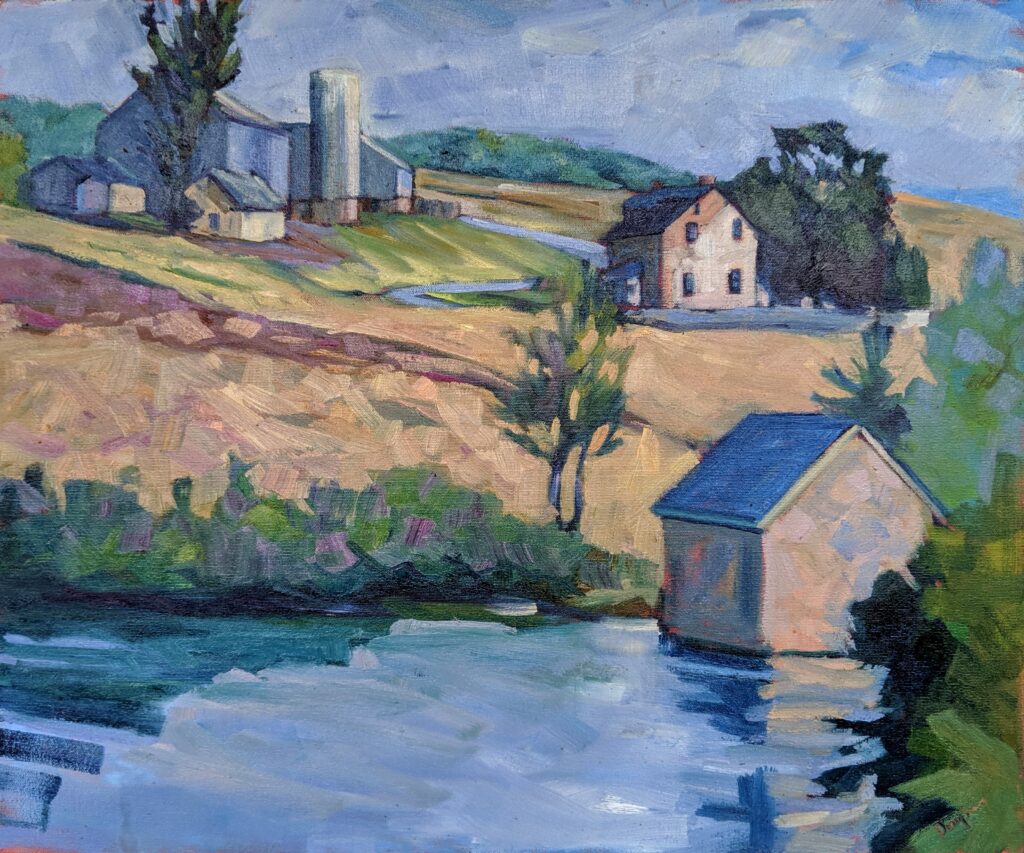
Home Farm, 20X24, oil on canvas, $2898 framed includes shipping and handling in continental US.

Painting teachers can sometimes focus on the negative, because it’s part of our job to point out deficiencies. However, there is a lot we can learn by asking our students, “What are you good at?”

I’ll go first: I’m logical, good with numbers, and I’m disciplined. In art terms, I’m a good composer and draftsman and I’m intrepid. See, that wasn’t too hard.

Lobster pound, 14X18, oil on canvas, $1594 framed includes shipping and handling within the continental US.

Your turn: what are you good at?

Name three qualities that are general and three related to your art. I can easily see a relationship between my strengths on and off the canvas. What about you? Are your strengths as an artist related to your strengths as a person?

No, it’s not bragging

I’m not asking you to talk about your awesomeness to everyone you know. We humans all perseverate on our weaknesses, and as an artist you’ve chosen a career with lots of knocks to the ego. A realistic idea about your strengths is a good counterweight to the negativity of the art world.

Camden Harbor, Midsummer, oil on canvas, 24X36 $3188 includes shipping in continental US.

Why is this important?

Looking at our strengths is an effective learning tool. Reflecting on our strengths helps us understand ourselves better. It allows us to recognize where we excel and what comes naturally to us.

Knowing our strengths boosts our confidence. When we are aware of what we’re good at, we feel more capable and empowered to tackle daunting challenges. Confidence can be a driving force in achieving our goals.

Understanding our strengths also helps us set realistic and achievable goals. By leveraging our strengths, we embark on projects that align with our abilities. That increases our chances of success.

Focusing on our strengths enables us to further develop and refine them. Continuous improvement in areas where we excel can lead to greater mastery in those areas. That in turn enhances our overall competence.

It also allows us to collaborate more effectively with others. I have a show hanging at Lone Pine Real Estate this season. It’s a good symbiotic mesh between experienced brokers and an experienced painter. I recognize their strength at attracting a clientele, but I also understand that my strengths in painting houses and boats gives them subject matter that meshes with their mission.

Above all, recognizing our competence develops resilience. All of us sometimes get to a point where we think, “I can’t do anything right.” Knowing our competence helps us navigate periods of self-doubt or rejection.

Main Street, Owl’s Head, oil on archival canvasboard, $1623 includes shipping and handling in continental US.

Above all, it feels good

Not beating ourselves up all the time is such a relief. Art (and life) is just more fun when we feel good about what we’re doing. What we focus on, we (to some degree) become. As King Solomon wrote some 3000 years ago, “for as he thinks within himself, so he is.”

If you’ve got the courage, answer the question “what are you good at in art and in life?” below. (I promise to not tell anyone.) Can you see a relationship between the two? Can you see a way those strengths can be a building block to future success?

Registration is now open for workshops in 2026! Reserve your spot:

Can’t commit to a full workshop? Work online at your own pace:
Seven Protocols for Successful Oil Painters

Footnote: the Red Barn Gallery in Port Clyde, ME, is looking for an artist to join for the 2024 season. It’s a cooperative gallery so you must be able and willing to work shifts there. Having done it myself, I can tell you there are few places more pleasant in which to spend a summer afternoon. The application is here.

Self-doubt is a vicious cycle

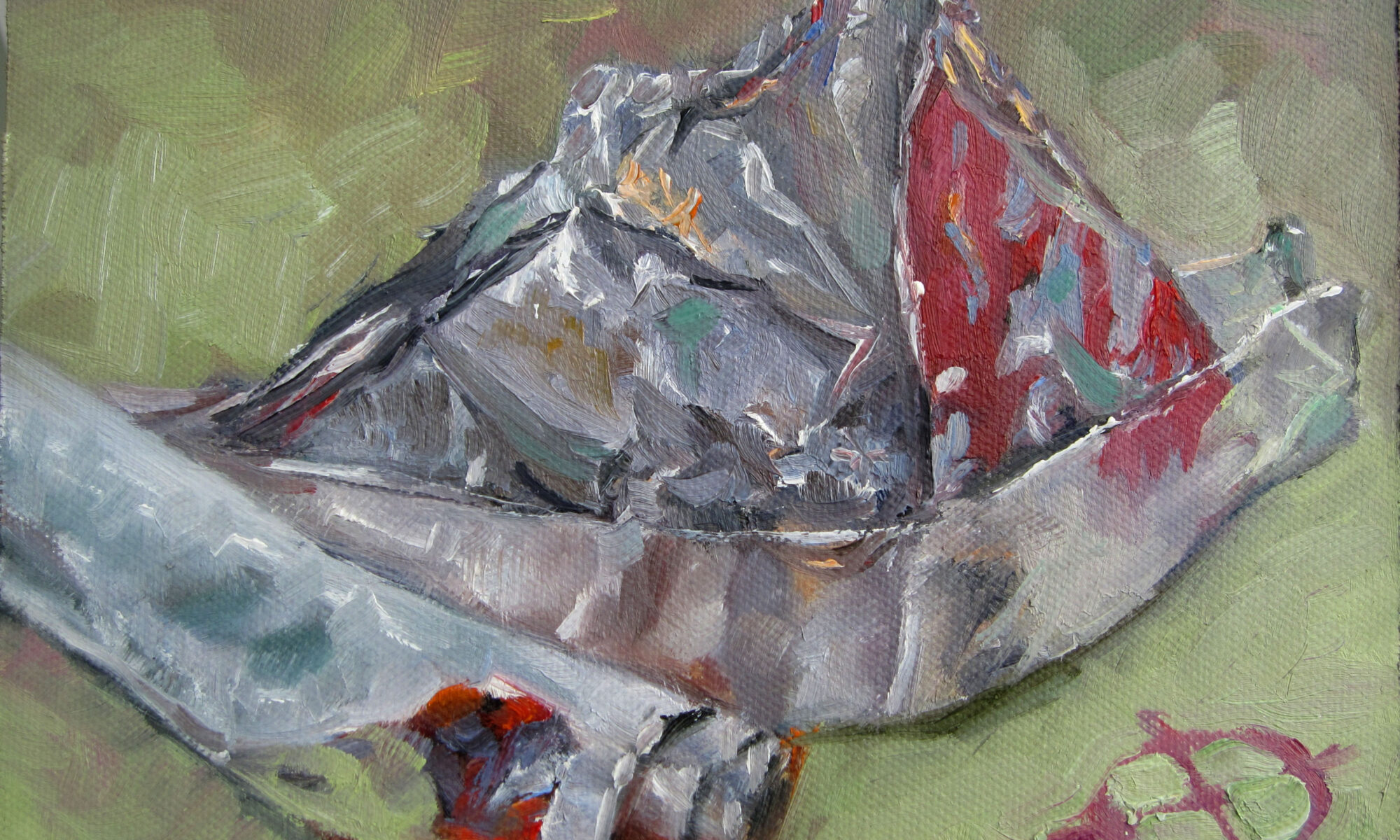
Tin Foil Hat, 6X8, oil on archival canvasboard, $435.

I have three students whom I’ll call A, B and C.

A and B are both very accomplished. C is earlier in the cycle but has good instincts and is working very hard to close the gap. It’s paying off.

I got a sad text from C that read in part, “I am really not at the level of the others in our class.”

C is a perfectionist, and that occludes her vision. (That’s, sadly, a common problem among painters who were very successful in their first careers.) C can’t see how energetic her brushwork is, how controlled her color is, or how beautifully she composes. All she sees are deficiencies.

“Are you kidding?” I responded. “A and B are both painting at a professional level, but the rest of the class is on the same level as you.” I didn’t say that to make her feel better, but because it’s true.

Possum, 6X8, oil on archival canvasboard, $435.

Shortly thereafter, I got an email from B. “A is killing me,” she lamented. “I so want to paint like her. Wow, is she good.”

I haven’t heard from A yet, but I wouldn’t be surprised if she emailed me to tell me how much she wished she could paint like someone else.

I love painting with Eric Jacobsen and Ken DeWaard, but there are days when I want to throw my brushes in the harbor when we’re done. Eric’s brushwork is lyrical; Ken’s drafting is exquisite. I peek at their work and see only my own deficiencies in comparison.

I was once at an event where I felt totally outclassed. I know it makes no rational sense, but I’d convinced myself I’d somehow gotten in by mistake. “I feel like I’m surrounded by the big boys,” I whined at Eric.

“You are one of ‘the big boys,'” he told me. “You’re here because they chose you, and they chose you because they want you.” From that moment I was able to relax and do my job properly. Insecurity, anxiety, and envy were robbing me of my confidence. Without that, what could I possibly achieve that was fluid, relaxed and compelling?

Pull up your Big Girl Panties, 6X8, oil on archival canvasboard, $435.

Envy is hard work’s evil twin

I’m not telling you this because I want to add ‘envy’ to your reasons to beat yourself up. We all feel envious at times. I bet some sense of inferiority stretches back from painter to painter all the way to the anonymous artist who first chalked on a cave wall.

“Ambitious men are more envious than those who are not,” Aristotle wrote in his Rhetoric, about 2400 years ago. “Indeed, generally, those who aim at a reputation for anything are envious on that particular point.” To excel, you must really want success, and envy is hard work’s evil twin.

Envy is an emotion, so by definition it’s irrational. That doesn’t mean we must be slaves to it. Eric dispelled my terrible state of mind with a few well-chosen words. I’ve been able to repeat them to myself as needed, and so can you.

Hiking, 6X8, oil on archival canvasboard, $435.

Why do we deflect praise and take criticism to heart?

One day a fellow dog-walker said to me, “You look fabulous. You’ve really lost a lot of weight.”

“Oh, it’s just my leggings,” I said.

“Wrong answer,” she laughed. “Just say ‘thank you.'”

We deflect praise even when it’s true, but we take criticism to heart despite it being absurd. That’s especially true when it’s our jaundiced, ornery liar of a self who’s doing the speaking. Painting is uniquely and painfully personal. To excel, we must ignore those whispers of comparison and self-doubt. It’s really as simple as catching yourself in the self-doubt cycle and saying, “STFU, Self!”