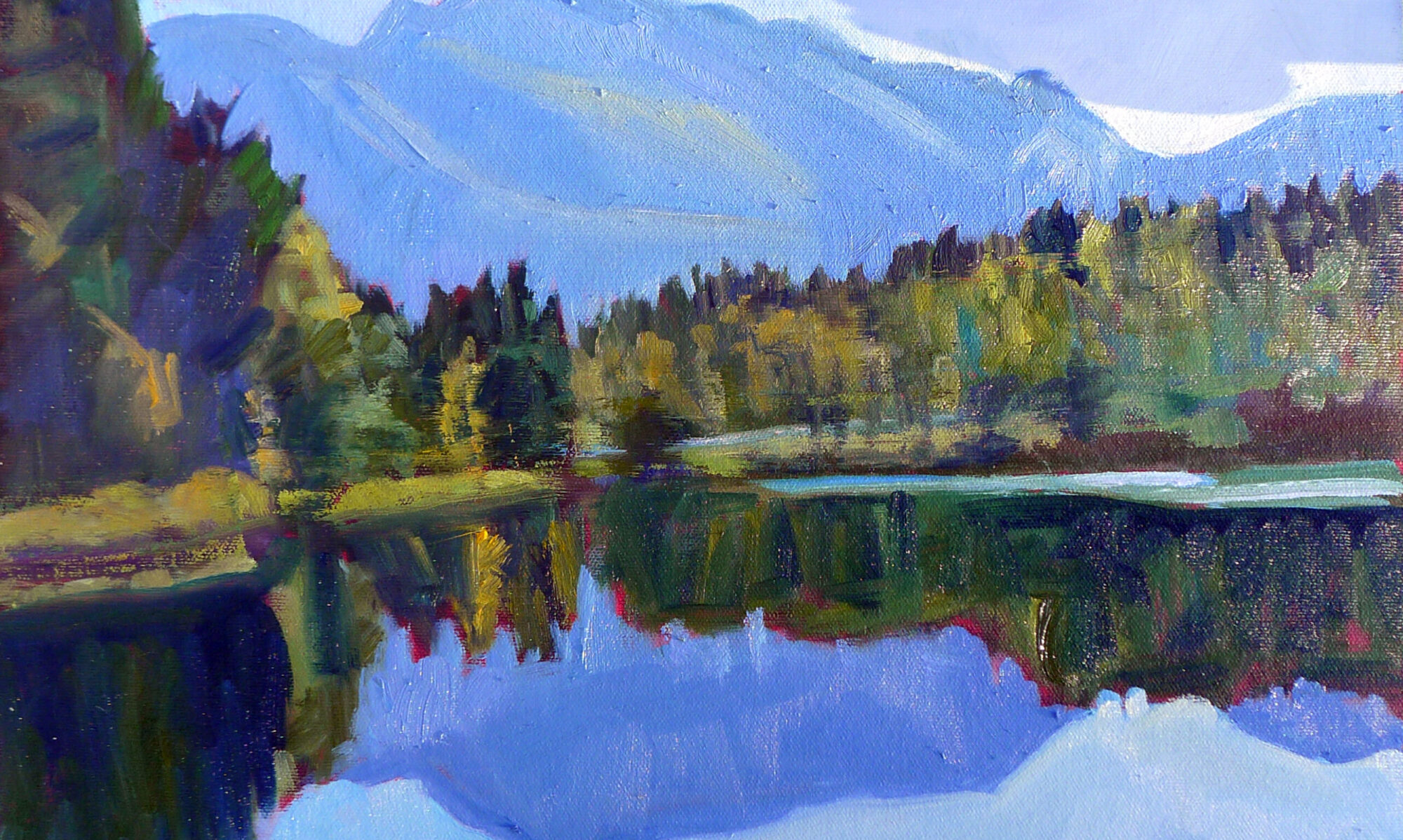
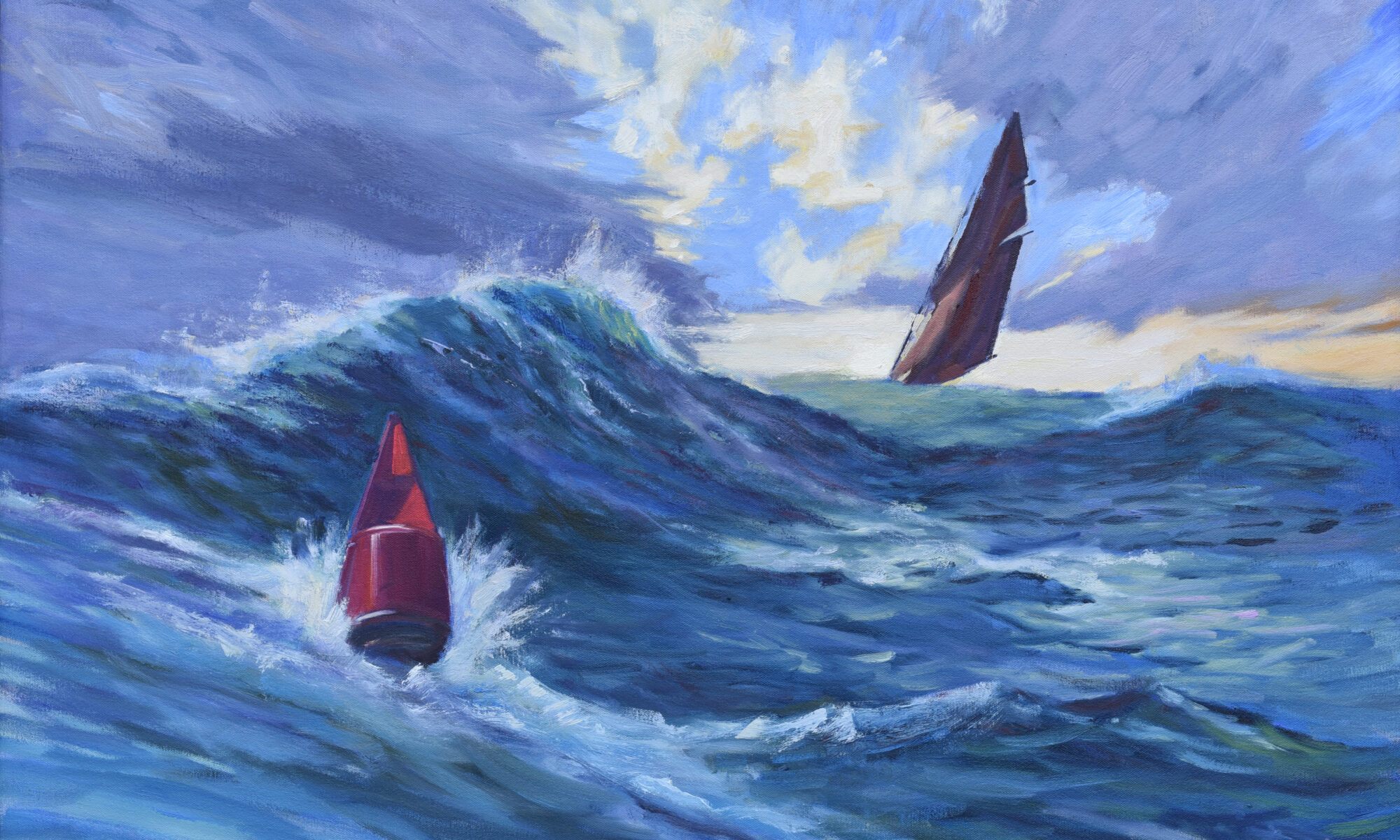
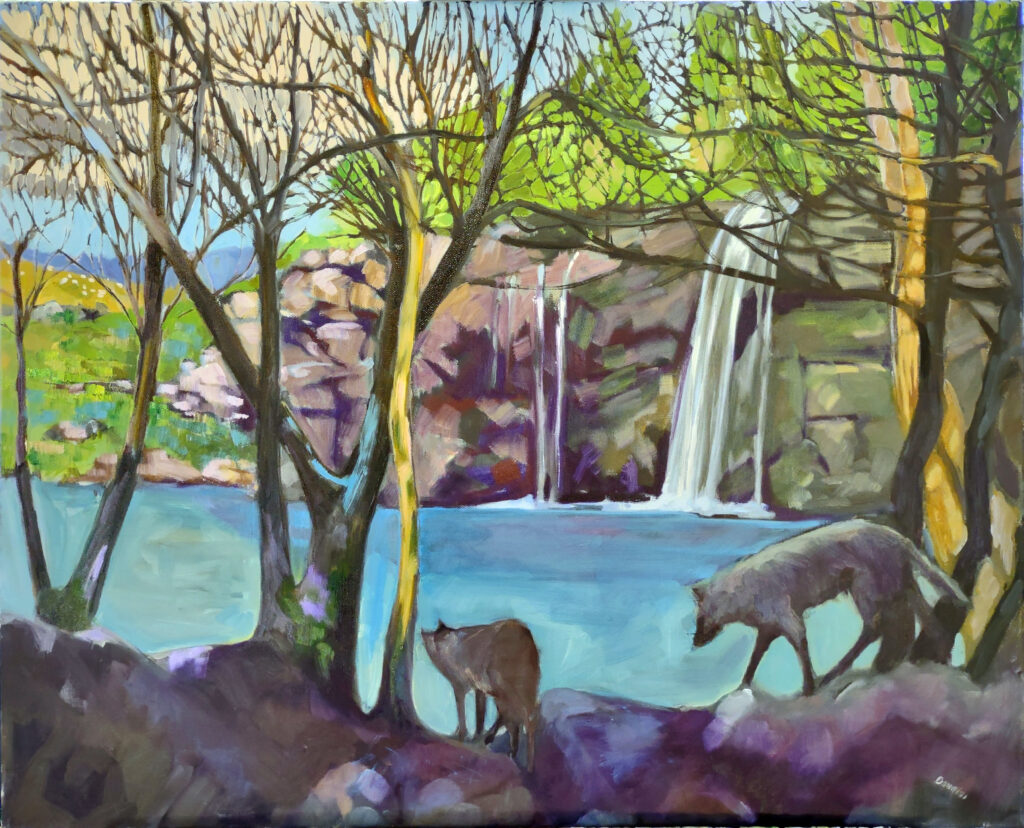
A painting can be competent and still feel contrived. It can be imaginative but feel trite. It can tell a literal story or be allegorical. These are questions we’ve been kicking around in both my classes recently.
I believe illustration is as valid an art form as fine painting. Ludwig Bemelmans, Robert McCloskey, Virginia Lee Burton, Frederick Remington, NC Wyeth and Winslow Homer all influenced American thought and culture with their illustration.
What is illustration?
Illustration communicates a concrete message. Its success depends on how effectively, quickly and accurately it conveys the narrative. A painting, on the other hand, explores experience. It can tell a story, but that’s not mandatory. Its meaning is usually secondary to the principles of design and its emotional content.
There isn’t a clean line between the two. (Some abstractionists think all realism is illustration.)
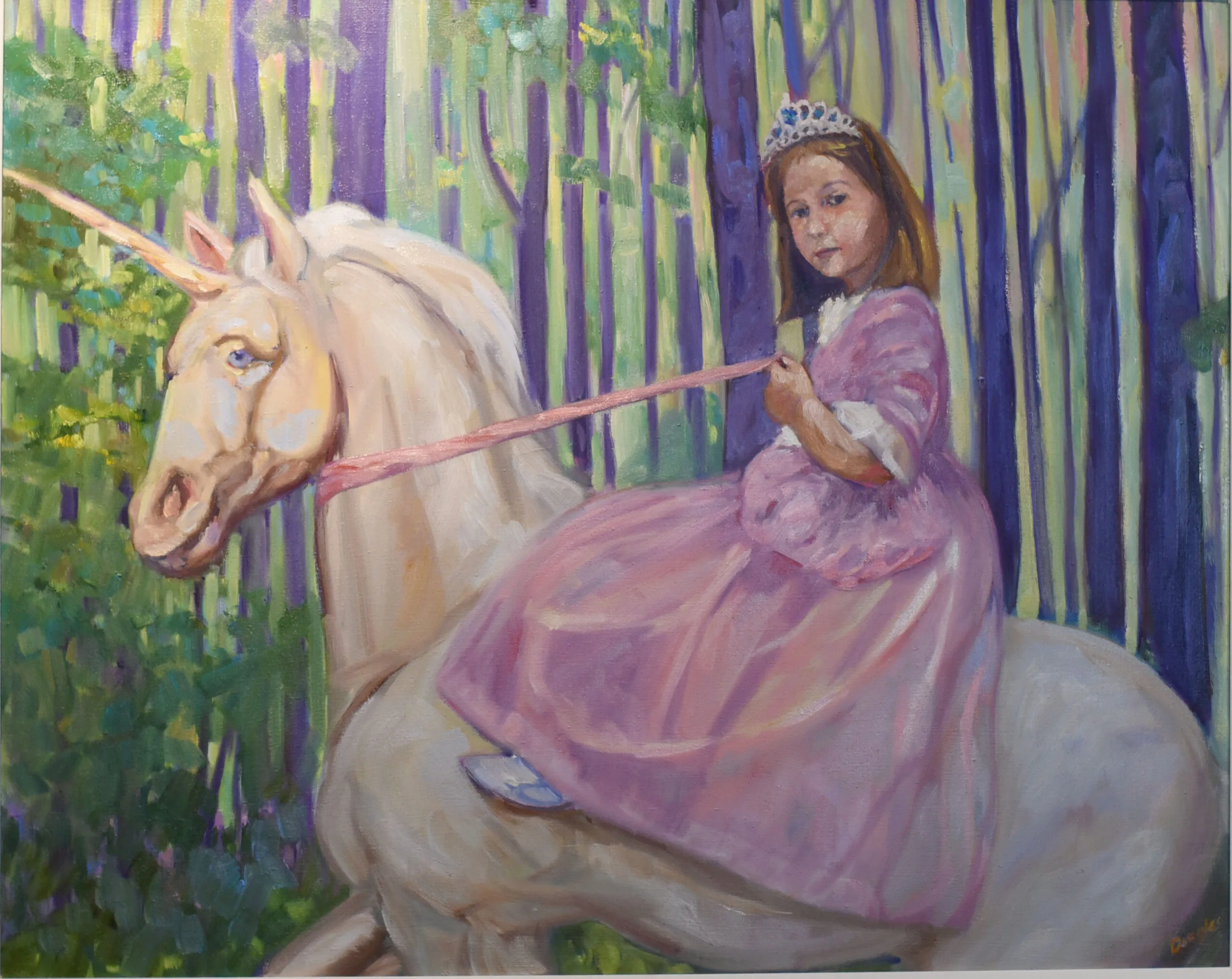
When is a painting contrived?
Contrivance is where the elements have been pushed around like chess pieces to support a preconceived idea. The artist’s hand is too obvious.
Every cloud points to a central point, every tree leans artfully, every figure strikes a perfect pose and every color harmonizes. No one thing is wrong, but as a whole everything is wrong.
Nature is not tidy. Rocks crumble and crash. Branches cross awkwardly. Light falls unevenly. Good painters respect this. Great painters deploy this in new and interesting compositions. The relationships between shapes, values, and subjects feel natural. The viewer may not know why the scene works, but they can suspend disbelief.
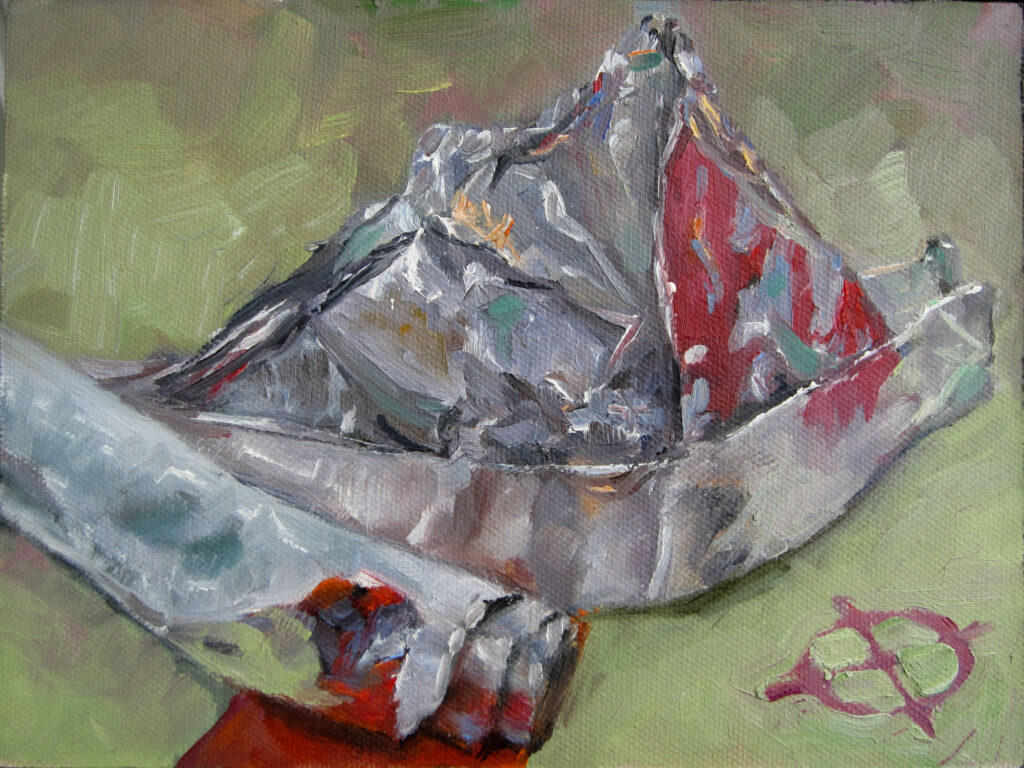
What makes a painting trite?
Artists are often told to paint from imagination. That’s good advice, but it only works when we’re insightful. Real imagination combines observation, memory and experience into something fresh.
Triteness just reiterates something someone else has already said. There are innumerable war paintings; many of them look unbelievable to modern eyes. However, Eric Kennington’s The Kensingtons at Laventie and Sir Alfred Munnings’ Charge of Flowerdew’s Squadron are both built on personal experience. That gives them grit and power.
_(Art.IWM_ART_15661).jpg)

AI art is trite because a computer can’t distinguish the emotional content and design sophistication of Edward Hopper’s The Light at Two Lights from a corny picture of a lighthouse. AI has no capacity to weed out clichés.
Fresh imagination doesn’t necessarily require fantastic subjects. It often emerges from ordinary observation. The great challenge is not inventing something nobody has ever seen before. It is seeing familiar things in a way that feels new.
Allegory vs. illustration
A painting of a fisherman hauling traps is descriptive. There is absolutely nothing wrong with that; many great artists have done and continue to do it. But that’s different from Andrew Wyeth’s Night Hauling, which transcends description.
The danger comes when we try to force this. There was a time when every object in a painting carried a coded meaning. Sadly, most of us have forgotten (if we ever knew) the symbolism of flowers, insects, skulls, goblets, etc. For this reason, modern allegory and metaphor is open-ended.
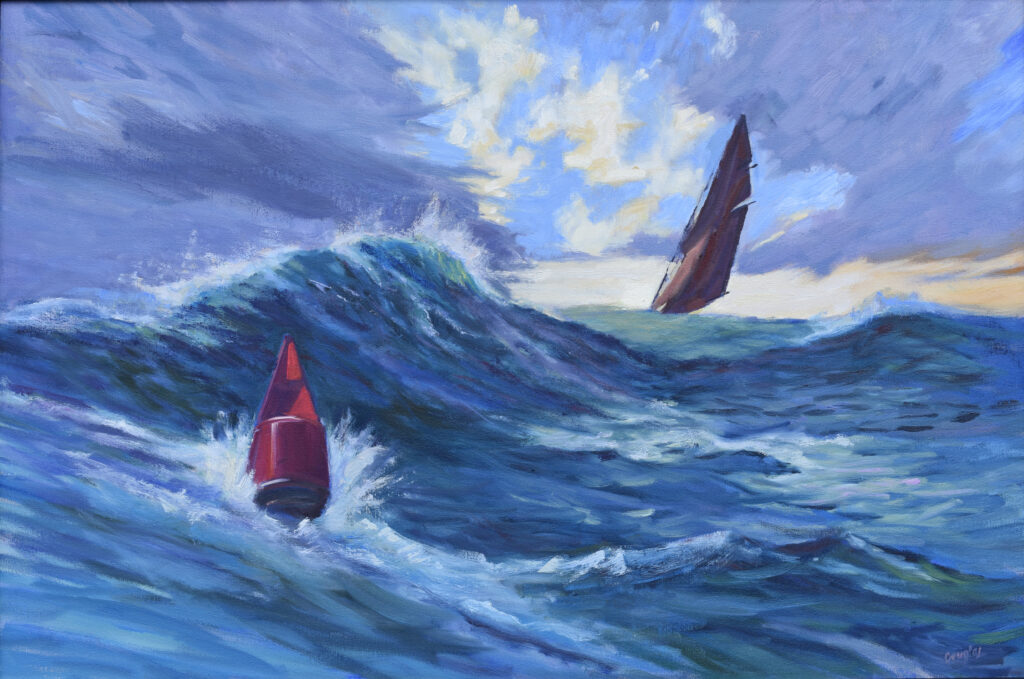
What’s your sweet spot?
Every realist painter defines his or her own place where narration, illustration and allegory wash into each other. That depends on your intellect and emotional life, but our goal should be to be organized but not contrived, imaginative but not gimmicky, meaningful but not preachy.
This is why working from life remains so valuable. Nature provides complexity and meaning that we could never invent on our own. Observation keeps us honest. Imagination helps us edit. Meaning emerges from the tension between the two.
Online classes start again soon!
- Cozy Winter Painting, Monday evenings, 6-9 PM for three weeks starting November 2.
- Painting Figures in Real Spaces, Tuesday evenings, 6-9 PM for six weeks starting November 3.
- Painting Nocturnes, Monday evenings, 6-9 PM for three weeks starting November 30.
I have just two workshops left in 2026! Reserve your spot:
- New! Color Clinic 2026 | Rockport, ME, October 3-4, 2026
- New! Composition Week 2026 | Rockport, ME, October 5-9, 2026
- High-Desert Light & Monumental Form | Sedona, AZ, Apr 26, 2027 – Apr 30, 2027
Can’t commit to a full workshop? Work online at your own pace: