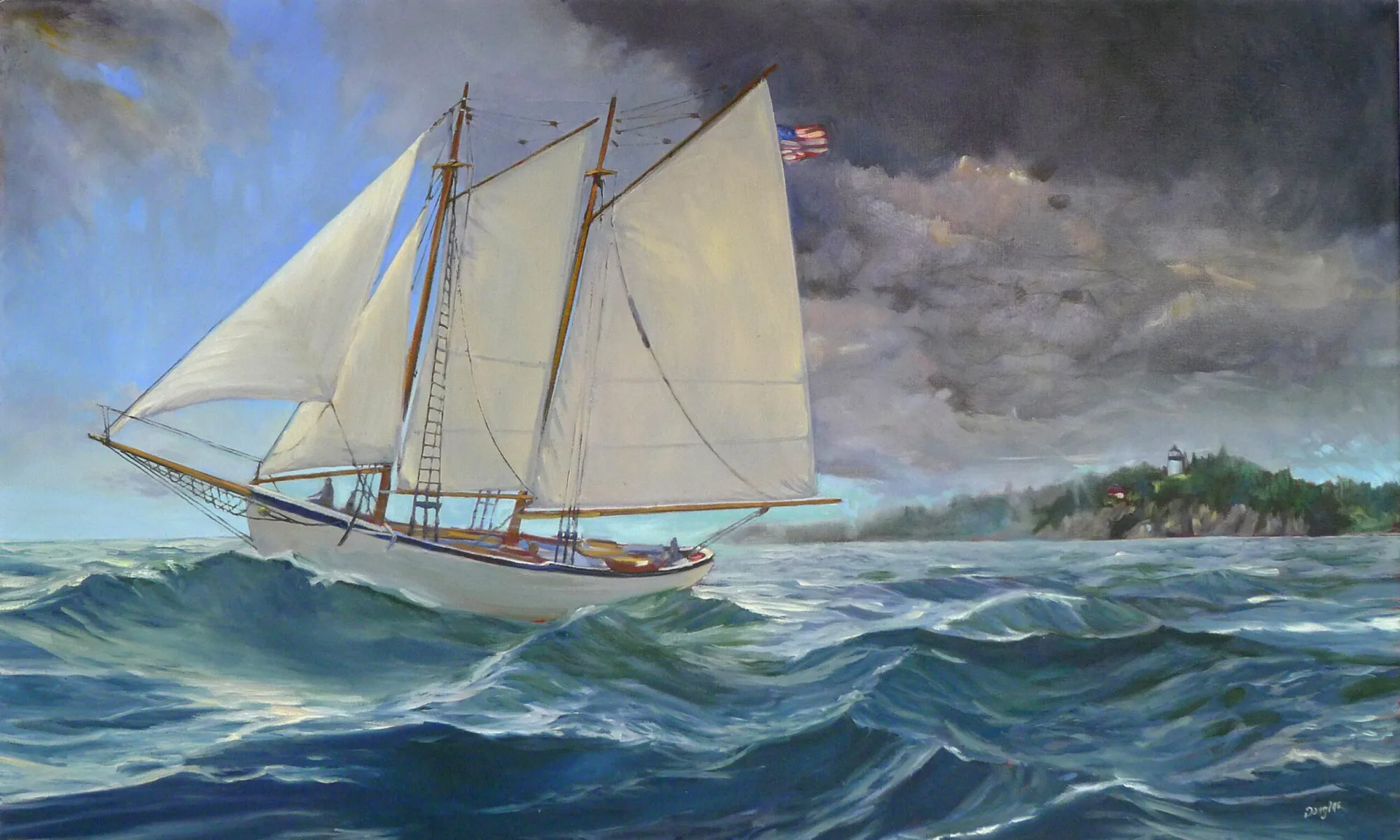
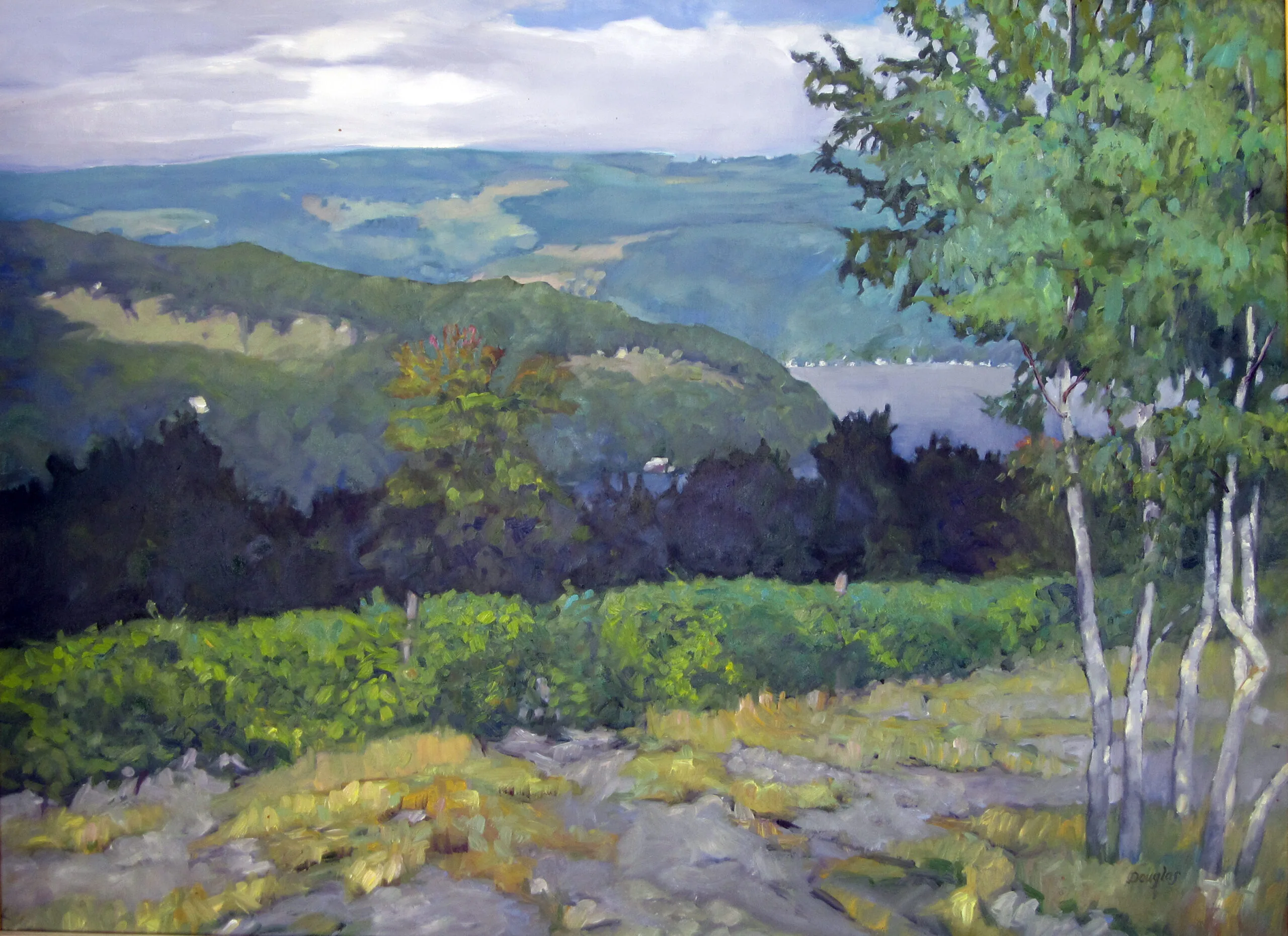
“Why do you keep falling back into painting directly from a single photograph?” I asked my Tuesday Zoom class.
“I have very little time to make art,” said Beth, “and I want to just dive into it. I’m working from my own photos so I think I’ve already done the composition. It looks good when I start but…”
“There’s not a lot of ego involved in copying one single photograph,” said Jay. “Painting from a single photo is fun and at times meditative.
“As soon as the challenge is raised by having to integrate designs, it gets much more difficult. When you start working with more than one reference you have to start asking yourself why you’re including individual elements.”
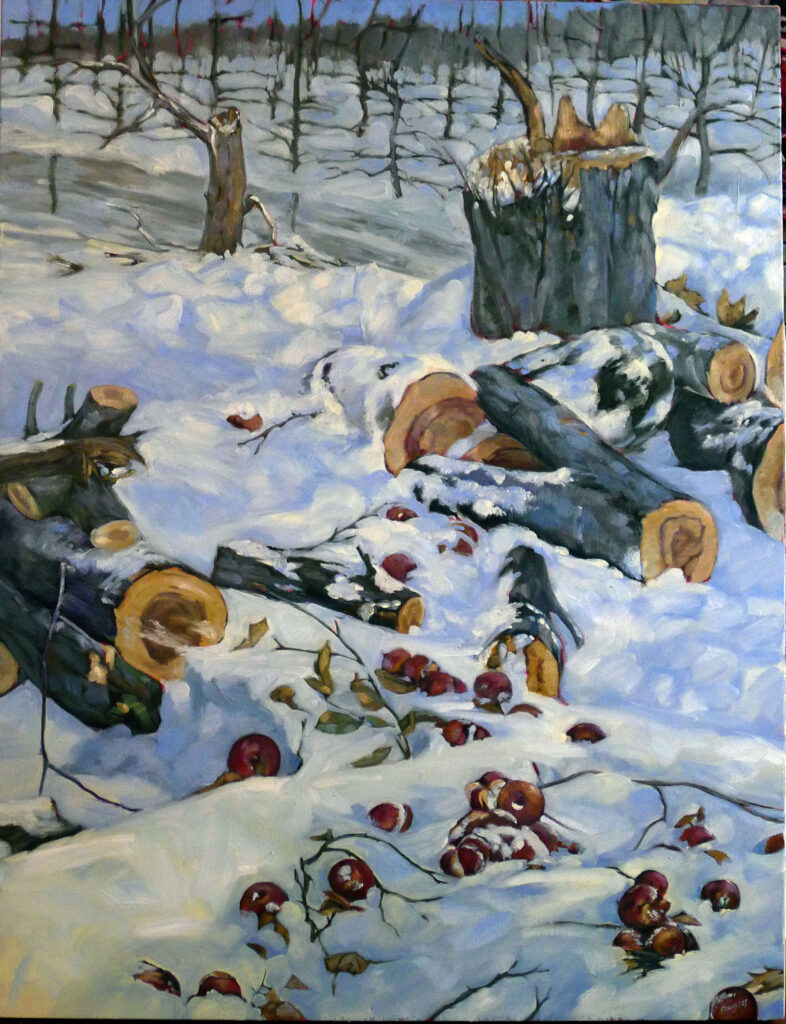
A quick note on classes before we get into it
Claim your spot in Painting clouds, which starts in two weeks. There are just two seats left.
Painting from a photo
Jay put his finger on something important: painting from a single photograph feels safe. The decisions are already made. The photographer chose the framing, established the relationships between objects, froze the light and compressed a three-dimensional world into an image. All that’s left is transcription.
Careful observation is always a valuable skill. But copying is not the same thing as creating.
You, the creator
When you move beyond one photograph, you’re forced into the role of designer.
Suppose you start with a glowering sky in one reference, a wheatfield in another, and a harvester in a third. You know these can make a beautiful painting; you were there. You took the pictures and felt the weather in the air. But now you must establish a series of focal points through a painting. You must think of what passages to delete and what to emphasize. You must tread the fine line between saying nothing and saying too much.
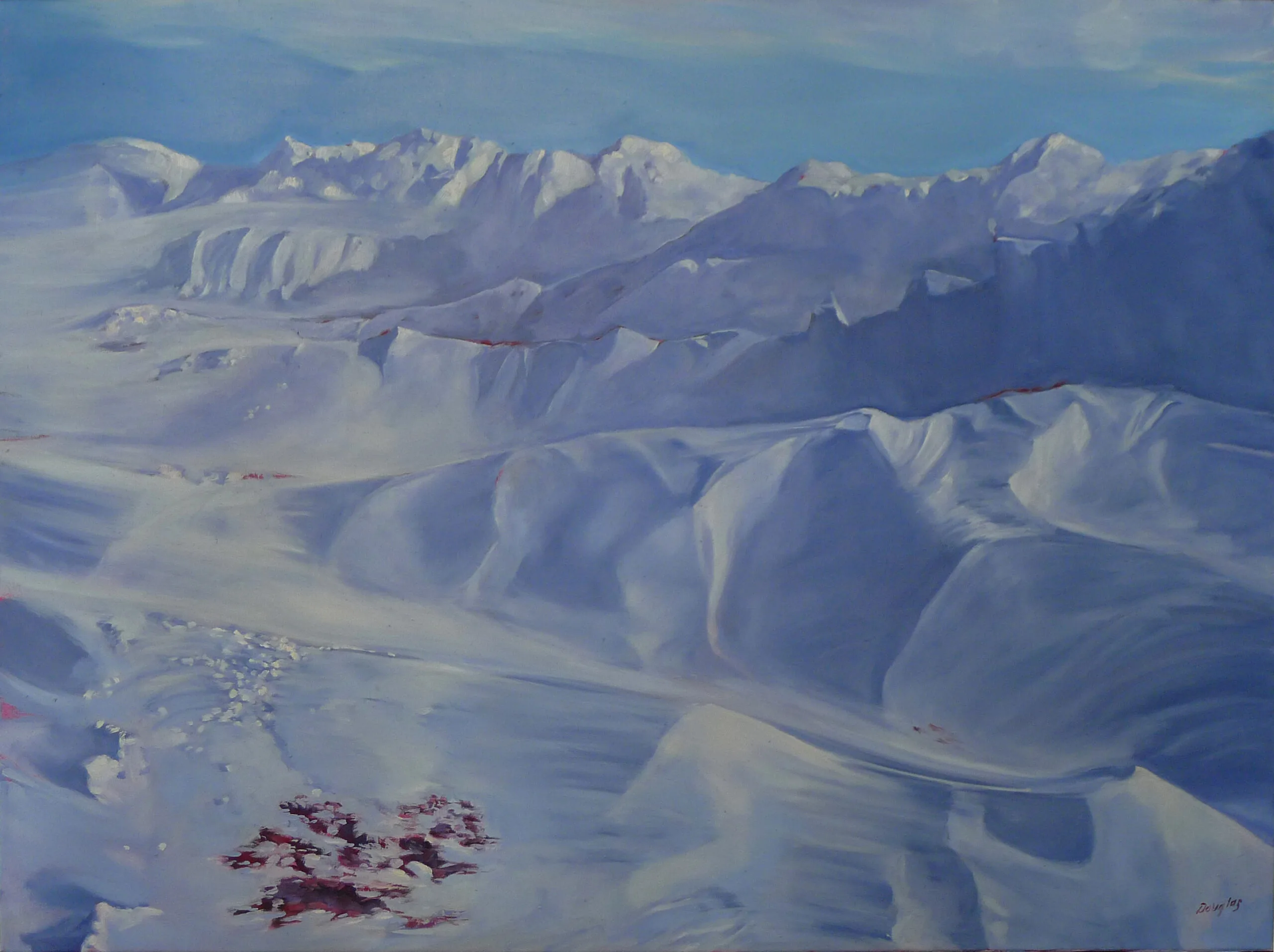
That’s thinking like a painter
That can be uncomfortable. There is no longer a single right answer to these questions, but it feels like there are many potential wrong ones. Some choices will strengthen your painting. Others will weaken it. The responsibility shifts from the photo to you.
(That, by the way, is one reason I insist my students start by sketching. It cuts down the failure rate.)
The masters edited relentlessly—moved mountains, widened rivers, changed the weather, simplified architecture and arranged figures. (Heck, most of them didn’t have photography at all.) They wanted viewers to feel and understand important concepts. They manipulated their compositions to serve that.
That goes for you, too
Learning to combine references forces you to make choices based on design rather than convenience. You begin to understand how value structure, color harmony and focal points work together to guide the viewer’s eye.
Most importantly, you stop treating photographs as masters and start treating them as servants.
The camera is an extraordinary tool, but it has no imagination. It is as good or bad as the operator behind it. In my experience, brilliant photos seldom make brilliant paintings. They’re two different art forms.
Moving past the single photo
Good painters take different photographs for reference than they do for fine art. They choose a wider frame, because cropping through the viewfinder for composition can mean leaving something important out.
I challenge you to choose three related reference photos and study them by sketching them. Then, set them aside for a day. Come back and sketch your Big Idea without looking at your sources. If the result is good, make it a painting. If it isn’t, rinse and repeat.
Online classes start again soon!
- Cozy Winter Painting, Monday evenings, 6-9 PM for three weeks starting November 2.
- Painting Figures in Real Spaces, Tuesday evenings, 6-9 PM for six weeks starting November 3.
- Painting Nocturnes, Monday evenings, 6-9 PM for three weeks starting November 30.
I have just two workshops left in 2026! Reserve your spot:
- New! Color Clinic 2026 | Rockport, ME, October 3-4, 2026
- New! Composition Week 2026 | Rockport, ME, October 5-9, 2026
- High-Desert Light & Monumental Form | Sedona, AZ, Apr 26, 2027 – Apr 30, 2027
Can’t commit to a full workshop? Work online at your own pace: