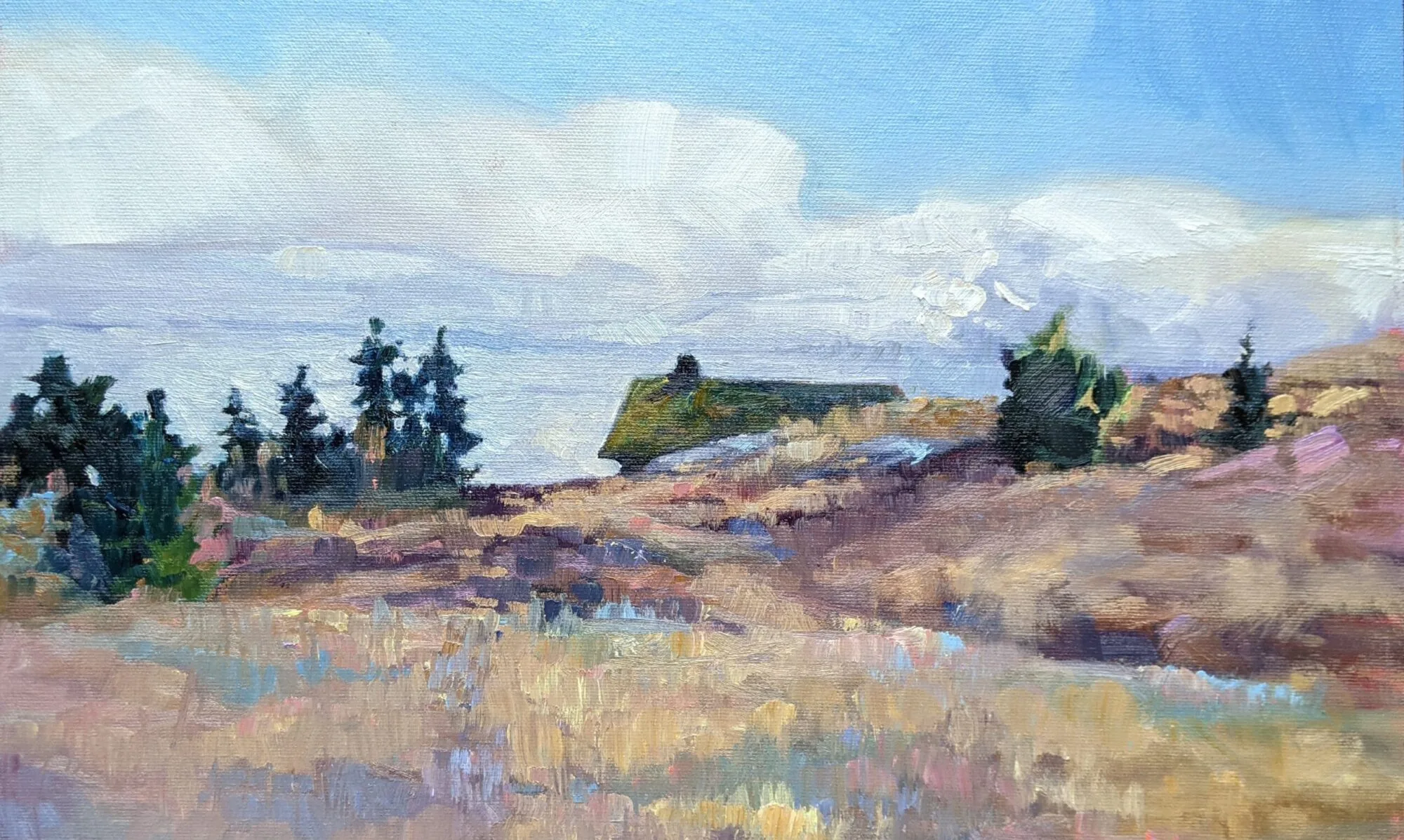
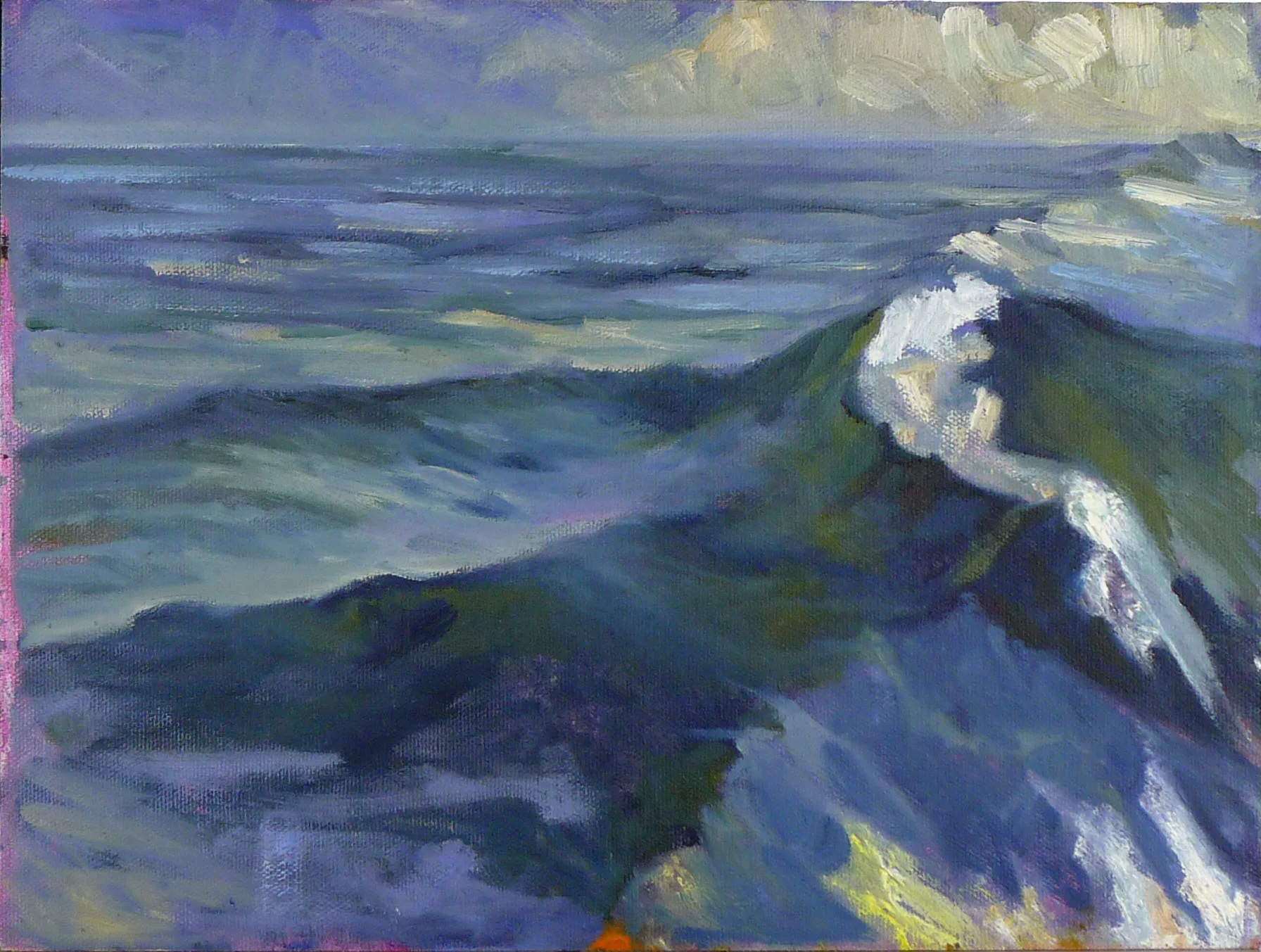
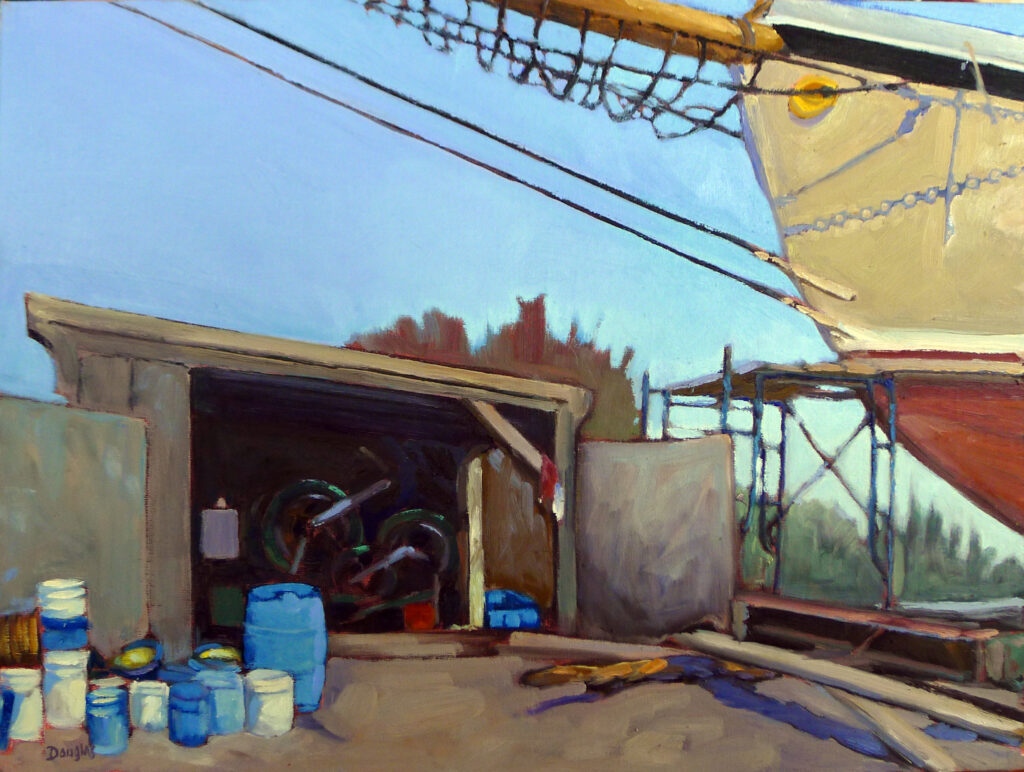
As of today, my gallery is closed for the season. Reason? Freezin’!
One of the few things I like as much as painting is looking at art and reading about the artists who made it. Although I don’t tend to rank painters, I do like lists. That’s why I treasure my beat-up copy of Sister Wendy’s 1000 Masterpieces.
When you spend lots of time looking at great art, you start to see movements and styles and how artists responded to the cultural and historical pressures of their days. Look long enough and you can peg a painter at fifty paces. No two painters are exactly alike. All the elements that shape their work—their style, for lack of a better term—are as individual as snowflakes.
Some work loosely. Some are painstakingly detailed. Some are intellectual; others work from the gut. Some build big shapes from tiny brushstrokes, while others seem to knock out paintings without much effort whatsoever. (That’s, in general, a big fat lie.)
So, what do great artists have in common? It isn’t perfection. In fact, perfection is a lousy goal for a painter.
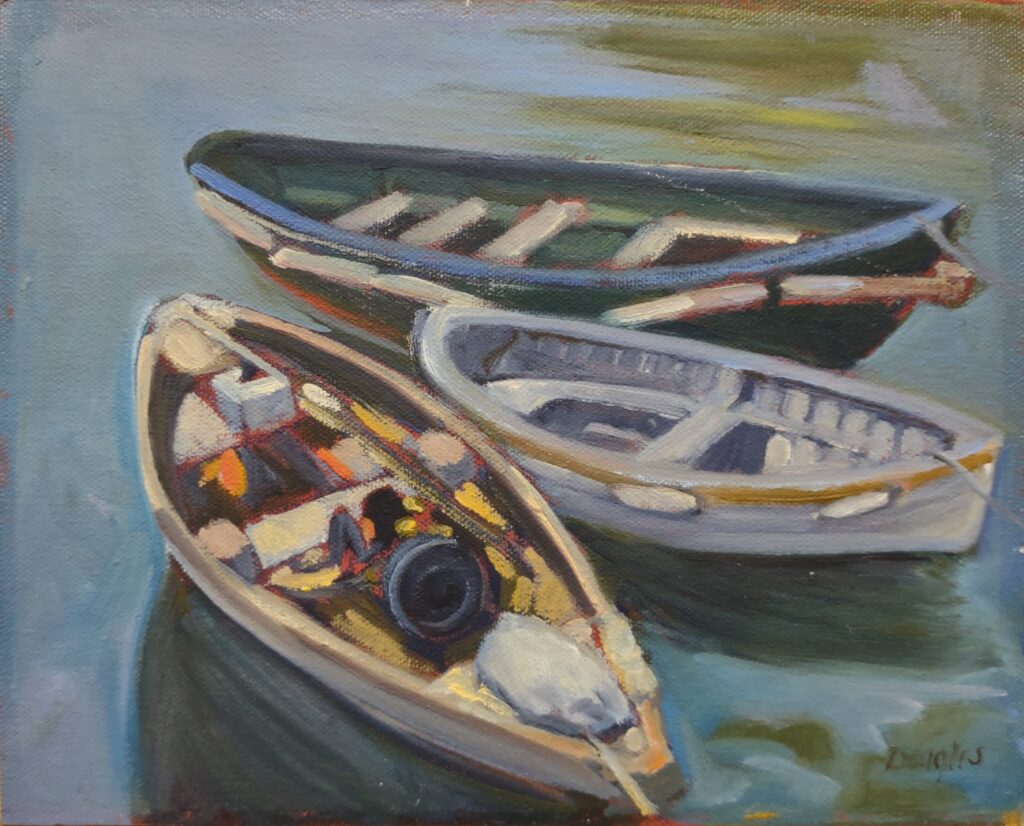
Great artists say something
The best of them know what they’re trying to say. That doesn’t mean every artist has a grand philosophical statement tucked away behind the easel. Sometimes the statement is simply, “look at that light” or “trees are beautiful” or “New England winter mornings are damn cold.”
The important thing is that the artist has made editorial choices. His or her painting isn’t simply a record of everything that happened in front of the easel. Some things were emphasized, simplified, exaggerated or eliminated.
That’s why experienced painters wince when they hear, “that’s so good, I thought it was a photo!”
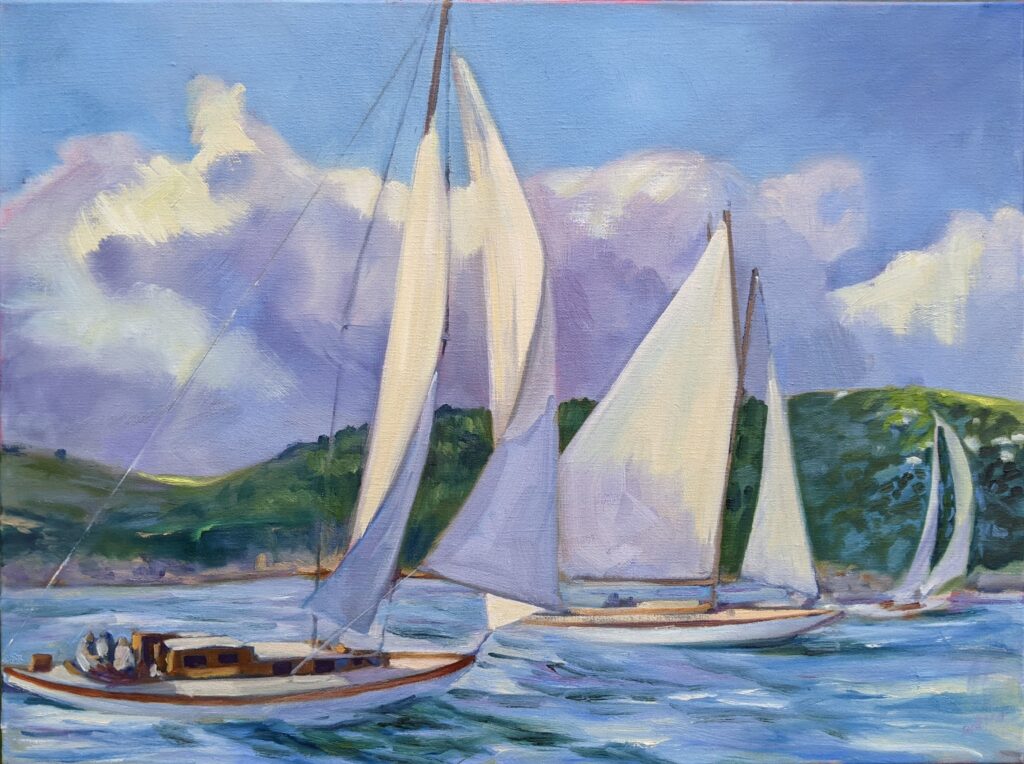
Great artists pay attention.
People often tell me “I have no talent,” as if artistic competence were something one was born with, rather than the result of years of work. But these same people sometimes notice things other people walk past. I’d call that a real talent. We all have it, some of us more than others, but like everything else, it can be cultivated. It helps when the artist is confident and relaxed, which is why sometimes it’s hardest for the person who’s striving to improve technically to find the quirky thing nobody else notices.
Observation is not passive. It’s work.
Great artists make decisions.
This is probably the biggest difference between painting and photography.
A camera in itself records everything. An artist (whether using a camera or a brush) makes decisions about what matters.
As an artist, you decide where the focal points go. You decide where the horizon falls, whether a tree needs to move or the foreground needs simplification. You decide whether to set your painting in our era or strip away modernity by removing cars and power lines. A lot of times you’ll make bad choices. So what; that’s part of the process.
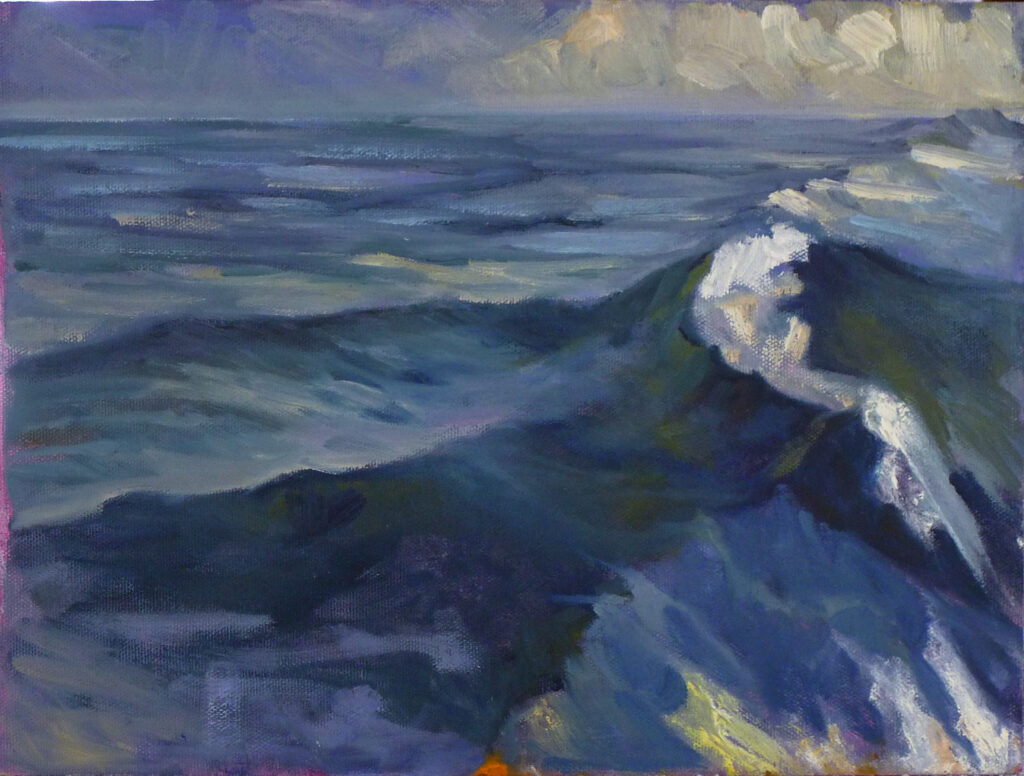
Great artists are willing to be imperfect.
The happiest moment in my artistic development was when I learned to recognize when I was bored with a painting. That allowed me to leave imperfections, which have the peculiar quality of energizing a painting. (I occasionally paint something detailed to remind my followers that I’m quite capable of precision, I just choose to not do it.) We live in an age of bravura brushwork, and perfection is a great way to kill that.
The goal isn’t to make a flawless object. The goal is to make something that communicates.
That requires enough confidence to stop fussing over every little thing and ask the more important question:
Is this painting doing what I want it to do?
If the answer is no, fix the problem.
If the answer is yes, put down the brush and go make lunch.
Great artists aren’t great because they never make mistakes. They’re great because they keep painting. That’s the hardest lesson of all.
Online classes start again soon!
- Cozy Winter Painting, Monday evenings, 6-9 PM for three weeks starting November 2.
- Painting Figures in Real Spaces, Tuesday evenings, 6-9 PM for six weeks starting November 3.
- Painting Nocturnes, Monday evenings, 6-9 PM for three weeks starting November 30.
I have just two workshops left in 2026! Reserve your spot:
- New! Color Clinic 2026 | Rockport, ME, October 3-4, 2026
- New! Composition Week 2026 | Rockport, ME, October 5-9, 2026
- High-Desert Light & Monumental Form | Sedona, AZ, Apr 26, 2027 – Apr 30, 2027
Can’t commit to a full workshop? Work online at your own pace: