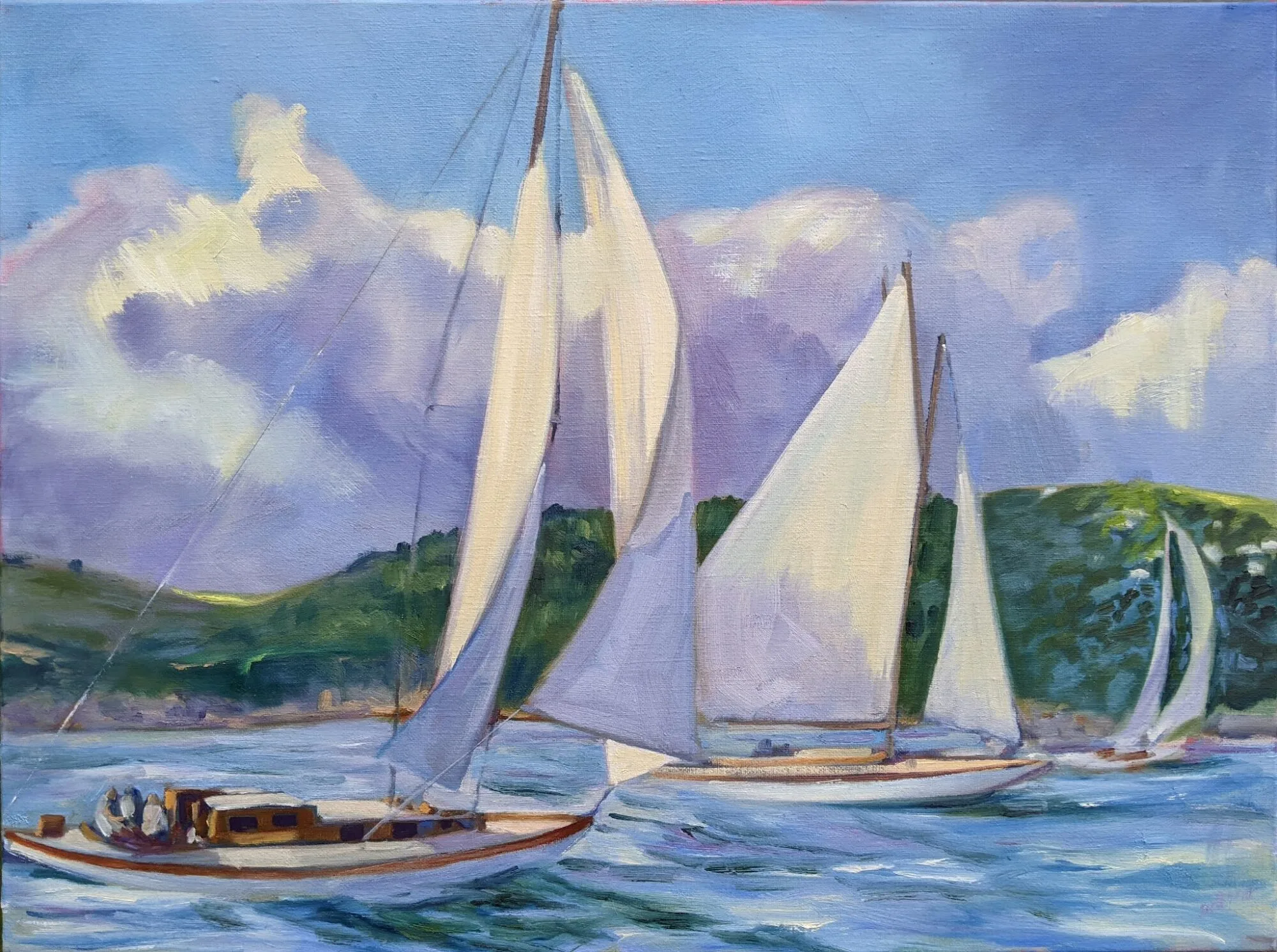
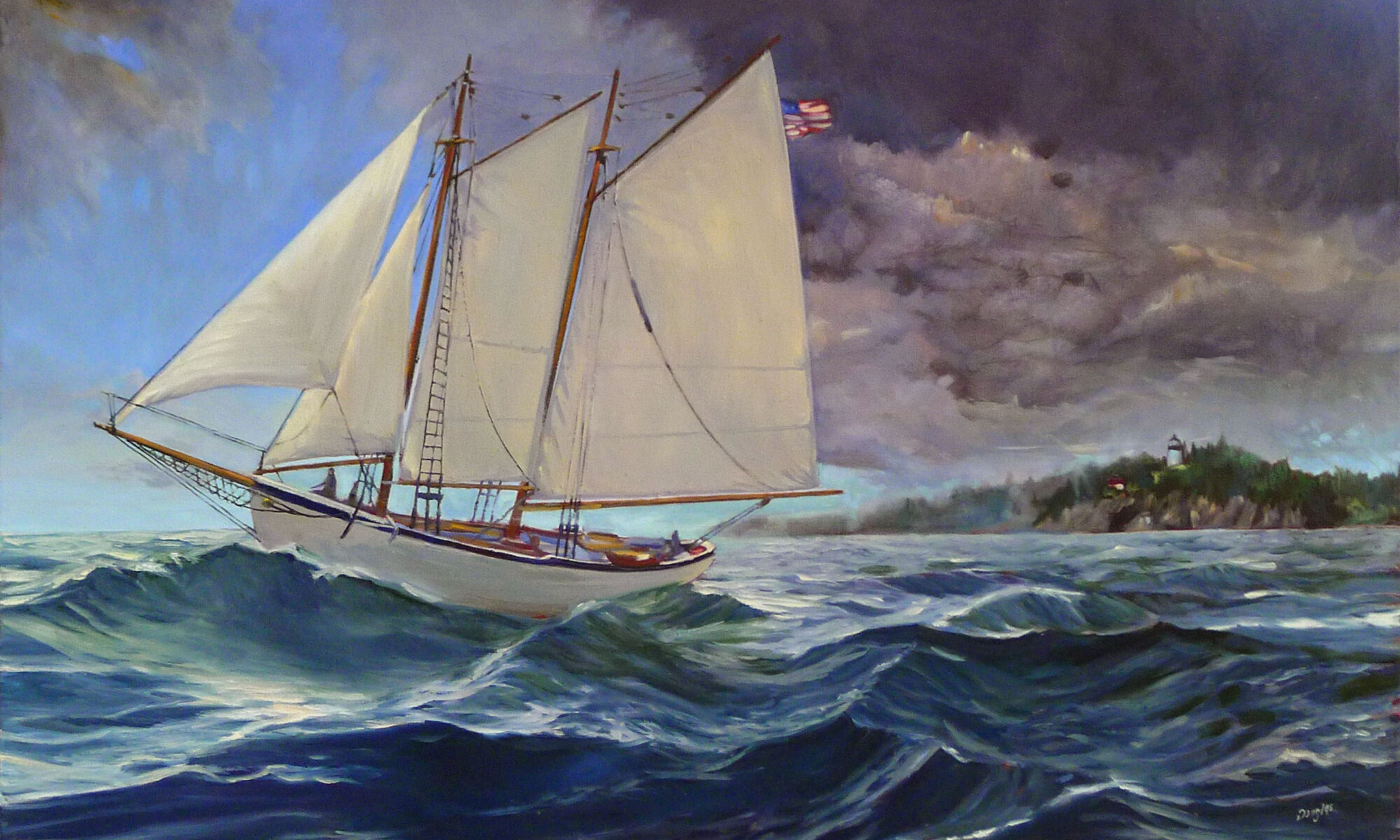

Even when we work with a very competent instructor or institution, painters are largely self-taught. That’s true of most creative disciplines, since every hour of instruction is followed by hours of practice and self-discovery.
Eventually, we all run into a frustrating truth: effort doesn’t always equal results. We work for hours, even days, and still end up with a painting that feels fussy, flat, or somehow not quite right. Mostly that comes down to one simple mistake: prioritizing detail over the big picture.
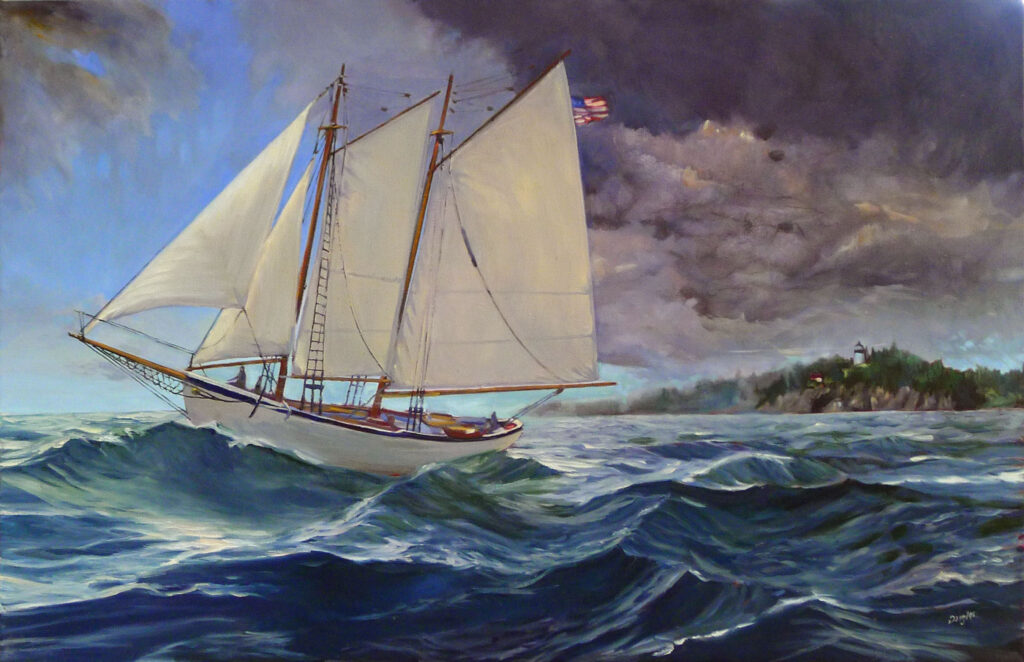
“It looks just like a photograph” is not usually a compliment
“It looks just like a photograph” is something casual passers-by will sometimes say to painters, and it always makes me wince. It generally means the details are all there, but the big sweep of movement and energy is lacking. As artists, most of us are drawn to detail; it’s almost instinctive to notice the sparkle on the water or the delicate branching pattern of new leaves in the spring. (In real life, we’re attracted to those sparkles and branches because they’re gently moving, which doesn’t translate to canvas.)
Frankly, detail is fun to burrow into, and I’m not saying don’t do it—that is a question of your own personal style and vision. But diving into detail before establishing the big shapes and values is the fastest way to derail an otherwise promising piece.
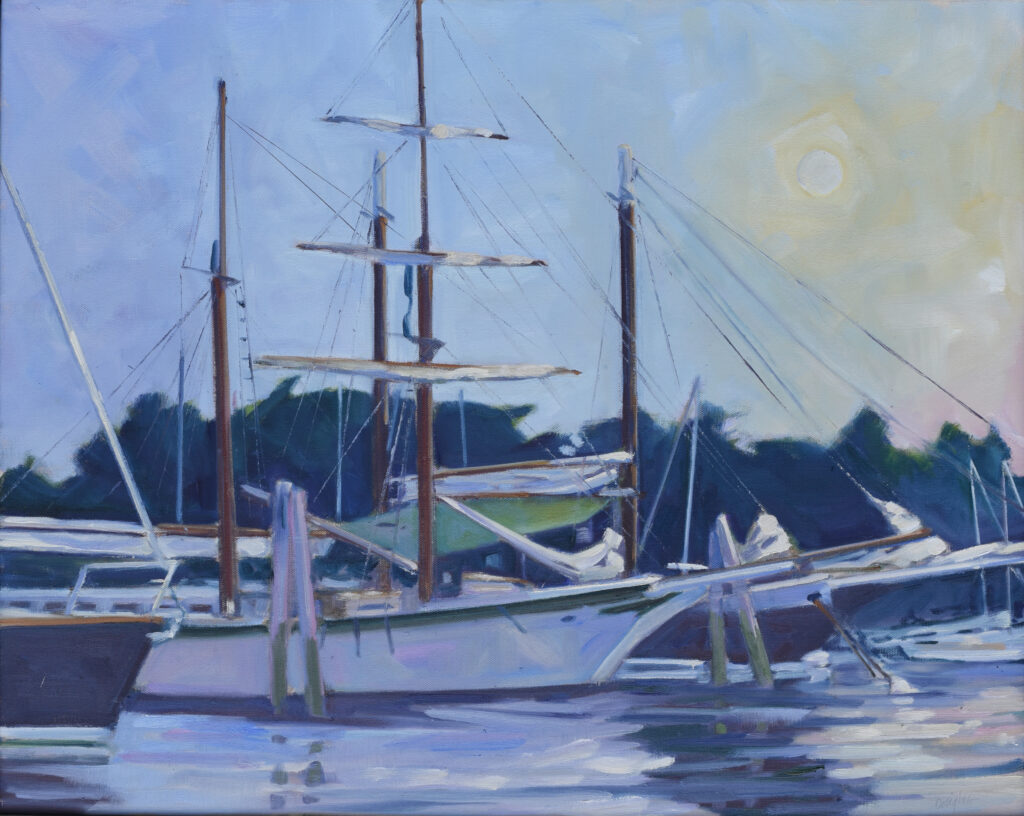
Structure vs. detail
Painting isn’t built from details outward; it’s built from structure inward. When your underlying shapes, values, and composition are strong, the painting sings before you ever add a highlight. But when the structure is weak, no amount of careful rendering can save it. If you doubt that, go back and look at the work of Baroque painters like Caravaggio or Peter Paul Rubens. As crazily detailed as their canvases are (by our modern standards) they rest first and foremost on solid value structure.
Avoiding this trap is simple
I’ve mentioned that I paint without my glasses; it prevents me from focusing on detail. But even clear-sighted individuals can remember to start with the largest shapes and the biggest value relationships. Ask yourself: Where is the light? Where is the shadow? What are the major masses of the scene? Block those in with confidence and clarity. Only after the bones of the painting are solid should you refine, adjust, and bring in the detail.
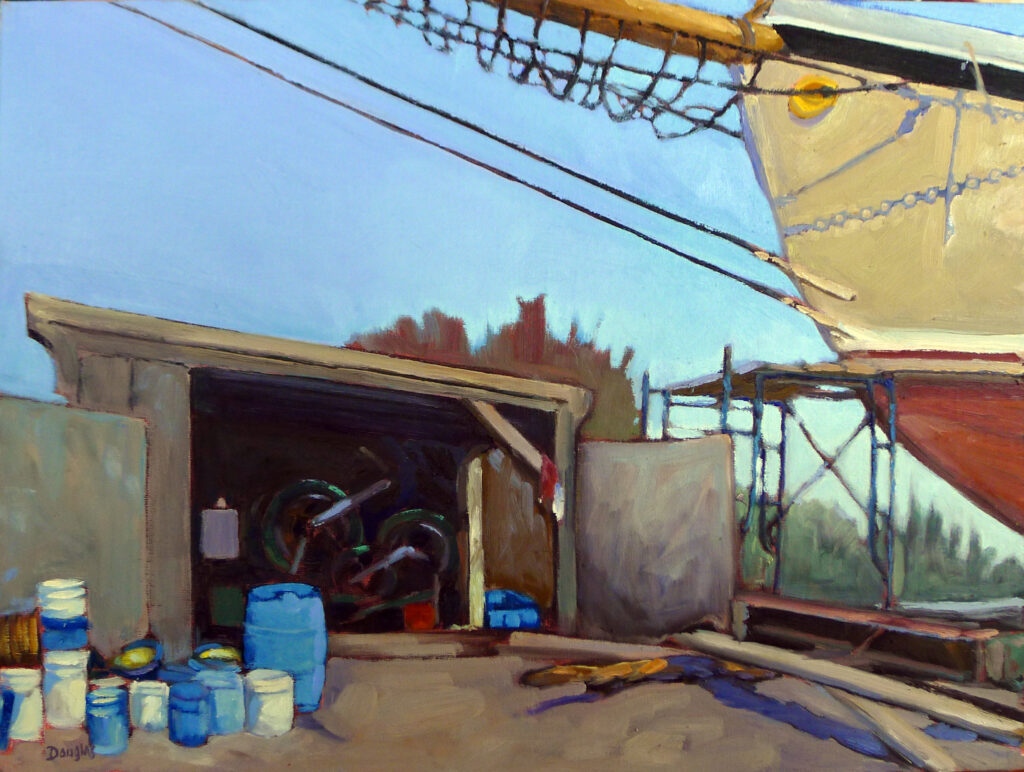
Helping you learn
Watching someone move from frustration to epiphany is absolutely the most rewarding part of teaching. It’s also why plein air workshops are transformative. “I’m just asking you to trust me for one week,” I tell my students. I’m there to stop you when you fall back into the habit of fussing or adding tchotchkes to try to fix a not-fully-thought-out composition. We all do it at times, from exhaustion, nerves or sheer obstinacy. But one of my jobs is to intercept that and put you on the road to good design.
Over the course of my workshops and classes, we revisit this idea again and again: simplify first, refine later. You’ll learn to organize values swiftly, make decisive compositional choices and build paintings that hold their structure from the first brushstroke. Once you truly internalize this approach, painting becomes easier, faster and far more joyful. You stop fighting the canvas and start working with it.
I have two types of offerings to help you with this process. The first is a class starting in January called Trust the Process: making technique tell the story you want to tell. It’s on Monday evenings, 6-9, and is open to painters of all levels. The second is my workshop schedule for 2026, below.
If you’ve been feeling stuck, unsure, or just ready for a real leap forward, this is your invitation.
I have just two workshops left in 2026! Reserve your spot:
- New! Color Clinic 2026 | Rockport, ME, October 3-4, 2026
- New! Composition Week 2026 | Rockport, ME, October 5-9, 2026
- High-Desert Light & Monumental Form | Sedona, AZ, Apr 26, 2027 – Apr 30, 2027
Can’t commit to a full workshop? Work online at your own pace: