Immersive in-person painting workshop — FAQ

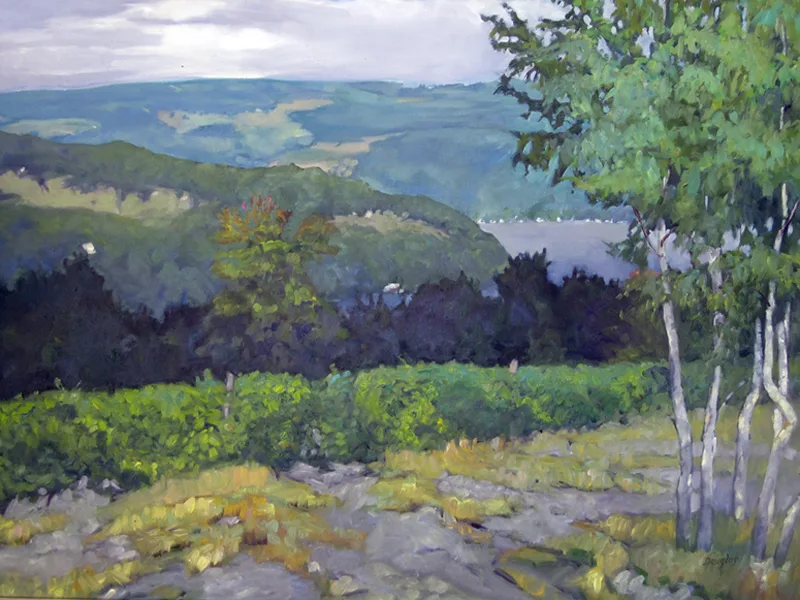
Beautiful Dream, oil on archival canvasboard, $1449 framed includes shipping and handling in continental US.

When and where is the immersive in-person workshop held?

The painting workshop runs October 6–10, 2025, centered in Rockport, Maine. Plein air sites include Beech Hill, Camden Harbor, Beauchamp Point, Owls Head, and the North End Ship.

What happens if it rains?

My studio is available if it’s raining. I’ll contact you if a location needs to change for weather.

What level of painting experience is required?

This is a one-on-one painting workshop, which means I can take beginners to advanced painters.

Which painting mediums are accepted?

All portable mediums are welcome: oil, acrylic, pastel, watercolor and gouache.
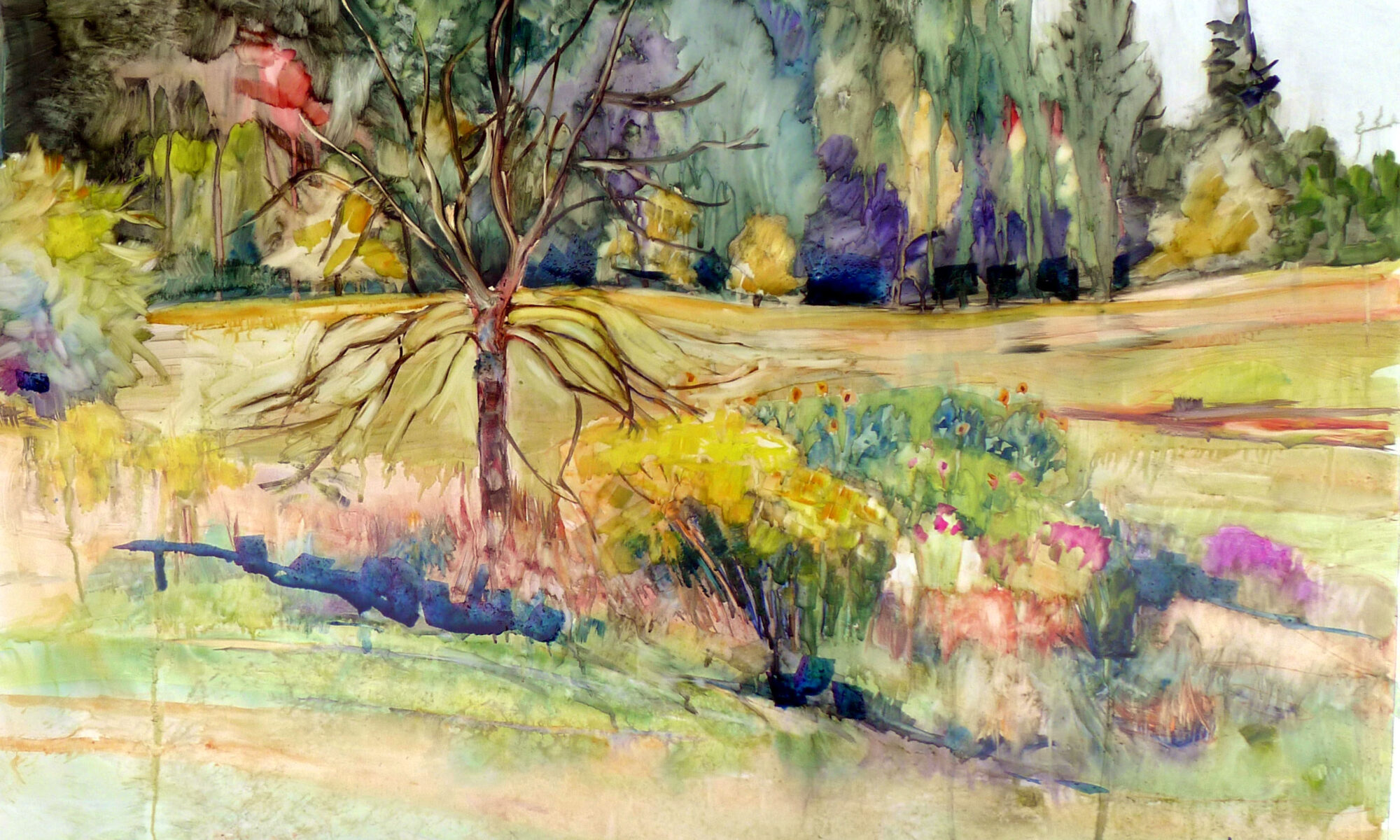
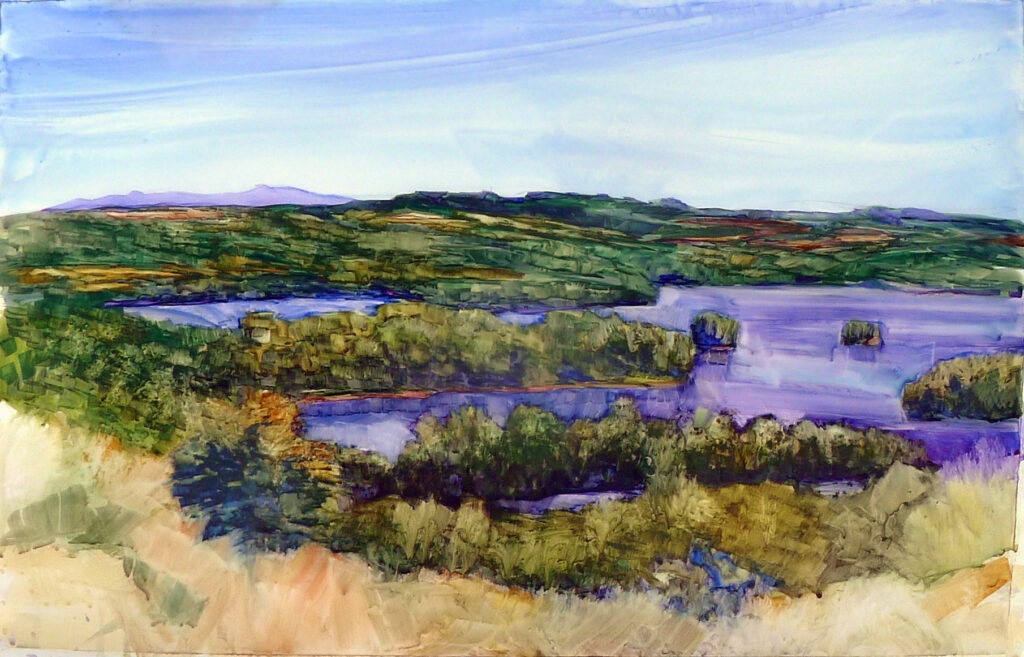
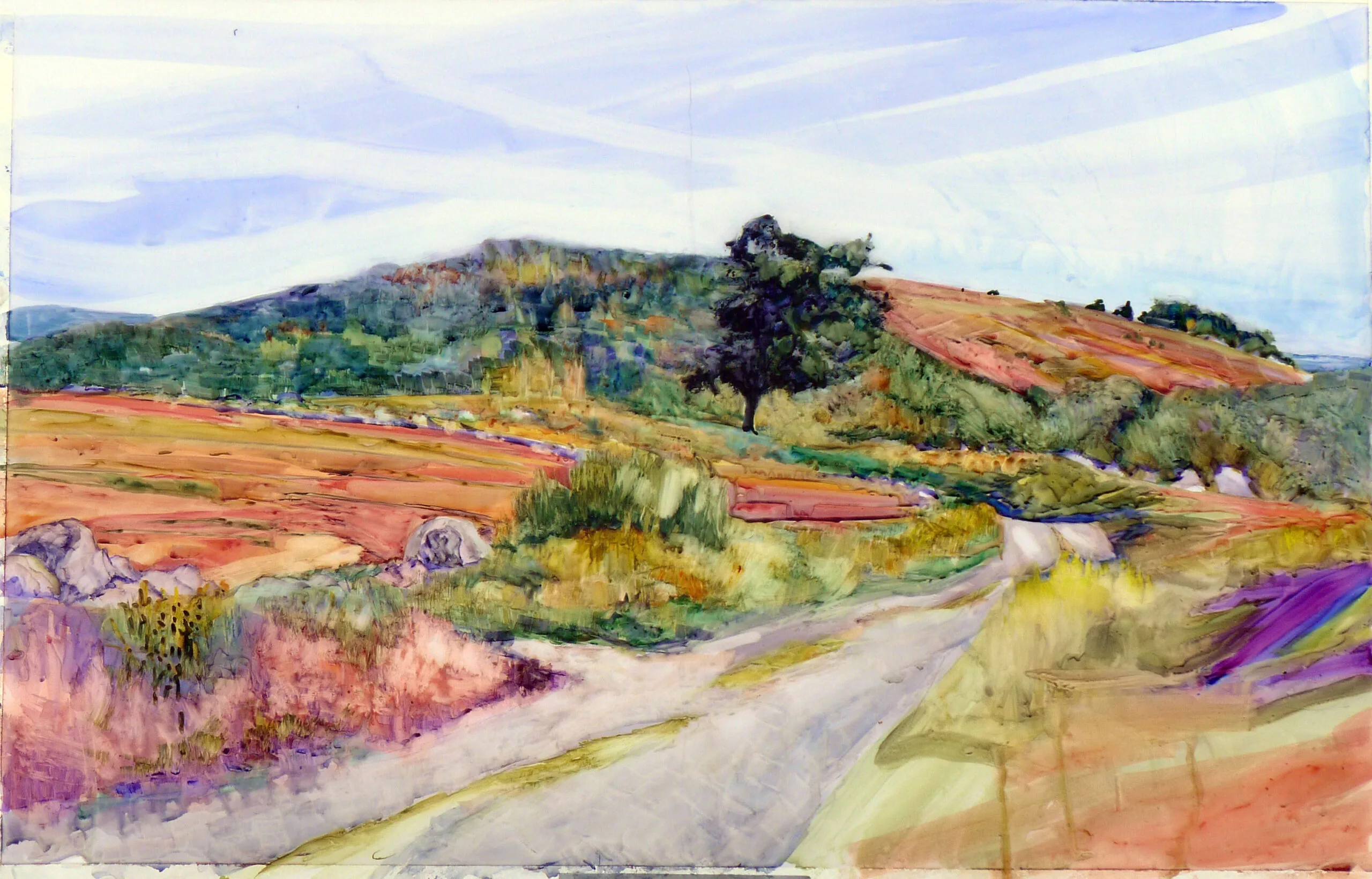
Clary Hill Blueberry Barrens, watercolor on Yupo, ~24X36, $3985 framed includes shipping and handling in continental US.

What supplies do I need?

Here’s a clothing packing list for a week of on-site painting. Watch the forecast as the weather advances.

If you have room in your kit, feel free to bring more than one medium. I’m happy to instruct in any of them.

These lists have links to specific products. If you’re buying your supplies in a bricks-and-mortar store, please take it with you on your phone and refer to each item directly. Art supplies have many ‘look-alikes’ that can vary in color and quality—for example, I’ve linked to two different Masterson boxes, one for acrylics and gouache, and one for oils. I’ve linked to these exact products so that you don’t waste money on something that’s not quite right.

Plein air supply list—Acrylics

Plein air supply list—Gouache

Plein air supply list—Oils

Plein air supply list—Pastels

Plein air supply list—Watercolor

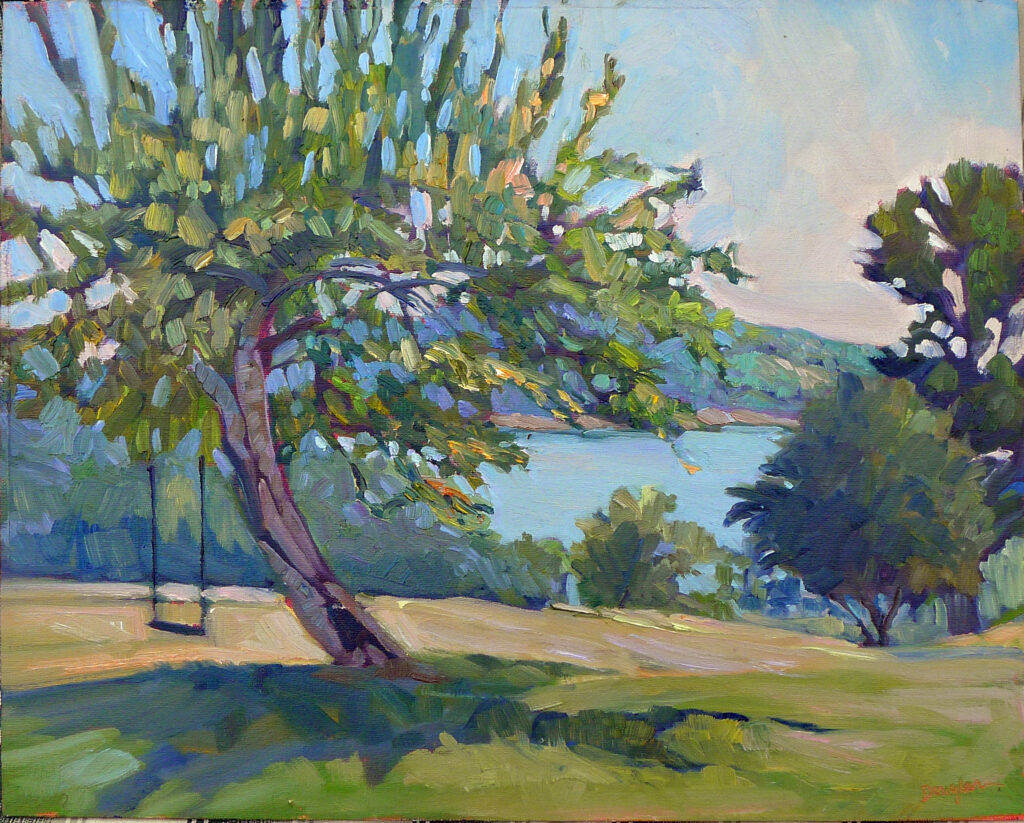
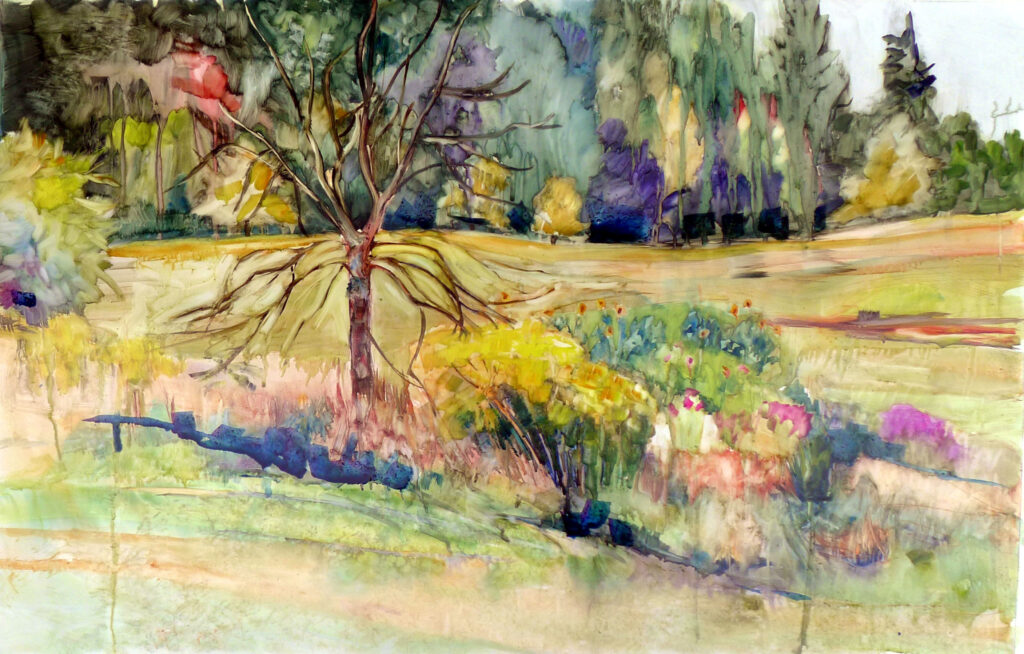
Apple Tree with Swing, 16X20, oil on archival canvasboard, $2029 framed includes shipping and handling in continental US.

What is our daily schedule like?

Sessions run daily from 9:00 AM to 4:00 PM, with morning and afternoon painting, plus lunchtime discussions and demos.

What makes this painting workshop “immersive”?

This isn’t just a class—it’s a full dive into the creative life of a plein-air painter. Highlights include:

  • Plein-air painting at stunning locations unique to the Maine Coast;
  • A full day of figure study, exploring form and light using a live model out in nature;
  • A visit to the Farnsworth Art Museum exploring the changing nature of plein air painting;
  • A visit to Colin Page’s gallery to meet the artist;
  • Small group size allowing one-on-one instruction, demos, collaborative painting, and reflective conversation during demos and lunches.

How many other students can I expect in my group?

Enrollment is capped at 14 participants, ensuring focused instruction and community engagement.

How is this different from a regular weekly class?

Unlike shorter weekly classes, this immersive painting workshop:

  • Offers extended depth and momentum over five days;
  • Combines lectures, demos and conversation with painting practice, figure work, gallery visits, and community learning;
  • Creates a purposeful and creative environment that mirrors a painter’s lifestyle—living, working, reflecting in community with your peers.
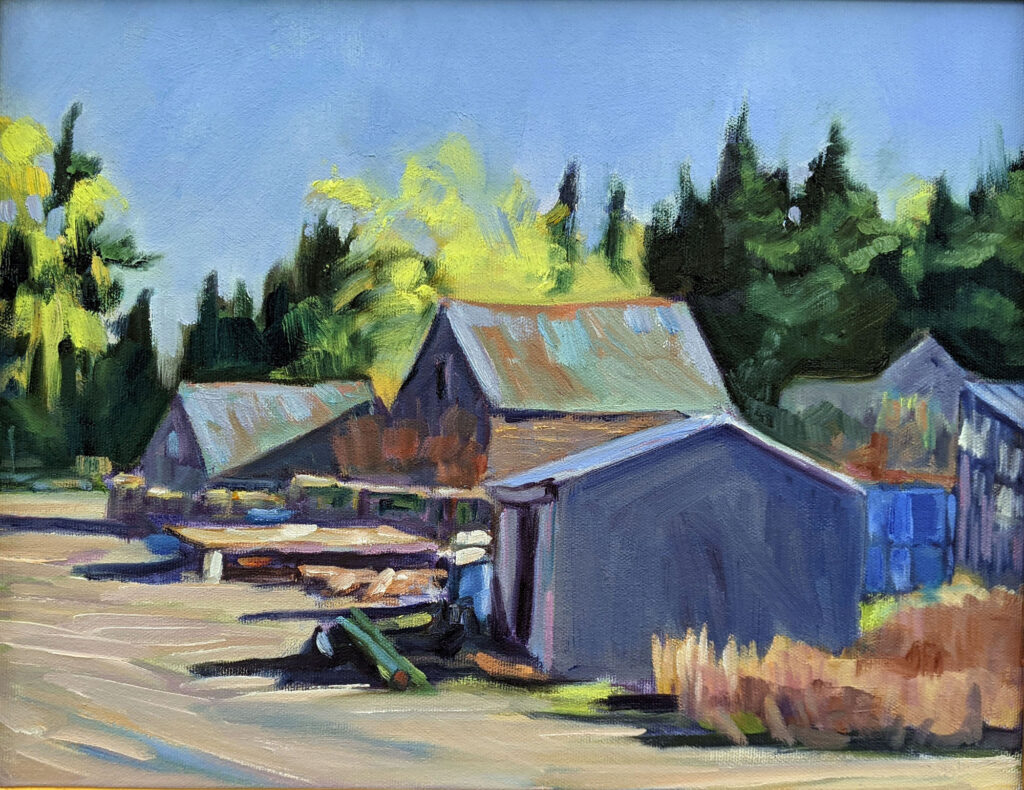
Owl’s Head, 11X14, oil on archival canvasboard, $1087 framed includes shipping and handling in continental US.

What’s the cost?

The tuition is $780, which covers all painting instruction and your admission to the Farnsworth Art Museum.

Where should I stay?

There is accommodation of all levels available in Rockport, ranging from campgrounds to camping cabins to charming Mom and Pop motels to the very chic Rockport Harbor Hotel.

Seaswell Campgrounds

Oakland Seashores cabins

Starlight Lodge

Harkness Brook Inn

Country Inn

Rockport Harbor Hotel

Do I need a car?

Yes, you need a car, but if you’re traveling with a partner, you can be dropped off and picked up at our painting sites.

Don’t hesitate, enroll today

If you’ve been waiting for the right moment to invest in your art, this is it. Spaces are limited, so grab your spot today!

Is an immersive art workshop different from a weekly art class?

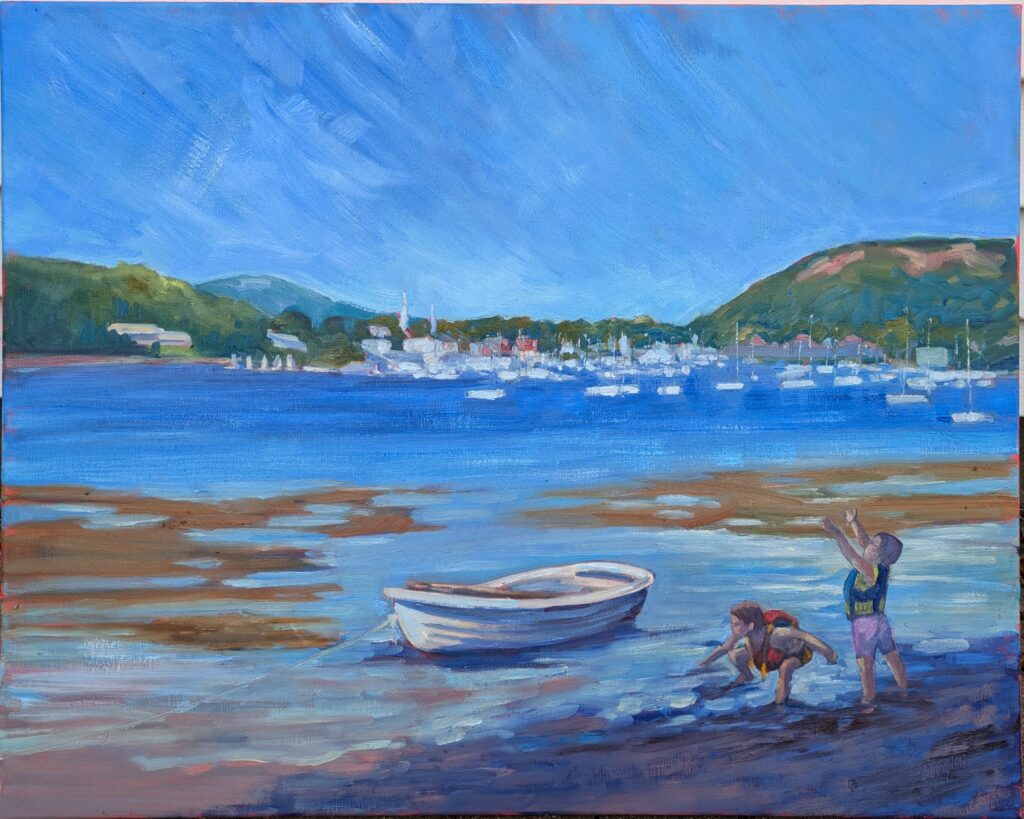
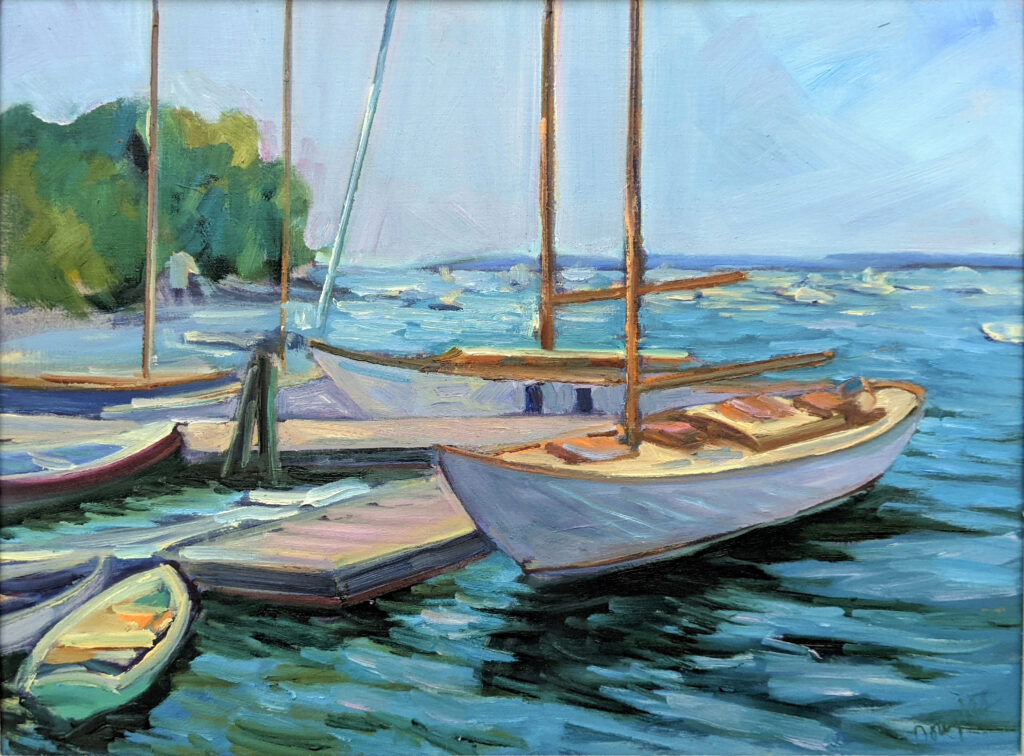
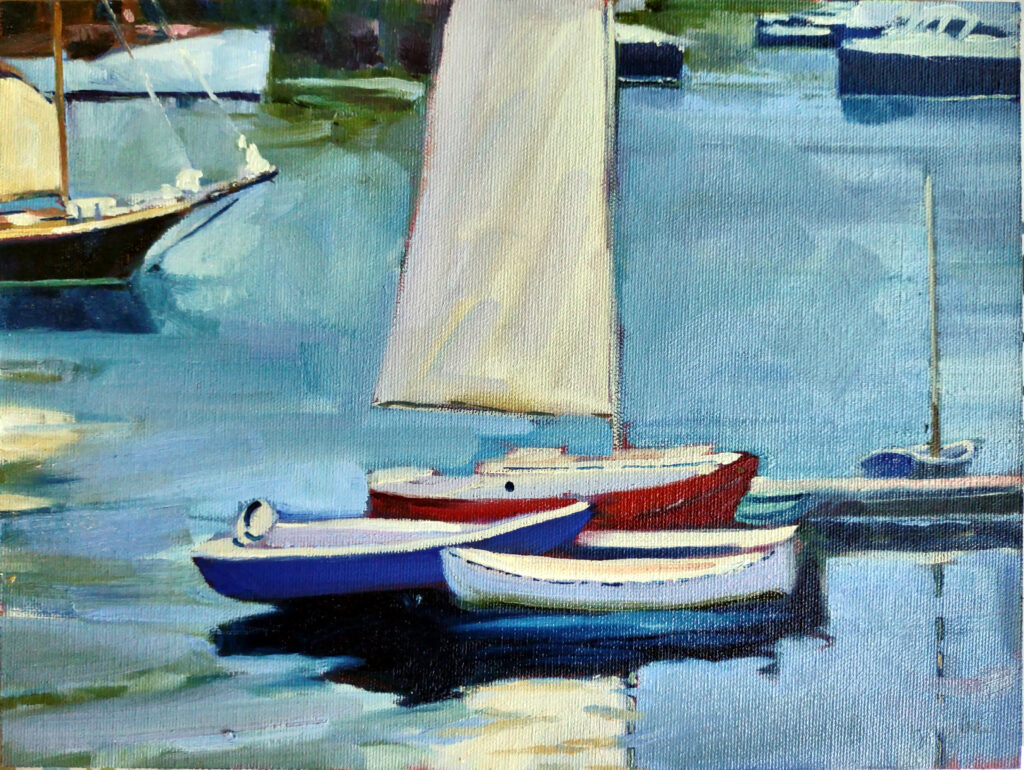
Drying Sails, 9X12, oil on canvasboard, $869 framed.

My latest reel is here.

Some of us want a teacher who cheers us on at every step, someone who makes us feel seen and supported. Others do better with clear standards and firm instruction. Most good teachers are a mix of both, but it takes time to tease out what a student needs. That’s where a painting workshop comes in.

The fundamentals of painting are light and shadow, proportion, design, color, composition and meaning. A great painting workshop folds these lessons into the practice of painting itself.

In my Rockport Immersive Workshop you’re not just painting for a week, you’re diving headfirst into the whole world of being a painter. These extra experiences are what make this workshop different from a weekly class.

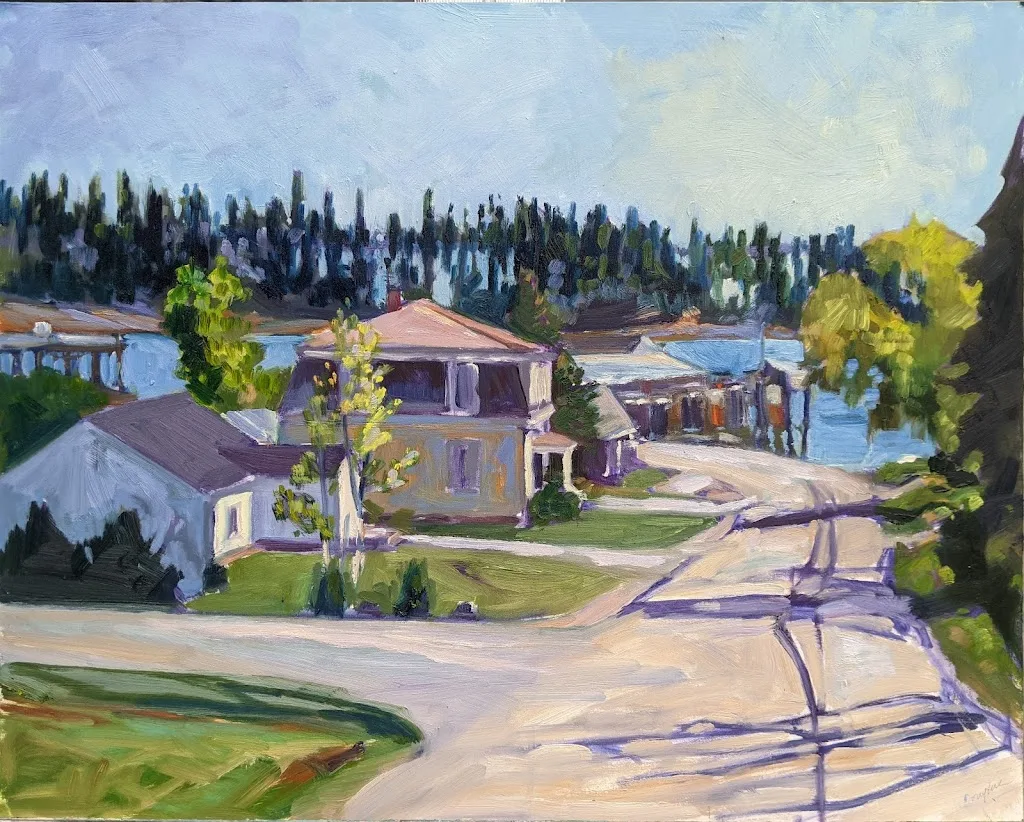
Main Street, Owl’s Head, oil on archival canvasboard, $1623 includes shipping and handling in continental US.

What does immersive mean in this context?

When I say my fall workshop is immersive, I mean it’s a deep dive into painting. You’ll be stepping fully into an artist’s world, nourished by relationships, context, and creative resonance.

I’m really asking you to live the plein air painter’s life for a week. You’ll set up your easel in midcoast Maine’s most iconic landscapes, from Camden to Owls Head. You’ll stretch your skills with figure study in the crisp autumn light. You’ll reflect on what you’ve learned with serious art conversations during demos and lunches.

We’ll visit the Farnsworth Art Museum to discuss plein air painting through history. Colin Page has invited us to visit the Page Gallery, to help map out the conversation between contemporary practice and our own creative path. Then on Friday, we’ll have a group show, with your paintings on my gallery walls—and a celebration to cap off our time together.

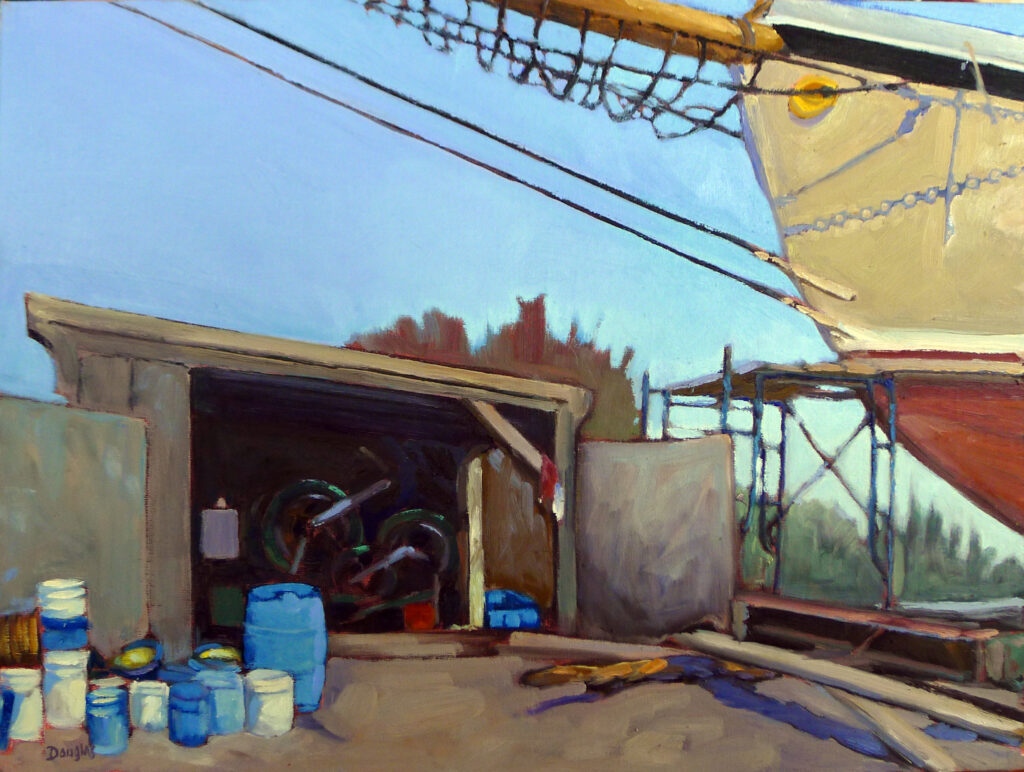
American Eagle in Drydock, 12X16, $1159 unframed includes shipping and handling in continental US.

What makes it truly immersive?

  • The extended duration allows ideas and skills to deepen and blossom;
  • Locations are not just scenic; they’re also historical and relate to movements in art;
  • Working alongside other passionate painters fosters creativity and learning that extends beyond instruction;
  • Seeing and discussing art in galleries and museums connects technical practice with where we stand in the great sweep of art history.
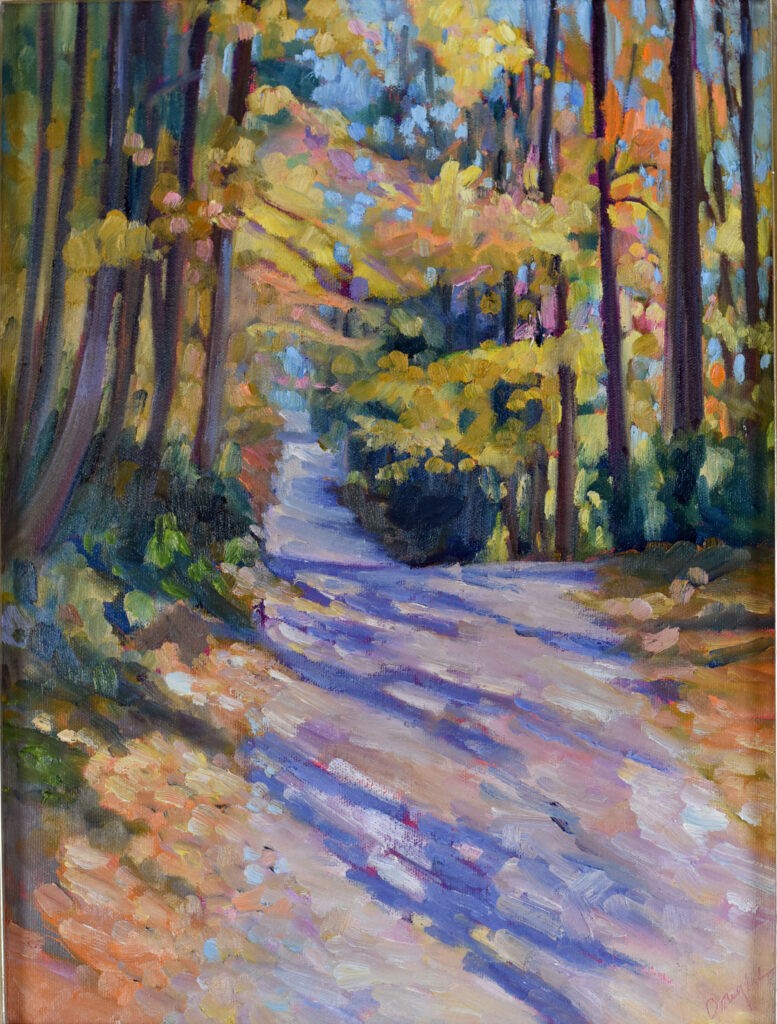
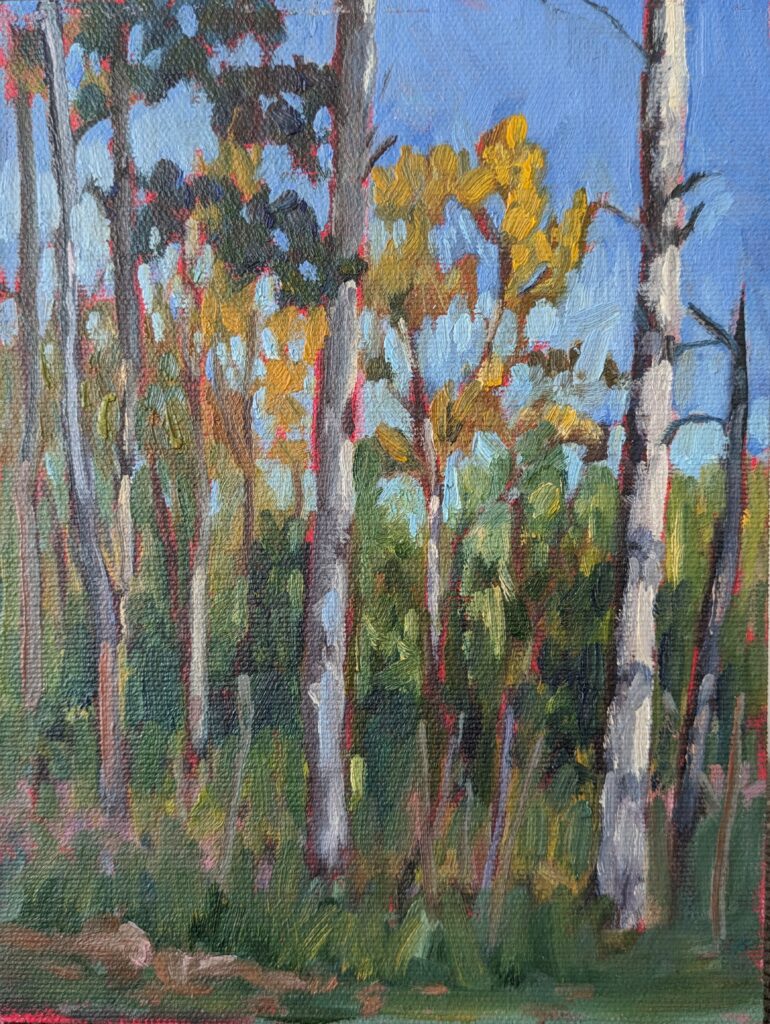
Beauchamp Point, Autumn Leaves, 12X16, oil on archival canvasboard, $1449 framed includes shipping and handling in continental US.

Because I keep my groups small, there’s plenty of room for one-on-one support. I explain, demo and then step back so you can try it yourself. The real goal isn’t to make you a copy of me, but to help you unlock your own ideas and refine your own painter’s voice.

If you’ve been waiting for the right moment to invest in your art, this is it. Spaces are limited, so grab your spot today!
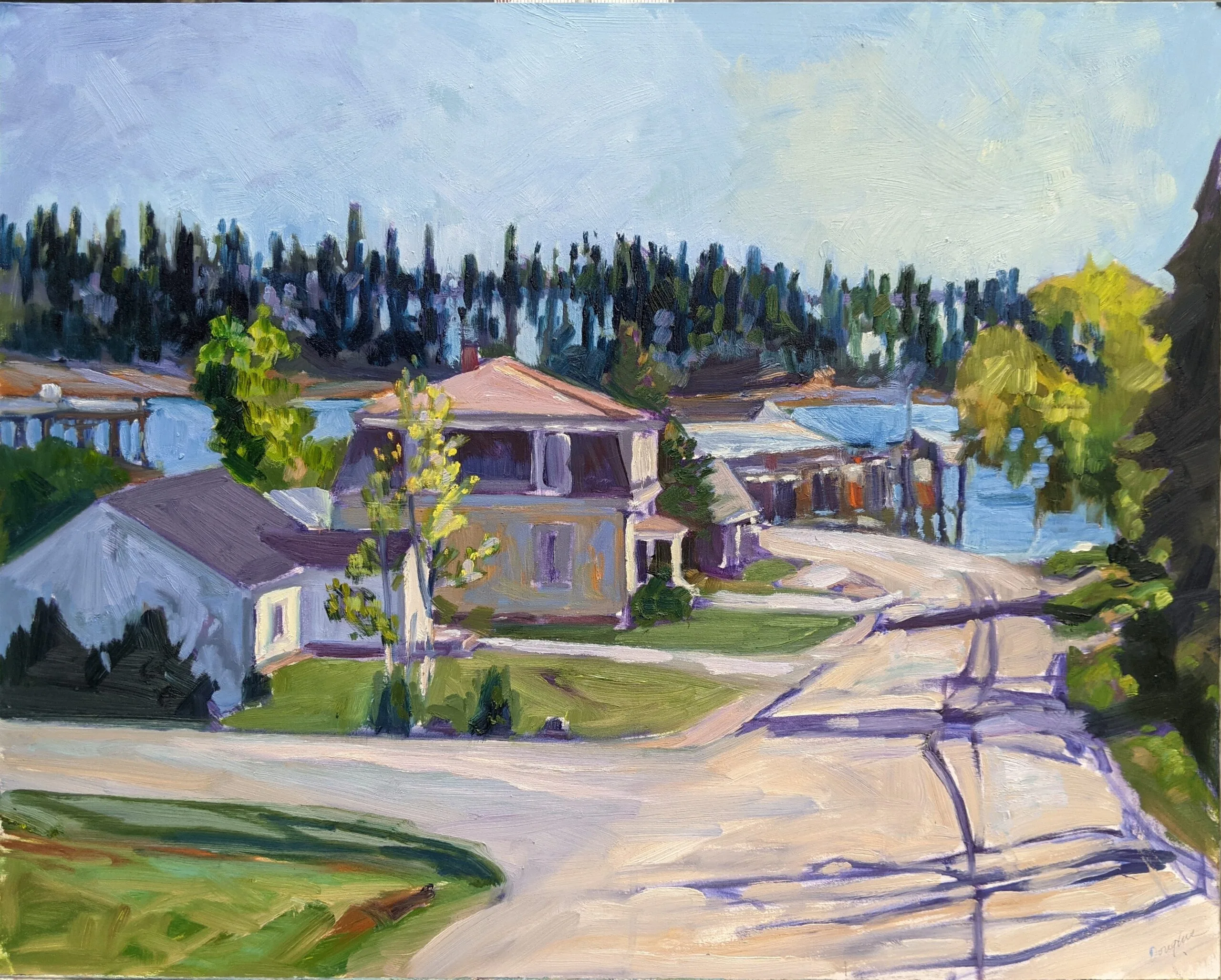
Monday Morning Art School: the overwhelming landscape

The Vineyard, oil on linen, 30X40, $5072 framed, includes shipping and handling in continental US.

Last summer, one of my students arrived at my workshop with a problem I see frequently. She could draw beautifully from photos, but when she set up outdoors, she froze. “The landscape is overwhelming,” she said. “There’s too much going on. I don’t even know where to start.”

That’s the problem of infinite options, and at times it can be a problem for even the most experienced painters. That’s especially true in a new environment. There is a sense that the whole world is pressing in, demanding to be painted. If you succumb to that and don’t break the scene down, you end up fussing endlessly over detail. Or, by trying to include everything, you end up with a painting about nothing in particular.

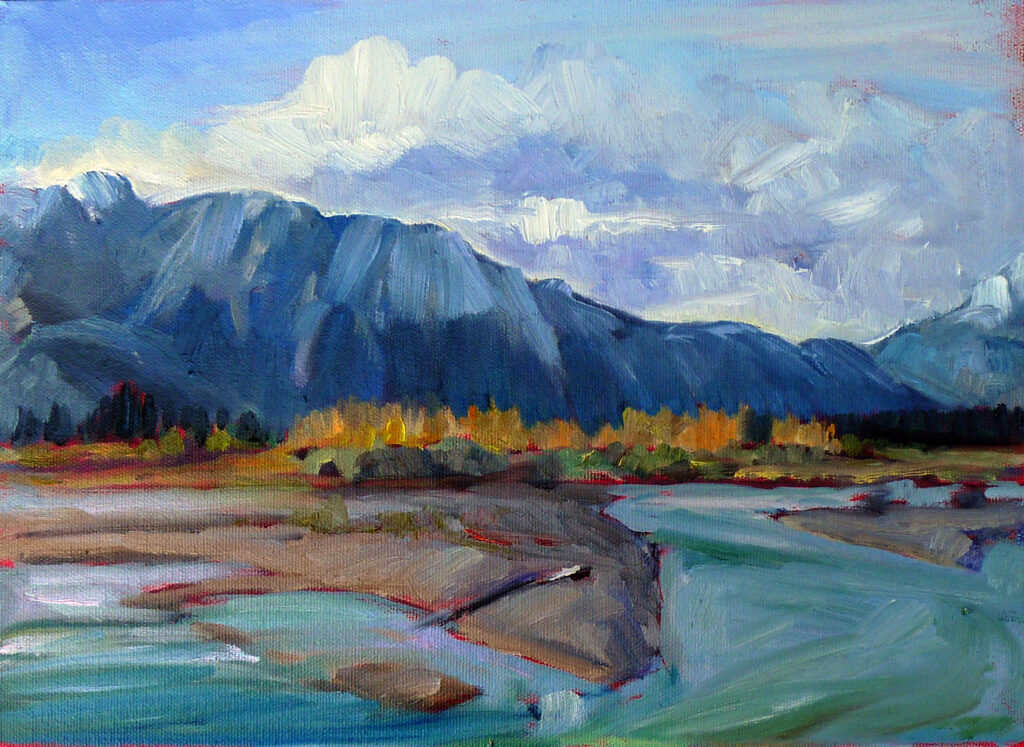
Athabasca River Confluence, 9X12, $696 includes shipping and handling in continental US.

On the first day, I gave this student one simple assignment: big shapes first. We stood on the edge of a blueberry barren, facing a stand of spruces set against the immensity of the ocean and the sky. “Squint,” I told her. “What are the three biggest shapes you see?” She hesitated, then answered: “The sea, the sky and the trees.”

That became, in the end, both her composition and her focal points. Once she blocked these in on her sketch, she could move easily into a structured, sensible painting. She was no longer struggling to find a starting point in an immense landscape, and the mindless chatter of too much detail faded.

Coal Seam, 6X8, oil on archival canvasboard, $348 includes shipping and handling in continental US.

By the end of that day, she had a painting that was loose, fresh, and alive. More importantly, she had an epiphany. She realized she didn’t have to paint everything, only the essence of the scene. From that point onward, the workshop was a romp for her.

Every painter has hurdles like this—sometimes it’s drawing, sometimes color, sometimes just getting past his or her own nerves. The good news is: once you know the roadblock, you can break it down. That’s where good instruction and practice make all the difference.

But don’t take my word for it

Here are some of the comments I received after last year’s October immersive plein air workshop:

“The week started as an exercise in frustration, for all the varied reasons that make watercolor challenging. But Carol, with a sprinkling of her magic dust, managed to turn it into a high by Friday afternoon.” (Rebecca)

“It was a week of growth for me! Thank you, Carol, for a wonderful learning experience.” (Lynda)

“What a magnificent experience this has been to meet everyone, be a part of a week of learning, living, creating, with like-minded artists and a teacher with significant range… I loved our week together and would do it again in a heartbeat.  I learned so much from Carol, which was the icing.” (Jody)

Eastern Manitoba River, 6X8, oil on archival canvasboard, $348 includes shipping and handling in continental US.

“I had a wonderful week! I learned a lot and am left energized and motivated to put all my new-found methodology to work.” (Beth)

“Thank you for the abundant art wisdom, patience and willingness to give of yourself.” (Sandy)

“This is the first workshop I’ve attended without a 2–3-hour demo to start every day and it was WAY better!  The personal attention addressing my painting–where I’m at and where I’m trying to go–was so much more helpful than watching someone paint then trying to relate it to my work.  The demo at the end of the week solidified all that we had discussed all week. (Christine)

If you’ve ever felt overwhelmed when standing in front of a landscape, don’t put off tackling it. My October immersive plein air workshop is your chance to face it head-on.

But space is limited, and October will be here before you know it. Don’t wait—secure your spot today, and give yourself the breakthrough you’ve been waiting for.

Click here to reserve your place before it’s gone.

Choosing a plein air painting site

Even on cloudy days, the view from on top of Beech Hill is stupendous.

I occasionally get so interested in driving around looking at things that I forget to paint. That’s kind of silly, since I live in a scenic wonderland. Still, we’ve all done it. Sometimes it seems like the hardest part of painting outdoors is picking the spot.

A good painting isn’t about the perfect view, it’s about what you do with the shapes, values, and colors in front of you. Some locations make that job a lot easier.

Spruces on Beech Hill provide necessary architecture and shadow structure for a good plein air painting.

Look for strong shapes, not postcard views

This can be a real challenge in places with sweeping vistas and no foreground interest. Long views are beautiful and look great in person, but when they’re all middle values and no structure, they don’t translate well to canvas. The basis of a good painting is a strong pattern of lights and darks. Take off your glasses or squint. If there’s no ‘there’ there, there’s no painting, either.

Mind the light

Photographers talk about ‘golden light,’ those early morning and late afternoon periods when long shadows play against warm highlights. That’s a goal, but it doesn’t always happen. Starting with a good value sketch makes light changes more manageable. And you can always seek out strong architectural shapes, like trees and rooflines, to create composition on an overcast day.

Jeanne-Marie wisely took advantage of shade at the summit of Beech Hill.

Consider your comfort

I don’t paint well when I’m too hot, too cold, or bedeviled by flies. Nor can I concentrate when I’m concerned about traffic. A miserable painter makes a miserable painting.

This is high on my list of reasons to paint in a workshop. Those ergonomic issues are mostly worked out for you.

I can’t always promise you big raptors or ravens, but we frequently see them floating above the Camden Hills.

Start simple

It’s so tempting to throw everything in the view into a single canvas. You’ll get clearer compositions and structure if you concentrate on a single tree against a field, a barn with strong shadows or a boat against lapping waves. There’s a place for complex compositions, but work up to them.

Why I love to take students up Beech Hill in October

Beech Hill is the perfect mix of big skies, sweeping views, and constantly-changing light, all in a 360° panorama. Penobscot Bay stretches out like a sheet of hammered silver, dotted with islands. To the west, the Camden Hills blaze in reds, golds, and deep greens. The summit is a blueberry barren, and right at the very top is Beech Nut, an iconic stone hut with a sod roof.

Beech Hill is all about big shapes and strong value patterns, with both foreground interest and far vistas. It’s a natural classroom for learning how to simplify complex scenes, which is the heart of great plein air work.

And then there’s the light. On a clear day, you’ll see the kind of color shifts and shadows that make painting outdoors addictive. Even when it’s overcast, the muted harmonies are spectacular.

Marlene painting among the flowering plants.

During my October Immersive Plein Air Workshop, we’ll paint on Beech Hill and other hand-picked locations that challenge and inspire. You’ll learn how to:

  • Break down vast vistas into simple, paintable shapes;
  • Use atmospheric perspective to create depth;
  • Handle fast-changing coastal light without panic;
  • Keep your values organized so your painting reads at a glance.

Want to learn this in real time? Join me for my October Immersive Plein Air Workshop, where we’ll spend a full week in some stunning autumn landscapes—learning not just where to set up, but how to build strong, confident paintings on site. Spaces are limited.
Click here to reserve your spot.

Thanking God for unanswered prayers

Camden Harbor from Curtis Island, oil on canvas, $2782 unframed includes shipping and handling in continental United States.

Monday morning I got a text from one of my students that read, “I was at the Maine Art Gallery in Wiscasset yesterday and saw so many of your wonderful students’ work on the walls.”

I was very happy to hear this, having had a pretty dismal week. I responded, “And you should be there too,” to which she answered, “I’ve been there all summer!” Oops.

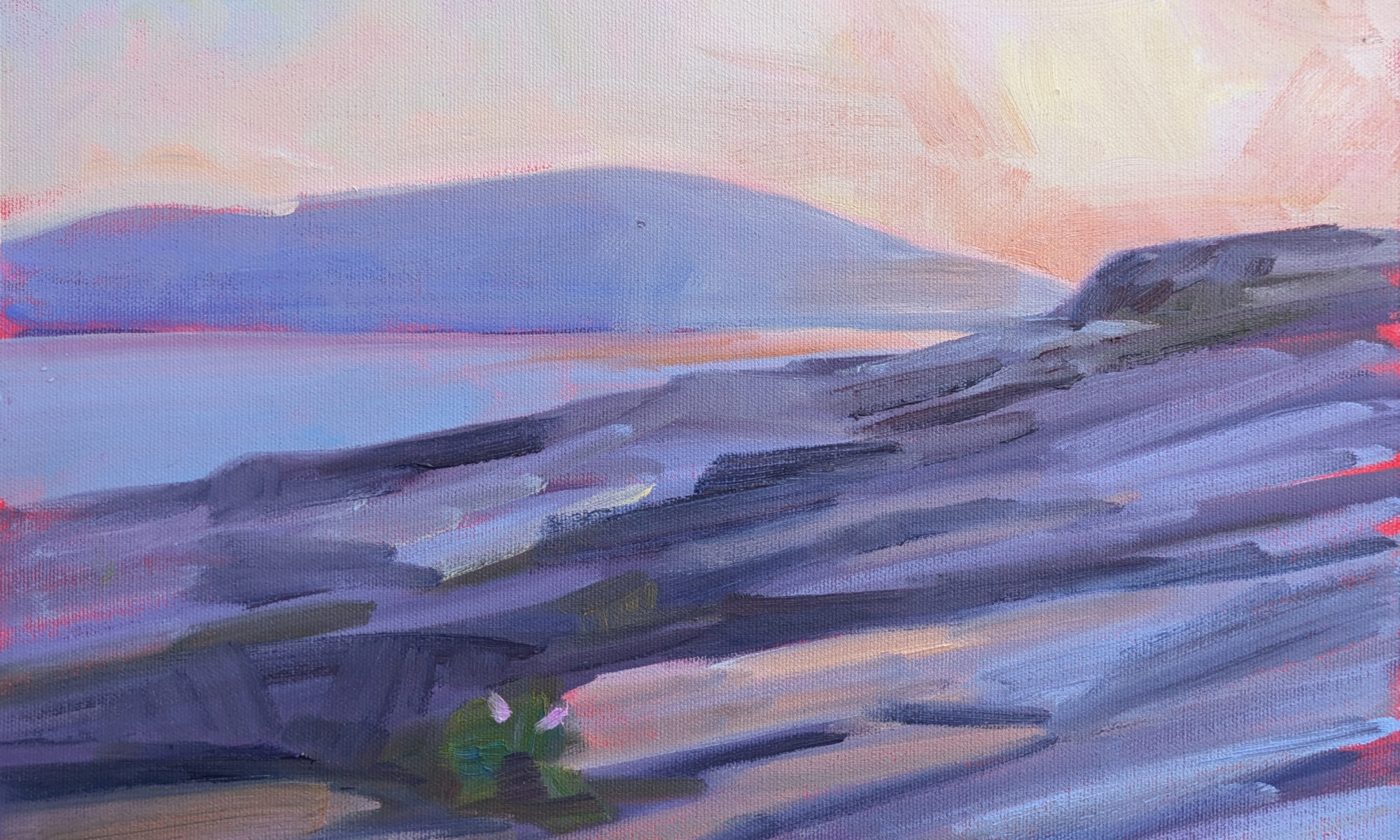
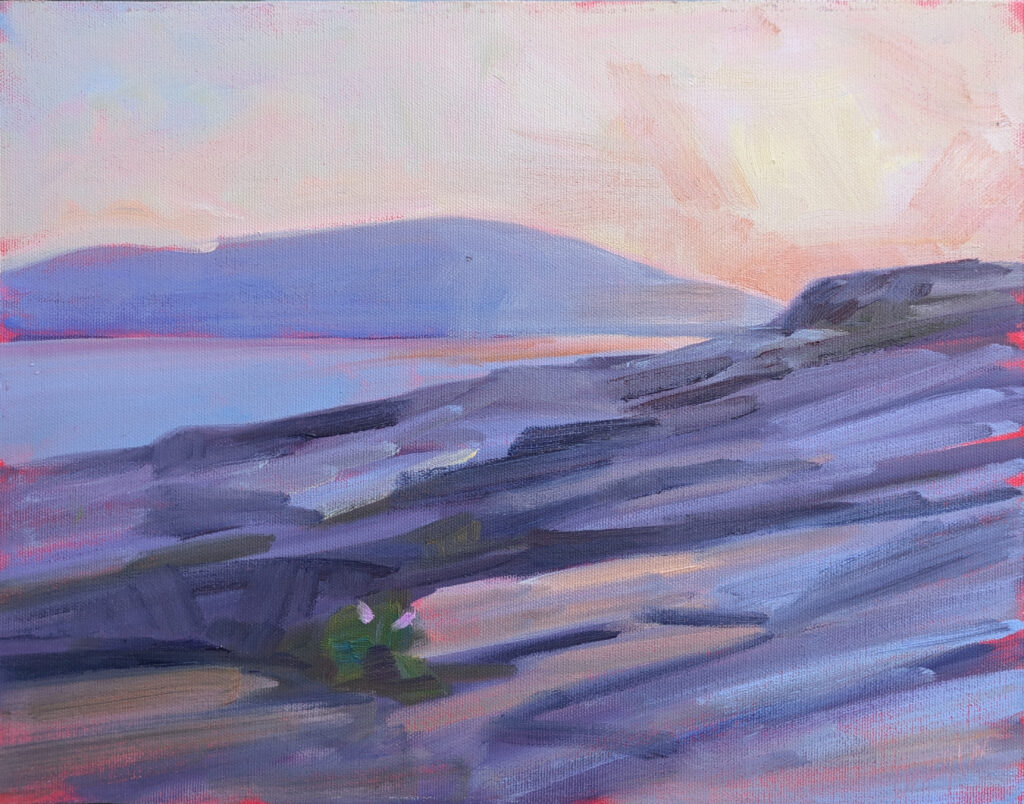
Sunset over Cadillac Mountain, oil on archival canvasboard, $869 includes shipping and handling.

Rejection

There’s a high-profile event I was in for a long time until suddenly I wasn’t. There are lots of reasons this can happen, including that I might be sending them bad selections, the current juror might not care for my work, or they simply have too many other artists in the same category (media or geographical). I try to not take rejection personally but it can be an emotional and financial hit. I’ll still apply every year because in the deeply mysterious way of jurying they might suddenly decide I’m the flavor of the week again.

Since high school, we’ve all found ourselves on one or the other side of rejection—we’ve been the ones consoling our peers or we’ve been the ones consoled. When we’re the recipient of rejection, all the comforting phrases fall flat. (My new favorite, which gets right to the heart of the matter, is, “that’s some bulls-t!”) Despite all evidence to the contrary, we know in our bones that it’s really something we did, or some way we fell short. And it’s easy to extrapolate from “I wasn’t good enough for that show” to “I’m not good enough for anything.”

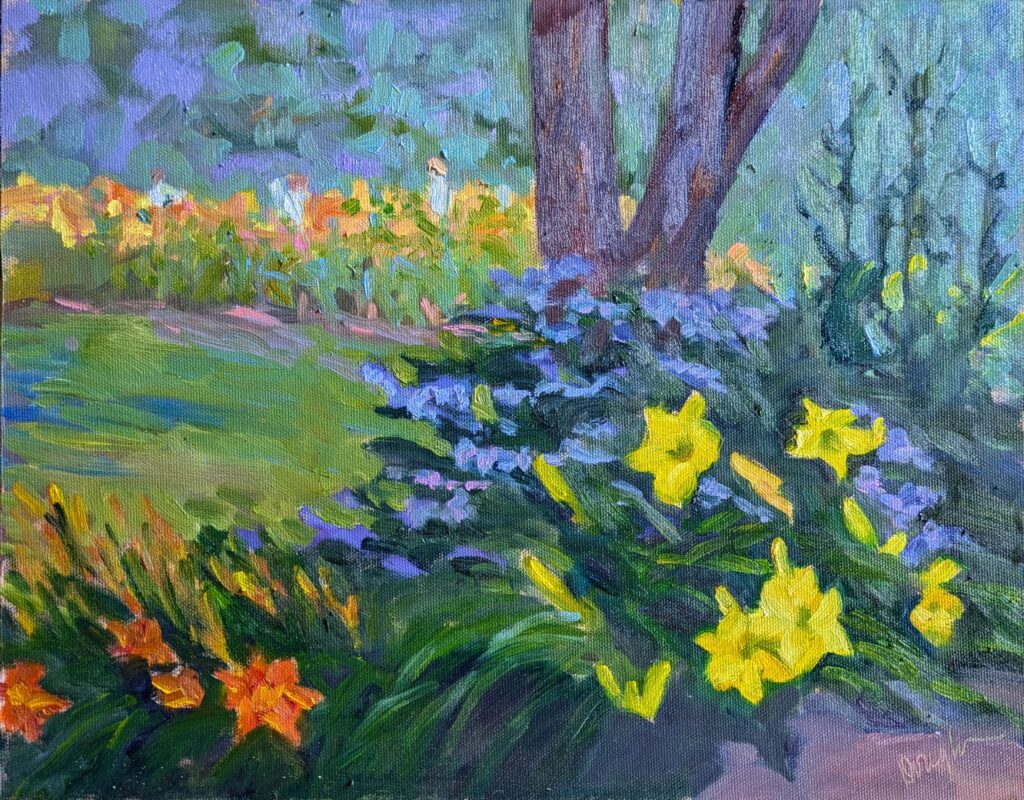
Daylilies and lace-cap hydrangea, 11X14, $869 includes shipping and handling in continental US.

I was as philosophical as I could be when I got that rejection, but let’s be real: I was still cranky. However, since the start of summer my life has been in an uproar. I’ve had COVID, unanticipated abdominal surgery, and now my husband’s illness. I’m not getting into the details, but his situation is and was very serious.

Having experienced real loss, I’m now wise enough to know that this is not truly an annus horribilis. However, neither has it been fun or conducive to getting any work done. What is clear to me is that the earlier rejection I thought was a curse has turned out to be a blessing; I could never have done that event, let alone done it well. If I’d known in February what my summer would be like, I’d never have applied at all, but we mere mortals aren’t really blessed with Second Sight. (And thank God for that; who really wants to know the future?)

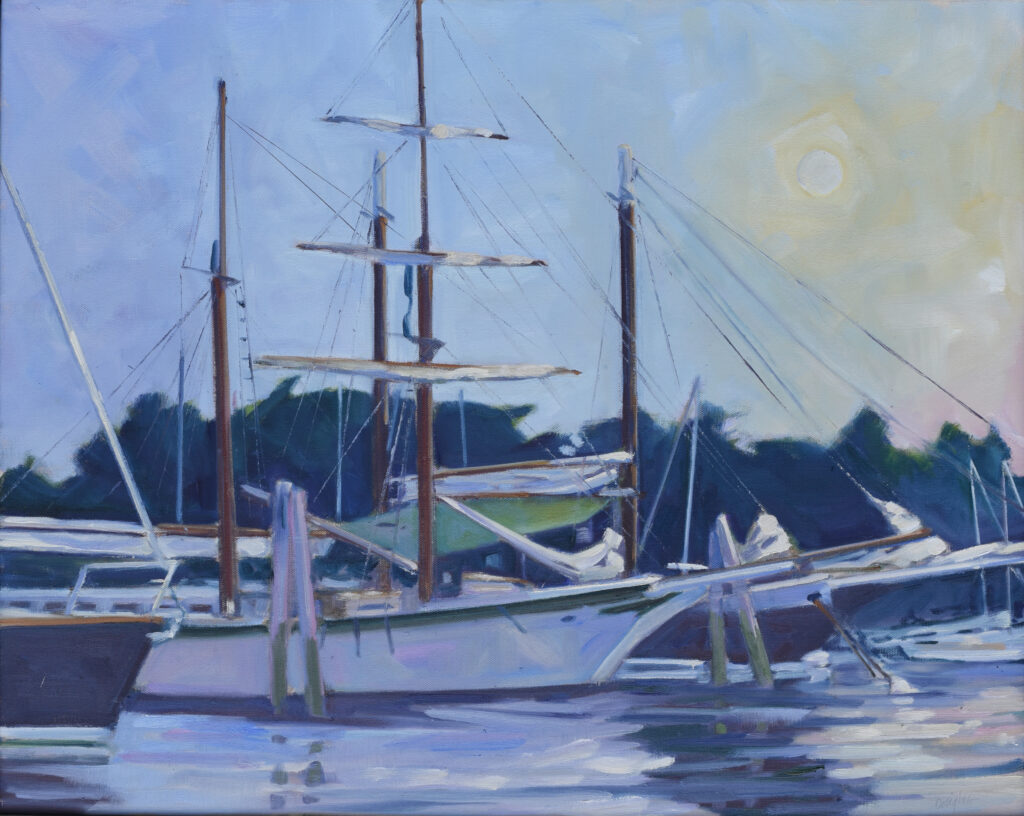
Brigantine Swift in Camden Harbor, 24X30, oil on canvas, framed, $3478 includes shipping and handling in continental US.

The blessing of unanswered prayer

The Bible is full of examples of unanswered prayer, starting with Jesus asking, “My Father, if it is possible, may this cup be taken from me.” But like any sane person, I’d rather pass on the tough times. Extreme challenge may help our resilience but it can also break us.

I really hate the poem Invictus; almost every line of it is idiotic, indeed almost psychopathic. We’re not the masters of our own fate; instead, we survive our struggles only with the help of others. Sometimes, as in the case of that show at Maine Art Gallery, it’s a student jarring me out of my bleak thoughts. Two weeks ago, it was two saints who helped when a workshop student was injured. This summer has been a reminder that I’m surrounded by great human beings—my family, friends, church family, students, dog-walking buddies and more. Thank you all.

Registration is now open for workshops in 2026! Reserve your spot:

Can’t commit to a full workshop? Work online at your own pace:

Seven Protocols for Successful Oil Painters

Monday Morning Art School: how to learn to paint (three keys to success)

Inlet, 9X12, oil on archival canvasboard, $869 includes shipping and handling in continental US

Have you ever looked at a beautiful painting and thought, “I wish I could do that?” Good news—you can. Painting isn’t a mysterious gift reserved for the talented. It’s a skill anyone can learn, as long as you approach it the right way.

After years of teaching painters from beginners to advanced, I’ve learned what separates people who make real progress from those who never start, or worse, stagnate and quit. It’s not rocket science; it’s these three simple keys:

1. Make time to practice

Art doesn’t happen in the gaps of your day—it needs intention. Even 15 minutes a few times a week can lead to big breakthroughs. Although the 10,000-hours myth has been debunked as an oversimplication, we do know that practice develops your eye, your hand and your confidence. If you’ve been waiting for the perfect time to start (or restart) your art journey, trust me—it’s now.

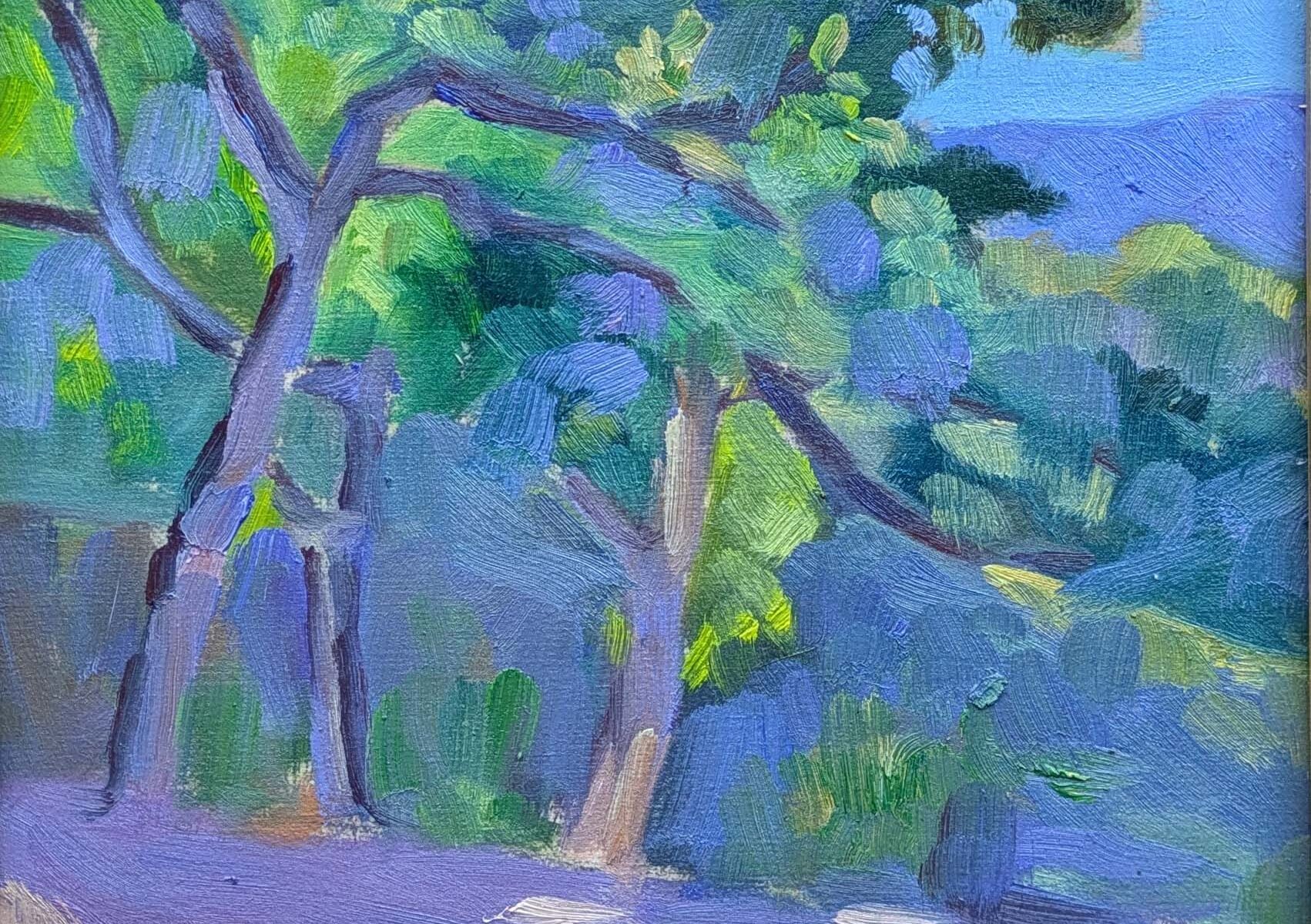
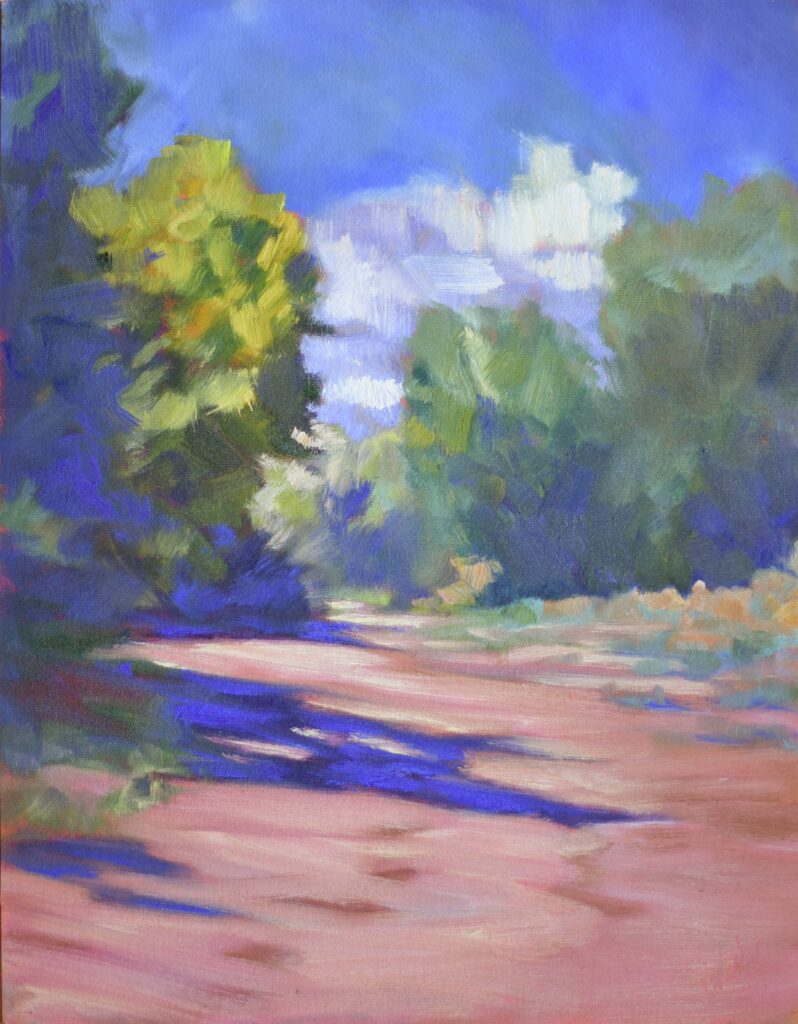
Country path, 14X18, oil on archival canvasboard, $1,275 includes shipping and handling in continental US.

2. Learn from a teacher

Could you figure out painting on your own? Sure. But why spend years reinventing the wheel when a teacher can guide you past the common mistakes and straight to what works?

I offer classes that are friendly, approachable, and packed with techniques you’ll use for a lifetime. Whether you’ve never touched a brush or you’re ready to take your painting outdoors, you’ll find a class that fits your goals.

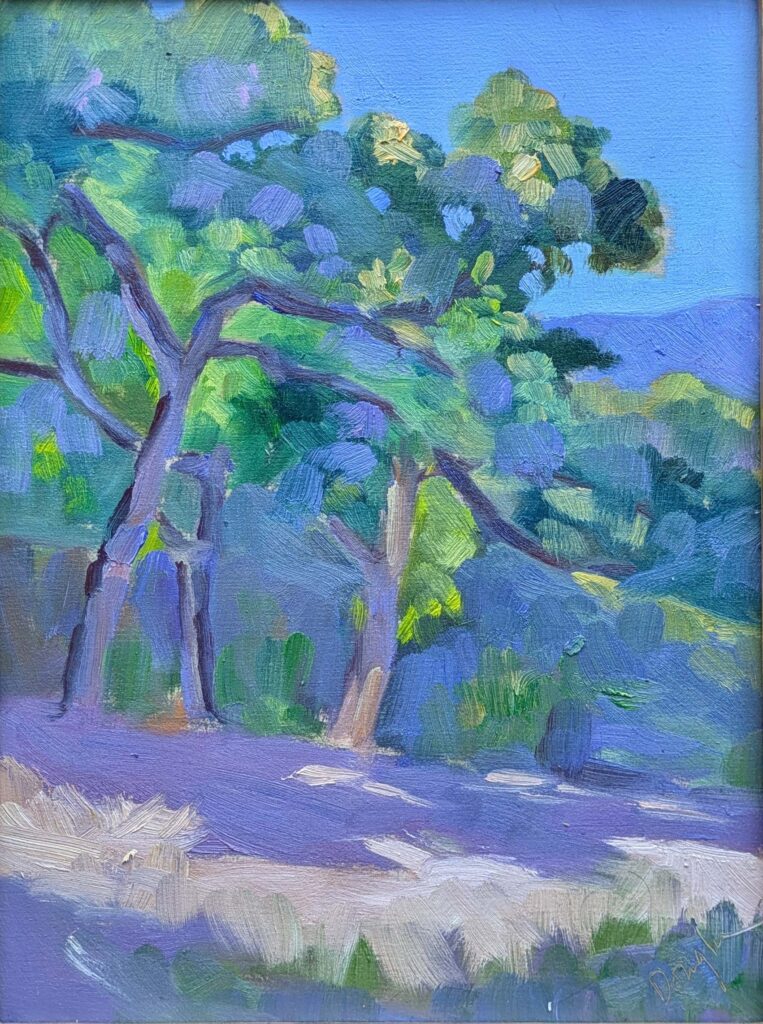
Cottonwoods along the Rio Verde, 9X12, oil on archivally-prepared Baltic birch, $696 includes shipping and handling in continental US.

3. Embrace critique

Feedback isn’t failure—it’s the fastest way to grow. The right critique shows you what’s working (and what needs a tweak) without crushing your confidence. In my classes, you’ll get personalized feedback in a supportive community that celebrates progress.

An almost-apology

Last week my husband had a serious health emergency, one that isn’t over yet. I have good powers of concentration, but even I wasn’t able to put pen to paper during the crisis period, so there was no blog post Friday and this one is short. Sorry about that.

It’s a good reminder of something that’s been on my mind recently, that I won’t be around forever to teach you. Maybe it’s time for you to turn your vague “someday I’ll do that” into “I’m an artist.”

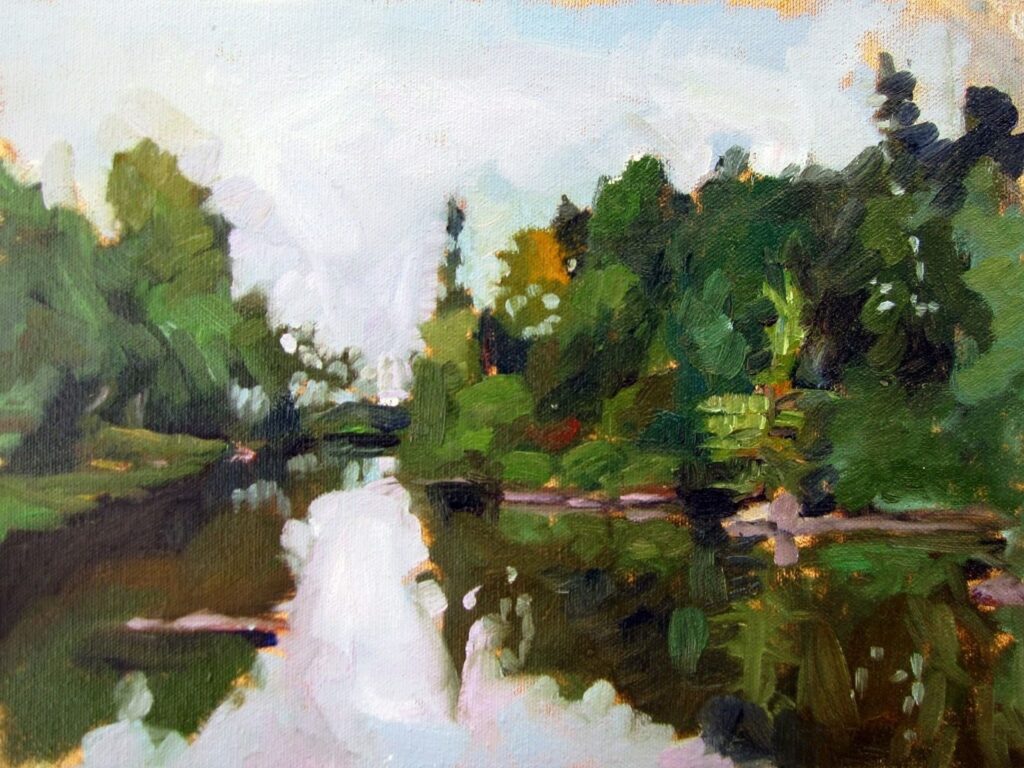
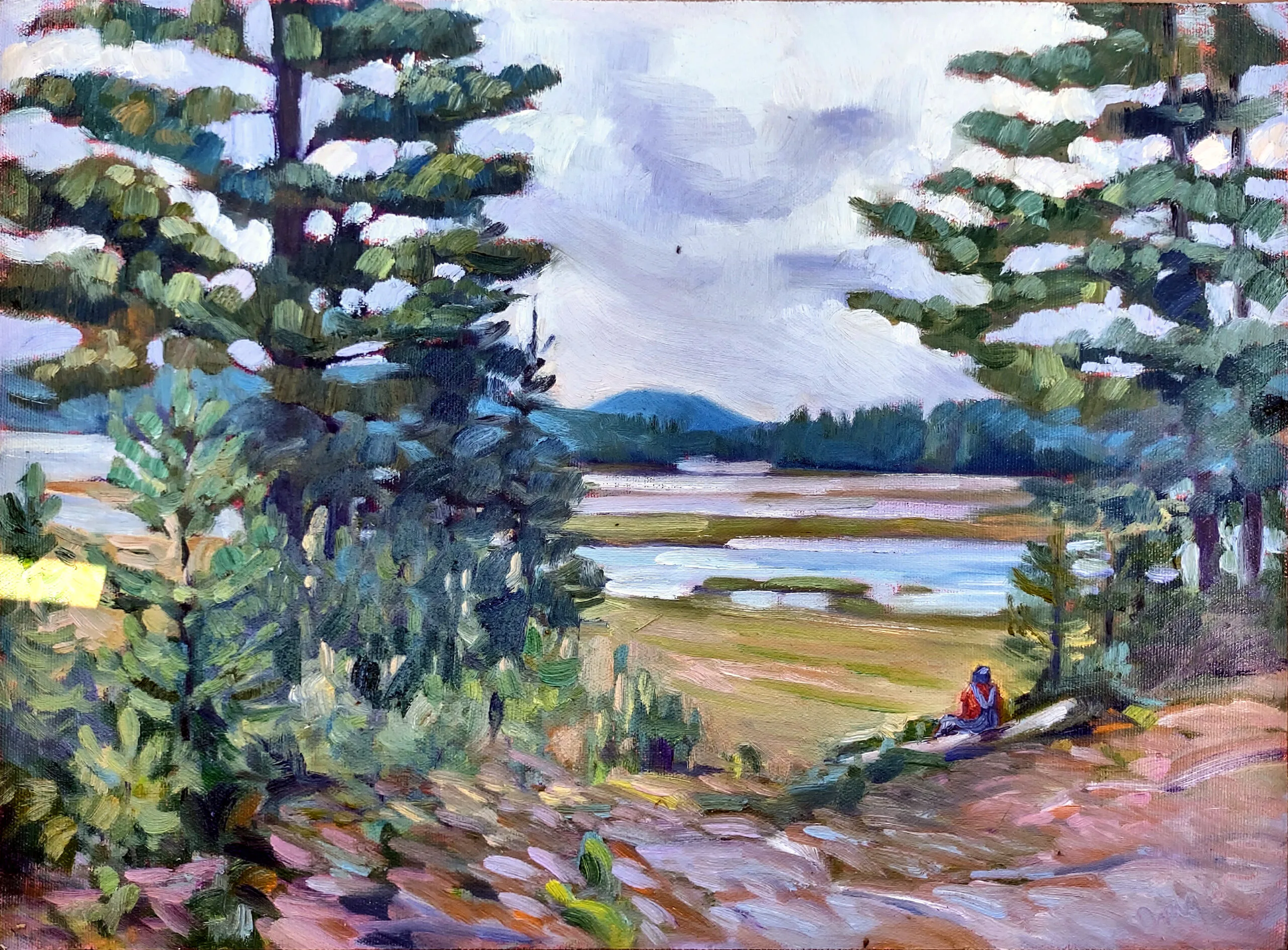
The pine nursery (Madawaska Pond), 12X16, oil on canvasboard, available.

You can mine this blog for a wealth of free tips. Or, sign up for a workshop or self-directed classes below. And don’t forget to sign up to receive this blog via email.

Registration is now open for workshops in 2026! Reserve your spot:

Can’t commit to a full workshop? Work online at your own pace:

Seven Protocols for Successful Oil Painters

What do I do with Grandma’s art collection?

Bunker Hill overlook, watercolor on Yupo, approx. 24X36, $3985 framed includes shipping and handling in continental US.

I periodically get calls from people asking me if a painting is ‘valuable’. Valuable to whom? Collectors, heirs, scholars and the marketplace all define value differently. A modest art collection of little-known artists may have more personal or historical worth than resale value, but sometimes, over time, that balance shifts.

I understand the competing desires to close an estate quickly vs. carefully. But if Grandma was an art collector, take some time to understand the art market before you send her paintings to the local Goodwill.

Rachel’s Garden, ~24×35, watercolor on Yupo, museum-grade plexiglass, $3985 includes shipping and handling in continental US.

Market value

Whether a work has resale value depends on many variables.

  • Are the artists known, collected or represented by galleries? Have their works sold at auction? This is easier to research now with the internet.
  • Are works by this artist sought in the current market?
  • Are the works in good condition, with no fading, tears, mold or yellowing?
  • Are the works rare? For example, that means limited edition prints and one-off paintings in contrast to mass-produced prints.
  • Can you document the provenance? Do you know where and when the works were acquired, and do you have a record of the sales history? (This is a good reason to slip the invoice in the back of the frame of anything you acquire, by the way.)
  • Some mediums, such as oil paintings and bronze sculpture, hold market value better than others.
  • What’s the quality of the materials?
  • Is there visible damage? If so, has it been restored or repaired, and was the restoration done professionally?
  • Is it in its original frame, if applicable?
  • Does the subject matter have broad appeal?
Clary Hill Blueberry Barrens, watercolor on Yupo, ~24X36, $3985 framed includes shipping and handling in continental US.

Historical value

Even if a work isn’t valuable in financial terms, it might have importance to scholars or local historians.

  • Does the art collection represent a particular period, like WPA-era or mid-century modern?
  • Was the artist or collection part of an important cultural moment?
  • Is it tied to a particular place, and does it tell the story about that place’s history?
  • Was the collector notable?
  • And, of course, a collection of paintings can have value simply for sentimental reasons. You may not want Grandma’s clown paintings, but your cousins might each love to have one.
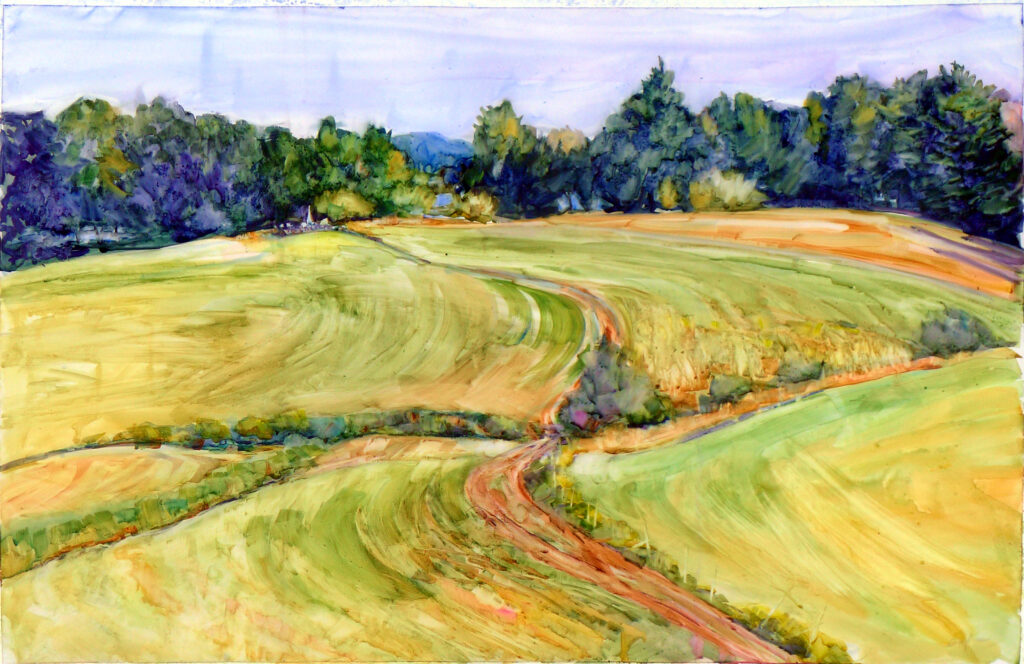
Path to the Lake, ~24X36, watercolor on Yupo, framed in museum-grade plexiglass, $2985 includes shipping and handling in continental US.

How can you tell what you’ve got?

My friend, art conservator Lauren Lewis, is famous in these parts for identifying an NC Wyeth painting that a client bought for $4 at a thrift store. I understand how overwhelming it is to settle a loved one’s estate. But taking a little time might stop you from doing something foolish.

Start by inventorying the art collection. That includes photographs, titles, dimensions, mediums, dates and signatures. Then, research the artists. Start on the internet, and check auction databases, gallery listings, or catalogs.

I can’t emphasize enough how important it is to consult professionals. Conservators, appraisers, gallerists and auction houses are the people to ask, not me or other professional painters. I once found a print by mid-century artist Leonard Baskin in a box full of old newspapers in the attic of a house I’d bought. I took it to an auction house in Boston. They realized more on the sale than I thought possible. And let that be a lesson to you if you’re ever tempted to leave a house less than ‘broom clean.’

Registration is now open for workshops in 2026! Reserve your spot:

Can’t commit to a full workshop? Work online at your own pace:

Seven Protocols for Successful Oil Painters

Monday Morning Art School: break out of the detail zone

“Belfast Harbor,” 14X18, $1594 framed includes shipping and handling in continental US.

“Big shapes to small shapes” describes the order in which you should build a picture. It means that you should start by laying down the largest, simplest forms. Once you’ve established the major masses of light and dark and broad color areas, you can gradually refine into smaller shapes.

Starting with detail too soon means you won’t get the value relationships or compositional elements right. That’s important because big masses determine how we read visual images.

Sadly, new painters often get this backwards. They get stuck in the detail zone early on. This is a trap caused by fear of failure.

Surf’s Up is 12X16, on a prepared birch surface. $1159 includes shipping and handling in the Continental US.

Perseveration is a stall tactic

The big shapes, values, and composition are harder to commit to because they carry all the weight of a painting; detail is, conversely, relatively unimportant. But insecure painters subconsciously jump to detail to avoid making hard compositional decisions. Obsessing over detail lets you delay facing whether the bones of the painting are working.

(This is not an argument in favor of sloppy, fast drawing. Edges are an important part of the big shapes and value masses of a painting, and you should take the time to get them right.)

The detail zone gives us a false sense of progress. Adding fussy little marks feels productive, but if the big design isn’t solid, details can’t save a painting. It’s like putting lipstick on a pig.

When you stay in the detail zone, you don’t have to confront whether the big picture is successful. It feels safer to buff up one section of a canvas than face the risk of failure. Focusing on detail can also be a way of trying to maintain control.

Details are familiar, soothing, and lots easier than value decisions. By hiding in detail, painters stay where they feel safe instead of pushing the work forward.

But if the painting works at arm’s length, the details will always fall into place. If it doesn’t work at arm’s length, no amount of fiddly work will fix it.

High Surf, 12X16, oil on prepared birch painting surface, $1159 includes shipping and handling in continental US.

Move along

Going back to the same passage of a painting over and over probably means that something else entirely has gone wrong with your painting. Move on and you’ll break your frustration logjam. In fact, you’ll often solve your original questions subconsciously just by stepping away from the easel (which is why I often suggest to perseverating students that they take a snack break).

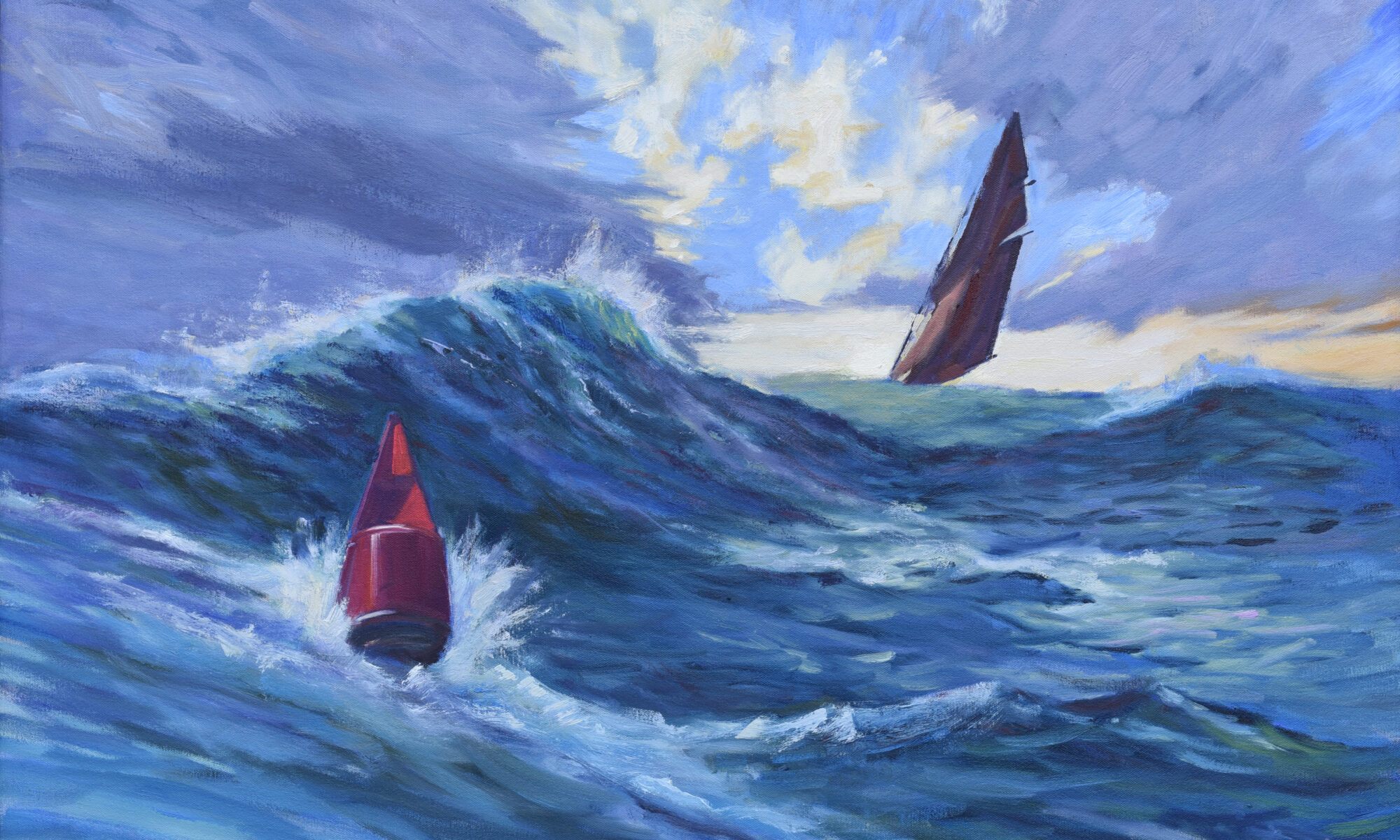
Heavy Weather (Ketch Angelique), 24X36, oil on canvas, framed, $3985 includes shipping and handling in continental US.

How to break out of the detail zone

There are several tried-and-true techniques to focus on the big picture:

  • Step back every few minutes. Ask yourself: Does it read? Are the big shapes clear?
  • Squint so that small details disappear. What’s left are the big shapes, where you should focus your effort.
  • Don’t paint any details until the entire image is blocked in with larger shapes.
  • Use the largest brush you can get away with for as long as possible. A big flat won’t let you paint individual blades of grass.
  • Stop relying so much on reference photos. They suck you into petty detail. After twenty minutes or so, set your cell phone aside and work from memory.
  • Work in layers, general to specific, going over the whole surface before starting to break shapes into the next smaller units.

Registration is now open for workshops in 2026! Reserve your spot:

Can’t commit to a full workshop? Work online at your own pace:

Seven Protocols for Successful Oil Painters

The Shaker color palette

The Shaker Color Palette, courtesy Hancock Shaker Village.

I have the good fortune to teach at Hancock Shaker Village, a living history museum in Hancock, MA. This is part of Find Your Authentic Voice in Plein Air, centered in Lenox, MA, in the Berkshires. I never visit without learning something new. Yesterday I learned about the Shaker color palette.

Painting by Julie Dirksen

This palette is a mix of practicality, spirituality, and cheerfulness. These colors were set down in the Shaker Millennial Laws and are well-documented at Shaker sites.

Painting by Bonnie Daley

Hancock Shaker Village has recreated this color use in their many restored buildings, which makes this living history museum feel very lively.

Reds and yellows came from ochre. That’s humanity’s oldest pigment at 300,000 years of documented use. They also used the first modern synthesized pigment, Prussian blue. Chrome yellow, a combination of lead and chromate, gave a fine strong yellow. Mixed with Prussian blue, it creates a deep, rich green. All of these pigments were mixed with linseed oil to produce paint, which is how modern oil paints are made.

Painting by Cheryl Shanahan

While the Shakers avoided ostentation, they didn’t shy away from rich, deep colors. In the hands of these master designers, these colors create harmony, not flashiness. The Shaker color palette is easily duplicated today. It’s very dramatic, set against the deep greens and blues of the Berkshires.

Painting by Becca Wilson

Registration is now open for workshops in 2026! Reserve your spot:

Can’t commit to a full workshop? Work online at your own pace:

Seven Protocols for Successful Oil Painters

Forest bathing or plein air painting?

Yesterday morning, as I waited for my plein air workshop students at Wahconah Falls State Park, I read this post about shinrin-yoku, or ‘forest bathing.’ That lasted until I realized the absurdity of sitting in nature reading on my phone about the benefits of sitting in nature.

Forest bathing is the practice of immersing yourself in a forest or other natural setting, not for exercise, but to take in the atmosphere with all your senses. I hate the term “mindfulness,” but that’s what it’s all about. The forest is your therapist, and it works for free. Forest bathing and plein air painting are very similar in goals and outcome.

Wahconah Falls State Park in Massachusetts has countless beautiful vistas.

The benefits of forest bathing

According to those who practice forest bathing, time in nature lowers the stress hormone cortisol, slows your heart rate, and helps your nervous system shift into a calmer state. Time spent in nature alleviates depression. Practitioners report they think more clearly and feel more creative after time in the woods.

This may be because trees release airborne compounds called phytoncides. These are natural antimicrobial chemicals that plants use to protect themselves. Breathing them in may enhance immune responses, reduce stress, and improve mood.

The air in the forest is generally cleaner than in urban areas. Gentle movement in oxygen-rich air can lower blood pressure and improve heart rate.

Forest bathing cultivates awareness of the sights, sounds, smells, and textures around you, building a deeper relationship with the natural world. Lower stress levels, more physical relaxation, and natural light exposure during the day can all help improve the quality of your sleep.

Cheryl painting the falls themselves.

How do you do it?

Choose a natural area where you can wander without constant traffic noise or interruptions. Experts say to leave your phone behind, but that strikes me as dangerous; silencing it is enough. Forget about mileage or steps, and move at a slow pace. This allows you to engage your senses, to notice colors, shapes, and tiny details. Listen for bird calls, cicadas (which we heard yesterday) or the sound of water. An often-overlooked sense in the forest is smell. It’s one of my favorite things about walking in the woods.

Forest bathing experts tell us to stop periodically and be utterly still. Let your thoughts drift. Minimally, you want to spend 20–30 minutes, but ideally, seek an hour or more of woodland time. Forest bathers say to end this with gratitude; I certainly feel that after my daily hikes.

Bonnie forest bathing, er, plein air painting.

How does this differ from plein air painting?

It doesn’t. Plein air painting and forest bathing work on your body and mind in surprisingly similar ways.

They both slow you down, helping you absorb details of place without rushing. In plein air painting, you can easily focus on one scene for hours. You shift from going somewhere to just being in nature.

In both, you’re hearing birds, feeling the sun on your skin, smelling grass or salt air. A painter’s heightened visual observation parallels a forest bather’s full sensory awareness.

Forest bathing invites you to simply be in nature. Plein air painting almost forces you to engage with that, because you are concentrating deeply on the environment.

Both activities reduce stress and improve mood. The creative act of painting can also trigger “flow,” where time disappears and you feel deeply satisfied.

Ultimately, both deepen your relationship with the natural world. You give your time and attention, and in return nature offers beauty, calm, and inspiration.

And even I did a quick painting. (Photo courtesy Cheryl Shanahan)

Registration is now open for workshops in 2026! Reserve your spot:

Can’t commit to a full workshop? Work online at your own pace:

Seven Protocols for Successful Oil Painters