Everyone is Polish on Dyngus Day
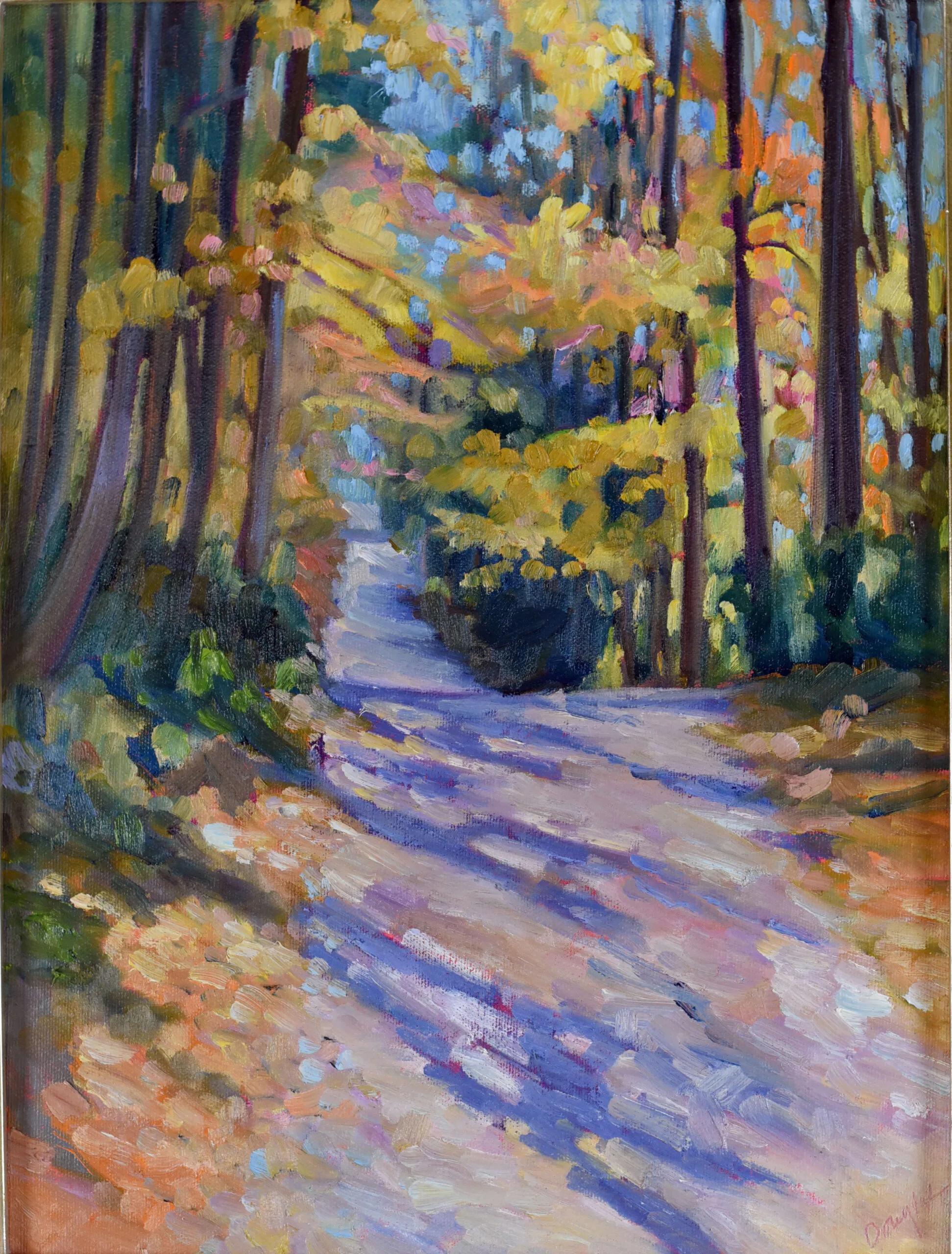
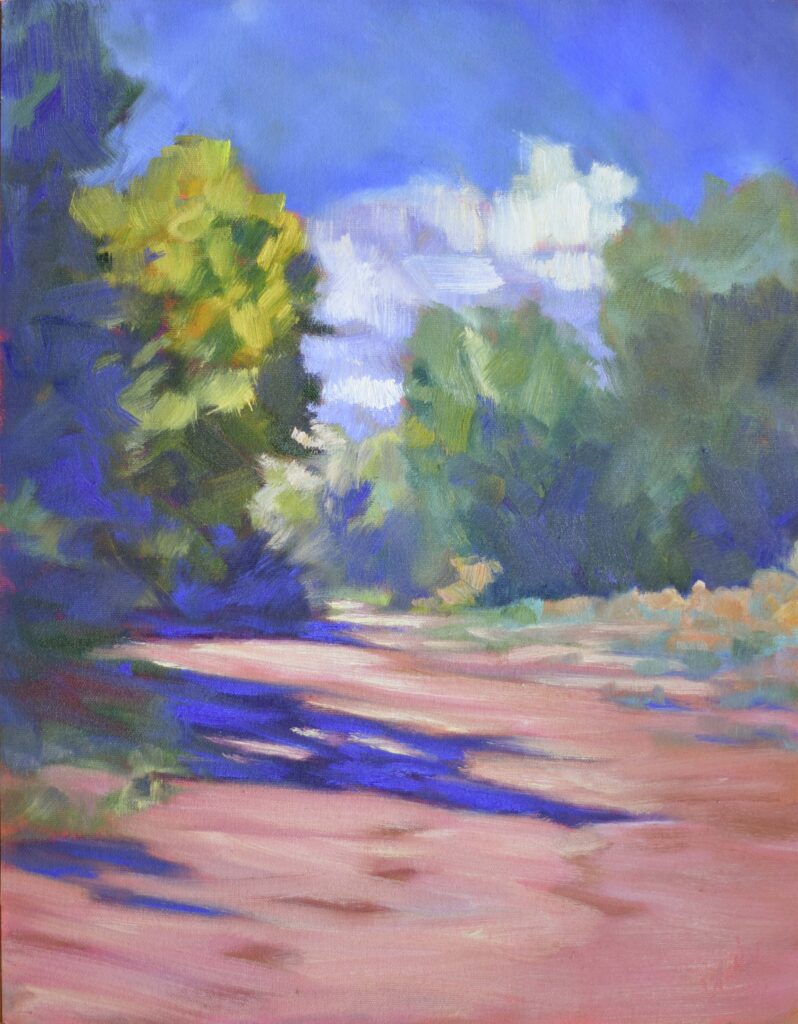
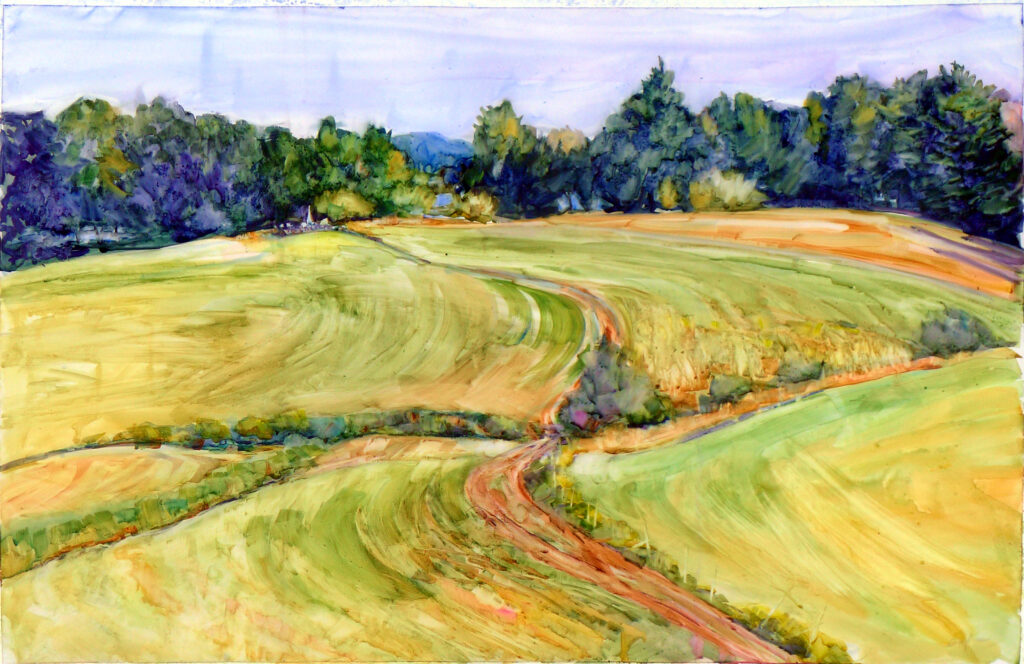
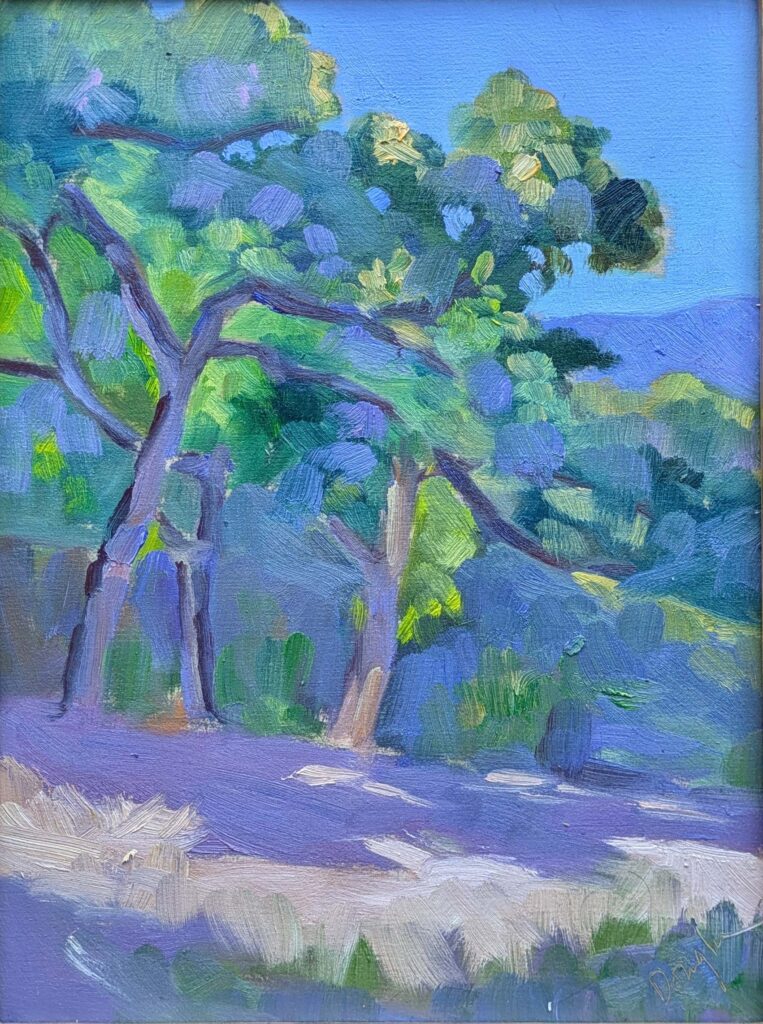
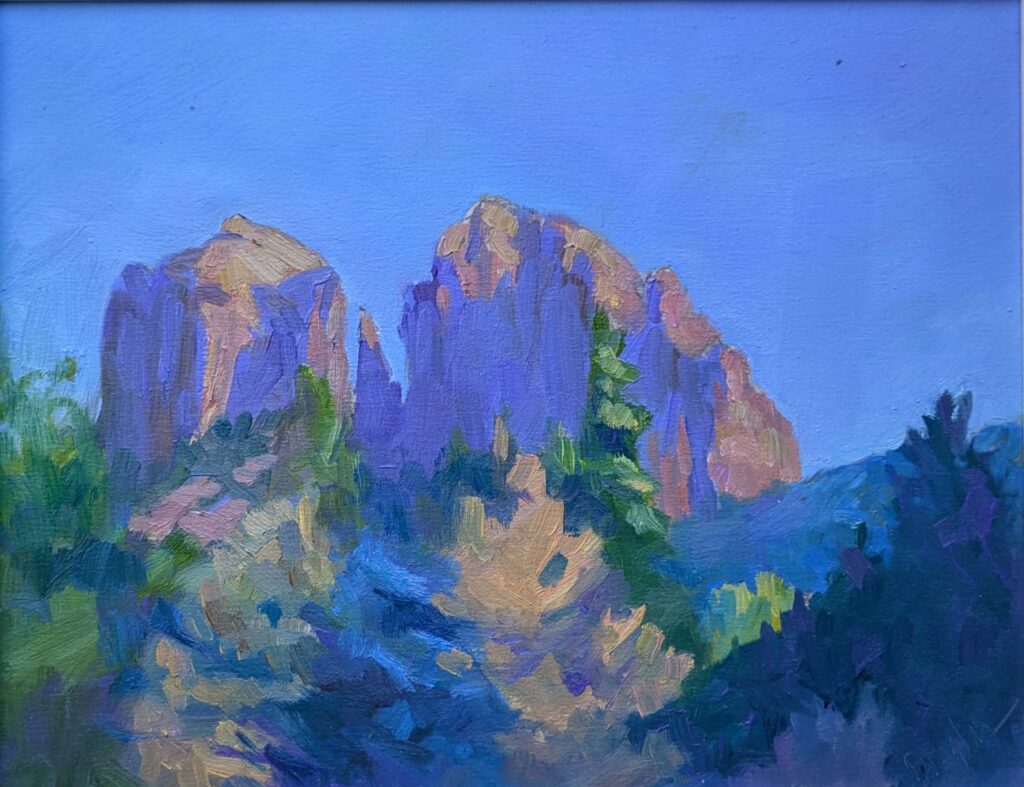
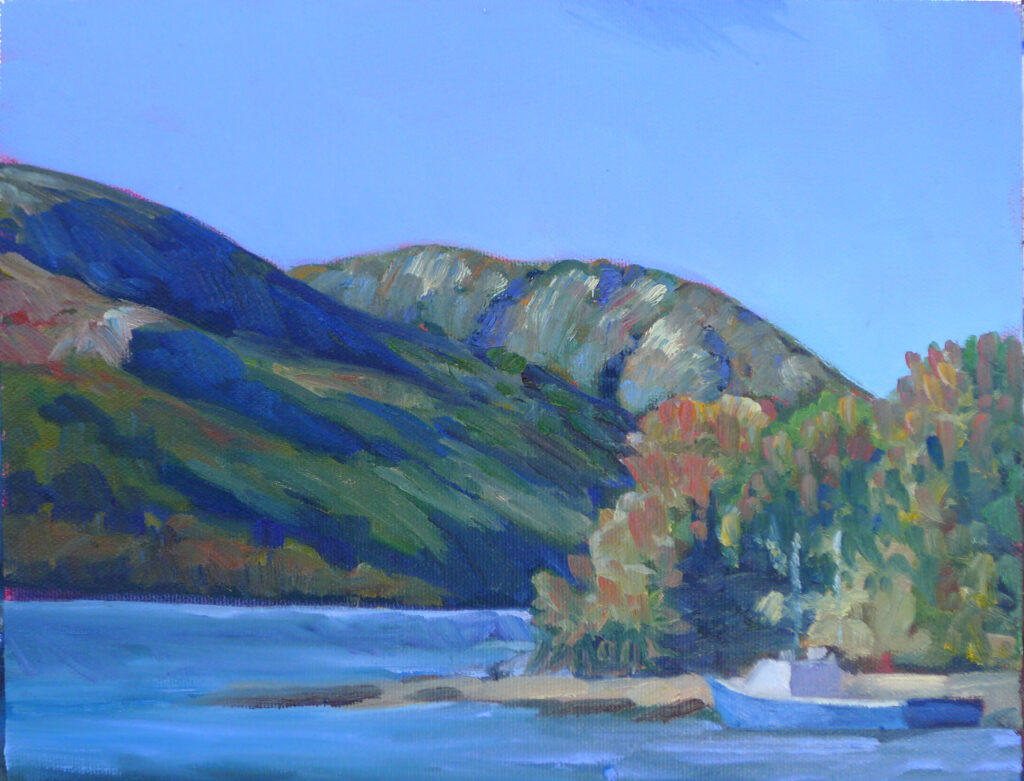
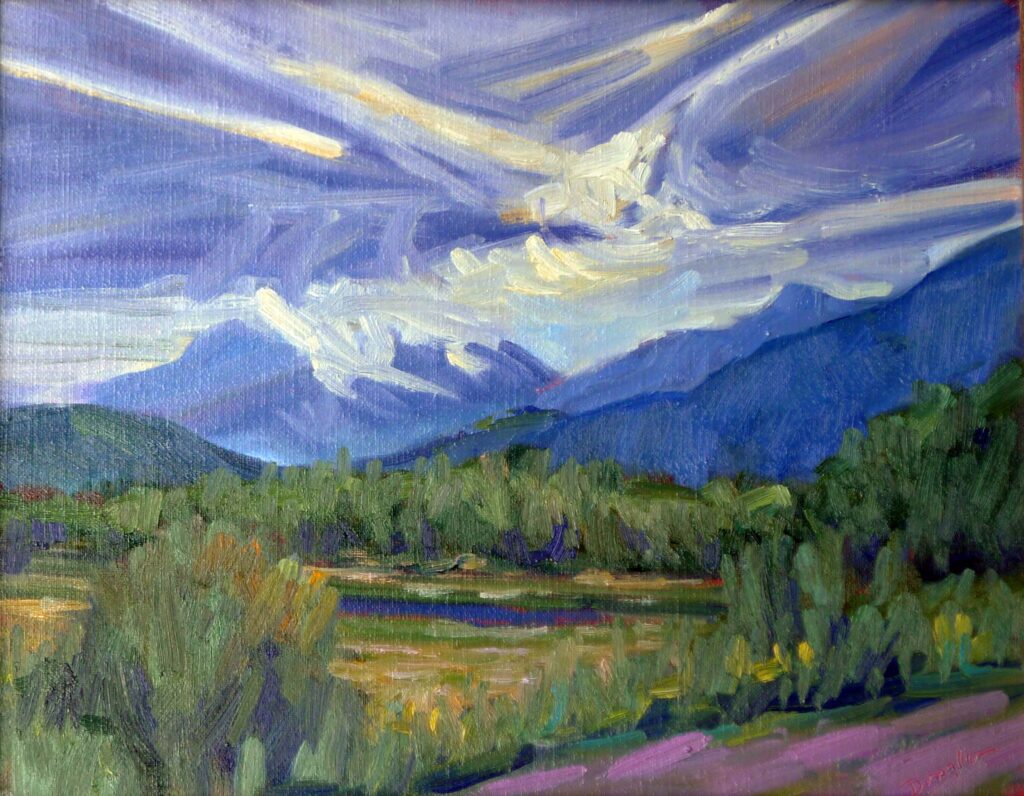
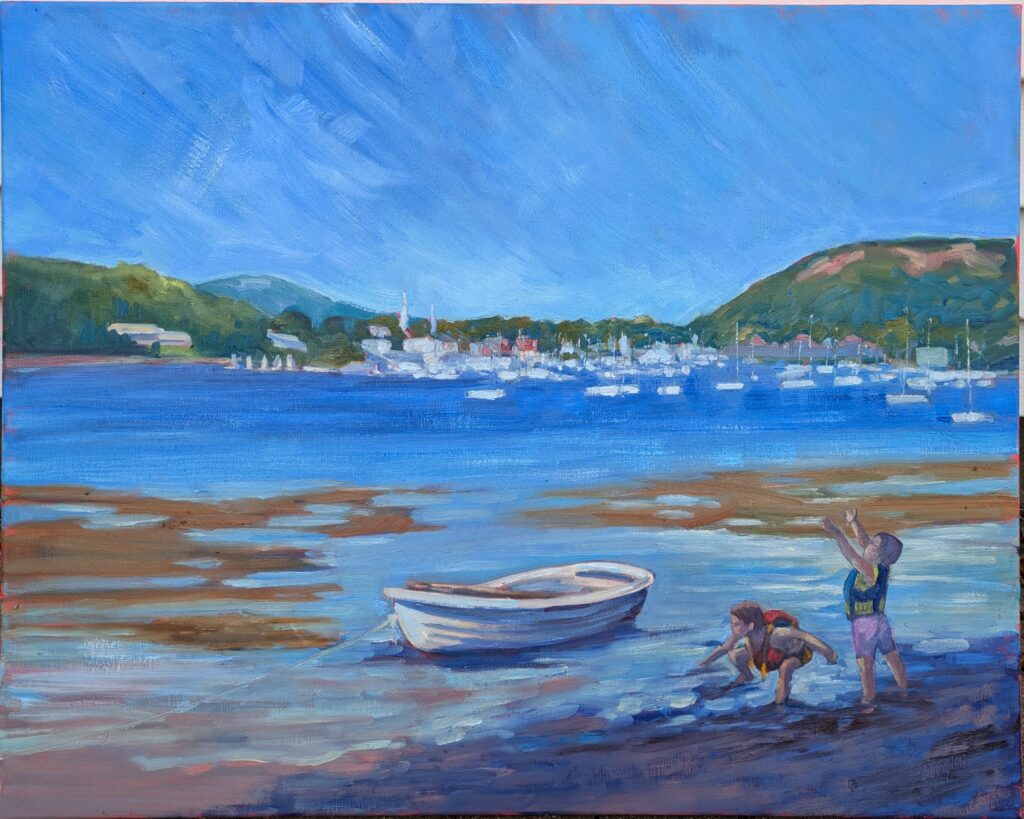
As all good Buffalonians (even those of us in exile) know, today is Dyngus Day. It has been called the Polish Sadie Hawkins Day, a celebration of the Baptism of Poland or the first real post-Lenten party. To me, it’s the first true sign of spring, and the perfect metaphor for beginning a painting: energetic, a little chaotic, and full of possibility.
Set the energy
If you’re as bleary as I feel, start with loud, perky music. May I recommend polkas?
Starting a painting can feel like looking at the far horizon. It’s exciting, but overwhelming. The way to keep from getting lost is to start simple, think big and be patient. Every successful painting begins not with detail, but with confident, broad moves that establish the foundation.
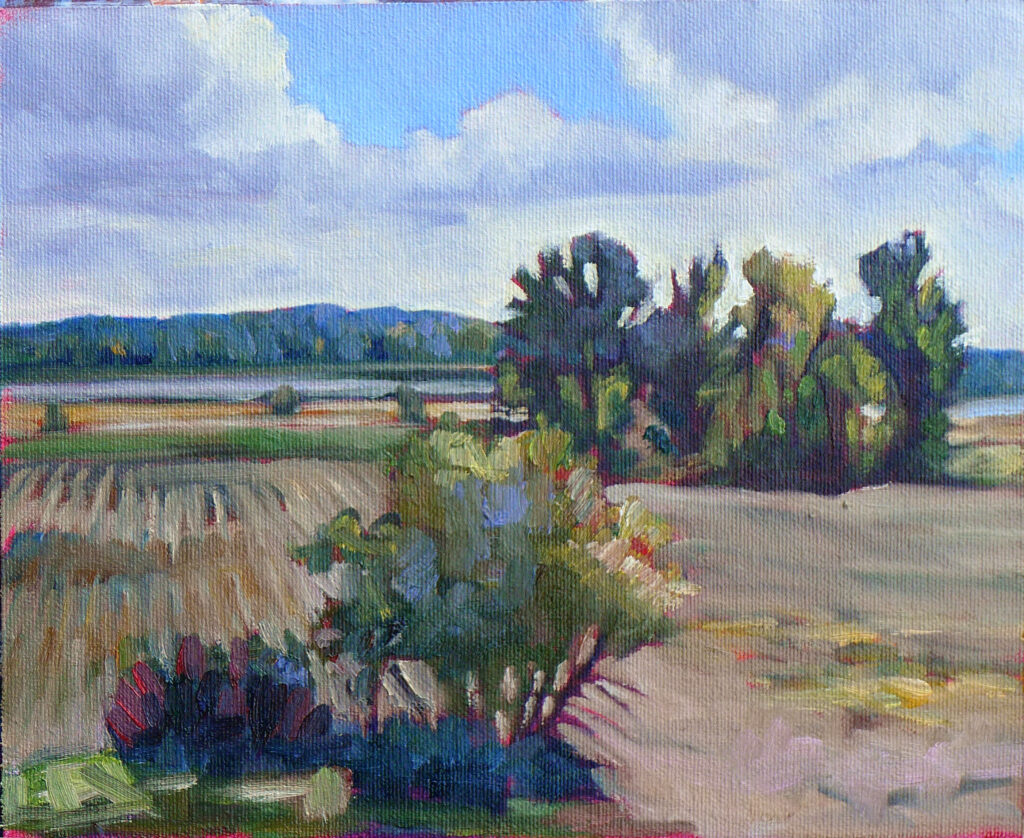
Start by drawing
To start a painting successfully, start with drawing. No time spent with pencil or paper is ever wasted. You can do twenty loose, inventive, exploratory sketches in the time it takes to struggle through one flawed underpainting. These quick studies build confidence, sharpen observation and clarify your composition before you ever touch the canvas.
Toning (oils, acrylics and gouache only)
A warm or neutral wash knocks down the glaring white of gesso. (You’re not sealing the canvas; gesso is formulated to take paint.) Tone helps your eye judge values more accurately. From there, I draw my sketch in with paint; others use vine charcoal. I try to keep this loose and responsive while still honoring my drawing.
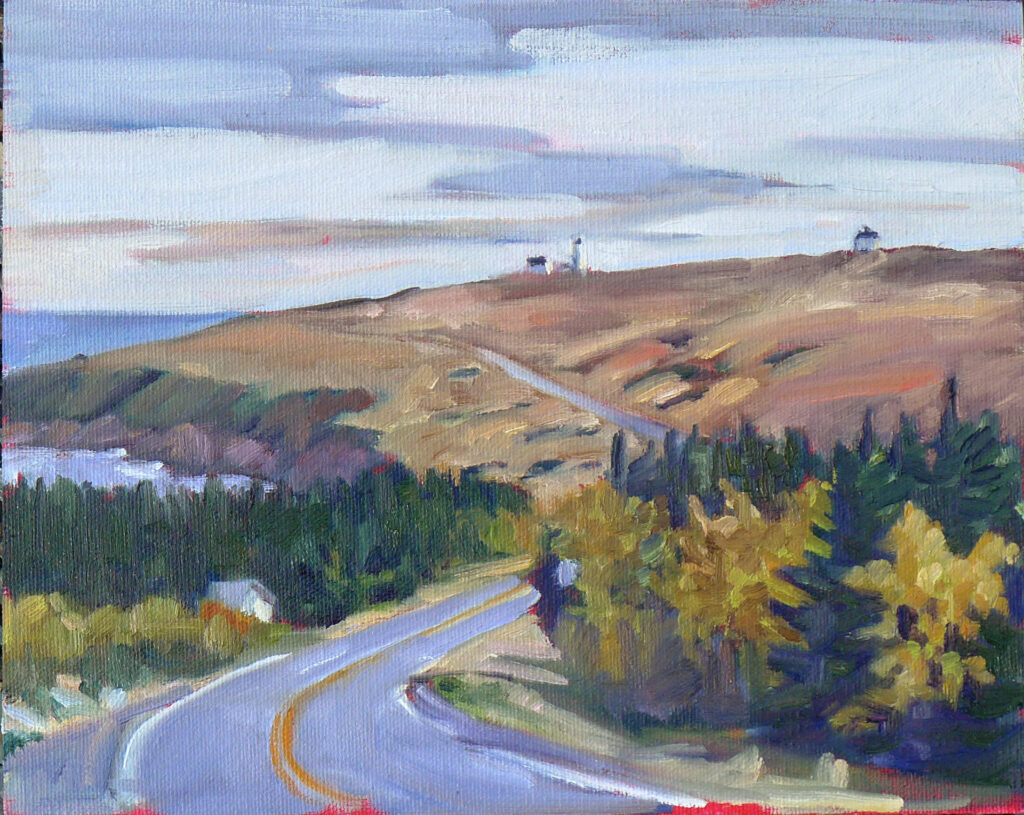
Less flailing, more looking
In a comment on Friday’s blog post, student Bonnie Daley noted that careful observation would also help in fishing. What if we committed to spending time looking before we cast our lines, metaphorically as well as physically? Careful observation is one of the most important painting techniques for beginners and professionals alike.
Study your subject until the complexity simplifies into two or three major value shapes. These large shapes form the structure of your painting. If they’re correct, everything else will fall into place.
The beauty of a more limited palette
A common trap for beginners is buying too many paints. Instead, use a limited palette of paired primaries with a few earth tones. This approach simplifies decision-making and creates natural harmony.
Think of color in terms of value and temperature rather than exact hue. That apple doesn’t need to be the perfect red; it needs to relate correctly to the colors around it. In painting, color is relational.
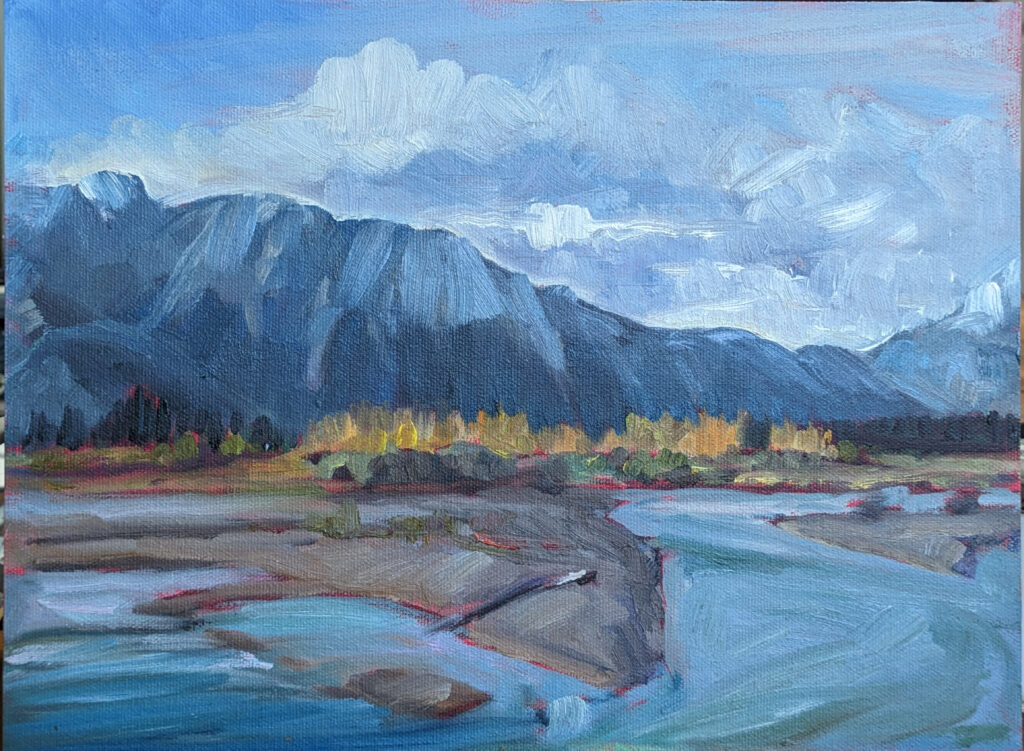
Simple block-in, solid foundation
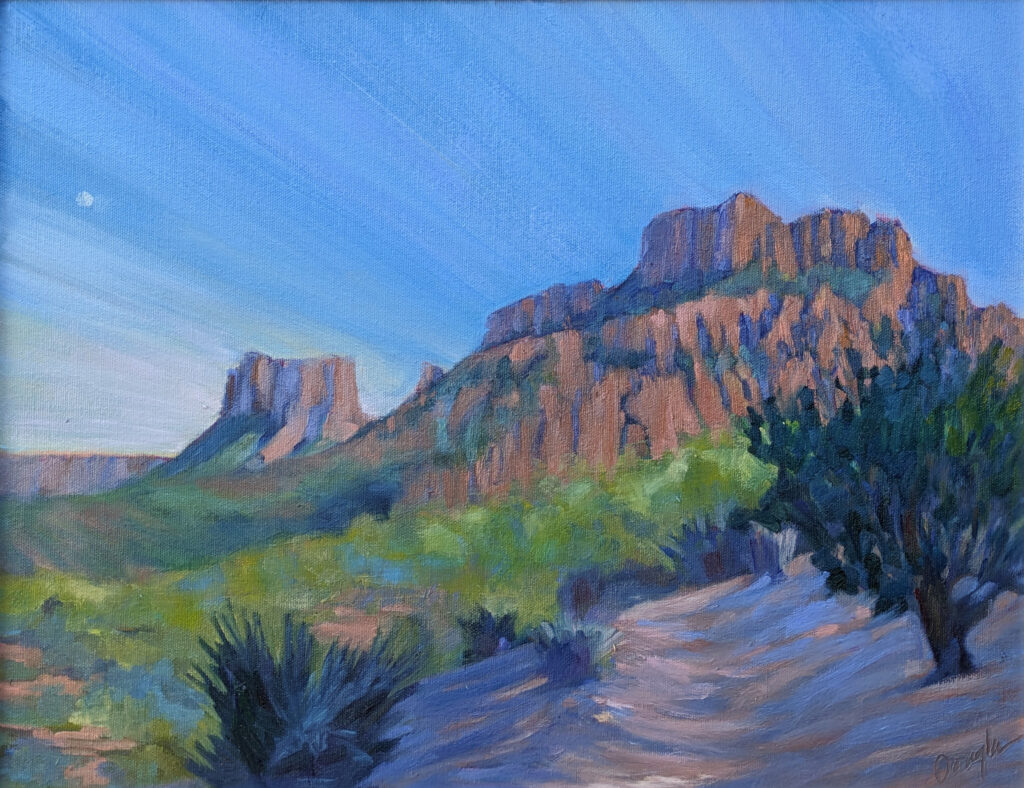
Once your drawing and big shapes are in place, block in shapes with broad color masses. If you keep the edges soft at first, you can tighten as you move along. Note how values and edges interact.
If you’re tempted to add detail now, put down your brush and dance another polka. Student Beth Carr reminded me of just how much Euan Uglow could say with almost no detail at all. Solid block-in reads beautifully without detail, but it’s important no matter how much refinement you want to do. What you place here determines how later layers will work. Once the big relationships work, you can enjoy laying in details and flourishes, if that’s your bag.
An unbiased eye
If you’re ready to sharpen your eye and start seeing your paintings with more clarity, I invite you to join my Fresh Eyes Critique Zoom class on Tuesday evenings, 6-9 PM on April 14, 21 and 28. After that, you’re on your own for a few weeks, because I’ll be in the Cotswolds.
Registration is now open for workshops in 2026! Reserve your spot:
- Advanced Plein Air Painting | Rockport, ME, July 13-17, 2026
- Sea & Sky | Acadia National Park, ME, August 2–7, 2026
- Find your Authentic Voice in Plein Air | Berkshires, MA, August 10-14, 2026
- New! Color Clinic 2026 | Rockport, ME, October 3-4, 2026
- New! Composition Week 2026 | Rockport, ME, October 5-9, 2026
Can’t commit to a full workshop? Work online at your own pace: