The mysterious shortage of hog bristle brushes

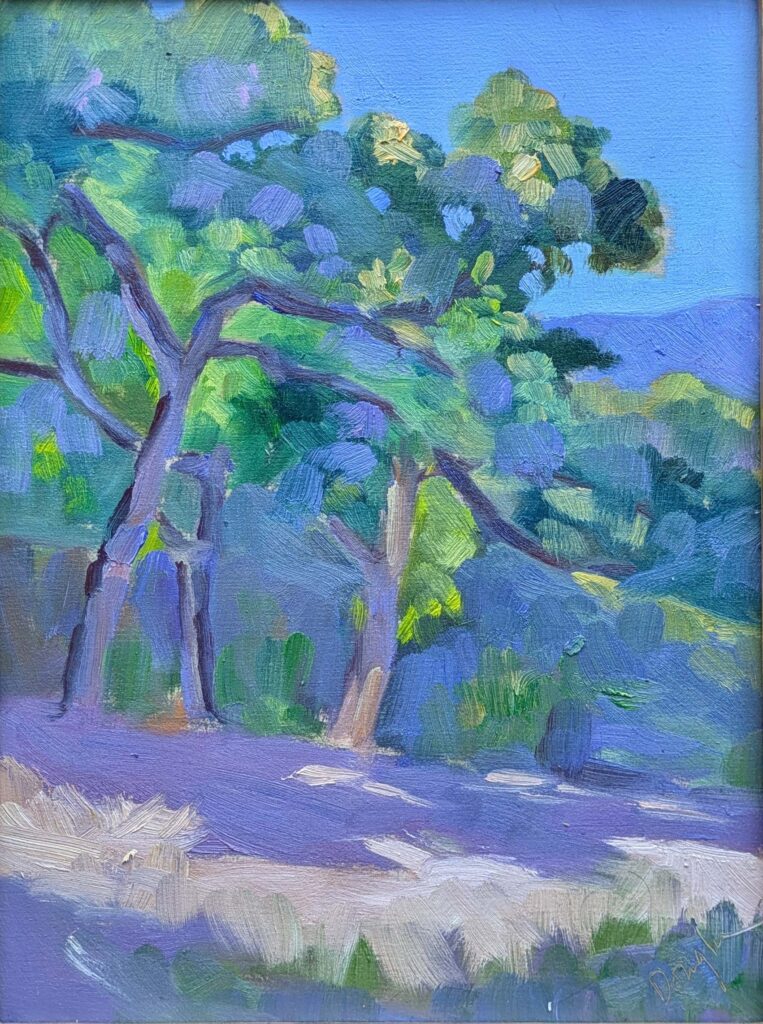
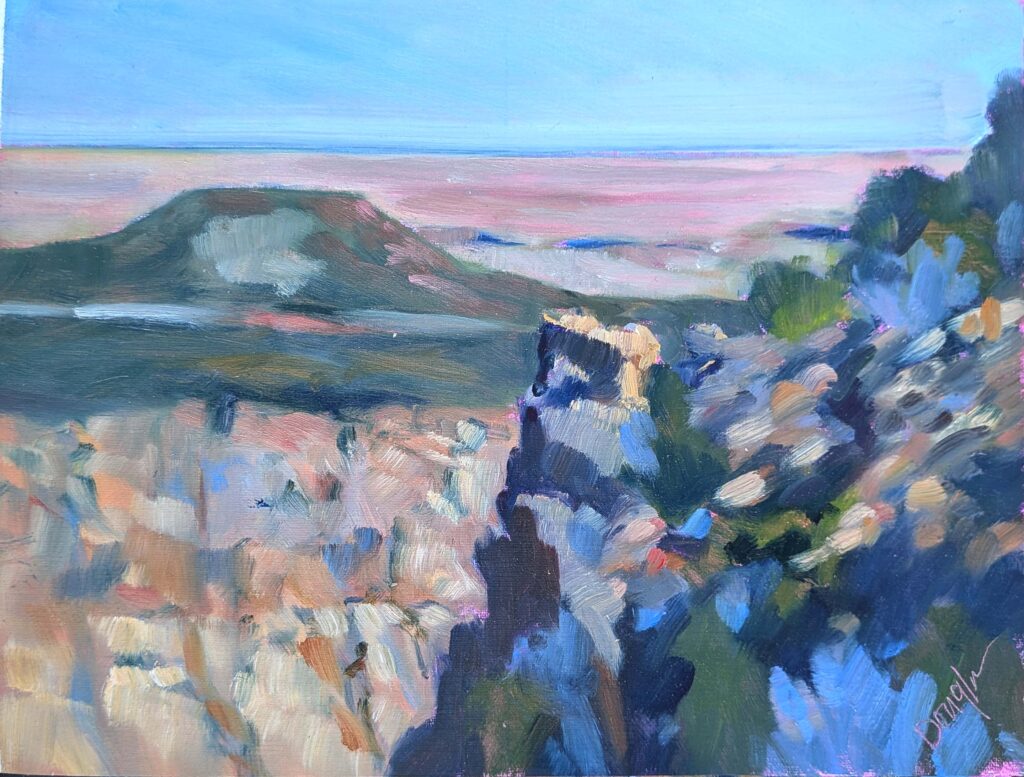
Desert View, 9X12, oil sketch on linen. This is one of four oil sketches I did at the Grand Canyon last weekend.

I recommend hog bristle brushes for oil painters, but recently my friend and student Jeanne-Marie told me she couldn’t get them at her local art store. “There’s a worldwide shortage of hog bristle brushes,” she told me. It turns out she’s absolutely right.

Hog bristle brushes really are getting harder to find. To understand why, you have to look far beyond the art supply aisle.

Where hog bristle actually comes from

The stiff, springy hairs that make a good oil painting brush usually come from hogs raised in northern China, where cold climates produce the strong, resilient bristles prized by artists. These hairs—often called Chungking bristle—are sorted, cleaned, and bundled before being shipped to brush makers around the world.

China produces the vast majority of the world’s natural hog bristle; estimates run as high as 80% of global supply. That concentration means any disruption ripples through the entire brush market.
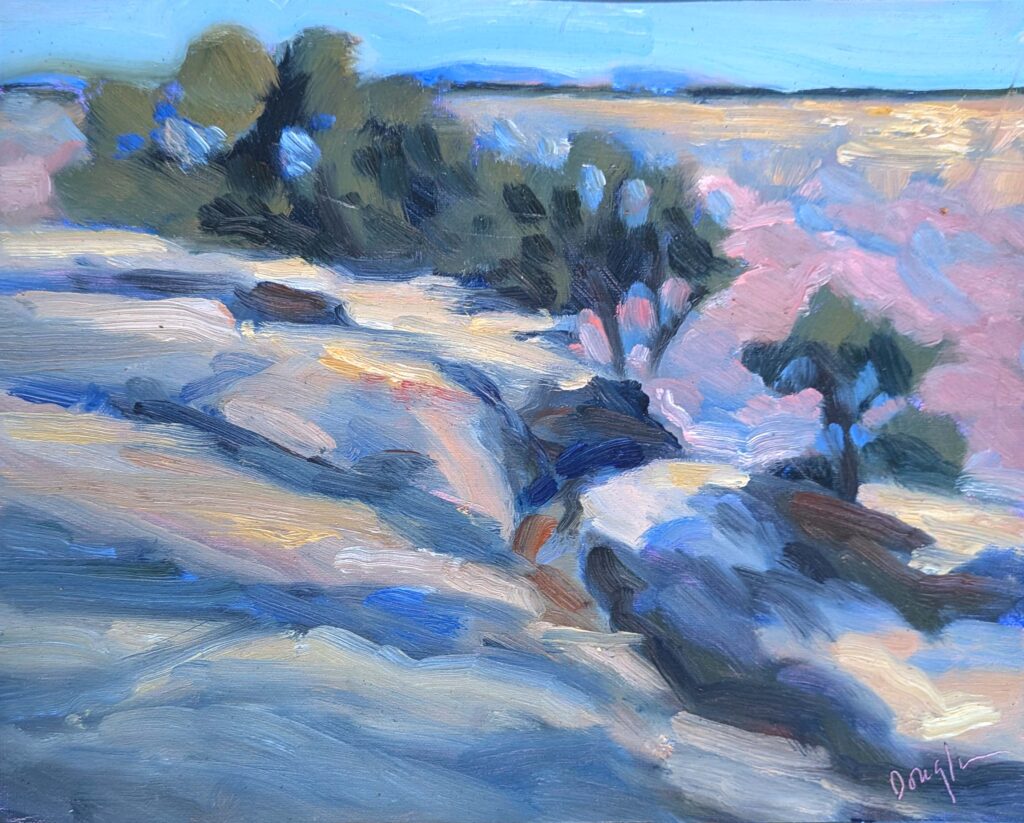
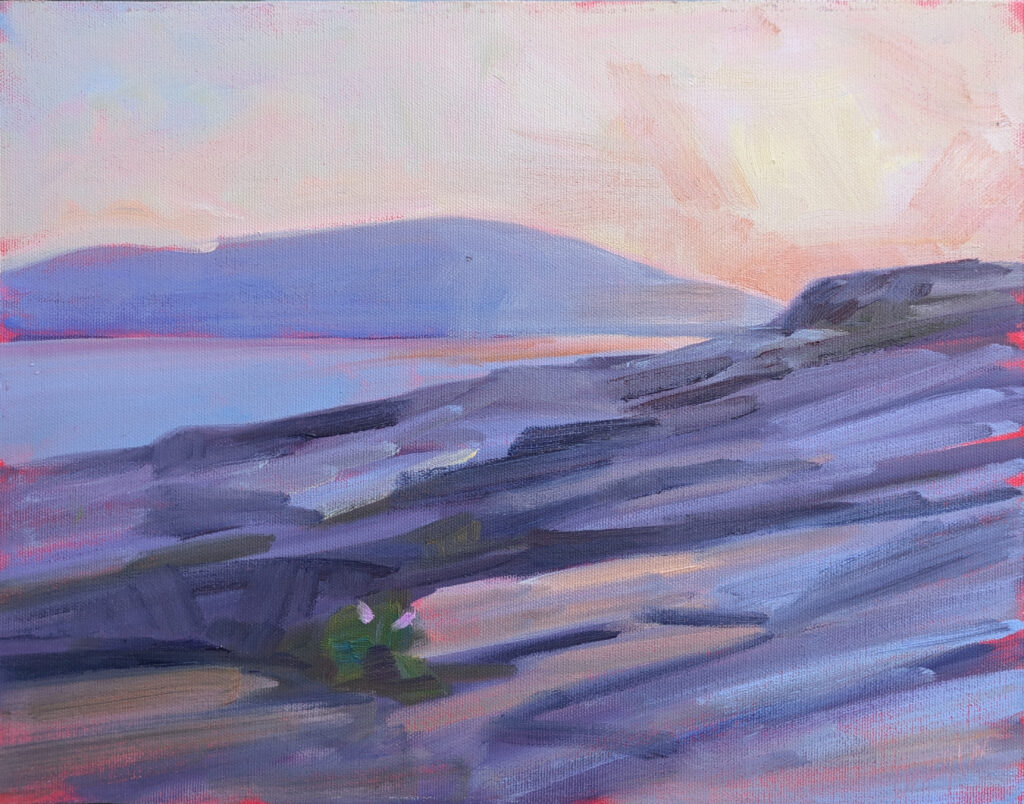
Mojave Point #2, 9X12, oil sketch on linen. This is one of four oil sketches I did at the Grand Canyon last weekend.

Disease, farming shifts, and shrinking supply

African swine fever devastated pig populations in China, reducing the country’s hog herd dramatically and cutting the supply of usable bristle. Some estimates suggest the herd fell by about 40% during the epidemic, which pushed bristle prices sharply upward.

Even after herds recovered, the market never quite returned to normal. Pig farming changed, supply chains tightened, and the amount of high-quality brush hair remained limited. In recent years, exports have dropped by more than 12%, tightening the market for manufacturers who depend on those bristles. If you’re a brush maker, that meant an unpleasant choice: raise prices or compromise on materials. Or both.

When demand rises but quality falls

The shortage isn’t just felt by painters. Hog hair is also used in cosmetic brushes and industrial products, which increases competition for the same raw material. The demand for cosmetic brushes has increased significantly (thanks, Mary). This growth is driven by rising interest in professional-grade, high-quality brushes, social media-driven makeup trends and growing consumer awareness of beauty hygiene.

When demand rises and supply shrinks, manufacturers sometimes resort to blending in lower-grade bristle or shortening the hair bundles. That can produce brushes that feel scratchier, lose their shape sooner and splaying more quickly.

Some artists report that modern bristle brushes simply aren’t as durable or consistent as older ones they’ve kept for years.

If you have a fine hog bristle brush, care for it carefully. Above all, keep it clean.
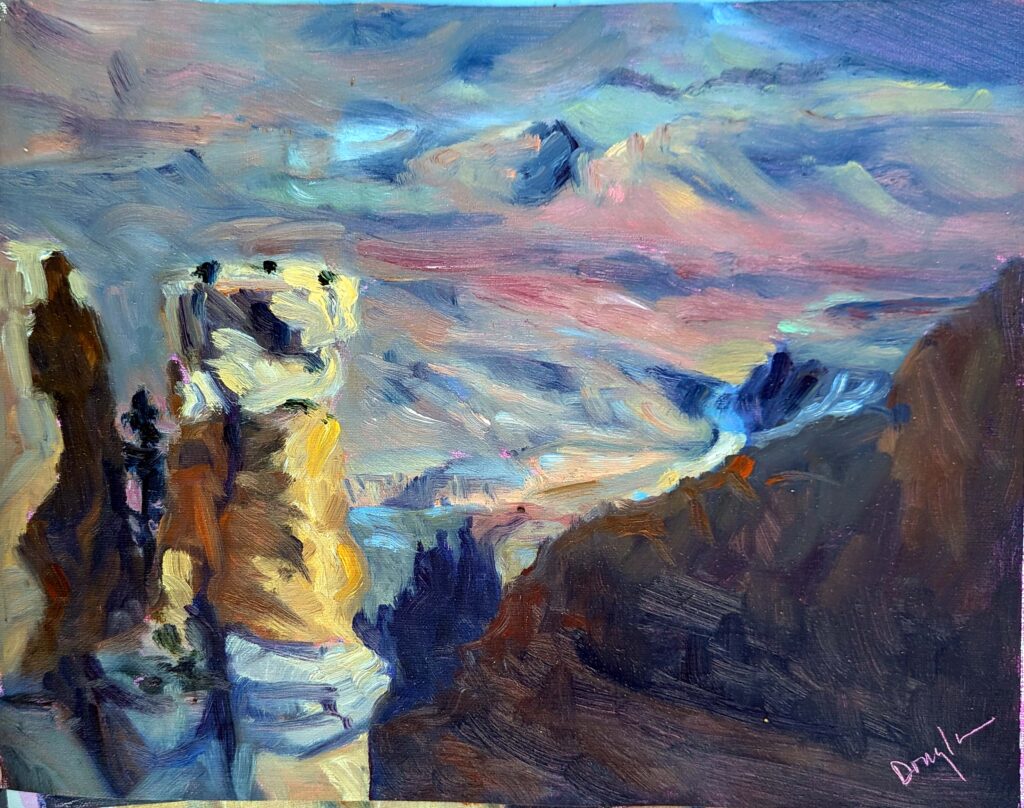
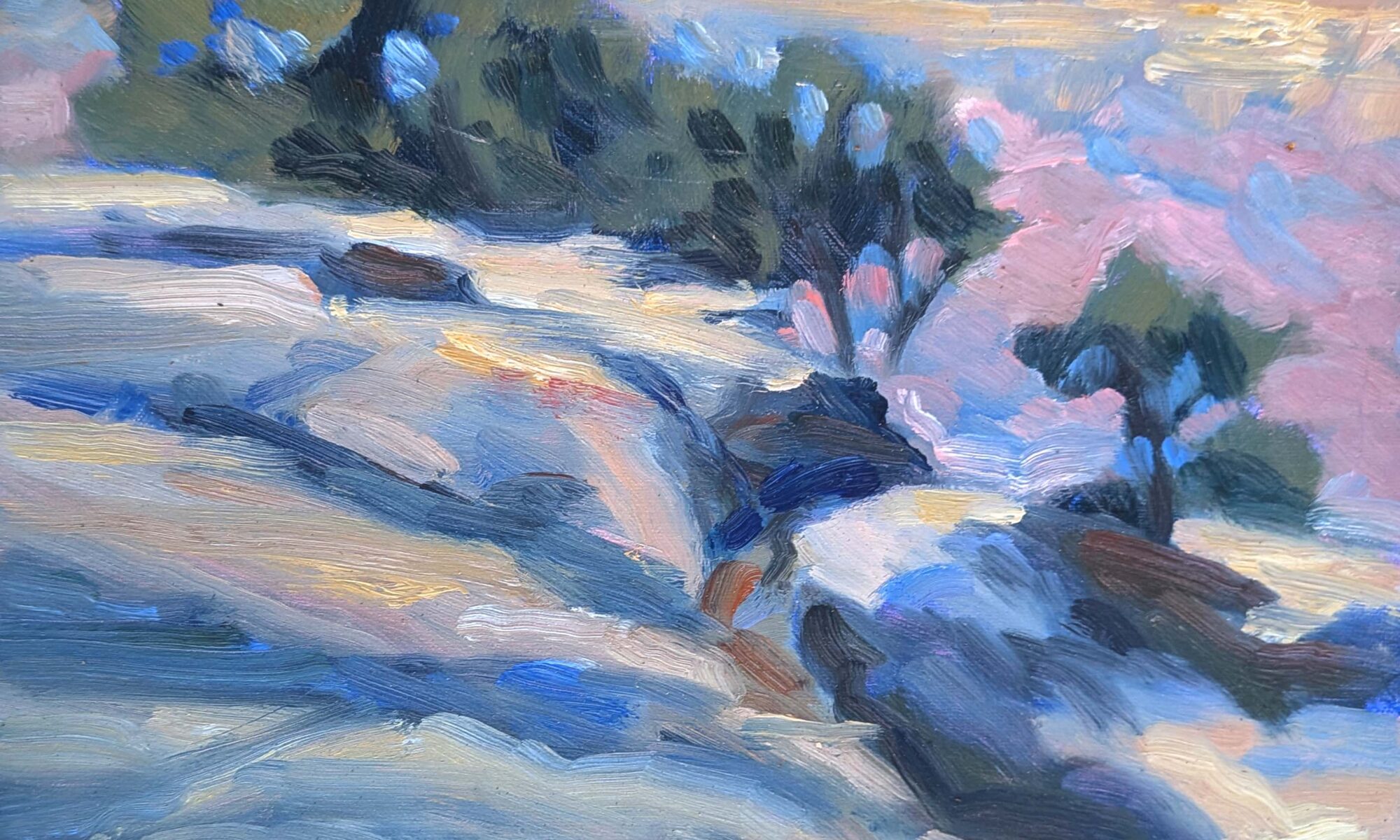
Colorado River from Moran Point, 9X12, oil sketch on linen. This is one of four oil sketches I did at the Grand Canyon last weekend.

The rise of synthetic alternatives

Some modern synthetics claim to mimic the stiffness and paint-holding capacity of hog bristle, though I’ve yet to meet one that replaces the spring and stiffness of Chungking bristle brushes. For painters who love muscular brushwork, especially in alla prima oil painting, hog bristle remains the gold standard.

What painters should do

In practical terms, the shortage means a few things for working artists:

  • Buy good brushes when you find them.
  • Take better care of the ones you have.
  • Be open to trying synthetics for certain tasks.

Mostly, this shortage is a reminder that painting materials are part of a much larger world of agriculture, manufacturing, and global trade. The pigments, canvas, linen and brushes you use are all products that start in the natural world. Your humble brush has traveled a long way to reach your studio.
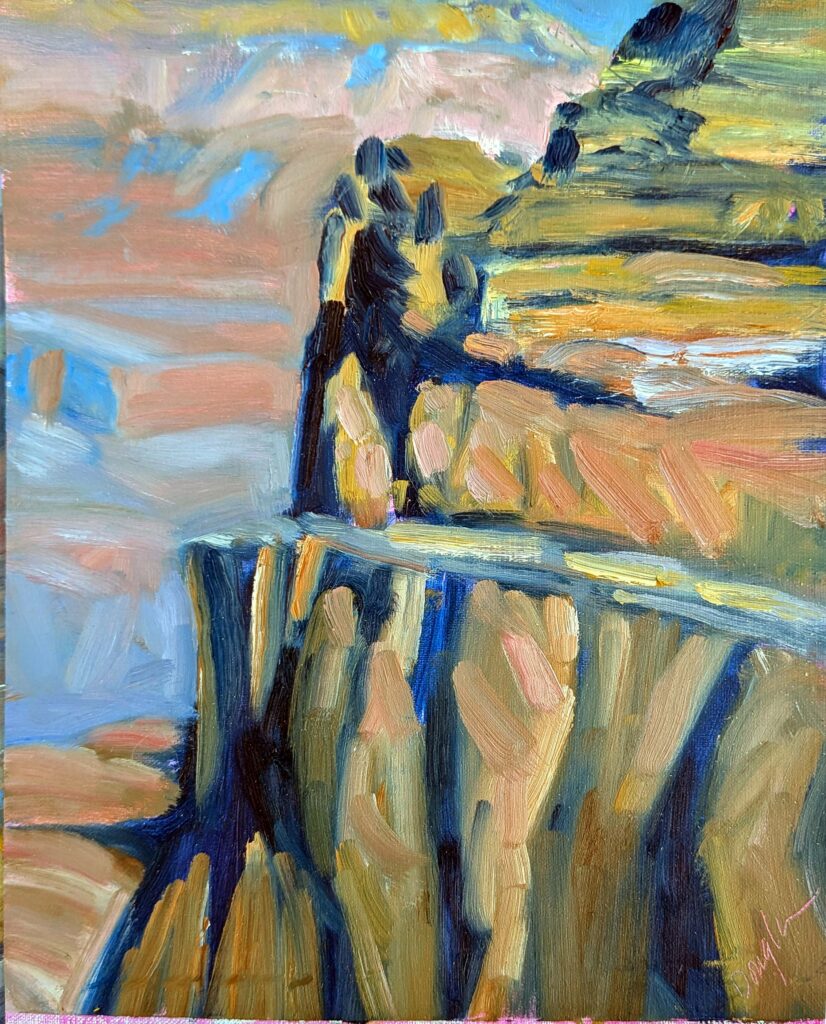
Mojave Point #2, 9X12, oil sketch on linen. This is one of four oil sketches I did at the Grand Canyon last weekend.

Registration is now open for workshops in 2026! Reserve your spot:

Can’t commit to a full workshop? Work online at your own pace:
Seven Protocols for Successful Oil Painters

What makes a painting a masterpiece?

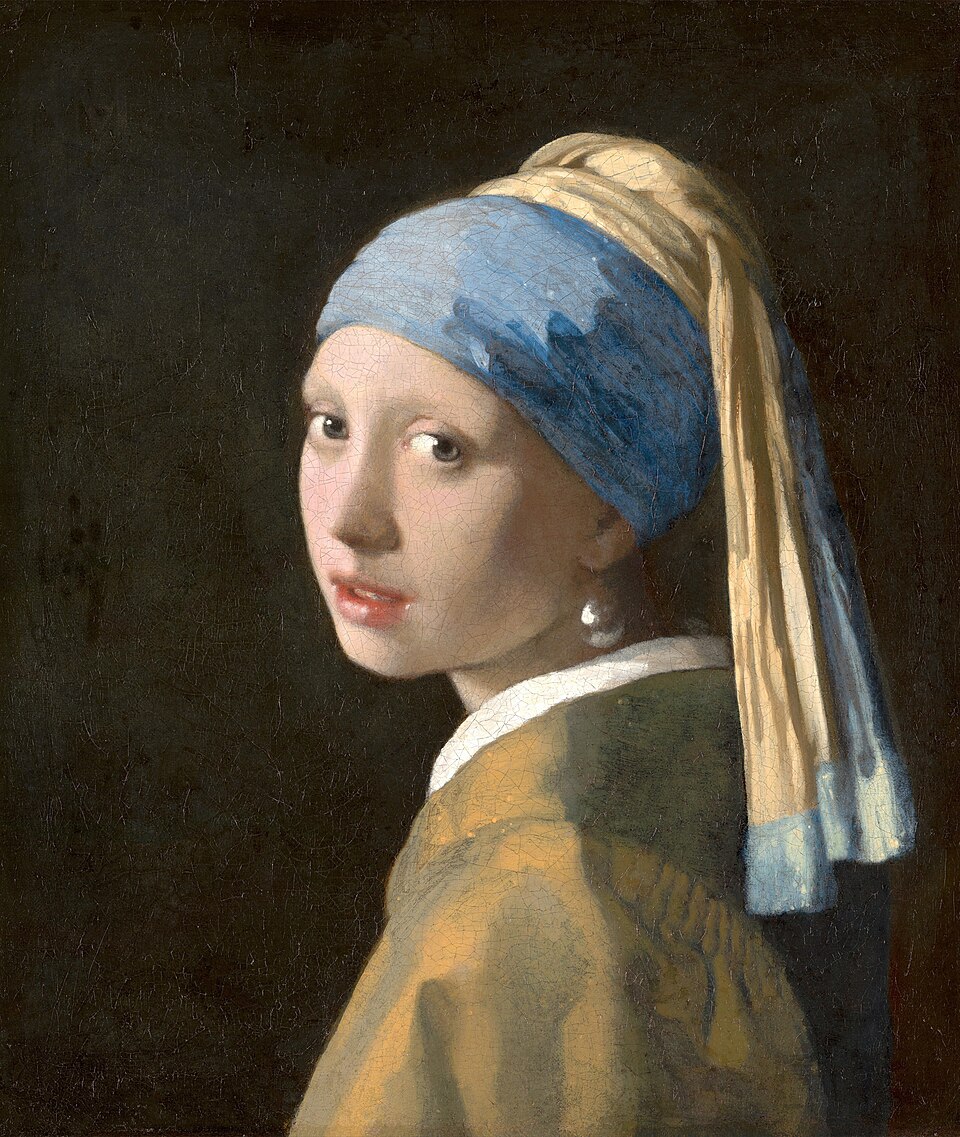
Serenade 1628, Judith Leyster, courtesy Rijksmuseum

I have a student who asks me, “What makes this painting a masterpiece?” There is no easy answer, but I’ll try.

A masterpiece was, historically, a work made by a journeyman to obtain full membership in a guild. (Women masters were so rare that the Dutch painter Judith Leyster is an oft-cited exception.)  Diego Velázquez’s The Waterseller of Seville is an example of such a masterpiece.

Guilds were very careful about this; for example, to prevent cheating the 17th century Worshipful Company of Goldsmiths made apprentices create their masterpieces under supervision at a workhouse.

Today, we use the term ‘masterpiece’ to describe a work that has gained widespread critical praise, especially one that is considered the greatest work of a person’s career.

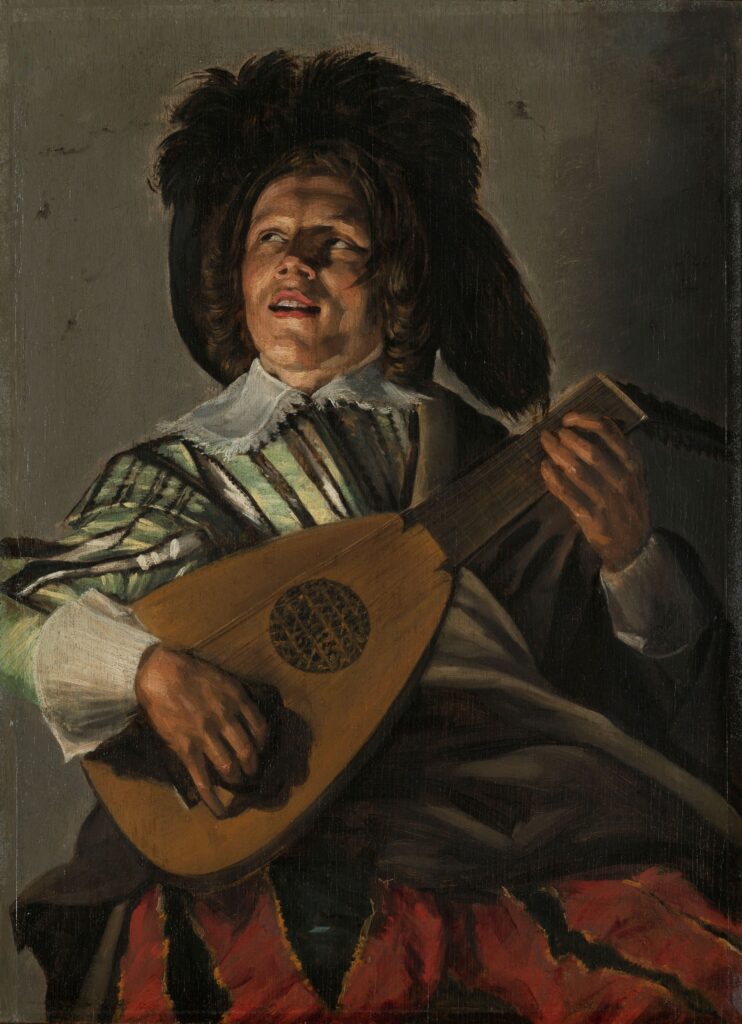
Girl with a Pearl Earring, c. 1665, Johannes Vermeer, courtesy the Mauritshuis

The word itself is slippery

First off, whether we like a work or not doesn’t matter. I am completely unmoved by Pablo Picasso’s Guernica, but the majority of critics disagree with me so for now it stays in the canon.

Masterpieces aren’t defined by style, school or trend. They’re not necessarily big or larded with meaning; Johannes Vermeer’s Girl with a Pearl Earring is a simple Dutch tronie, a mere 17.5 x 15 inches. But it has inspired many other works of art.

Innovation within tradition

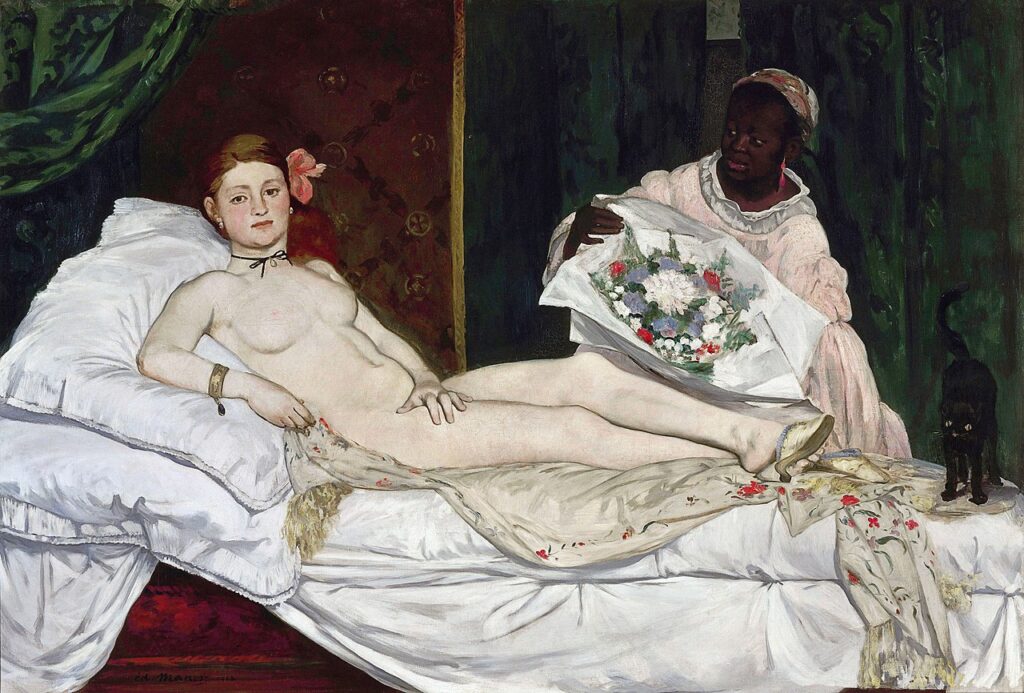
Many masterpieces are revolutionary, but they emerge from tradition and then push it forward. Édouard Manet’s Olympia scandalized Paris not because it depicted a nude, but because it stripped away the tissue of mythology that had legitimized earlier nudes. Its flat planes, direct gaze, and contemporary setting were outrageous at the time. Today, we see Olympia as a logical step in art history.  

Olympia, 1863, Édouard Manet, courtesy Musée d’Orsay

Cultural resonance

Masterpieces crystallize the anxieties or aspirations of their time. “Everything that is made reveals the beliefs and preoccupations of the people who made it,” wrote Stephen Bayley, and that’s particularly true of masterpieces.

Mastery of the fundamentals

A masterpiece shows technical command. Whether you’re looking at Rembrandt’s The Night Watch or a Peter Doig landscape, you can feel the structure underneath the style.

Emotional resonance

Technical excellence alone isn’t enough. There are perfectly competent paintings that leave us cold, but a masterpiece engages our minds and hearts. It makes us feel something—wonder, sorrow, awe, joy, recognition.

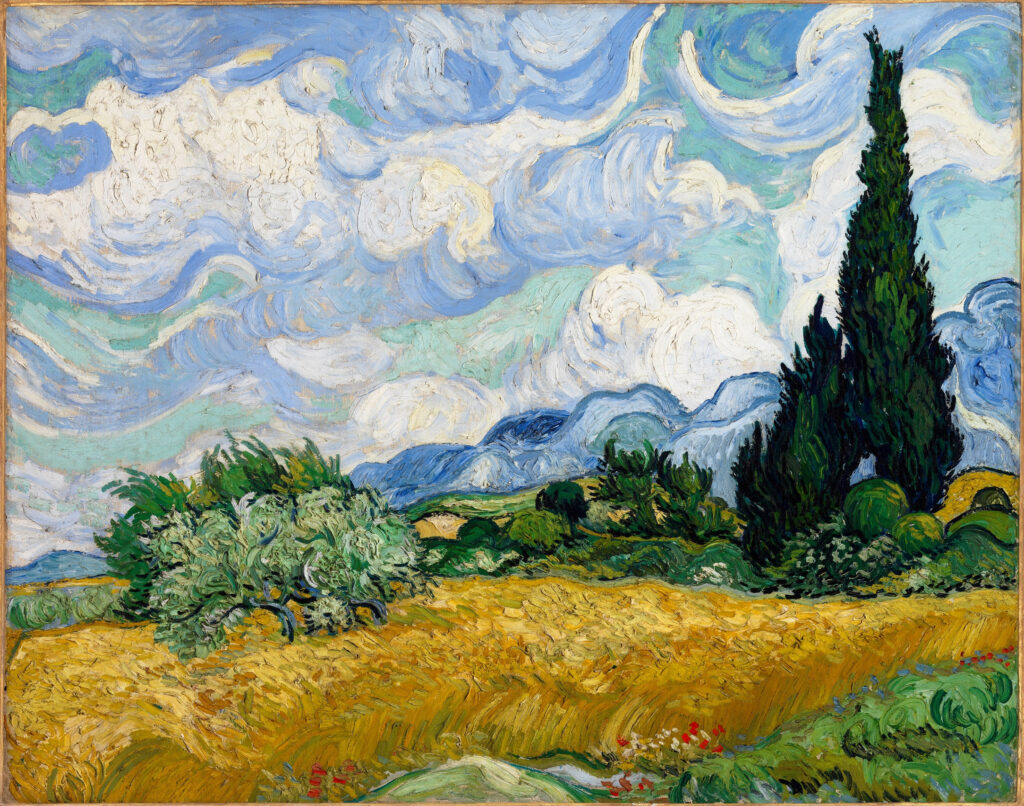
Think about Wheat Field with Cypresses by Vincent van Gogh. The drawing is idiosyncratic. The brushwork is restless. The color is exaggerated. And it pulses with intensity. It feels alive. A masterpiece connects the artist’s inner life to the viewer’s. That connection is what people remember.

Wheat Field with Cypresses, 1889, Vincent van Gogh, courtesy Metropolitan Museum of Art

Unity of vision and execution

A masterpiece feels mature, almost as if its execution was inevitable. There’s nothing that jars. When you stand before a Claude Monet painting you are able to lean into his total immersion. The color, scale, and repetition all serve the same visual idea, even when he’s experimenting (as he so often was).

Time is the final judge

Artists are the worst judges of their own work, and seldom know if they’ve created a masterpiece. And that isn’t their primary goal anyway.

Time is the ultimate arbiter. Work that continues to move viewers across generations are masterpieces. They survive changing tastes and critical fashions. They speak beyond their moment.

A masterpiece alters the trajectory of art, reflects its historical moment, demonstrates extraordinary command of form and continues to matter long after its maker is gone.

Registration is now open for workshops in 2026! Reserve your spot:

Can’t commit to a full workshop? Work online at your own pace:
Seven Protocols for Successful Oil Painters

Monday Morning Art School: why a repeatable painting process matters

Mather Point at dawn (Grand Canyon), oil on canvasboard, 9X12, , $696 includes shipping and handling in continental United States.

I put a premium on repeatable process. That’s not because I’m rigid; it’s because a consistent painting process delivers consistent results. Every noted artist in art history has had one.

Study the working methods of masters and you’ll see variation, of course. Claude Monet worked serially, revisiting the same subject in shifting light to explore optics, color and atmosphere. John Singer Sargent was famous for his bravura brushwork, but beneath that flair was a disciplined structure of drawing and value control. Georgia O’Keeffe simplified and distilled her subjects through careful design and a deliberate studio practice.

They had different approaches, different temperaments and lived in different places and times, yet all were grounded in method.

Grand Canyon at sunset, oil on canvasboard, 9X12.

The bones don’t change

Color and design principles don’t change. They’re the bones of painting. You can glaze or paint alla prima, work from life or from photos, but you cannot escape the fundamentals of color harmony, value structure, and composition.

How you get there, however, will become increasingly tailored to your own painting approach and personality as you grow and evolve. These are workflow decisions. Over time, you will discover which sequence of steps makes you clear-headed instead of flustered.

Learn a process before you break it

If you’re serious about improving your painting, find a teacher who suits your personality. That doesn’t mean someone whose finished paintings you admire, but someone whose method makes sense to your brain.

Learn and treasure that teacher’s process (and enjoy learning while you’re at it). Practice it until it is second nature. Build muscle memory around it. A structured painting process gives you something to fall back on when you’re tired, discouraged, or staring at a blank canvas.

That is how artists move from dabbling to building a body of work.

Just as with painting style, your process will evolve over time. You’ll streamline steps and discover shortcuts that don’t sacrifice quality. That evolution isn’t rebellion; it’s maturity.

Grand Canyon, late morning, 8X16, oil on archival linenboard, $722 includes shipping and handling in continental United States.

Haphazard in, haphazard out

There is a pernicious myth in art that spontaneity equals authenticity. But haphazard approaches deliver haphazard paintings. Yes, there will be a few happy accidents. Chance always plays a role in creative work. Serendipity is real.

But if you rely on accident as your primary strategy, your success rate will be low. A consistent painting workflow gives you a framework. Within that framework, you can take risks. You can experiment with brushwork or color temperature or edges. You can push yourself compositionally.

Without a framework, you are reinventing the wheel every time you paint. That’s exhausting, and it makes it nearly impossible to create a cohesive portfolio or professional body of work.

Pensive 8X10, oil on archival canvasboard, $522 includes shipping and handling in continental US.

Build your own normal

Adopt a repeatable art process. Follow it faithfully. Track what works. Notice where you stumble. Refine gently.

Over months and years, that method will bend toward your temperament. It will begin to reflect your visual priorities and technical strengths. Eventually, it will feel less like a borrowed system and more like your own studio rhythm.

That’s when you’ve found your normal. And from that normal—steady, disciplined, evolving—you’ll produce not just better paintings, but a happier, more confident artistic life.

Registration is now open for workshops in 2026! Reserve your spot:

Can’t commit to a full workshop? Work online at your own pace:
Seven Protocols for Successful Oil Painters

Structure, not spray paint, makes better paintings

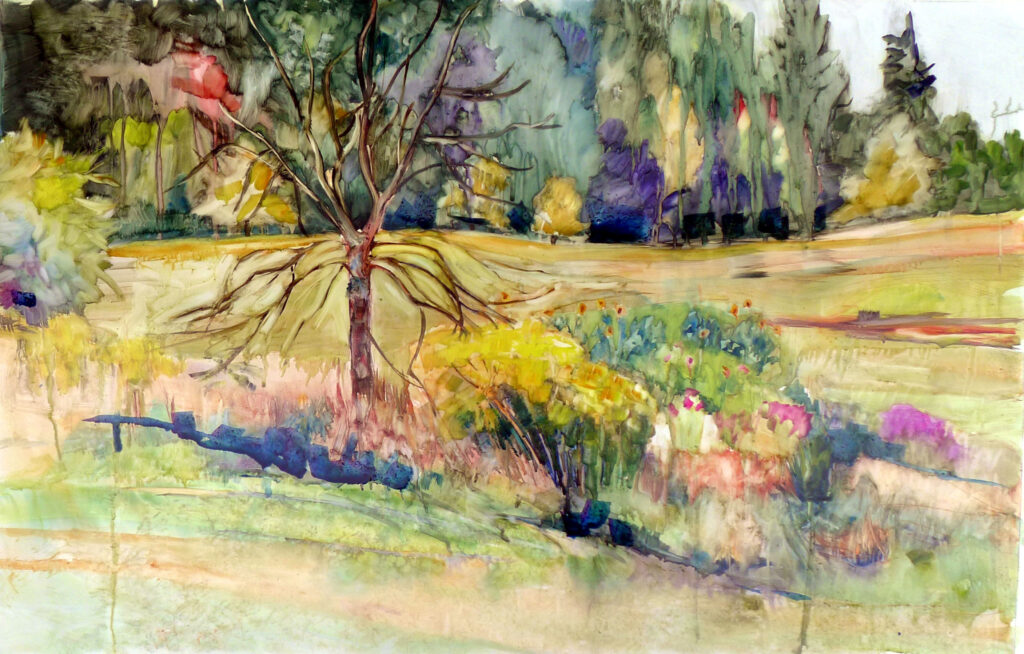
Rachel’s Garden, ~24×35, watercolor on Yupo, museum-grade plexiglass, $3985 includes shipping and handling in continental US.

After getting rid of advertising on my blog, it’s hard to believe I’m directing you to this ad. It’s artist-as-romantic-archetype, and it’s annoying. However, she does have great hair.

It starts with a young woman at an easel, looking dissatisfied with her careful, controlled daubs. (Of course she is; there’s no structure there, and no sketchbook. She clearly hasn’t worked out her ideas.) She stalks off in frustration; she chances upon a graffiti artist. Suddenly our painter’s canvas is enlarged, as is her studio, and she’s embracing the freedom of spray-paint art.

The penultimate scene, showing her finished work, had me confused until I realized it read “free,” not “Fred.” But that’s not the point. It’s that the ad sells a lie.

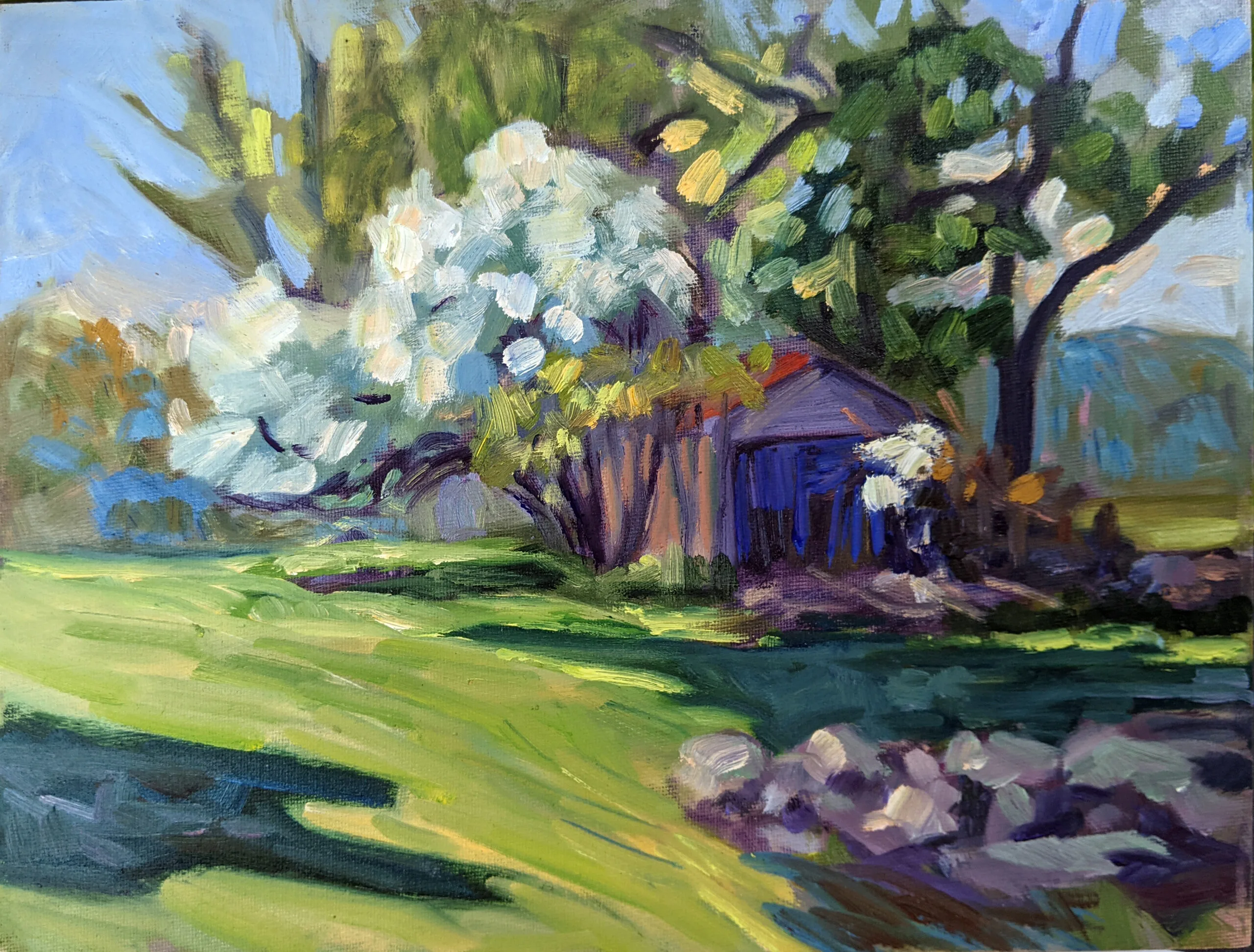
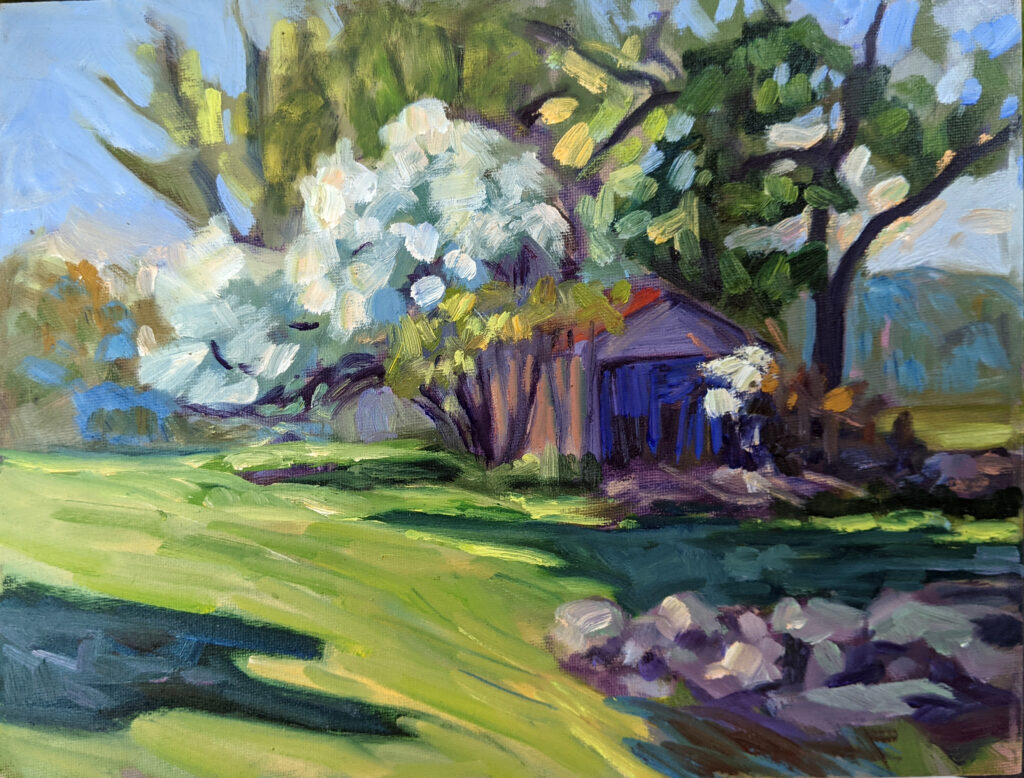
Apple Blossom Time, oil on archival canvasboard, $869 framed includes shipping and handling in continental US.

The myth of instant artistic freedom

In thirty seconds, we’re told that careful painting is stifling, structure is oppressive, and freedom comes from throwing out discipline. If you feel stuck in your painting practice, what you need are bigger gestures, looser marks and more art supplies.

That’s a seductive story. It’s also wrong.

Order spray paint, gouache, pastels, sumi-e ink if you want a change, but you’ll find them all as technically demanding as whatever you’re using now. Large scale is not the same thing as vision. And spontaneity without structure is just noise.

The young woman in the ad wasn’t frustrated because she was painting small. She hadn’t done the hard work that undergirds all strong painting: drawing, value studies and compositional planning.

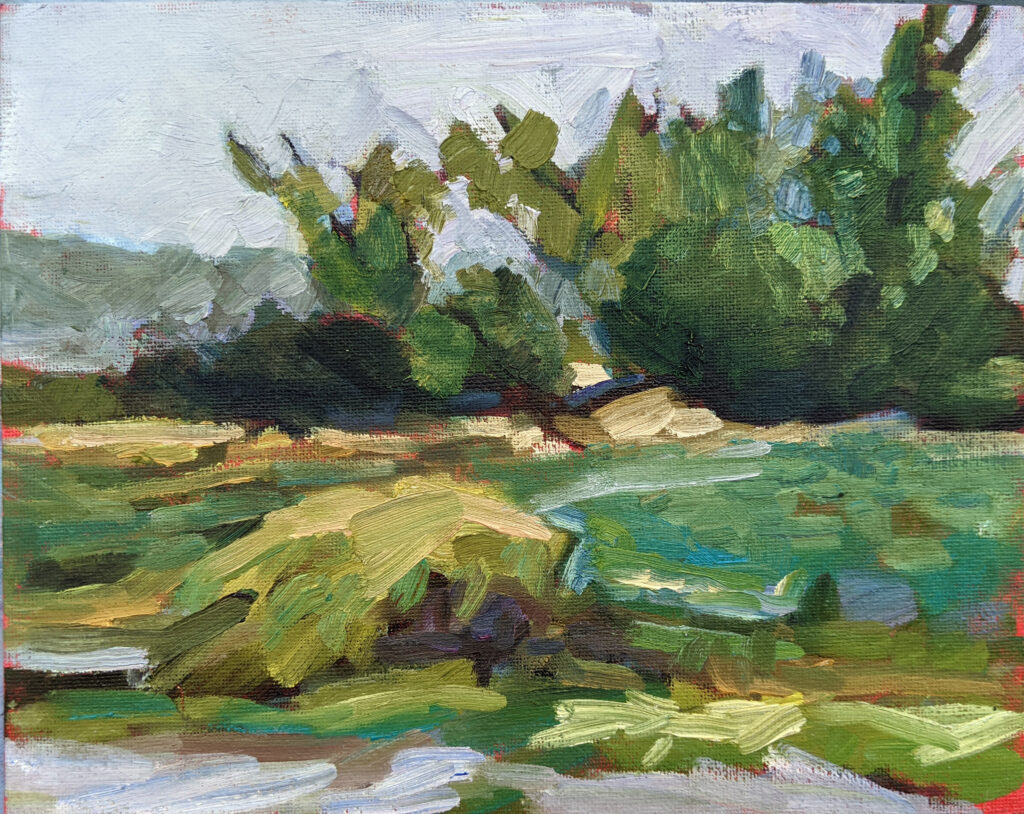
Spring Greens, 8X10, oil on archival canvasboard, $652 framed includes shipping and handling in continental US.

Structure is not the enemy of creativity

Students sometimes seek expressive brushwork without first understanding value. They want bold color without mastering color temperature. They want freedom before fluency. But they have to flip those things around and master the basics first.

Technique in painting isn’t a cage. It’s a scaffold.

When you do thumbnail sketches in your sketchbook, you’re not killing creativity; you’re clarifying it. When you work out a value study, you’re not being rigid, you’re building a framework that will support expressive paint handling later.

The reel implies that discipline is a phase you outgrow. In reality, discipline is what makes artistic freedom possible.

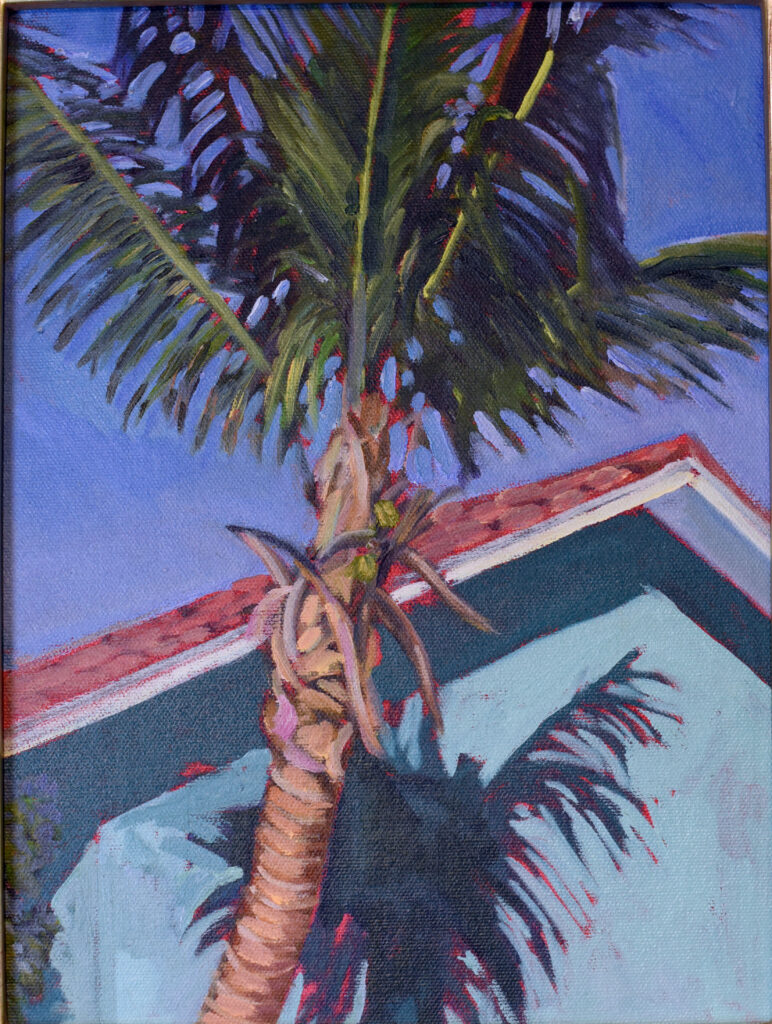
Palm Tree and Sunlight, oil on archival canvasboard, $869 framed includes shipping and handling in continental US.

Bigger isn’t better

The transformation in the ad hinges on ‘more’: bigger studio, bigger canvas and bigger gestures. That’s a very modern American way to think, but if your composition is weak at 12×16, it will look even worse at 48×60.

Social media encourages the sizzle over the steak, confusing spectacle and substance. We’re encouraged to think that scale means significance, and that visible energy equals authenticity. But energy without clarity is exhausting. Expressive brushwork without design is chaos.

Real growth in painting doesn’t come from swapping mediums. It comes from wrestling with composition, refining your drawing skills, and figuring out what you actually want to say.

Do the unglamorous work

The ad’s heroine doesn’t appear to be looking at any reference, real or pictorial. She just looks into her mind, finds it vacant and abandons the easel for something flashier.

Art supplies are about a $4 billion annual market, and how much of that is down to frustration? If you’re unsatisfied as a painter, the solution is rarely to start over with new materials, no matter what marketers might suggest. It’s to slow down, draw more, study objects more deeply, plan better, and above all confront your weaknesses honestly.

Registration is now open for workshops in 2026! Reserve your spot:

Can’t commit to a full workshop? Work online at your own pace:
Seven Protocols for Successful Oil Painters

The purpose of art

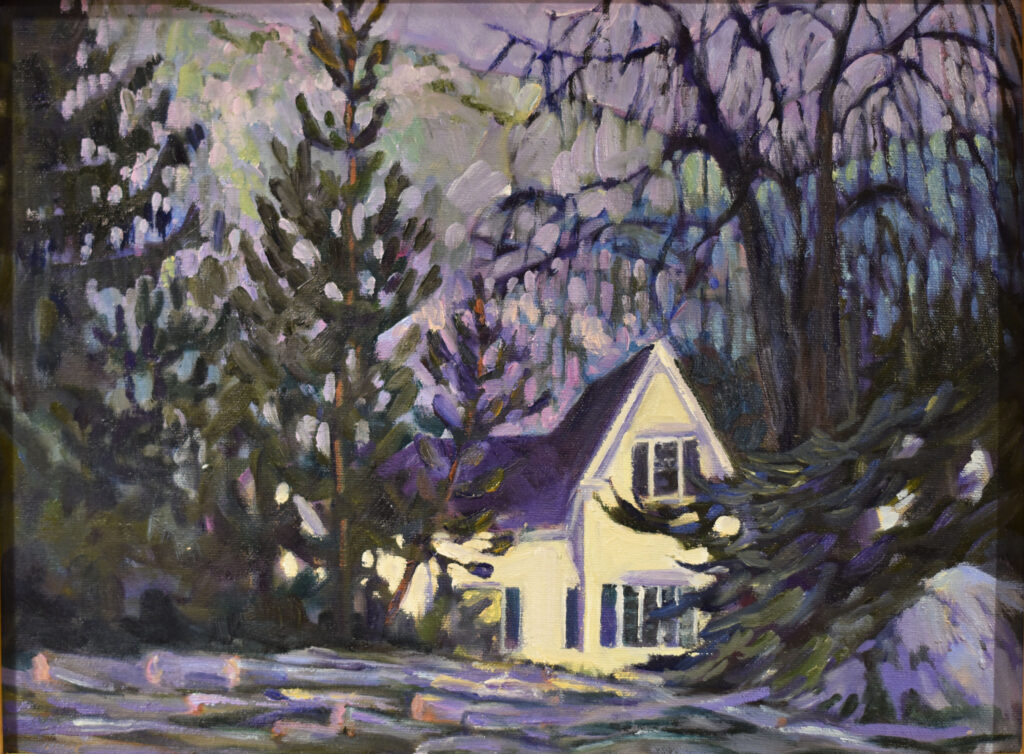
Midnight at the Wood Lot, oil on archival canvasboard, $1449.00 framed includes shipping and handling within continental US.

George Eliot’s Middlemarch is one of my favorite books. So romantic, it also touches on many important themes, including her desire for the improvement of the human condition. Eliot is famously quoted as saying “if art does not enlarge men’s sympathies, it does nothing morally.” She believed that art lacks worth if it doesn’t broaden a person’s capacity for empathy. Conversely, she argued that we, as consumers of art, owe the creator “the extension of our sympathies.”

A lot of hay was made Monday about the Washington Post’s obituary for Ali Khamenei. “With his bushy white beard and easy smile, Ayatollah Khamenei cut a more avuncular figure in public than his perpetually scowling but much more revered mentor, and he was known to be fond of Persian poetry and classic Western novels, especially Victor Hugo’s ‘Les Misérables.’ But like the uncompromising Khomeini, he opposed moderates’ efforts to promote political and social reforms domestically and to secure rapprochement with the United States.”

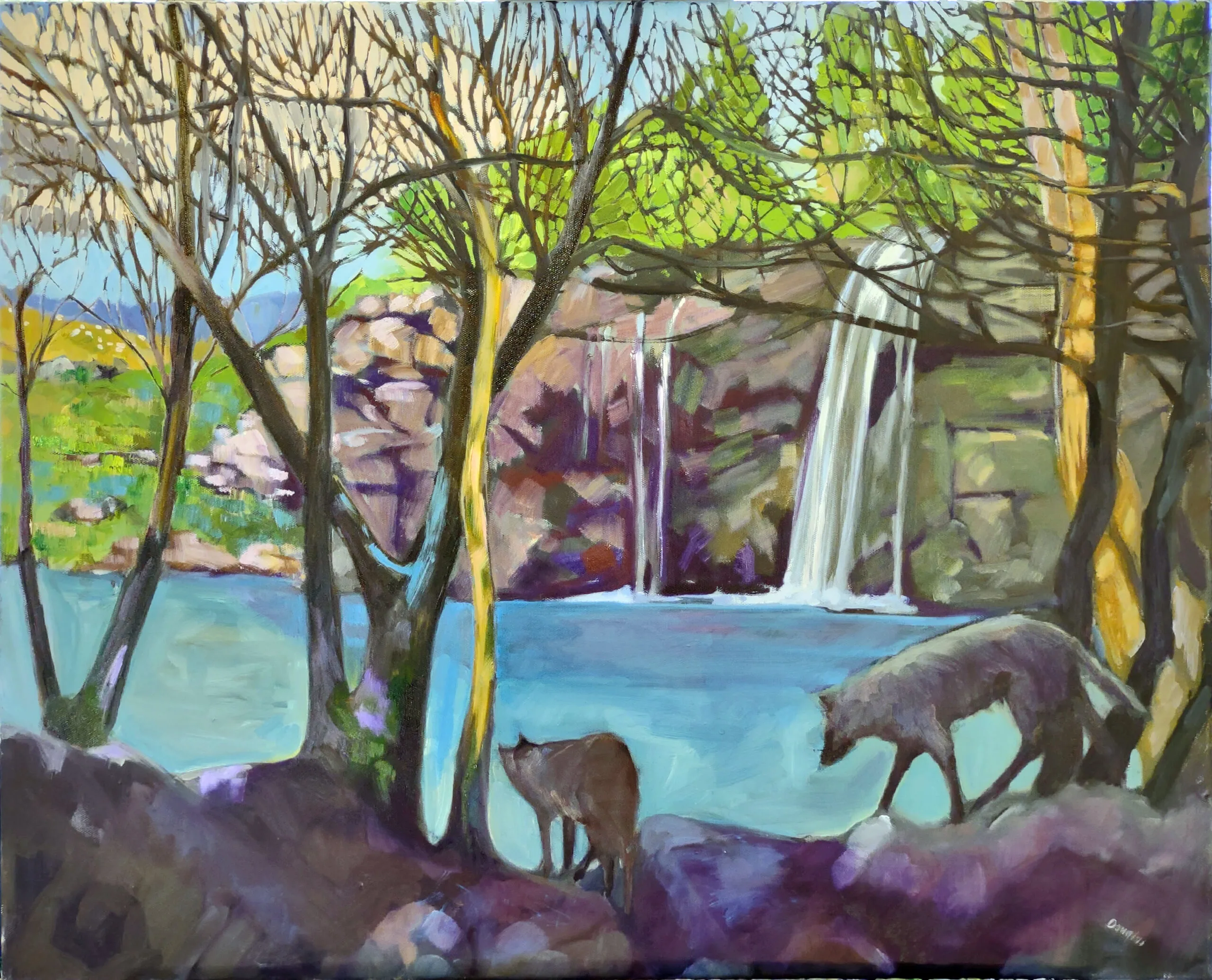
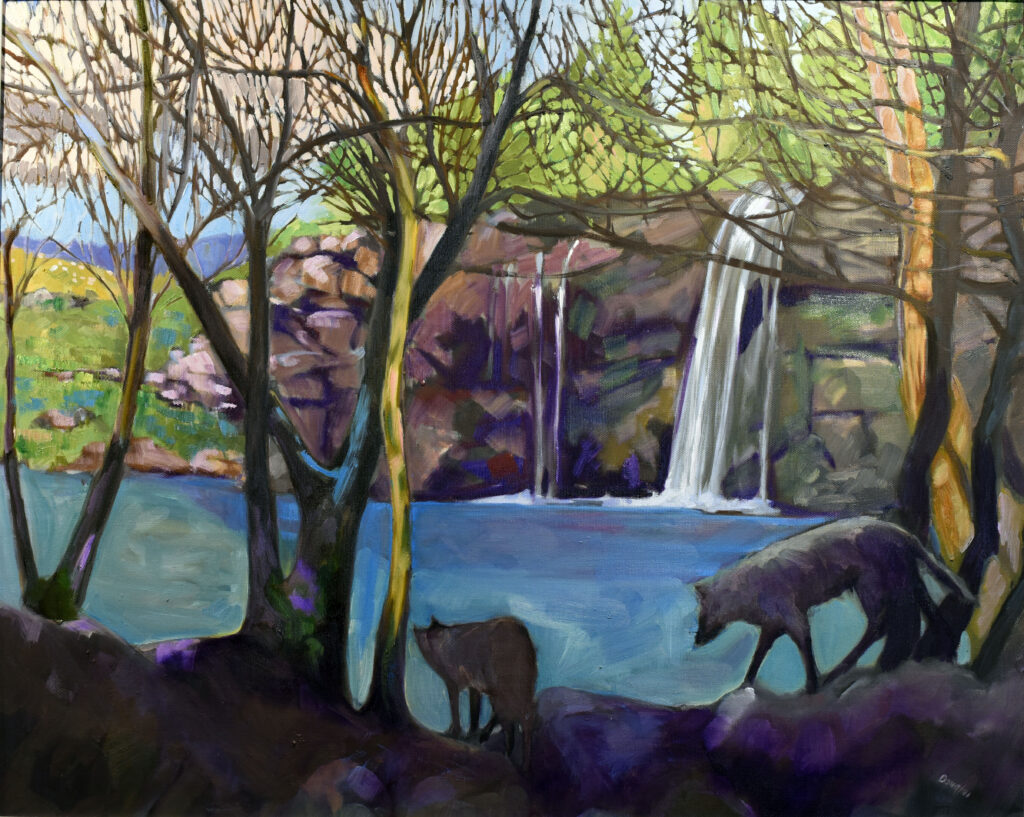
Ravenous Wolves, oil on canvas, 24X30, $3,478.00 framed includes shipping and handling in continental US.

I’m not here to trash the press

I’m here to ask a harder question for artists and collectors alike: what, exactly, did culture do for Khamenei? What did it do for the cultured Nazis who still sent people to the gas chambers? If art is supposed to engage our sympathies, what happened with these men?

One of the hallmarks of 20th century western art has been nihilism, the idea that life is meaningless, moral values are relative and absolute truth is impossible. It’s easy to see how Nazi leaders might have embraced that. Conversely, a young Khamenei, in his strict religious viewpoint, could find that the same ideas reinforced his distrust of western culture. The responsibility for that emptiness rests squarely on creators and the marketplace that encourages it.

Still, there’s a lot of meaningful art out there waiting to be found. Art appreciation is not the same thing as moral transformation. You can read great literature and remain unmoved. You can listen to sublime music and still choose cruelty.

That’s where Eliot’s second demand comes in: connoisseurs owe art “the extension of our sympathies.” It’s good to be moved by great art, but it’s also okay to dislike art when we don’t like the artist’s worldview.

Technique is the bones and sinew of painting. But if the purpose of art is to enlarge sympathy, then technical mastery is a means, not an end. You can paint a flawless painting that says nothing, or worse, says something reprehensible.

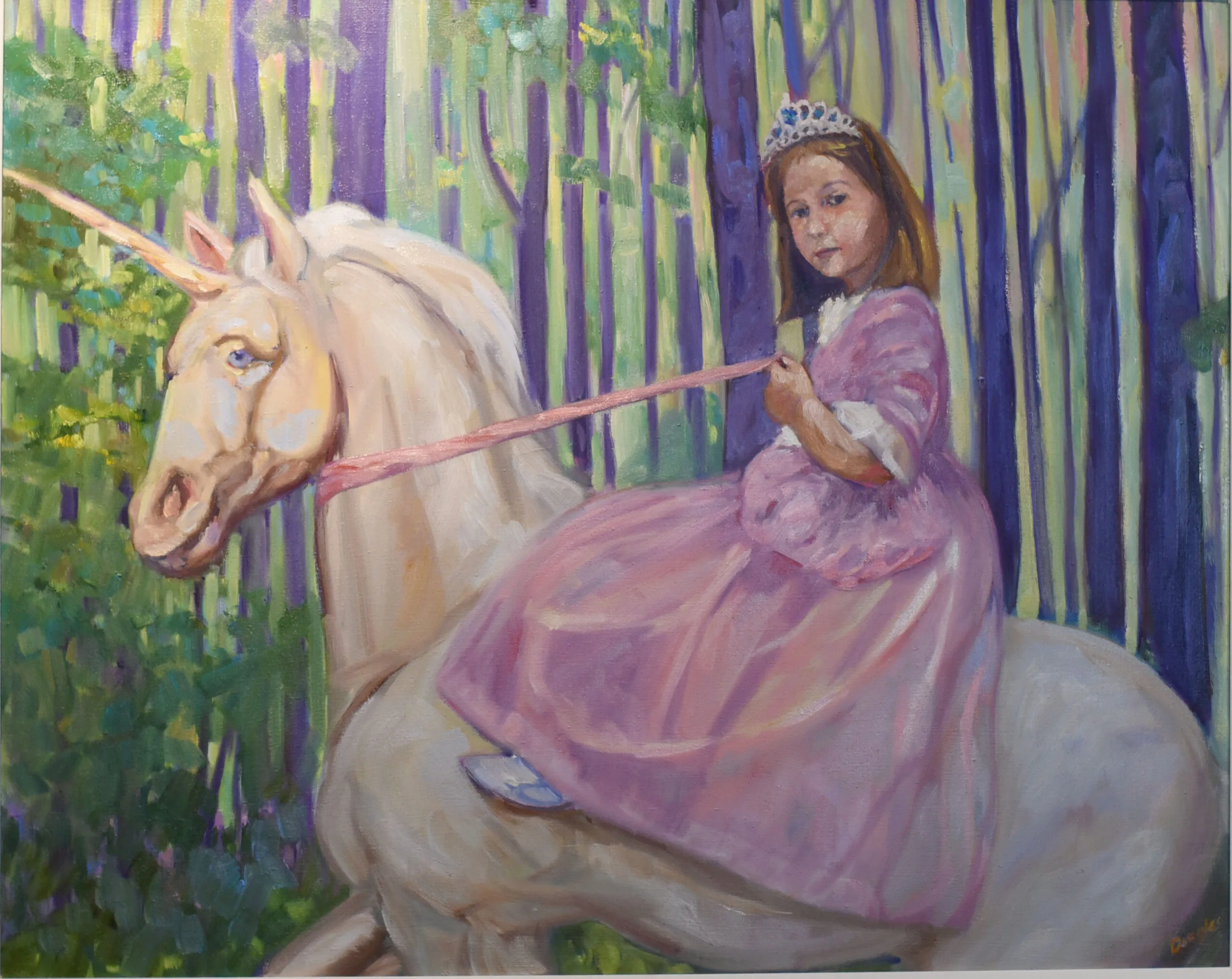
In Control (Grace and her Unicorn), 24X30, $3,478 framed, oil on canvas, includes shipping in continental United States.

How do we, as artists, do better?

Eliot’s characters and narrative arcs were symbols but they were also very real. She resisted caricature. It is easy, especially in polarized times, to flatten our subjects into symbols. But painting is at its best when it insists on complexity. Art that acknowledges contradiction enlarges sympathy.

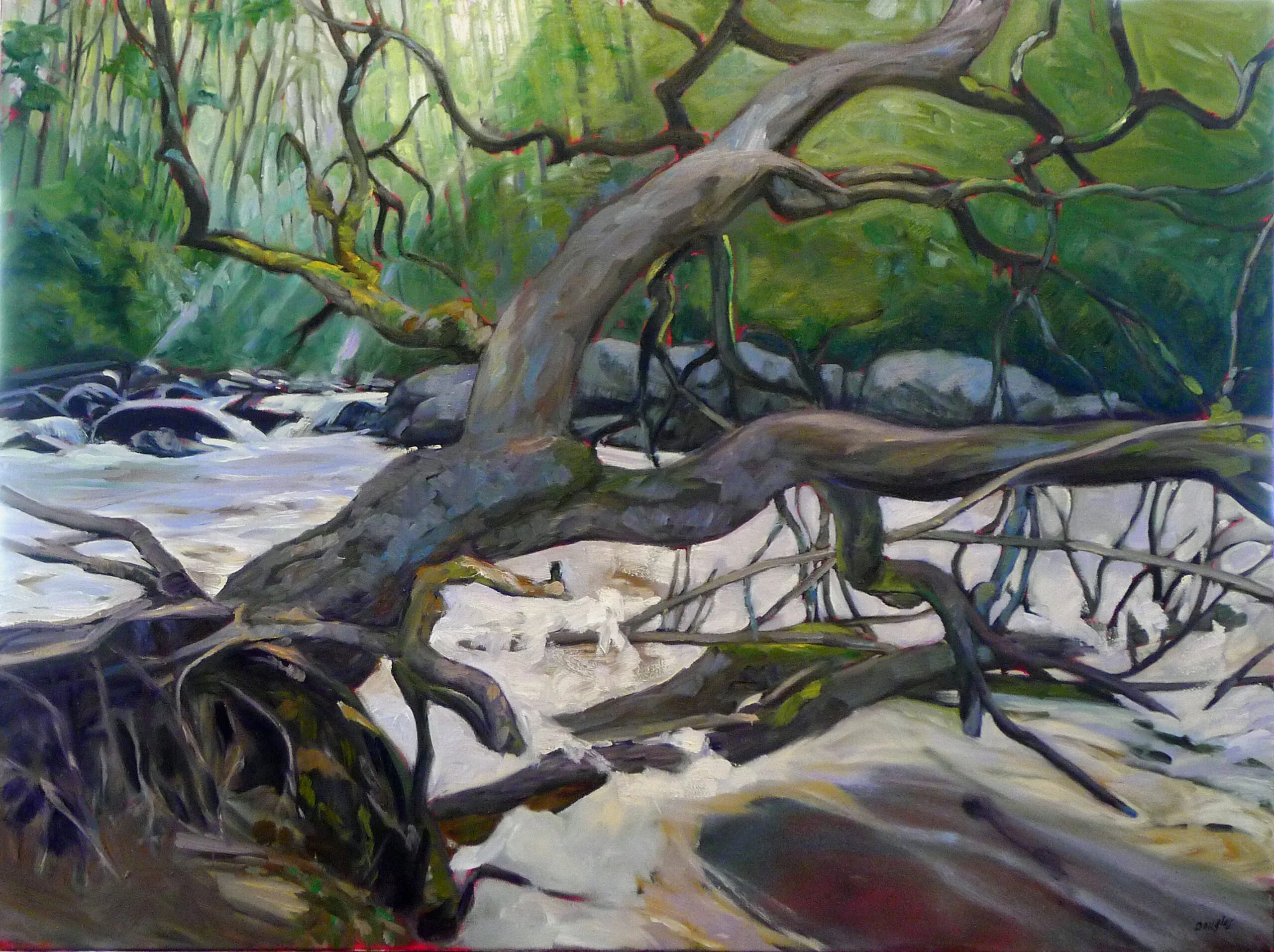
Deadwood, oil on linen, 30X40, $5072.00 framed, includes shipping and handling in continental US.

Art must work on us before it will work on others.

If you are not wrestling with your impatience, your bias and your assumptions, and if you’re not questioning the meaning of your painting, then your canvas will likely remain mute.

The purpose of art is not propaganda. It is a slow enlargement of ideas and concerns. That widening is not guaranteed, of course (as evidenced by my mass-murderer examples). It requires effort from maker and viewer alike. But when it happens, something shifts.

I frequently told my kids that moral values and a nice manner are not synonymous. Ali Khamenei may have had a nice manner and still have been a mass murderer. Conversely, a person can be prickly and rough and be a moral paragon. It’s often hard to tell.

(A special thanks to Sam Leith of The Spectator for first discussing this question.)

Registration is now open for workshops in 2026! Reserve your spot:

Can’t commit to a full workshop? Work online at your own pace:
Seven Protocols for Successful Oil Painters

Monday Morning Art School: perfection in painting is impossible

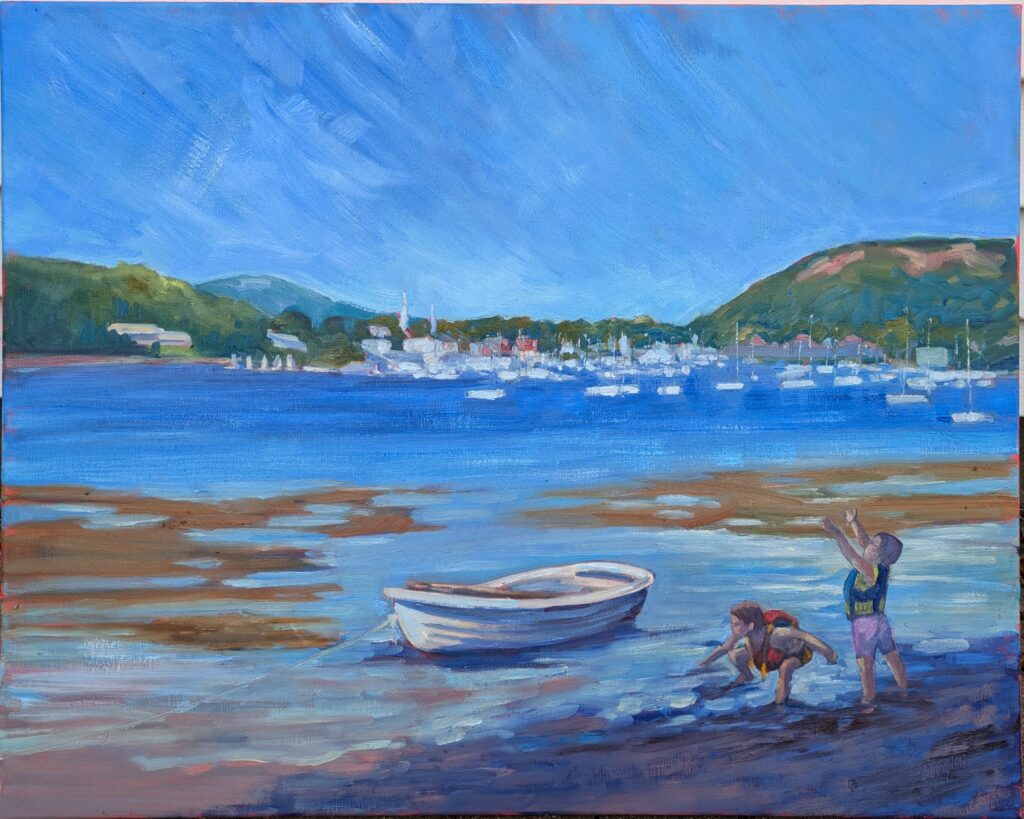
Camden Harbor from Curtis Island, oil on canvas, $2782 unframed includes shipping and handling in continental United States.

The thing that trips you up will almost always be unexpected. It won’t be the sky or figure you feared. It will be something small and stubborn. If you let it, that tiny snag can hijack your whole painting. But in painting, as in life, perfection is a pernicious mirage that can keep us from trying or finishing anything.

The ugly side of perfection

We talk about perfection as if it’s synonymous with beauty. It isn’t.

Think about the strange results of extreme cosmetic surgery: tight faces, overfilled lips, pneumatic breasts. Enormous sums of money are spent in our culture chasing youth. And yet, we gravitate toward faces etched with experience and humanity: Corrie ten Boom, Mother Teresa, Georgia O’Keeffe.

We value bravura brushwork in part because it photographs well for social media. Quieter virtues like solid drafting, subtle value control, and compositional integrity might be dismissed as dull. But bravura without structure is just noise.

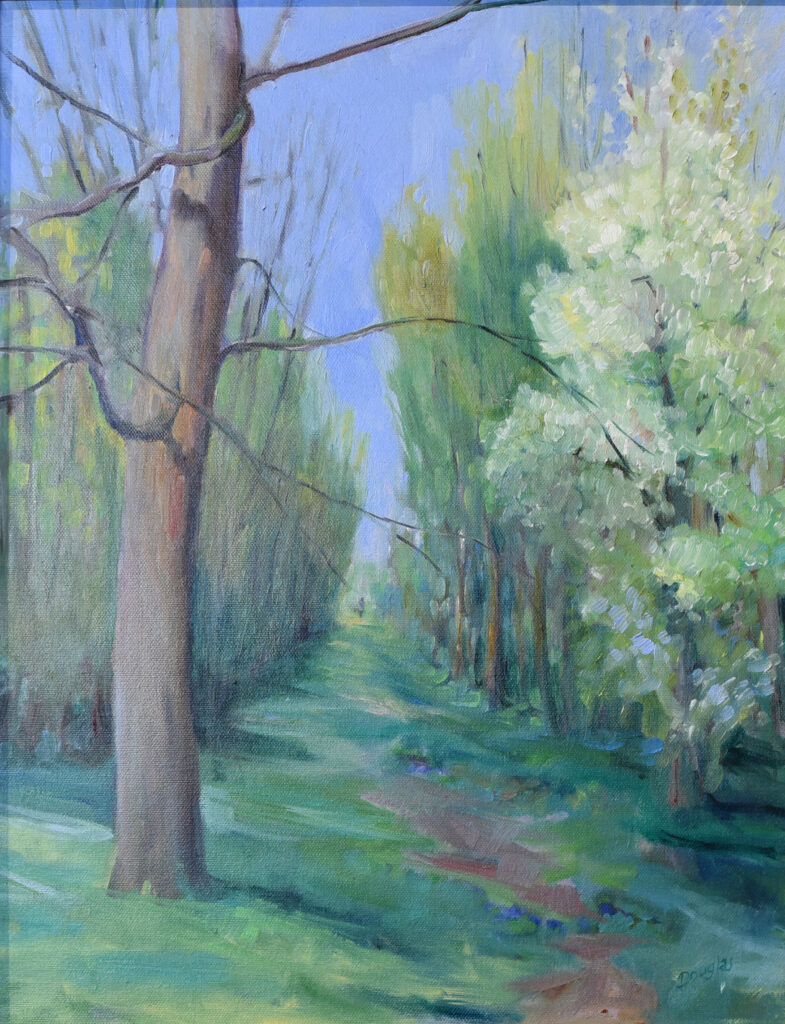
Spring Allee, oil on archival canvasboard, 14X18, $1594.00 framed includes shipping and handling in continental US.

Cultural blind spots in painting

One of the great conceits of our times is that modern ‘rational’ people have fewer blind spots than our benighted ancestors.

We are all the sum of our upbringing and our culture. That includes aesthetic preconceptions. We think we’re being objective when we judge art, but all judgments are freighted with assumptions.

In the studio, blind spots can keep us from seeing real problems. For example, we value color but denigrate drawing, so we polish color harmonies while ignoring bad drafting. Sometimes we can’t see the issue at all, because it doesn’t fit our internal narrative of what matters.

Brooding Skies, 8X10, oil on archival canvasboard, $522 includes shipping and handling in continental US.

The moment

The goal is not perfection in the abstract. It’s getting as close as we can for the moment of that painting. It might stretch over hours, days, or even weeks. It’s the point at which the painting coheres under the specific conditions in which it was made: skill level, materials, emotional state, light, deadline and more.

The real danger is not imperfection. It’s failing to recognize your achievement in that moment. If you keep telling yourself, “I suck,” you’ll never get better. You’re trying to fix something that ain’t broke. That usually means turning a resolved work into a labored one. Instead, set it aside and see what it tells you in a year.

The four paintings I included in this post are all examples of work I thought failed at the time I painted them, but that I quite like today.

A painting exists as a success or failure within its time and context. Your job is to nurture it into clarity, not force it into something it was never meant to be.

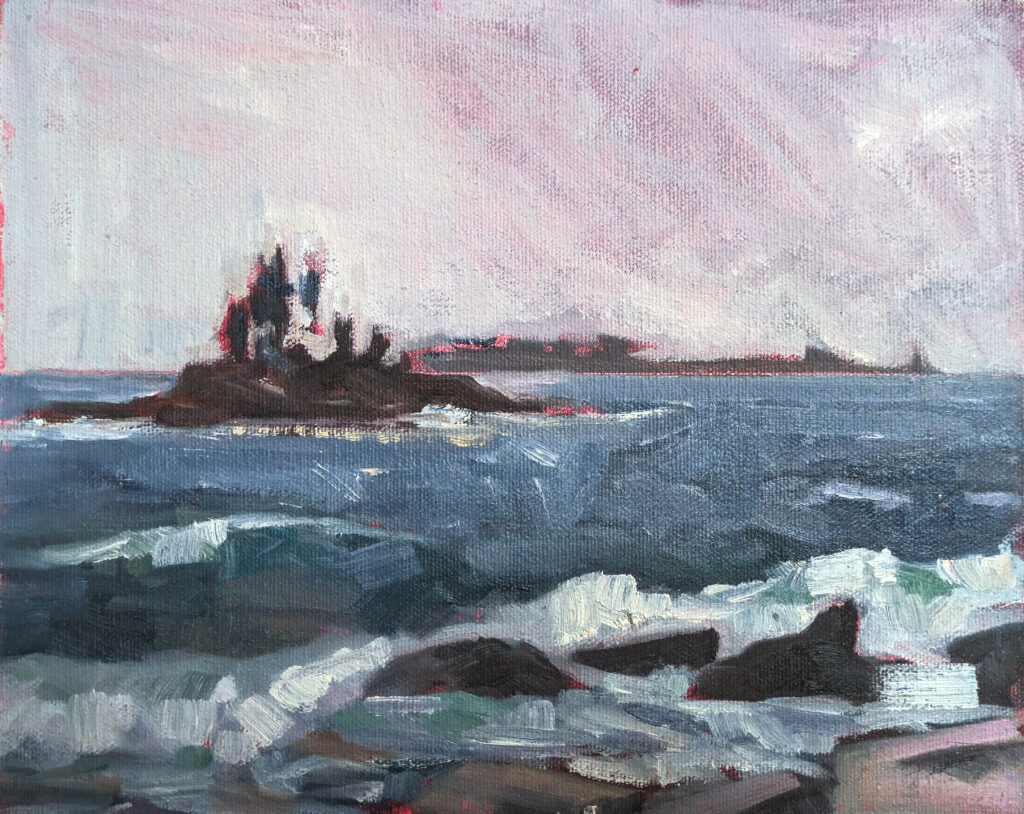
Hare Bay, Newfoundland, 12X16, $1159 includes shipping and handling in continental US.

One minor variable

I am making my daughter’s wedding dress, and was recently tripped up by something I never thought would be a problem. I’ve worked with tulle and beading before, but I’m using a ‘new to me’ sewing machine. The pearls kept catching, so I kept stopping and clipping them farther from the seams. What I expected to take an hour stretched into two days. Despite my great care there are pinholes where I nicked the tulle removing pearls. Which means a fine mending job.

That happens in painting, too. A small, unanticipated issue can derail momentum. You can’t eliminate all variables; you must accept that they’re part of the process.

Perfection in painting is impossible. But presence, discipline, and the humility to recognize the moment of enough? These are always within reach.

Registration is now open for workshops in 2026! Reserve your spot:

Can’t commit to a full workshop? Work online at your own pace:
Seven Protocols for Successful Oil Painters

Painting process matters, but so does serendipity

Carol L. Douglas painting workshops 2026
Larky Morning at Rockport Harbor, 11X14, on linen, $869 unframed includes shipping in continental US.

In painting, process is everything, except sometimes.

If you’ve taken one of my classes or workshops, you know I’m a firm believer in structure. A strong painting process keeps you from getting lost in the weeds. It helps you design before you render, block before you noodle, and solve value problems before you chase color. That’s true whether you’re working in oil painting, watercolor, acrylic, pastels or gouache. A repeatable painting process builds consistency. It’s the backbone of good studio practice and confident plein air painting.

A chance conversation in my Tuesday evening class got me thinking about the role of serendipity in painting. (Thank you, Jay.) As important as process is in painting, you must leave room for serendipity or it stops being art.

The Logging Truck, oil on archival canvasboard, 16X20, $2029.00 framed includes shipping and handling in continental US.

What is serendipity in painting?

Serendipity in painting is not laziness. It’s not skipping steps or hoping things will magically work out. It’s the willingness to recognize when an accident is actually better than your original plan. A loaded brush drags across the canvas and leaves a broken edge more interesting than the one you carefully constructed. A color you mixed in haste vibrates in a way you couldn’t have engineered. A palette knife scrapes a passage with more energy than the careful modeling beneath it. That’s not failure. That’s opportunity.

Painters who improve quickly understand that a structured art process is a framework, not a cage. You begin with intention: clear value structure, strong composition, hierarchy of edges, color harmony. You follow the process, but along the way, you stay alert and open to possibilities. You watch what the paint is doing. You respond.

Victoria Street, 16X20, oil on linen in a hard maple frame, $2029 includes shipping and handling in continental US.

Serendipity vs. intuition

Intuition in art (as in all thinking) is real, but it isn’t mystical. Intuition is simply thinking that happens so fast your conscious mind can’t keep up. For artists, years of drawing, studying color theory, making dumb mistakes and observing nature get compressed into split-second decisions. When you say, “I just knew that edge needed softening,” what you really mean is that your brain processed thousands of similar visual problems before and offered a solution instantly.

However, artistic intuition isn’t automatic. It’s earned through disciplined painting practice.

Serendipity, on the other hand, is external. It’s what happens when the medium pushes back. Watercolor blooms unexpectedly. Oil paint mixes optically on the canvas. Pastel dust catches in the tooth of the paper in a way you didn’t predict. The artist’s job is to not eliminate these surprises but to recognize when they serve the painting.

Downtown Rockport, 14X18, oil on archival canvasboard, framed, $1594 includes shipping and handling in continental US.

Danger comes when we become so committed to our original plan that we fix the life out of a piece. We smooth lively brushwork. We correct the slightly offbeat color that actually made the painting sing. We overwork passages because they don’t match our mental template of how things should look.

A strong painting process gives you control. Serendipity gives you vitality. Intuition ties them together. If you want stronger paintings, cultivate all three. Develop a clear, repeatable painting process. Train your intuition through steady, focused work. And then step back often enough to notice when the painting is offering you something better than you planned.

Want to strengthen your painting process without losing freshness and spontaneity? Join me in my painting classes and plein air workshops, where we focus on structure, design, value control—and yes, learning when to let the paint surprise you. Whether you’re a developing painter or a seasoned artist ready to break through a plateau, you’ll leave with practical tools, sharper instincts, and more confident brushwork.

Registration is now open for workshops in 2026! Reserve your spot:

Can’t commit to a full workshop? Work online at your own pace:

Seven Protocols for Successful Oil Painters

Is it cheaper to make your own canvases? The real cost of DIY for artists

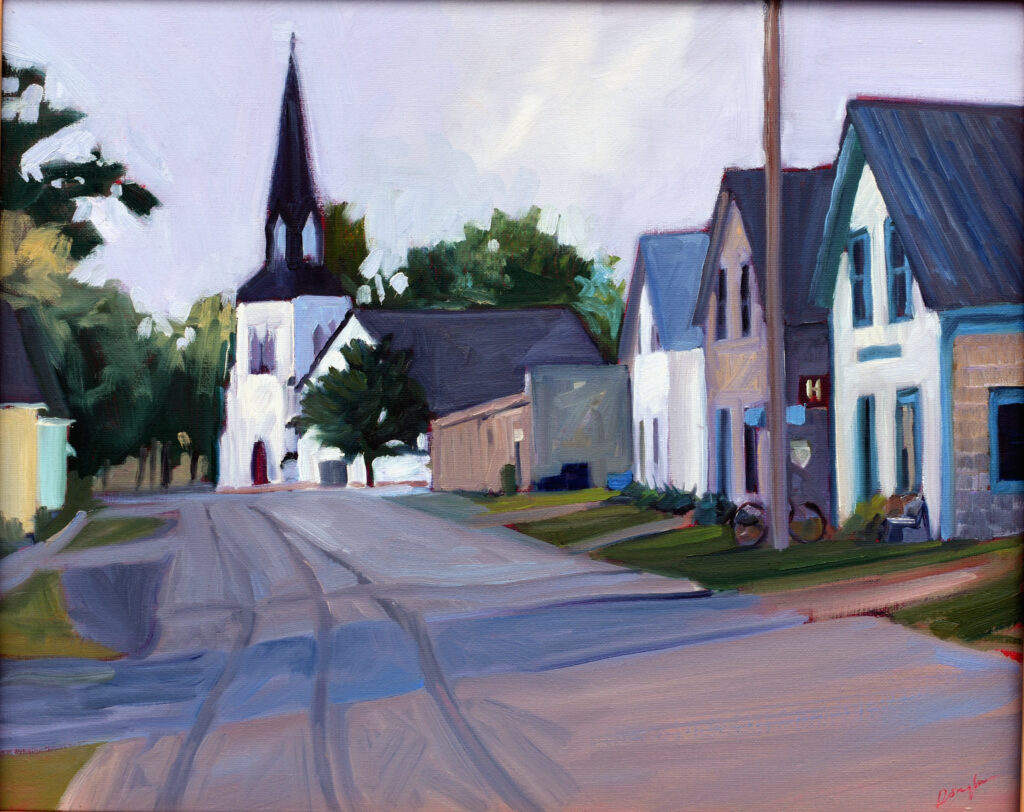
Geraniums, pastel, ~24X30. Available, but has to be collected in person as it’s glazed in non-reflective glass.

There’s an idea among painters that DIY saves money. Stretch your own canvases. Build your own frames. Cut your own panels. Control the art materials cost and keep more profit.

But is that actually cheaper? Sometimes. Often, no. Art supplies are expensive, but so is wasted studio time.

How to save money on art supplies without sacrificing quality

Standard painting sizes save money. When you work in standard canvas sizes, you benefit from mass production. Manufacturers stock them. Frame companies produce moulding for them. Art supply sales frequently discount them.

Odd sizes reduce options and increase cost. Custom framing and mats become inevitable. Shipping costs rise. That quietly erodes your profit margin.

I knew a watercolorist who stocked only one size painting. She moved them in crates that she packed in a fraction of the time I was wasting wrapping each work separately. The crates stacked easily in her van. She only had to order one size frame and one size paper. And her booth always looked effortlessly elegant.

For professional painters, standardization isn’t dull—it’s smart business. It improves studio efficiency and reduces friction from easel to sale.

Pink Carnations, 8X10, oil on archival canvasboard, $522 includes shipping and handling in continental US.

Are DIY canvases and frames cheaper?

Raw materials and tools aren’t cheap. Quality canvas, linen, boards, stretcher bars, hardwood moulding, corner clamps, biscuit joiners or v-nailers, miter saws—these all add up fast.

Woodworking is its own art form. After investing $1,500 or more in tools, you will almost certainly be bad at it, at least at first. Miters won’t close. Corners don’t stay glued. You’ll be off by a 16th of an inch. Finish will run. And stretching canvas to the right tension is a skill.

Meanwhile, you’re not painting. Is this the best use of your creative energy?

Oil painting medium is a great example. I learned how to make my own using damar varnish, turpentine, linseed oil and cobalt drier, but if you look at mid-century paintings done with that combination you’ll see cracking and crazing. The cost of the materials will set you back more than many jars of better, modern mediums.

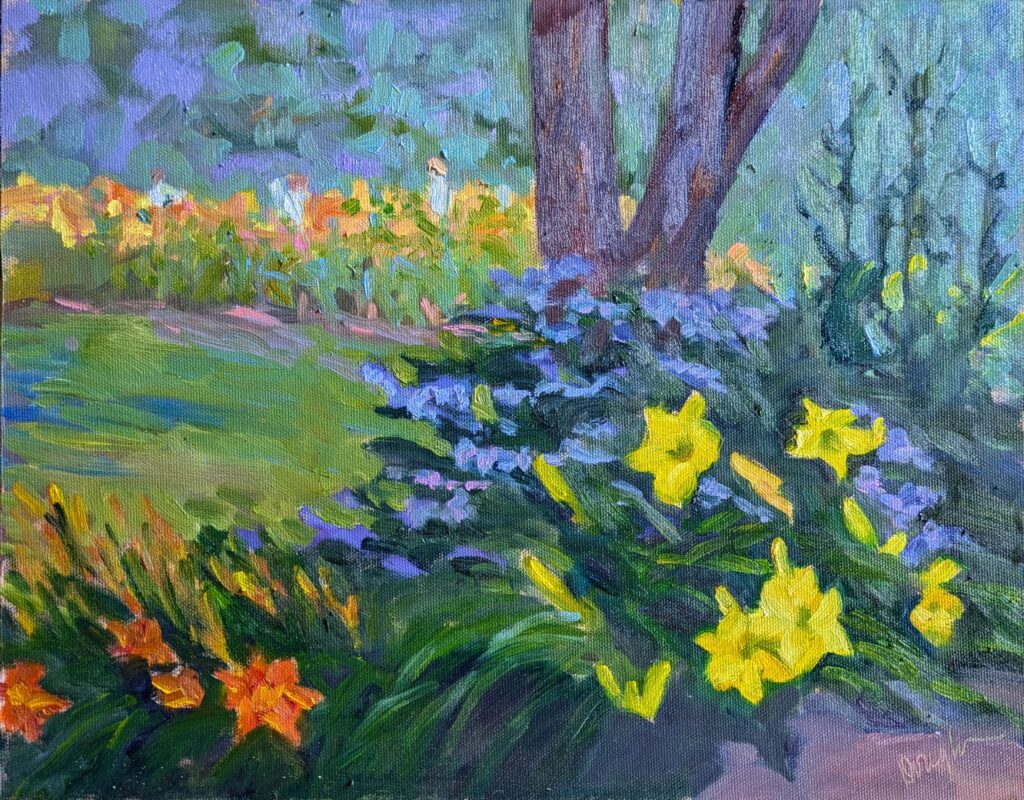
Daylilies and lace-cap hydrangea, 11X14, $869 includes shipping and handling in continental US.

Buying art supplies on sale changes the math

Art supply sales are not trivial. They can run twenty to forty percent off frames, panels or canvases. When you buy professional art materials at those discounts, the gap between DIY and retail shrinks dramatically.

“I walked into Jerry’s one day and saw this ridiculous sale—40% off—on square wood frames that my buyers seem to love,” my student told me. “I bought a bunch but will always regret not buying every single one. They were so cheap and look so good, and I only have a couple left!”

That’s art business cost control.

Be a cheapskate buyer of quality materials. Watch for sales. Stock up on standard sizes. Plan ahead. Buying canvases and frames during art supply sales is more cost-effective than DIY.

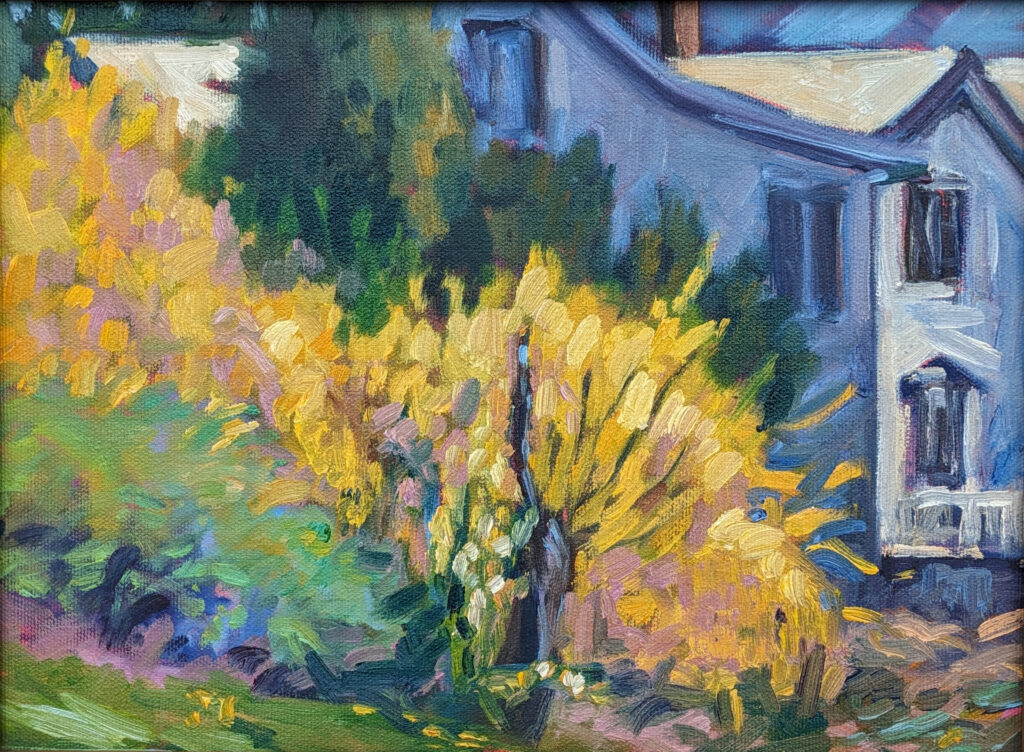
Forsythia at Three Chimneys, oil on archival canvasboard, $869 framed includes shipping and handling in continental United States.

Professional vs. student-grade: don’t cut the wrong corners

A workshop student asked me why I recommend professional grade painting boards. For an absolute beginner they don’t matter. But once you get past that, cheap boards sabotage your results. And cheap paint is never a bargain.

The goal is economical framing options and efficient supply purchasing without compromising your work. Use professional-grade materials, but buy them intelligently.

One reason artists love to DIY

Sometimes DIY isn’t about economics, it’s about avoidance.

Researching moulding profiles feels productive. Building stretchers feels industrious. But they don’t answer the harder question: what are you going to put on that blank canvas? If your mission is to grow as a painter, sell more work, and build a sustainable art practice, then focus on the thing that matters. Paint.

Registration is now open for workshops in 2026! Reserve your spot:

Can’t commit to a full workshop? Work online at your own pace:

Seven Protocols for Successful Oil Painters

Monday Morning Art School: the most important question in painting class

Breaking Storm, oil on linen, 30X48, $5579 framed includes shipping and handling in continental US.

I’ve taught painting for a lot of years. The most common question in painting classes is not about brushes, mediums, or even color. It’s some variation on, “Is this right?”

Usually it sounds like something else: “Does this look okay?” “Are my values off?” “Should I fix this?” “What am I doing wrong?” But the heart of it is that the student is asking for reassurance. Is he or she succeeding or failing? That’s a completely human impulse, and a question I frequently ask myself. Painting is vulnerable work. We’re making a series of visible decisions, and every one of them feels like it could expose us as failures.

In the context of a painting class, asking for validation is okay, since you’re there to learn how to make those assessments. But eventually we all have to start painting on our own. That requires learning to critique ourselves. That’s the only way we fully develop our own judgment.

It’s helpful to shift the question. Instead of asking, “Is this right?” ask, “What problem am I trying to solve?”

Skylarking II, 18×24, oil on linen, $1855, includes shipping in the continental US.

Start with painting fundamentals

What is your painting about? Is it about primarily about light? Rhythm? Stillness? Energy? Kaleidoscopic color? After all, if you can’t articulate what the painting is about, you can’t evaluate whether it’s working.

When I teach painting critique I ask my students which two elements of design they’re most interested in discussing. That’s another way of asking what is important.

What are you trying to do in this painting?

Let’s say you were trying to show the power of early morning light (the so-called Golden Hour). It makes sense to start by looking at the value structure. Does it support drama? Are the darks dark enough? Are there a clear, compelling focal points?

On the other hand, if you’re trying to depict a sense of calm repose, then we would look at symmetry, edges, shapes and movement. Sharp contrasts, extreme asymmetry and fragmentation might work well in another painting, but they would undermine a sense of stillness.

In other words, is your painting in alignment with your goals?

Some of this is inherent. I’m a person with a lot of mental fizz. It would never even occur to me to paint calm repose. Conversely, my friend Naomi Aho’s work is very meditative. That doesn’t mean that we can’t reach in the opposite direction, but we all bring our personalities to our work—and that’s a good thing.

(The main goal of teaching, by the way, should never be to create mini-mes. It’s to help students master the processes of painting and criticism so that their inner voice can shine through.)

Skylarking, 24X36, oil on canvas, $3985 framed includes shipping and handling in continental US.

Painting fundamentals

  • Do the value and color patterns read well from across the room? Are the major shapes clear and organized?
  • Is there a dominant idea? Is that clear?
  • Is there enough detail to continue to interest us as we get up close?

If those are working, small ‘errors’ won’t ruin the painting. Students sometimes confuse mastery with perfection. In painting, more than almost anywhere else, perfect is the enemy of good. Besides learning good technique, mastery is a question of knowing what matters.

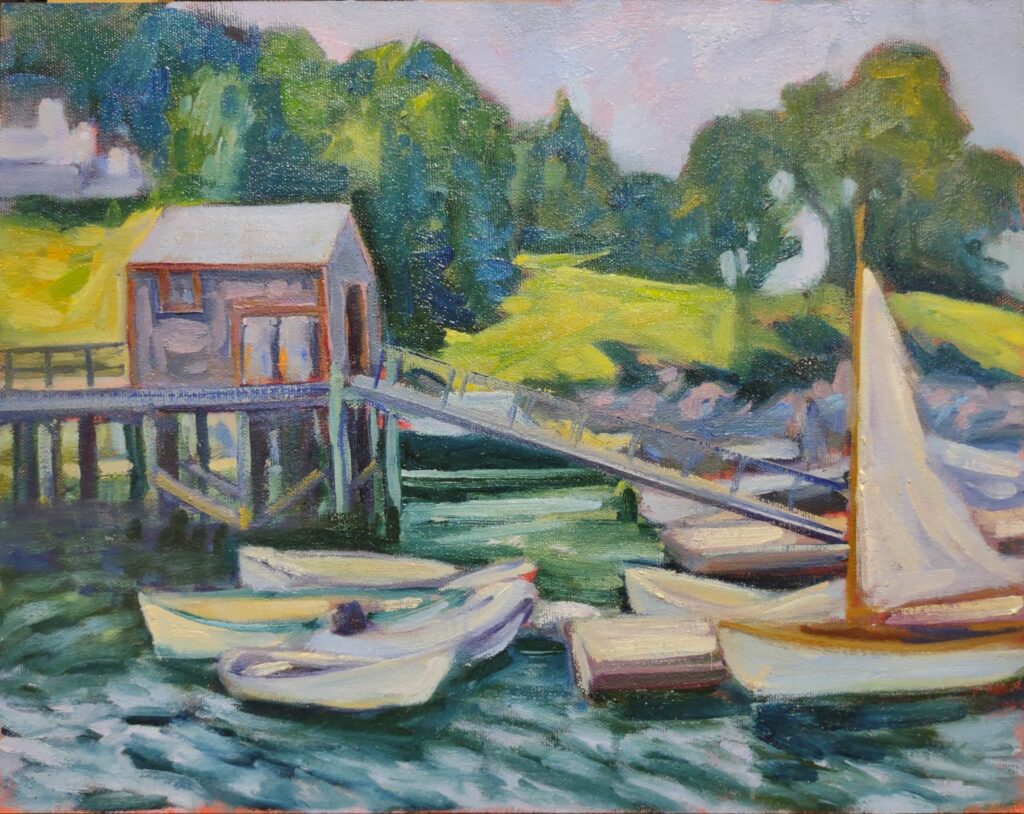
Dinghy Dock, 8X10 on archival canvasboard, $522 unframed includes shipping and handling in the continental US.

Are you stuck?

When you feel the urge to ask someone for advice or validation, hesitate. Instead, write one sentence about your painting: “This painting is about ______.”

Then step back and ask yourself if what you’ve done supports that goal. If the answer is yes, keep going. If the answer is no, stop flailing and fix what’s broken. Then and only then, if it doesn’t work, look elsewhere for help.

Registration is now open for workshops in 2026! Reserve your spot:

Can’t commit to a full workshop? Work online at your own pace:

Seven Protocols for Successful Oil Painters

There is no ‘undo’ button in the field

Old Wyoming Homestead, 9×12, oil on archival canvasboard, $696 unframed includes shipping and handling in continental US.

Painting often feels like a metaphor for life. In painting, there’s no CTRL-Z, or undo button. Every decision shapes what follows. That’s especially true in plein air painting, where you’re working outdoors in real time.

When you’re painting outdoors, light moves fast and shadows stretch and shrink by the minute. Every rock face, ridge and canyon wall shifts its color with the sun’s relentless march across the sky.

Dawn along Upper Red Rock Loop Road, Sedona, 20X24 oil on canvas, $2318 unframed includes shipping and handling in continental US.

It’s not a bug, it’s a feature

This ever-changing environment is the ultimate teacher. Desert plein air painting demands speed, clarity, and decisiveness. There’s no time to second-guess every mark. If you hesitate, the color you were studying has already changed. The shadow pattern is different. The moment has passed.

You learn to trust your eye and your instincts, to make bold, expressive brushstrokes without overworking them. Instead of retreating into correction after correction, you learn to capture essence over perfection, embrace expressive mark-making and commit boldly.

This immediacy is what makes plein air landscape painting transformative. In the field, you don’t have time to overthink things. You’re not just painting what you see, you’re also painting what you feel.

Cottonwoods along the Rio Verde, 9X12, oil on archivally-prepared Baltic birch, $696 includes shipping and handling in continental US.

Desert light is a relentless but generous mentor

One of the great lessons of desert plein air is how light animates color. In the early morning, the canyon walls glow gold and violet. By midday, they blaze orange, red and ochre. By late afternoon, dust is in the air and shadows deepen into rich, hazy blues. This ever-shifting spectacle trains you to recognize subtle value shifts and bold temperature contrasts. These skills improve every painting you make, indoors or out.

These are foundational skills for landscape painting. Once you’ve trained your eye in the field, your studio work gains confidence, clarity, and energy.

The value of fast thinking

Many artists are in love with perfection. They’re afraid of messing up. But plein air painting in the desert doesn’t tolerate fear. It demands action.

When you realize that every brushstroke matters, you stop dithering. You paint with purpose. Each mark reinforces your confidence.

Through outdoor painting, you discover:

  • How to simplify complex landscapes;
  • How to paint on location with decisiveness;
  • How to compose quickly and efficiently;
  • How to interpret color with confidence;
  • How to embrace impermanence as creative fuel.

This is what makes plein air painting so wonderful: it strips away hesitation and builds bold expression from the inside out.

Sunset over Cadillac Mountain, oil on archival canvasboard, $869 includes shipping and handling.

Ready to transform your landscape painting?

You can retreat into your studio and rely on reference photos. Or, you can learn to work with nature as your motivator and muse, letting it challenge and refine you.

If you’re ready to push your plein air painting skills to the next level, there’s no better opportunity than the Canyon Color for the Painter: A Plein Air Workshop hosted by Sedona Arts Center.

This immersive Sedona plein air workshop guides you through real-time landscape painting in one of the most dynamic light environments in the country. You’ll paint as the light shifts, learning how to respond boldly and decisively under expert guidance.

There may be no CTRL-Z in the field, but there are growth, clarity and artistic breakthrough. Step outside and let the light guide you.

Registration is now open for workshops in 2026! Reserve your spot:

Can’t commit to a full workshop? Work online at your own pace:
Seven Protocols for Successful Oil Painters