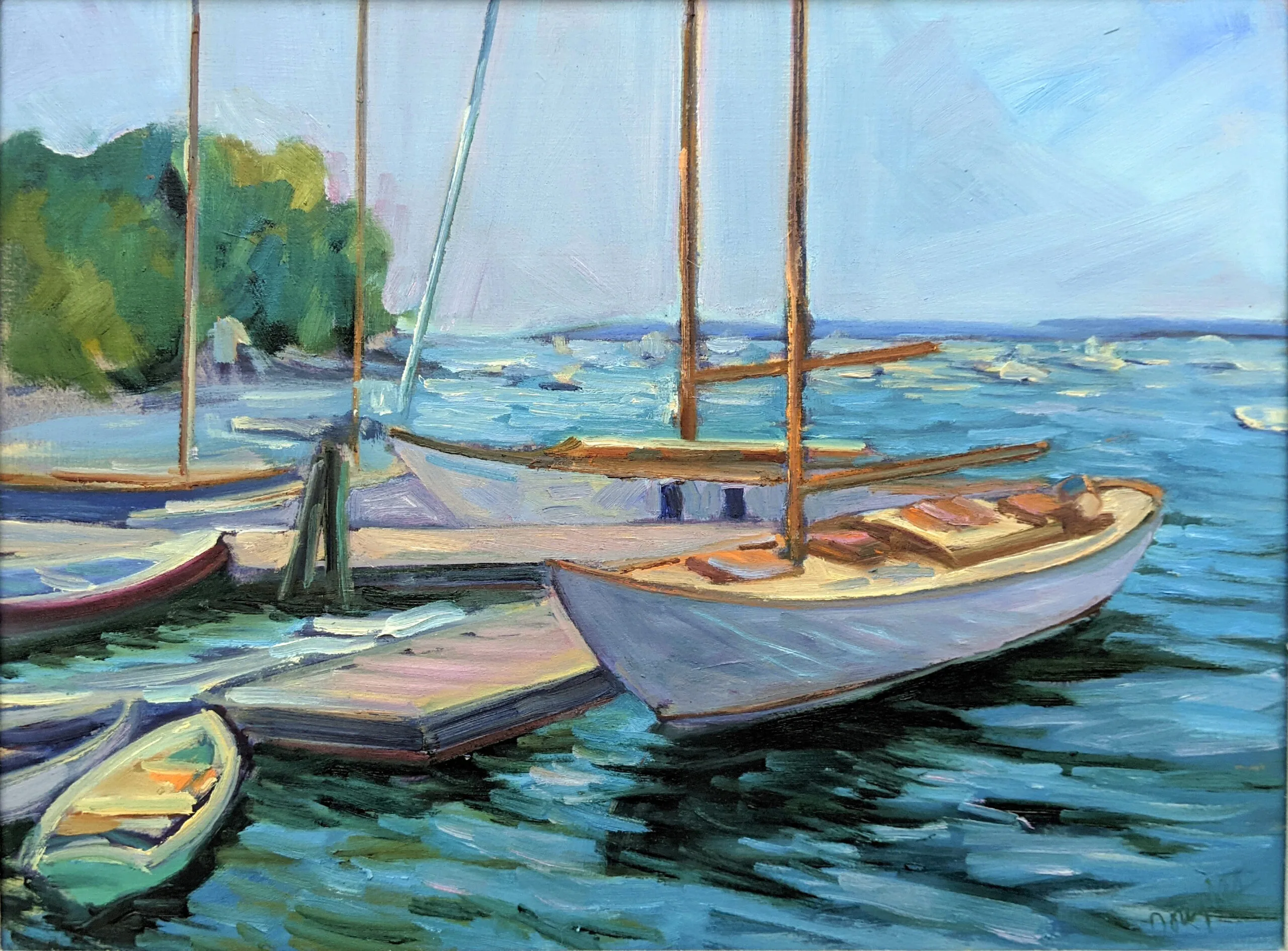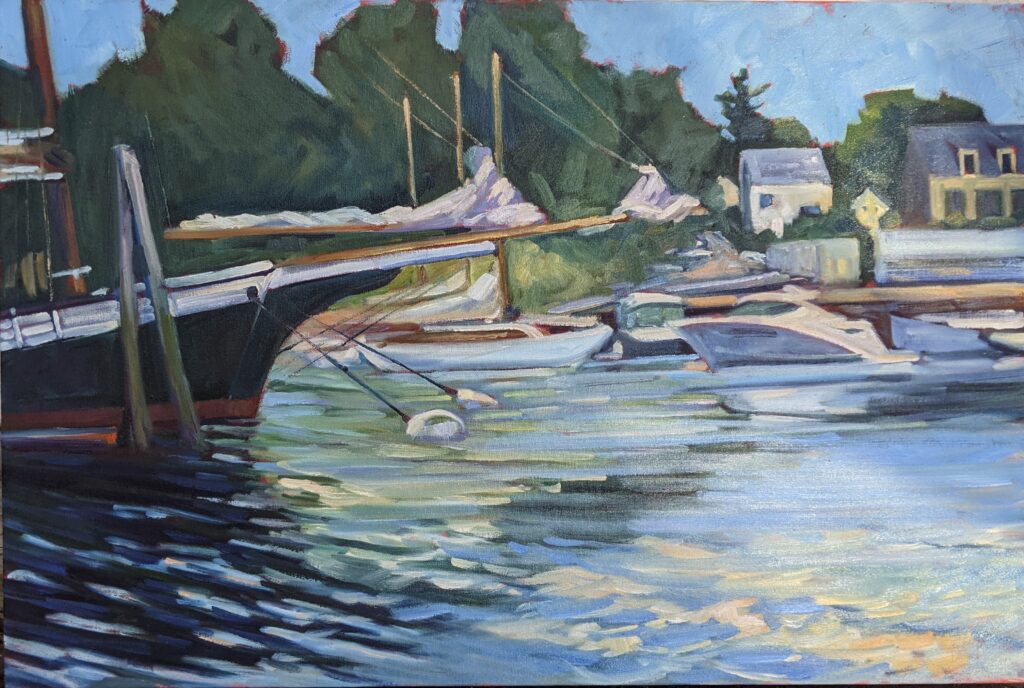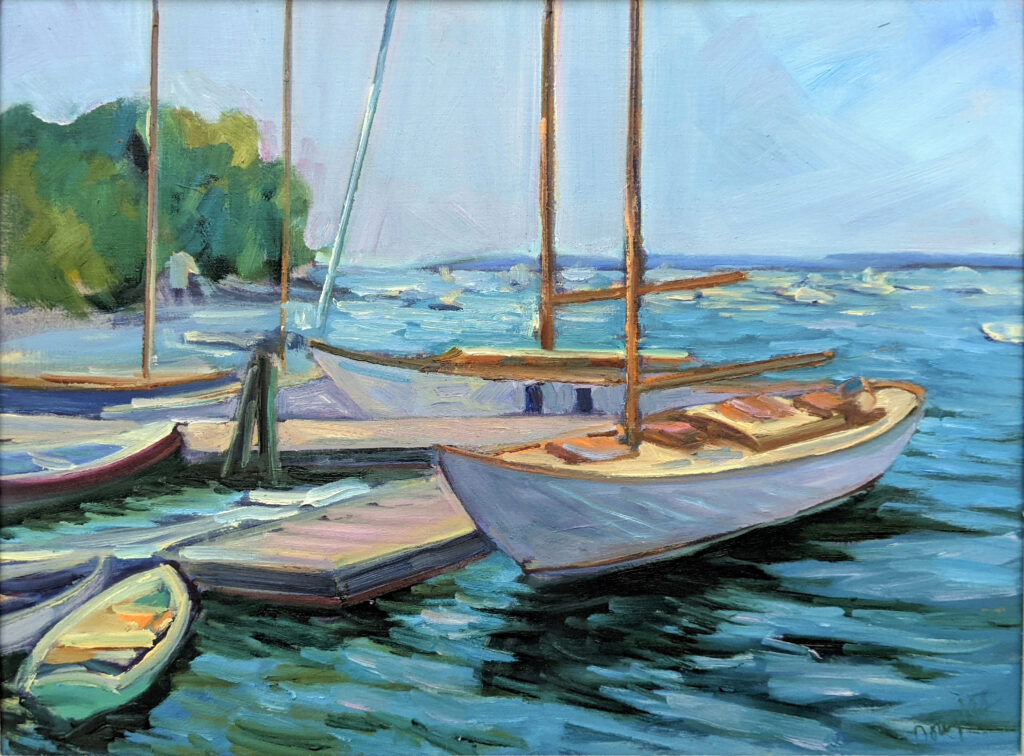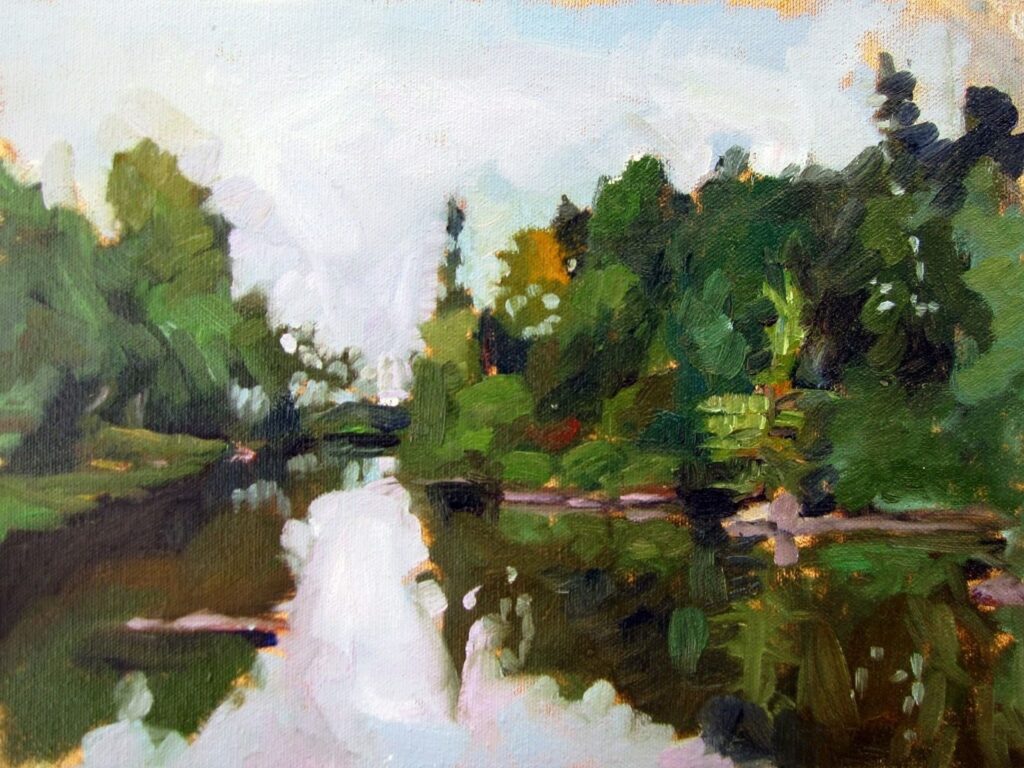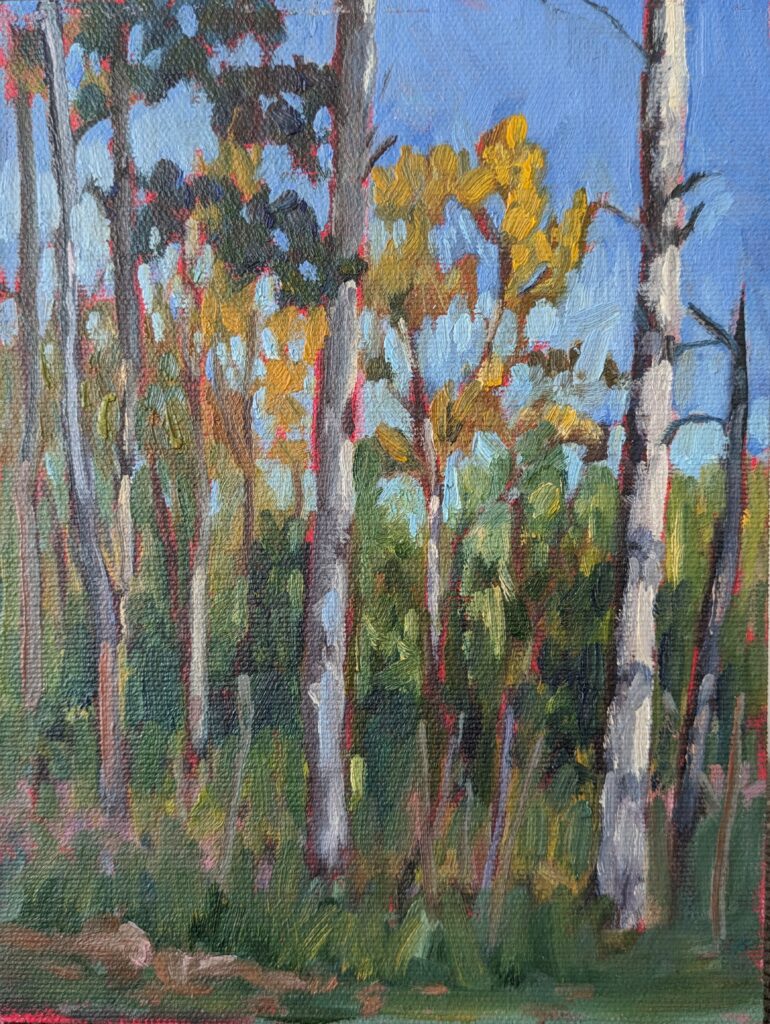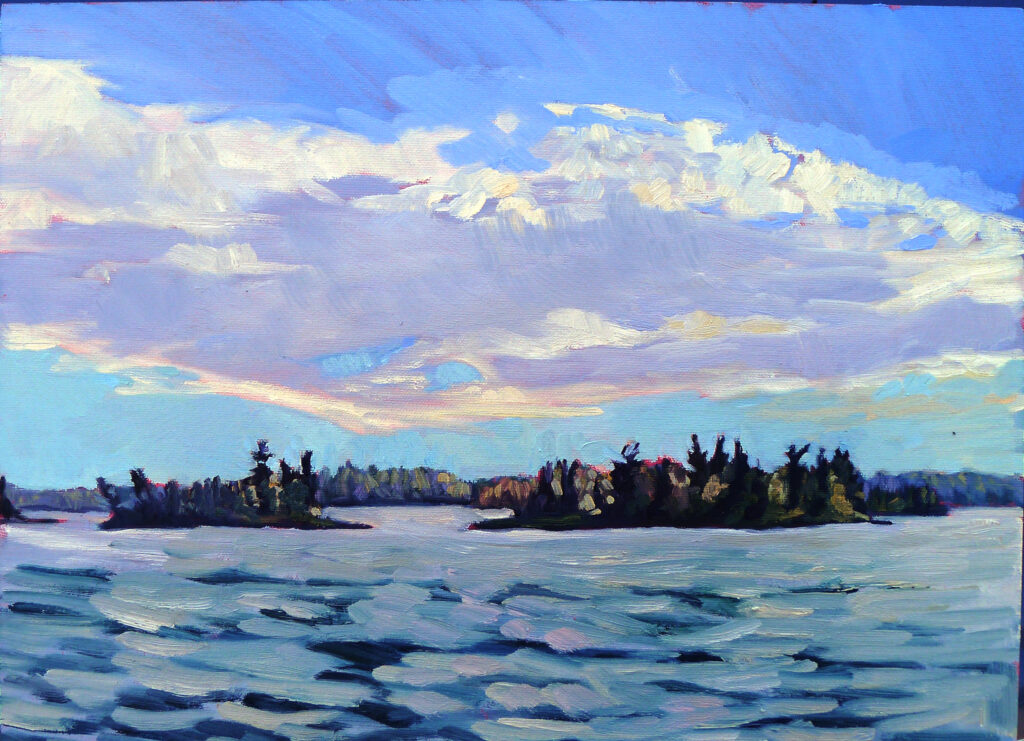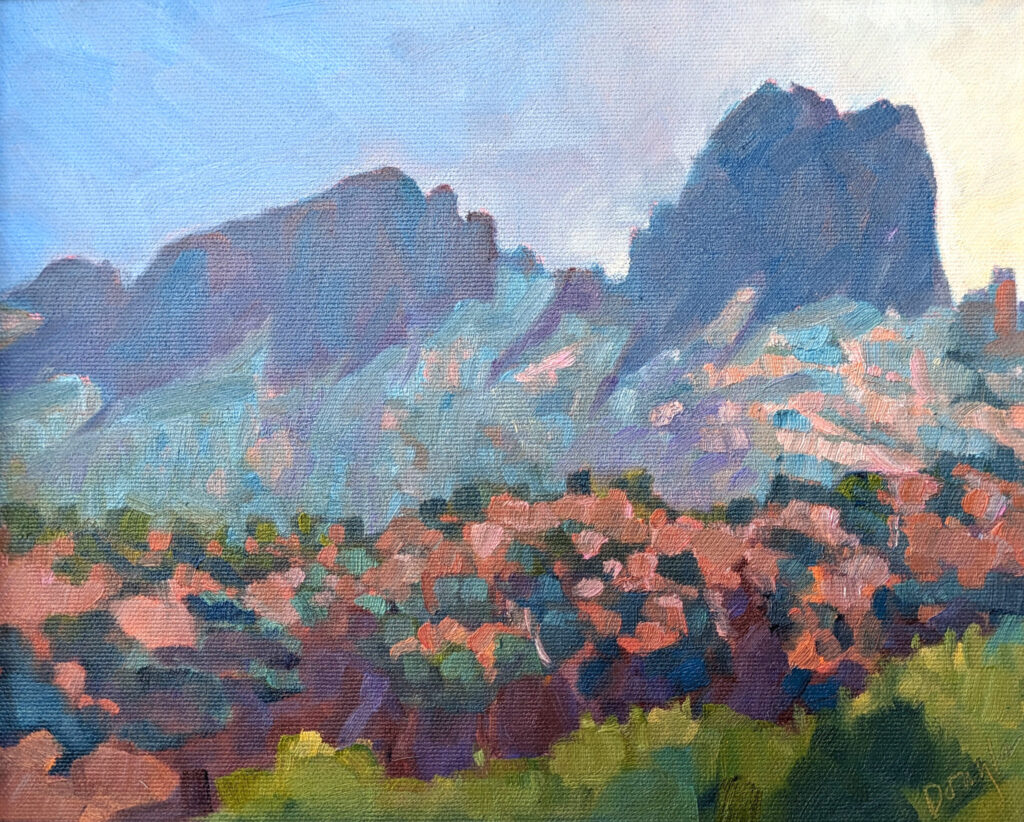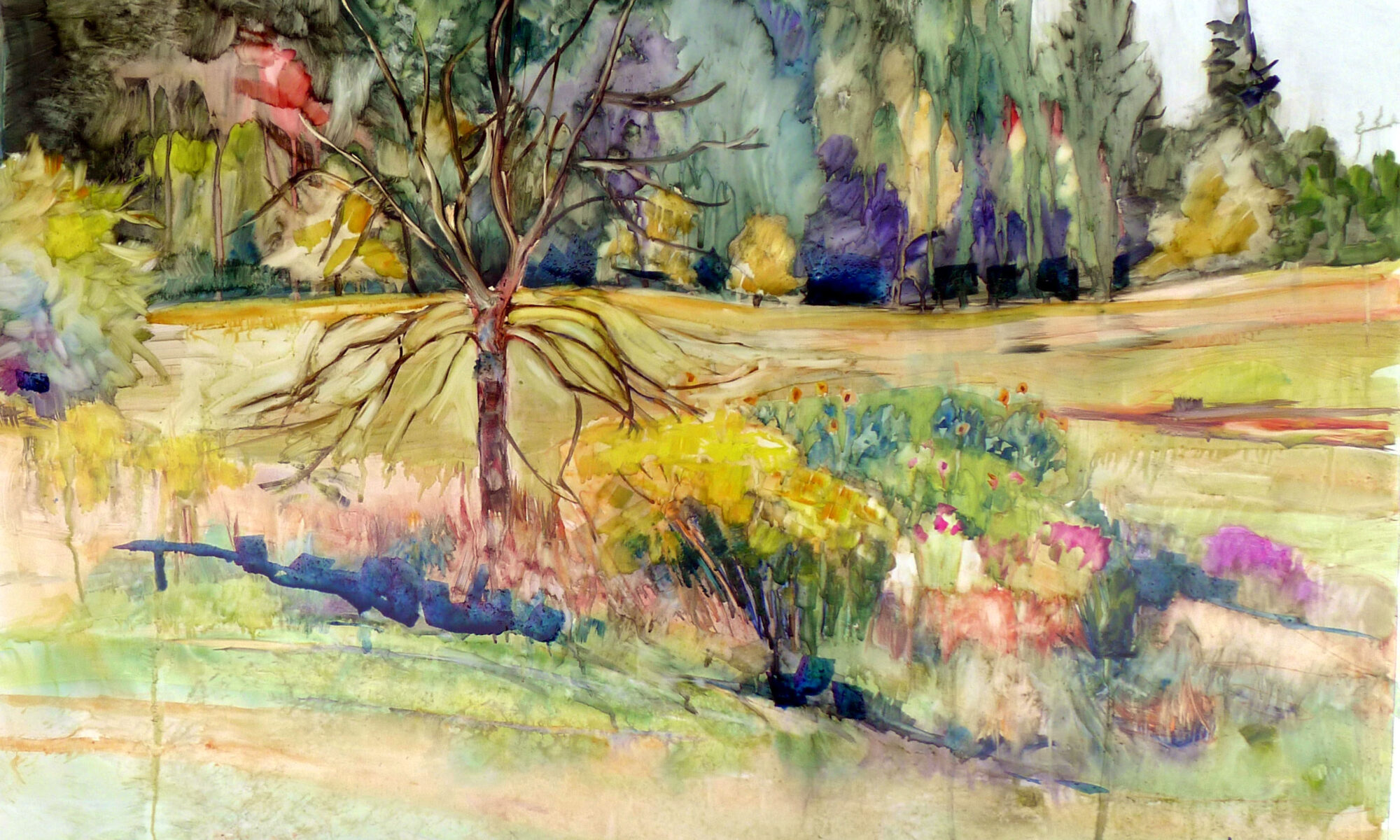
Learn to oil paint at home, on your own schedule.

Whether painting plein air or in the studio, the process of alla prima painting is clear and repeatable… if you’ve had proper instruction.

I’m pleased to announce the release of the final section of Master the Art of Oil Painting: Learn 7 Essential Protocols for Success. If you do all the exercises and apply what you’ve learned, you will learn to oil paint, completely and competently.

Laura and I budgeted a year to finish Master the Art of Oil Painting: Learn 7 Essential Protocols for Success. We ran over by eighteen months, because building an online painting class was far more exacting than either of us expected. We were both still busy running classes and workshops and, of course, painting. But we’re finally done, and if you’ve ever wanted to learn to oil paint, now is the time to do it.

Making online painting classes sounds easy, until you get started. Then there are all kinds of questions that should never occupy the mind of painters. Luckily, my daughter Laura, who works with me, has a programming degree.

If there’s anything I know, it’s how to teach painting. But I also had to learn how to make videos, including lighting, timing, and talking directly to the camera.
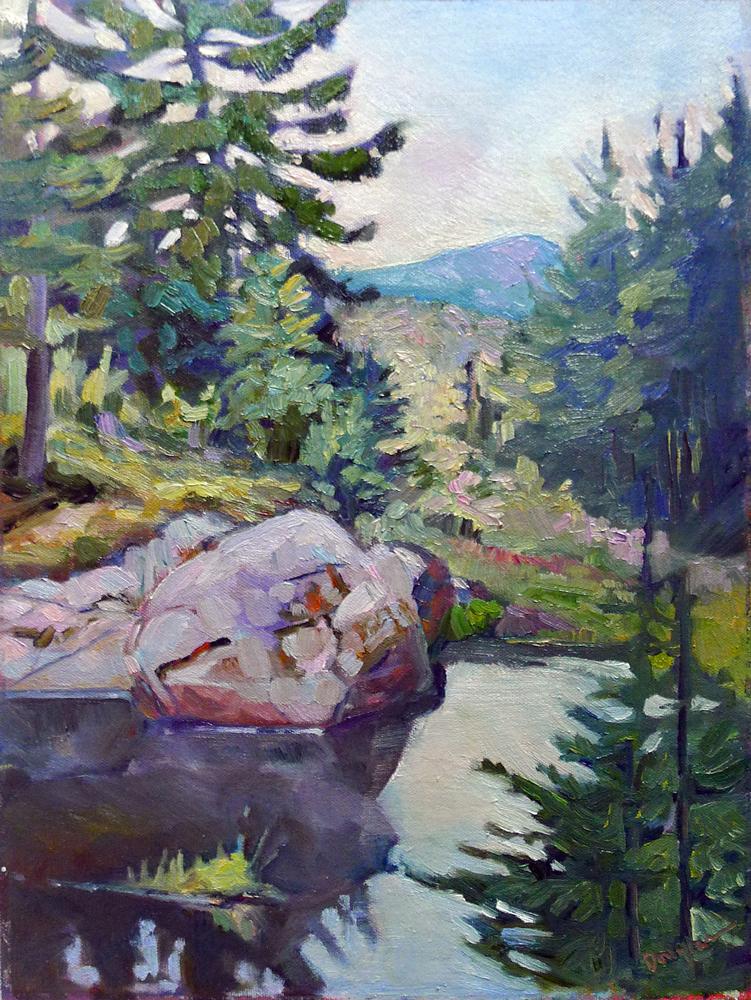
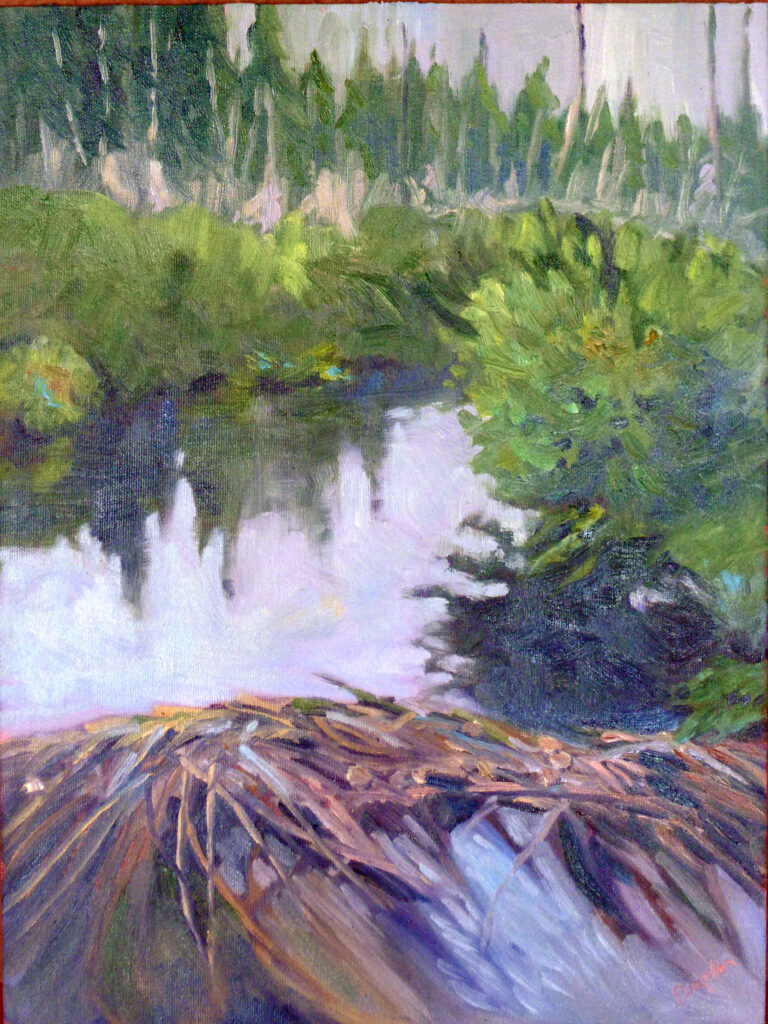
Barnum Brook, by Carol L. Douglas

You will learn everything you need to know to be a master oil painter

I initially learned to paint from my dad, who learned to paint in the middle of the 20th century, when art classes were far more technical than they are today. That was a huge help when it came time for me to take formal classes. I found there was a lot that was glossed over, especially about the nuts-and-bolts business of applying paint to canvas.

Master the Art of Oil Painting: Learn 7 Essential Protocols for Success starts with what you should buy—and why—so you have the best pigments and don’t waste money on non-essentials. We then spend considerable time on preparation, including drawing, composition, and the underpainting. From there I take you through the layers of alla prima painting. We finish with instructions on varnishing and framing your finished work.

If you pay attention and apply the lessons as you go, you will have a firm foundation on which to build your painting practice.

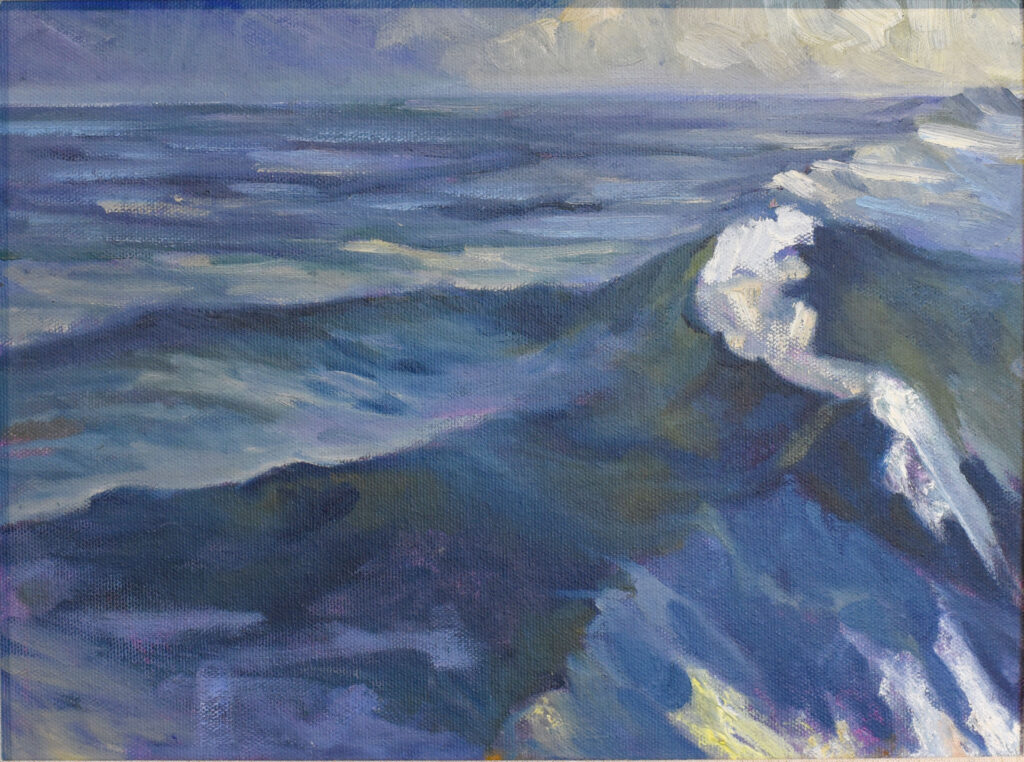
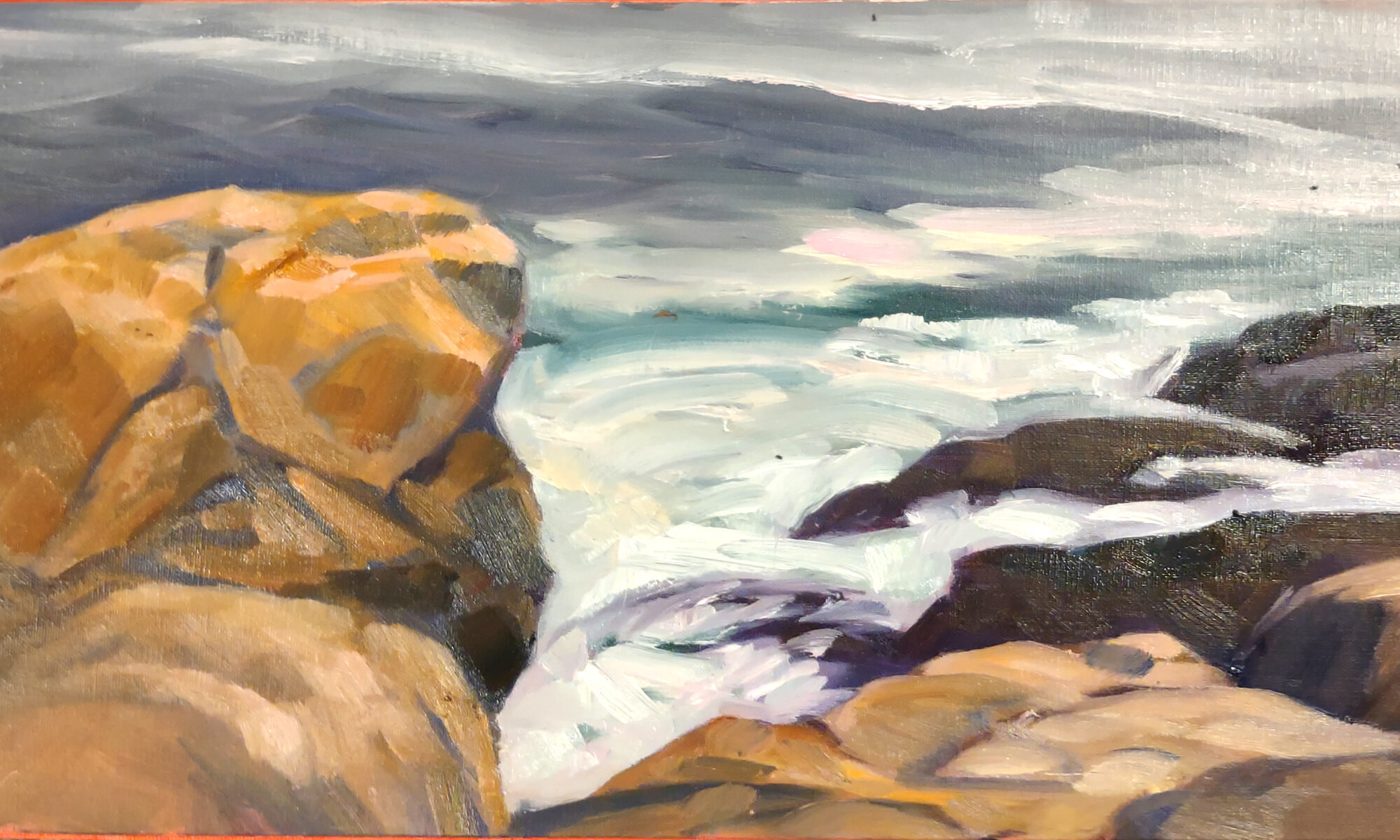
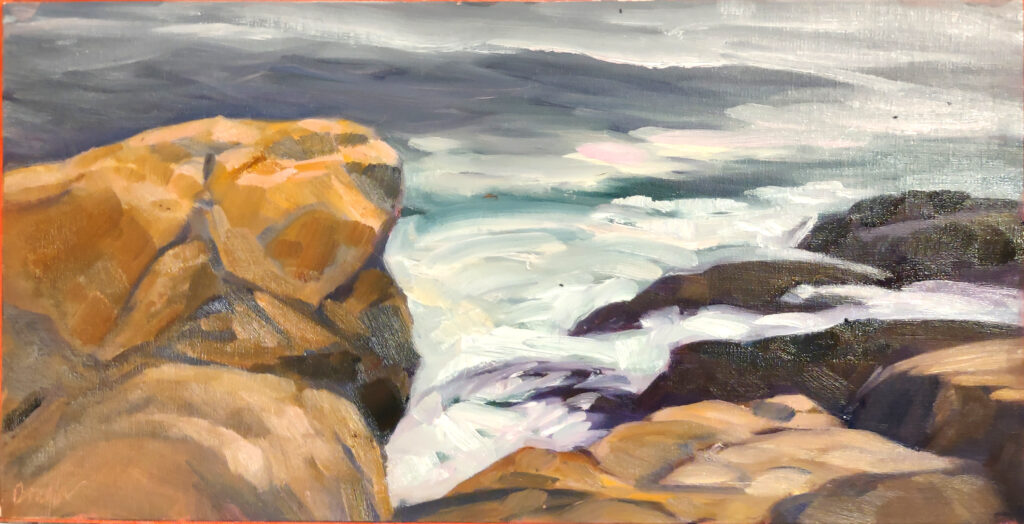
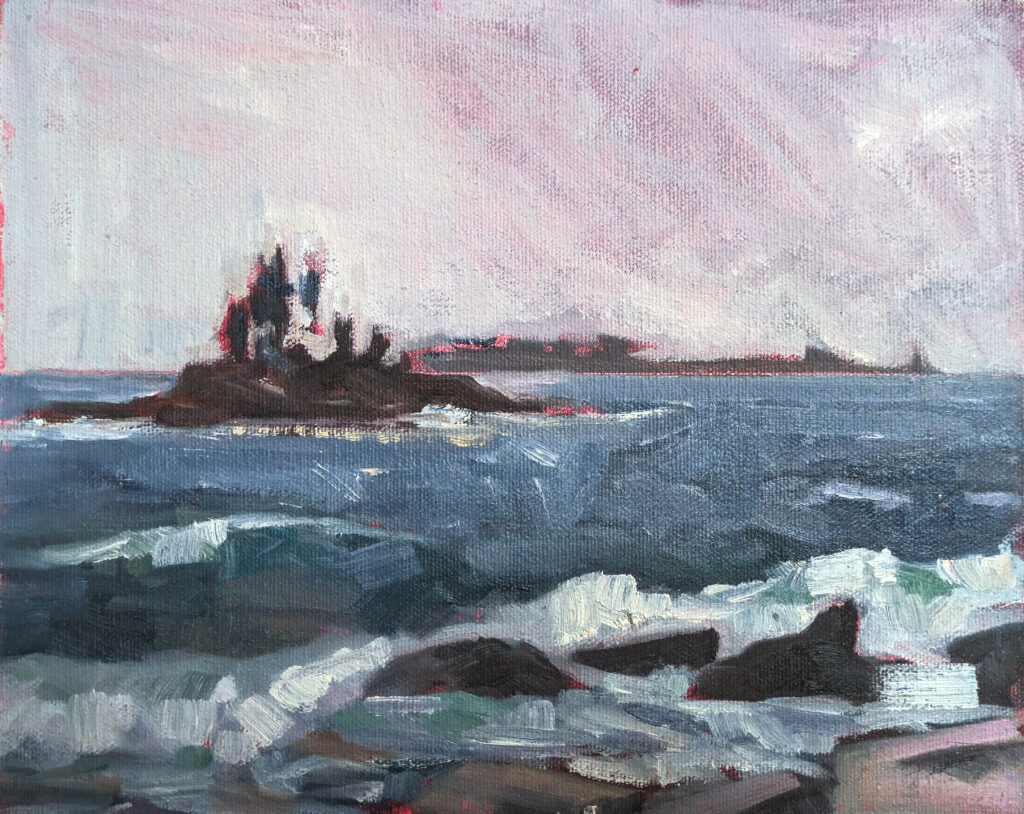
Surf’s up, by Carol L. Douglas.

Why learn to oil paint? I just want to express myself!          

You don’t have to learn technique to paint, but it sure helps. That’s true even when your goal is emotional rather than technical. Technique gives you the tools to express yourself clearly and powerfully. When you learn to oil paint, you save lots of wasted time, effort and materials.

To paint light, form, depth, perspective and anatomy convincingly, you need to understand how paint behaves and how to control it. Without technique, even strong ideas can come out muddled or confusing.

Technique gives you three basic confidence-builders:

  • Control – so your brush does what your brain intends.
  • Efficiency – that means less guesswork and flailing around.
  • Freedom – paradoxically, once you master technique, you’re free to break rules.

Technique is just the grammar of art. Want to learn to oil paint like Vincent van Gogh, Henri Matisse, Willem de Kooning, Nathan Oliveira or any other major ‘rule breaker’? They all looked raw to their contemporaries, but each had solid training underneath their experimentation. Technique makes the difference between a lucky accident and a deliberate, effective stroke.

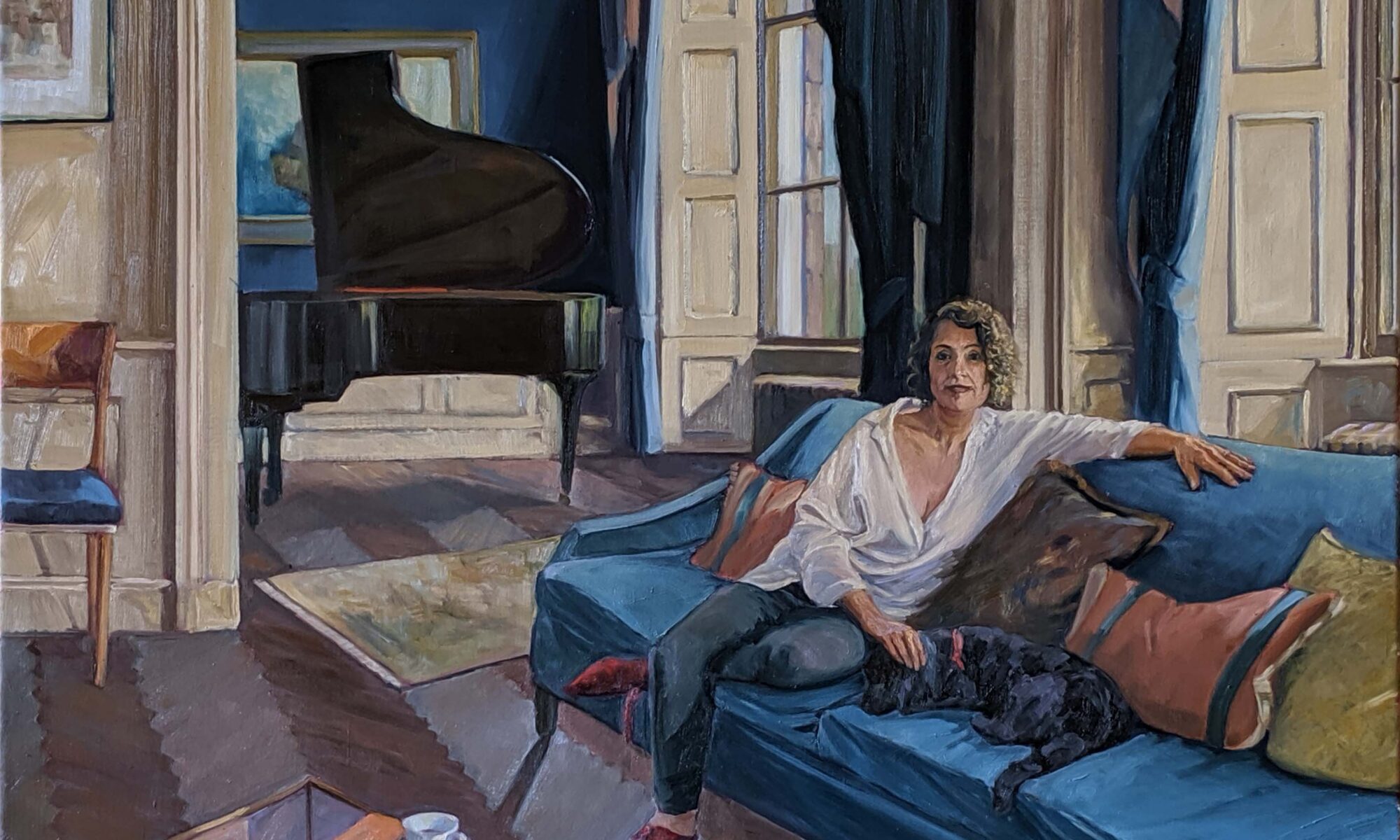
Commission portrait of Martha Vail Barker, Edinburgh Scotland

How to buy Master the Art of Oil Painting: Learn 7 Essential Protocols for Success

You can buy the entire set of lessons here, or buy the lessons individually (on the same page). Note that buying the whole package at one time gives you a $35 discount.

Registration is now open for workshops in 2026! Reserve your spot:

Can’t commit to a full workshop? Work online at your own pace:

Seven Protocols for Successful Oil Painters

The Immediate Landscape

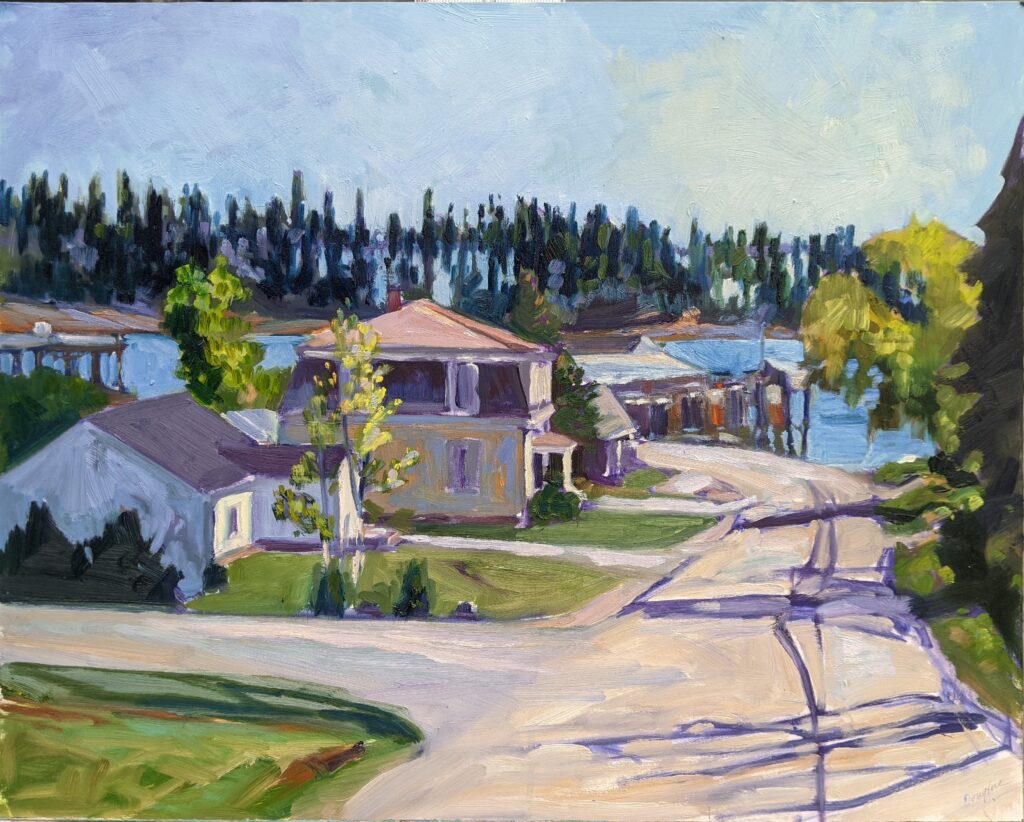
Main Street, Owl’s Head, oil on archival canvasboard, $1623 includes shipping and handling in continental US.

Carol L. Douglas Studio/Richards Hill Gallery
394 Commercial Street, Rockport, ME, 04856
June 28-July 10, 2025
Art gallery opening: Saturday, June 28, 4-7 PM
Gallery Hours: Tuesday-Sunday, noon-5 PM (closed June 25-26)

About Grace

Two posters by my little assistant, Grace.

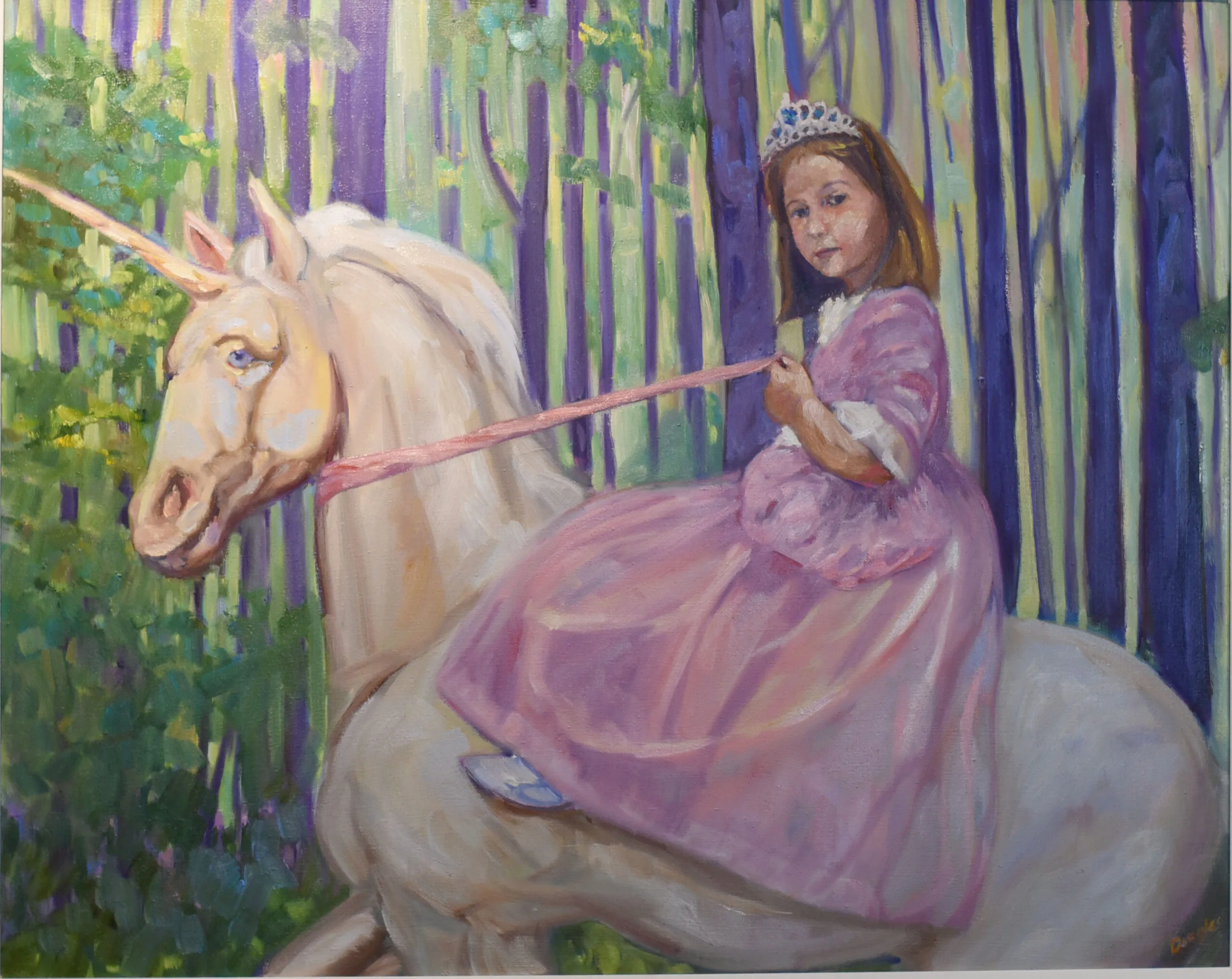
Before I talk about my upcoming show, I want to tell you about my granddaughter Grace, age 9. She was at my studio last week and made me some signs (above). You may remember Grace because she modeled for In Control (Grace and her unicorn) when she was five.

This child is my creative mini-me. That’s especially nice because, although I taught my kids to draw and paint, they all then went into the STEM fields. Most people wouldn’t think that was failure, but I took it personally.

Grace, on the other hand, lives in a towering collection of books, musical instruments and art and craft supplies. Some days, when I see her room, I’m exasperated. Other days, I pity my poor parents, because it looks eerily like my room at that age. To her engineer parents’ credit, they never limit her creative endeavors.

Grace recently decided I needed better signage for my art gallery opening. (The awning sign is down, awaiting replacement.) So, she made me the above, which I had to share with you.

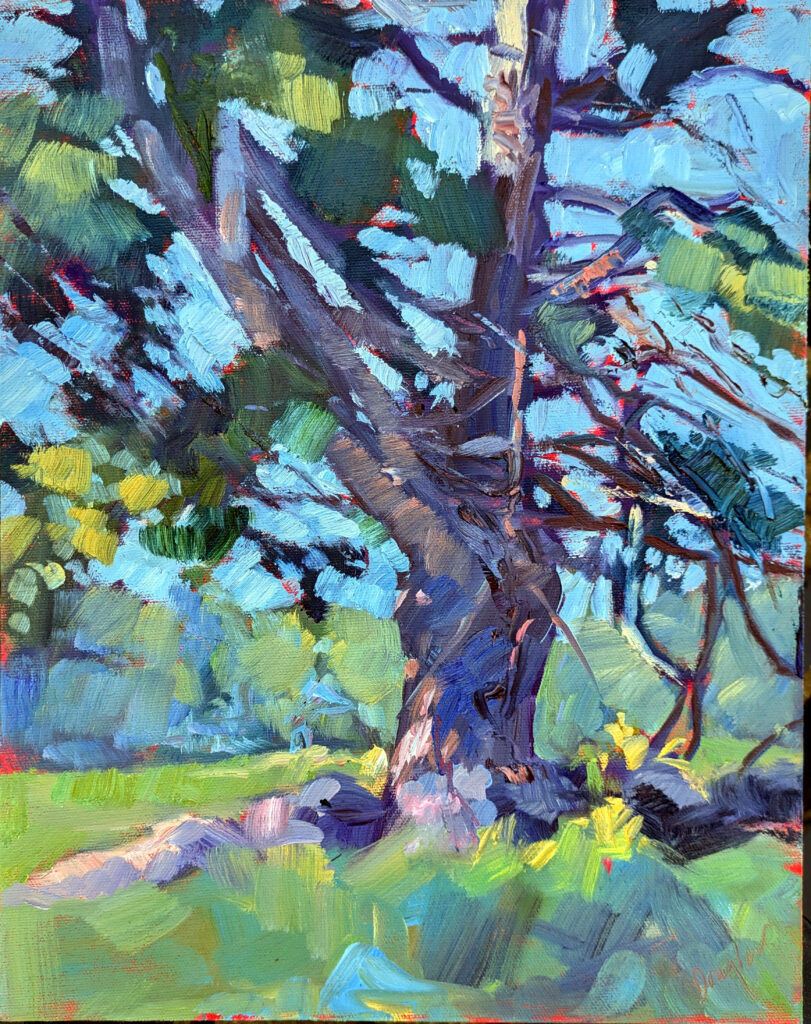
Mature Eastern White Pine, 11X14, oil on birch, $696 includes shipping and handling in continental United States.

Now, about my opening this coming weekend

We spend, on average, 1-2 seconds per image looking at pictures on Instagram. That leaves us more distracted and distractable than ever. And yet, the cure for that is all around us; that is to just slow down and look and listen. That’s especially true in a time where we spend way too much time doomscrolling (and I’m the worst offender).

The Immediate Landscape: a close observation of everyday beauty explores this theme through landscape painting. I’ve tried to pick paintings which are about the beauty of the natural world, because we’re hardwired to find nature beautiful. Lush greenery is lively. Open vistas suggest safety and brilliant colors represent vitality. Nature also contains patterns that appeal to our sense of harmony and balance.

The calming response to nature has been documented in many studies. Nature reduces stress and elevates mood. We associate it with peace. Over time, we’ve also overlaid nature with personal and cultural symbolic meaning.

Little Village, 6X8, oil on archival canvasboard, 435.00 framed includes shipping and handling within continental US.

So many of us spend our days in offices or on our computers. Natural landscapes offer what Instagram cannot, including irregular, everchanging forms instead of gridded structures, shifting, filtered light instead of artificial light, and timelessness instead of deadlines. That heightens our perception of beauty in nature.

This heat wave should be broken by the weekend, and I’ll be at my art gallery opening from 4-7 PM on Saturday, with wine and cool drinks and treats. Please join me!

Carol L. Douglas Studio/Richards Hill Gallery, 394 Commercial Street, Rockport, ME, 04856
June 28-July 10, 2025
Saturday, June 28, 4-7 PM
Gallery Hours: Tuesday-Sunday, noon-5 PM (closed June 25-26)

Registration is now open for workshops in 2026! Reserve your spot:

Can’t commit to a full workshop? Work online at your own pace:
Seven Protocols for Successful Oil Painters

Monday Morning Art School: common art scams

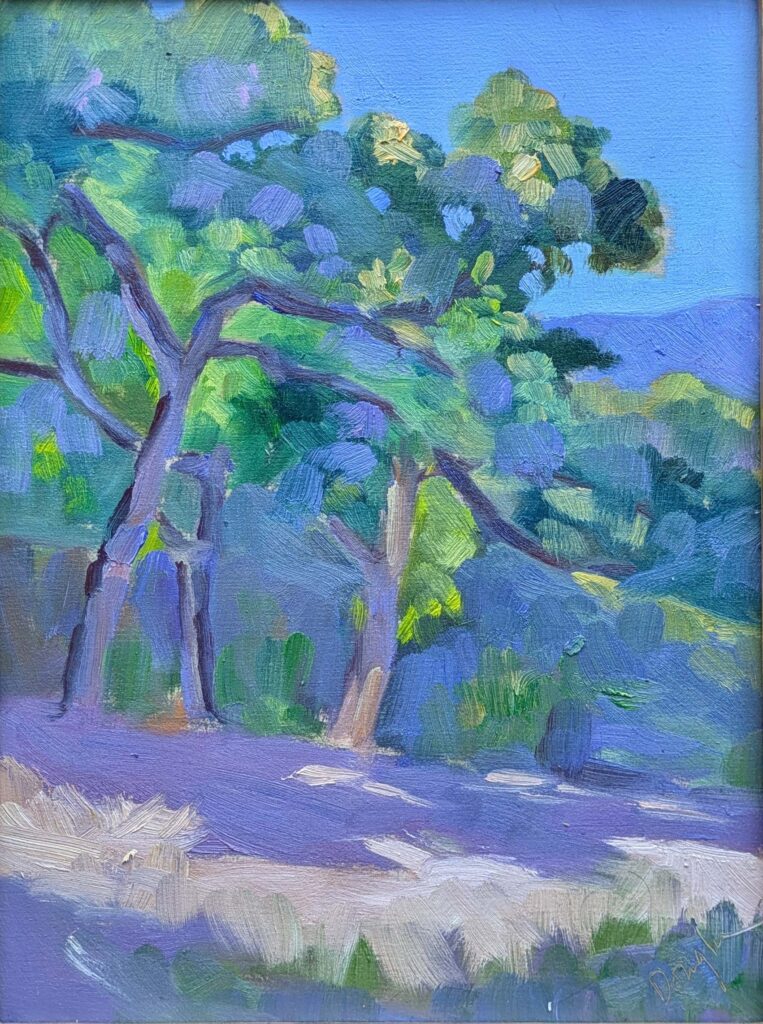
Cottonwoods along the Rio Verde, 9X12, oil on archivally-prepared Baltic birch, $696 includes shipping and handling in continental US.

Unfortunately, fine artists—especially those who’ve recently started selling their art—are inviting targets for scammers. Here are some of the current art scams:

An oldie-but-baddie, the overpayment scam

How it works: A buyer reaches out, eager to purchase artwork. They offer to send a check, usually more than the agreed amount, and ask the artist to refund the balance, supposedly to a shipping agent. The check bounces after the refund is sent. This scam, for the record, is mail fraud, but it’s so common I doubt the USPS has time to follow up every example.

Watch for these red flags: the contact will make vague references to your work, without requesting details of size, frame, or additional photos. They will offer to send an overpayment, with a request to refund the difference. These emails and messages always seem one step away from illiterate. They’re not exclusive to artists; a friend fell for one on a rental property deposit.

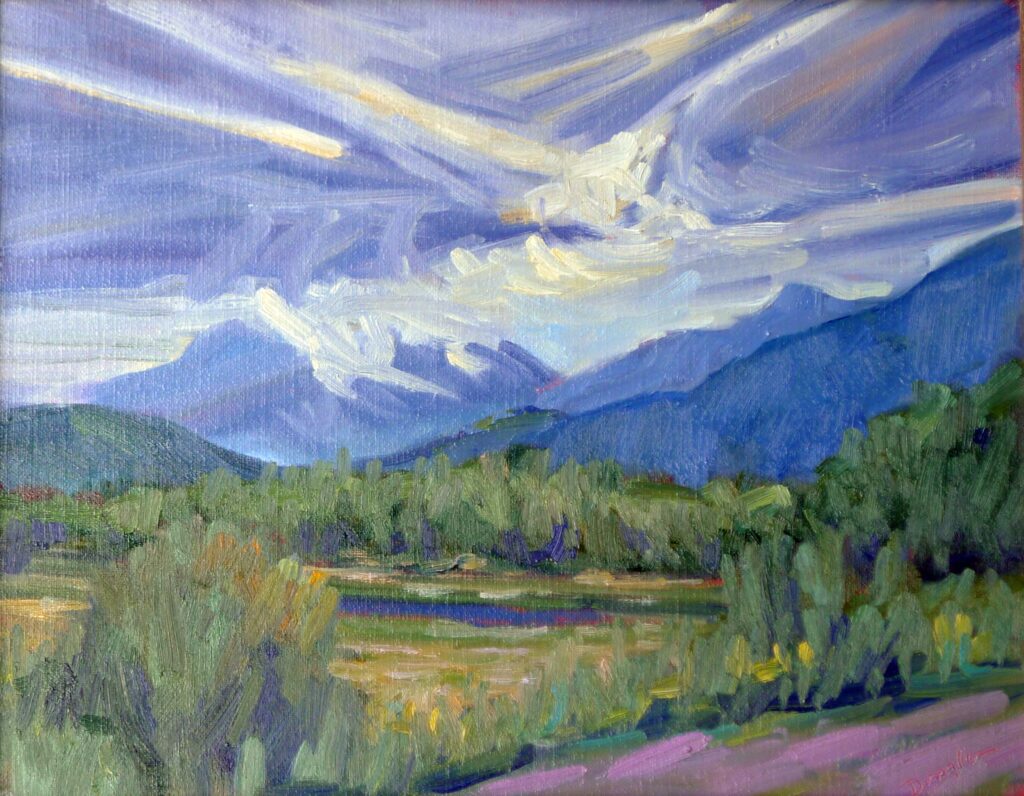
Brooding Skies, 8X10, oil on archival canvasboard, $522

Related: the third-party shipping company scam

How it works: A buyer says they will arrange for a third-party shipping company, but you’re asked to pay the shipping fees up front. Of course, the shipping company is fake.

Watch for this red flag: any time a buyer asks you to pay any third party, don’t. Get yourself a shipping account and do the shipping from your end.

The fake art dealer or pay-to-play gallery

How it works: you’re offered a spot in a show, magazine, or exhibition, but you have to pay a fee to participate. (This is different from entry fees to juried shows, which are legitimate.) These vanity galleries and publications have no real exposure or audience.

Watch for these red flags: you’re asked to pay to be featured, the websites are vague or poorly designed, and there are no verifiable credentials. I was recently ‘invited’ to a show with a major New York auction house. Very little research was necessary to show me that the curator had no connection with the real thing.

No Northern Lights Tonight, 6X8, oil on archival canvasboard, $348 includes shipping and handling in continental US.

Phishing and identity theft                                                    

How it works: Scammers pose as buyers to get your personal information or gain access to your online accounts.

Watch for these red flags: Suspicious links or attachments in emails or requests for login details, banking info or your peer-to-peer payment apps. Apps like Venmo or PayPal are not covered by the same banking rules as your credit card or checking account, which means less protection against fraud.

Another oldie-but-baddie: the NFT scam

How it works: you’re approached about turning your art into NFTs—but asked to pay upfront minting fees. Or your art is stolen and minted as NFTs without your permission.

Watch for these red flags: I get several of these messages a week through Facebook. They are high-pressure, even after I say I have no interest in NFTs. These people can’t clearly explain the platform, the process or how you will make money. Often there are upfront costs for future earnings.

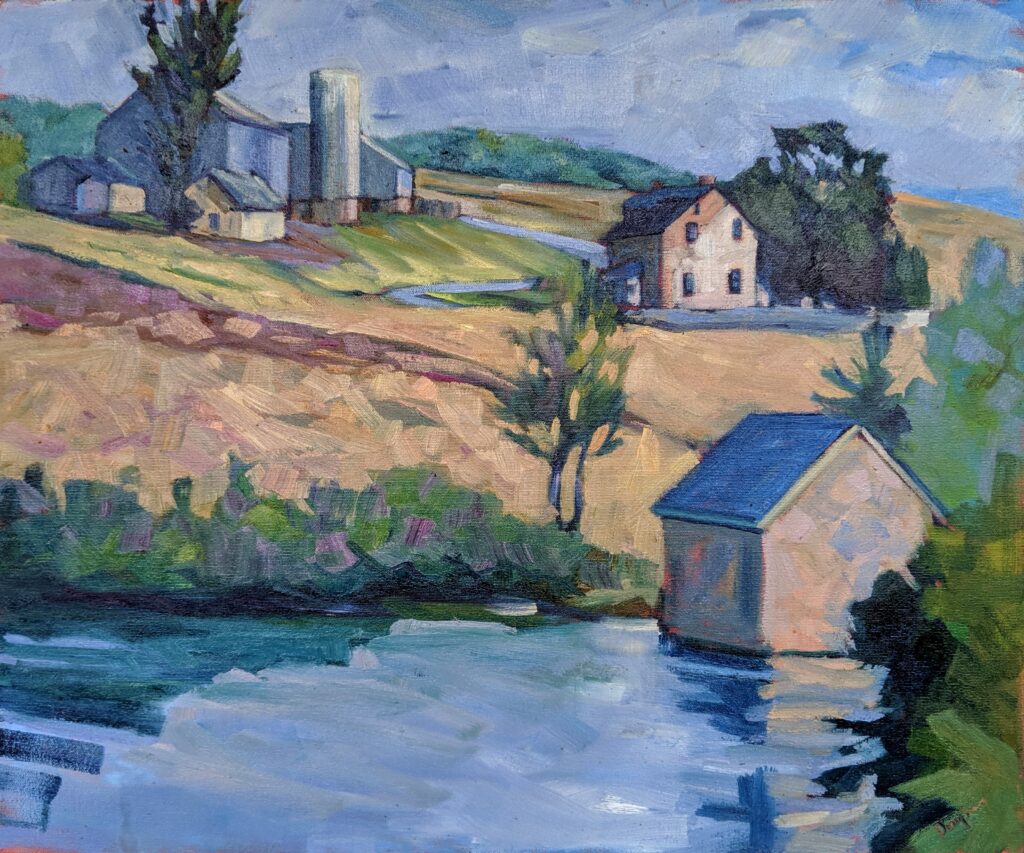
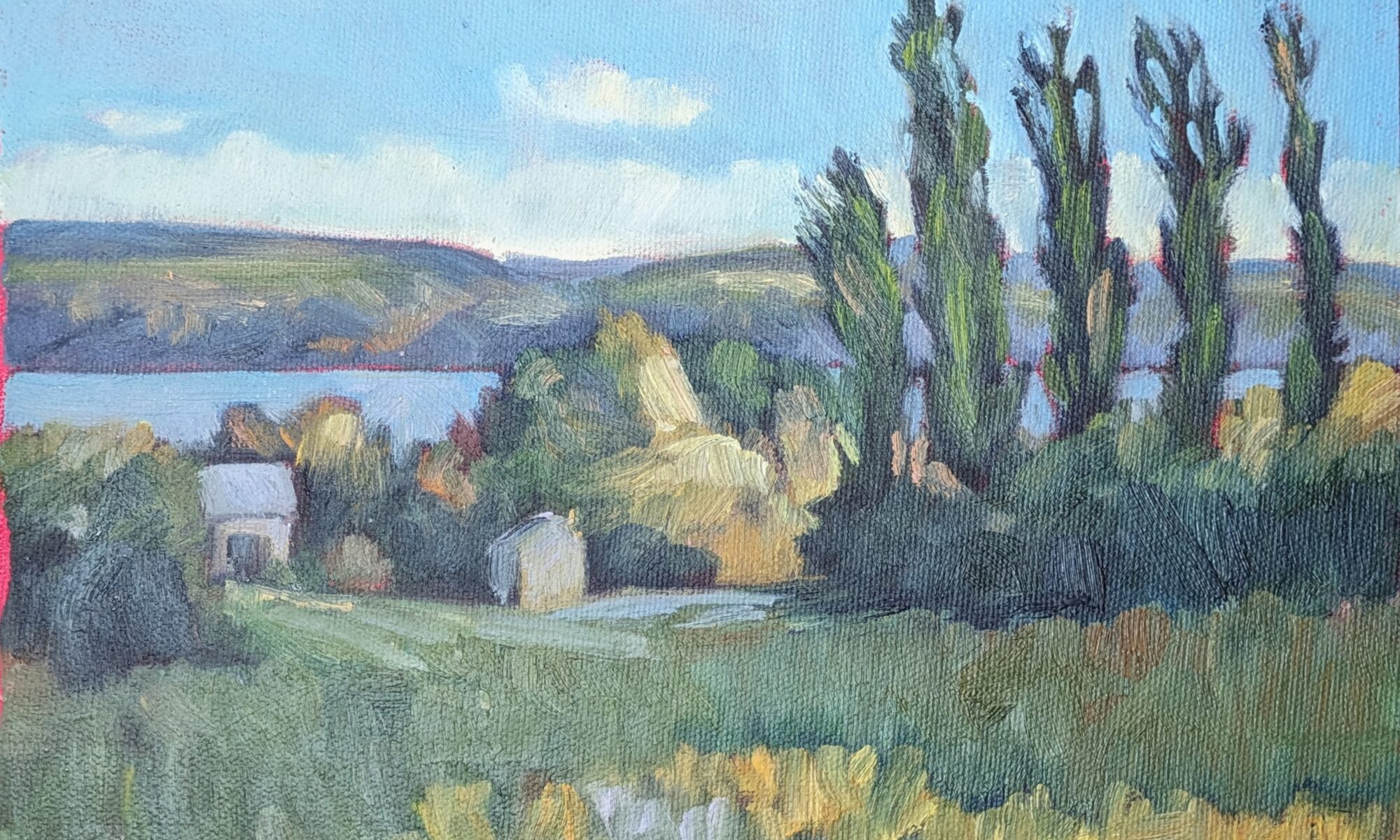
Île d’Orléans waterfront farm, 8X10, oil on archival canvasboard, $522 includes shipping and handling in continental US.

A rare but bad scam: gallery default

How it works: a gallery takes your work on consignment but doesn’t report sales or disappears with your pieces.

Red flags: no written contract, no inventory list or receipts, no communication. Sometimes these are signs of a disorganized gallerist, but you should be paid promptly (within 30 days) of a gallery sale.

How to protect yourself:

I only sell work through Square or, in rare instances, by check. Credit card services offer protection that is worth their high fees. But here are some guidelines to help you weed through suspicious offers:

  • Does the buyer reference a specific piece of your work and show a familiarity with your work, or is everything in generalities?
  • Does their email address match the gallery or name that the sender is using?
  • Can you verify their identity using LinkedIn, a gallery website or social media?
  • Are they pressuring you?
  • Are they offering to overpay or include shipping/refund instructions?
  • Do they ask you to send money to a third party?
  • Is the offer full of grammar and spelling errors?
  • Are you being asked for money?
  • Do you have a written contract for any gallery opportunity?

If it sounds too good to be true, it probably is.

Registration is now open for workshops in 2026! Reserve your spot:

Can’t commit to a full workshop? Work online at your own pace:

Seven Protocols for Successful Oil Painters

Finding your artistic voice in the age of social media

Best Buds, 11X14, oil on canvasboard, $1087 framed includes shipping and handling in continental US.

On Wednesday, I wrote about the influence of social media on art. That leads to an inevitable question: how do we find and maintain our authentic artistic voices while navigating a world driven by visibility, algorithms, and market pressures?

Artists have always struggled to find a balance between creative freedom and commerce. That’s especially true for those artists with unique viewpoints. Vincent van Gogh is a prime example of an artist who couldn’t sell his work but profoundly influenced art history. There are others who’ve waited lifetimes to be recognized, but who stayed true to their inner vision.

Then there’s the question of purpose, which I addressed here. Whether you think your art should sooth, heal, provoke or simply entertain, understanding why you make art helps you in finding your artistic voice.

In Control (Grace and her Unicorn), 24X30, $3,478 framed, oil on canvas, includes shipping in continental United States.

The arts and craftsmanship

Craftsmanship is so contrary to our digital culture that it can be a form of resistance. Finding your artistic voice may be as simple as slowing down and focusing on technique and observation. That’s especially important as we see AI eking out more territory in the visual world. What AI can’t do, right now, is copy the individuality of human creations, that gap between our inner vision and what comes off our paintbrushes.

Lean into your own story

I’ve been working on narrative painting for the last six months. Even though that’s not what’s easy for me to sell, I still think it’s the right move for me. In the age of mass-produced, digital artwork, the personal trumps the analgesic quality of much mainstream art. What we know and live is grounded, honest, and impossible for computers or copyists to imitate.

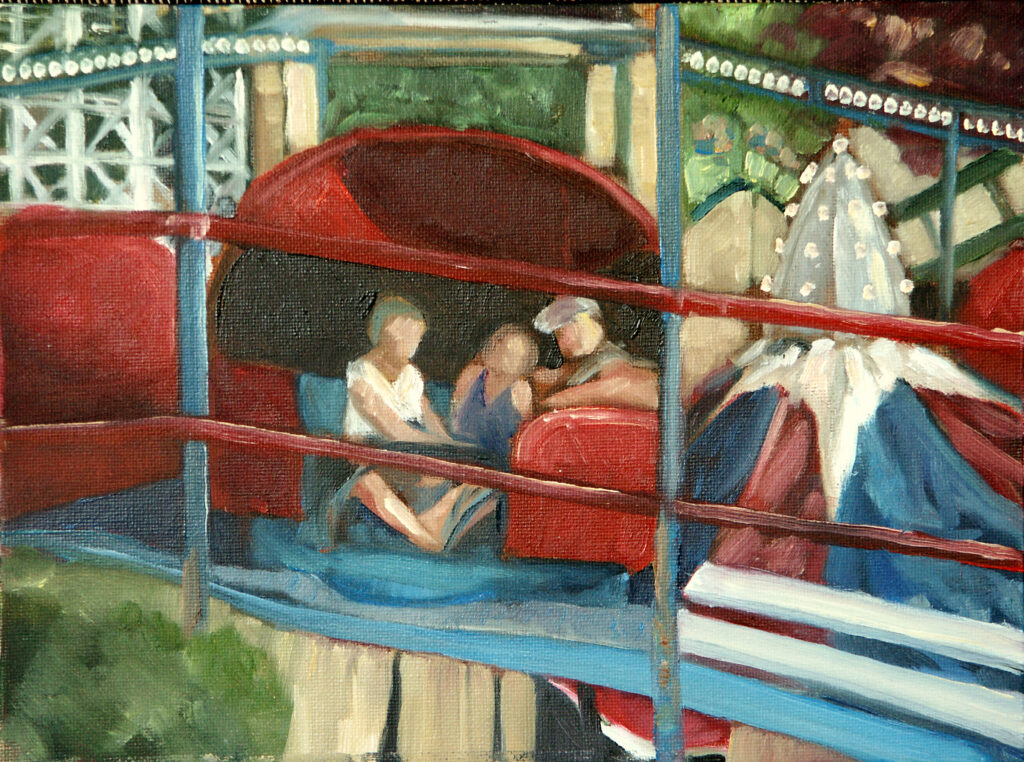
Tilt-A-Whirl, oil on archival canvasboard, $869 framed includes shipping and handling in continental US.

Be selective in using social media

I’ve spent several months trying to embrace Bluesky, despite thinking that my blue-haired church lady self isn’t a great fit there. Now Bluesky is flatlining. I can hustle to try to find the next new thing, but that’s like a dog chasing its tail. Yes, we should embrace social media platforms, but not to the point where they take over our lives.

My goal is to accept the social media game but on my own terms. Doing that successfully is a constant battle, both against my own lack of engagement and the inscrutability of what’s trending.

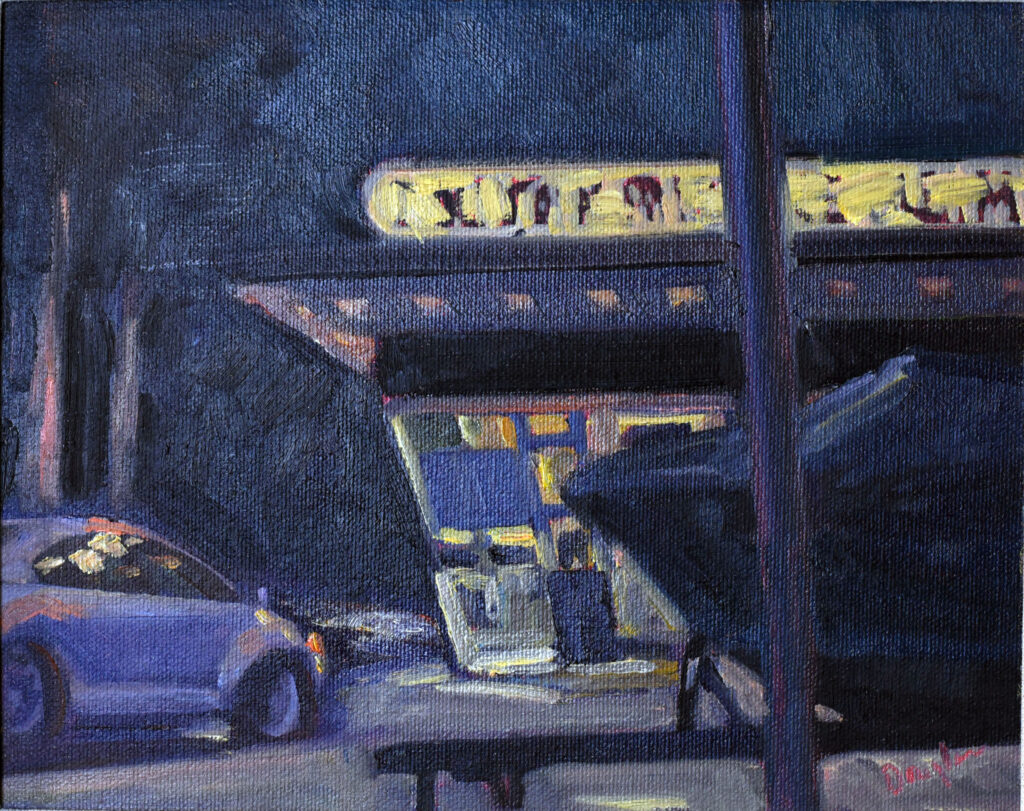
Ice Cream Stand, oil on archival canvasboard, $869 framed includes shipping and handling in continental US.

Experiment

I have a student who has been experimenting with combining watercolor with gouache. You might think that sounds simple, but it requires planning to merge passages of opacity and transparency in the same work. I’ve been delighted by her finished work. Breaking from what she knew seemed to help her sidestep the compositional and brushwork habits she’d learned in watercolor. To some degree, the medium is the message, as Marshall McLuhan famously said.

Registration is now open for workshops in 2026! Reserve your spot:

Can’t commit to a full workshop? Work online at your own pace:
Seven Protocols for Successful Oil Painters

Art and social media

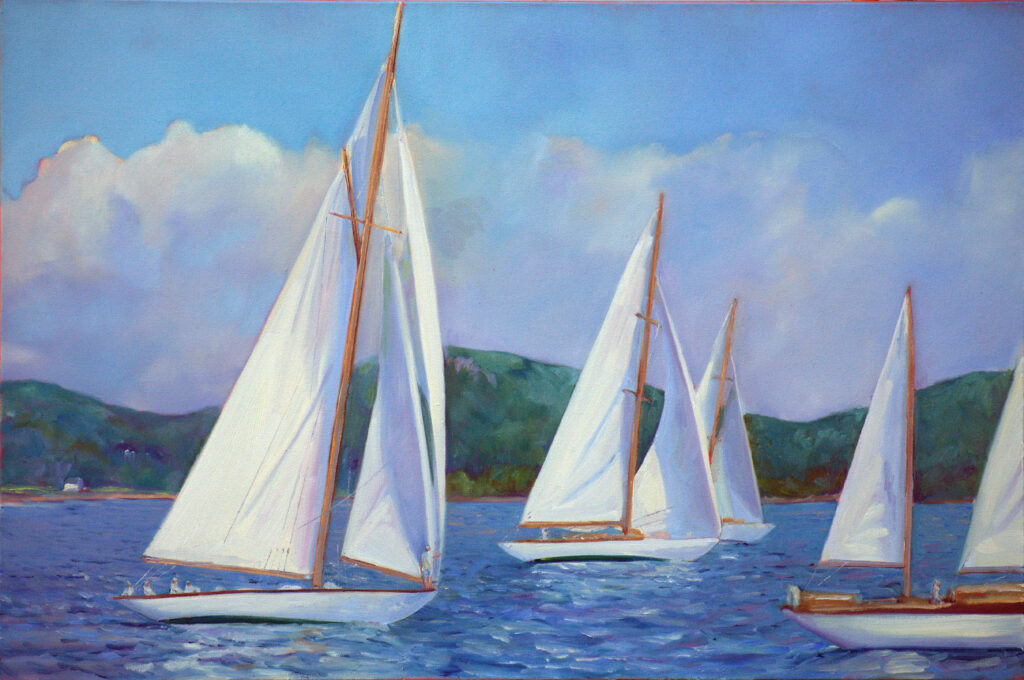
Camden Harbor, Midsummer, oil on canvas, 24X36 $3188 includes shipping in continental US.

Yesterday, I did an interview for this autumn’s Artworks for Humanity. The conversation got me thinking about the relationship between art and social media.

How does social media shape creativity?

Social media is a two-edged sword for the creative. It can energize our thinking or chip away at our self-esteem.

I can now visit more museums in a day than I used to be able to visit in a year. The internet gives us instant access to others’ ideas. That’s great for cross-pollination, learning about trends, and feeling like part of the larger creative world. Social media can give you feedback and help you find your tribe, particularly when you’re a niche artist.

Beautiful Dream, oil on archival canvasboard, $1449 framed includes shipping and handling in continental US.

At the same time, social media is essentially isolating, since we post and consume it alone.

Constant comparison with others makes me feel less productive and less creative. The feedback one gets is seldom deep, thoughtful or intelligent. Rather, it’s distilled down to things like, “Love this,” or “Beautiful!” Worse, it can simply mean capturing as many likes as we can get.

Fear of negative feedback can steer us back toward safer subjects. That has been one of the bugbears interfering with my own work over the last few months. None of us like to admit that we seek validation, but we do.

When we’re always on display, it’s too easy to play it safe. I mentioned on Monday that I’m not sharing my sketchbook right now, because it’s full of half-baked ideas. When I’m playing to the crowd, I avoid risks.

Social media favors easily-digested content, like reels, stories, and time-lapses of work in the making. That encourages output over depth, which is why those acrylic paint-pouring videos are so popular.

Inlet, 9X12, oil on archival canvasboard, $869 includes shipping and handling in continental US

Small video screens favor images that are high-saturation. Yesterday, I was showing Inlet (above) to a gallery visitor. I love this painting for its accurate rendering of the boreal woods, but it doesn’t read wonderfully on social media. It’s dark, cool and low-chroma.

I like high-chroma painting as much as anyone, but it’s not the only kind of art that has value. Often, other art wears better over time.

How has the rise of social media changed how we make art?

Before the internet, artists created work with gallery visitors, clients and themselves in mind. Today we ask, “How will this look on Instagram?” This shifts the intention of the work, but it also affects how we make it. We’re living in the age of bold color and brushwork, because these are the things that look good on a small screen. Fewer people concentrate on the gemlike beauty of indirect light, despite its long history in painting.

Social media favors regular posting. That makes speed paramount. Painting to trending hashtags (like challenges) or good Search Engine Optimization (SEO) terms is a sadly common idea. Consciously or subconsciously, artists prioritize what’s shareable over what’s meaningful or complex.

You might say these things don’t matter to you, but you wouldn’t even be seeing this blog if I didn’t tailor the word order in my posts to SEO. Without it, the most beautiful content sinks like a rock.

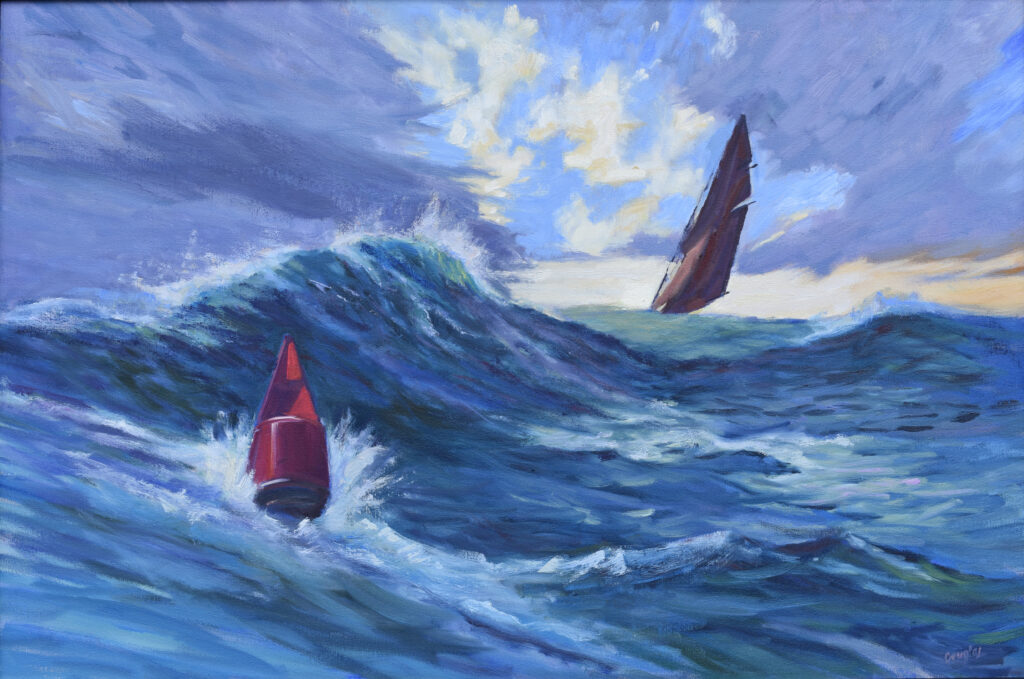
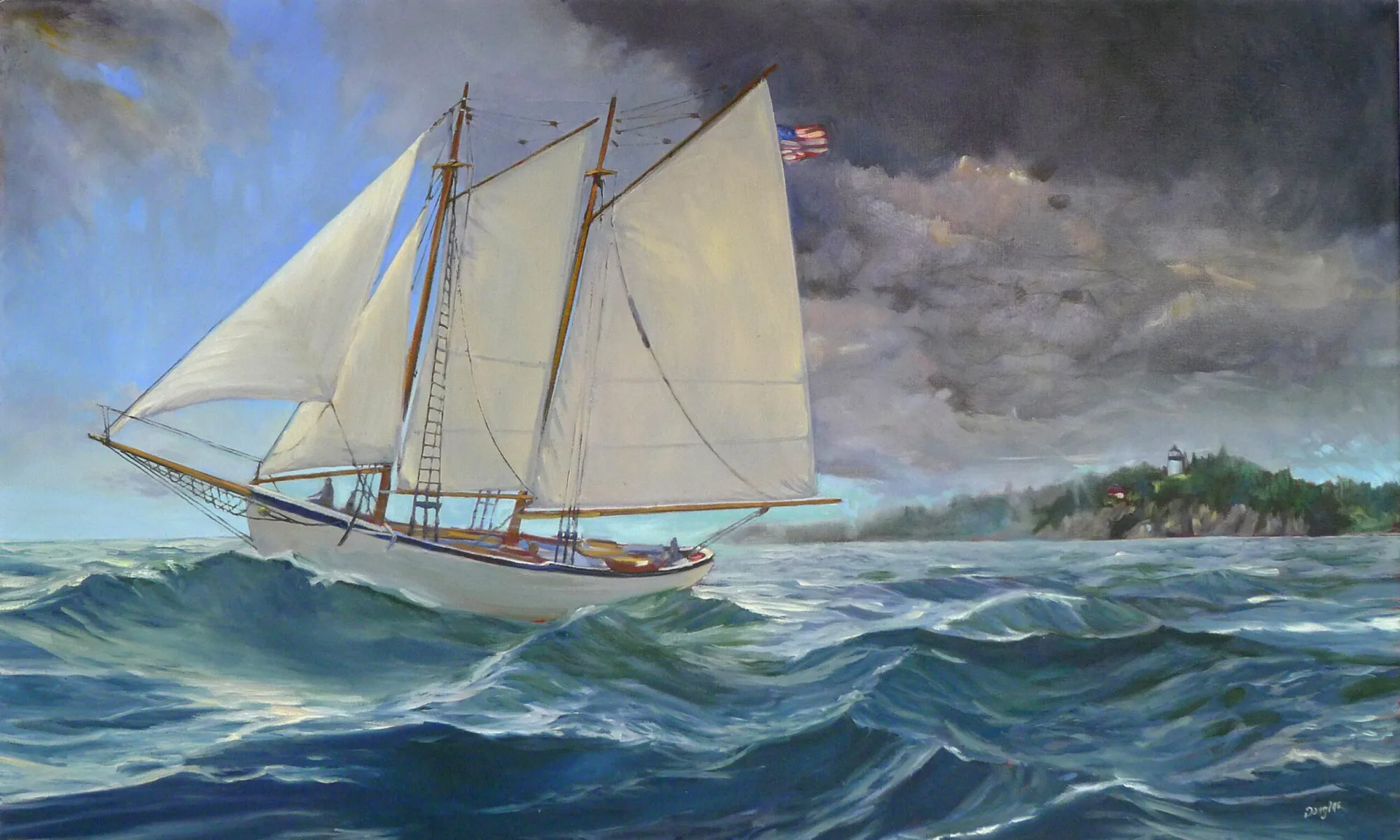
Heavy Weather (Ketch Angelique), 24X36, oil on canvas, framed, $3985 includes shipping and handling in continental US. This is one of the paintings currently at Lone Pine (see below).

Painting is not performance art

I’ve made enough painting videos to know that the camera always affects my final product. Time-lapses, reels, and behind-the-scenes content have made the performance of art-making paramount in art and social media. Thoughtful painting is a slow, laborious, constantly shifting process. It’s full of mistakes, missteps, and bad ideas, none of which are telegenic.

Come see me tomorrow in Camden

I’ll be at Lone Pine Real Estate, 19 Elm St., Camden, ME, from 5-7 for this month’s Camden Art Walk. Stop by and I’ll buy you a glass of wine!

Registration is now open for workshops in 2026! Reserve your spot:

Can’t commit to a full workshop? Work online at your own pace:

Seven Protocols for Successful Oil Painters

Monday Morning Art School: art in times of stress

Skylarking II, 18×24, oil on linen, $1855, includes shipping in the continental US.

This may come as a big surprise, readers, but we’re in a period of upheaval. We all react to stress differently, but for many of us, it’s very hard to concentrate during challenging times—we’re too busy worrying and doomscrolling to focus on anything positive.

While keeping your artistic practice alive through stressful times is challenging, it can also be healing.

Breaking Storm, oil on linen, 30X48, $5579 framed includes shipping and handling in continental US.

First, let’s talk about working when you’re feeling paralyzed:

Lower the Bar Without Losing the Thread

I’ve just come through a long artistic drought. My way of coping was to do less, but to at least do something. For me, that meant drawing instead of painting, and I clung to teaching my weekly classes.

Doing something could mean watercolor sketches, tiny color studies, or even color-mixing charts. These are practice strokes against the day when you’re ready to start really painting again.

Make a tiny window of time just for art

When my house threatens to overwhelm me, I make a point of putting away ten things and then stopping. I insist on the stopping because if I don’t tell myself that, I’ll never start. It means cleaning isn’t an insurmountable burden.

A similar technique works with art practice. Make yourself a tiny ritual: sketching for ten minutes while you drink your coffee, for example. Humans find comfort in routine. And stop telling yourself that you have more pressing responsibilities. Anyone can afford ten or twenty minutes; I’ve wasted more time than that reading about the Kardashians.

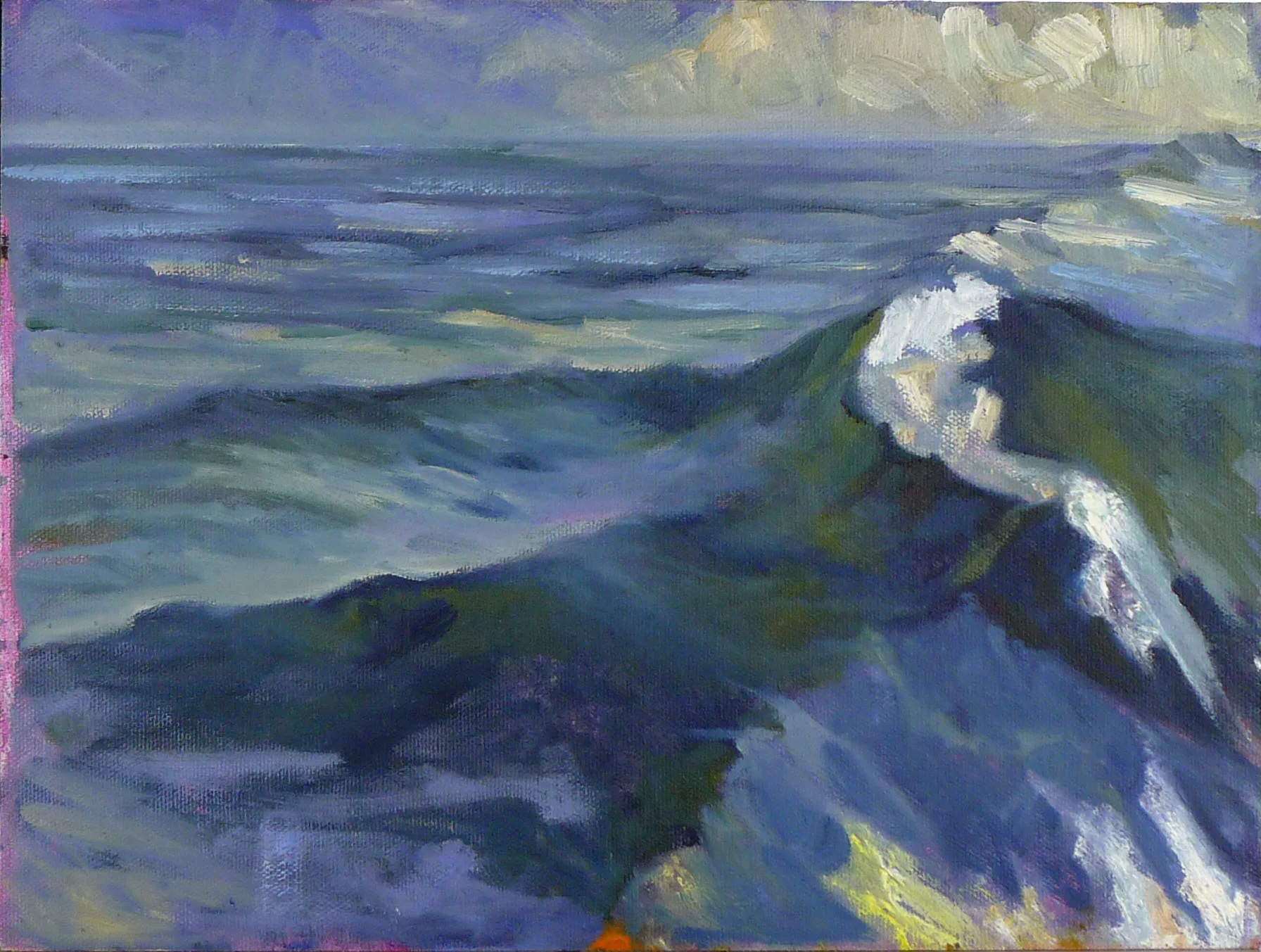
The Wave, 9X12, oil on archival canvasboard, $869 framed includes shipping and handling in continental US.

Keep an idea journal

I can’t stress the importance of drawing your ideas, even if they’re just scribbles. Even chaotic things have creative value. I’ve recently stopped sharing my sketches, because they’ve suddenly gotten less-developed and more experimental. Not everything needs to be finished for public consumption.

Switch up your medium

When I’m flailing around in oils, I switch over to watercolors. They feel more relaxing, even though there are just as many ways to mess them up. It’s not that another medium is easier; it’s just that it applies pressure in different spots.

With a little help from your friends

Painters do art alone, but that doesn’t mean we need to isolate ourselves. I survived my art drought with the support of my students and my close friends. Even when you’re too paralyzed to make art, you can talk art, and that in itself can get you moving again.

Be patient with yourself

Okay, that’s easier said than done, especially for us impatient people. But your creative drought is also when you’ll gather new ideas and insights, think and even rest. It took me months to have the epiphany that got me moving again, and that was all built on the back of indirect work.

Skylarking, 24X36, oil on canvas, $3985 framed includes shipping and handling in continental US.

How does art reduce anxiety?

Let’s talk about why you should keep making art even if you’re feeling overwhelmed right now.

First, you’ll find that it helps reduce anxiety. When you make art, your brain shifts from a stress-driven state (the sympathetic nervous system) to a calmer state (the parasympathetic nervous system). Your heart rate slows, cortisol levels drop and breathing deepens.

Psychologically, making art puts you into a flow state. That has no past or future and therefore little space for worry. Art is, of course, all about making the intangible tangible, which helps you externalize feelings (even if what you’re making has nothing to do with emotion). That reduces the power of anxiety.

Art therapy has been proven to work for PTSD, depression, and chronic stress. Why not let it work for us, too?

Registration is now open for workshops in 2026! Reserve your spot:

Can’t commit to a full workshop? Work online at your own pace:
Seven Protocols for Successful Oil Painters

The Seven Deadly Sins of Paintbrushes

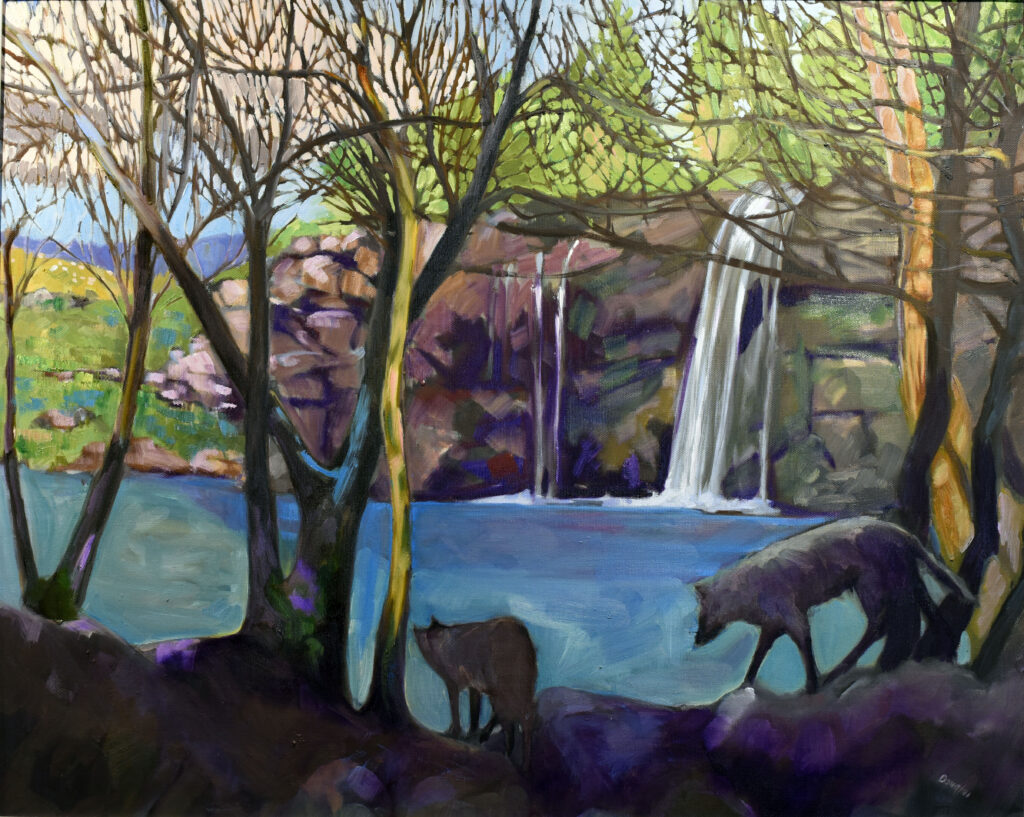
Ravenous Wolves, oil on canvas, 24X30, $3,478.00 framed includes shipping and handling in continental US.

I used to be a terrible abuser of paintbrushes. That’s a bad mistake, because brushes are expensive. If I wasn’t forgetting them in my plein air pack, I was dropping them overboard. And although I spent lots of time while cleaning them, I seldom managed to get them completely clean.

I’m reformed now, ever since my daughter Mary started making brush soap for me.

Before I talk about how to clean a paintbrush, let’s talk about what you shouldn’t do to them.

In Control (Grace and her Unicorn), 24X30, $3,478 framed, oil on canvas, includes shipping in continental United States.

The Seven Deadly Sins of Paintbrushes:

  • Not cleaning brushes immediately after use.
  • Not cleaning all the paint out of your brushes. Cleaning is easy for watercolorists, but with oils it means making sure the paint deep inside the ferrule is removed, or the brush will splay. That’s not fixable.
  • Using anything but clear, cool water to rinse your watercolor brushes. They don’t need or like soap.
  • Letting brushes stand in solvent or water while painting. It’s not just bad for your brushes, it’s bad for your technique.
  • Using brushes to scrub, dab, or any other motion that puts undue pressure on the bristles.
  • Storing brushes in a way that distorts their bristles.
  • Mixing oils and acrylic paints with a brush rather than with your palette knife. Not only do you not mix enough paint, mixing with a brush forces paint up into the ferrule, where it is hard to remove.

How to clean a paintbrush

Watercolorists have it easy. Simply rinse in clear, cool water, shake out the excess water, wipe down the handle, shape the bristles with your fingers and allow the brush to dry before putting it back in its case.

For oil painting, it’s easier for me to just show you:

Can you wash paint brushes in the sink?

“Will cleaning oil painting brushes clog up my sink?” a reader asked. I addressed that question in the above video, but the short answer is, you must remove all the solids from your brush with odorless mineral spirits (Gamsol or Turpenoid) first. If you do that, you’re fine. Otherwise, the soap and oil paint will form a thick emulsion that can, indeed, clog sinks.

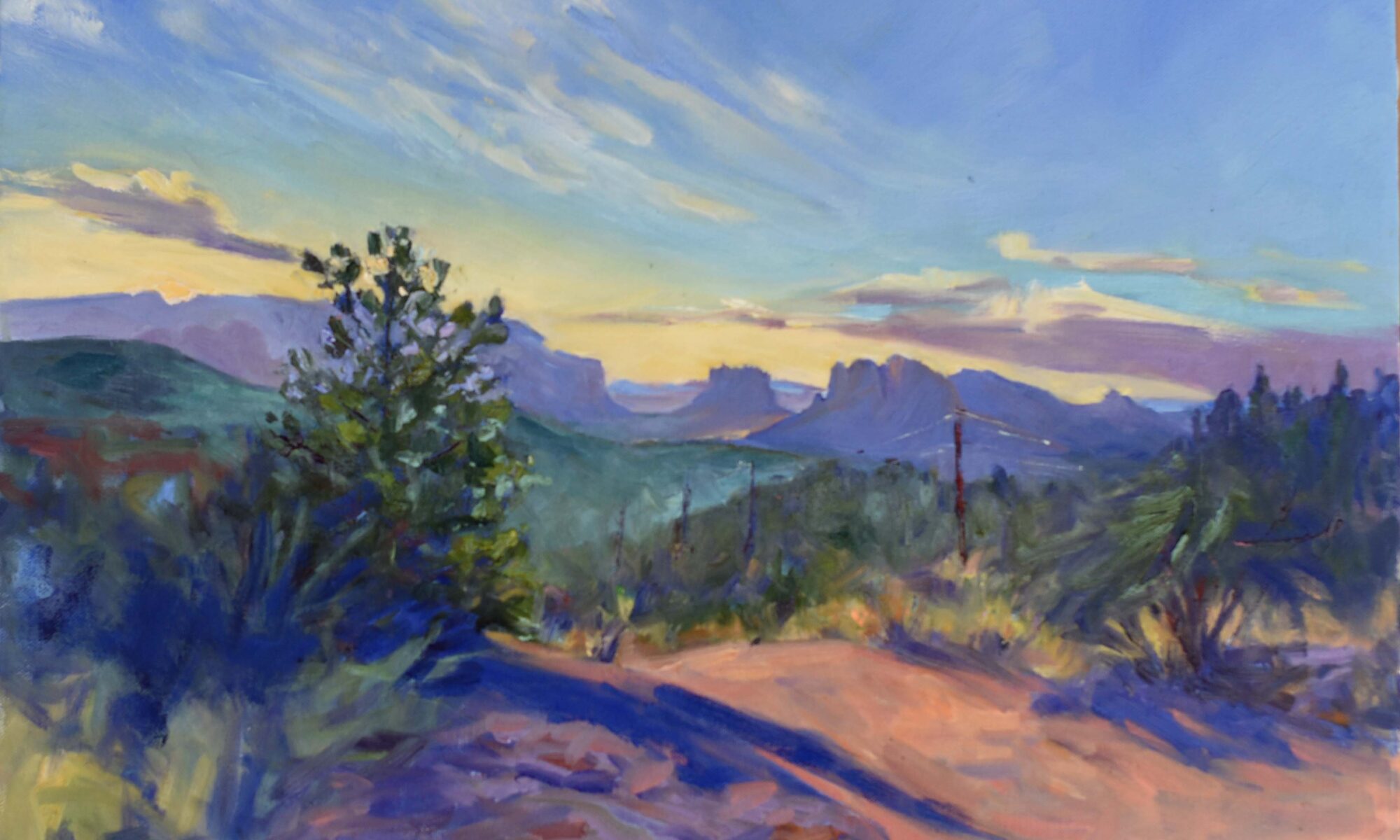
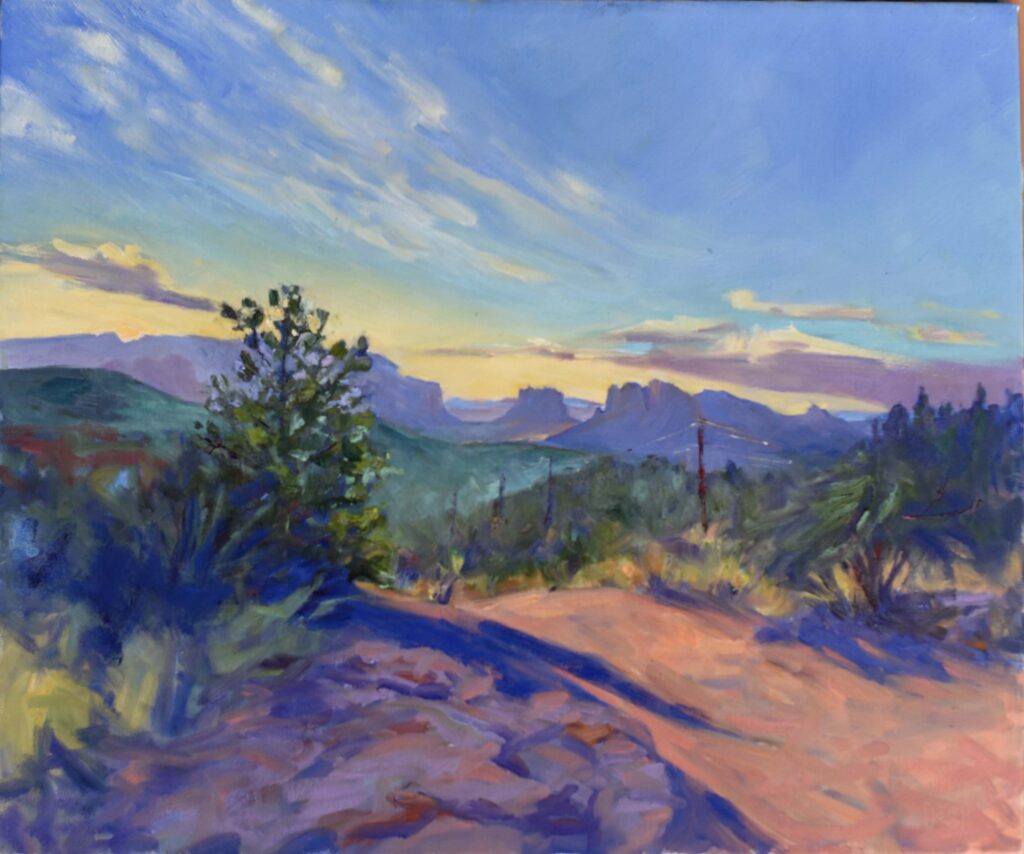
Dawn along Upper Red Rock Loop Road, Sedona, 20X24 oil on canvas, $2318 unframed includes shipping and handling in continental US.

A word about Rowan Branch Brush Soap

Our Rowan Branch brush soap is a vegan, oil-blend natural cleaning agent. It includes coconut oil, which I’ve found to be a particularly effective brush cleaner. My daughter Mary makes it for me in small batches, and we’ve just restocked, so it’s now available again for mail order.

“Your brush soap is seriously great. Better than Murphy’s or the pink stuff from Jerry’s. I can always get a little more out with yours,” said Mark Gale.

Mary has a small shop (the room behind her kitchen) and for a while, we’d run out of stock. However, she’s resupplied our inventory, so you can order new brush soap now.

Registration is now open for workshops in 2026! Reserve your spot:

Can’t commit to a full workshop? Work online at your own pace:
Seven Protocols for Successful Oil Painters

Is there a right or wrong way to do art?

Bunker Hill overlook, watercolor on Yupo, approx. 24X36, $3985 framed includes shipping and handling in continental US.

Is there a right or wrong way to do art? That’s a question that artists have debated for centuries. Just to be slippery here, there’s no right or wrong answer.

Jean-Auguste-Dominique Ingres would have been baffled by Tracy Emin’s My Bed, which was shortlisted for the 1999 Turner Prize. It’s just a dirty, unmade bed, surrounded by feminine detritus. (For the record, a quarter of a century later, I’m annoyed that it sold at auction for £2,546,500 when paintings by Great Britain’s greatest late-20th century painter, James Morrison, could be had for a few thousand pounds.)

For Ingres and other Neoclassical painters, My Bed would definitely be considered the wrong way to do art. To be fair, they would also have thought that Henri Matisse and Vincent van Gogh were short of art technique.

Aesthetics is a moving target. But that doesn’t mean that art operates in a value-free world, although some of the art world’s excesses might have you believe otherwise.

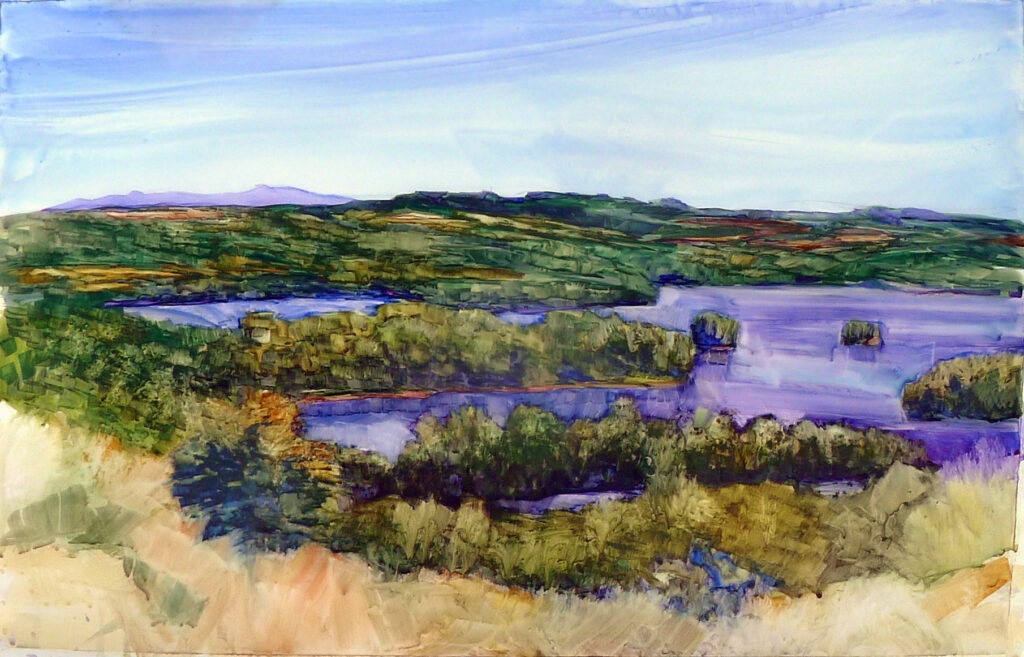
Clary Hill Blueberry Barrens, watercolor on Yupo, ~24X36, $3985 framed includes shipping and handling in continental US.

The creative side of the argument

Art is ultimately a form of expression and communication, and each of us has a specific viewpoint and our own voice. Art history is full of rule-breakers who changed the direction of the visual arts.

In terms of personal expression, the only unbreakable rule is honesty in intention. Ironically, that’s one rule I find myself breaking all the time. It’s easy to give lip service to intellectual and emotional transparency, but just when I think I’ve gotten there, I realize I’ve thrown up another wall.

The Surf is Cranking Up, 8X16, oil on linenboard, $903 includes shipping and handling in continental US.

The technical side of the question.

Within specific disciplines, there are standards of craft and technique. These include the fundamental elements of design, the practical business of getting your ideas from concept to execution, and theoretical aspects like color theory. I’ve had the occasional student who believed that learning these things limited their range of expression. In fact, not knowing art technique left them flailing around. The learning curve can be steep when you’re teaching yourself by experimenting.

Different disciplines suit different purposes, audiences and intentions. You wouldn’t play Bach’s Harpsichord Concerto in D minor at your local dive, and Proud Mary wouldn’t go over too well at the Metropolitan Opera. Likewise, it would be peculiar to do encaustic in a plein air event, or completely abstract a portrait commission.

Quebec Brook, oil on archival canvasboard, $1449 framed includes shipping and handling in continental US.

Where does that leave you?

First, learn the rules, so that when you break them, you do so intentionally and with purpose. That means understanding why people have traditionally done things in the order they’ve done them. When you do break rules, understand the consequences.

Stay open to growth. We never want to become parodies of ourselves, and that requires accepting change.

I had an epiphany this week, which was that sometimes you have to wait a long time for epiphanies. They simply can’t be rushed. The only way through the drought is to keep thinking and working. Sometimes I just hate that.

Registration is now open for workshops in 2026! Reserve your spot:

Can’t commit to a full workshop? Work online at your own pace:
Seven Protocols for Successful Oil Painters

Monday Morning Art School: is artist self-doubt normal?

Cottonwoods along the Rio Verde River, $696 unframed, oil on Baltic birch.

“If you hear a voice within you say ‘you cannot paint,’ then by all means paint, and that voice will be silenced.” (Vincent van Gogh)

If Van Gogh occasionally felt like that, what hope is there for the rest of us? But don’t give up quite yet; not only is artist self-doubt universal, it’s also a helpful part of our growth process.

Artist self-doubt is a sign that we care deeply about our work and are pushing ourselves creatively. Most serious artists, from students to professionals, wrestle with questions like:

“Is this any good?”

“Am I really an artist?”

“Who really cares about this, anyway?”

In fact, when you aren’t asking those questions, you’re in danger of becoming a stale parody of yourself.

Eastern Manitoba Forest, 6X8, oil on archival canvasboard, $348 includes shipping and handling in continental US.

Why we suffer from artist self-doubt

Almost everyone, in any line of work, has moments of imposter syndrome. That’s the feeling that you’re a fraud despite clear evidence of your skills, accomplishments or success. People with impostor syndrome often believe they don’t deserve their achievements. They fear being ‘found out’—even when they’re actually doing superlative work.

Artists carry an additional burden. Our work is inextricably bound to our innermost identities. Any judgment (real or imagined) of our work feels like a judgment of our selves. We can’t help that; we just have to recognize that the arrows of criticism are going to lodge deep. That goes for criticism from ourselves as well as from others.

In art, there’s no perfection. We reach points where we think, ‘wow, I’m really painting well,’ only to immediately start seeing other, previously-unnoticed flaws. That’s because the more we know, the more aware we are of where we can improve. (And people think art is easy.)

Lake of the Woods, 12X16, oil on archival canvasboard, $1159 unframed includes shipping and handling in continental US.

Comparison traps

Social media has a lot to answer for, but its comparison traps are purgatory for artists. Just as young women are barraged with bleached, buffed, airbrushed, filled, enhanced images masquerading as women, social media throws up images of ‘perfect’ art to confuse and depress painters. It’s easy to feel inadequate by comparison, especially when you can’t even tell if the art is made by human hands.

Progress comes in fits and starts

For all artists, progress isn’t linear. Some months, the paint will flow off your brushes; you may spend the next two months wondering why you thought you could ever paint at all. It helps to know that this is perfectly normal.

Pensive 8X10, oil on archival canvasboard, $522 includes shipping and handling in continental US.

But here’s the good news

Self-doubt helps sharpen your vision. It makes you think. That pushes you to reflect, revise, and improve. Furthermore, the more you paint, the less you’ll be in the grip of artist self-doubt. Like all other forms of anxiety, self-doubt fades with action. Regular practice builds confidence more reliably than any amount of inspiration.

What I find helpful

I keep a sketchbook and do private work that I don’t share with others. And I have a community of artists (my students and my peers) who keep me from feeling isolated.

I recently went through about twenty years of sketchbooks. It was fun to see the places I’ve been. More importantly, I could track development over time. It’s helpful to reflect on how far you’ve come, not on how far you still have to go.

Registration is now open for workshops in 2026! Reserve your spot:

Can’t commit to a full workshop? Work online at your own pace:
Seven Protocols for Successful Oil Painters

What are the top three mistakes painting students make?

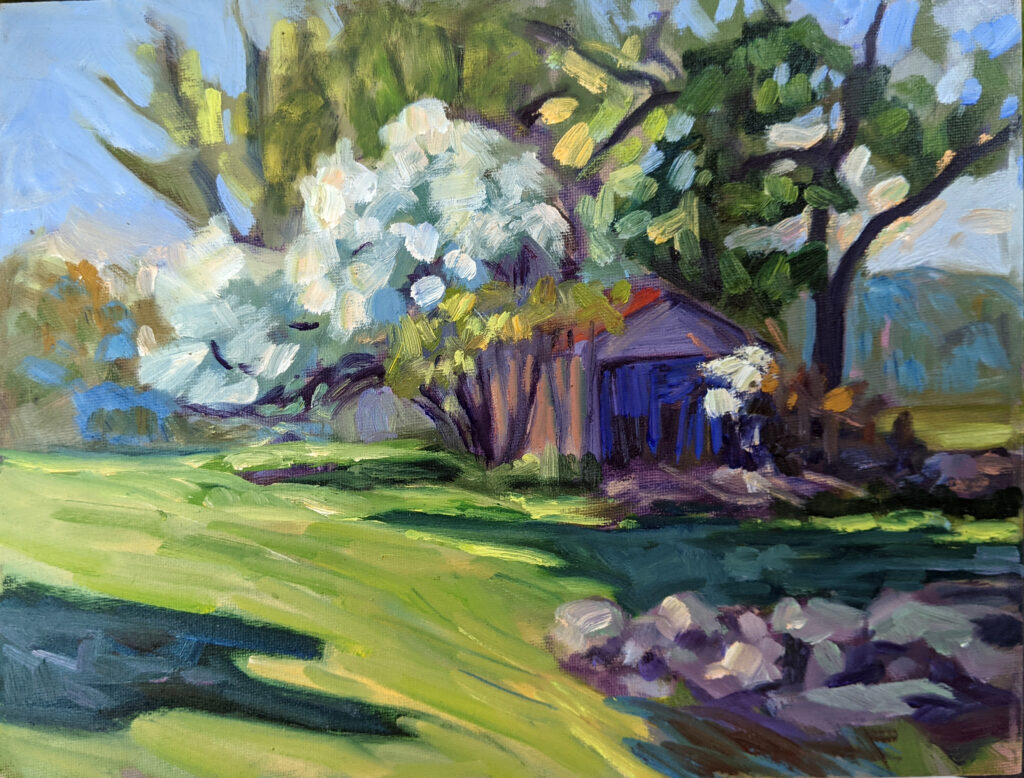
Apple Blossom Time, oil on archival canvasboard, $869 framed includes shipping and handling in continental US.

Taking shortcuts

Students understand the importance of a painting protocol (which I’ve shared here for oil painting and here for watercolors). These include sketching, a grisaille or greyscale study and layering paint in a specific order, all of which they’ll dutifully practice in class. Then, in the excitement of the chase, they throw that out the window and go right to color.

Following a painting protocol helps you work efficiently and avoid costly mistakes. It’s just an order of operations, and it’s nothing I invented. Painters have been putting down paint in the same general order for centuries.

A painting protocol also gives you a framework to diagnose problems. For example, if a painting feels flat, you might revisit your value sketch to see how accurately you’ve maintained the original structure. This gives you a systematic way to troubleshoot.

I like to have students lay out their paints in the same order every time they work; after all, it would be hard to play the piano if I kept moving the keys. Throughout the process of painting, repetition helps build consistency. It makes it easier to track what works and refine technique over time.

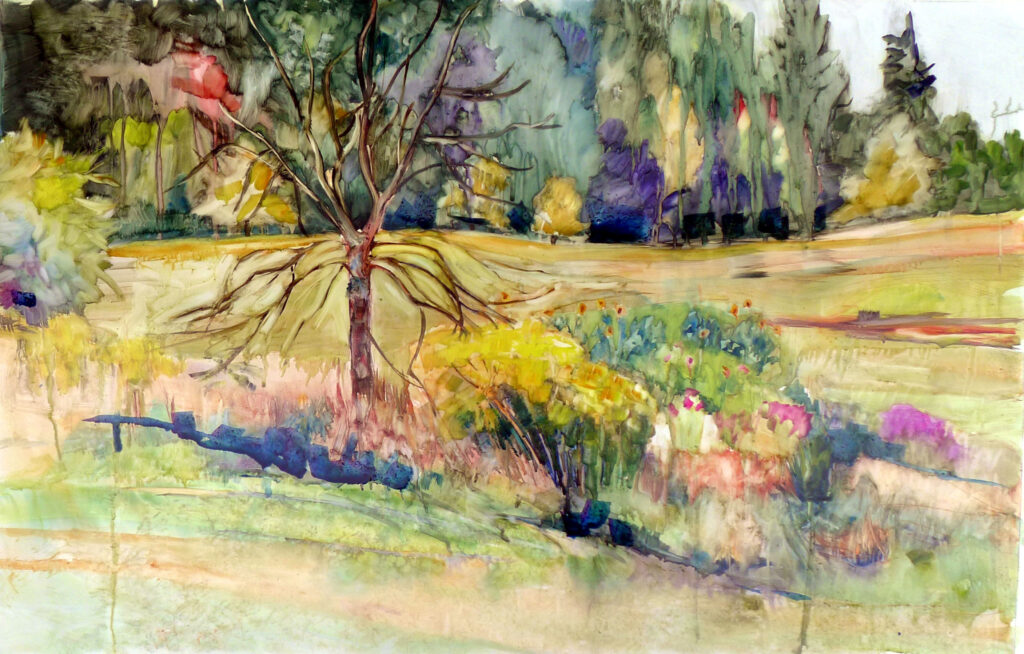
Rachel’s Garden, ~24×35, watercolor on Yupo, museum-grade plexiglass, $3985 includes shipping and handling in continental US.

Each medium has its own requirements, limitations and strengths. A painting protocol ensures you capitalize on them and not make the same errors repeatedly. It prevents technical failures.

Paradoxically, having a painting protocol frees you up creatively. You’re not constantly second-guessing your logistics, so you can focus on expression, composition, and meaning. Protocol is not about rigidity; it’s about making good habits second nature so that your technique supports, rather than hinders, your vision.

Home Farm, 20X24, oil on canvas, $2898 framed includes shipping and handling in continental US.

Ignoring value and composition

Beginners are often seduced by color and detail, neglecting value pattern and overall design. But values and composition are foundational to painting. They’re what make a picture work before color or detail ever come into play.

Value creates form and depth. Without a good value structure, paintings look flat and uninteresting. And value controls focus, since the eye naturally goes to areas of highest contrast. By controlling values, you control where the viewer looks.

If the value structure is naff, no amount of beautiful color will save it.

Composition is closely related to value, but is the more general arrangement of elements in your painting: shapes, lines, values and colors. Composition is how you guide the viewer’s eye and communicate your intent.

Good composition leads the eye on a purposeful path through the painting. Bad composition leaves the viewer wandering or worse, invites him or her to move on to something else.

Fog over Whiteface Mountain, 11X14, $1087 framed includes shipping and handling in continental US.

Coloring inside the lines

I can’t tell you how many times I’ve had students do brilliant drawings, but when it comes time to move those drawing to their canvases, they revert right back to copying their reference photos. (That’s one good reason to paint from life whenever possible.)

I used to have a painting teacher who said, “You are all terrified.” Well, I popped her in the nose—just kidding, but it took more than a blank canvas to terrify me. However, there was something in what she said.  Students tend to play it safe, coloring inside the lines, using timid brushstrokes, and slavishly copying their reference. That leads to stiff, lifeless work and, worse, prevents real growth.

Registration is now open for workshops in 2026! Reserve your spot:

Can’t commit to a full workshop? Work online at your own pace:
Seven Protocols for Successful Oil Painters